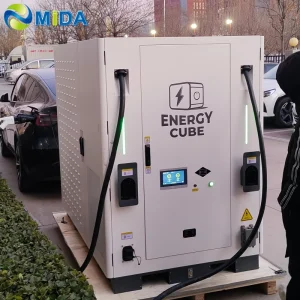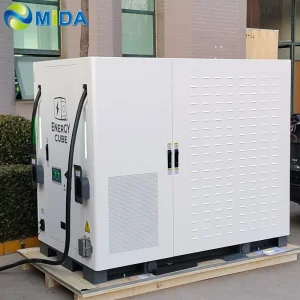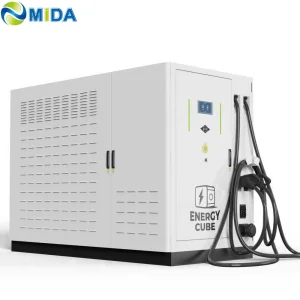
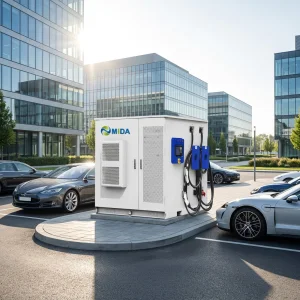
Advanced commercial battery energy storage charging systems designed for seamless local grid coupling and peak load demand response.
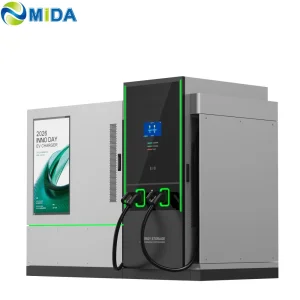
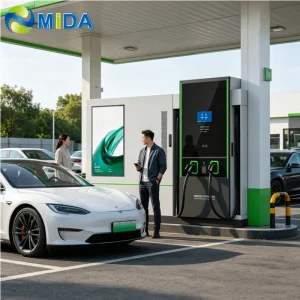
Colombia is experiencing an unprecedented expansion in electromobility and green infrastructure. Driven by national laws like the Ley de Movilidad Eléctrica (Law 1964 of 2019) and the rapid integration of non-conventional renewable energy sources, major urban hubs like Bogotá, Medellín, Cali, and Barranquilla are leading the transformation. However, matching high-power DC fast-charging demands with the existing regional power distribution grid poses significant hurdles.
Grid operators (such as Enel, Celsia, and EPM) are frequently faced with peak loading bottlenecks and demand response dynamics. This is where Battery Energy Storage System (BESS) Charging Stations come into play. By integrating premium LFP battery packs directly with high-performance EV charging terminals, facilities can capture off-peak grid power, manage energy peaks autonomously, and offer uninterrupted high-speed charging without stressing local electrical networks.
Shanghai Mida Cable Group Ltd. operates through its wholly owned subsidiaries: Shanghai Mida EV Power Co., Ltd., Shenzhen Mida EV Power Co., Ltd., and Shanghai Mida New Energy Co., Ltd.
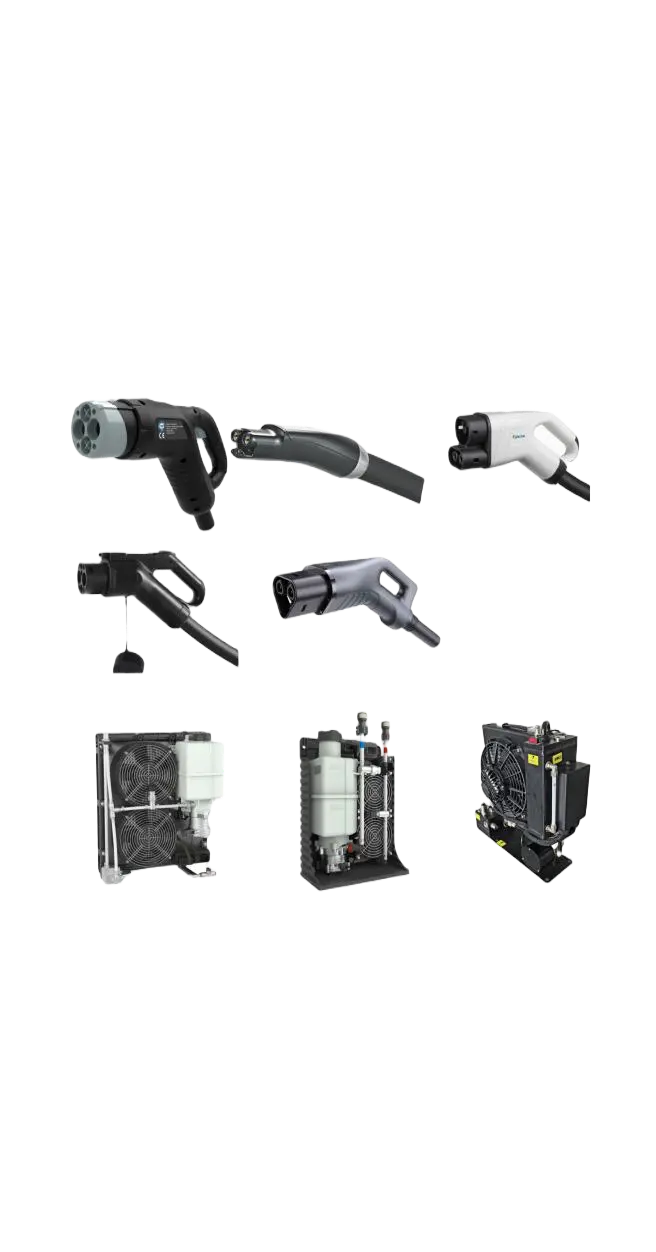
Mida Cable manufactures a comprehensive range of EV charging cables, including 16A–80A J1772 cables, 16A–63A IEC 62196-2 Type 2 cables, and DC fast charging cables: CCS1 (80A–500A), CCS2 (125A–1000A), CHAdeMO (125A–300A), GBT (200A–1000A), and NACS connectors (250A–600A).
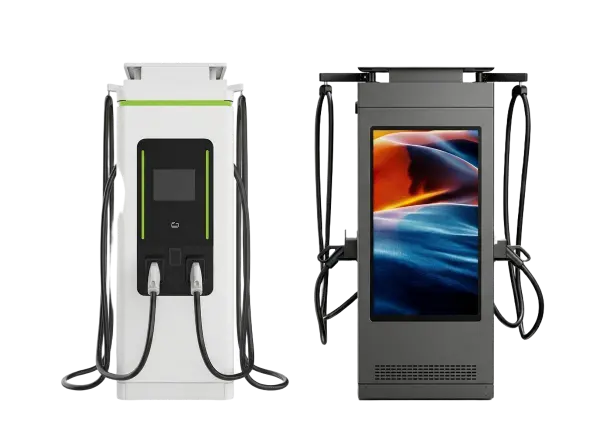
MIDA EV Power produces a full lineup of EV charging stations, such as 7kW–50kW mobile chargers, 3.6kW–7.2kW portable DC chargers, 360kW–1440kW split-type DC fast chargers, 20kW–50kW wall-mounted DC chargers, and 60kW–480kW floor-standing DC fast charging stations.
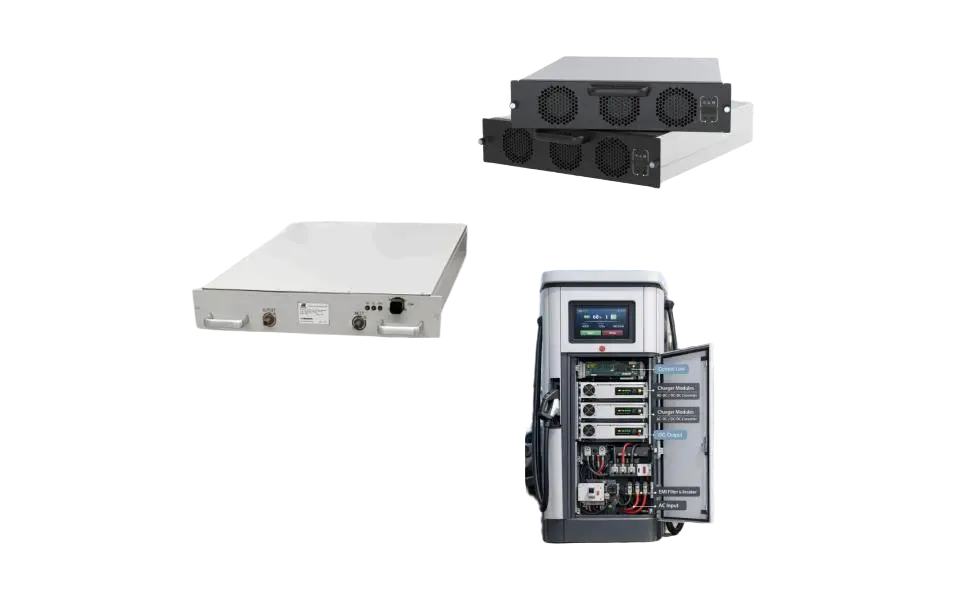
MIDA New Energy specializes in EV charger power modules, offering 20kW–60kW standard modules, 40kW–125kW liquid-cooled modules, 30kW–62.5kW bidirectional modules, and 20kW–45kW V2G charging modules.

Comprehensive ecosystem products crafted to deliver maximum uptime and continuous energy transmission.
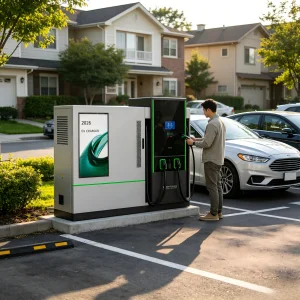
Reliable destination chargers for residential, hospitality, and commercial lots.
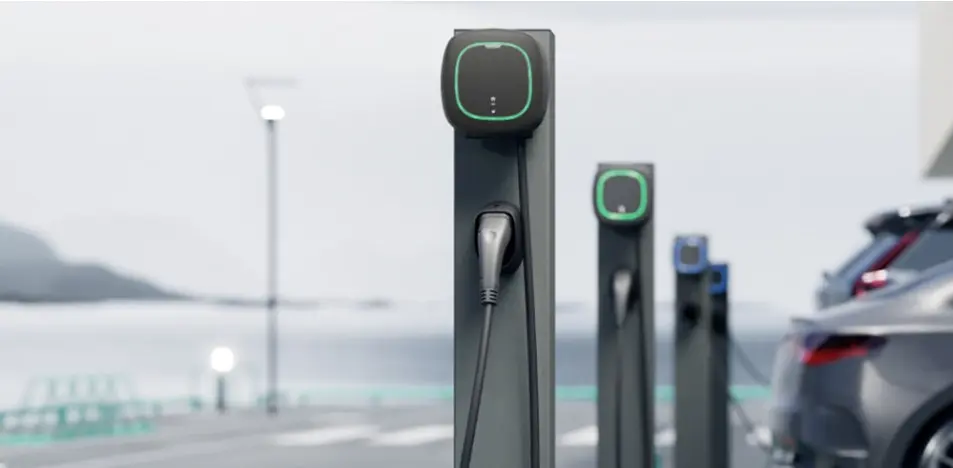
7kW to 80kW fast portable energy systems suited for road assistance and dynamic fleets.
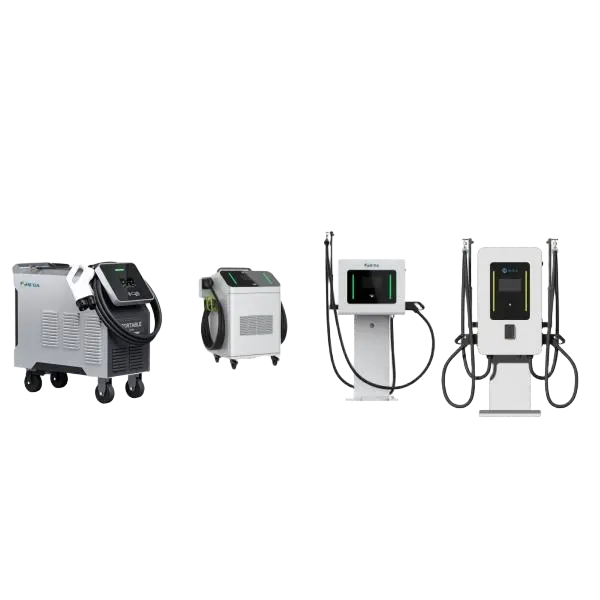
60kW to 1440kW high-capacity configurations engineered for highway transit and urban hubs.
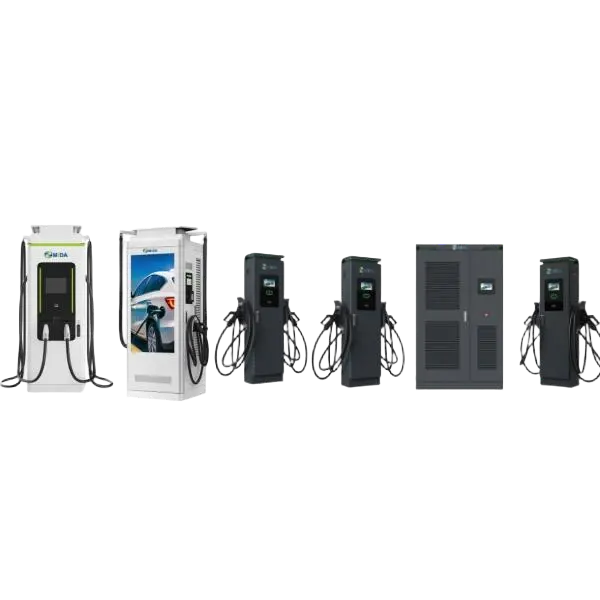
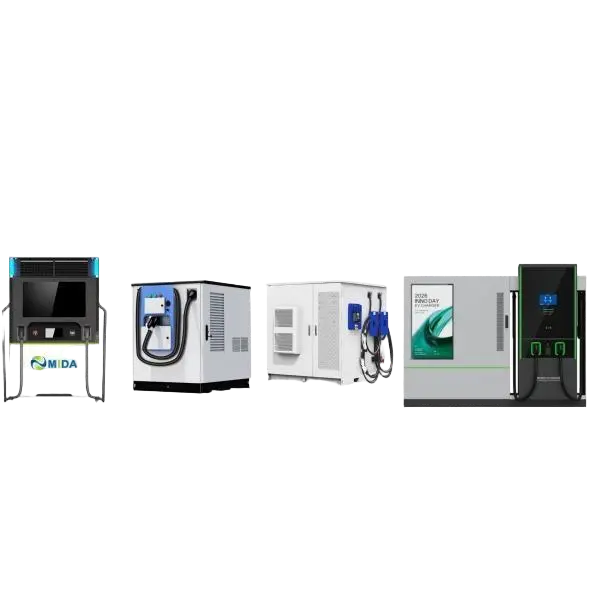
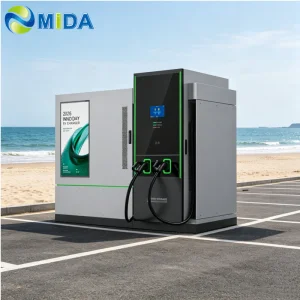
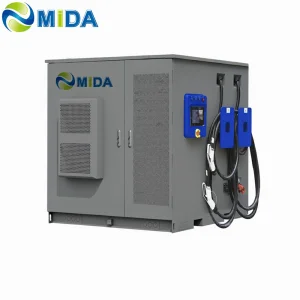
60kWh to 2MWh battery-buffered architectures built for grid buffering and self-consumption.
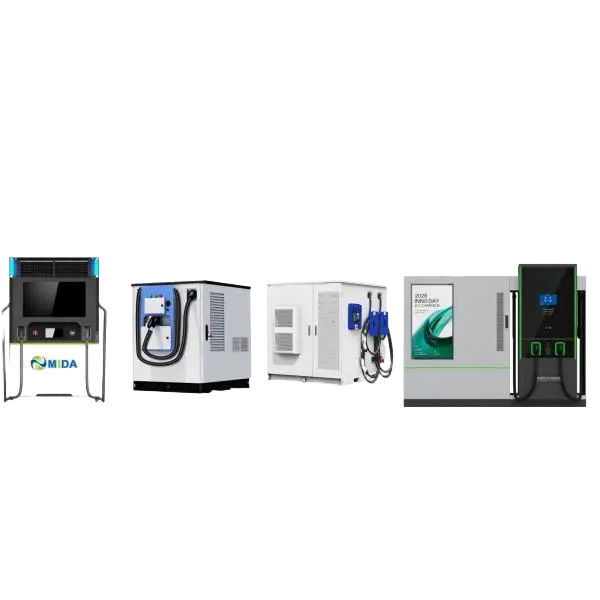
Addressing infrastructure limitations with custom, containerized, and mobile storage topologies.
Industrial parks in Medellín and Cali use BESS to reduce grid demand charges during peak daytime hours, drawing cheap power overnight and boosting operational efficiency.
Off-grid remote zones (Zonas No Interconectadas - ZNI) in Chocó and La Guajira utilize off-grid solar coupled with BESS EV chargers to establish local clean transit grids.
Bogotá's TransMilenio depots and logistics providers deploy megawatt-level BESS terminals to charge massive e-bus and commercial electric vehicle fleets concurrently.
Explore our engineering lines built for industrial-grade electric vehicle support networks.
When scaling commercial charging hubs, developers face critical engineering constraints related to high-rate power demand. In standard layouts, installing several 120kW or 180kW DC chargers requires grid transformers capable of handling massive spikes. In Colombia, upgrading grid connection points can take anywhere from 12 to 24 months due to environmental permitting and local grid capacity constraints. This utility bottleneck has accelerated the demand for BESS charging solutions.
Operating lithium battery storage in regions with diverse microclimates—such as the high altitude of Bogotá (2,600m above sea level) or the high heat and humidity of coastal cities like Barranquilla and Cartagena—demands precise thermal management. At higher altitudes, thinner air reduces convection cooling capacity, meaning system de-rating is critical if ambient cooling parameters are not engineered adequately. MIDA BESS systems leverage Lithium Iron Phosphate (LiFePO4 / LFP) chemistry. Compared to NMC chemistries, LFP offers superior thermal run-away limits, lower risk of oxygen release, and a prolonged cycle life exceeding 6000 cycles at 80% Depth of Discharge (DoD).
To prevent degradation and capacity fading, consistent cell temperatures are required. Modern high-density storage containers (such as 1MWh to 2MWh systems) employ liquid cooling plates. A liquid-cooled design maintains internal cell temperature variance within ±2°C. By circulating a glycol-water mixture through dedicated internal thermal conduits, heat is extracted directly from cell surfaces. This increases energy throughput efficiency and extends operating life compared to classic fan-based ventilation.
Smart BMS controls monitor peak loading at the grid connection point. If building load combined with EV charging demands exceeds threshold limits, the BESS discharges instantly to cover the surplus power. This eliminates demand charges and peak utility rates, allowing fleet operators to scale EV integration without delayed grid upgrades.
Stay up to date with modern mass transport charging concepts, infrastructure, and heavy transport integration.

What are the advantages of an e-bus pantograph dome? In contrast to classic plug-in charging systems, e-bus pantograph solutions allow for rapid high-power overhead charging at terminal locations.
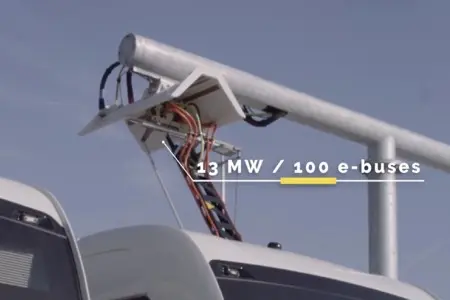
How long does it take to charge with an e-bus pantograph? Charging times vary depending on utility feeds, battery capacities, and the specific power rating of the pantograph system.
How to Install the Pantograph Up Charger System Dome for Electric Bus. Step-by-step instructions on setting up safe, automated connection frames and grid coupling structures for public buses.
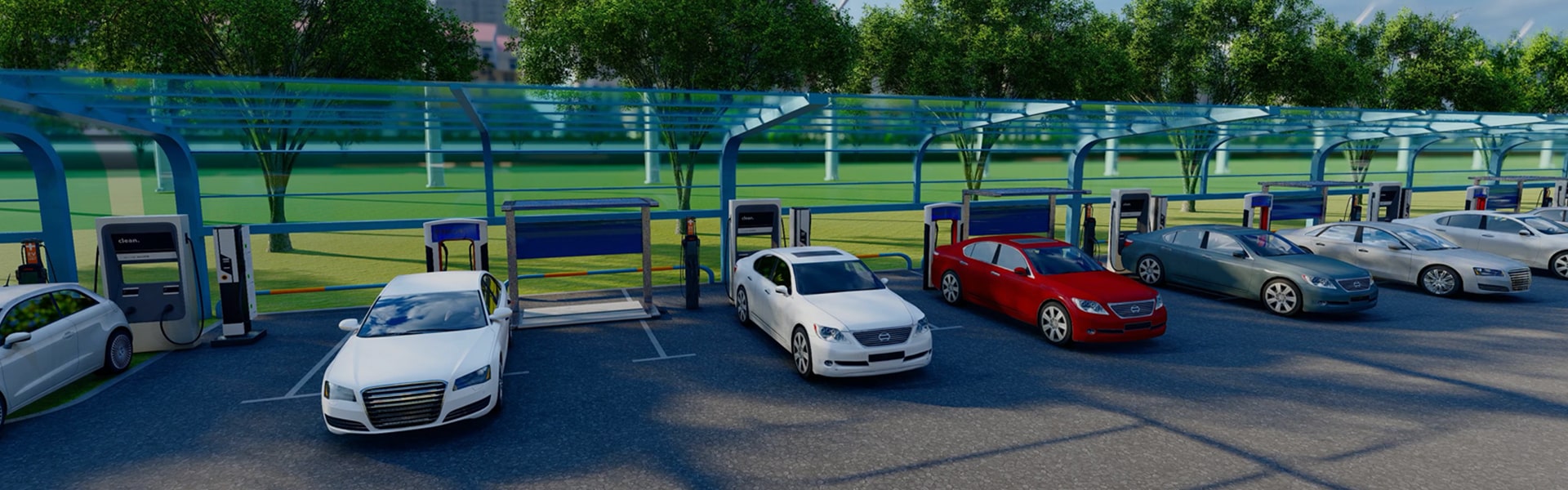
Premium line-up from our factory floor. Click on any solution for complete technical data sheets, battery cycle charts, and RETIE certifications.
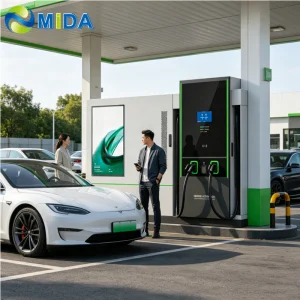
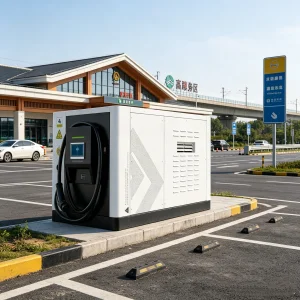
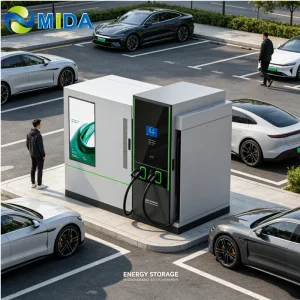
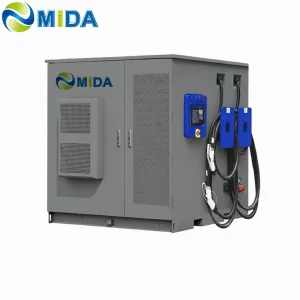
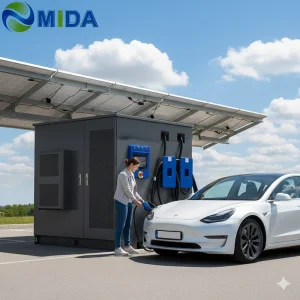
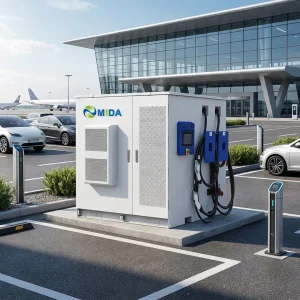
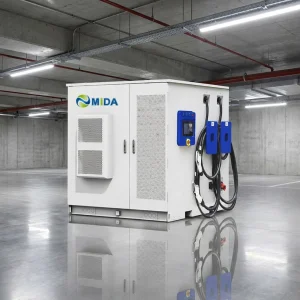
Everything you need to know about purchasing, importing, and operating BESS Charging Stations in Colombia.
Reach out to our engineering consultants to request a customized system layout design, LFP degradation models, RETIE compliant certifications, and direct factory pricing.