
High-efficiency, utility-certified Battery Energy Storage Systems designed to support the electric transit corridors and urban charging hubs across the Osaka Metropolitan Area.
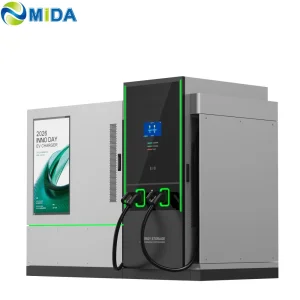
Engineered for light commercial fleets in Kansai, matching GBT and CCS2 compliance parameters with high storage safety.
Request Technical Specs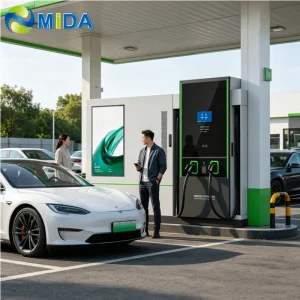
Optimized with a dual CCS2/CHAdeMO layout, providing grid stability and peak-shaving functionality for Osaka logistics depots.
Request Technical Specs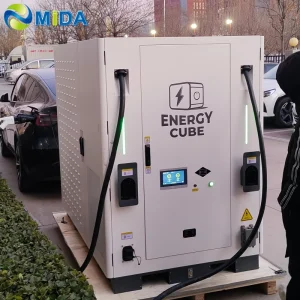
Trailer-mounted emergency dispatch station. Excellent protection levels for deployment during natural disaster response.
Request Technical Specs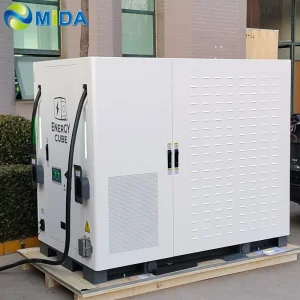
Features high-efficiency solar MPPT integration, bypassing grid capacity constraints for eco-industrial zones in Osaka.
Request Technical SpecsThe Osaka Prefecture and the broader Kansai region are driving some of the most aggressive sustainability mandates in Japan. Under the Osaka Carbon Neutral Vision, the prefecture aims to transition its industrial zones—such as the coastal petrochemical complexes of Sakai-Senboku and the logistic corridors near Kansai International Airport—into net-zero carbon operations. This transition hinges on local businesses adopting localized microgrids and energy buffer systems.
Grid integration in Osaka is managed under the strict regulatory oversight of the Kansai Electric Power Company (KEPCO). Due to escalating fuel costs and global energy market volatility, industrial users in Osaka are facing unprecedented demand charges during seasonal peaks. Implementing a high-capacity Battery Energy Storage System (BESS) directly integrated with EV charging infrastructure is no longer just an eco-friendly option; it is an economic imperative to optimize peak-shaving strategies and secure continuous operations during grid failures caused by seismic or typhonic events.
How MIDA Group leverages advanced liquid cooling, high-density LFP chemistry, and bidirectional power conversion (PCS) systems to achieve market-leading reliability.
Integrating a multi-tiered safety strategy using aerosol-based and Novec 1230 fire suppression systems at the module and rack levels. This architecture satisfies the strict fire protection regulations enforced by Osaka municipal departments, ensuring safety in densely populated commercial centers.
For intensive high-load cycles typical of fleet charging, our liquid-cooling power modules limit battery cell temperature fluctuations to under 3°C. This significantly improves cell life-cycle economics compared to traditional air-cooled solutions, preventing premature degradation under high ambient temperatures.
Equipped with proprietary Energy Management Systems (EMS) that seamlessly integrate with Kansai grid frequency control directives. The system supports fast frequency response (FFR), microgrid peak shaving, and active load monitoring, ensuring complete harmony with KEPCO infrastructure.
Our BESS charging systems are engineered for the specific commercial, industrial, and geographic configurations of Osaka.
Integrating high-capacity battery buffers at shipping terminals to manage peak loads generated by electric container haulage trucks during rapid shift rotations. Bypasses the need for expensive sub-station upgrades at coastal terminals.
Designed for inner-city logistics in central Osaka districts like Umeda and Namba. Smart energy storage modules shift grid intake to low-rate nocturnal hours, releasing high-power DC current for rapid vehicle replenishment during early morning dispatches.
Acting as local municipal community life-lines. During grid anomalies or seismic blackouts, these systems automatically decouple from the KEPCO main system, providing critical electric backup for municipal services, disaster centers, and emergency vehicles.
Our complete line of scalable BESS charging installations built under strict global Quality Assurance guidelines, optimized for Kansai compliance.
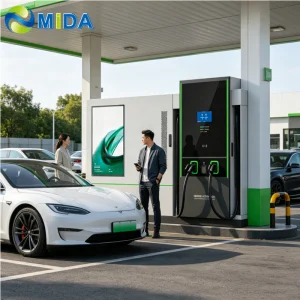
Integrated outdoor-rated cabinet combining storage and high-speed DC dispensing, tailored for retail shopping destinations in Osaka.
Inquire Price & Lead Time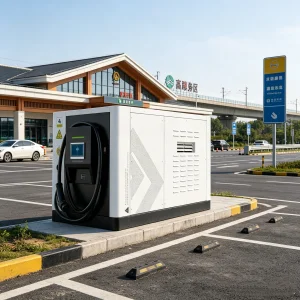
Highly maneuverable mobile power unit for rapid roadside charging assistance and localized fleet breakdown management.
Inquire Price & Lead Time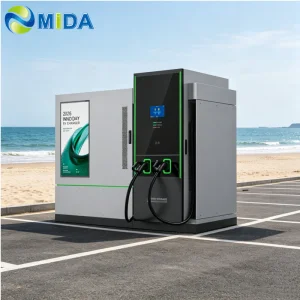
Combines modern aesthetic styling with heavy industrial performance, ideal for Osaka manufacturing facilities.
Inquire Price & Lead Time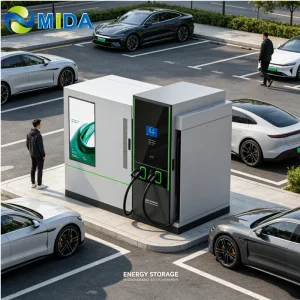
Features multi-dispenser outputs for high-turnover charging plazas along heavy-traffic expressways.
Inquire Price & Lead Time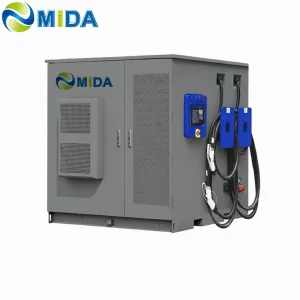
Utility-grade storage footprint designed for megawatt-level fleet operations and regional energy management systems.
Inquire Price & Lead Time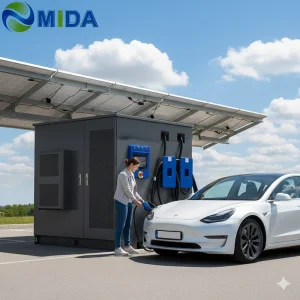
High-capacity mobile platform that bridges peak load demand variations on volatile localized grid sectors.
Inquire Price & Lead Time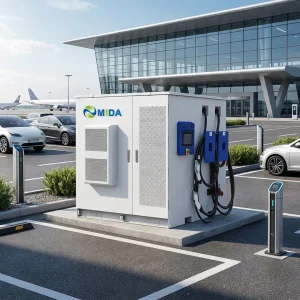
Optimized with a high-capacity cell layout to guarantee multiple fast charges without relying on immediate grid power.
Inquire Price & Lead Time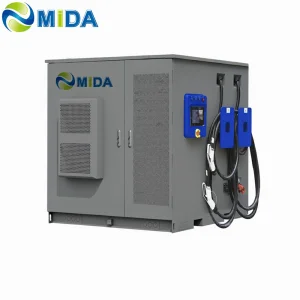
Designed for maximum charge speeds and transportability across massive logistics depots and construction zones.
Inquire Price & Lead Time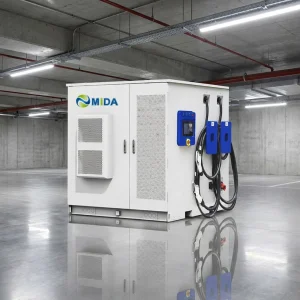
Perfect balance of high capacity and transport agility for temporary sites and seasonal event venues in Osaka.
Request Quote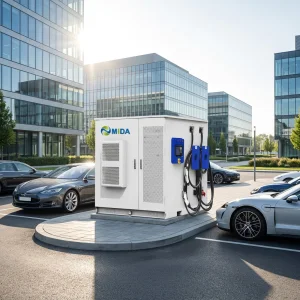
Enterprise-grade solution for commercial transport yards, combining massive capacity with solar peak matching.
Request Quote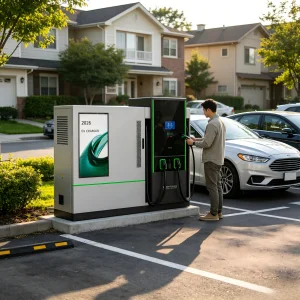
Future-proofed with multi-protocol support including CHAdeMO and NACS, addressing cross-market fleet vehicles.
Request Quote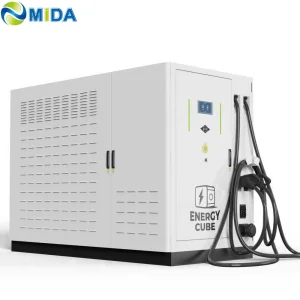
Direct-to-grid integration module combining multi-port configurations and robust internal battery storage buffer.
Request QuoteHow our advanced manufacturing plants deliver significant CAPEX advantages and uncompromising quality standards to the Japanese market.
Navigating the complex procurement requirements for battery storage systems in Japan demands both rapid production timelines and strict quality control. As a leading BESS charging station manufacturer, MIDA Group leverages the unmatched depth of the Chinese battery supply chain to provide our partners in Osaka with highly competitive pricing and resilient scheduling.
By sourcing raw lithium iron phosphate (LFP) materials directly and utilizing automated robotic cell assembly lines, we minimize production errors and lower manufacturing costs. These savings are passed directly to our customers, significantly reducing CAPEX compared to local Japanese integrators. This cost efficiency allows project developers to accelerate their ROI timelines and scale projects rapidly.
Every BESS unit undergoes rigorous safety testing—including environmental simulation, vibration stress analysis, and thermal runaway monitoring—before dispatch. This ensures that every container leaving our factory meets the demanding performance requirements of the Kansai grid.
Shanghai Mida Cable Group Ltd. operates through its wholly owned subsidiaries: Shanghai Mida EV Power Co., Ltd., Shenzhen Mida EV Power Co., Ltd., and Shanghai Mida New Energy Co., Ltd. This corporate structure allows us to integrate our entire value chain, from raw cable production to advanced bidirectional energy storage engineering.
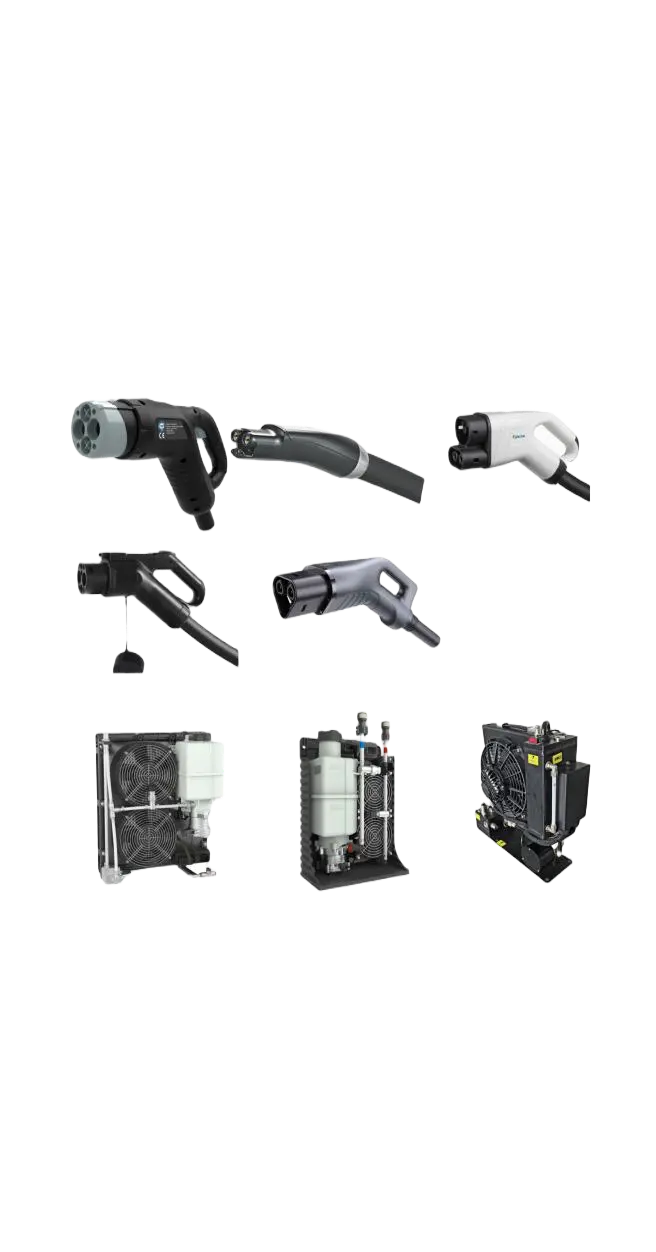
Mida Cable manufactures a comprehensive range of EV charging cables, including 16A–80A J1772 cables, 16A–63A IEC 62196-2 Type 2 cables, and high-capacity DC fast charging cables: CCS1 (80A–500A), CCS2 (125A–1000A), CHAdeMO (125A–300A), GBT (200A–1000A), and NACS connectors (250A–600A).
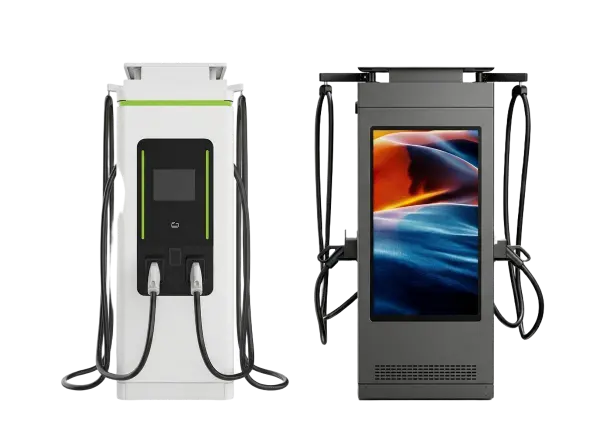
MIDA EV Power produces a full lineup of EV charging stations, such as 7kW–50kW mobile chargers, 3.6kW–7.2kW portable DC chargers, 360kW–1440kW split-type DC fast chargers, 20kW–50kW wall-mounted DC chargers, and 60kW–480kW floor-standing DC fast charging stations.
MIDA New Energy specializes in EV charger power modules, offering 20kW–60kW standard modules, 40kW–125kW liquid-cooled modules, 30kW–62.5kW bidirectional modules, and 20kW–45kW V2G charging modules.

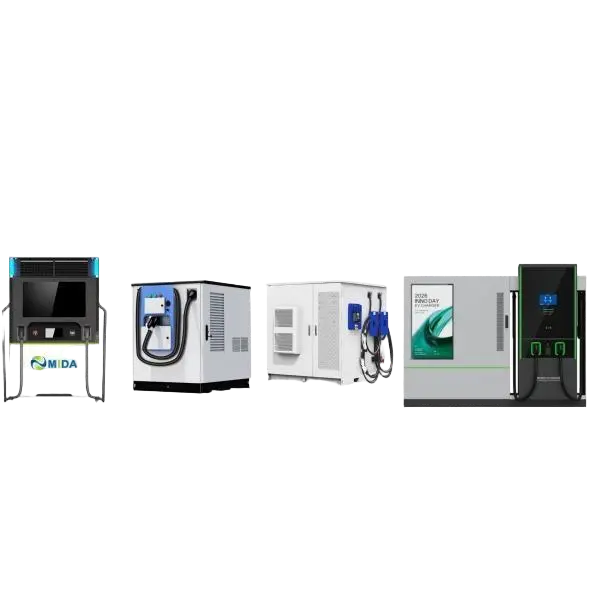
Our integrated solution ecosystem covers the entire EV infrastructure value chain, from component manufacturing to commercial-scale BESS charging stations.
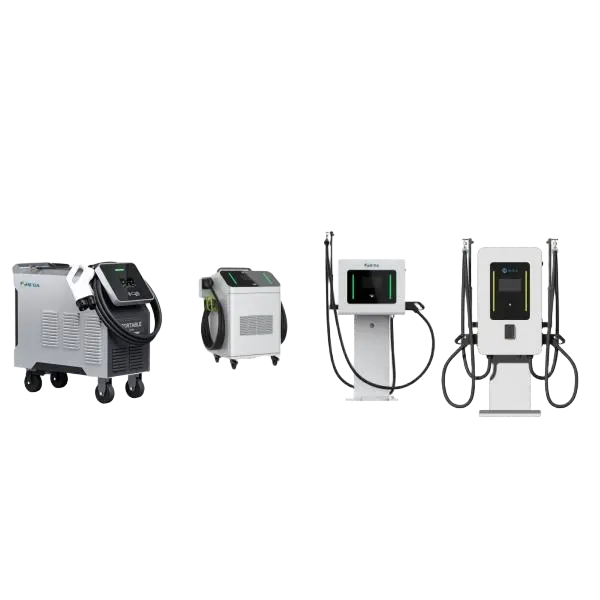
Power Range: 7kW | 20kW | 30kW | 40kW | 60kW | 80kW
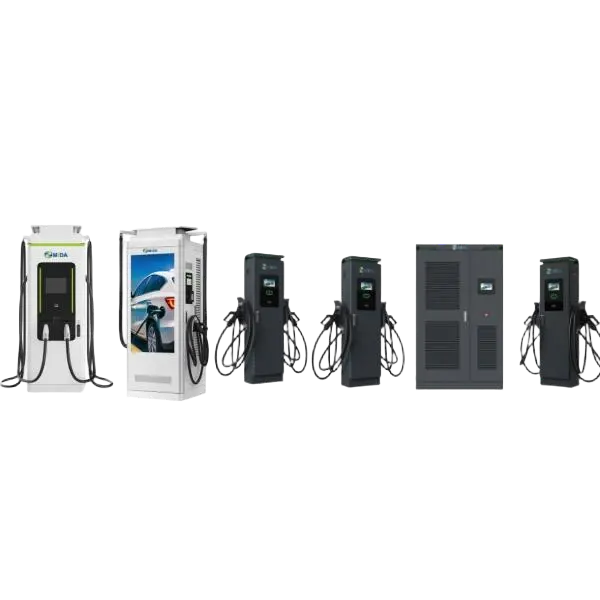
Power Range: 60kW-480kW | 360kW-1440kW
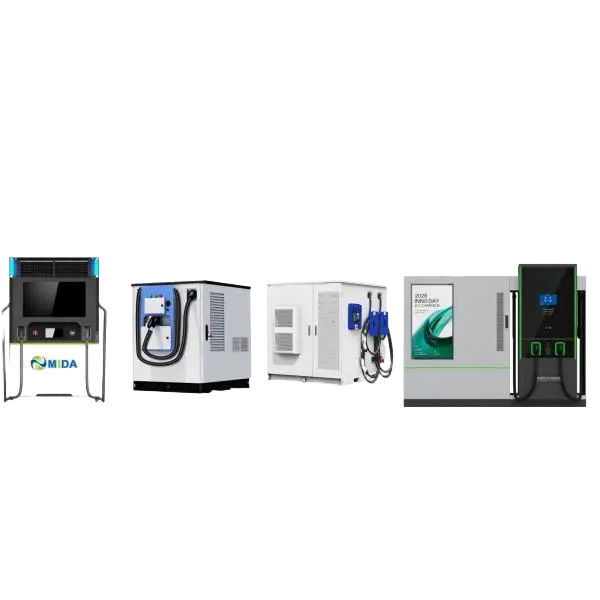
Storage Capacity: 60kWh | 261kWh | 418kWh | 625kWh | 2MWh+
Our capability extends beyond complete systems. MIDA manufactures the underlying components that set industry benchmarks for energy efficiency and thermal dissipation.

Ensuring seamless deployment, approval, and integration within the Japanese regulatory framework.
Navigating Japan's utility regulatory compliance can be challenging for overseas projects. At MIDA, we design our BESS charging stations with Japanese grid compliance in mind from the ground up. Our systems are ready to undergo validation for JET Certification and the strict technical codes enforced by major regional utilities like KEPCO.
Our engineering support team assists in compiling the necessary documentation for METI applications, including system schematics, structural calculations for seismic anchors, and local fire department safety declarations. We help streamline your approvals process to minimize project delays.
Speak with a Compliance EngineerKeep up to date with the latest innovations in pantograph charging and large-scale battery systems for electric mass transit.
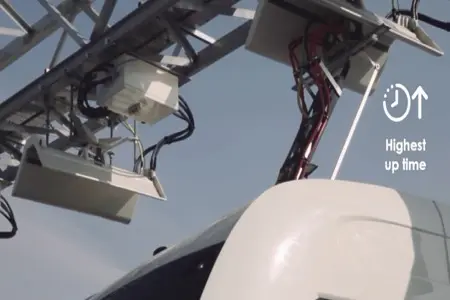
Discover how top-down pantograph charging mechanisms optimize route scheduling and depot footprint constraints for high-capacity public transit fleets.
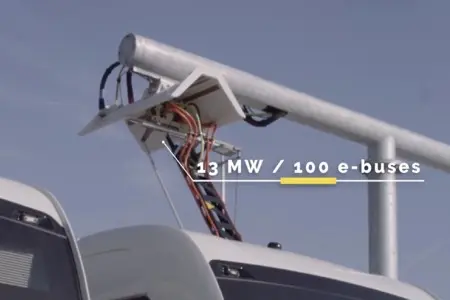
An in-depth analysis of battery charging times, balancing thermal load, and maximizing service life under rapid MW charging configurations.
Step-by-step guidance on structural positioning, mechanical connection, and safety clearance rules for urban bus terminal integrations.
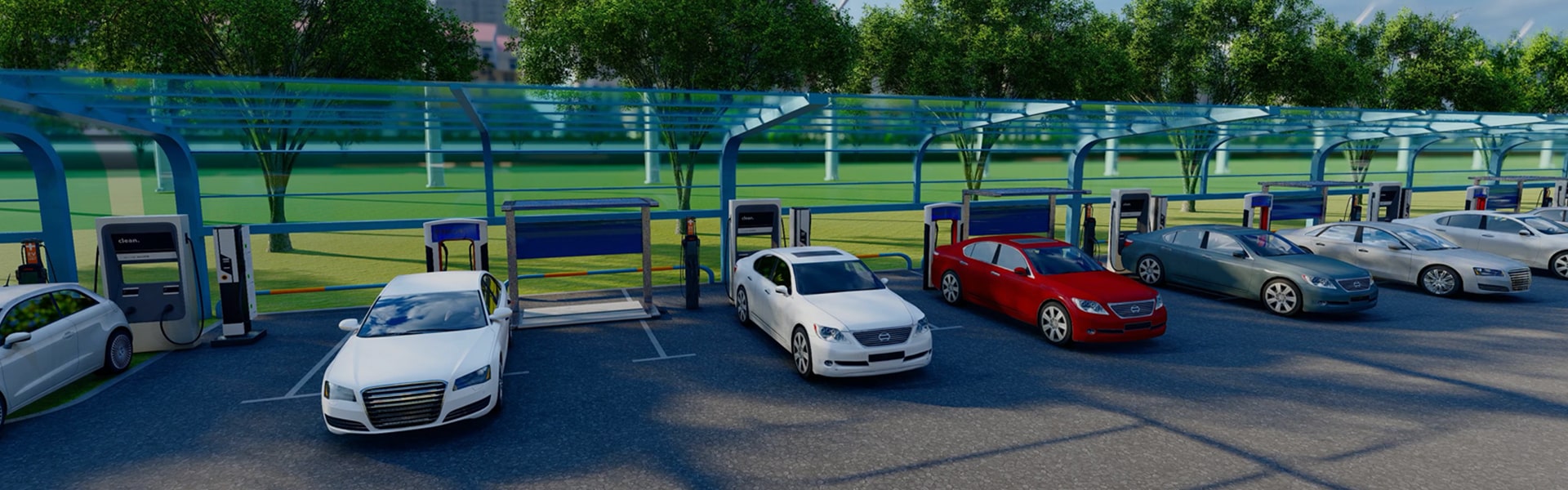
Answers to common technical, commercial, and regulatory questions regarding BESS integration in Osaka.
Our systems store grid power during lower-tariff off-peak hours and discharge it during peak billing windows to feed the chargers. This peak-shaving strategy avoids KEPCO's high peak rates, lowers demand charges, and bypasses local substation capacity bottlenecks.
Each unit features a multi-layered fire prevention architecture, including cell-level thermal runaway barriers, local aerosol fire suppression, and integrated gas detection. These safety measures are designed to satisfy METI guidelines and local fire protection regulations.
Yes. Equipped with smart bidirectional PCS units, our systems support complete islanding and black-start functionality. In the event of a utility grid failure, the storage system can disconnect to provide backup power for localized microgrids.
We use high-grade 280Ah LFP cells managed by our proprietary liquid-cooling architecture. By maintaining uniform cell temperatures and limiting fluctuations to under 3°C, we extend system lifecycles to over 6000 cycles at 80% state-of-health (SOH).
Get in touch with our technical sales division to receive system engineering documentation, mechanical designs, and complete CAPEX calculations.
Send Inquiry Now