Explore our core selection of certified high-voltage charging units engineered for rapid infrastructure expansion.
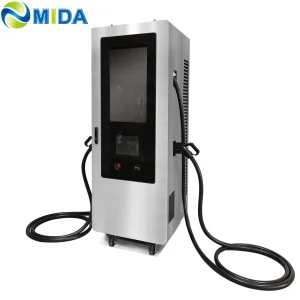
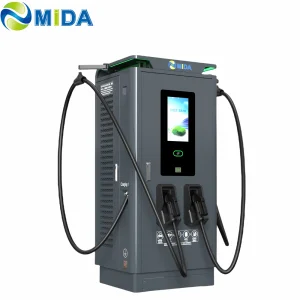
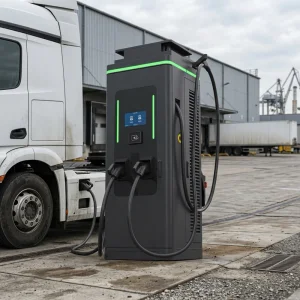
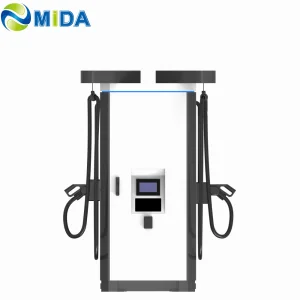
Analyzing high-power electrical infrastructure requirements, total cost of ownership (TCO) optimization, and modular grid scaling.
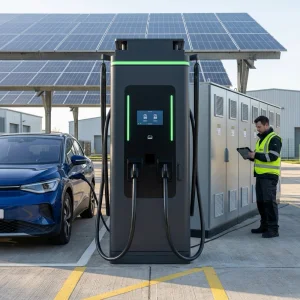
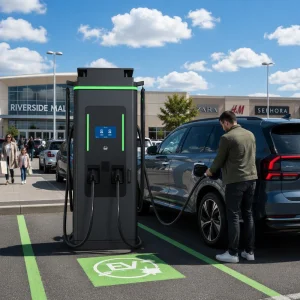
As logistics fleets, municipal buses, and highway corridor hubs transition rapidly to medium and heavy-duty electric vehicles, standard monolithic all-in-one charging stations face physical and thermal barriers. The industry is pivoting toward Split Type DC Charging Systems. By separating the massive power rectification system (installed in centralized cabinets) from the user-facing dispensers (minimalist, lightweight, and highly ergonomic terminals), operators maximize real estate utilization, lower maintenance footprints, and optimize thermal management.
This design allows megawatt-scale power distribution to be dynamically routed based on real-time vehicle battery state-of-charge (SoC). Instead of static power allocation where a dispenser sits idle or underutilized, intelligent split systems direct energy where it is needed most, achieving utilization rates over 90%.
Intelligent power matrix routing shares modular power units (up to 1440kW) dynamically across up to 12 active charging terminals.
Consolidating the power conversion electronics in a protected, climate-controlled cabinet lowers site civil costs by up to 35%.
Easily upgrade grid-side power configurations by swapping power modules from 20kW up to 125kW without replacing the dispensing terminal.

Shanghai Mida Cable Group Ltd. operates through its wholly owned subsidiaries: Shanghai Mida EV Power Co., Ltd., Shenzhen Mida EV Power Co., Ltd., and Shanghai Mida New Energy Co., Ltd.
Mida Cable manufactures a comprehensive range of EV charging cables, including 16A–80A J1772 cables, 16A–63A IEC 62196-2 Type 2 cables, and DC fast charging cables: CCS1 (80A–500A), CCS2 (125A–1000A), CHAdeMO (125A–300A), GBT (200A–1000A), and NACS connectors (250A–600A).
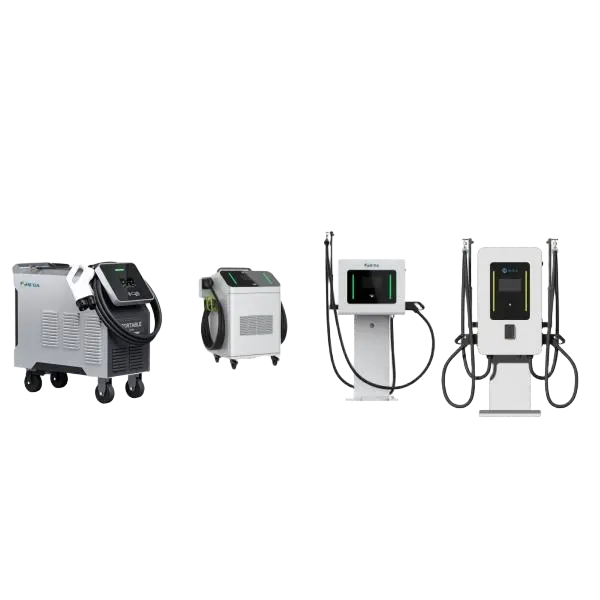
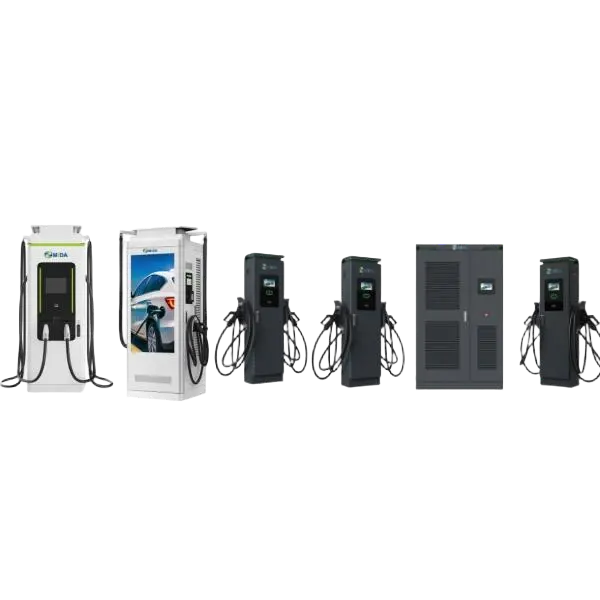
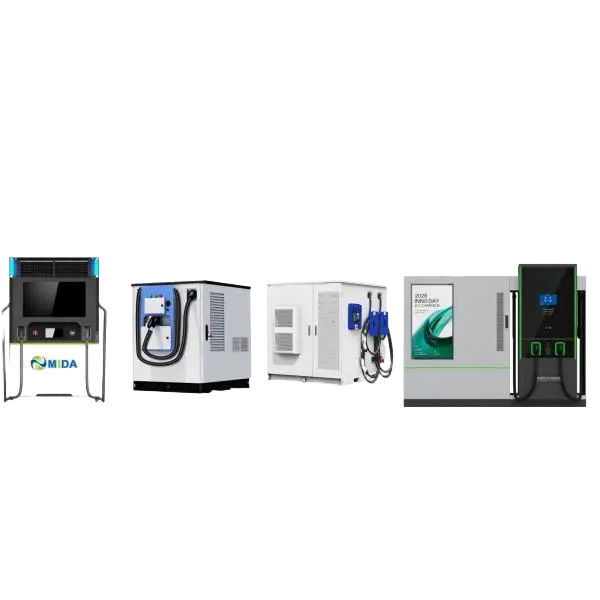
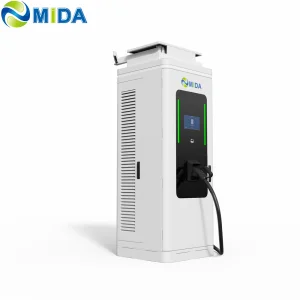
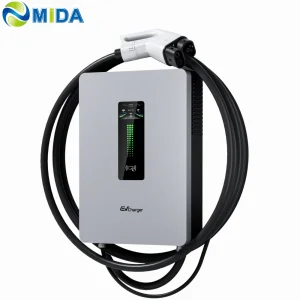
MIDA EV Power produces a full lineup of EV charging stations, such as 7kW–50kW mobile chargers, 3.6kW–7.2kW portable DC chargers, 360kW–1440kW split-type DC fast chargers, 20kW–50kW wall-mounted DC chargers, and 60kW–480kW floor-standing DC fast charging stations.
MIDA New Energy specializes in EV charger power modules, offering 20kW–60kW standard modules, 40kW–125kW liquid-cooled modules, 30kW–62.5kW bidirectional modules, and 20kW–45kW V2G charging modules.
Empowering every application segment with custom engineering and state-of-the-art power distribution topologies.
Select premium components and sub-systems to build custom high-power charging depots.
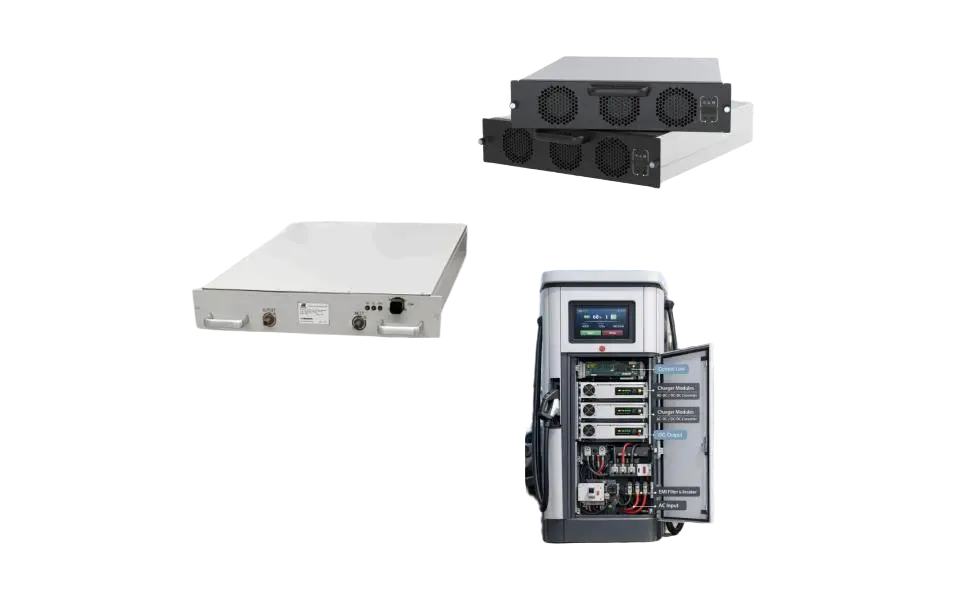
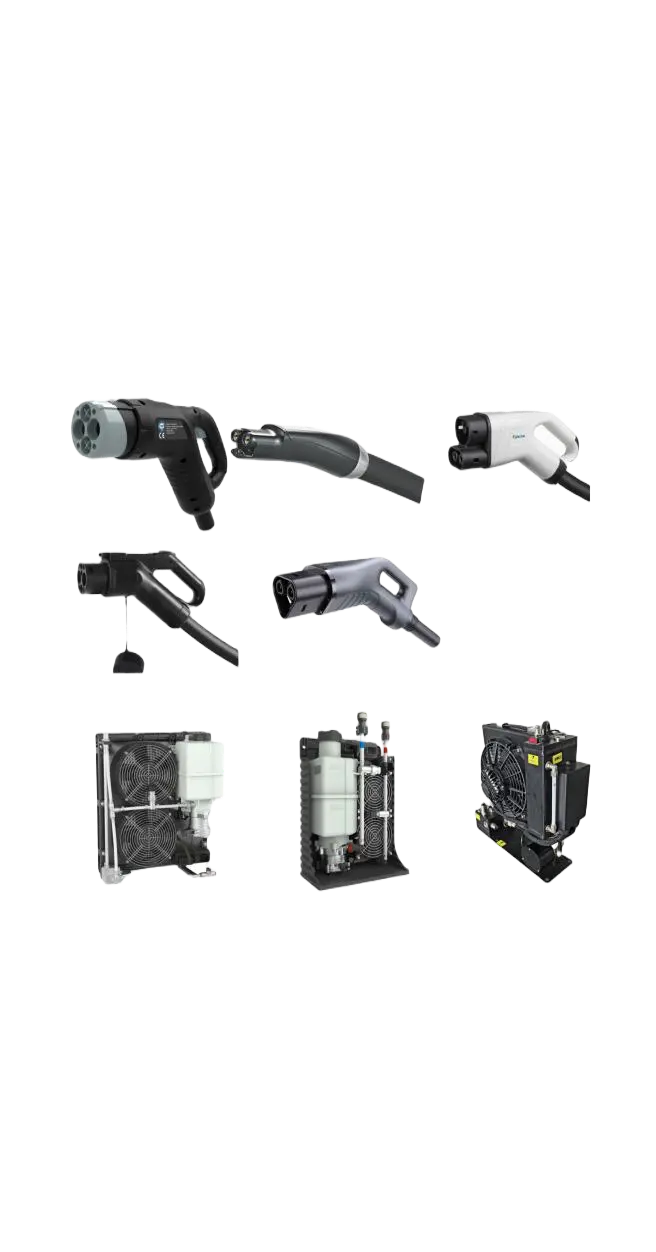
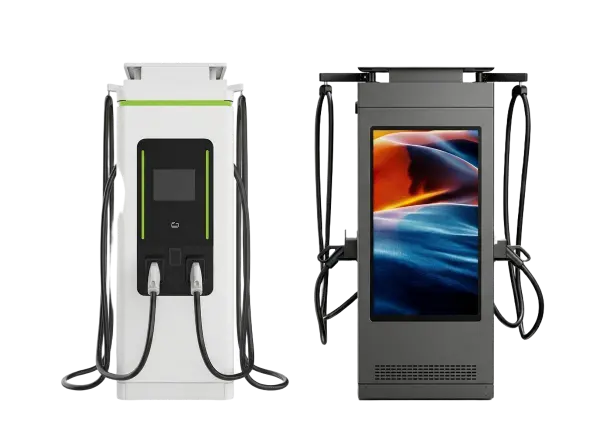
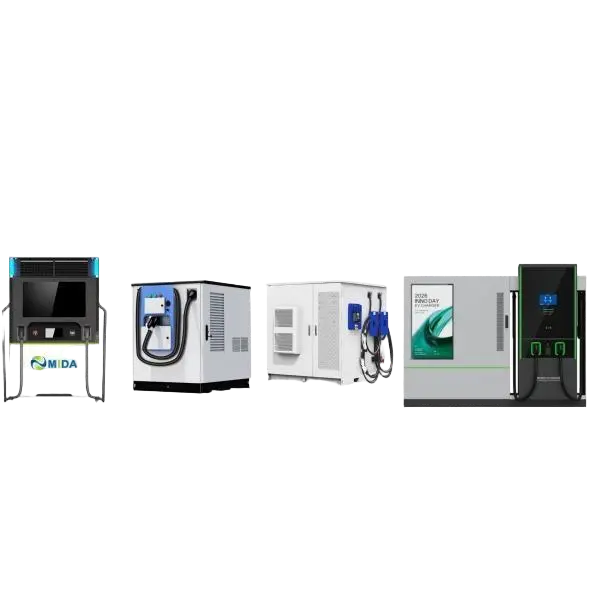
Discover how separation of rectifying equipment and user terminals maximizes reliability, grid utilization, and field maintenance.
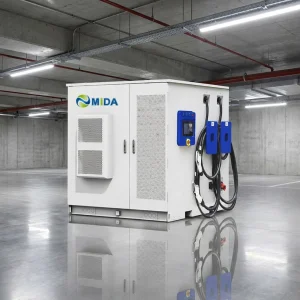
Traditional DC fast chargers tie an internal power module bank directly to a specific dual-port unit. MIDA Group's Split Type DC Charging Station (360kW ~ 1680kW) uses a centralized rectifying power cabinet that acts as an intelligent reservoir of DC electricity. When multiple EVs plug into various satellite user dispensers, the Central Control Unit (CCU) queries the battery management system (BMS) of each vehicle, evaluating optimal voltage levels and thermal capacities. It then switches its internal 30kW, 40kW, or 125kW power modules dynamically using internal relay matrices to matching topologies.
Should a single module face a thermal or electrical fault, the cabinet shifts load automatically to standby modules, assuring continuous uptime.
Supporting both legacy 400V and modern 800V/1000V electric drivetrains without manual intervention or system down-rating.
High continuous currents generate immense heat. Traditional air cooling reaches limits at currents exceeding 250A. To deliver 500A to 1000A via CCS2 or NACS connectors, liquid cooling is necessary. MIDA integrates advanced liquid-cooling loops using glycol-water mixtures inside both the power cabinet's high-density power modules (up to 125kW) and the dispenser cables. This limits weight, minimizes cable diameter for user ergonomics, and guarantees operation up to 50°C ambient temperatures without thermal throttling.
| System Architecture Specification | Air-Cooled Split System | Liquid-Cooled Supercharging System |
|---|---|---|
| Power Output Range | 120kW - 480kW | 360kW - 1680kW |
| Max Connector Output Current | 250A - 300A Continuous | 500A - 1000A Boost Current |
| Dynamic Matrix Dispatch Resolution | 30kW / 40kW Modular Steps | 40kW / 60kW / 125kW Steps |
| Operational Lifetime Projection | > 8 Years under normal maintenance | > 12 Years with advanced climate containment |
| Grid Harmonics (THD) | < 5% at full load capacity | < 3% with Active Power Factor Correction |
International distribution requires strict adherence to localized electrical codes and software protocols. MIDA Group's charging platforms are designed around open, interoperable frameworks:
Stay up to date with MIDA Group's latest research developments, field deployments, and technological breakthroughs.
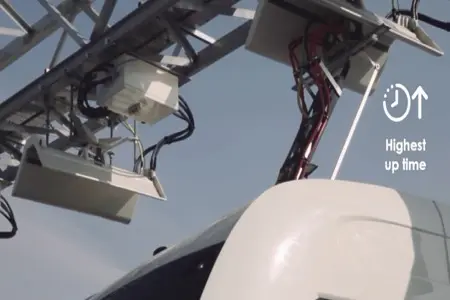
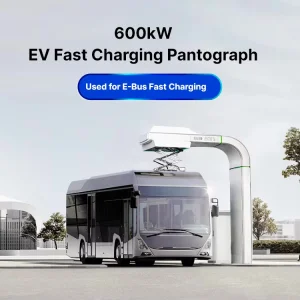
What are the advantages of an e-bus pantograph dome? In contrast to classic plug-in charging systems, e-bus pantograph systems offer automated, ultra-high power transfer and rapid recharge times for public transport.
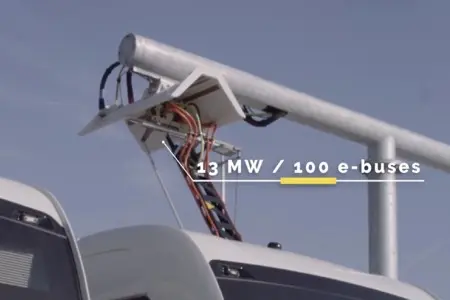
How long does it take to charge with an e-bus pantograph? The charging time depends on the battery capacity and the station power. We explain how 600kW systems charge fleets in minutes.
How to Install the Pantograph Up Charger System Dome for Electric Bus. Installing a "Pantograph Up" system dome requires careful mechanical calibration and grid interface optimization.
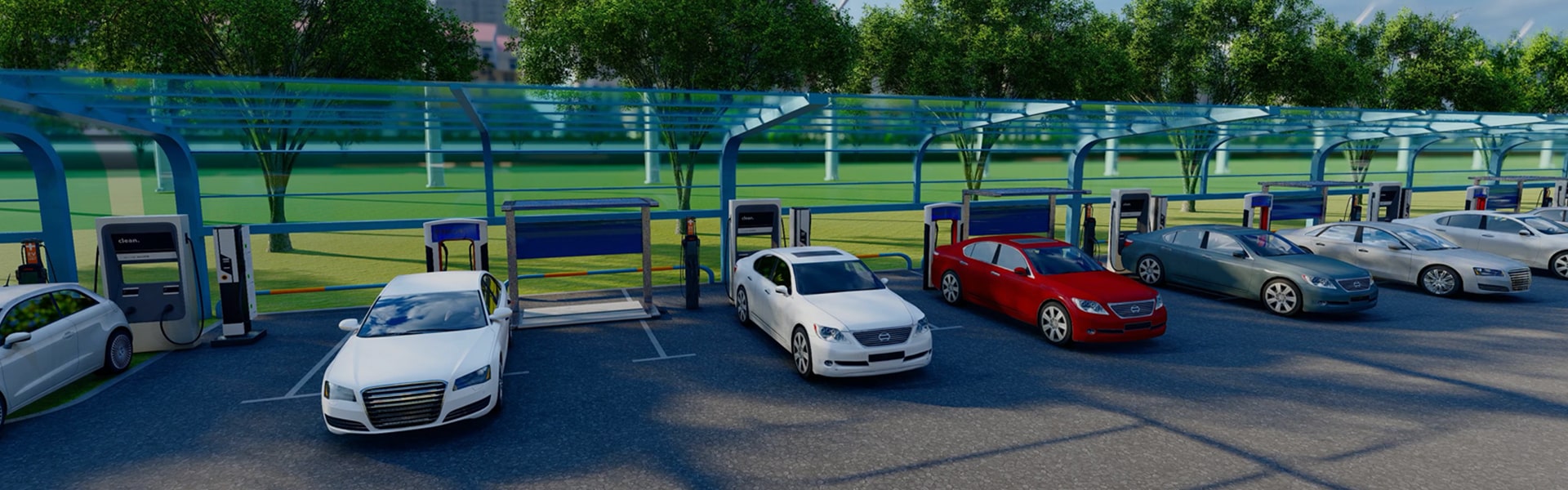
Expand your rapid charging capabilities with specialized chargers and custom-designed modular rectifiers.
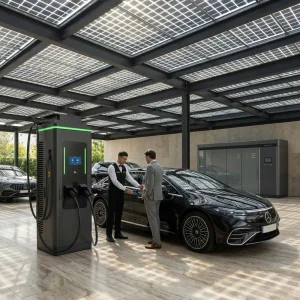
Addressing engineering specifications, installation standards, and commercial compliance queries.