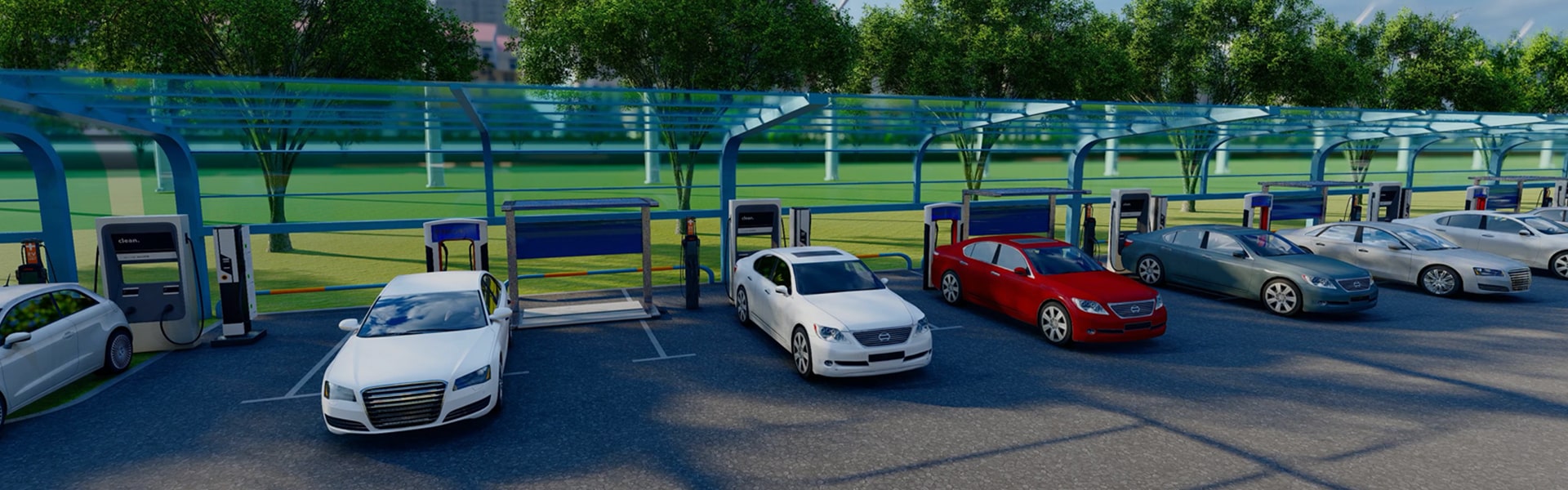
High-performance charging stations certified to global standards including TUV, ETL, UL, CE, and RoHS for optimal uptime and reliability.
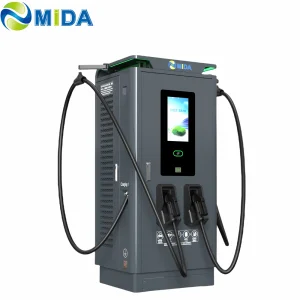
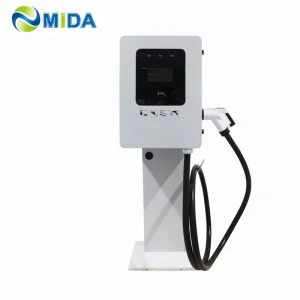
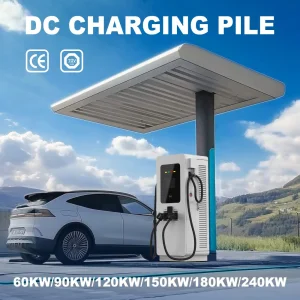
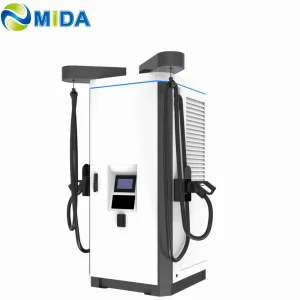
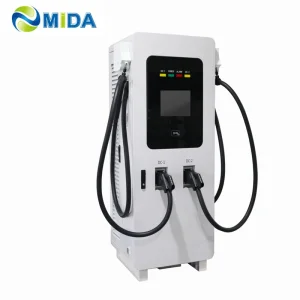
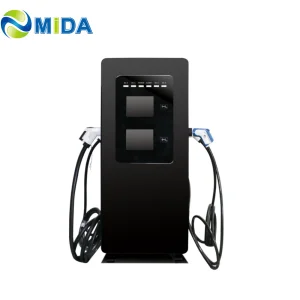
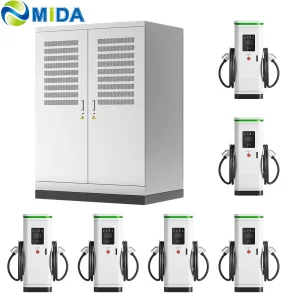
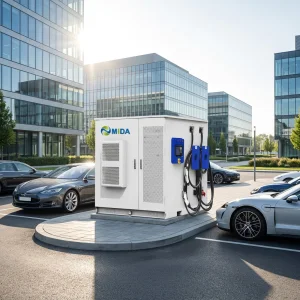
As the global transportation sector pivots rapidly toward full electrification, the requirement for robust, reliable, and scalable EV charging infrastructure (Plug In Stations) has never been more urgent. China's manufacturing ecosystems have emerged as the foundational hub of this global transition. Utilizing advanced integrated logistics, mature power semiconductor chains, and state-of-the-art automation, Chinese factories supply more than 60% of the world's commercial electric vehicle supply equipment (EVSE).
B2B buyers, fleet management groups, Charge Point Operators (CPOs), and municipal grid utilities face a complex matrix of choices when sourcing EV equipment. Procurement goes beyond hardware specifications; it involves ensuring interoperability across standard protocols, aligning grid power integration, and maintaining low Total Cost of Ownership (TCO). High-power DC chargers manufactured in China now offer modular designs that facilitate fast deployment while matching local specifications—such as UL2231 / ETL listings for North America, CE / TUV compliance for the European Union, and CHAdeMO standards for East Asian markets.
By sourcing from key industrial clusters, enterprise buyers gain access to advanced R&D, rapid custom engineering capabilities (OEM/ODM), and robust supply chain integration. This translates to shorter project lead times, more reliable hardware, and highly competitive pricing models compared to regional regional providers.
From lightweight wall-mounted modules to megawatt split-type systems and integrated microgrids.
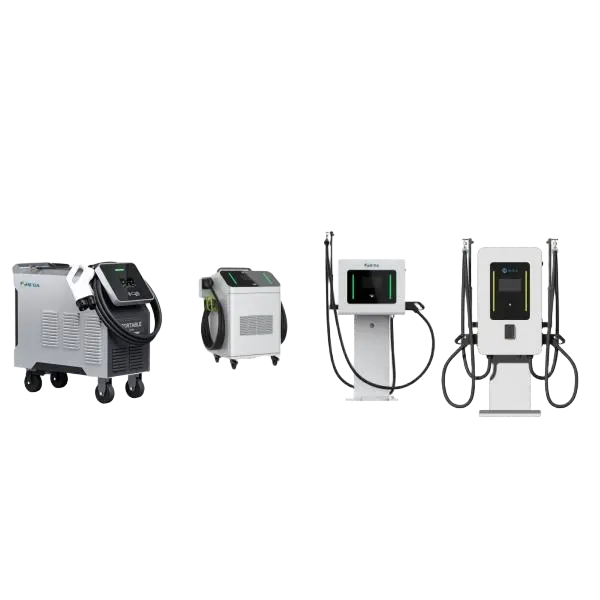
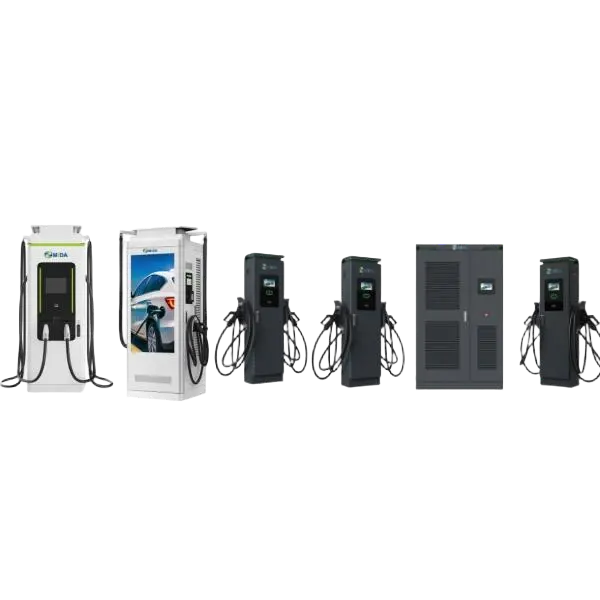
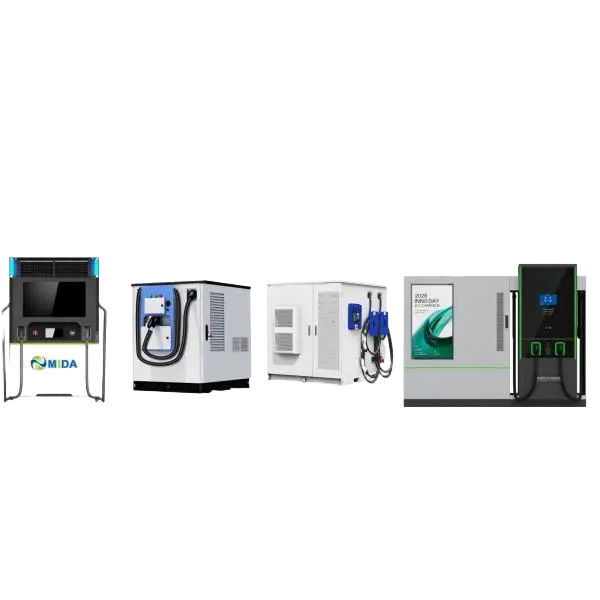
Shanghai Mida Cable Group Ltd. operates through its wholly owned subsidiaries: Shanghai Mida EV Power Co., Ltd., Shenzhen Mida EV Power Co., Ltd., and Shanghai Mida New Energy Co., Ltd.
Mida Cable manufactures a comprehensive range of EV charging cables, including 16A–80A J1772 cables, 16A–63A IEC 62196-2 Type 2 cables, and DC fast charging cables: CCS1 (80A–500A), CCS2 (125A–1000A), CHAdeMO (125A–300A), GBT (200A–1000A), and NACS connectors (250A–600A).
MIDA EV Power produces a full lineup of EV charging stations, such as 7kW–50kW mobile chargers, 3.6kW–7.2kW portable DC chargers, 360kW–1440kW split-type DC fast chargers, 20kW–50kW wall-mounted DC chargers, and 60kW–480kW floor-standing DC fast charging stations.
MIDA New Energy specializes in EV charger power modules, offering 20kW–60kW standard modules, 40kW–125kW liquid-cooled modules, 30kW–62.5kW bidirectional modules, and 20kW–45kW V2G charging modules.

Under the hood of MIDA Group's vertically integrated product lines.
| Feature Set | Technical Parameters | Standards Compliance |
|---|---|---|
| Power Range | 20kW to 1440kW Split Architecture | CE, TUV, ETL, UL, GBT |
| Thermal Management | Forced Air Cooling / Closed-Loop Liquid Cooling | IP54 / IP65 NEMA 3R |
| Connectivity Protocols | OCPP 1.6J / OCPP 2.0.1, 4G, Ethernet, Wi-Fi | ISO 15118 (Plug & Charge) |
| Grid Integration | V2G Bidirectional, Dynamic Smart Load Balancing | DIN 70121, IEC 61851 |
As maximum demand tariffs increase and local grids face capacity challenges from ultra-fast charging loads, hybrid microgrid stations (Solar + Storage + EVSE) have transitioned from conceptual designs to commercial necessities. Shanghai Mida Cable Group offers comprehensive microgrid hardware configurations that integrate utility scale battery storage with megawatt class dispensers.
Our hybrid stations store power during low tariff periods and discharge during peak demand. This design helps minimize site installation costs and mitigates grid connection upgrade penalties.
These systems feature modular, hot-swappable batteries and bidirectional modules. They serve as resilient microgrids for critical infrastructure during grid outages.
Technical innovations and research from our R&D departments on public transit electrification.
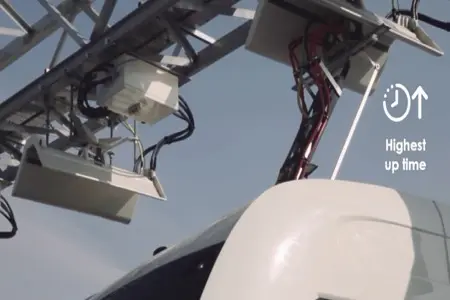
In contrast to classic plug-in charging systems, e-bus pantograph systems offer automated connection capability, handling high currents safely during scheduled transit layovers.
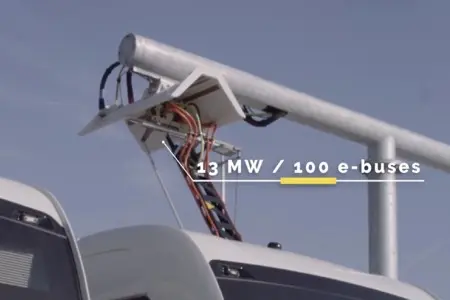
Charging time depends directly on the onboard battery chemistry, capacity, and power outputs. Megawatt systems can replenish a bus fleet in minutes.
Installing a "Pantograph Up" dome system requires precise structural anchoring, heavy electrical grid integration, and optical alignment calibration.
Heavy-duty fast chargers designed for transit authorities, commercial centers, and charging corridors.
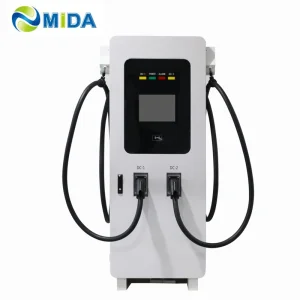
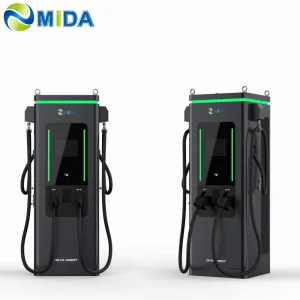
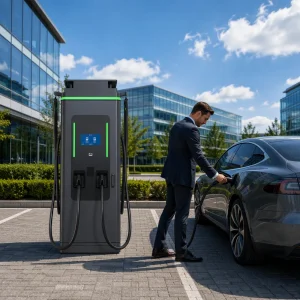
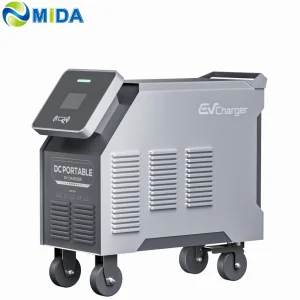
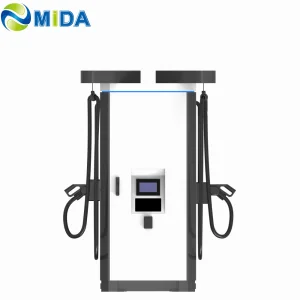
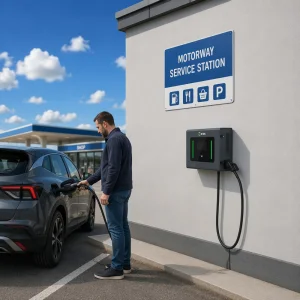
Deploying commercial EVSE requires adherence to specific regional regulations. Operating with non-certified hardware can void insurance, result in civil penalties, or lead to network failures. Shanghai Mida Cable Group guarantees complete compliance with regional requirements through targeted product certifications and support systems.
Hardware designated for the US and Canada holds ETL or UL listings under standards UL 2231-1/2 and UL 2594. Additionally, compliance with **ISO 15118** enables advanced Plug & Charge functionality, satisfying requirements for **NEVI** (National Electric Vehicle Infrastructure) funding eligibility.
For European deployments, Mida systems comply with **AFIR** (Alternative Fuels Infrastructure Regulation) standards. Features include built-in smart MID-compliant meters, NFC payment options, clear display screens showing real-time transaction information, and integrated Type-B RCD ground fault protection.
MIDA stations undergo interoperability testing with various vehicle management systems and backend platform networks using **OCPP 1.6J** and **OCPP 2.0.1** on open-standard testbeds. This helps ensure high system availability when connecting to networks like ChargePoint, EVBox, or custom enterprise backends.
The future of industrial transport charging lies in high power outputs and bi-directional energy flow. Our current R&D pipeline targets several key milestones, helping our clients keep their charging infrastructure ready for future vehicle developments:
Integrating these technological milestones into modern retail locations, highway service stations, and bus depots helps reduce total lifecycle maintenance and operational costs.
Technical and procurement inquiries addressed by our engineering and QA leads.