China J1772 DC Fast Charger Suppliers & Factories

Pioneering Next-Generation CCS1 & J1772 Compliant High-Power DC Charging Solutions for Global Commercial Charging Networks & Fleet Hubs

Premium High-Power EV Charging Hardware

Direct supply of UL, TUV, CE, and RoHS compliant fast charging systems engineered for long-term grid integration.
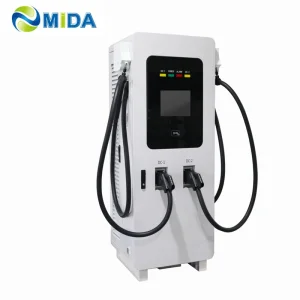
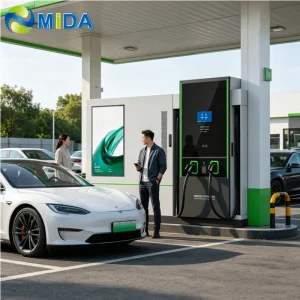
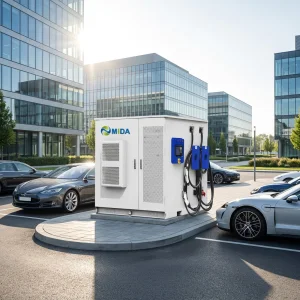
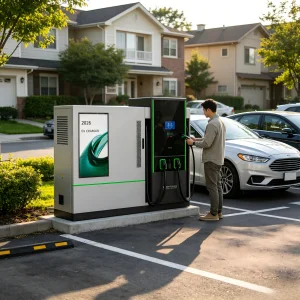
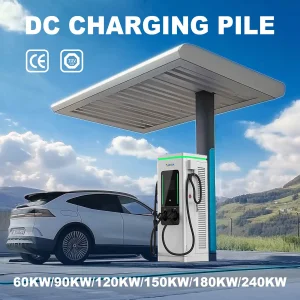
Best TUV Commercial DC Charging Point 180kW 240kW CCS2
Best TUV Commercial DC Charging Point 180kW 240kW CCS2 DC EV Charging Station Supplier, Factories
View Product
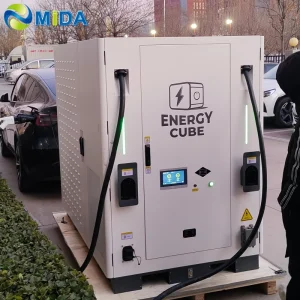
China 320kw 482kwh BESS Charger Mobile EV Charging Station
China 320kw 482kwh BESS Charger Mobile EV Charging Station Energy Storage System Manufacturer
View Product
Best 215kwh 90kw CCS2 CHAdeMO BESS Charging
Best 215kwh 90kw CCS2 CHAdeMO BESS Charging Energy Storage Charger Station Manufacturers, Suppliers
View Product
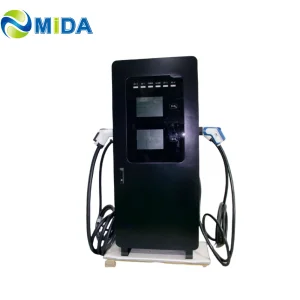
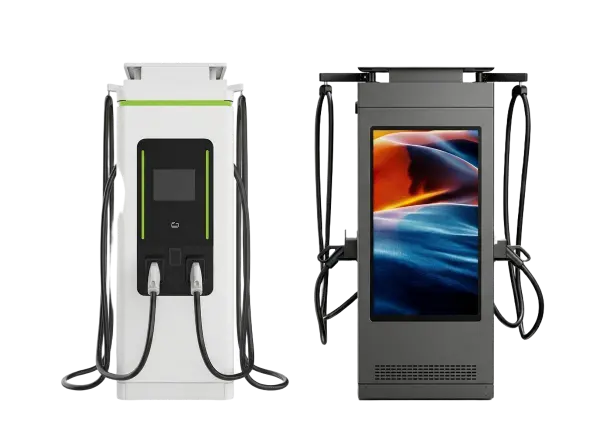
Best 320kW 400kW Super Charging Station
Best 320kW 400kW Super Charging Station Display Screen Commercial DC Charger Station Manufacturers, Factory
View Product
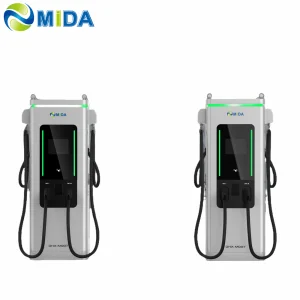
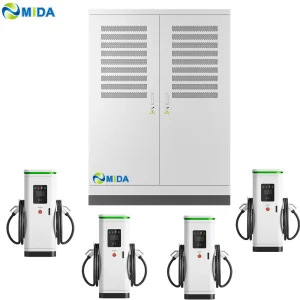
Best 80kW 240kW 300kW Fast Charger Station
Best 80kW 240kW 300kW Fast Charger Station RS485 CCS2 GBT DC Charging Station Manufacturer
View Product
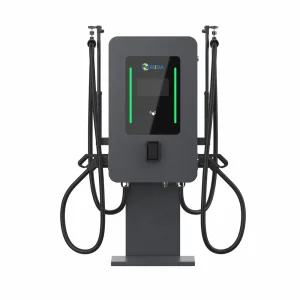
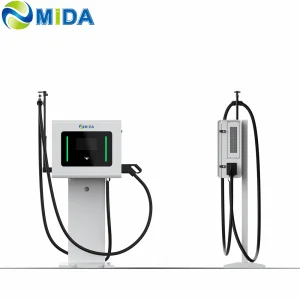
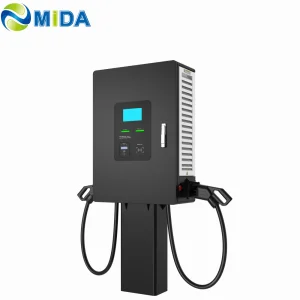
China MIDA 60kW 80kW Wall-mounted DC Fast Charger
China MIDA 60kW 80kW Wall-mounted DC Fast Charger Dual Gun EV Charging Station Suppliers, Factories
View Product
Best 2MWH 960kw BESS Charging Station
Best 2MWH 960kw BESS Charging Station Megawatt EV Charger Solar Battery Storage System Manufacturers, Factory
View Product
Best Commercial Ev Charging Station Pillar Dc Charger
Best Commercial Ev Charging Station Pillar Dc Charger 20kw 30kw 40kw Manufacturer
View Product

Understanding the J1772 Standard in High-Power DC Fast Charging

The global transition toward electrified transportation has catalyzed rapid technological advancements in electric vehicle supply equipment (EVSE). Key among these standards is the SAE J1772 protocol, which originally governed North American AC level 1 and level 2 charging. For high-speed direct current (DC) fast charging, the standard was extended via the Combined Charging System (CCS1), integrating the AC J1772 inlet configuration with a high-current DC pin pair below it.

For international business entities, procurement managers, and CPOs (Charge Point Operators) targetting the North American and select Latin American markets, understanding compliance with SAE J1772 (CCS1) is critical. Modern J1772 DC Fast Chargers operate by converting incoming utility three-phase AC electricity into direct current inside the charging station rather than within the vehicle. This permits a massive transmission of power directly to the battery pack, bypassing the vehicle's onboard charger limitations. China-based manufacturing hubs are at the forefront of this technology, engineered to supply robust DC fast chargers utilizing advanced J1772 connectors designed for high thermal tolerance, durability, and safe handling under high current levels.

Semantic Search Insight: While NACS (Tesla's North American Charging Standard / SAE J3400) is gaining significant market share, J1772 (CCS1) remains the legally mandated standard for countless municipal projects, existing utility infrastructure, and commercial EV fleets. B2B purchasers must secure backward-compatible J1772 DC Fast Chargers to maximize operational flexibility and capture federal funding like NEVI (National Electric Vehicle Infrastructure) in the USA.

Supply Chain Dynamics of Chinese EVSE Factories

Selecting a J1772 DC fast charger supplier from China offers substantial competitive benefits. China’s EV infrastructure supply chain is characterized by a high degree of vertical integration. Unlike Western assembly plants that outsource power modules, cable extrusion, control boards, and structural enclosures from multiple continents, leading Chinese factories bundle these capabilities within close geographic clusters.

1. Component Self-Sufficiency

Factories build high-frequency switching power modules, liquid-cooling systems, and structural sheet metals internally. This limits vendor markups and streamlines quality control.

2. Rapid R&D Iteration

Proximity to semiconductor fabs, silicon carbide (SiC) suppliers, and advanced software teams allows Chinese suppliers to roll out new hardware iterations in months rather than years.

3. Scale & Cost Control

Gigawatt-scale manufacturing plants significantly reduce unit costs for raw materials, passing the savings down to fleet operators and installation networks.

Welcome to MIDA GROUP

Your Strategic Manufacturing Partner for Comprehensive Electric Vehicle Charging Infrastructures

Shanghai Mida Cable Group Ltd. operates through its wholly owned subsidiaries: Shanghai Mida EV Power Co., Ltd., Shenzhen Mida EV Power Co., Ltd., and Shanghai Mida New Energy Co., Ltd. This unique multi-entity framework allows us to coordinate the fundamental research and development of power transfer technology, high-power connector thermodynamics, and digital control software.

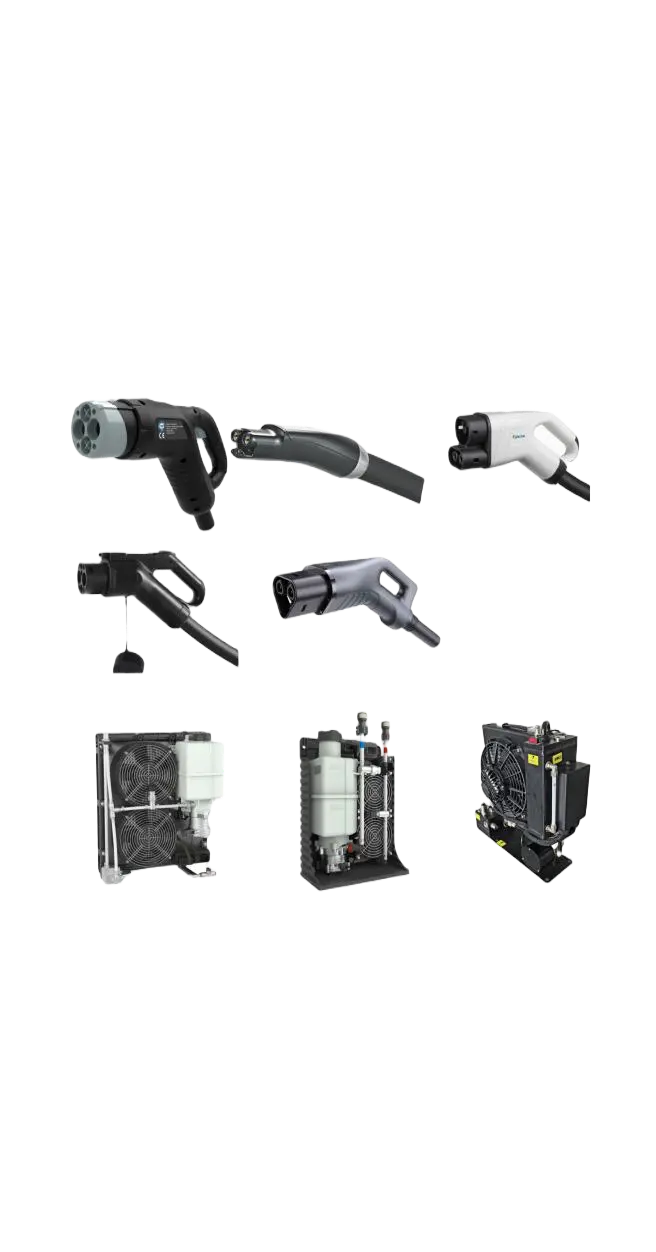
Mida Cable manufactures a comprehensive range of EV charging cables, including 16A–80A J1772 cables, 16A–63A IEC 62196-2 Type 2 cables, and heavy-duty DC fast charging cables. Our DC lineup spans CCS1 (80A–500A), CCS2 (125A–1000A), CHAdeMO (125A–300A), GBT (200A–1000A), and NACS connectors (250A–600A) to cater to all major global EVSE paradigms.

MIDA EV Power designs and produces a diverse lineup of EV charging stations, such as 7kW–50kW mobile chargers, 3.6kW–7.2kW portable DC chargers, 360kW–1440kW split-type DC fast chargers, 20kW–50kW wall-mounted DC chargers, and 60kW–480kW floor-standing DC fast charging stations.

Additionally, MIDA New Energy specializes in EV charger power modules. We offer 20kW–60kW standard conversion modules, 40kW–125kW liquid-cooled power modules, 30kW–62.5kW bidirectional modules, and 20kW–45kW vehicle-to-grid (V2G) charging modules.

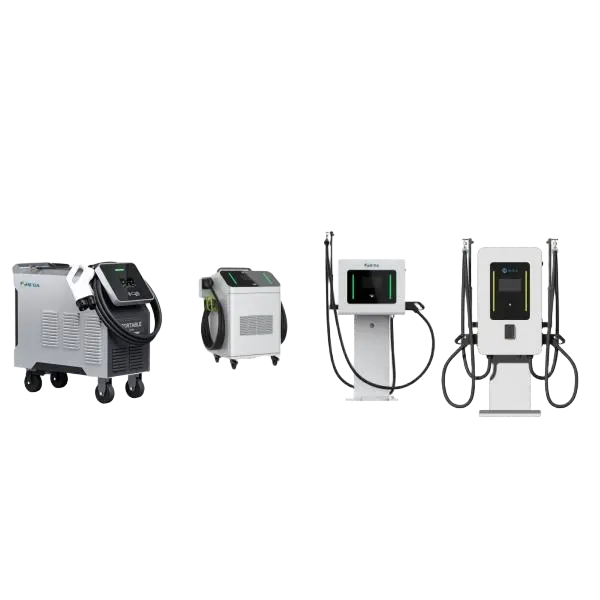
Mida EV Power Manufacturing Plant Overview
Wall-Mounted/Mobile EV Charger
7kW | 20kW | 30kW | 40kW | 60kW | 80kW systems with high protection class and mobility.
View More AC EV Chargers
DC Charger Station
DC Charger Station
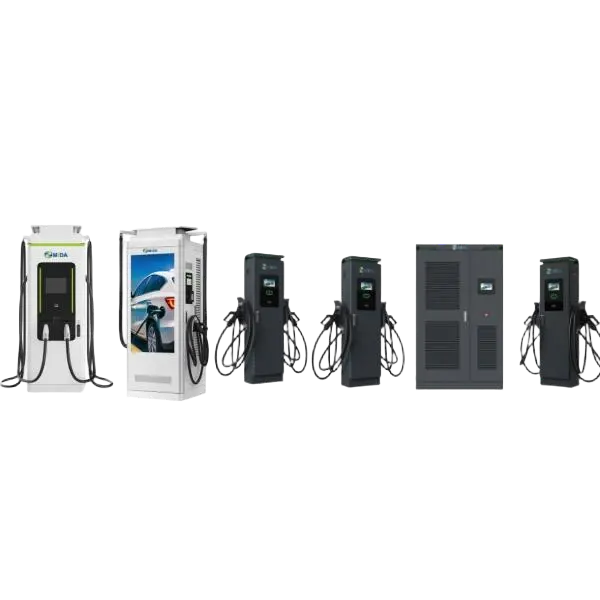
60kW-480kW floor-standing stations & 360kW-1440kW split-type ultra-fast stacks.
View More DC Charging Systems
BESS Charging Station
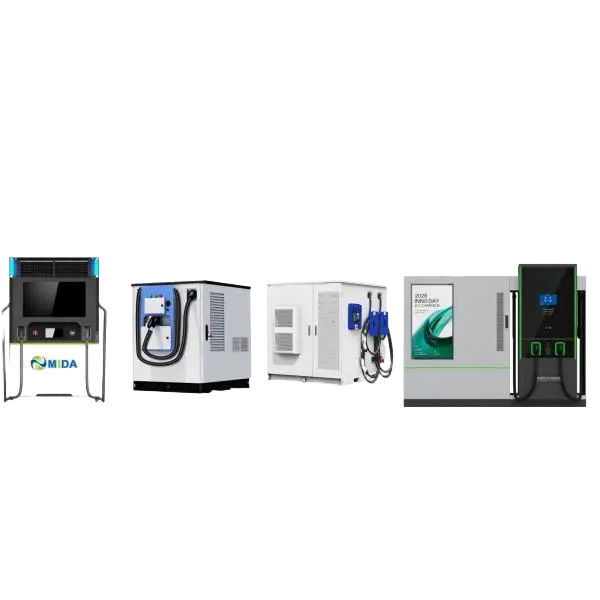
60kWh | 261kWh | 418kWh | 625kWh | 2MkWh battery energy storage-backed chargers.
View More BESS Chargers
15+
Years Experience
100+
Export Countries
300MW+
Annual Capacity
100%
Quality Checked

Localization Support & Compliance in North America & Europe

Operating EV charging infrastructure requires adherence to local electrical codes and performance certificates. The path to establishing a reliable network of J1772 DC fast chargers in regions like the USA or Canada demands strict compliance with safety guidelines. B2B operators must verify that suppliers hold certificates under UL 2202 (Standard for Electric Vehicle (EV) Charging System Equipment) and UL 2251 (Standard for Plugs, Receptacles, and Couplers). Additionally, local electrical authorities mandate FCC Part 15 Class A or Class B electromagnetic compatibility to prevent interference with public communication grids.

Beyond passive safety, localization support extends to digital network integration. Modern networks run on the OCPP (Open Charge Point Protocol) 1.6J or 2.0.1. Without native OCPP configuration, charge point operators cannot implement smart billing, remote diagnostics, user access management via RFID/NFC, or dynamic load balancing (DLB). Chinese manufacturers address these issues by setting up localized software development teams that specialize in API integration with Western CSMS (Charging Station Management System) platforms like Greenlots, ChargePoint, and EVConnect.

Global Enterprise Procurement Needs & Mitigation Strategies

B2B enterprises, municipal buyers, and retail chains face complex challenges when planning high-power EVSE rollouts. Primary issues include:

  • Grid Constraint Mitigation: High-power J1772 DC chargers (120kW to 480kW) place intense, intermittent loads on local distribution grids. Leading suppliers are overcoming this by bundling Battery Energy Storage Systems (BESS) directly with charging stations. This peak-shaving technique uses stationary storage batteries to supply high-power bursts, avoiding expensive utility transformer upgrades.
  • Thermal Management under High Currents: Continuous 300A+ charging causes significant heat buildup. Implementing liquid-cooled charging cables and integrated thermal units ensures the station runs at peak efficiency without derating power outputs.
  • Corrosion and Environmental Durability: Chargers installed in coastal areas or cold climates face salt mist, rain, and freezing temperatures. Seeking NEMA 3R or NEMA 4 (equivalent to IP55/IP66) enclosure ratings is vital to ensuring a 10-year service life.
Expert Tip: For fleet operations (e.g., e-buses and utility trucks), procurement teams should evaluate split-type flexible charging architectures. By placing the power conversion cabinets in a central utility room and installing compact satellite dispensers at parking spots, you save space, reduce noise, and lower onsite installation costs.

Our Core Product Architecture

Explore the industrial specifications and high-performance modules that drive our J1772 and CCS ecosystem.
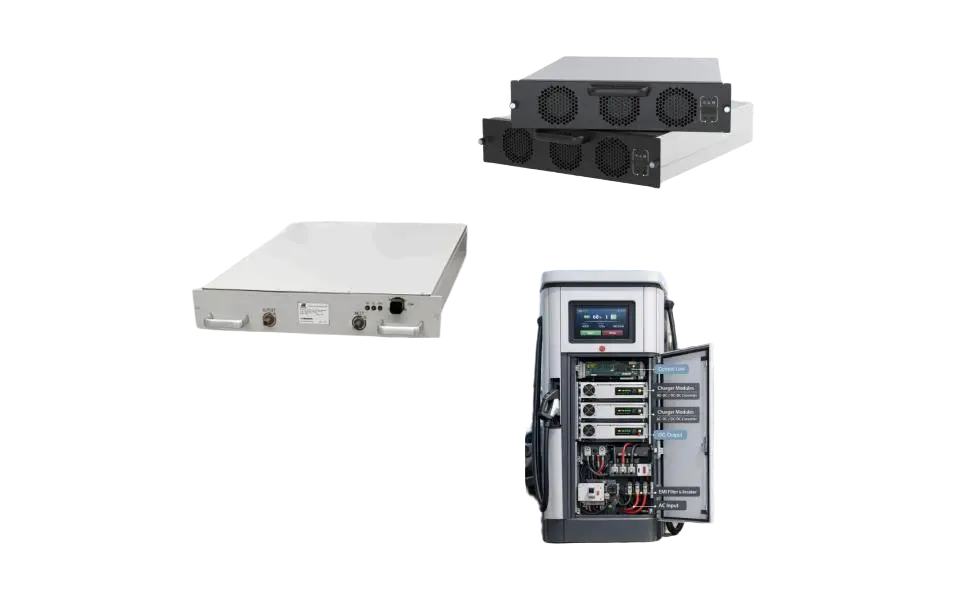
EV Charging Power Module
EV Charging Power Modules
  • 30kW | 40kW | 50kW | 60kW | 80kW AC/DC Modules
  • 40kW | 60kW | 75kW | 125kW Liquid Cooled Modules
  • 20kW | 50kW | 62.5kW Bidirectional AC/DC Modules
  • V2G & MPPT Solar Integration Modules
View Modules
DC Charging Connector & Liquid Cooling Unit
Connectors & Cooling Units
  • 500A 600A CCS1, CCS2 & GBT Connectors
  • 125A 250A 300A 350A NACS & CHAdeMO Connectors
  • 1500A MCS (Megawatt) & ChaoJi Connectors
  • Integrated Liquid Cooling Units (3.5kW to 72kW)
View Connectors
DC Fast Charger Station
DC Fast Charging Stations
  • 7kW to 60kW Mobile DC Chargers
  • 20kW to 80kW Wall Mounted Systems
  • 60kW to 480kW Dual Gun Floor Standing Chargers
  • 600kW to 1680kW Liquid Cooled Split Stacks
View Stations

Key Trends Shaping the High-Power EVSE Industry

The EVSE manufacturing segment is shifting from low-voltage AC chargers to ultra-fast DC systems. Three major trends define this evolution:

First, the transition to Silicon Carbide (SiC) MOSFETs within power modules. Older charging systems relied on traditional silicon-based IGBTs, which had higher switching losses and thermal outputs. SiC modules increase conversion efficiency up to 96% or 97%, resulting in lower heat production and smaller cabinet sizes.

Second, the deployment of Bidirectional Power Flow (V2G/V2H). EV chargers are evolving from basic power delivery systems into grid stabilizers. Through ISO 15118 compliance, J1772 DC chargers can pull power from fleet vehicle batteries during peak demand periods, generating energy arbitrage opportunities for operators.

Third, the integration of Microgrids and Solar BESS. Charging sites are increasingly incorporating on-site PV generation and energy storage to lower peak demand fees from local utilities.

Targeted Application Scenarios

The applications for J1772 DC Fast Chargers vary across several commercial use cases:

  • Commercial Fleet Depots: Last-mile delivery fleets, logistics firms, and public bus networks require high-uptime DC chargers. Dual-gun stations with dynamic load sharing allow sequential charging of fleet vehicles overnight without overloading site electrical feeds.
  • Retail & Hospitality Parking: Fast charging solutions (e.g., 60kW to 120kW) installed at malls, supermarkets, and hotels encourage longer dwell times and generate secondary revenue streams for property owners.
  • Highway Public Charging Hubs: Split-type liquid-cooled dispensers (up to 480kW) allow EV drivers to charge to 80% capacity in 15 minutes, mimicking the traditional refueling experience.

Corporate Developments & Insight

Keep up with the latest technological developments and industry news from our engineering teams.
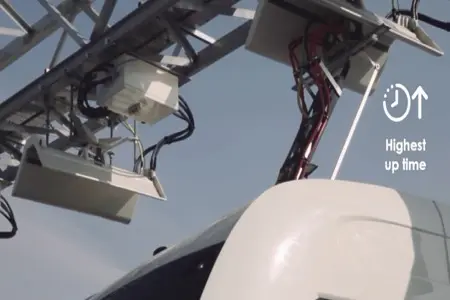
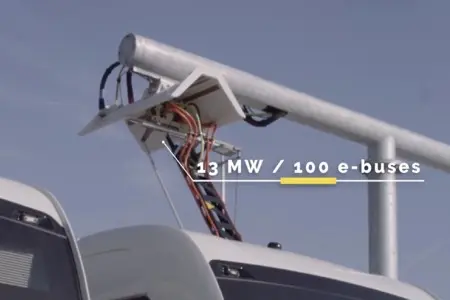
E-bus Pantograph Dome Advantages
What are the advantages of an e-bus pantograph dome? In contrast to classic plug-in charging systems, e-bus pantographs support higher voltages and automated charging sequences...
26-07-12 View More
E-bus Pantograph Charging Speed
How long does it take to charge with an e-bus pantograph? The charging time depends on the battery capacity and the overall current supply, which can reach up to 1000A...
26-07-12 View More
Pantograph Installation Guide
How to Install the Pantograph Up Charger System Dome for Electric Bus. Installation requires precision structural alignment and electrical grid coordination...
26-07-12 View More

Expert Q&A: J1772 DC Fast Charger Operations

Get technical insights directly from our engineering team regarding compliance, grid connections, and supply chain logistics.

What is the distinction between J1772 and CCS1 in DC fast charging?
The basic J1772 connector is limited to AC charging (Level 1 and Level 2). To support high-power DC fast charging, the standard was extended to Combined Charging System Type 1 (CCS1). This design adds two large pins for high-current direct current at the bottom of the J1772 housing, allowing AC and DC charging to share a single port.
How does a BESS-integrated EV charger reduce electrical infrastructure costs?
Installing a 300kW+ DC charger often requires upgrading the local utility transformer. By incorporating a Battery Energy Storage System (BESS), the battery can charge slowly from the grid during low-demand periods and discharge at high rates during vehicle charging, keeping peak demand loads within existing grid limits.
Which regulatory standards must a Chinese J1772 DC charger factory comply with?
For the North American market, factories must comply with UL 2202 and UL 2251, hold FCC Part 15 approvals for electromagnetic emission limits, and support OCPP 1.6J/2.0.1 protocols to allow integration with local network software.
What are the advantages of liquid-cooled DC cables compared to standard cables?
Standard air-cooled cables become thick, heavy, and difficult to manage at currents above 200A. Liquid-cooled cables circulate a specialized coolant to manage heat, allowing the use of thinner, lighter cables that can safely deliver continuous current up to 500A or higher.

Advanced DC Charging & Energy Storage Solutions

Explore our high-performance power modules, BESS chargers, and high-capacity split stations.
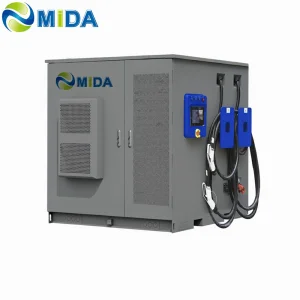
China mobile charging battery energy storage system
China 400kW 625kwh BESS Charger Station Mobile Charging Battery Energy Storage System Manufacturers
View Product
Best fast charger station ocpp20 ccs gbt ev charging
Best 300kW 350kw 400kW Fast Charger Station OCPP2.0 Dual CCS GBT EV Charging Suppliers, Factory
View Product
China ocpp 16j dc fast chargers electric vehicle charging
China OCPP 1.6J RFID/NFC Card 160KW180KW 240KW DC Fast Chargers Electric Vehicle Charging Factory
View Product
China ev charger manufacturer bess charging station
China 241kwh 120kw CCS CHAdeMO NACS BESS Charging Station Energy Storage EV Charger Manufacturer
View Product
Best ccs2 120kw mobile bess charger manufacturers
Best CCS2 GBT 120kW 200kWh Mobile BESS Charger Power Station Manufacturers, Factory
View Product
Best dc fast charger suppliers urban public charging
Best DC Fast Charger 480kW 720kw Split Flexible Charging Stack Urban Public Charging Stations Suppliers
View Product
Best ocpp dc solar charging station manufacturers
Best 60kw 100kw OCPP DC DC Solar Charging Station with DLB Fast EV Charger Station Manufacturers
View Product
China hpc ccs fast charger station for electric truck
China HPC CCS DC Charging Station 300kW 400kW Fast Charger Station for Electric Truck Factory, Factories
View Product
MIDA Charging Stations Deployment