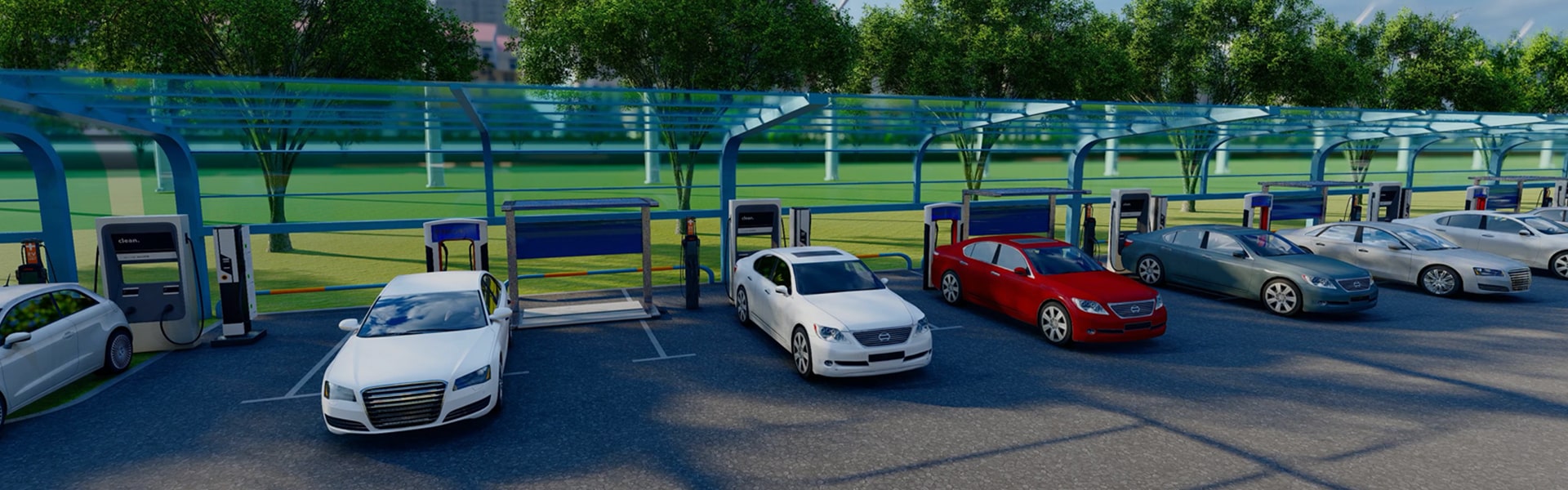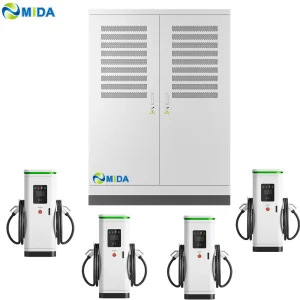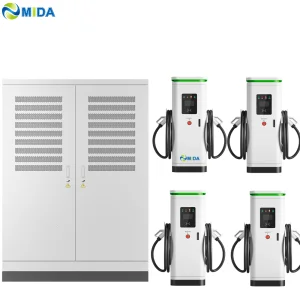
A Comprehensive Technical White Paper on Industrial EV Fast Charging Systems, Supply Chain Synergies, and High-Performance Deployments.
As the global transportation sector undergoes an unprecedented transition toward electrification, the demand for robust, high-availability ultra-fast charging networks has intensified. Commercial fleet operators, public utility providers, and transit authorities require state-of-the-art direct current (DC) fast charging systems capable of delivering rapid power throughput while maintaining strict thermal control and grid compatibility. The standard destination AC charger is no longer sufficient for high-duty applications; today's energy ecosystems demand multi-megawatt systems, dynamic power distribution, and battery energy storage system (BESS) integration to bridge the gap between grid limitations and vehicle requirements.
This technical overview examines the design principles, technological advancement, and structural supply chain advantages that define top-tier Chinese manufacturing operations. Focused on providing high-performance equipment that meets stringent international safety and reliability certifications, Shanghai Mida Group delivers custom industrial designs optimized for localized operational requirements. From standard 60kW DC piles to advanced 1440kW liquid-cooled split charging stacks, our solutions represent the cutting edge of modern power conversion architecture.
Engineered for extreme reliability, modular scalability, and compliance with CCS1, CCS2, NACS, CHAdeMO, and GB/T standards.
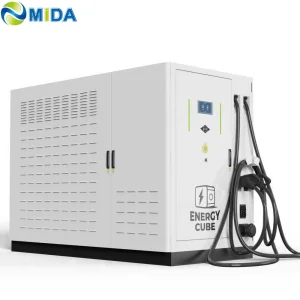
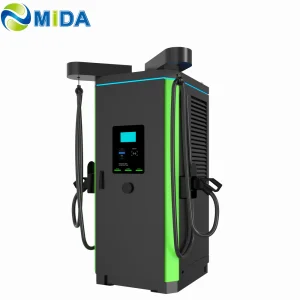
Discover how our vertically integrated operations drive technology advancement across our specialized divisions.
Shanghai Mida Cable Group Ltd. operates through its wholly owned subsidiaries: Shanghai Mida EV Power Co., Ltd., Shenzhen Mida EV Power Co., Ltd., and Shanghai Mida New Energy Co., Ltd. This strategic division of labor allows us to master every link in the EV charging value chain.

An authoritative analysis of power electronics, fluid dynamics, and energy recovery mechanisms in modern charging networks.
Transitioning from traditional Silicon IGBTs to Silicon Carbide (SiC) MOSFETs within our power modules has significantly reduced switching losses and improved heat distribution. Our bidirectional 30kW–62.5kW power modules maintain an efficiency rate exceeding 97.5% across a wide voltage output range (150V DC - 1000V DC). This wide-voltage design ensures optimal efficiency when charging legacy 400V battery architectures as well as modern high-voltage 800V passenger and commercial EVs.
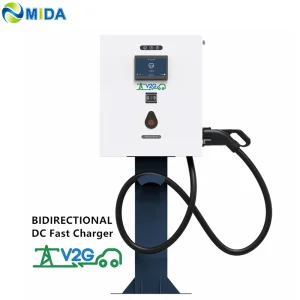
Vehicle-to-Grid (V2G) technology transforms electric vehicles from simple energy sinks into decentralized, mobile energy storage assets. By employing our 20kW–45kW V2G modules, fleet depots can draw energy from vehicle batteries during peak pricing periods, stabilizing the local distribution grid and offsetting utility operational expenses. This standard interface communication is managed via ISO 15118-20, securing encrypted bidirectional power transmission.
To deliver charging currents up to 600A-1000A at megawatt levels, traditional air-cooled cables become excessively heavy and hazardous. Our integrated liquid-cooling units circulate a specialized glycol-water mixture through synthetic cooling channels integrated directly within the charging connector and cable assembly. This mechanism keeps heat levels within safe operating tolerances even at continuous 600kW–1080kW outputs, ensuring a lightweight user handle and safe charging.
Explore our specialized hardware suites, designed to provide comprehensive coverage of the high-power EV ecosystem.
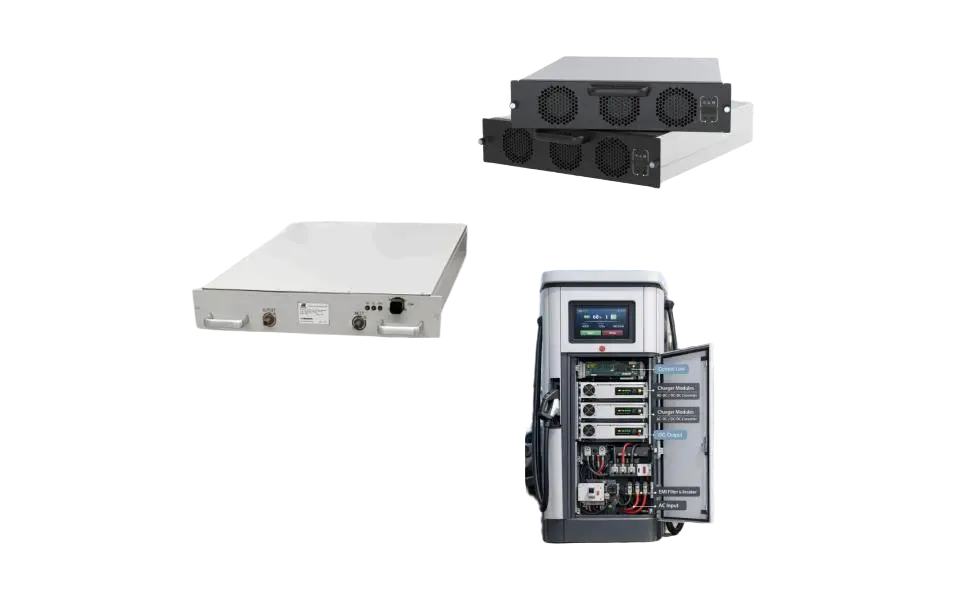
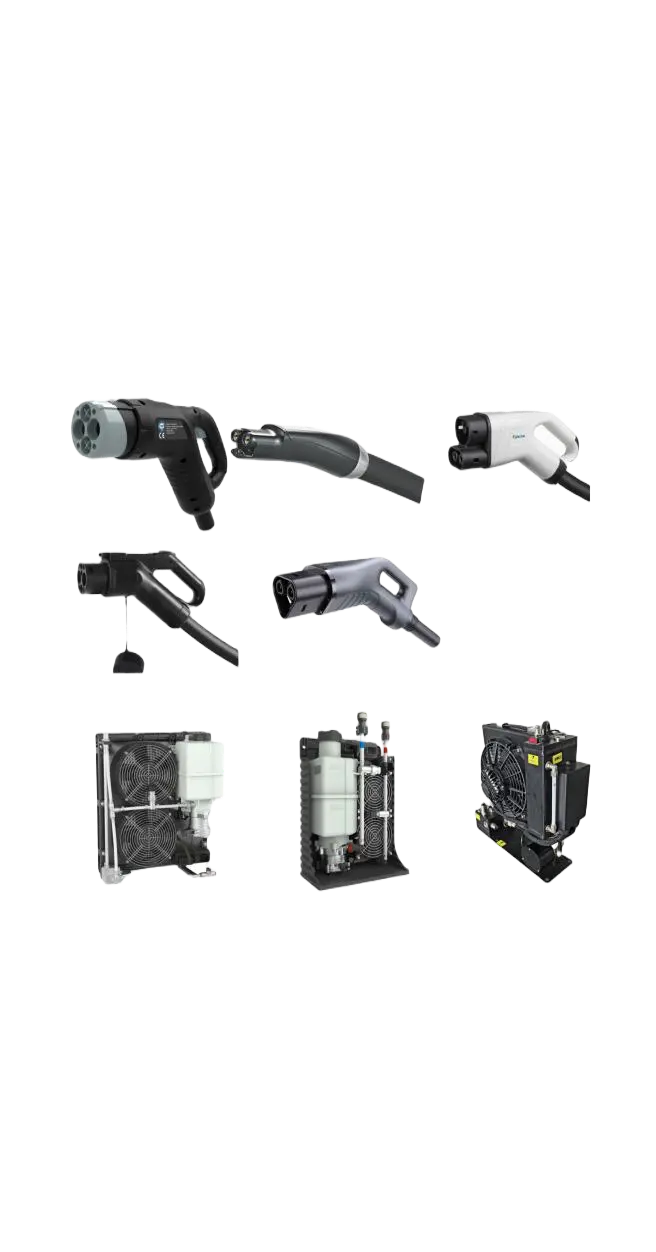
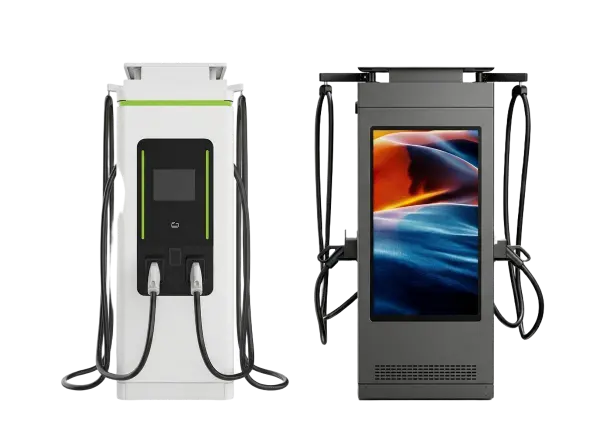
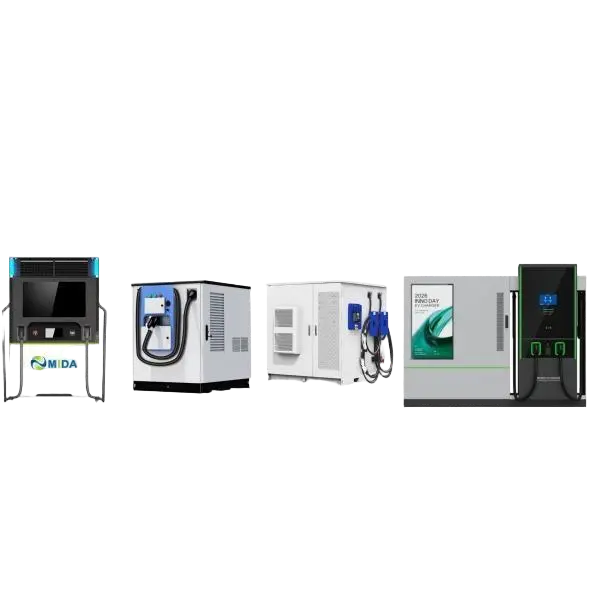
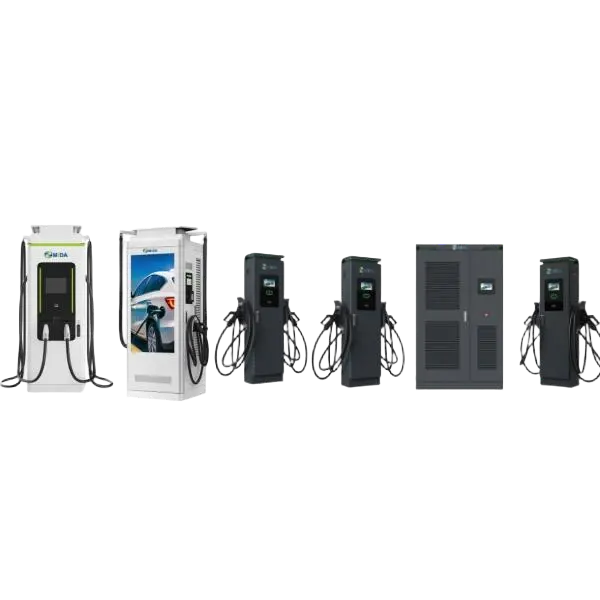
Direct factory outputs showcasing our original product groups.
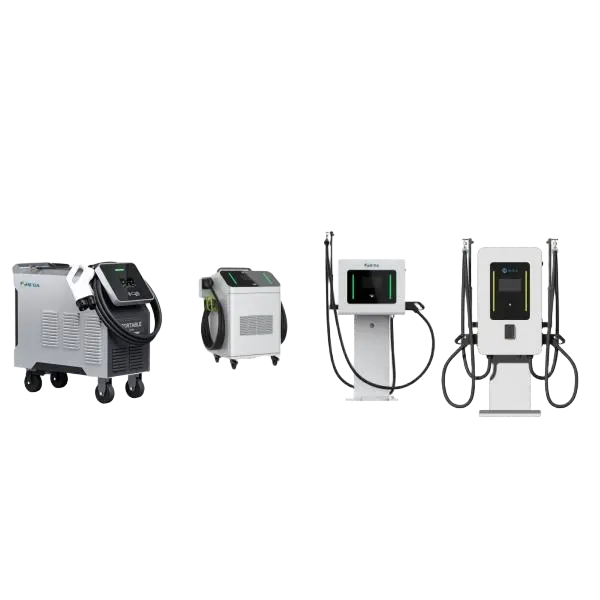
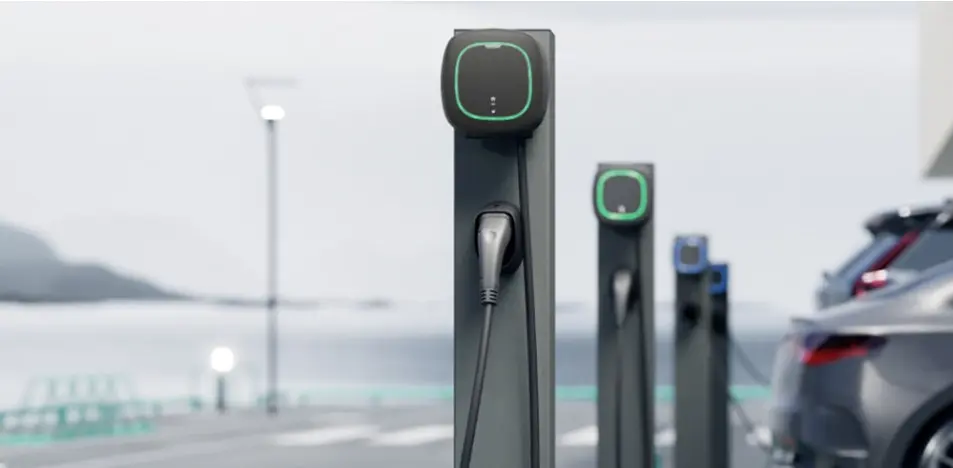
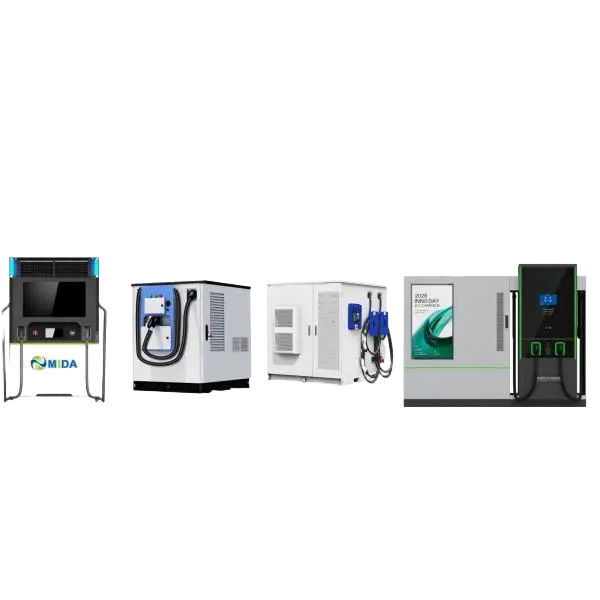
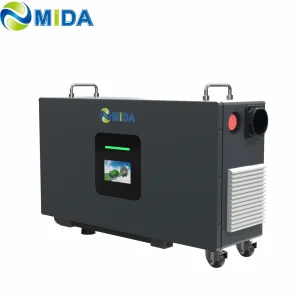
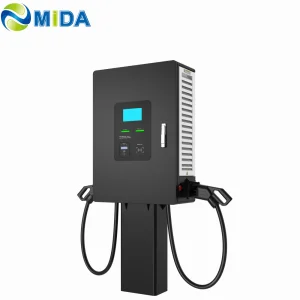
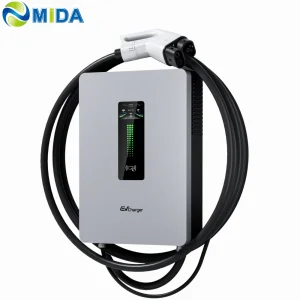
Compact and versatile AC destination solutions combined with mid-power portable charging setups.
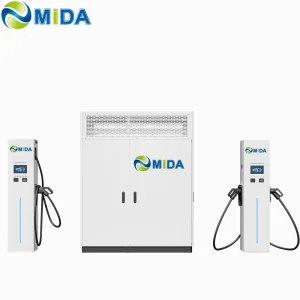
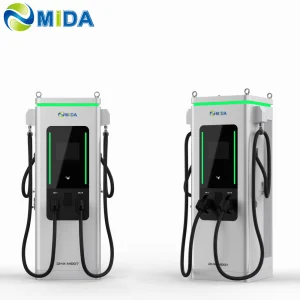
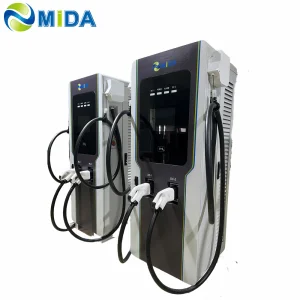
High power infrastructure with modular capacity scalability for public transportation nodes.
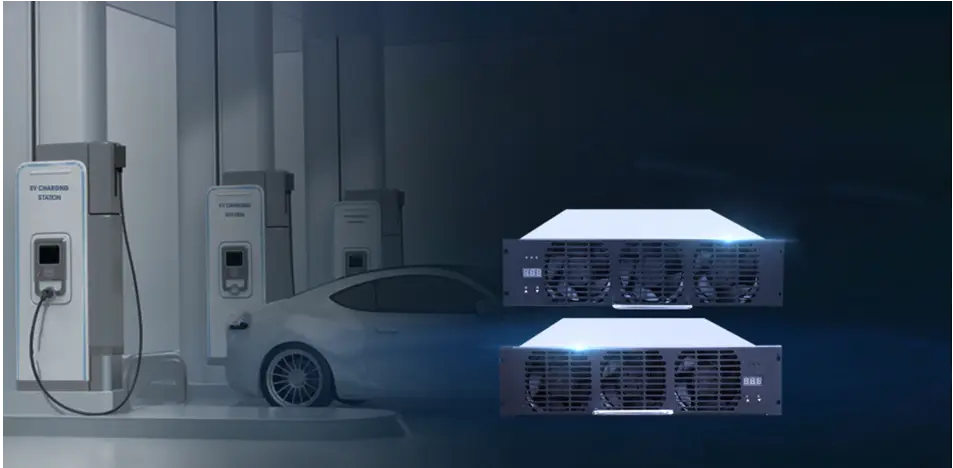
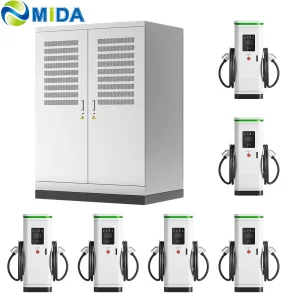
Grid-buffered and containerized battery solutions to mitigate grid strain during concurrent supercharging.
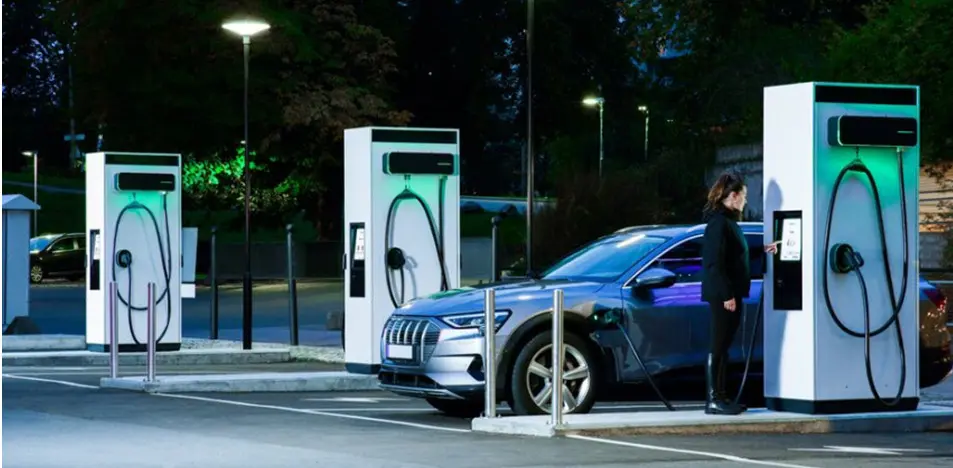
Why Chinese gigafactories provide unmatched component availability and cost-performance profiles globally.
The manufacturing capabilities of EV charging stations depend on upstream supply chain integration. Mida Group's manufacturing hubs leverage China's comprehensive industrial network. By grouping semiconductor packaging, magnetic winding fabrication, copper extrusion, and sheet-metal tooling within close proximity, we maintain a resilient manufacturing process that is shielded from global supply delays. This vertical integration allows us to implement quality control measures at every stage of production, from receiving raw materials to final functional burn-in testing.
Instead of acting as a simple assembly operation, Mida Group manufactures its own cables and power modules in-house. This design control allows us to optimize the interface between the charging connector, power electronics, and cooling loop, avoiding compatibility issues. Additionally, our automated assembly lines reduce manufacturing variation, ensuring that each unit leaving our factory meets international standards, including CE, UL, TUV, and RoHS. By bypassing intermediaries and sourcing components directly from our own facilities, we offer high-performance charging infrastructure at competitive pricing.
Custom engineering solutions tailored to meet the operational demands of diverse global environments.
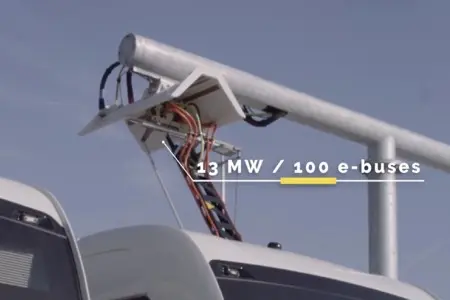
Fleet transit networks require high-power systems that integrate seamlessly into their scheduling. Our "Pantograph Up" dome charging systems enable automated, high-power contact connection during short passenger stops, delivering rapid energy top-ups. For logistics yards managing Class 8 electric trucks, our heavy-duty DC stacks and high-power MCS connectors provide the power needed to keep vehicles moving on tight shipping schedules.
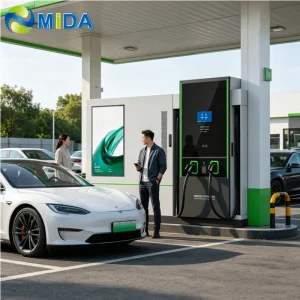
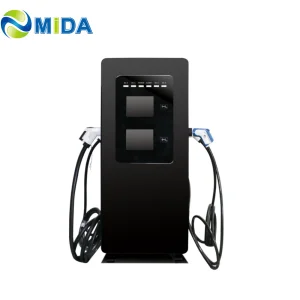
For commercial shopping centers, charging stations serve as customer amenities and advertising platforms. Mida Group's 60kW–240kW advertising chargers feature dual 43-inch or 55-inch high-brightness LCD displays designed for sunlight readability. These units incorporate integrated point-of-sale payment readers (POS) and OCPP 1.6J/2.0.1 compatibility, allowing operators to run ads, process payments, and manage energy delivery from a single console.
Expanding fast-charging services in locations with weak grid access often requires expensive utility upgrades. Our battery-buffered (BESS) charging systems address this issue by incorporating a localized battery bank (from 60kWh to 2MkWh). The BESS draws power from the grid during low-demand periods and assists in supplying high-current power during fast-charging sessions, minimizing peak demand charges and grid strain.
Protecting electrical grids and customer data through rigorous software verification and hardware shielding.
Modern DC fast chargers are connected devices that communicate with the vehicles, the local network, and payment backend systems. Mida Group's systems implement encryption protocols at every level of communication. Our control boards use hardware security modules (HSM) that run encrypted firmware to prevent unauthorized firmware modifications. Communications with Central Management Systems (CMS) are managed using WebSocket JSON over TLS 1.2 or 1.3, which prevents unauthorized access and data manipulation.
On the hardware side, our charging stations feature isolation monitoring systems that check for electrical leakage and insulation degradation before and during every charging session. The charging systems comply with global electrical safety standards, including IEC 61851-23/24, EN 61000 electromagnetic compatibility, and UL 2202 for fast-charging equipment. This combination of hardware shielding and software security helps protect vehicles, operators, and grid infrastructure from operational risks.
Direct answers from our engineering division regarding common specifications, customization options, and installation planning.
Engineered for versatility, mobility, and high-capacity public power delivery networks.
Stay updated on our latest research, developments, and deployment guides.
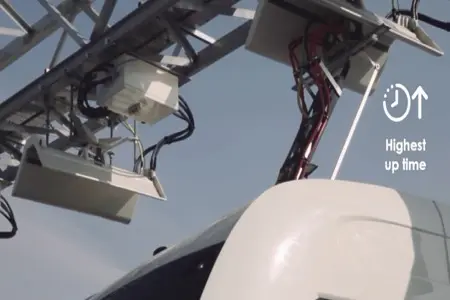
What are the advantages of an e-bus pantograph dome?
In contrast to classic plug-in charging systems, e-bus pantograph systems offer automated connection and higher power output, making them suitable for busy transit corridors.
How long does it take to charge with an e-bus pantograph?
Charging time depends on the vehicle's battery capacity and the station's output power. Our high-power pantograph configurations can supply sufficient charge for typical transit routes during brief scheduled stops.
How to Install the Pantograph Up Charger System Dome for Electric Bus
Installing a "Pantograph Up" system requires precise physical alignment and proper integration with the local electric grid. This guide covers key installation steps, structural safety requirements, and commissioning procedures.