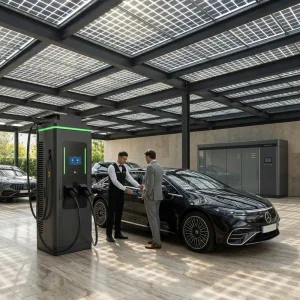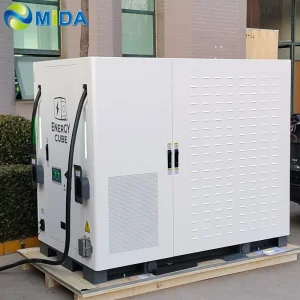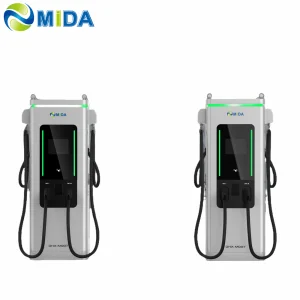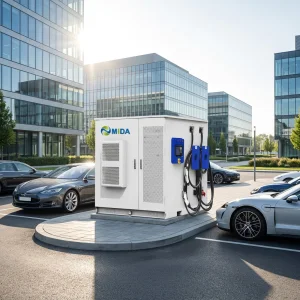
Explore our industrial-grade fast charger systems engineered to support high-voltage architectures, dynamic power routing, and ultra-efficient liquid-cooled performance.
Analyzing key market drivers, regulatory initiatives, and commercial considerations shaping high-power fast charging deployment worldwide.
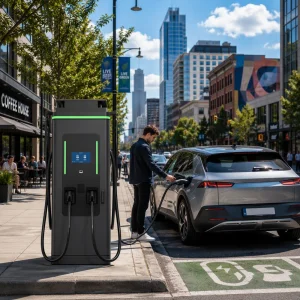
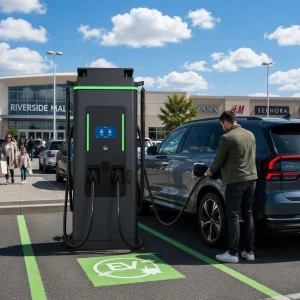
The global transition to electric mobility has reached an inflection point where public and fleet operators require direct current fast charging (DCFC) infrastructure that matches the convenience of traditional fossil fuel refueling. Under regulatory mandates such as Europe's Alternative Fuels Infrastructure Regulation (AFIR) and the United States' National Electric Vehicle Infrastructure (NEVI) formula program, charging station deployments must focus on accessibility, uptime, and high-capacity output.
Modern Charge Point Operators (CPOs), fleet managers, and real estate developers face complex technical challenges. Upgrading grid capacities to support high-power charging (HPC) nodes requires intelligent power distribution, high power-factor conversions, and, in many cases, integrated energy storage systems (BESS). Selecting the right equipment manufacturer is no longer just a purchasing decision; it is a long-term infrastructure partnership that directly impacts operational profitability, total cost of ownership (TCO), and technology longevity.
Next-generation EV Quick Charge Stations are transitioning from traditional Silicon IGBTs to Silicon Carbide (SiC) MOSFETs within their internal power modules. SiC technology enables switching frequencies up to 3 times higher, reducing heat generation, scaling down magnetic component sizes, and raising system efficiency from 94% to over 97.5%. For a 360kW station operating 12 hours a day, this 3.5% efficiency improvement saves over 55,000 kWh of energy annually, drastically reducing operating expenditures (OPEX) for operators.
A look into the structural division and component capabilities of one of China's leading innovators in electric vehicle charging systems.
Shanghai Mida Cable Group Ltd. operates through its wholly owned, highly specialized subsidiaries: Shanghai Mida EV Power Co., Ltd., Shenzhen Mida EV Power Co., Ltd., and Shanghai Mida New Energy Co., Ltd. By dividing manufacturing expertise into dedicated focus areas, we manage the entire value chain of EV charging infrastructure.
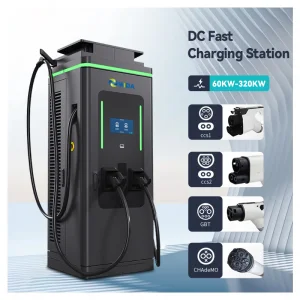
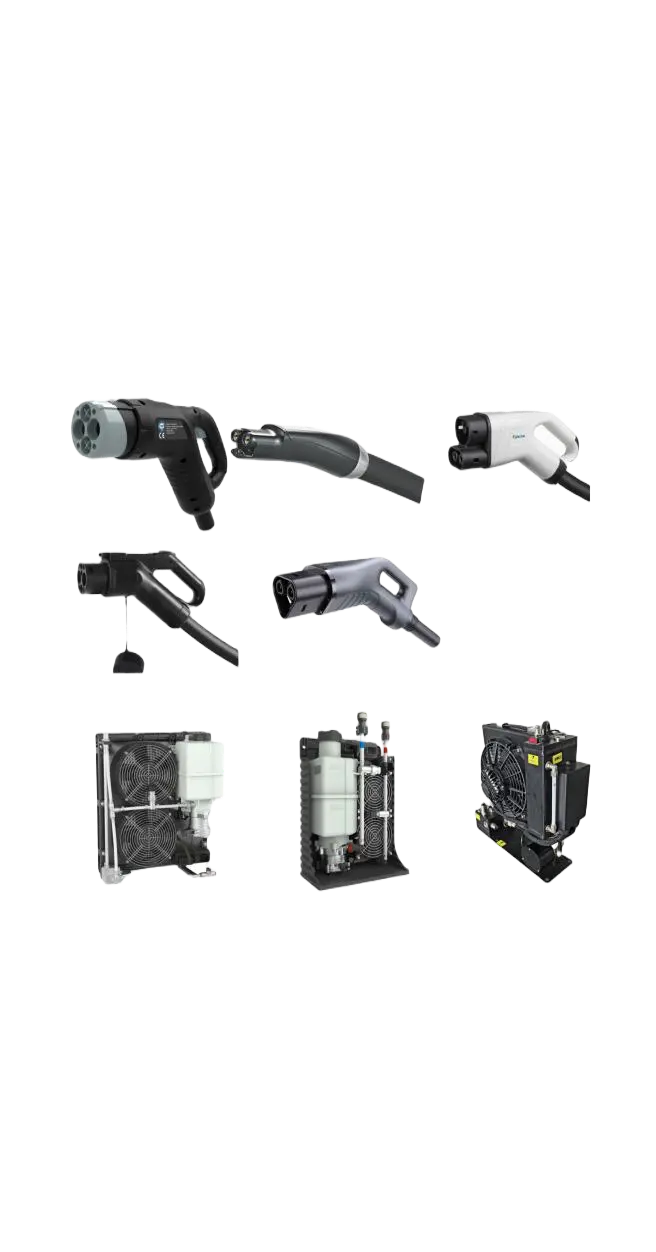
Mida Cable manufactures a comprehensive range of EV charging cables designed to withstand mechanical stress, oil exposure, and thermal cycles. Our portfolio includes 16A–80A J1772 cables, 16A–63A IEC 62196-2 Type 2 cables, and heavy-duty DC fast charging cables supporting multiple standards: CCS1 (80A–500A), CCS2 (125A–1000A), CHAdeMO (125A–300A), GBT (200A–1000A), and NACS connectors (250A–600A).
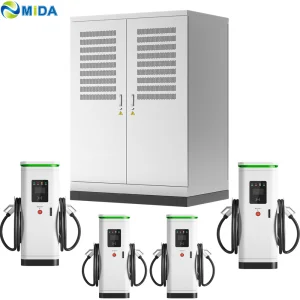
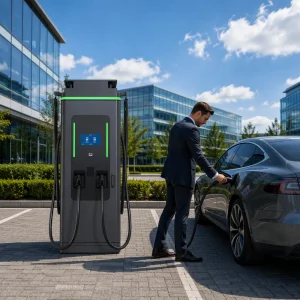
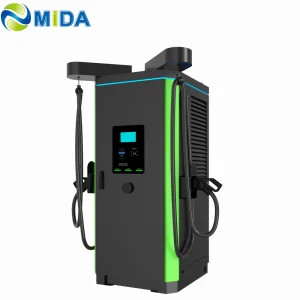
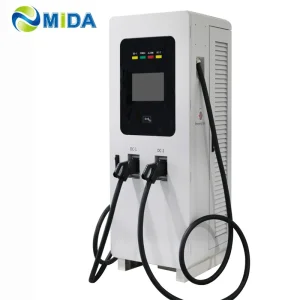
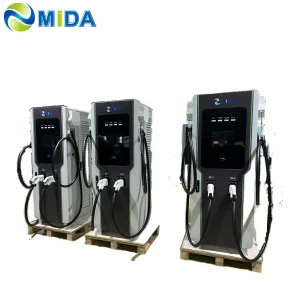
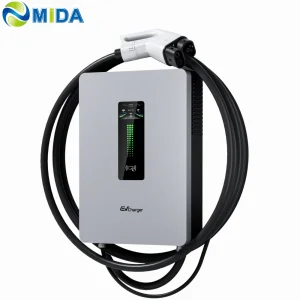
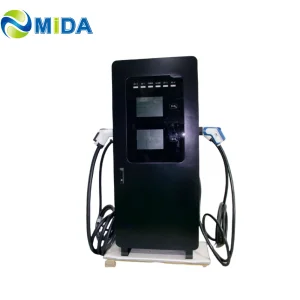
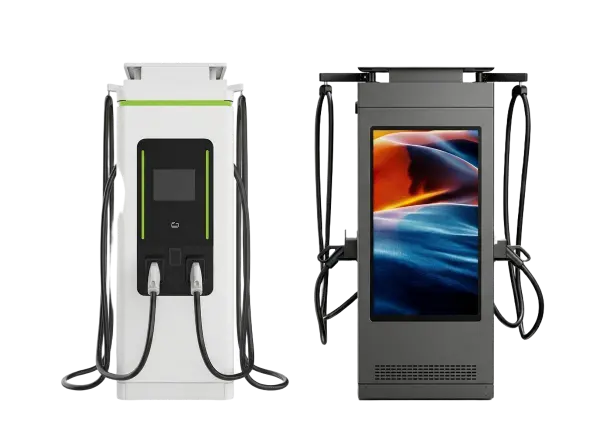
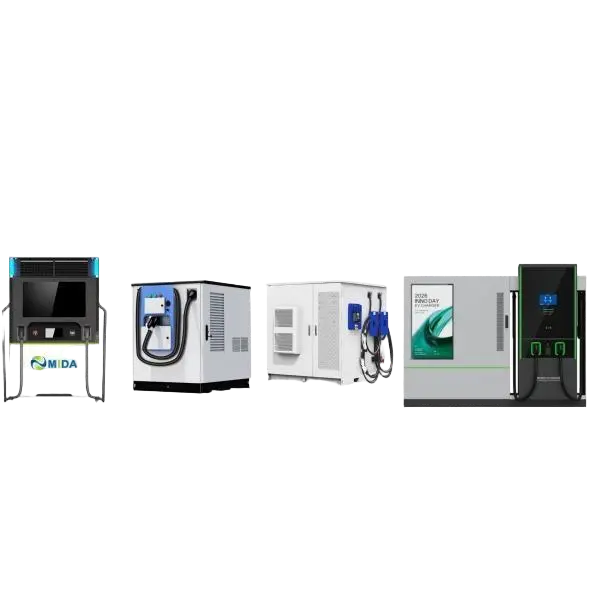
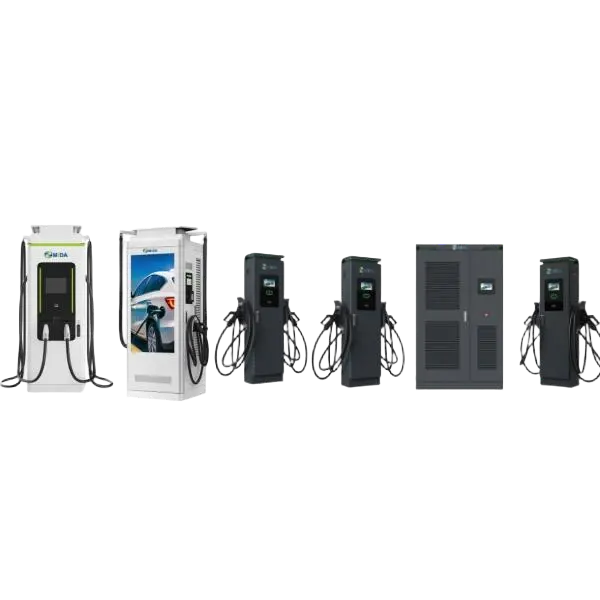
MIDA EV Power designs and assembles complete charging stations tailored for public and industrial environments. This range spans from 7kW–50kW mobile DC units and 3.6kW–7.2kW portable setups, up to 60kW–480kW floor-standing DC fast charging stations and massive 360kW–1440kW split-type DC superchargers.
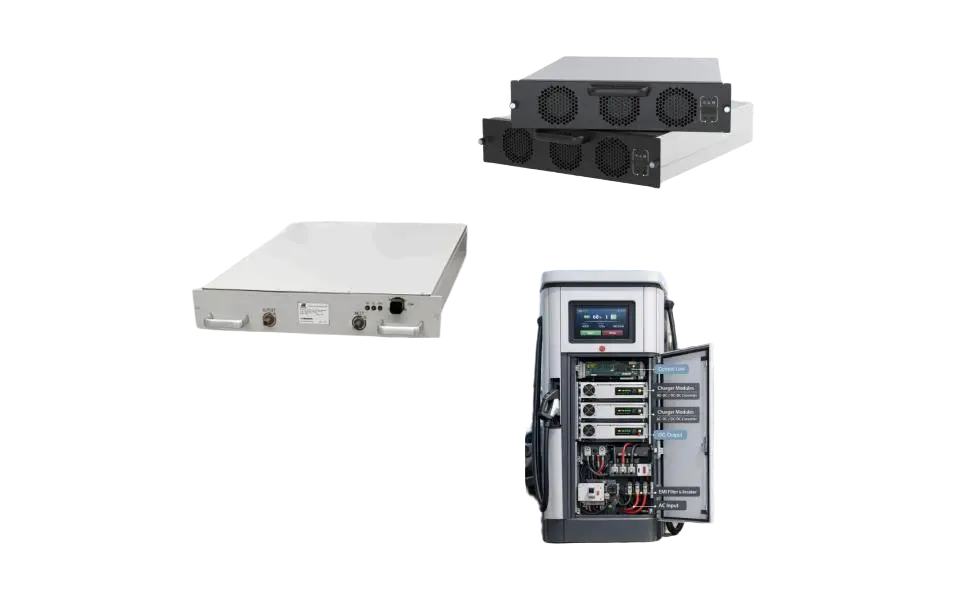
MIDA New Energy is our core research division focusing on power conversion technologies. They produce industry-standard 20kW–60kW power modules, 40kW–125kW liquid-cooled power modules, 30kW–62.5kW bidirectional modules, and 20kW–45kW V2G charging modules.

A comprehensive overview of our standard hardware lines, providing modular upgrades for international client networks.
Why sourcing from a vertically integrated manufacturer in the industrial hub of Shanghai/Shenzhen minimizes risk and maximizes ROI.
MIDA Group's production centers leverage Industry 4.0 practices, utilizing automated placement machines, robotic soldering, and automated optical inspection (AOI) to eliminate assembly-level variations. As a vertically integrated manufacturer, we handle the raw material processing of copper wire, connector overmolding, PCB fabrication, and full system integration in-house. This minimizes reliance on third-party sub-contractors, protecting your project schedules from supply chain disruptions.
Our localized supply chain in East and South China grants us access to rare earth components, high-grade silicon, and specialized steel alloys at low costs. We pass these savings directly to our international clients, enabling them to procure high-power chargers at prices that support rapid infrastructure expansion.
Our facilities are certified under ISO 9001:2015 for quality management, ISO 14001:2015 for environmental compliance, and ISO 45001:2018 for occupational health and safety, ensuring every component we ship complies with international standards.
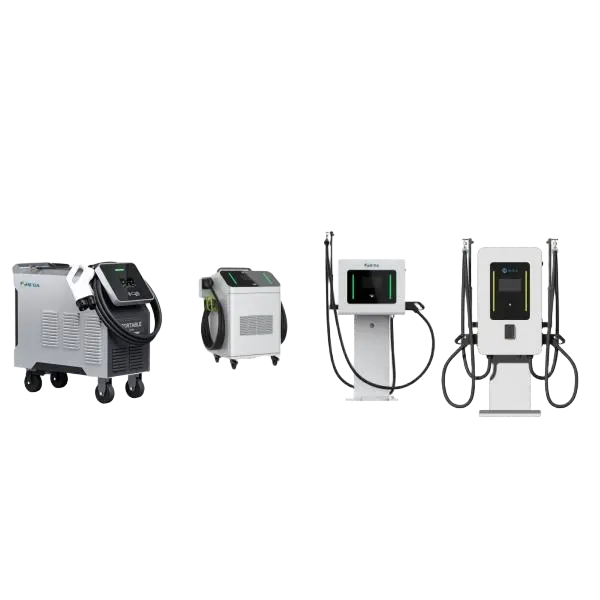
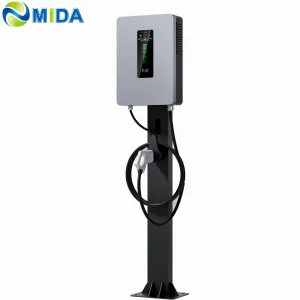
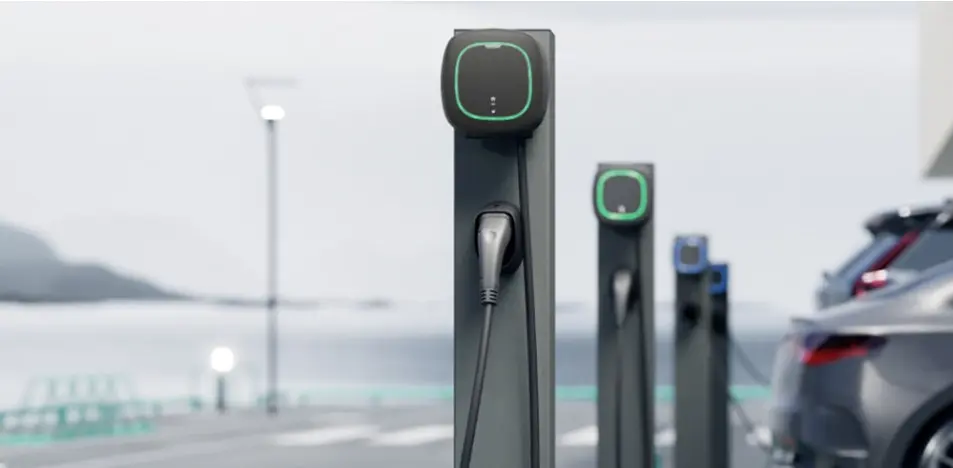
Residential, office, and municipal overnight charging arrays utilizing robust AC technology.
60kW–480kW standalone and up to 1440kW split-type matrices built for highway rest stops.
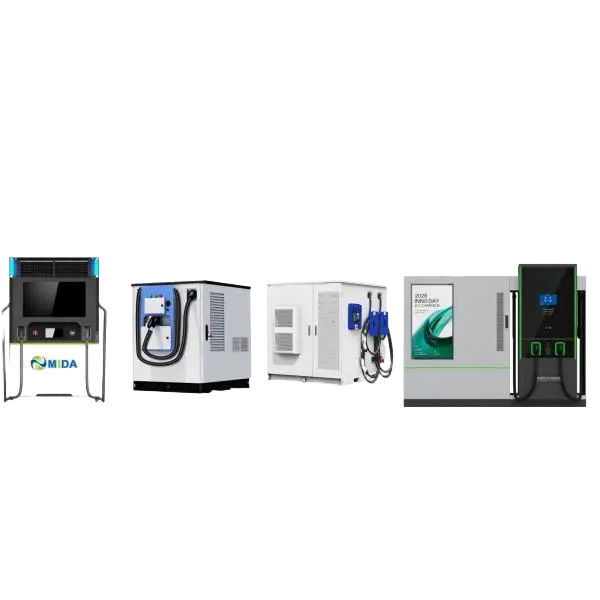
Battery-buffered systems ranging from 60kWh to 2MWh to bypass local grid limitations.
Ensuring compliance with localized utility requirements, network architectures, and hardware communication standards.
Procuring fast-charging infrastructure for international deployment requires strict adherence to regional safety, network, and environmental regulations. MIDA Group designs its systems from the ground up to comply with global requirements, streamlining utility approval processes and local safety inspections.
| Target Region | Safety Certifications Required | Hardware Standards | Supported Protocol Options |
|---|---|---|---|
| European Union | CE, TUV, UKCA, RoHS, REACH | IEC 62196 Type 2, CCS2 | OCPP 1.6J / 2.0.1, ISO 15118 (Plug & Charge) |
| North America | UL 2202, UL 2231, FCC Part 15 | SAE J1772, CCS1, NACS | OCPP 1.6J / 2.0.1, DIN 70121, CTEP / California Rules |
| Asia Pacific | KC, C-Tick, CB Scheme | GB/T 20234, CHAdeMO | Custom local backend APIs, OCPP 1.6J |
| Global Heavy Duty | TUV Safety Assessed | MCS (Megawatt Charging), Pantograph | ISO 15118-20, OCPP 2.0.1 |
MIDA Group's latest firmware supports the full ISO 15118 standard. This protocol encrypts communication between the vehicle's onboard charger and the DC station, enabling safe Plug and Charge (PnC). Drivers simply insert the connector, and the station handles authorization, session initialization, and billing automatically. This removes the need for physical RFID cards or mobile apps, improving the user experience and increasing usage rates at public charging hubs.
How our scalable DC charging solutions perform in various commercial, municipal, and industrial conditions.
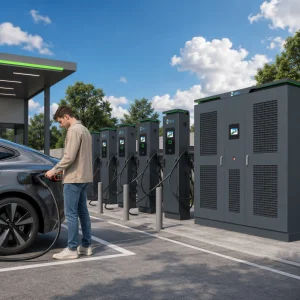
Rest stops and highway corridors require fast turnaround times. MIDA's 480kW–720kW split-type systems connect to multiple liquid-cooled dispensers, allowing up to four vehicles to charge at once. Our dynamic power allocation technology shifts capacity to cars with higher state-of-charge (SoC) capabilities, maximizing throughput and reducing station queue times.
Logistics centers and municipal bus depots demand reliable overnight operations. Our high-power CCS2 and Pantograph charging systems deliver high-amperage current to high-voltage battery packs, while integrated backend management systems coordinate charging cycles to avoid peak-demand utility charges.
In areas with limited local grid capacity, upgrading utility infrastructure can be costly and slow. Our BESS integrated charging stations charge their internal battery storage during low-demand periods and discharge at high rates during vehicle connections, avoiding peak demand fees and keeping projects on track.
Stay informed on our latest R&D breakthroughs and industry guidelines for e-mobility infrastructure.
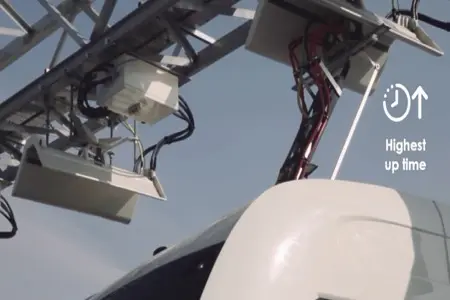
In contrast to classic plug-in charging systems, e-bus pantograph connections automate charging for high-capacity public transport networks, minimizing driver interaction and optimizing depot turnaround times.
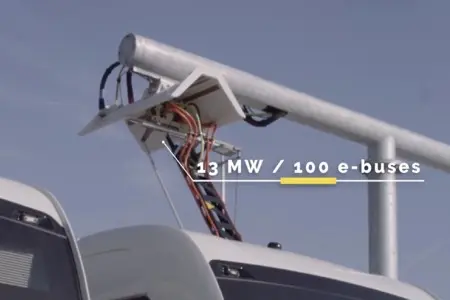
Charging times depend on battery capacity and utility supply, but high-voltage pantographs can deliver up to 600kW, restoring 80% charge to urban transit buses in 15 to 30 minutes.
Installing a "Pantograph Up" dome system requires precise structural calculations, electrical layout, and sensor calibration to ensure safe connection with municipal buses.
Addressing key engineering, integration, and compliance questions for global infrastructure projects.
OCPP 2.0.1 offers significant security and operational upgrades over 1.6J. Key improvements include:
Traditional air-cooled cables and power modules rely on convection, which loses efficiency as ambient temperatures approach 40°C. This forces the station to de-rate its current output to prevent overheating, extending charging times for users.
Liquid-cooled systems pump a synthetic coolant through internal channels in the cable and power module heatsinks, transferring thermal energy to a liquid-to-air heat exchanger. This system maintains internal operating temperatures below critical limits, allowing continuous operation at full rated capacity (e.g., 500A at 50°C ambient temperatures).
Yes. A 2MWh battery energy storage system (BESS) coupled with a 960kW DC power stack can buffer substantial power. If a typical commercial EV truck requires a 250kWh charge, the system can support 8 consecutive vehicles at maximum speed without drawing peak power from the utility grid.
During idle periods, the internal battery pack recharges from the grid at a low, steady rate (e.g., 100kW), minimizing peak demand charges and protecting local grid transformers from sudden load spikes.
MIDA DC Fast Chargers feature redundant hardware and software safety controls, including:
Select from our range of portable, wall-mounted, and ultra-high-capacity charging stations configured for global compliance.