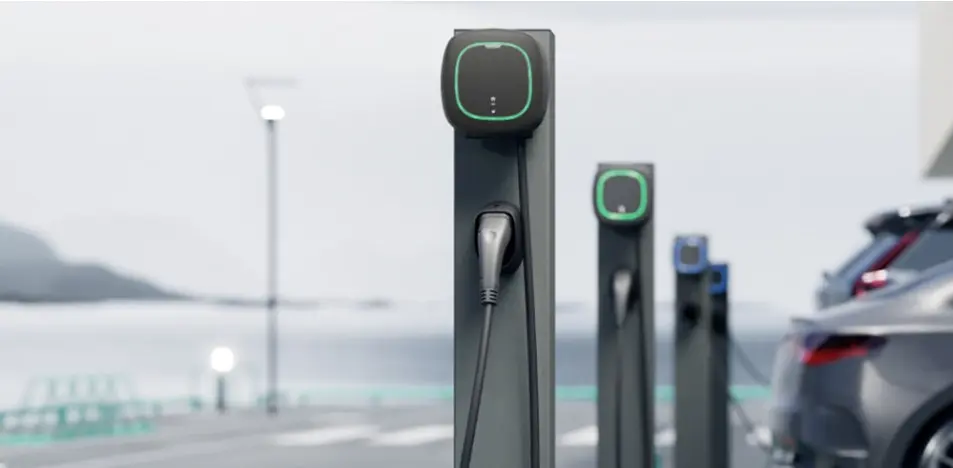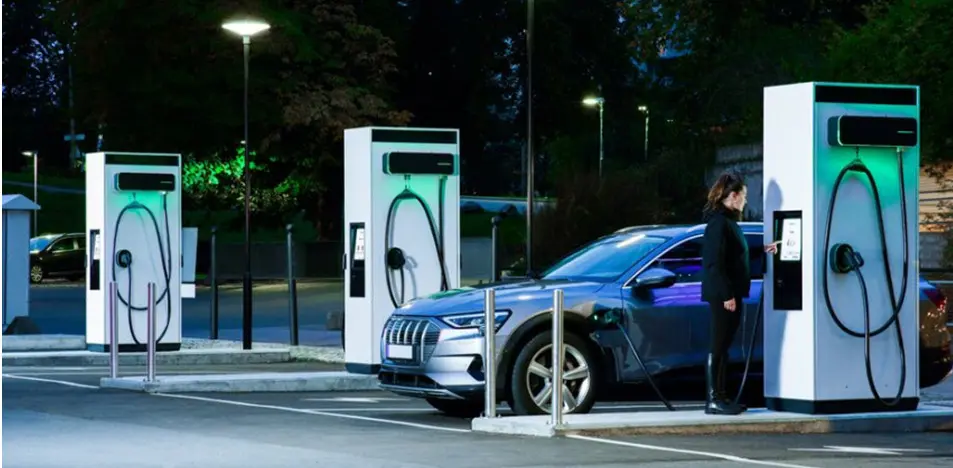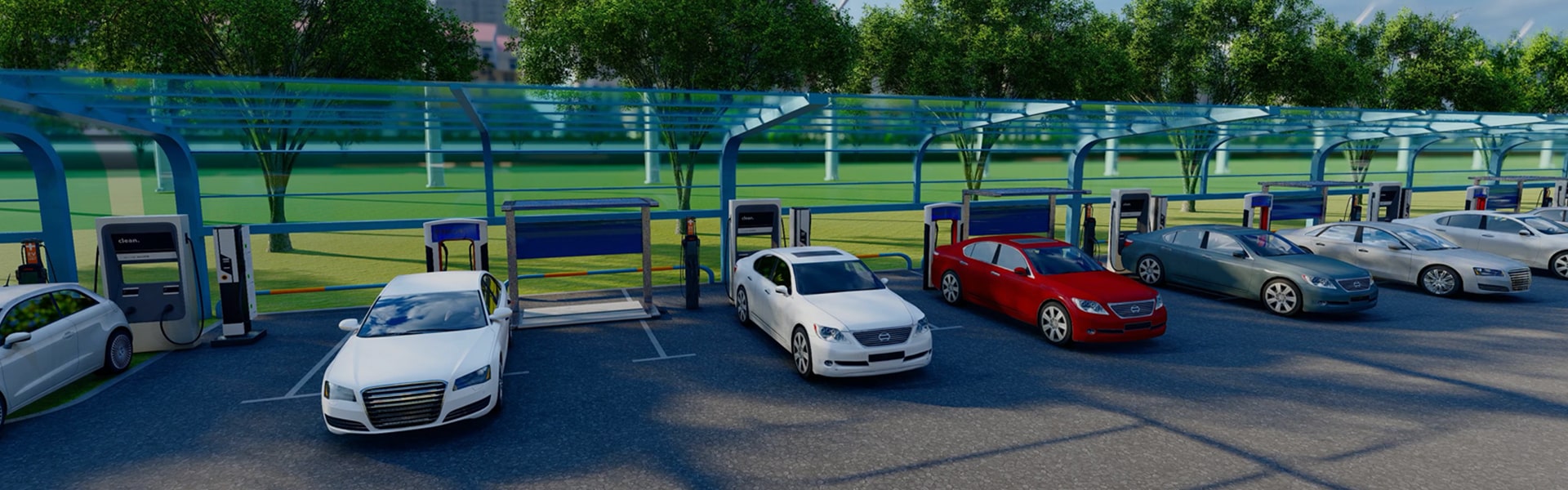
High-efficiency, certified EVSE systems engineered for commercial fleets, transit, and public networks.
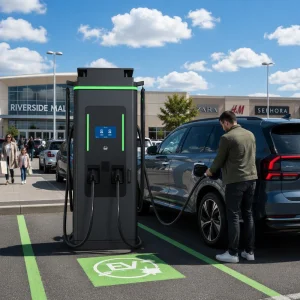
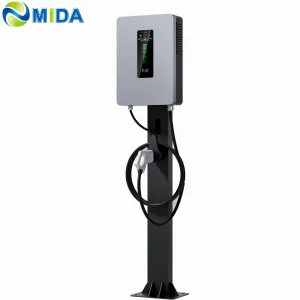
Decoding localized grid interfaces, architectural electrical dynamics, and communication protocols for CPOs and Fleet Operators.
The global push towards clean transport demands an unprecedented expansion of Electric Vehicle Supply Equipment (EVSE). For Charge Point Operators (CPOs), fleet operators, and industrial enterprises, importing equipment from a top-tier China electric vehicle charging station requirements manufacturer means navigating a complex web of international grids, standards, and certificates. High-Power Charging (HPC) requires precision engineering at every point: from the thermal tolerances of liquid-cooled couplers to the digital handshakes of communication protocols.
Modern requirements extend beyond basic electrical transmission. Grid operators demand active power correction, low harmonic distortion, and reactive power compensation to prevent high-speed charging loads from destabilizing the distribution network. Simultaneously, site hosts expect seamless customer authorization, robust cybersecurity, and modular power scaling to keep operational expenditures down while maximizing throughput.
For any charging station infrastructure deployment, open protocols are critical to preventing vendor lock-in. Global markets demand OCPP 1.6J (JSON over WebSockets) compatibility, with a fast transition towards OCPP 2.0.1. These standards manage complex tasks like smart charging profiles, diagnostic logging, and local authorization caches.
Furthermore, ISO 15118 ("Road vehicles — Vehicle-to-grid communication interface") outlines requirements for Plug & Charge (P&C) systems. Through asymmetric cryptography, the EV securely authorizes the session as soon as the connector is plugged in, bypassing RFID cards or mobile apps. Hardware must run secure cryptoprocessors to store root certificates, protecting against unauthorized modifications and cyberattacks.
Outdoor charging deployments face harsh conditions, from high temperatures to freezing snow. Safe and reliable operation relies on strong protection mechanisms:
Shanghai Mida Cable Group Ltd. operates through its wholly owned subsidiaries: Shanghai Mida EV Power Co., Ltd., Shenzhen Mida EV Power Co., Ltd., and Shanghai Mida New Energy Co., Ltd.
Mida Cable manufactures a comprehensive range of EV charging cables, including 16A–80A J1772 cables, 16A–63A IEC 62196-2 Type 2 cables, and DC fast charging cables: CCS1 (80A–500A), CCS2 (125A–1000A), CHAdeMO (125A–300A), GBT (200A–1000A), and NACS connectors (250A–600A).
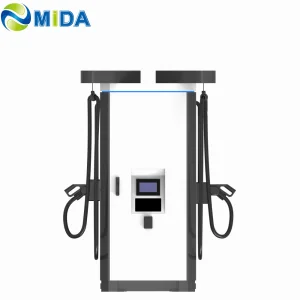
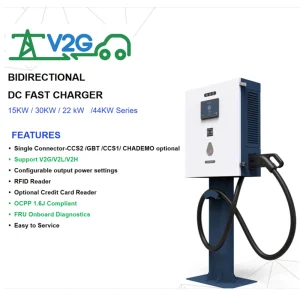
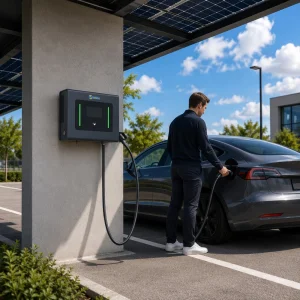
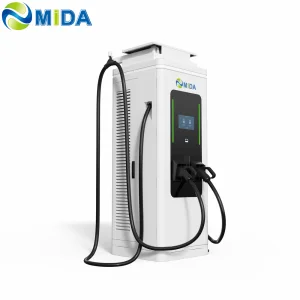
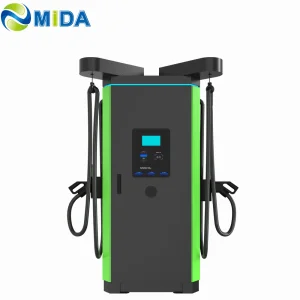
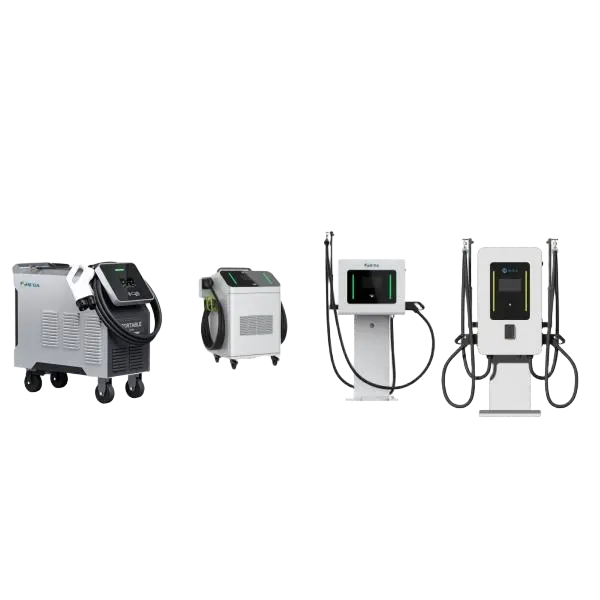
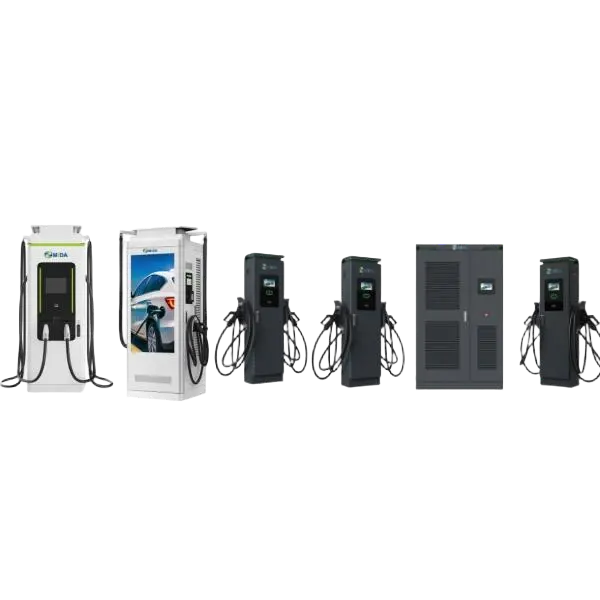
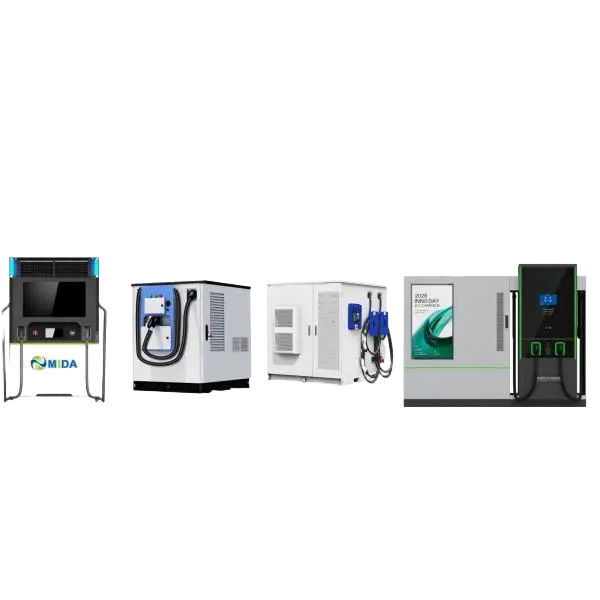
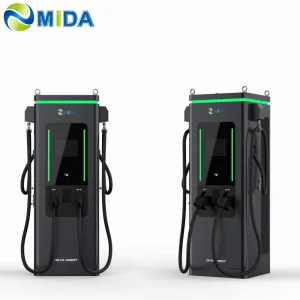
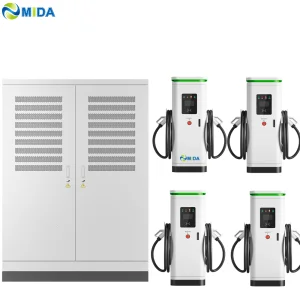
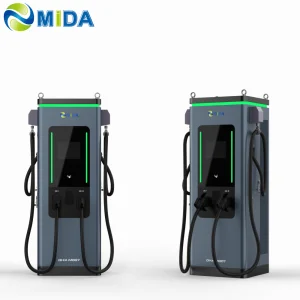
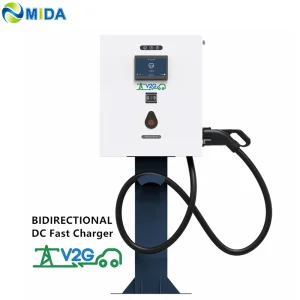
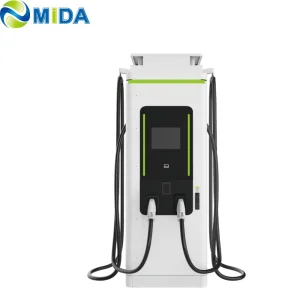
MIDA EV Power produces a full lineup of EV charging stations, such as 7kW–50kW mobile chargers, 3.6kW–7.2kW portable DC chargers, 360kW–1440kW split-type DC fast chargers, 20kW–50kW wall-mounted DC chargers, and 60kW–480kW floor-standing DC fast charging stations.
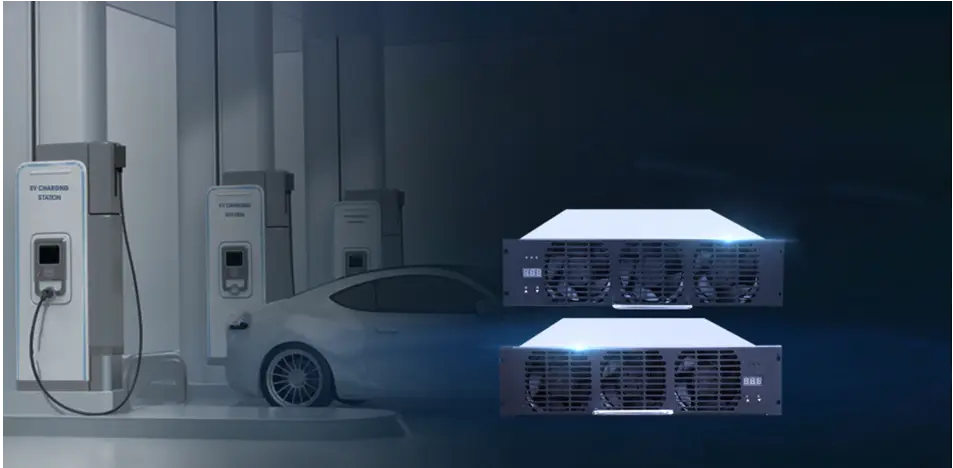
MIDA New Energy specializes in EV charger power modules, offering 20kW–60kW standard modules, 40kW–125kW liquid-cooled modules, 30kW–62.5kW bidirectional modules, and 20kW–45kW V2G charging modules.

Vertically integrated components and system solutions built for reliability and safety.
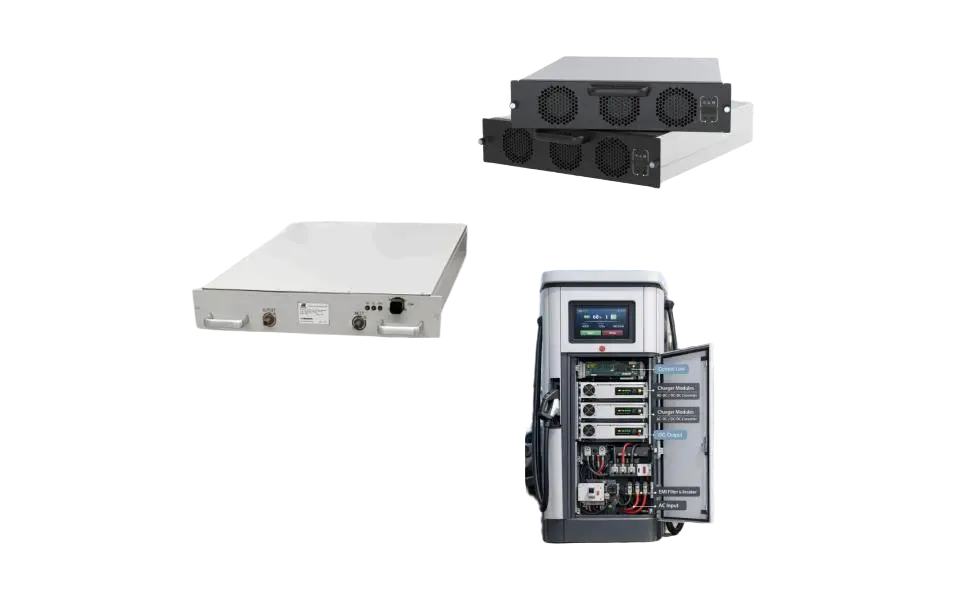
High-density rectifier modules built to convert grid AC power to stable DC energy for EVs.
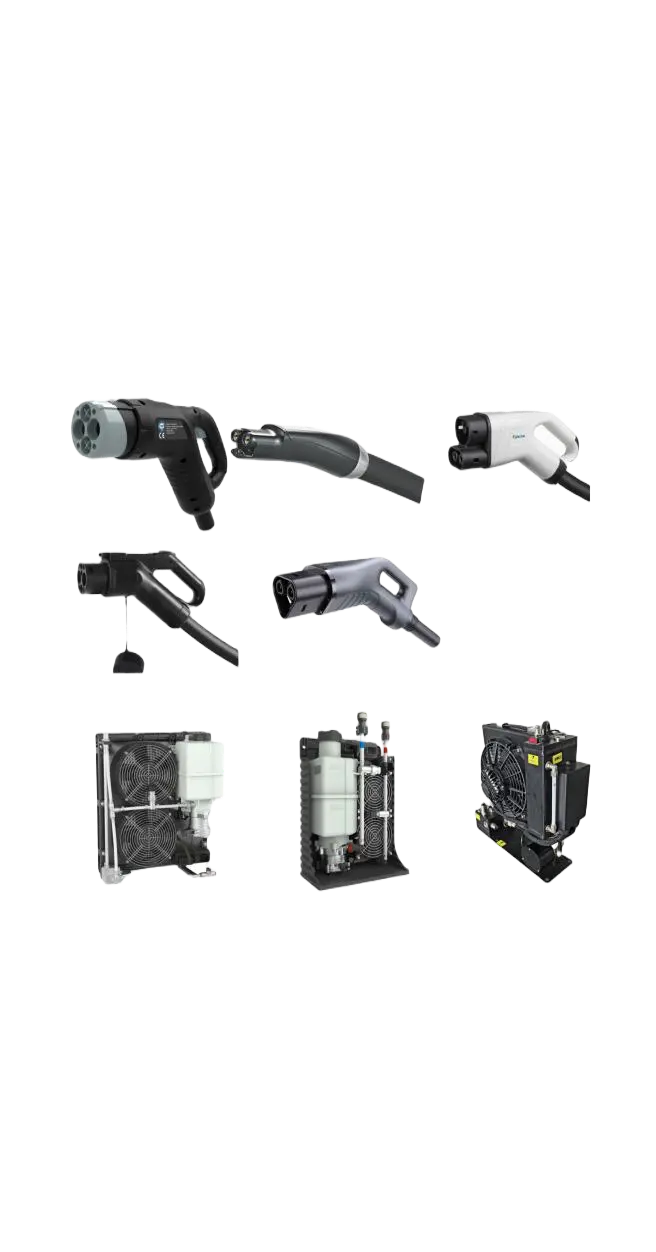
Heavy-duty cable assemblies, megawatt connectors, and matching liquid-cooling systems.
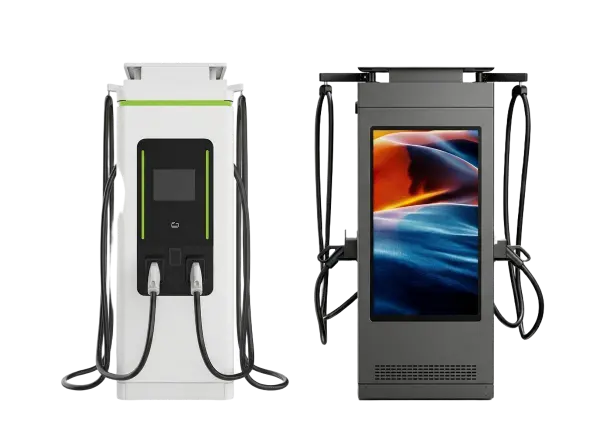
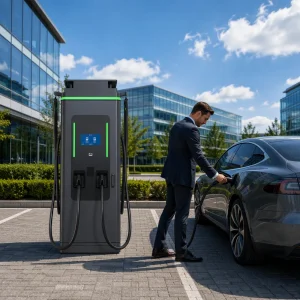
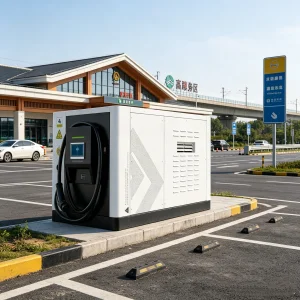
Complete charging stations for public infrastructure, depot fleets, and roadside service.
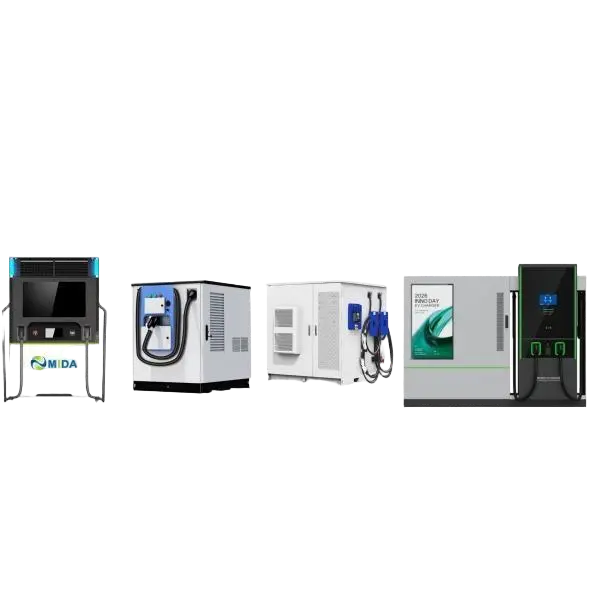
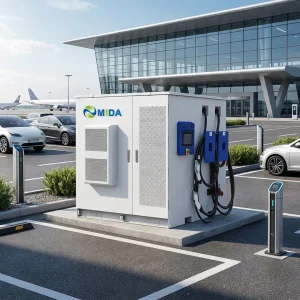
Battery-integrated systems designed to deliver fast charging even on weak electrical grids.
Technical comparison of requirements across key global jurisdictions.
| Specification | North America (NACS / CCS1) | Europe (CCS2) | China (GB/T / ChaoJi) | Japan (CHAdeMO) |
|---|---|---|---|---|
| Nominal Grid Voltage | 480V AC (3-Phase) / 240V (1-Phase) | 400V AC (3-Phase) | 380V AC (3-Phase) | 200V AC (3-Phase) |
| Communication Protocol | PLC (ISO 15118 / DIN 70121) | PLC (ISO 15118 / DIN 70121) | CAN Bus (GB/T 27930) | CAN Bus (CHAdeMO Analog) |
| Maximum Voltage Output | 1000V DC | 1000V DC | 1000V - 1500V DC | 500V - 1000V DC |
| Thermal Control | Air Cooled / Liquid Cooled | Air Cooled / Liquid Cooled | Air Cooled / Liquid Cooled | Forced Air / Liquid Cooled |
| Target Application | Highways, Depots, Residential | Transit Networks, Highway Hubs | Public Hubs, E-Bus Terminals | Public Parking, Urban Hubs |
How MIDA customizes heavy-duty systems for diverse commercial and municipal projects.
Designed for rapid vehicle turnover along highways and shopping centers. Utilizes split-type ultra-fast cabinets (360kW–1440kW) with dynamic power routing, distributing power to multiple dispensers based on the state of charge (SoC) of each connected vehicle.
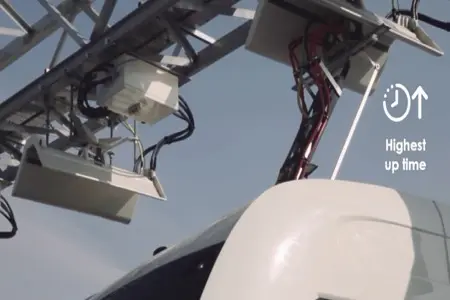
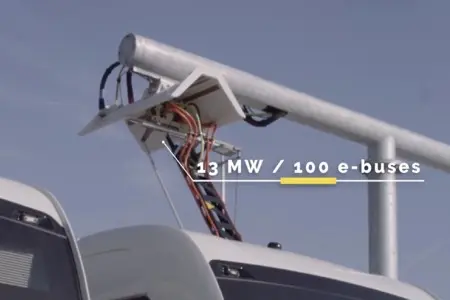
Engineered for public transit bus lines and logistics fleets. Features scheduled overnight charging to take advantage of off-peak electric rates, integrated pantograph systems for quick automated charging, and bidirectional energy paths to return power to the grid during peak demand.
Uses Battery Energy Storage Systems (BESS) to charge vehicles in remote locations or areas with limited electrical grid capacity. The batteries charge slowly from solar arrays or standard grid lines, then deliver high-power fast charging when a vehicle plugs in.
Technical updates on public transit charging technologies and automated overhead charging infrastructure.
Answers to common engineering and regulatory questions for global deployments.
Heavy-duty fast-charging hardware and modular power units ready for global shipping.