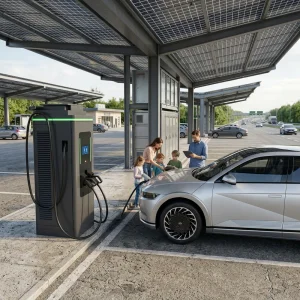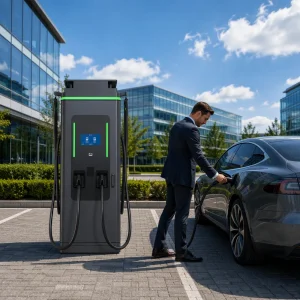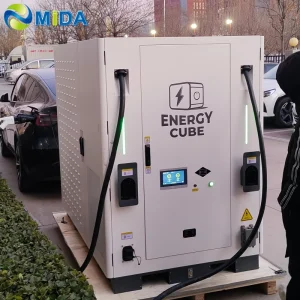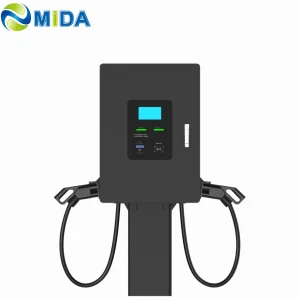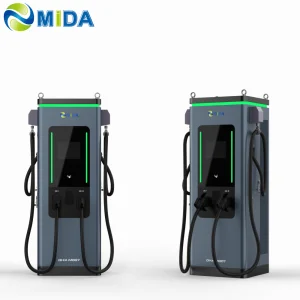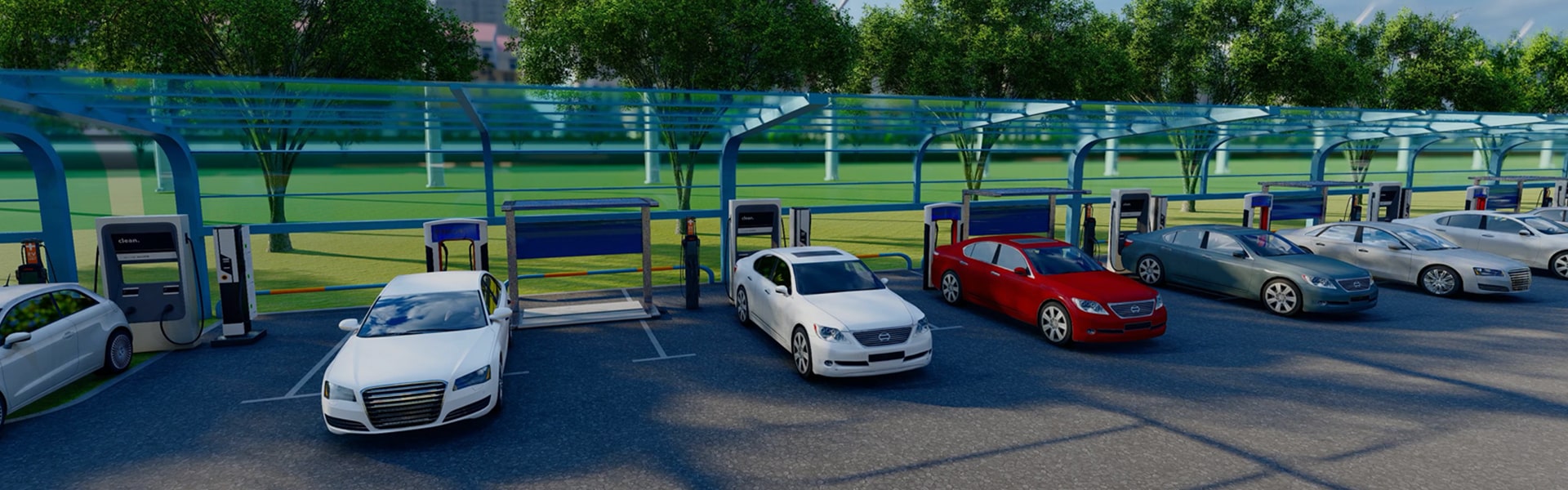
Explore our selection of premium Chinese-manufactured EV chargers featuring high-efficiency cooling, dynamic power routing, and full OCPP protocols.
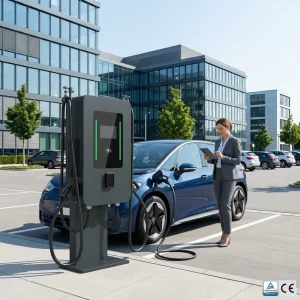
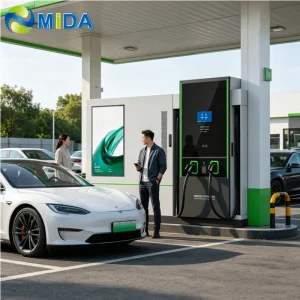
Shanghai Mida Cable Group Ltd. operates through its wholly owned subsidiaries: Shanghai Mida EV Power Co., Ltd., Shenzhen Mida EV Power Co., Ltd., and Shanghai Mida New Energy Co., Ltd.
Our combined capabilities span the entire product cycle of electric vehicle supply equipment (EVSE). Mida Cable manufactures a comprehensive range of EV charging cables, including 16A–80A J1772 cables, 16A–63A IEC 62196-2 Type 2 cables, and high-capacity DC fast charging cables: CCS1 (80A–500A), CCS2 (125A–1000A), CHAdeMO (125A–300A), GBT (200A–1000A), and NACS connectors (250A–600A).
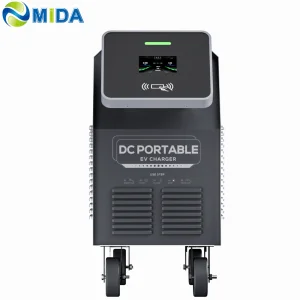
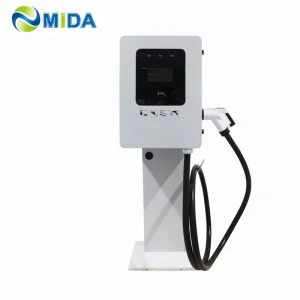
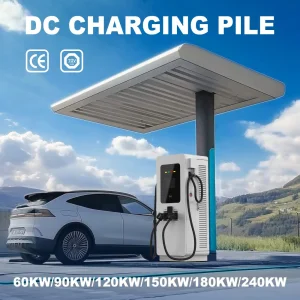
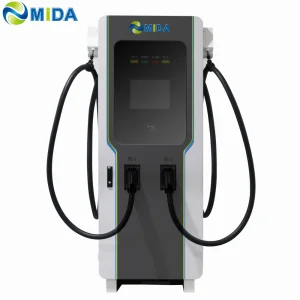
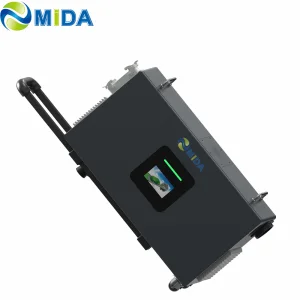
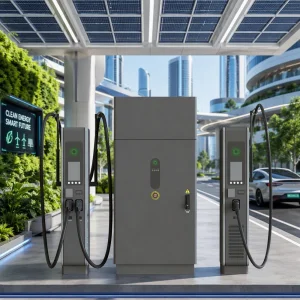
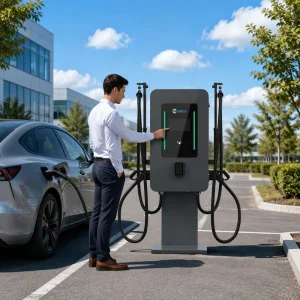
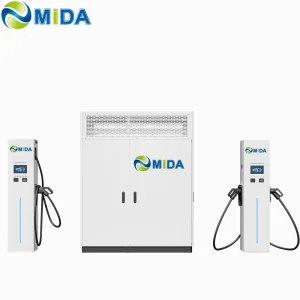
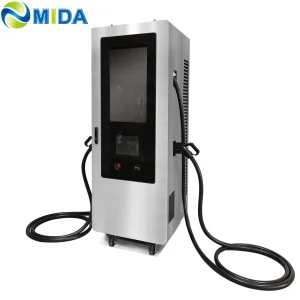
Simultaneously, MIDA EV Power produces a full lineup of EV charging stations, such as 7kW–50kW mobile chargers, 3.6kW–7.2kW portable DC chargers, 360kW–1440kW split-type DC fast chargers, 20kW–50kW wall-mounted DC chargers, and 60kW–480kW floor-standing DC fast charging stations.
Additionally, MIDA New Energy specializes in EV charger power modules, offering 20kW–60kW standard modules, 40kW–125kW liquid-cooled modules, 30kW–62.5kW bidirectional modules, and 20kW–45kW V2G charging modules.

Systemic solutions from low-draw destination charging to ultra-fast transit corridors and integrated energy storage grids.
Ideal for residential applications, fleet overnight charging, and workplace parking lots.
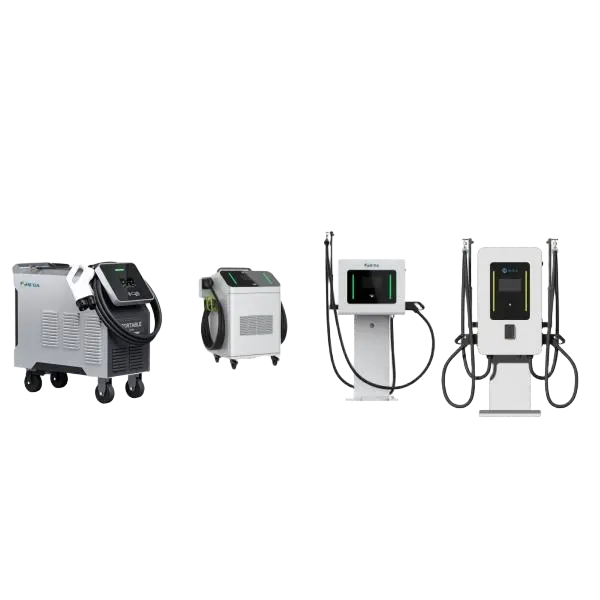
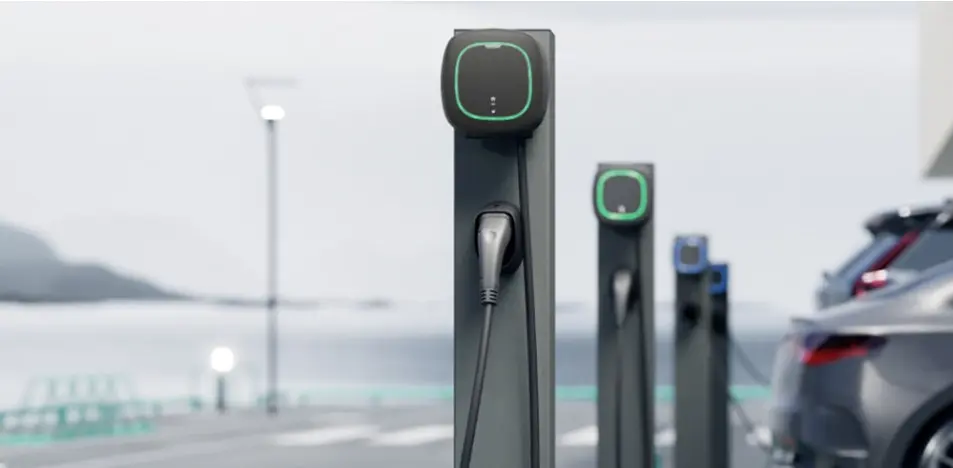
CE & UL compliant designs, configurable with custom Type 2, J1772, or NACS outlets.
View Category DetailsHigh-performance rapid charging for highway rest stops, bus fleets, and retail zones.
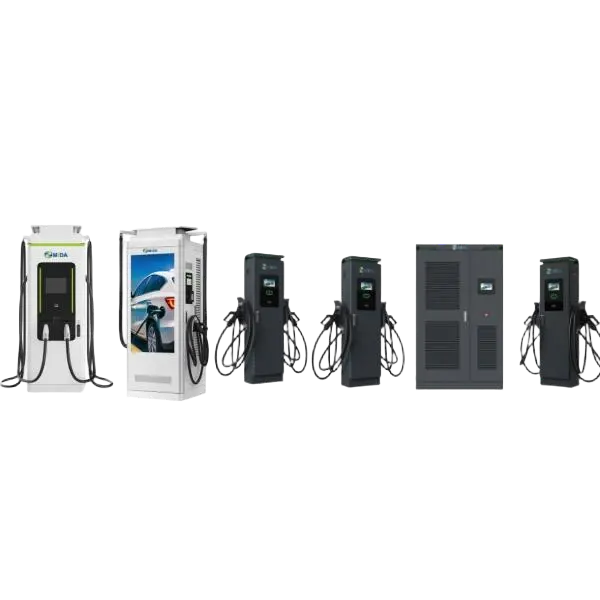
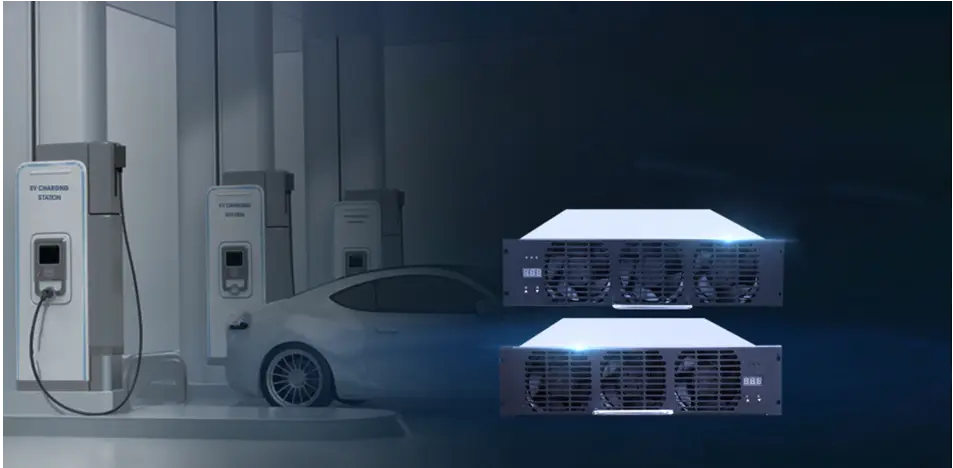
Engineered with advanced cooling loops and load balancing to maximize power distribution efficiency.
View Category DetailsMicrogrid and battery integrated options that dodge local demand charges and optimize grid health.
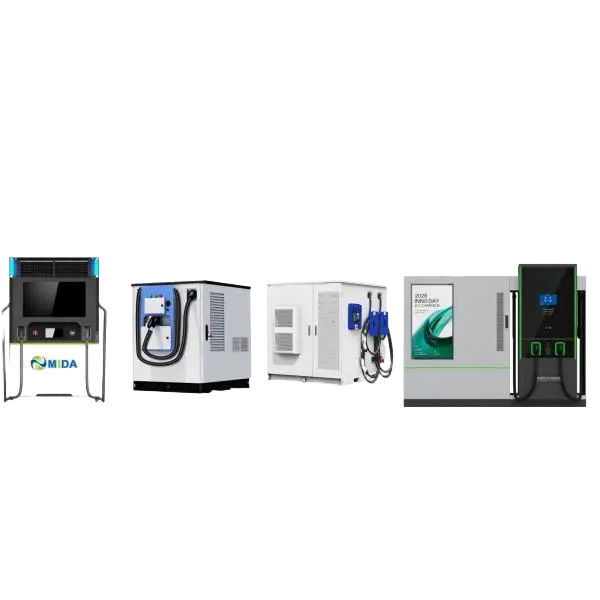
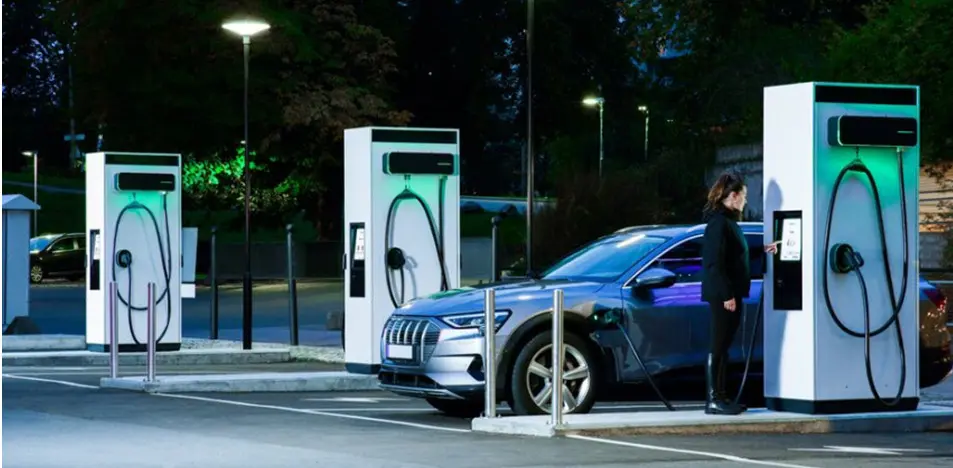
Pair solar power, static storage, and rapid EV charging to lower infrastructure upgrade requirements.
View Category DetailsAn expert perspective on Capital Expenditure (CAPEX), Operational Expenditure (OPEX), technical differentiation, and regulatory navigation for C-level executives.
When engineering global fleet grids, procuring reliable hardware at scale is the single largest CAPEX hurdle. The pricing structure of a standard China electric vehicle charging station cost is governed by five primary sub-systems. Rather than simple pricing, buyers must weigh component specifications to accurately calculate long-term performance reliability:
The rapid adoption of EV charging infrastructure presents grid challenges. Deploying large-scale stations above 480kW can strain local distribution transformers. Developers are increasingly turning to Battery Energy Storage System (BESS) Charging Stations. By pairing 215kWh (or larger) battery packs with 90kW-400kW chargers, sites can store power during low-demand periods and deliver peak energy when vehicles plug in. This peak-shaving setup avoids expensive grid upgrades and high demand charges from local utility providers.
Our solutions incorporate smart energy management software (EMS) that monitors building load, solar generation, and battery capacity. This optimizes charging power dynamically in real-time, allowing operators to scale up charger counts without overloading their grid connection.
Deep-dive specifications for components, power conversion modules, and high-power connectors designed for global system integrators.
Deploying charging stations globally requires strict adherence to international electrical, safety, and communication standards.
All modern charging networks rely on standardized protocols to guarantee seamless communication between the charger, management platform, and vehicle. High-end systems utilize OCPP 1.6J, which is now transitioning to OCPP 2.0.1 for enhanced security, improved diagnostic reporting, and smart charging configurations. Additionally, the integration of ISO 15118 allows for "Plug and Charge" operations, removing the need for RFID or credit card steps by authenticating the car automatically via the charging cable.
Charging infrastructure must operate safely in extreme environments. MIDA Group products comply with rigorous safety frameworks to meet import criteria around the world:
Stay informed on our latest product releases, engineering studies, and project installations globally.
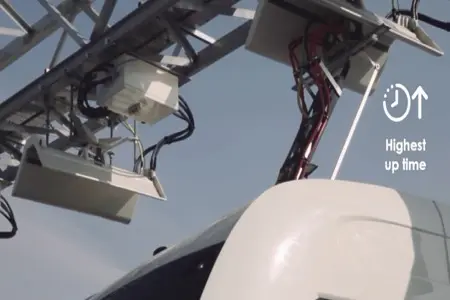
Crucial information on total cost of ownership (TCO), customized manufacturing, logistics, and local operations.
Browse our scalable power cabinets, wall-mounted commercial units, and integrated BESS emergency recovery chargers.