
Explore our foundational industrial range, featuring ultra-fast split-flexible charging stacks, mobile energy storage hubs, and smart wall-mounted modules designed for commercial scaling.
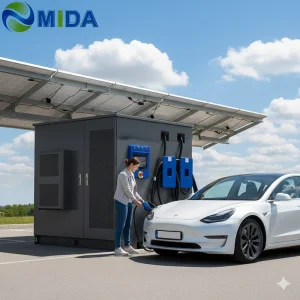
High-capacity mobile battery storage combined with a 240kW output for seamless off-grid heavy equipment charging and peak-shaving operations.
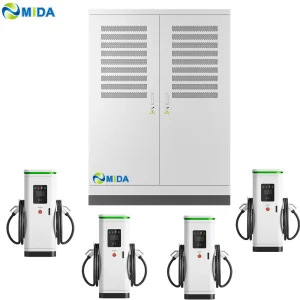
Centralized power stacks allocating dynamic power streams dynamically to multi-terminal hubs in dense municipal zones.
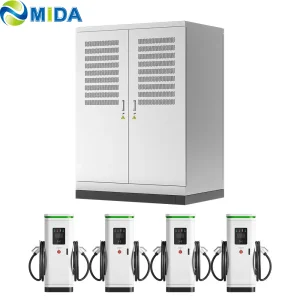
Dual-protocol (CCS and GB/T) high-voltage superchargers tailored for heavy corridor logistics networks and commercial fleets.
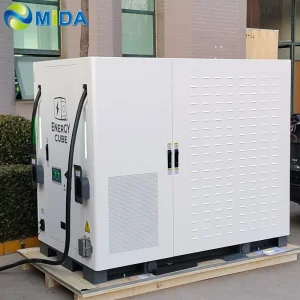
Integrates MPPT solar charge control and energy storage batteries, providing zero-emission mobile DC power in remote locations.
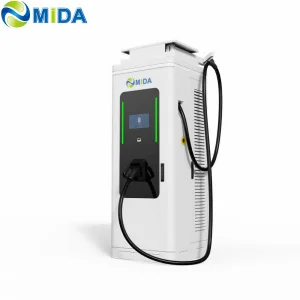
Optimal efficiency fast chargers with modular configurations, serving mid-tier highway service areas and metropolitan depots.

Mega-scale output capabilities utilizing advanced thermal architecture to feed high-voltage bus terminals and maritime ports.
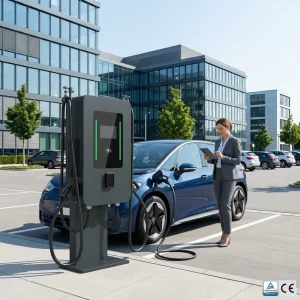
Fully compliant with the latest ISO 15118-20 standard for Plug & Charge features in a compact, space-saving wall chassis.
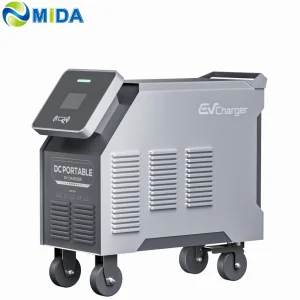
Versatile portable DC chargers designed for vehicle rescue operations, maintenance workshops, and flexible emergency services.
Shanghai Mida Cable Group Ltd. operates through its wholly owned subsidiaries: Shanghai Mida EV Power Co., Ltd., Shenzhen Mida EV Power Co., Ltd., and Shanghai Mida New Energy Co., Ltd. As a vertically integrated enterprise group, we bridge the gap between heavy hardware engineering and digital infrastructure management.
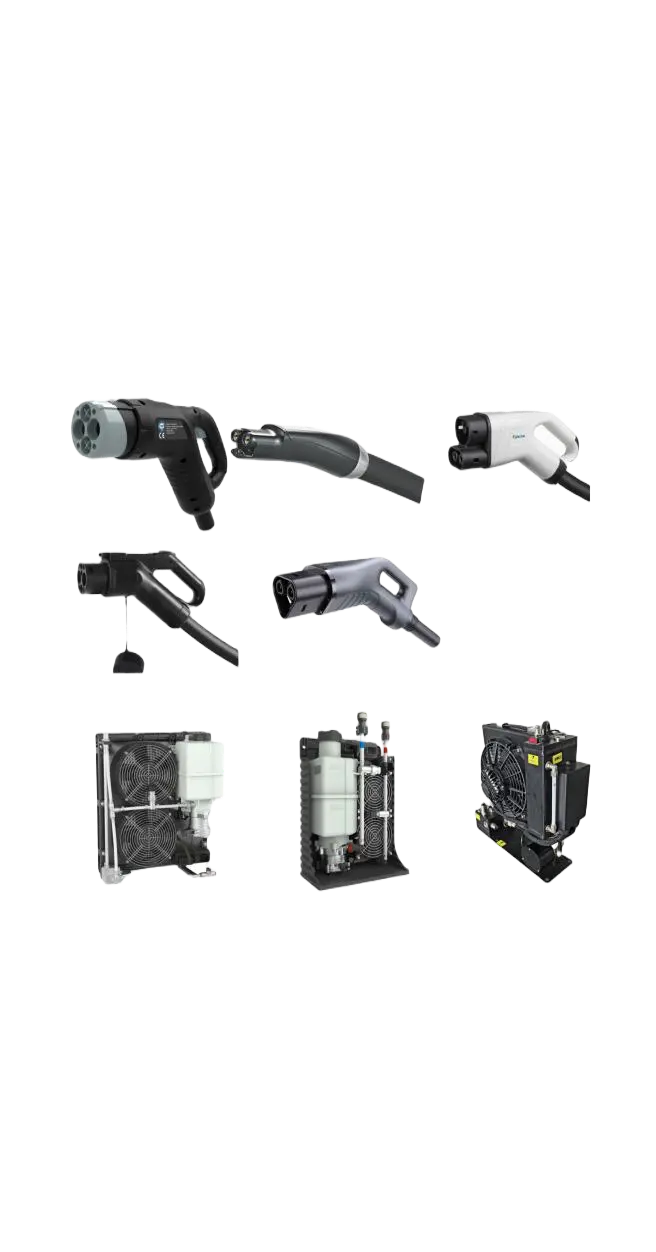
Mida Cable manufactures a comprehensive range of EV charging cables, including 16A–80A J1772 cables, 16A–63A IEC 62196-2 Type 2 cables, and heavy-duty DC fast charging cables: CCS1 (80A–500A), CCS2 (125A–1000A), CHAdeMO (125A–300A), GBT (200A–1000A), and NACS connectors (250A–600A).
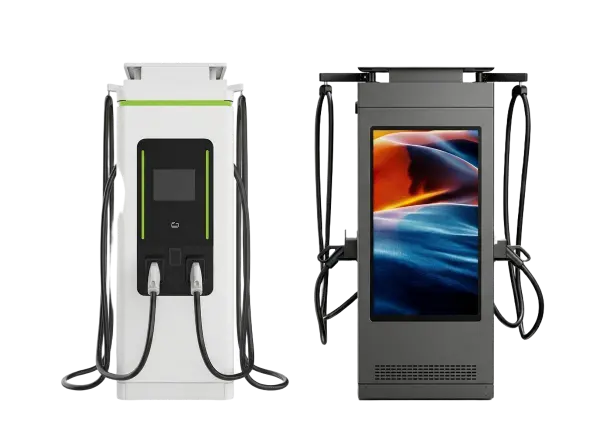
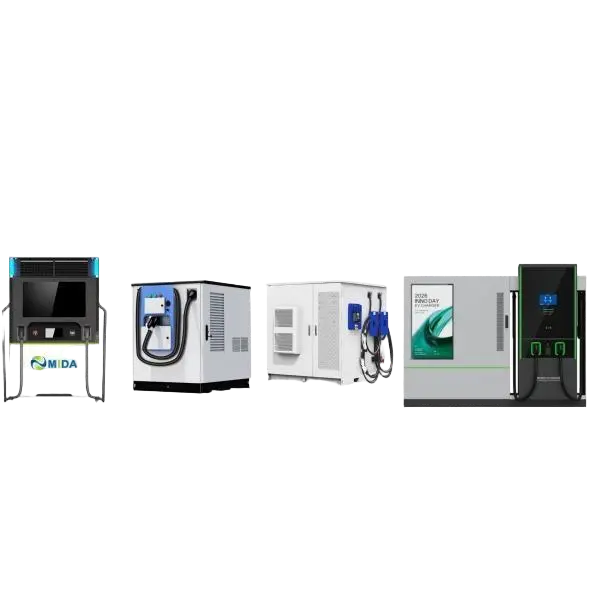
MIDA EV Power produces a full lineup of EV charging stations, such as 7kW–50kW mobile chargers, 3.6kW–7.2kW portable DC chargers, 360kW–1440kW split-type DC fast chargers, 20kW–50kW wall-mounted DC chargers, and 60kW–480kW floor-standing DC fast charging stations.
MIDA New Energy specializes in EV charger power modules, offering 20kW–60kW standard modules, 40kW–125kW liquid-cooled modules, 30kW–62.5kW bidirectional modules, and 20kW–45kW V2G charging modules. Our focus remains on high-efficiency conversion topologies that reduce operation overheads globally.

Analyzing key pain points and strategic priorities for commercial, municipal, and industrial EV charger software acquisitions.
Global procurement teams demand firmware and backend architectures that prevent vendor lock-in. EV hardware must operate over open standards (OCPP 1.6J/2.0.1) to integrate seamlessly with third-party Fleet Management Systems, Enterprise Resource Planning (ERP) databases, and local smart-grid nodes.
Deploying user-facing charging applications requires robust security frameworks. Enterprises require strict data residency configurations, end-to-end encryption via TLS 1.3, compliance with regional personal-identifiable information (PII) laws (GDPR, CCPA), and automated cyber-threat protection on cloud backbones.
Large commercial depots require advanced dynamic load management (DLM) features controlled directly via EV charging apps. Automated profiles balance available facility capacities, shave peak utility rates, adjust charging currents dynamically, and support solar-plus-storage topologies.
Robust manufacturing architectures developed by MIDA EV Power to satisfy public utility, warehouse logistics, and residential operator networks.
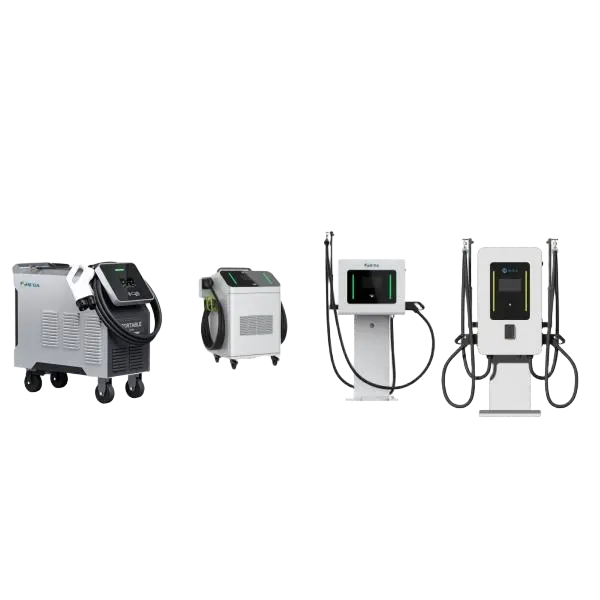
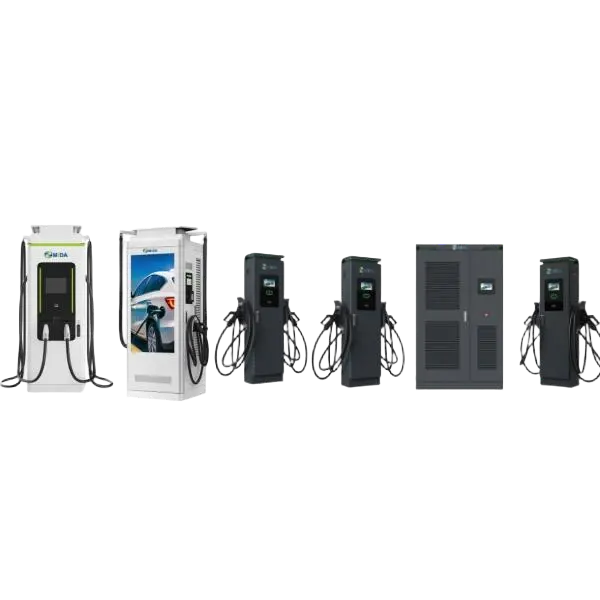
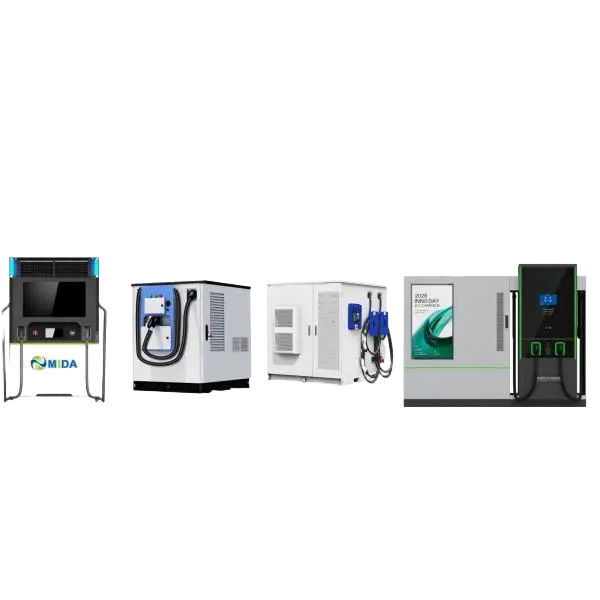
Synthesizing hardware and software interfaces to deploy resilient charging infrastructure for mass mobility operators.
Modern electric vehicle charging operations rely heavily on seamless software execution. Charge Point Operators (CPOs) and e-Mobility Service Providers (eMSPs) deploy complex digital frameworks to control power delivery, facilitate payments, and monitor infrastructure health. In the context of "China Electric Vehicle Charging Station App Suppliers & Factories," the competitive differentiation has shifted from basic hardware manufacturing to integrated, intelligent solutions. These solutions connect structural charging piles with cloud platforms, end-user mobile apps, and enterprise back-ends.
An effective macro-level solution leverages OCPP (Open Charge Point Protocol) to bridge the physical charger and the operator's digital platform. Using JSON over WebSocket connections, chargers communicate status, transaction reports, and diagnostics in real time. Back-end management software interfaces directly with utility grids, utilizing advanced algorithms to implement dynamic load balancing and peak-shaving protocols. This reduces grid congestion and maximizes profits during high-demand hours.
For commercial end-users, white-label EV charging apps are essential for fleet operations and public network monetization. These apps provide functionalities such as real-time station discovery, connector reservation, ad-hoc payment processing, billing history tracking, and intelligent pathfinding. By integrating V2G (Vehicle-to-Grid) and microgrid solutions, charging facilities can act as decentralized virtual power plants, selling stored energy back to the grid during peak pricing windows.
Software-driven priority queuing, pre-conditioning profiles, and automated multi-standard (CCS/NACS/GBT) dynamic scheduling designed to optimize route schedules and battery life.
White-label customer application frameworks featuring built-in mapping, multiple payment gateways, discount engines, and digital advertisement interfaces on premium terminals.
Property-specific access controls, employee credit allocations, load-limiting configurations, and direct integration into building energy management systems (BEMS).
Driving the boundaries of electrical conversion, liquid-cooled transfer channels, and adaptive energy storage integration.
The modern energy landscape requires power conversion subsystems that function bidirectionally. By integrating 20kW to 45kW V2G (Vehicle-to-Grid) power modules, MIDA's hardware acts as a smart node in the microgrid ecosystem. Bidirectional systems enable vehicles to act as decentralized power storage reservoirs. The companion mobile application coordinates with localized utility providers to return electricity to the grid during extreme demand spikes, transforming charging stations from load centers into active grid stabilization partners.
To facilitate the electrification of heavy logistics, maritime vessels, and large passenger transit vehicles, MIDA is developing megawatt-level charging interfaces. Utilizing specialized liquid-cooling loops in 500A to 1000A CCS2/GBT cables, these systems dissipate heat efficiently. This enables continuous high-current power transfer without thermal degradation, lowering charging times for large-capacity fleets to under 15 minutes.
Explore our complete catalog of high-efficiency EV power modules, liquid-cooled connectors, and integrated battery energy storage configurations.
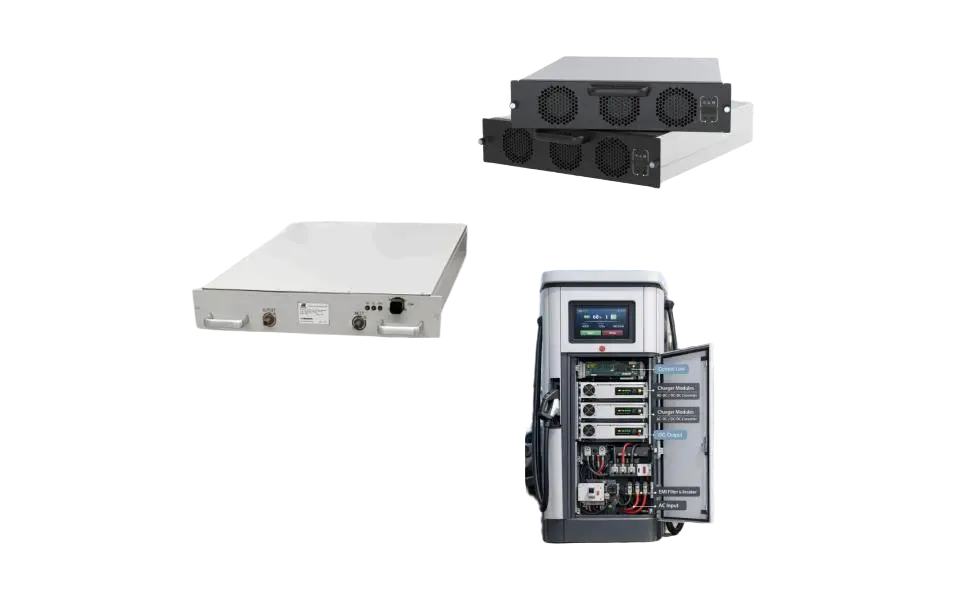
How MIDA ensures seamless integration with international grid frameworks and strict security protocols.
Our software architectures employ strict TLS 1.3 encryption tunnels for all OCPP communication. This protects customer billing credentials and charging telemetry from interception, while maintaining compliance with GDPR and local data protection regulations.
MIDA EV charging stations are engineered to meet strict international grid connection requirements. Features include reactive power control, harmonic distortion reduction, and rapid frequency response to prevent localized grid stress during high-power events.
All hardware components carry certifications from leading safety organizations, including CE (LVD/EMC), TUV, UL, RoHS, and PTB/MID calibration approvals for revenue-grade metering systems.
Stay informed on the latest technical trends, engineering case studies, and corporate milestones from the MIDA Group.
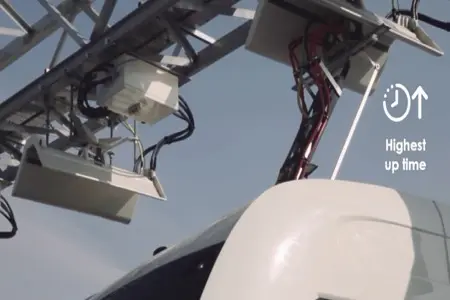
What are the advantages of an e-bus pantograph dome? In contrast to classic plug-in charging systems, e-bus pantograph systems allow automated high-power charging for public transport fleets during regular service stops.
View More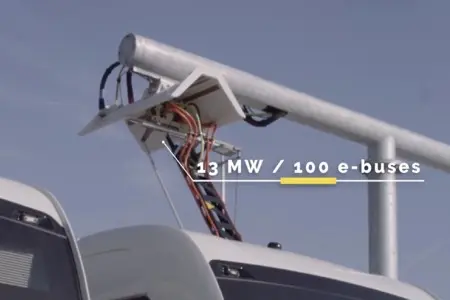
How long does it take to charge with an e-bus pantograph? The charging time depends on the battery capacity and the operating voltage of the vehicle, with automated megawatt systems delivering a full charge in minutes.
View More
How to Install the Pantograph Up Charger System Dome for Electric Bus. A comprehensive technical guide on structural foundation requirements, electrical alignment, and software commissioning parameters.
View More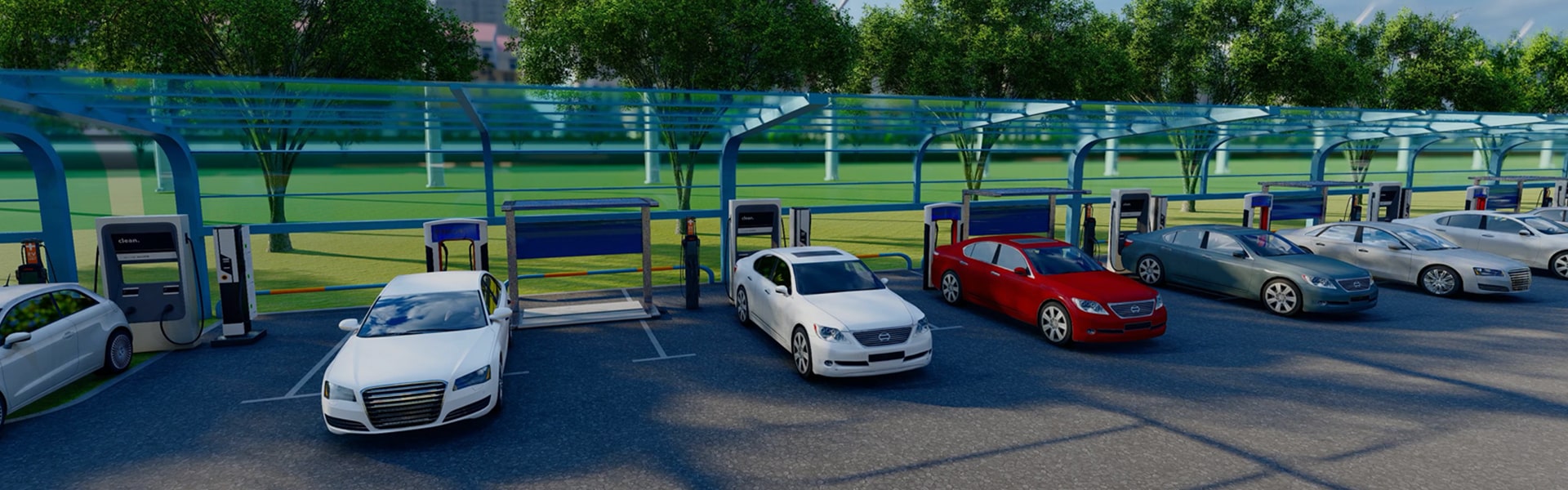
In-depth responses to critical questions regarding hardware-software compatibility, standard alignment, and infrastructure scaling.
Explore our advanced high-power charging platforms, compliant with global commercial standards, fleet management networks, and clean energy systems.
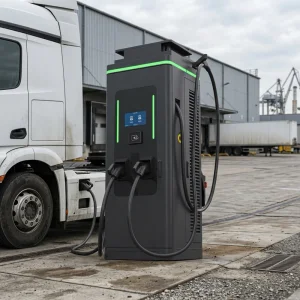
Featuring German PTB and European MID revenue-grade meters, optimized with native OCPP 2.0.1 for public commercial applications.
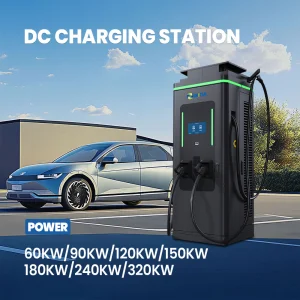
High Power Charger (HPC) system delivering up to 400kW, supporting liquid-cooled CCS2 connections for fast charging on highway networks.
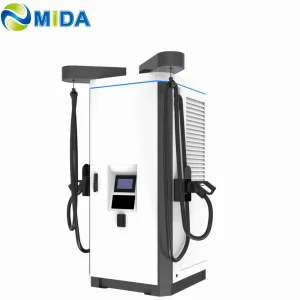
Dedicated CHAdeMO protocol station designed to provide reliable DC fast charging for compatible EV models.
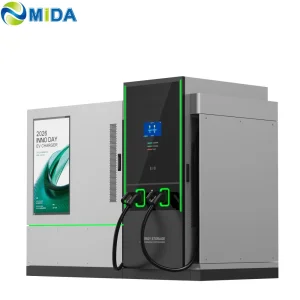
Integrated 120kWh battery energy storage system paired with a 60kW DC charger, ideal for sites with limited grid capacity.
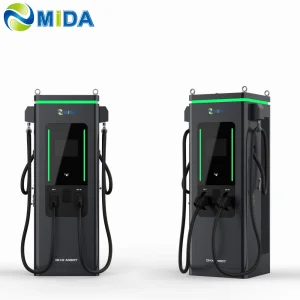
Dual-connector design supporting CCS2 and GB/T standards, offering high-efficiency power distribution for commercial operations.
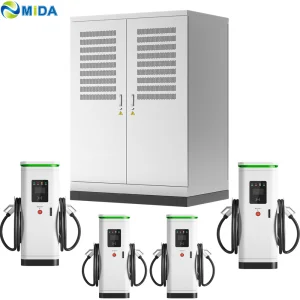
High-voltage split charging design distributing up to 480kW dynamically across multiple independent user interfaces.
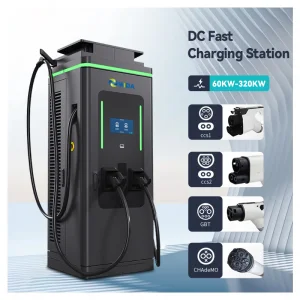
Multi-protocol charging station featuring integrated OCPP integration for flexible billing and network management.
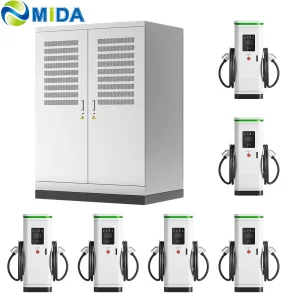
High-performance air-cooled split charging system designed for logistics depots and heavy commercial operations.