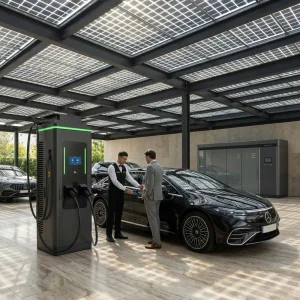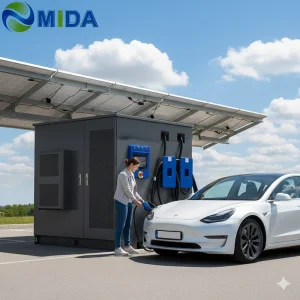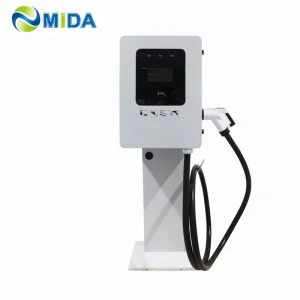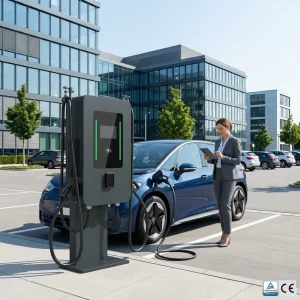
Explore our selection of dynamic High-Power DC Chargers, portable units, and BESS-integrated systems designed to meet international standards including CCS, CHAdeMO, and GB/T.
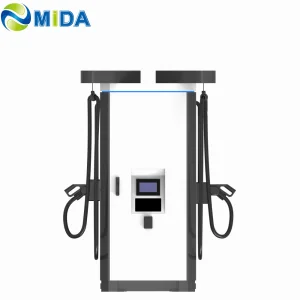
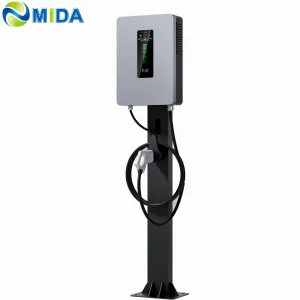
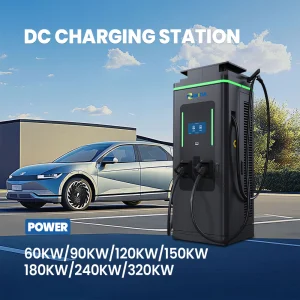
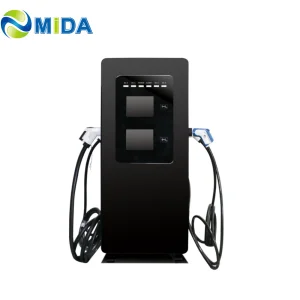
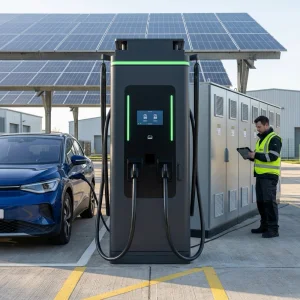
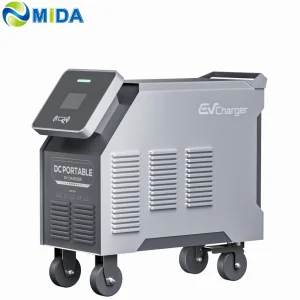
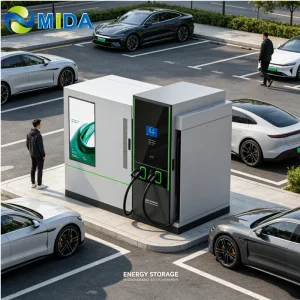
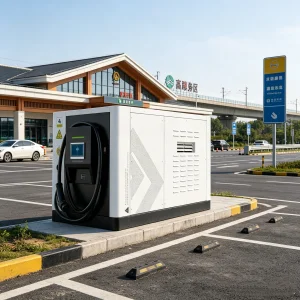
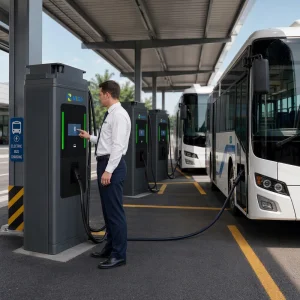
The global transition to electric mobility has reached an inflection point. No longer limited to residential and slow AC charging networks, the commercial and industrial (C&I) sectors require high-capacity, dependable, and intelligent fast-charging hardware to maximize utility and investment returns. Public highway corridors, municipal bus depots, logistics warehouses, and high-traffic retail locations demand charging stations that minimize downtime and optimize energy draw.
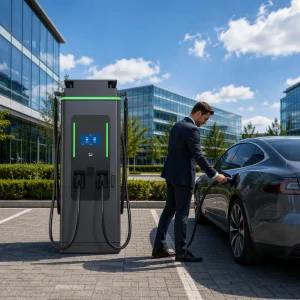
As a leading China electric car fast charging stations manufacturer, MIDA Group delivers robust architectures capable of scaling to meet these intensive industrial workloads. By implementing high-power DC infrastructure, charge point operators (CPOs) can lower their total cost of ownership (TCO) while offering drivers charging speeds that align with modern consumer expectations.
Shanghai Mida Cable Group Ltd. operates through its wholly owned subsidiaries: Shanghai Mida EV Power Co., Ltd., Shenzhen Mida EV Power Co., Ltd., and Shanghai Mida New Energy Co., Ltd.
Mida Cable manufactures a comprehensive range of EV charging cables, including 16A–80A J1772 cables, 16A–63A IEC 62196-2 Type 2 cables, and DC fast charging cables: CCS1 (80A–500A), CCS2 (125A–1000A), CHAdeMO (125A–300A), GBT (200A–1000A), and NACS connectors (250A–600A).
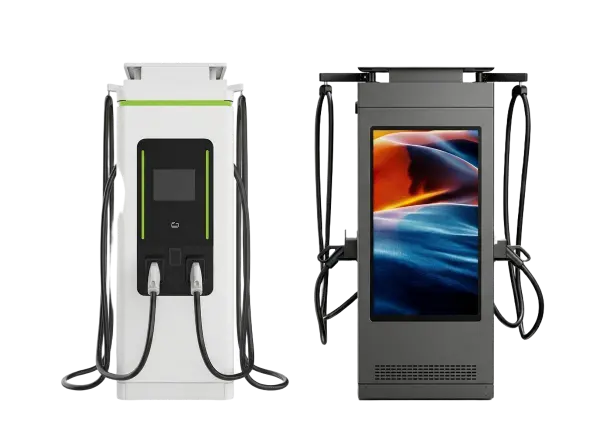
MIDA EV Power produces a full lineup of EV charging stations, such as 7kW–50kW mobile chargers, 3.6kW–7.2kW portable DC chargers, 360kW–1440kW split-type DC fast chargers, 20kW–50kW wall-mounted DC chargers, and 60kW–480kW floor-standing DC fast charging stations.
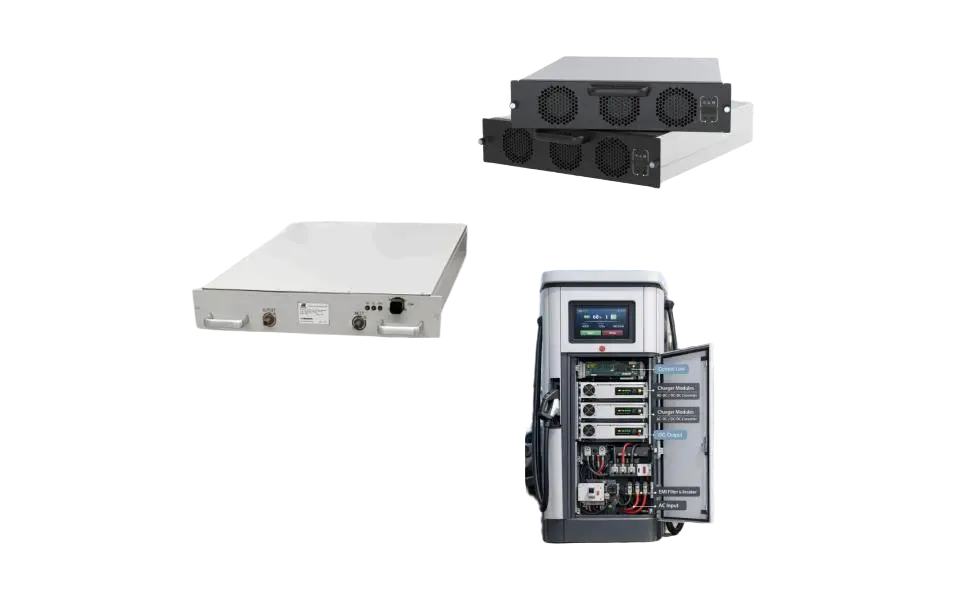
MIDA New Energy specializes in EV charger power modules, offering 20kW–60kW standard modules, 40kW–125kW liquid-cooled modules, 30kW–62.5kW bidirectional modules, and 20kW–45kW V2G charging modules.

Providing the industry with the next generation of liquid-cooled power conversion, dynamic power allocation, and vehicle-to-grid integration.
Traditional forced-air cooling systems face severe thermal limitations when scaling beyond 250kW. MIDA's advanced 1000kW to 1200kW split-type charging stations utilize high-flow liquid cooling loops in both the internal power modules and the connector assembly. By circulating eco-friendly dielectric coolants directly to the contact terminals, we keep the physical cable thin, flexible, and capable of sustained 1000A continuous delivery without overheating.
EV batteries represent massive decentralized energy storage resources. MIDA New Energy's 20kW-45kW V2G modules and 20kW-62.5kW bidirectional AC-DC power converters support bidirectional energy exchange. This enables electric car fleets to serve as virtual power plants (VPPs), injecting stored energy back into the local microgrid during peak load periods to offset electricity tariffs and enhance grid resilience.
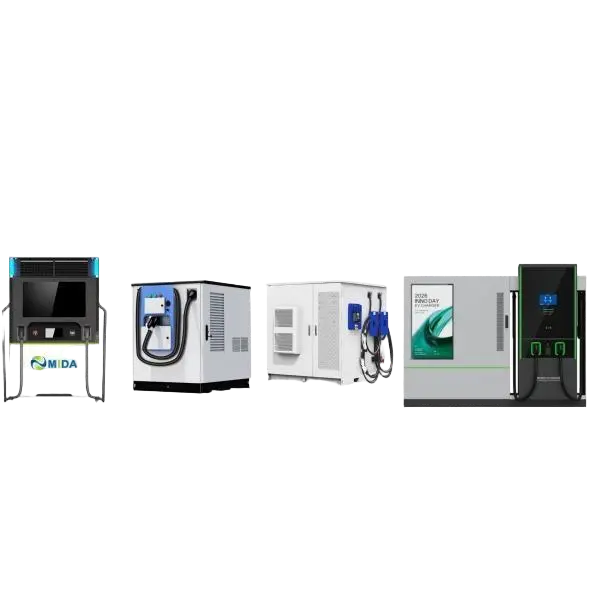
To bypass the long permitting timelines and capital expenditures of utility substation upgrades, MIDA integrates Battery Energy Storage Systems (BESS) directly with DC chargers. Ranging from 60kWh to over 2MWh, our battery storage solutions buffer the local grid. By trickle-charging from the grid or solar PV and discharging at high output (up to 400kW) when a vehicle connects, we prevent peak demand surcharges and guarantee uptime in remote locations.
| Product Category | Power Range | Supported Standards / Protocols | Core Structural Advantages |
|---|---|---|---|
| AC EV Charger Cables | 16A – 80A (Single & Three-Phase) | J1772 Type 1, IEC 62196-2 Type 2 | High-conductivity silver-plated terminals, TPU outer jackets for low-temp flexibility. |
| DC Fast Charging Cables | 80A – 1000A | CCS1, CCS2, CHAdeMO, GB/T, NACS, MCS | Liquid-cooled channel design, durable overmolded strain relief, integrated thermal sensors. |
| Mobile & Wall DC Chargers | 3.6kW – 80kW | CCS, CHAdeMO, GB/T, OCPP 1.6J/2.0.1 | High power density in compact footprint, lightweight design, multi-connectivity (WiFi/4G). |
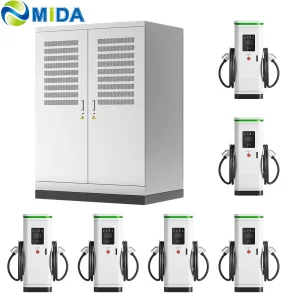
| Split-Type Superchargers | 360kW – 1440kW | CCS2, GB/T, CHAdeMO, MCS, NACS | Dynamic power sharing matrices, centralized power cabinet with satellite dispensers, liquid-cooled. |
| BESS Integrated Stations | 60kWh – 2MWh Storage / 60kW – 480kW Output | CCS2, CHAdeMO, GB/T, PV Interface | Peak shaving, emergency microgrid backup, solar-storage-charging integration, minimal grid load. |
Learn about our core product divisions to find the configuration that best matches your network specifications.
The heart of our high-efficiency fast-charging infrastructure, ensuring reliable AC-DC energy conversion:
Robust and safe electrical interfaces designed to transmit high currents safely with dynamic heat management:
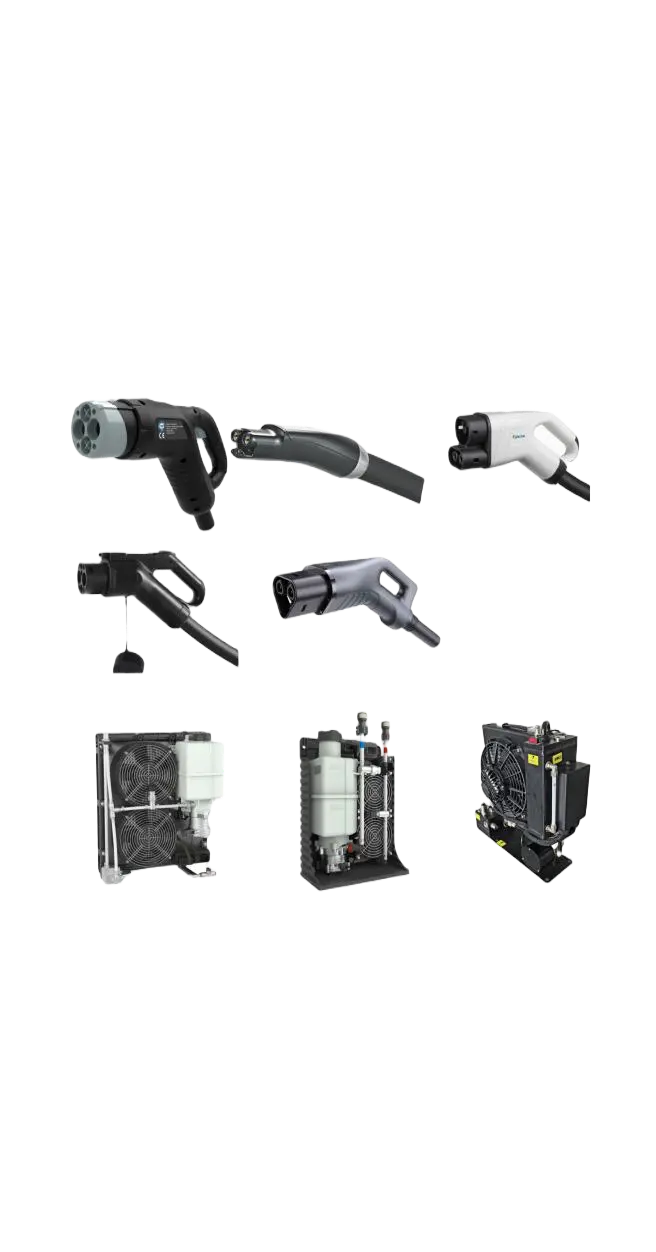
Turnkey floor-standing and wall-mounted installations configured for fleet hubs, public stations, and depots:
Advanced BESS units engineered to decouple peak demand from grid capacity limits:
Choosing a manufacturer in China for electric car fast charging stations is a strategic decision that goes beyond base product costs. The Yangtze River Delta region, where MIDA operates, forms the global epicenter of battery raw materials, electronics, high-voltage assemblies, and precision copper processing. This geographic proximity allows us to secure components, perform swift design changes, and ramp up manufacturing without the shipping delays that affect Western producers.
By integrating cable manufacturing, power module design, and structural sheet-metal processing under one corporate umbrella, MIDA Group guarantees control over every step of production. Our facility maintains automated surface-mount technology (SMT) lines for PCBA production, automated cabinet assembly areas, and environmental burn-in test chambers. This setup ensures that every fast charger leaving the factory floor is built for longevity and certified to meet high safety standards.
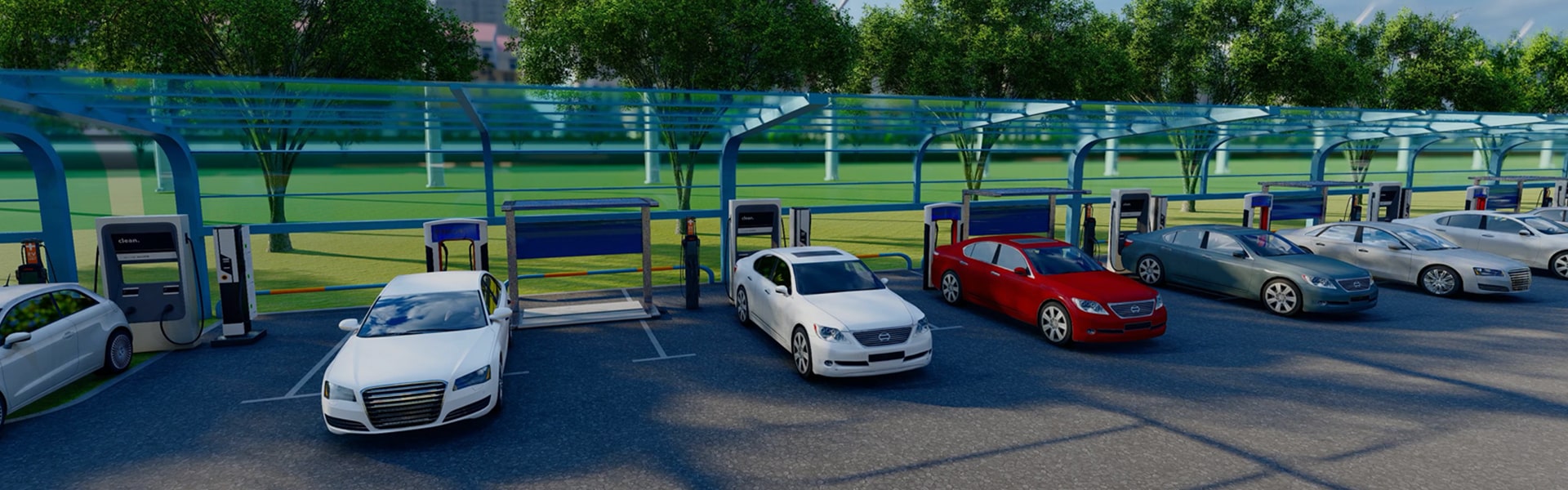
Engineered for global deployment with certified support for European, American, Japanese, and domestic markets.
MIDA products are engineered to conform with national and regional safety standards worldwide. Our charging units hold certifications including CE, UKCA, UL, FCC, PSE (Japan), KC (Korea), and RoHS compliance. Each unit contains integrated protection arrays for over-current, over-voltage, short-circuit, leakage current (Type B RCD), and over-temperature monitoring.
To support dynamic billing, user authorization, and fleet management integrations, MIDA hardware implements OCPP 1.6J and OCPP 2.0.1. By adopting these open standard protocols, our chargers integrate with any third-party back-end management system. Additionally, our stations support ISO 15118 (including Plug & Charge and Autocharge capabilities) to make authorization simple for the end-user.
Different countries present different power grid challenges, from voltage sags to phase imbalances. MIDA's DC chargers feature adjustable grid input currents and support Modbus-based energy management systems (EMS). This enables real-time dynamic load balancing across multiple charging bays, protecting transformer stations from overloads without requiring expensive infrastructural expansion.
Stay updated with our latest technological developments and industry announcements.
Detailed technical answers to common queries regarding fast charging station procurement, installation, and engineering.
Discover our range of mobile, wall-mounted, and high-power split-architecture chargers engineered to optimize fleet turnaround times.