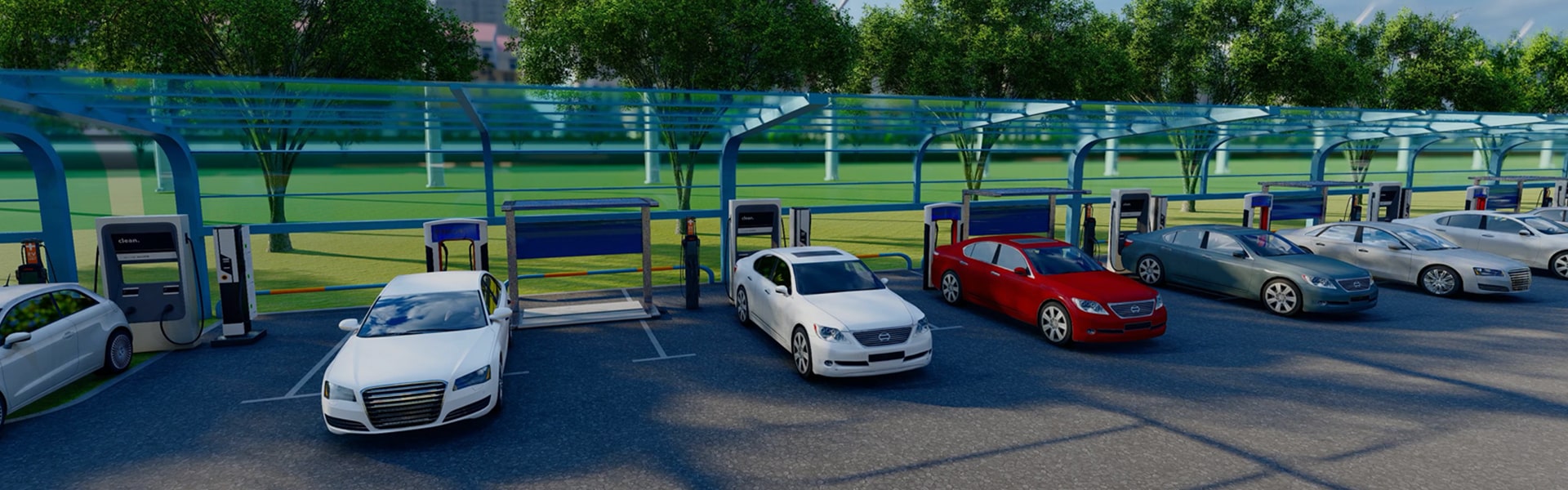
Premium grade DC fast chargers and dynamic charging units direct from Tier-1 manufacturing pipelines, pre-engineered for Australian grid specifications.
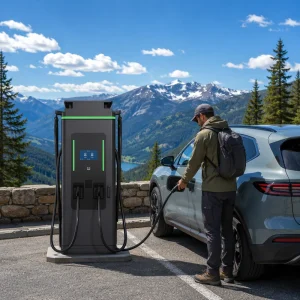
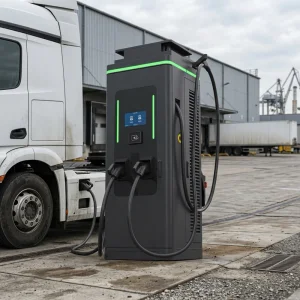
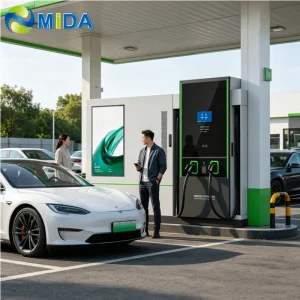
The state of New South Wales (NSW), Australia, is undergoing a profound energy shift. Under the NSW Electric Vehicle Strategy, millions of dollars are being injected to build the most comprehensive public and commercial fast-charging network in the southern hemisphere. For commercial property developers, municipality transport hubs, and logistics giants, the imperative is no longer *if* they will transition to electric fleets, but *how fast* and with what caliber of hardware.
Chinese manufacturers and suppliers have become critical partners in this transition. Through advanced production scales, Chinese fabrication plants deliver high-voltage DC Fast Chargers that offer extreme temperature resilience, dynamic grid-load integration, and modular power unit scaling, allowing NSW developers to bypass local supply backlogs and install world-class charging corridors efficiently.
The primary bottleneck for high-power DC fast charger deployment in locations like Sydney metro areas, Wollongong, and Newcastle centers is local distribution grid constraints. Sourcing products equipped with Dynamic Load Balancing (DLB) and integrated BESS (Battery Energy Storage Systems) is paramount.
Understanding how advanced Chinese manufacturing pipelines feed Australian infrastructure demands with minimal friction and maximum hardware compatibility.
Chinese manufacturers dominate the research and deployment of 600kW and 720kW liquid-cooled split-type charging stacks. Liquid cooling allows cables to remain light and flexible while running high amperages continuously under the intense Australian sun.
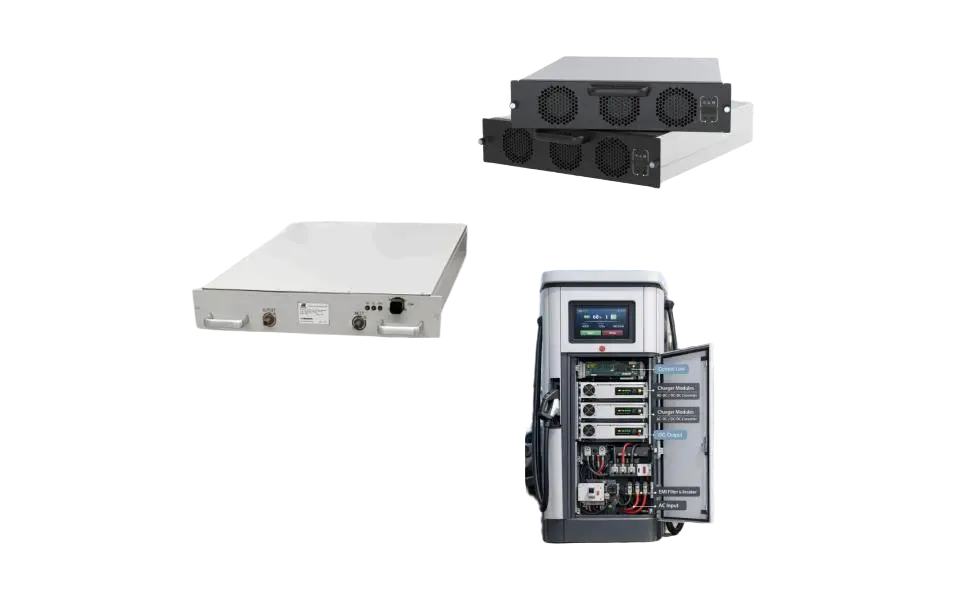
By packaging charging power into standard 30kW, 40kW, or 60kW modules within large cabinets, maintenance is simplified. If one module experiences a fault, the cabinet isolates it and keeps running, minimizing downtime for critical commercial networks.
Reputable Chinese factories supply Australian markets with charging infrastructure certified to CE, TUV, CB, and importantly, SAA approvals with the RCM mark, complying with local electrical installation rule AS/NZS 3000.
Shanghai Mida Cable Group Ltd. operates through its wholly owned subsidiaries to provide complete vertical integration of high-grade EV electrical components.
Shanghai Mida Cable Group Ltd. operates through its wholly owned subsidiaries: Shanghai Mida EV Power Co., Ltd., Shenzhen Mida EV Power Co., Ltd., and Shanghai Mida New Energy Co., Ltd.
This structural specialization ensures that cable fabrication, power electronic development, and complete charging station engineering are executed by dedicated, specialized teams.
"Our engineering alignment enables the deployment of high-power charging platforms that can transition smoothly between European CCS2 standards (Australia's default) and alternate regional connectors like NACS or CHAdeMO without chassis redesign."
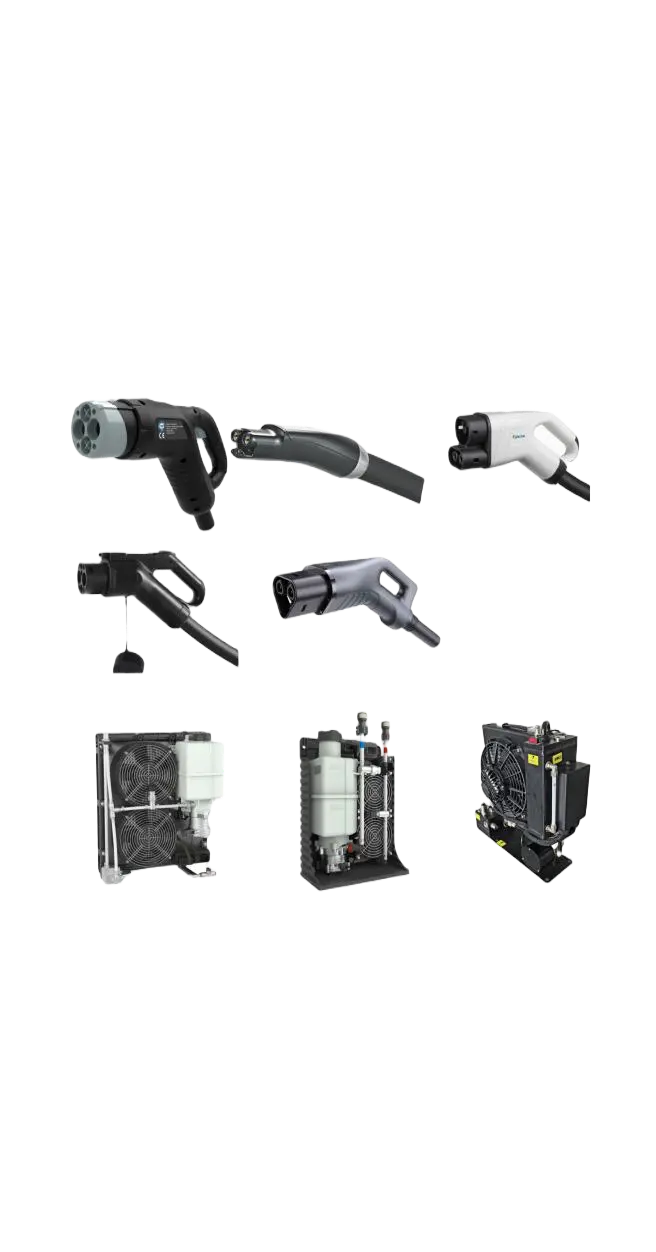
Mida Cable manufactures a comprehensive range of EV charging cables, including 16A–80A J1772 cables, 16A–63A IEC 62196-2 Type 2 cables, and DC fast charging cables: CCS1 (80A–500A), CCS2 (125A–1000A), CHAdeMO (125A–300A), GBT (200A–1000A), and NACS connectors (250A–600A).
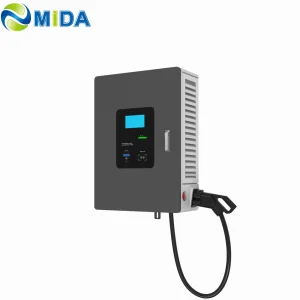
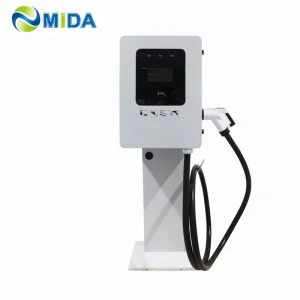
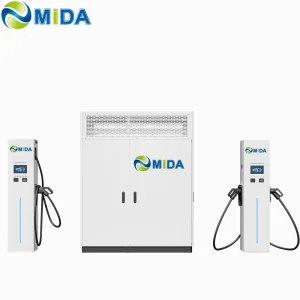
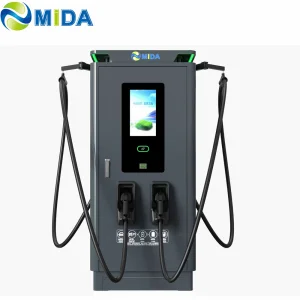
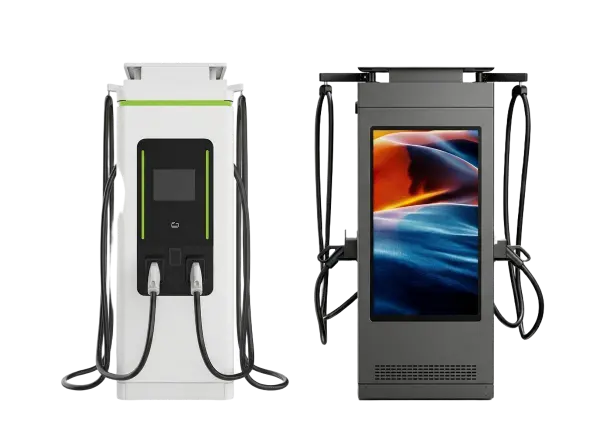
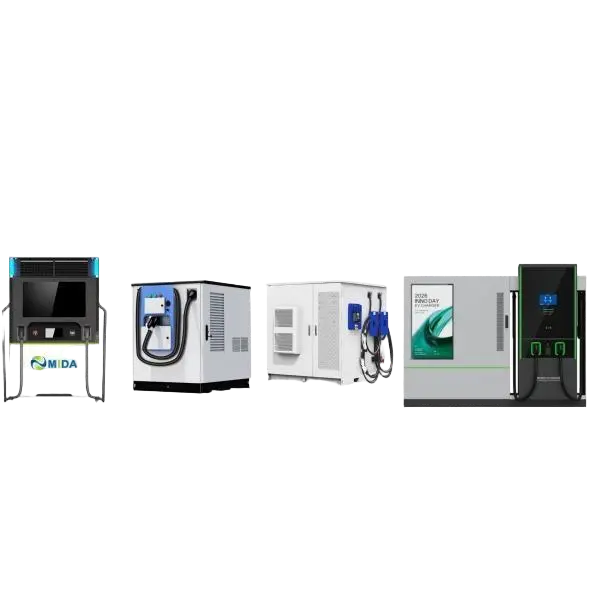
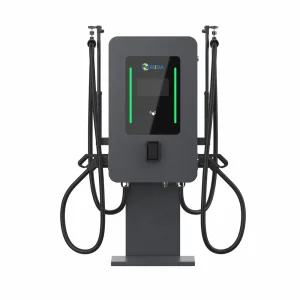
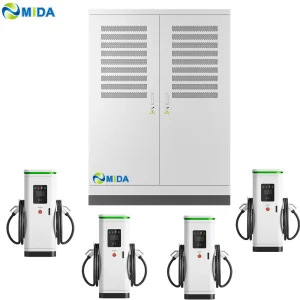
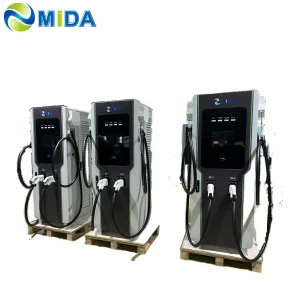
MIDA EV Power produces a full lineup of EV charging stations, such as 7kW–50kW mobile chargers, 3.6kW–7.2kW portable DC chargers, 360kW–1440kW split-type DC fast chargers, 20kW–50kW wall-mounted DC chargers, and 60kW–480kW floor-standing DC fast charging stations.
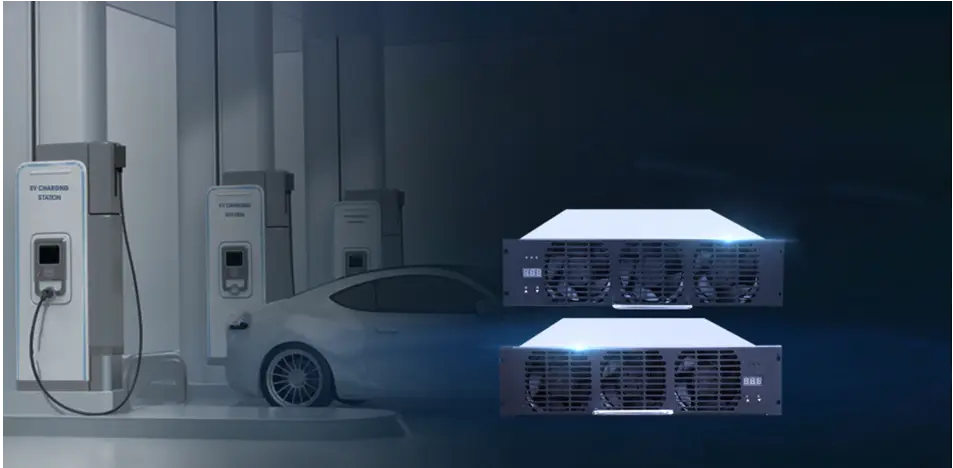
MIDA New Energy specializes in EV charger power modules, offering 20kW–60kW standard modules, 40kW–125kW liquid-cooled modules, 30kW–62.5kW bidirectional modules, and 20kW–45kW V2G charging modules.

Explore our specialized catalog segments designed to bring heavy-duty high-speed charging to transit networks, parking arrays, and depot hubs.
For any EV charging system imported from China to be legally connected to the NSW network, it must pass strict regulatory approvals. Grid operators like Ausgrid, Endeavour Energy, and Essential Energy enforce local grid connection rules to prevent harmonics distortion and phase imbalances.
Our line of manufacturing conforms directly with AS/NZS IEC 61851 (Electric vehicle conductive charging systems) and provides structural insulation parameters to align with local installation standards. By selecting pre-tested assemblies with integrated RCD (Residual Current Device) type B equivalents and protection metrics against over-current and high-voltage grid transients, system integration engineering costs are significantly reduced.
Preserving essential operational profiles for engineering and procurement assessment.
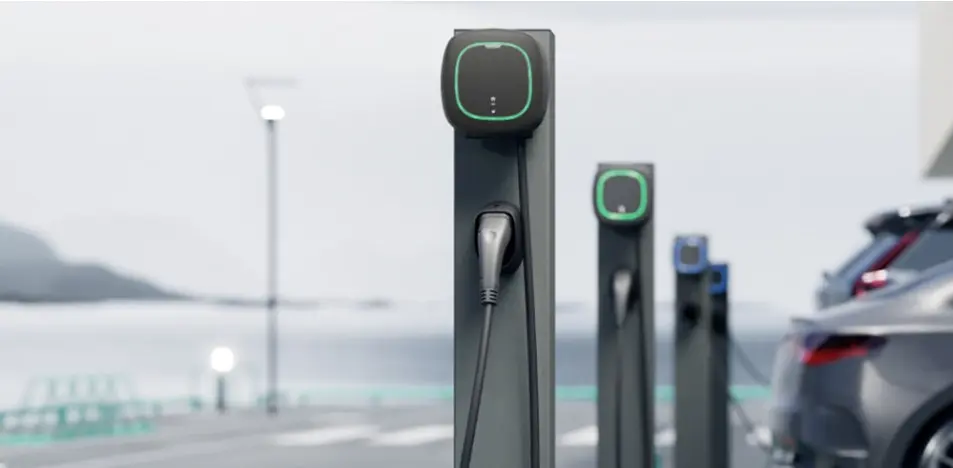
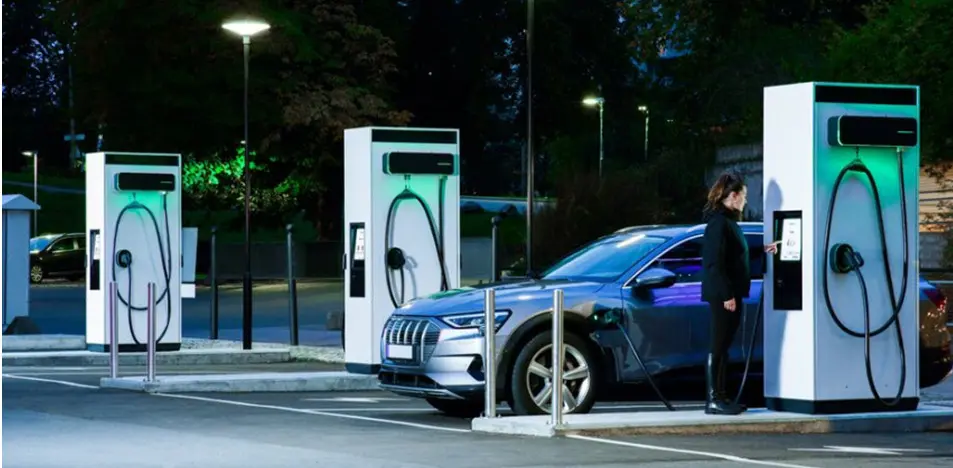
High dependability slow and destination chargers for fleets and long-stay commuter bays.
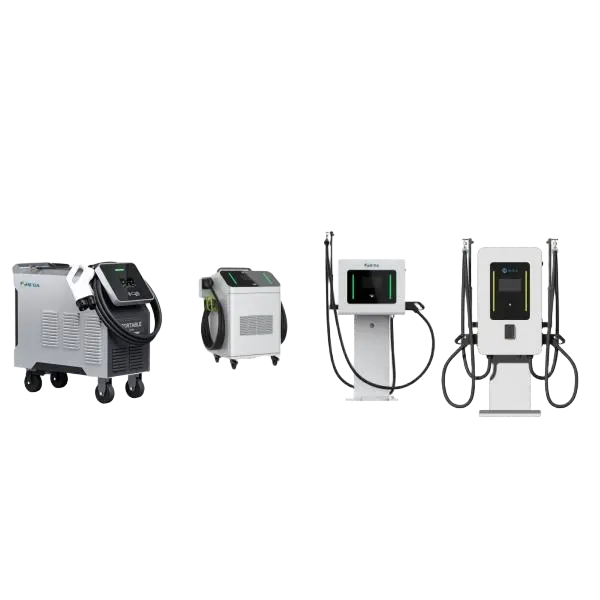
7kW 20kW 30kW 40kW 60kW 80kW flexible solutions for workshop services and compact installations.
 View More
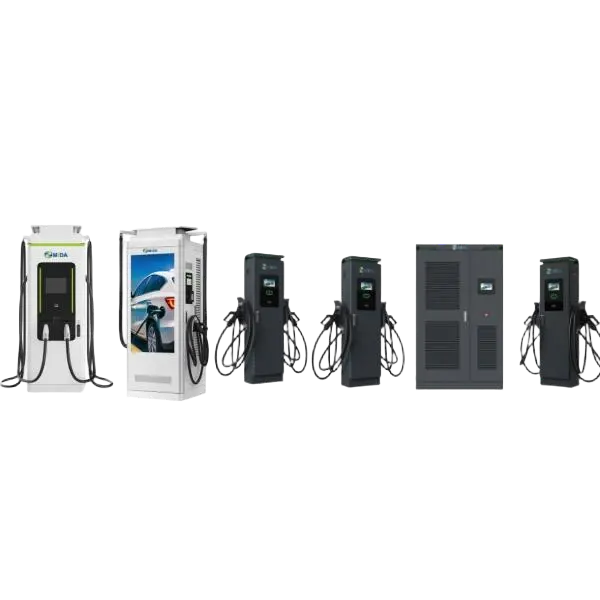
60kW-480kW 360kW-1440kW industrial hubs for highway corridors and rapid freight networks.
 View More
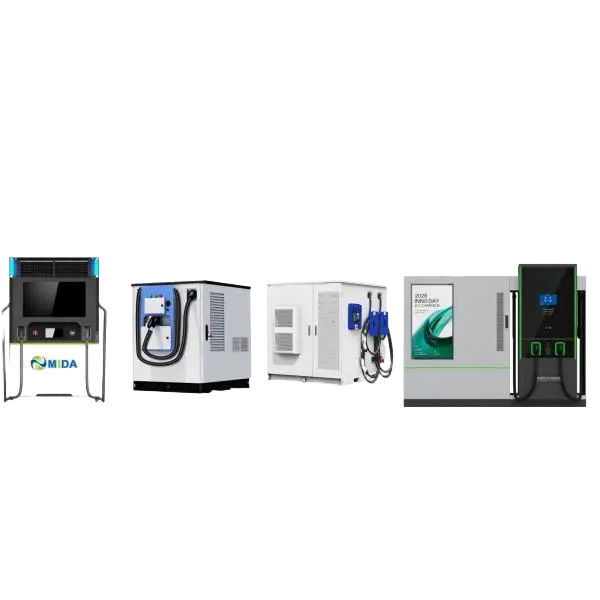
60kWh 261kWh 418kWh 625kWh 2MkWh hybrid storage batteries designed to buffer grid constraints.
 View More
From suburban retail parks to deep regional mining routes, how different deployment frameworks adapt to Australian contexts.
High tenant density and high turnover rates require robust wall-mounted and slimline DC fast chargers (e.g., 20kW to 80kW systems). Operators rely on OCPP-based monetization layers to run retail charge networks that balance power consumption against active building energy loads.
Heavy-duty freight logistics connecting Sydney to Melbourne or Newcastle need ultra-fast 320kW to 480kW charging stations. Utilizing Chinese-designed liquid-cooled cables reduces the structural cable weight by up to 60%, allowing rapid turnaround times for heavy-duty EV trucks.
Regional centers of NSW often experience grid instabilities. By pairing modular BESS charging piles (65kWh to 215kWh) with onsite solar arrays, rural infrastructure owners can charge commercial machinery without requiring expensive high-voltage line extensions from local networks.
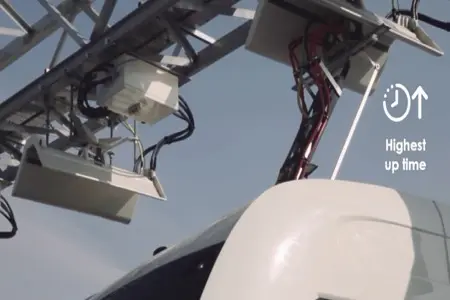
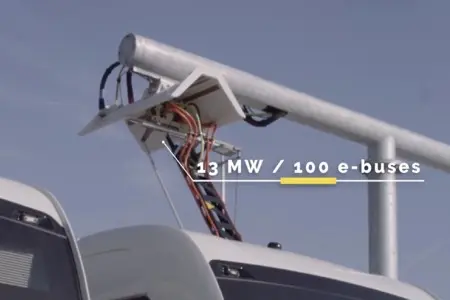
Transitioning public transport assets to zero emissions requires automated contact systems. Implementing high-power pantograph charging (300kW to 600kW systems) allows buses to top up overhead at terminus points, maximizing fleet uptime.
Original editorial reviews on advanced electric transit deployment, specifically regarding heavy bus and heavy vehicle pantograph applications.
What are the advantages of an e-bus pantograph dome? In contrast to classic plug-in charging systems, e-bus pantograph configurations allow for fully hands-free, automated connectivity.
How long does it take to charge with an e-bus pantograph? The charging time depends on the battery capacity and the station's configuration, with high-power rates delivering complete charging in minutes.
How to Install the Pantograph Up Charger System Dome for Electric Bus. Installing a “Pantograph Up” system requires precise physical alignment to ensure perfect contact when the bus docks.
Explore our full-scale commercial charging line, covering wall units, high-speed split stacks, and battery-buffered systems.
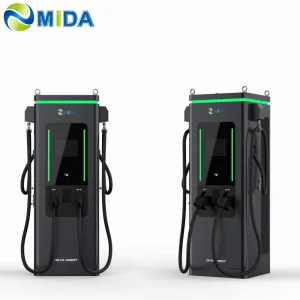
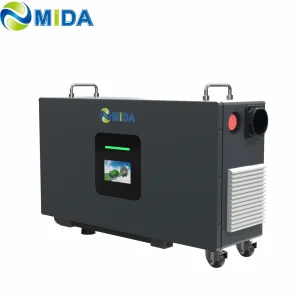
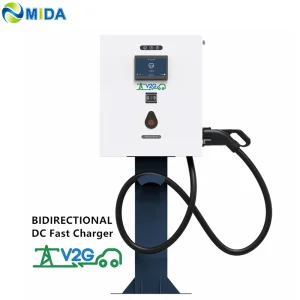
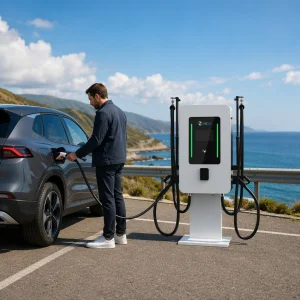
Investigating the emergence of the MCS standard, grid stabilization, and next-generation power density metrics.
Vehicle-to-Grid (V2G) technology is transforming stationary cars into active grid assets. When thousands of vehicles connect to parking infrastructure in Sydney or Newcastle, they can provide active peak shaving back to the grid. Sourcing bidirectional AC/DC power modules (such as the MIDA 20kW-62.5kW bidirectional range) allows station builders to support V2G features, helping operators generate income through grid stabilization services.
For high-turnover charging stations, managing heat is a key design priority. Standard air-cooled chargers can experience thermal throttling once ambient temperatures exceed 40°C, which is common during Australian summers. Liquid-cooled systems circulate coolant through the cable and connector, keeping temperatures low even at 500A. This approach delivers constant high charging speeds, protects internal electronics, and extends the lifespan of the equipment.
When comparing hardware options for busy commercial installations, consider these core specifications:
| Feature | Air Cooled | Liquid Cooled |
|---|---|---|
| Max Current | 200A - 250A | 500A - 600A |
| Cable Weight | Heavy / Thick | Light / Flexible |
| Operating Life | ~5-8 Years | 10+ Years |
| Ambient Limit | 40°C De-rate | 50°C Full Power |
Essential information for project engineers, municipal buyers, and procurement specialists importing commercial EV chargers.
Equipment must comply with the Electrical Safety Act and carry the RCM (Regulatory Compliance Mark). Products should meet standard AS/NZS IEC 61851 parameters, and installing electrical contractors will need certification verifying the integrated DC leakage protection (RCD Type B or equivalent) meets local wiring guidelines (AS/NZS 3000).
Yes. By utilizing open communication protocols like OCPP 1.6J or OCPP 2.0.1, the hardware connects directly with Australian Charge Point Operators (CPOs) such as Chargefox, Evie, and custom platforms, ensuring seamless billing, access management, and remote diagnostic updates.
High ambient temperatures can cause air-cooled charging modules to throttle their power output. For locations that regularly experience extreme heat, liquid-cooled power cabinets or liquid-cooled charging cables are recommended to maintain full charging speeds throughout the day.
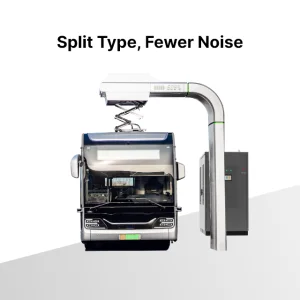
Integrated charging stations house both the power modules and the user interface/cables in a single cabinet, which is ideal for compact spaces. Split systems separate the power module cabinet from the user dispenser satellite. This setup keeps the user-facing station lightweight and quiet, while the main power electronics can be located up to 100 meters away.
V2G allows fleet operators to use vehicle batteries as mobile energy storage. Fleet operators can charge vehicles during off-peak periods when electricity is cheap or solar generation is high, and feed energy back to the building grid during peak rate hours to reduce energy expenses.
Yes, all commercial units can be customized with CCS2 cables and guns, which is the standard connector type in Australia. We also support NACS, CCS1, and GBT formats to suit specialized import fleets or mining vehicles.