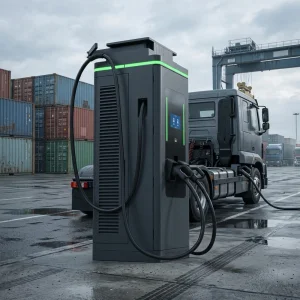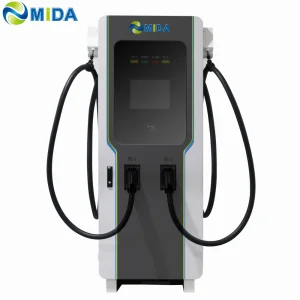
Premium selection of standard and custom high-power DC equipment manufactured to meet international standards (CCS1, CCS2, CHAdeMO, GBT, NACS).
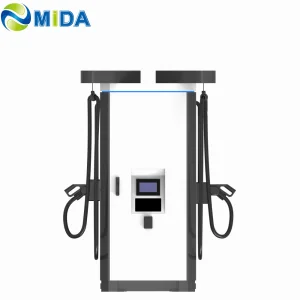
Analyzing grid stress, fleet conversion rates, charging topologies, and the growing demand for local energy storage integrations.
As commercial fleets and heavy-duty logistics shift rapidly toward electric propulsion, the demand on local distribution networks is scaling exponentially. Megawatt-level installations require sophisticated power management, dynamic load balancing (DLB), and integration with local Distributed Energy Resources (DERs).
Deploying direct current (DC) fast chargers at scale introduces major voltage fluctuation challenges at the substation level. By incorporating local Battery Energy Storage Systems (BESS) and intelligent PV peak shaving, fleet operators can mitigate demand charges while safeguarding the operational life of utility-side transformers.
The global fast-charging ecosystem remains split between key physical interface designs: CCS1 in North America, CCS2 in Europe, CHAdeMO in Japan, GBT in China, and the rapidly growing NACS (SAE J3400) standard.
For large-scale international buyers, procuring equipment from a manufacturer with multi-protocol support is crucial. Modern industrial chargers must feature adaptive communication control systems capable of managing transitions between standard protocols while enforcing ISO 15118-20 security handshakes for bi-directional energy flows (V2G).
A global leader in charging component manufacturing and turnkey infrastructure solutions.
Shanghai Mida Cable Group Ltd. operates through its wholly owned subsidiaries: Shanghai Mida EV Power Co., Ltd., Shenzhen Mida EV Power Co., Ltd., and Shanghai Mida New Energy Co., Ltd.
Mida Cable manufactures a comprehensive range of EV charging cables, including 16A–80A J1772 cables, 16A–63A IEC 62196-2 Type 2 cables, and DC fast charging cables: CCS1 (80A–500A), CCS2 (125A–1000A), CHAdeMO (125A–300A), GBT (200A–1000A), and NACS connectors (250A–600A).
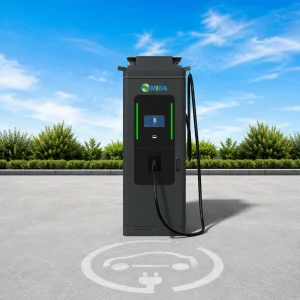
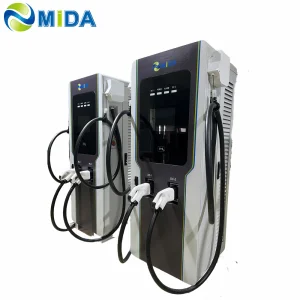
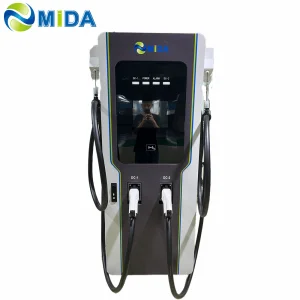
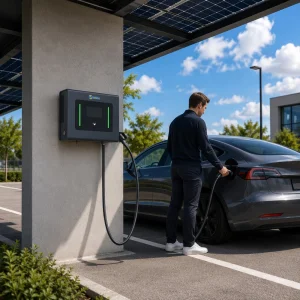
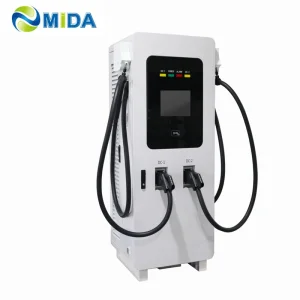
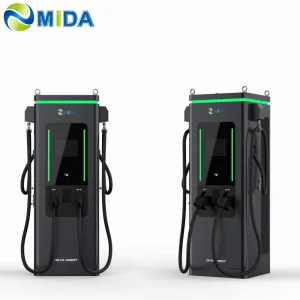
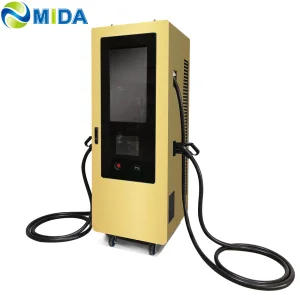
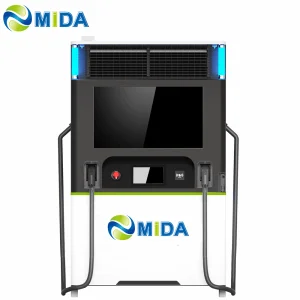
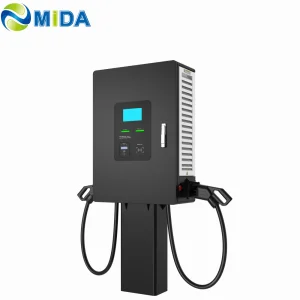
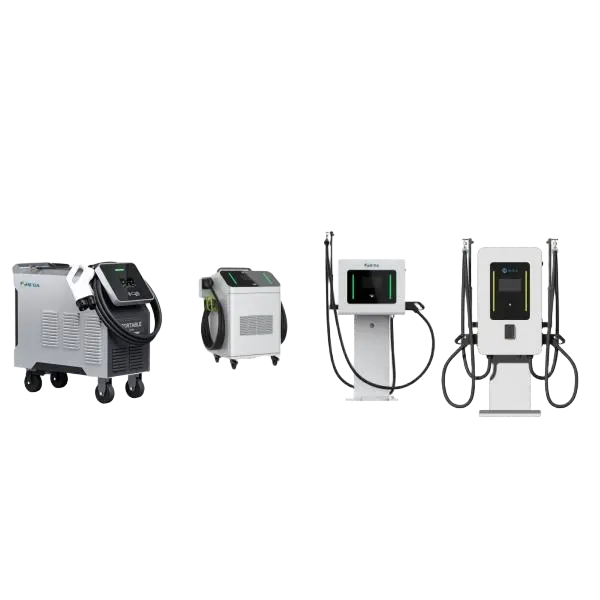
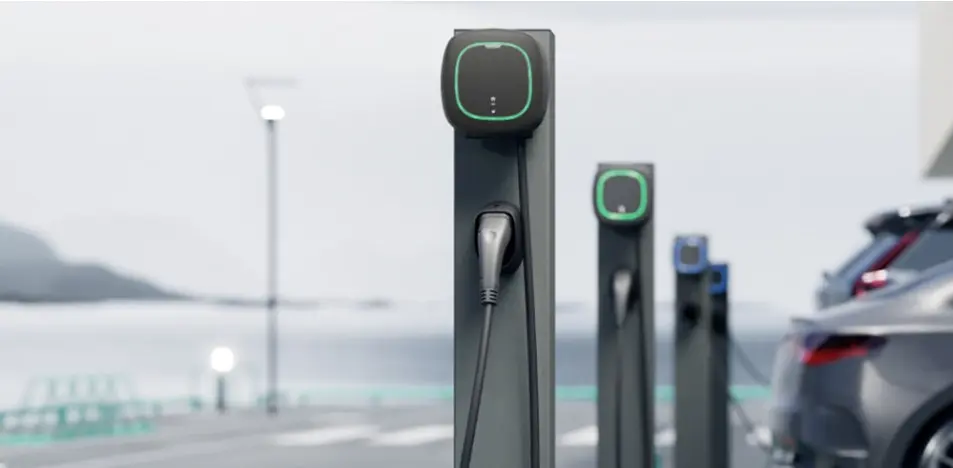
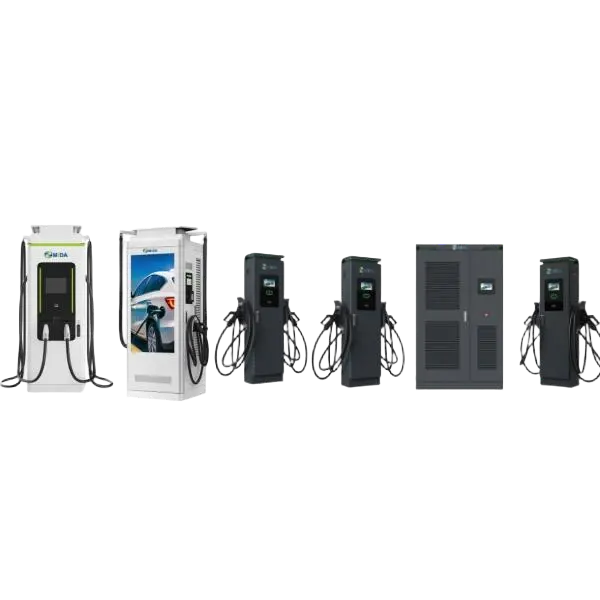
MIDA EV Power produces a full lineup of EV charging stations, such as 7kW–50kW mobile chargers, 3.6kW–7.2kW portable DC chargers, 360kW–1440kW split-type DC fast chargers, 20kW–50kW wall-mounted DC chargers, and 60kW–480kW floor-standing DC fast charging stations.
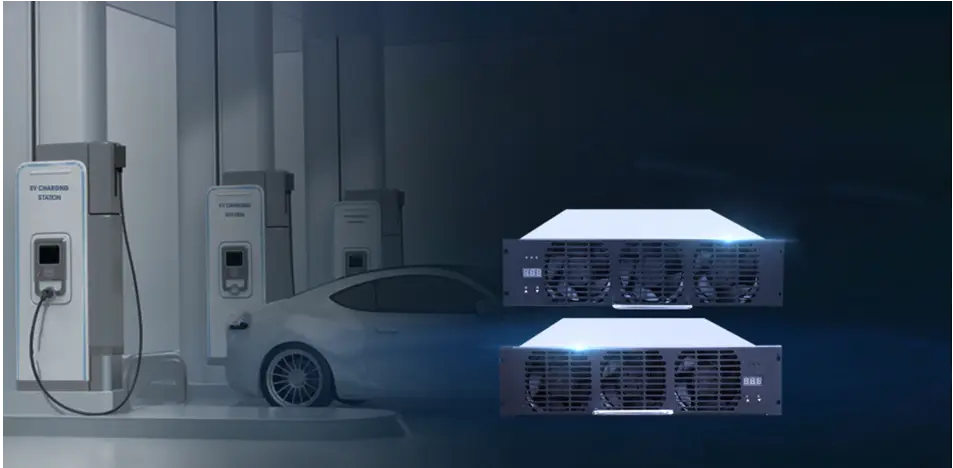
MIDA New Energy specializes in EV charger power modules, offering 20kW–60kW standard modules, 40kW–125kW liquid-cooled modules, 30kW–62.5kW bidirectional modules, and 20kW–45kW V2G charging modules.

Explore the full system stack designed for industrial fleets, urban charging hubs, and distributed energy storage networks.
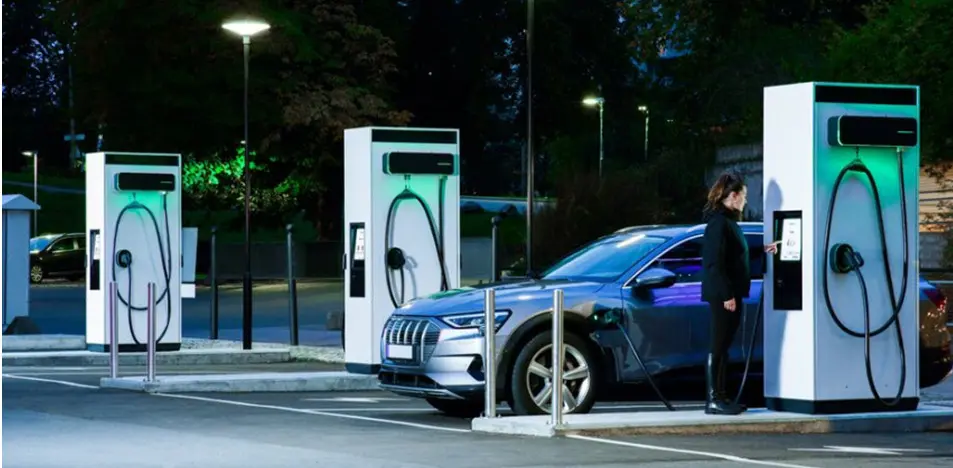
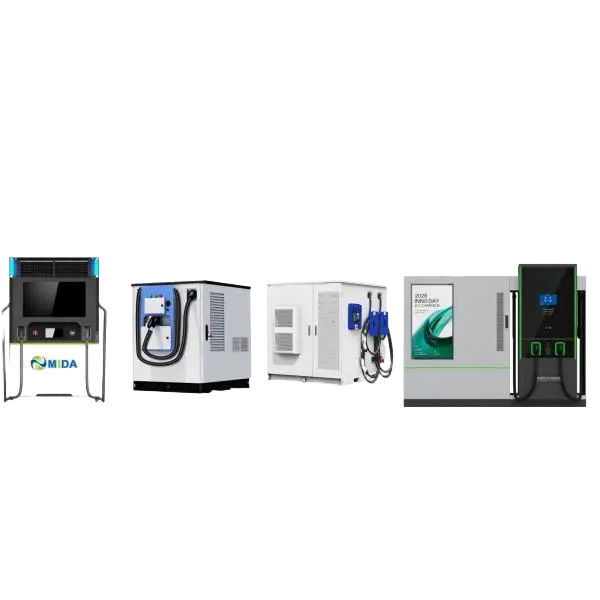
Uncovering the supply chain efficiencies, design iterations, and testing benchmarks of China-based EVSE manufacturers.
By producing copper cables, power modules, liquid-cooling units, and outdoor enclosures in-house, MIDA controls quality and component matching. This minimizes third-party dependency, reduces manufacturing lead times by up to 35%, and ensures that replacement parts are fully compatible across all generations of charging platforms.
Chinese manufacturers have optimized the silicon carbide (SiC) supply chain, allowing for the mass production of 40kW and 50kW power modules. These modules achieve up to 96.5% peak efficiency, reducing system footprint, lowering operating temperatures, and lowering standby power consumption across all charging installations.
Every power block undergoes extensive climate, load, and vibration chamber testing before delivery. In addition, automated end-of-line testing rigs run safety diagnostics against international requirements. This ensures that every shipped station is ready for site commissioning, reducing installation and integration risks.
A closer look at the power components, connectors, cooling assemblies, and battery storage modules that make up our hardware platforms.
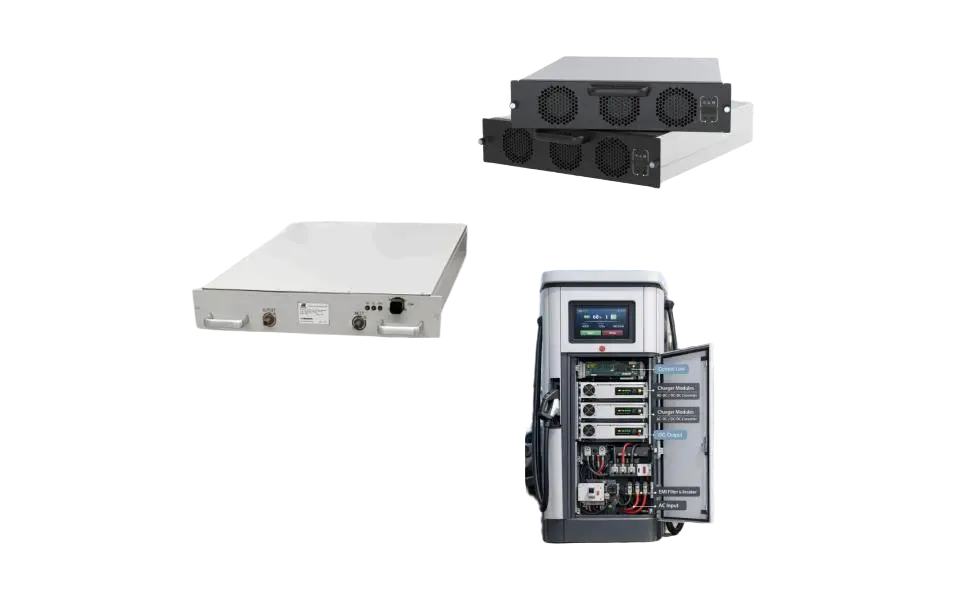
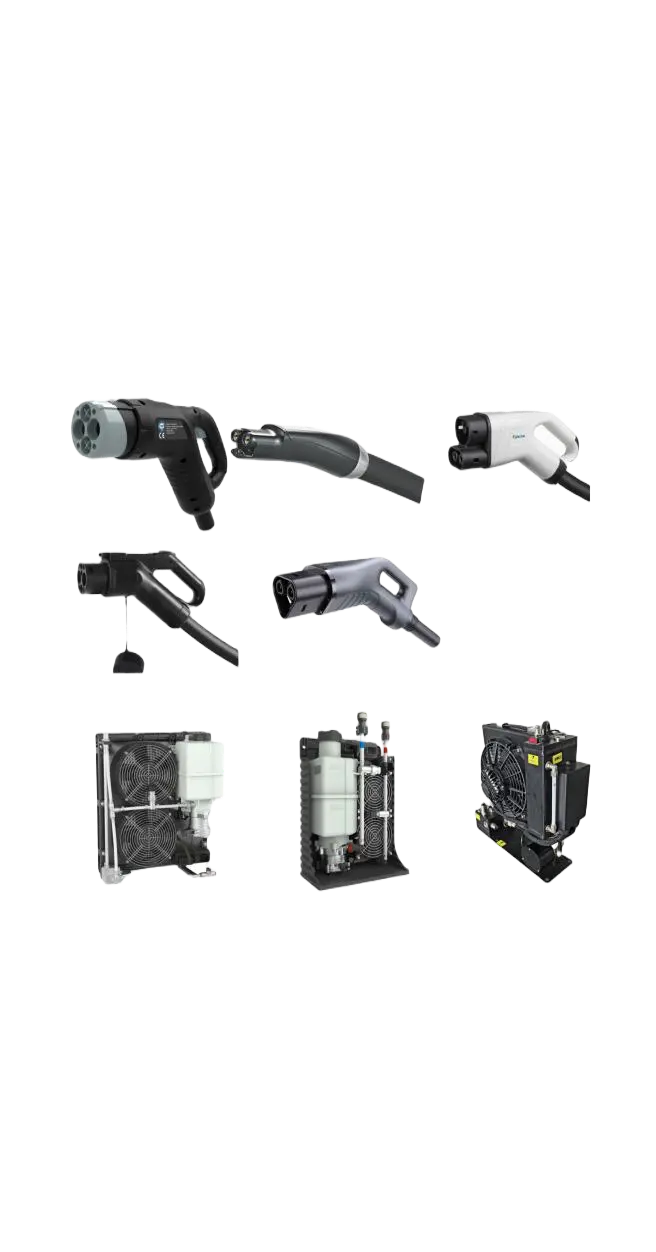
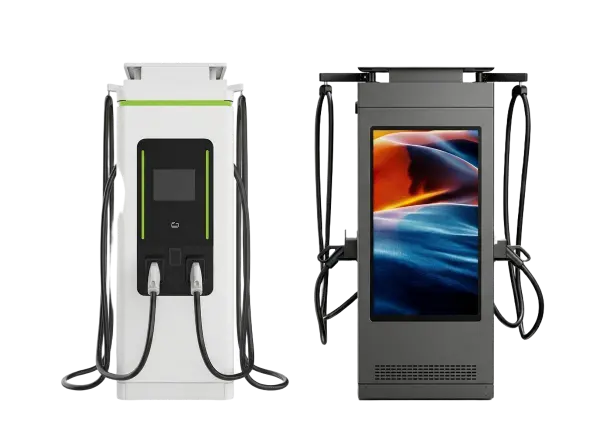
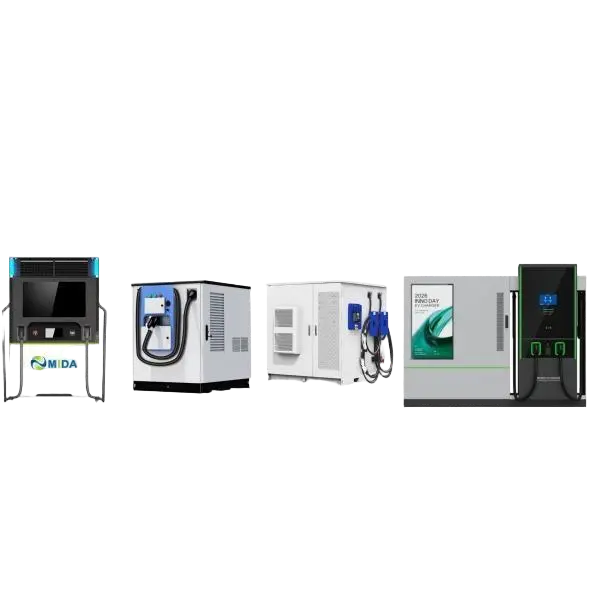
How modern DC charging architecture adapts to different regional requirements and commercial environments.
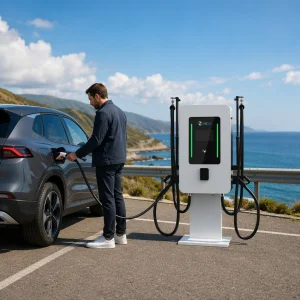
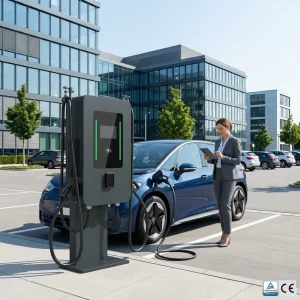
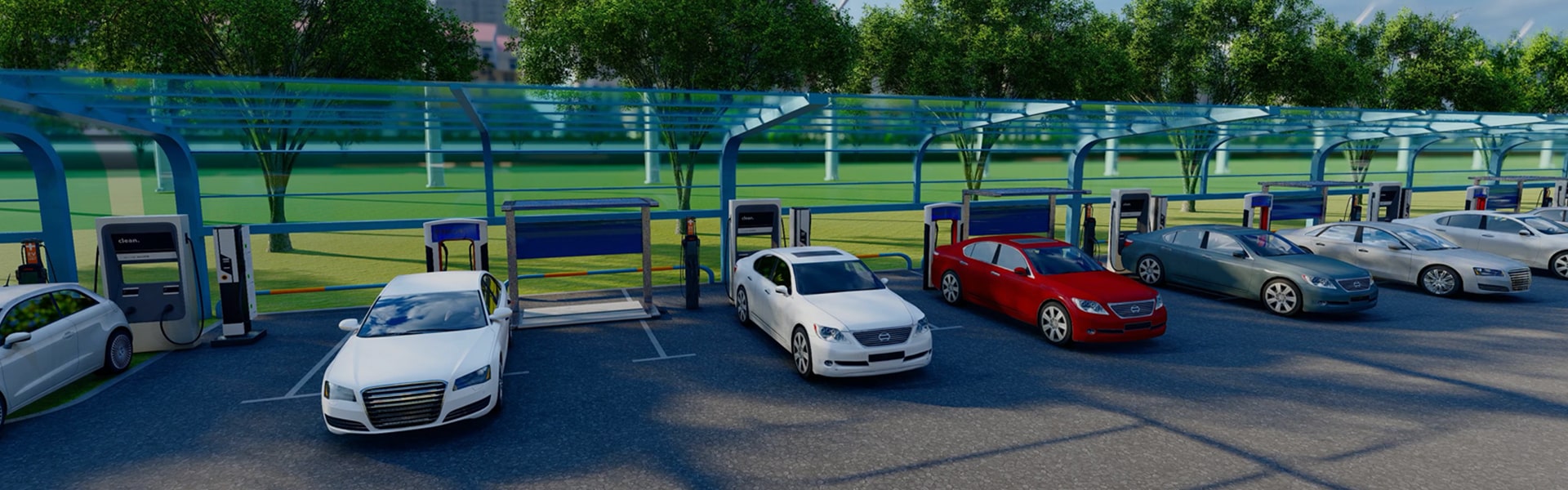
For cross-country arterial networks, minimizing dwell time is key. By pairing our 480kW floor-standing stations or 1080kW liquid-cooled split units with multi-dispenser configurations, operators can deliver up to 300km of range in under 10 minutes. This configuration supports high current capacities, meeting the performance needs of multi-brand passenger cars and commercial delivery vans.
Depots typically run scheduled, high-duty charging sessions overnight. Here, split-architecture power systems provide significant cost savings. One central power rack can distribute dynamic charging currents across dozens of satellites, using local schedules to charge fleet vehicles during off-peak times. Integrating pantograph systems allows electric transit buses to charge at stops without driver action.
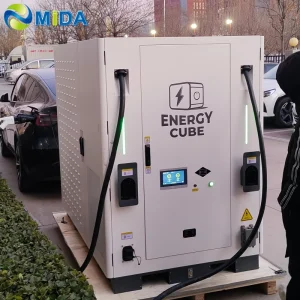
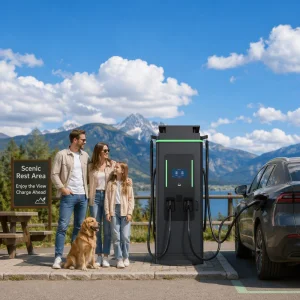
In regions with weak grid connections, using solar-assisted BESS installations is key to delivering high charging currents. By routing local PV generation through DC-DC MPPT converters directly to battery racks, these units bypass double conversion losses. This allows remote gas stations and tourist destinations to offer high-power charging without expensive utility line extensions.
A reference checklist for supply chain officers and energy utility developers evaluating factory compliance.
Industrial EVSE equipment must have third-party safety and compliance approvals before grid connection. The primary regulatory marks required for key markets include:
When selecting a Chinese manufacturing partner, global procurement teams should verify the following capabilities:
Detailed technical answers for network operators and charging infrastructure designers.
Read about our latest development updates, design innovations, and deployment projects around the world.
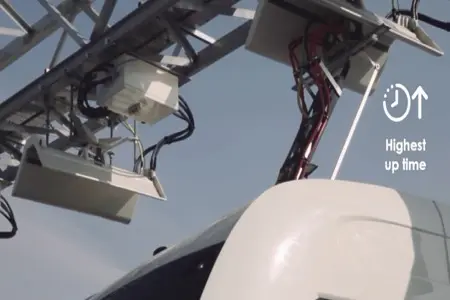
In contrast to classic plug-in charging systems, e-bus pantograph systems offer automated connection and high charging speeds. This allows transit buses to top up their batteries at key stops during route pauses, reducing the battery capacity needed on the vehicle.
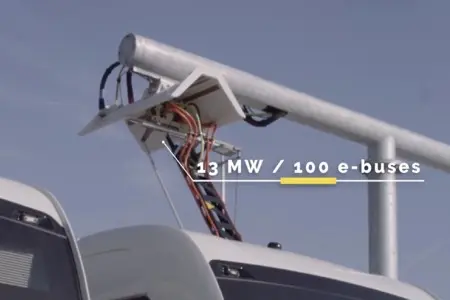
Charging times depend on the battery chemistry and the system output capacity (ranging from 150kW to 600kW+). Most transit buses can add enough energy for a typical route loop in 4 to 8 minutes, making operations more efficient.
Installing a pantograph system requires alignment of the overhead structure, mechanical supports, and electrical infrastructure. Ground preparation must support the load, and grid connections must handle high instantaneous currents safely.
Explore the technical parameters of our residential fast chargers, dual-port public piles, and multi-megawatt split-charging installations.