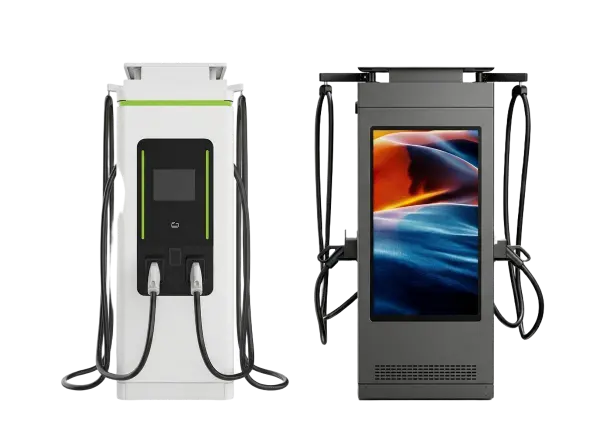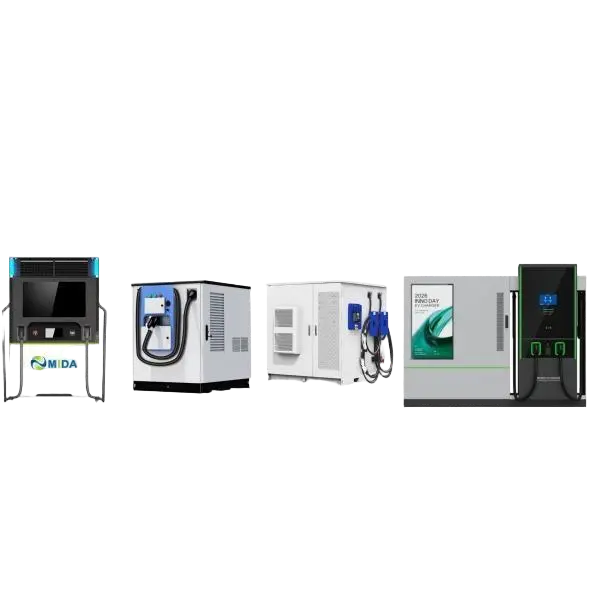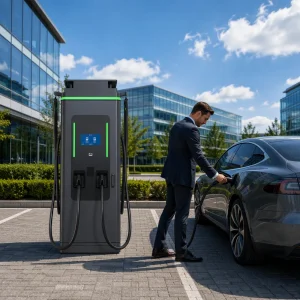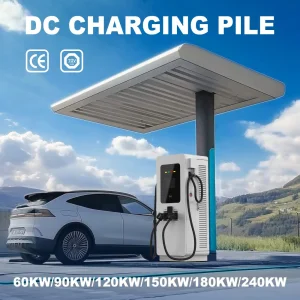
China Car Charging Station Supplier & Suppliers

High-Capacity EVSE Infrastructure, Liquid-Cooled HPC, Intelligent BESS Integration, and Factory 4.0 Supply Chain Ecosystem Solutions.

Featured Charging Infrastructure Solutions

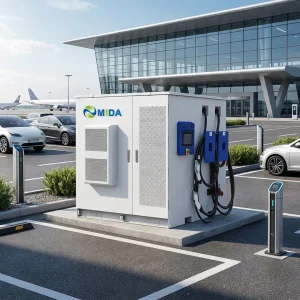
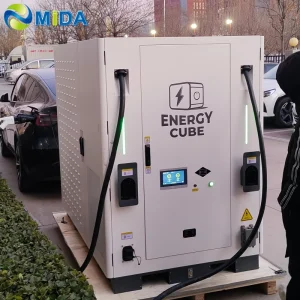
Best CCS2 GBT 120kW 200kWh Mobile BESS Charger Power Station

Best CCS2 GBT 120kW 200kWh Mobile BESS Charger Power Station Manufacturers, Factory

Explore Product
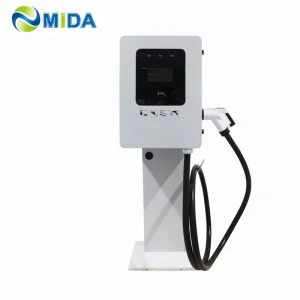
Best Wall mount charger Pillar Dc Charger 20kw 30kw 40kw Commercial Ev Charging Station

Best Wall mount charger Pillar Dc Charger 20kw 30kw 40kw Commercial Ev Charging Station Supplier, Factory

Explore Product
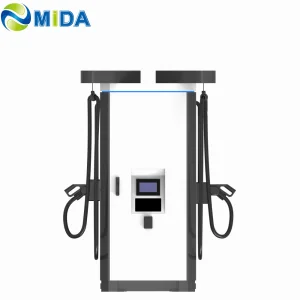
China Integrated DC Charger 120kW 240kW 360kW 400kW Fast EV Charging Station

China Integrated DC Charger 120kW 240kW 360kW 400kW Fast EV Charging Station Manufacturer, Factory

Explore Product
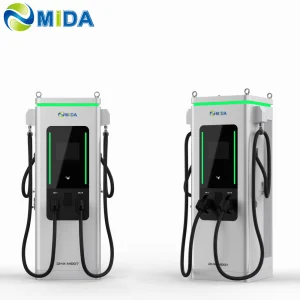
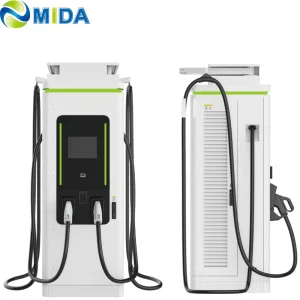
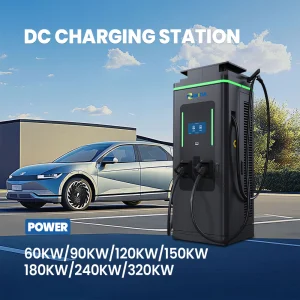
Best CCS GBT ChadeMO DC Charging Station 120kW 150kW 180kW 240kW EV Charger Station

Best CCS GBT ChadeMO DC Charging Station 120kW 150kW 180kW 240kW EV Charger Station Supplier, Factory

Explore Product
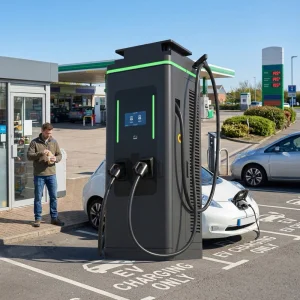
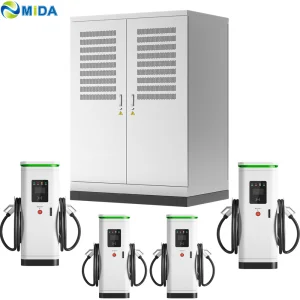
Best DC Fast Charger 480kW 720kw Split Flexible Charging Stack Urban Public Charging Stations

Best DC Fast Charger 480kW 720kw Split Flexible Charging Stack Urban Public Charging Stations Suppliers, Factories

Explore Product
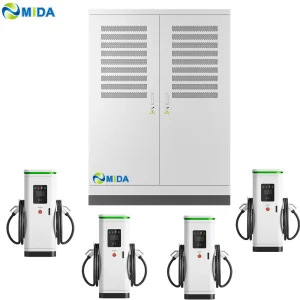
Best 360kw 480kw Split DC Charging Station with CCS2 GB/T Charger Connector

Best 360kw 480kw Split DC Charging Station with CCS2 GB/T Charger Connector Supplier, Factories

Explore Product
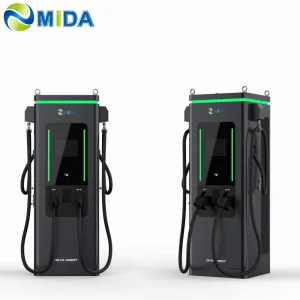
China 320kW 400kW 480kw Fast EV Charger Piles Electric Vehicle Charging Station

China 320kW 400kW 480kw Fast EV Charger Piles Electric Vehicle Charging Station Suppliers, Factory

Explore Product
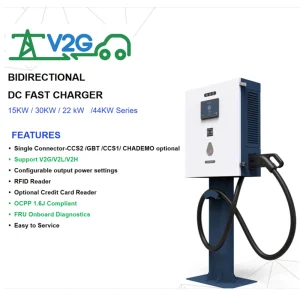
China 30kW 40kW CCS CHAdeMO Wall Mounted DC Fast Charger Station

China 30kW 40kW CCS CHAdeMO Wall Mounted DC Fast Charger Station Manufacturer, Suppliers

Explore Product

Chapter 1: The Global EV Infrastructure Landscape & Industry Trends

The global transition toward electrified mobility is accelerating beyond passenger vehicles, moving rapidly into commercial logistics, municipal transportation networks, and heavy-duty industrial systems. As governments implement aggressive decarbonization policies and fleet operators realize the total cost of ownership (TCO) benefits of electric vehicle (EV) fleets, the demand for robust, reliable, and intelligent charging infrastructure has reached an unprecedented scale.

Today's landscape is defined by the migration from standard high-power charging to ultra-fast High-Power Charging (HPC) stacks capable of delivering up to 480kW and beyond. The deployment of these ultra-fast networks presents unique system design requirements, including dynamic load allocation, grid-friendly integration, and high-efficiency thermal management. Suppliers are no longer evaluated merely as manufacturers of physical equipment, but as key strategic partners capable of designing future-proof energy distribution systems.

>95%
Conversion Efficiency
Up to 1.4MW
Split System Power
IP65
Environmental Rating
V2G / ISO15118
Protocol Compliant

Furthermore, the integration of Battery Energy Storage Systems (BESS) directly into charging stations has emerged as a crucial approach to mitigate grid overload. By buffering high-power peaks with local battery storage, commercial charging networks can operate at peak capacities without incurring excessive peak-demand utility charges or triggering costly grid upgrades.

Chapter 2: Global Enterprise Procurement Demands & Technical Standards

Enterprise procurement of EV charging hardware requires strict compliance with international safety and performance protocols. Different regions rely on distinct standards, forcing global charge point operators (CPOs), municipal transit authorities, and commercial distributors to look for highly adaptive suppliers. Essential technical protocols include:

  • CCS1 & CCS2: Mainstays of North American and European fast-charging networks, supporting high-current DC transmission and advanced PLC communication protocols.
  • NACS (North American Charging Standard): A critical connector standard in North America, demanding reliable manufacturing of high-power liquid-cooled cable assemblies.
  • CHAdeMO & GB/T: Dominant protocols in Japan and China respectively, requiring multi-protocol station integration to accommodate diverse vehicle fleets.
  • MCS (Megawatt Charging System): The emerging paradigm for commercial heavy-duty trucks and marine vessels, targeting power deliveries over 1,000A.

"Procurement teams must demand hardware that supports OCPP 1.6J/2.0.1 and ISO 15118 to ensure seamless, secure communications for features like Plug & Charge, dynamic grid balancing, and bidirectional vehicle-to-grid (V2G) power flows."

In addition to standardized connector options, long-term reliability and low maintenance overhead are key factors. Industrial chargers must withstand extreme outdoor conditions, ranging from desert heat to freezing environments. Advanced liquid cooling units and robust IP65 enclosure designs prevent downtime and ensure consistent power output throughout the operational lifespan of the hardware.

WELCOME TO MIDA GROUP

Shanghai Mida Cable Group Ltd. operates through its wholly owned subsidiaries: Shanghai Mida EV Power Co., Ltd., Shenzhen Mida EV Power Co., Ltd., and Shanghai Mida New Energy Co., Ltd.

As a pioneer in EVSE design, Mida Cable manufactures a comprehensive range of EV charging cables, including 16A–80A J1772 cables, 16A–63A IEC 62196-2 Type 2 cables, and high-performance DC fast charging cables: CCS1 (80A–500A), CCS2 (125A–1000A), CHAdeMO (125A–300A), GB/T (200A–1000A), and NACS connectors (250A–600A).

MIDA EV Power delivers a diverse lineup of charging hardware, ranging from 7kW–50kW mobile chargers and 3.6kW–7.2kW portable DC chargers to 360kW–1440kW split-type DC fast charging stacks, 20kW–50kW wall-mounted units, and 60kW–480kW floor-standing stations. MIDA New Energy specializes in core power conversion electronics, offering 20kW–60kW standard power modules, 40kW–125kW liquid-cooled power modules, 30kW–62.5kW bidirectional modules, and 20kW–45kW specialized V2G modules.

MIDA EV Power Logo

Integrated Station Categories

Wall-Mounted / Mobile Chargers

7kW | 20kW | 30kW | 40kW | 60kW | 80kW

Designed for space-constrained urban environments, private fleets, and flexible rescue scenarios. These systems feature ruggedized housings and simple user interfaces.
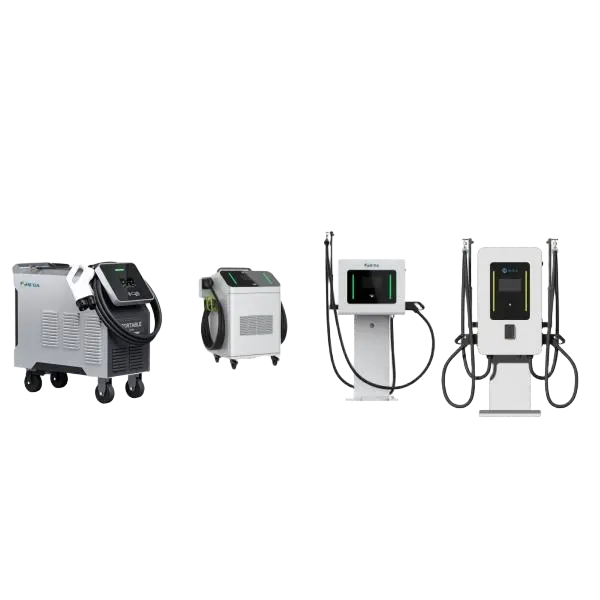
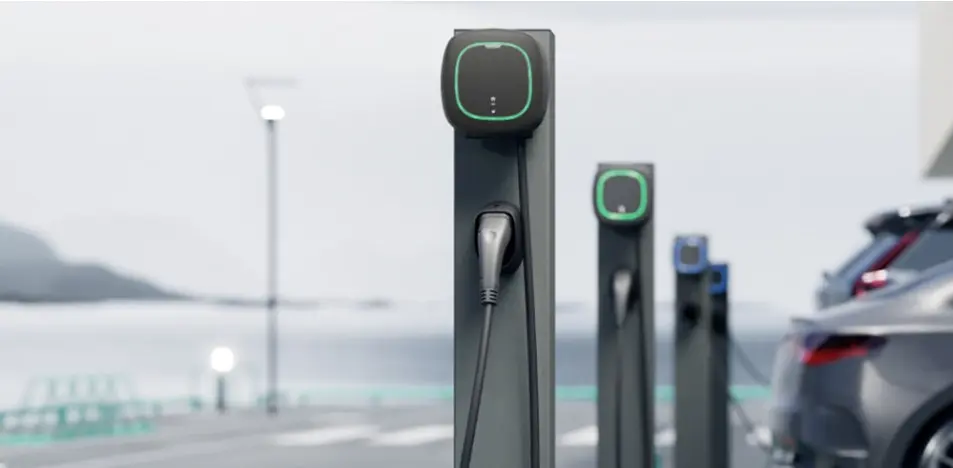
Wall-Mounted EV Charger Mobile EV Charger Detail View Infrastructure Solutions

DC Charger Station

60kW–480kW | 360kW–1440kW Stacks

Scalable, liquid-cooled, split-system architecture engineered for highway networks, commercial depots, and high-frequency urban hub locations.
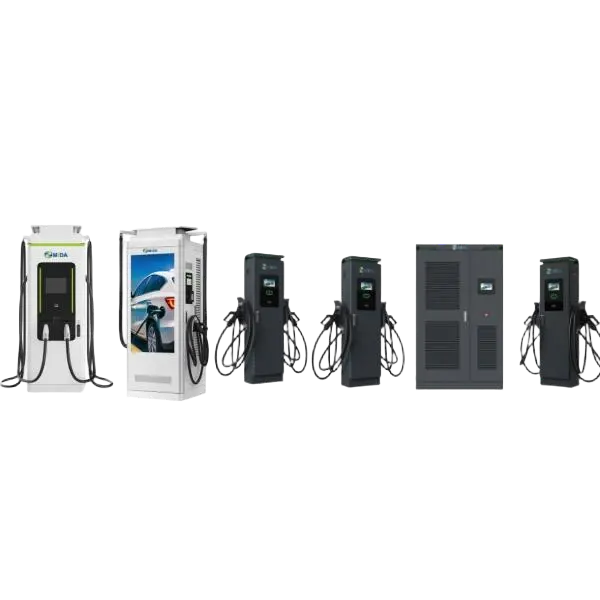
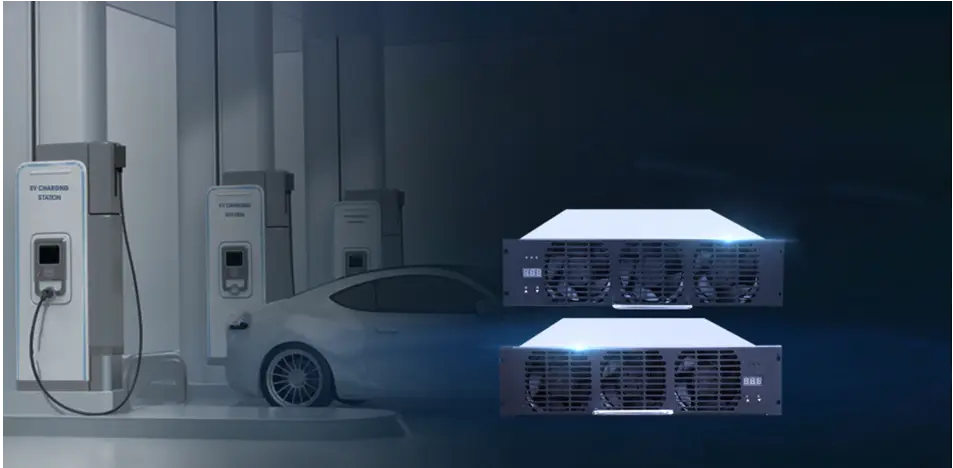
DC Charger Station DC Charging Stack Detail Explore DC Charging Systems

BESS Charging Station

60kWh | 261kWh | 418kWh | 625kWh | 2MWh

Battery-assisted systems designed to enable ultra-fast charging on weak grids, with smart energy storage and vehicle-to-grid capability.
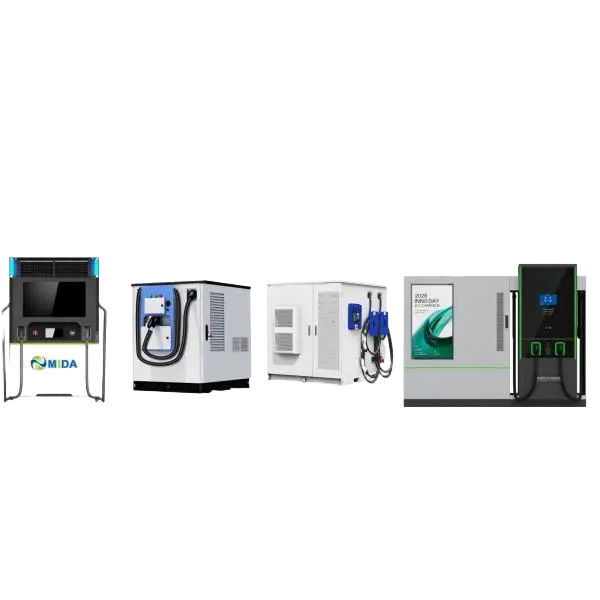
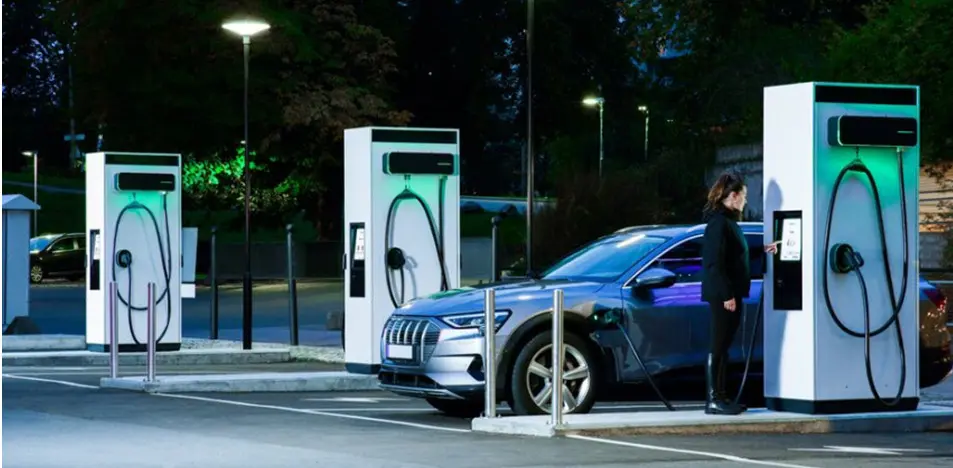
BESS Charging Station BESS Station Internal Setup Explore Energy Storage Solutions

Chapter 3: China Factory 4.0: Supply Chain Resilience & Efficiency Advantages

China's manufacturing dominance in the EV charging sector is driven by integrated vertical supply chains. Our production facilities implement Factory 4.0 standards, which connect components from raw copper wiring to advanced silicon-carbide (SiC) power modules into a single, cohesive ecosystem. This integration minimizes shipping delays and reduces structural assembly costs, allowing us to pass the savings on to global operators.

Through our automated manufacturing lines, MIDA ensures consistent build quality and precision. Every stage—from automated PCB pick-and-place assembly to ultrasonic cable welding and water-bath insulation testing—is monitored by computerized systems. This level of oversight guarantees that each product leaving the factory floor complies with CE, TUV, UL, and CB safety standards.

In addition, vertical supply chains make it easier to customize products for specific markets. Whether adjusting cabinet configurations to fit local grids, customizing branding elements, or integrating region-specific utility protocols (such as OCPP-based smart grid APIs), our production setups are designed to adapt quickly to diverse client specifications without affecting delivery times.
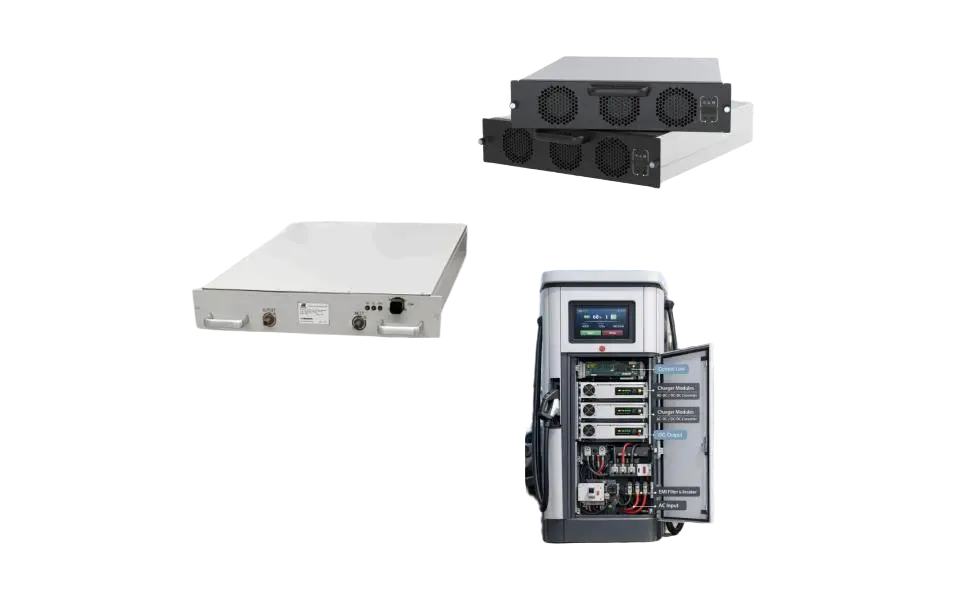
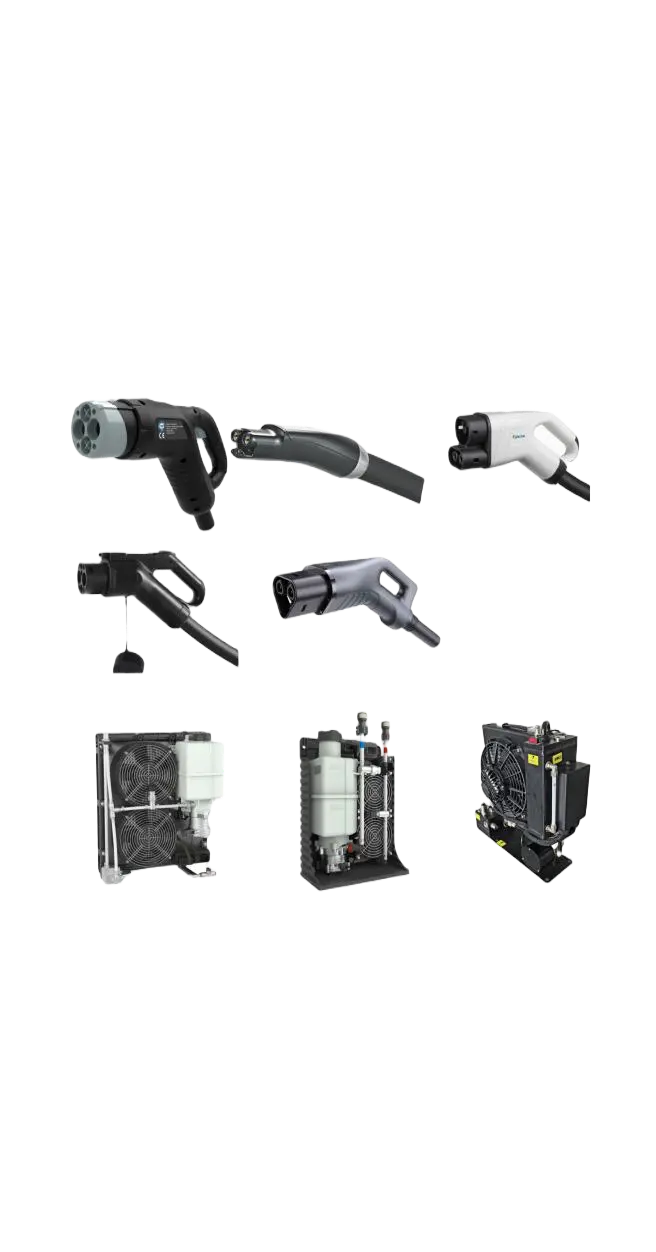
Core Component Catalogues & Systems

EV Charging Power Modules

  • 30kW | 40kW | 50kW | 60kW | 80kW AC/DC Power Modules
  • 30kW | 40kW | 50kW | 60kW DC/DC Converters
  • 40kW | 60kW | 75kW | 125kW Liquid-Cooled Modules
  • 20kW | 22kW | 30kW | 40kW | 45kW V2G Modules
  • 30kW | 40kW | 50kW | 60kW Solar MPPT Charging Modules
  • 20kW | 50kW | 62.5kW Bidirectional AC/DC Modules
EV Charging Power Module

DC Connectors & Cooling Units

  • 500A | 600A CCS1 & CCS2 & GB/T Liquid Cooled Connectors
  • 125A | 250A | 300A | 350A NACS & CHAdeMO Connectors
  • 1500A Megawatt MCS & ChaoJi High-Current Interfaces
  • 3.5kW | 4.5kW | 6kW | 9kW Integrated Liquid Cooling Units
  • 2.4kW | 3.5kW Split Type Thermal Cooling Units
  • 25kW ~ 72kW High-Capacity Cooling for HPC Systems
DC Charging Connector & Cooling Unit

DC Fast Charger Stations

  • 7kW ~ 60kW Mobile DC Chargers
  • 20kW ~ 80kW Wall-Mounted DC Chargers
  • 60kW ~ 480kW Floor-Standing Integrated Piles
  • 60kW ~ 240kW Advertising Chargers (43" / 55" Displays)
  • 600kW ~ 1080kW Liquid-Cooled Hyper-Charging Solutions
  • 360kW ~ 1680kW Flexible Split DC Charging Stacks
DC Fast Charger Station

Energy Storage Charging Stations

  • 15kW ~ 480kW Mobile BESS Chargers
  • 60kW ~ 400kW Integrated Battery Charging Systems
  • 65kWh ~ 200kWh Emergency Rescue Storage Chargers
  • 165kWh Autonomous Charging Robots
  • 800kWh ~ 2000kWh Solar-Storage-Charging Microgrids
Energy Storage Charging Station

Chapter 4: Core Technical Breakdown of Modern Charging Architecture

At the heart of any reliable DC charging system are the power modules and connectors that convert grid energy and transfer it to the vehicle's battery. A station's long-term performance and efficiency depend directly on the build quality and engineering of these subcomponents.

1. High-Efficiency Power Conversion Module

Modern charging stations rely on modular power conversion. By using individual modules in parallel (for example, stacking several 30kW, 40kW, or 50kW modules), a charging station can dynamically allocate power and maintain operation even if a single module fails. Our standard and liquid-cooled modules achieve peak power efficiency of up to 96%, reducing thermal losses and minimizing grid power waste.

2. Liquid Cooling & Heat Management

When outputting currents over 250A (common in ultra-fast DC systems), standard cabling generates significant heat. Integrating a dedicated liquid cooling unit directly into the connector and cable assembly maintains safe operating temperatures, allowing the station to deliver continuous currents of 500A to 600A without overheating or needing thick, heavy, unmanageable cables.

3. Bidirectional V2G & Grid Services

Bidirectional charging changes how electric vehicles interact with the electrical grid. By utilizing V2G (Vehicle-to-Grid) power modules, fleet depots can draw power from vehicles during peak tariff periods to run onsite operations, returning energy to the vehicles when rates drop. This turns EV fleets into distributed energy assets that can support grid stability.
Corporate Insights & Technical Articles

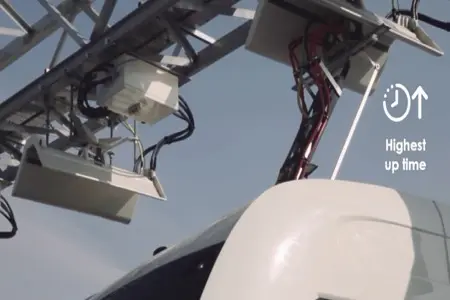
e-bus pantograph dome advantages

What are the advantages of an e-bus pantograph dome?

In contrast to classic plug-in charging systems, e-bus pantographs allow automated, high-power top-up charging directly at transit stops...
Date: 2026-07-12 View More
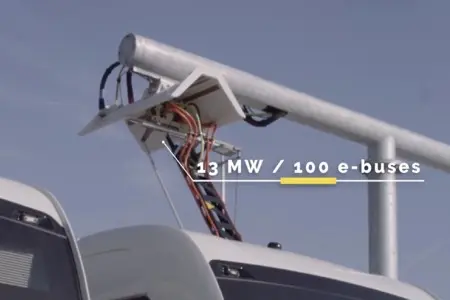
e-bus pantograph charging time

How long does it take to charge with an e-bus pantograph?

The charging time depends heavily on the battery capacity and the station's configuration, but pantograph systems often deliver charge in minutes...

Date: 2026-07-12 View More
Install Pantograph Up Charger System Dome

How to Install the Pantograph Up Charger System Dome for Electric Bus

Installing a "Pantograph Up" dome system requires precise structural anchoring, high-power grid hookups, and specialized testing to ensure auto-alignment...

Date: 2026-07-12 View More

Chapter 5: Localized Application Scenarios

EV charging hardware must adapt to different operational requirements depending on the deployment environment. We customize configurations to match the specific needs of various application scenarios:

1. Commercial Logistic Hubs & Fleet Garages

Fleet operations prioritize reliability and fast charging turnarounds. Implementing split-type DC charging stacks allows fleet managers to charge multiple delivery trucks or transport vans at once. These systems automatically adjust power delivery based on each vehicle's real-time battery status, optimizing energy use and reducing total charge time.

2. Highway Charging Stations & Transit Corridors

Along highway corridors, drivers expect ultra-fast charging to resume their trips quickly. High-power liquid-cooled chargers (360kW to 480kW) with dual CCS2 or NACS connectors deliver significant range in under 15 minutes. Combining these chargers with integrated battery storage (BESS) protects local grids from sudden power draws.

3. Public Transit Networks (E-Bus Pantographs)

Municipal bus routes require consistent, automated charging solutions. Automated overhead pantographs can charge electric buses at terminal stations during brief scheduled stops. This continuous charging strategy allows transit systems to use smaller, lighter onboard batteries, improving overall passenger capacity and route efficiency.
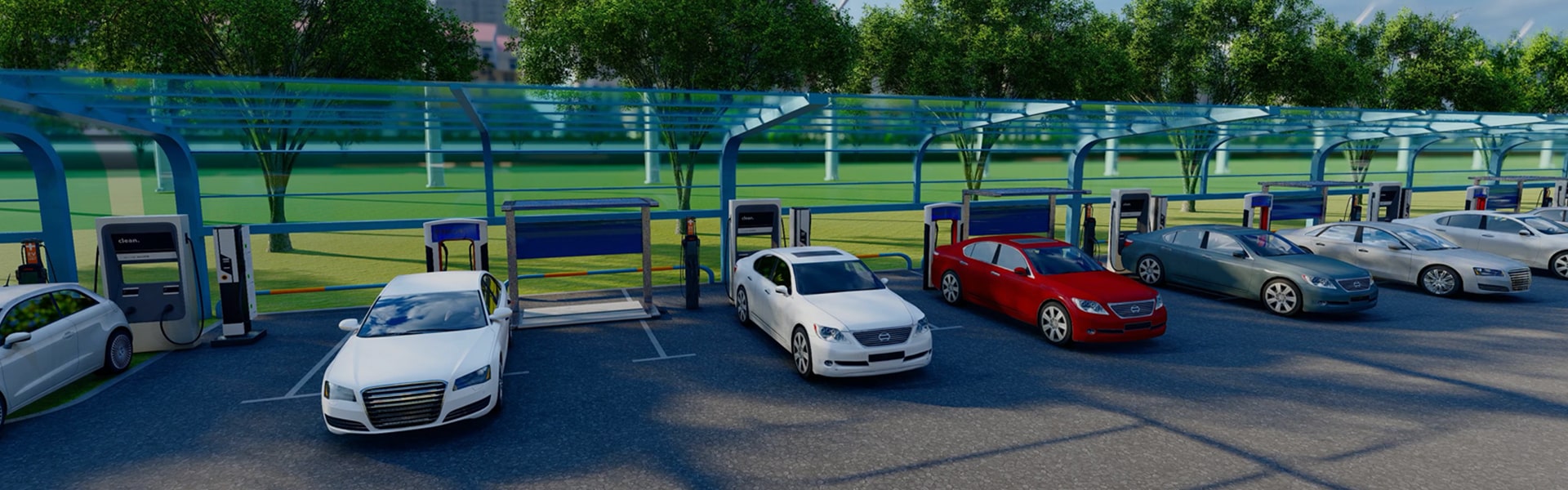
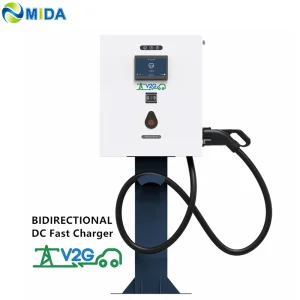
E-Bus Pantograph Charging Station in operation

Frequently Asked Questions

Q1: How do BESS-integrated charging stations help grids handle high-power demands?
BESS-integrated stations store energy in local battery systems during low-demand periods. When an EV connects for high-power DC fast charging, the station draws power from both the grid and the local battery storage. This buffering reduces the peak draw on the grid, avoiding high peak-demand charges and helping operators avoid the costs of direct high-power grid upgrades.
Q2: What are the differences between CCS1, CCS2, NACS, and Megawatt (MCS) standards?
CCS1 is standard in North America, while CCS2 is the primary format in Europe, both using Single-Phase or Three-Phase AC alongside DC pins. NACS combines AC and DC charging through a single compact connector, and is widely adopted across North America. MCS (Megawatt Charging System) is designed for commercial heavy-duty vehicles, supporting continuous currents over 1,000A to deliver up to 3.75MW.
Q3: Why is liquid cooling necessary for ultra-fast charging systems?
Standard charging cables generate substantial resistive heat at currents above 250A. Liquid-cooled systems circulate coolant through the cable and connector assembly, dissipating heat and keeping operating temperatures safe. This allows the system to deliver continuous currents up to 600A using lightweight, flexible cables that are easy for drivers to handle.
Q4: What protocols are required to support dynamic grid load management?
Dynamic load management relies on Open Charge Point Protocol (OCPP) version 1.6J or 2.0.1 paired with ISO 15118. These protocols allow the station to communicate in real time with the central management system and the vehicle. This connection enables automated features like charging adjustments based on grid load, vehicle authorization, and bidirectional power flows (V2G).
Q5: How does China's supply chain help control manufacturing costs?
Our facilities benefit from a concentrated local supply chain, sourcing everything from copper wiring and electronic components to advanced silicon-carbide semiconductors within close proximity. This vertical integration reduces transport delays and manufacturing costs, allowing us to supply high-quality, fully certified charging stations at competitive rates.

Comprehensive Hardware Portfolio

China 22KW 44kW V2G Charger Vehicle To Grid CCS2 CHAdeMO Charging Station

China 22KW 44kW V2G Charger Vehicle To Grid CCS2 CHAdeMO Charging Station Manufacturer, Factories

Explore Product
Best AFIR 180kW 240kW 300kW DC Fast Charger with CCS2 & CHAdeMO

Best AFIR 180kW 240kW 300kW DC Fast Charger with CCS2 & CHAdeMO Universal Compatibility Supplier, Factories

Explore Product
China Multi-standard DC Charging Station 60kW 90KW 120KW Fast Charger Piles

China Multi-standard DC Charging Station 60kW 90KW 120KW Fast Charger Piles Manufacturer, Suppliers

Explore Product
Best Japan EV Quick Charger 30kw 50kw DC EV Charging Station CHAdeMO Connector

Best Japan EV Quick Charger 30kw 50kw DC EV Charging Station CHAdeMO Connector Manufacturer, Factory

Explore Product
Best 60kw 90kW 120kW 180kW DC Charger POS CCS2 GBT EV Charging Station

Best 60kw 90kW 120kW 180kW DC Charger POS CCS2 GBT EV Charging Station Supplier, Factories

Explore Product
Best 15kW 30kW Vehicle to Grid V2G Charger CCS CHAdeMO Bidirectional EV Charging Station

Best 15kW 30kW Vehicle to Grid V2G Charger CCS CHAdeMO Bidirectional EV Charging Station Manufacturer, Supplier

Explore Product
China 320kw 482kwh BESS Charger Mobile EV Charging Station Energy Storage System

China 320kw 482kwh BESS Charger Mobile EV Charging Station Energy Storage System Manufacturer, Manufacturers

Explore Product
China Rapid EV Charger 150kw 180kw 240kw NACS CHAdeMO Fast DC Charging Station

China Rapid EV Charger 150kw 180kw 240kw NACS CHAdeMO Fast DC Charging Station Manufacturer, Manufacturers

Explore Product