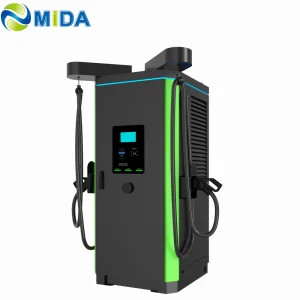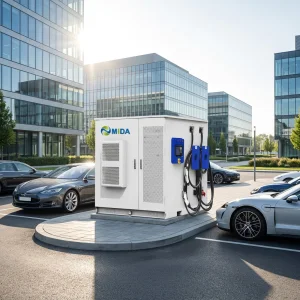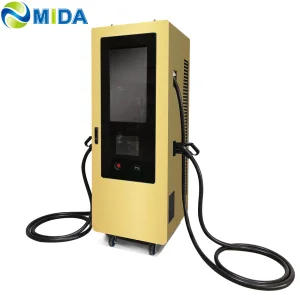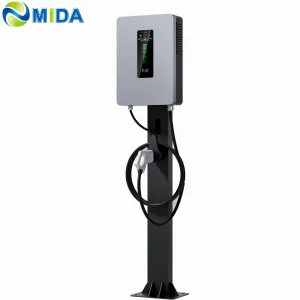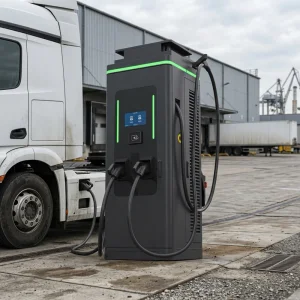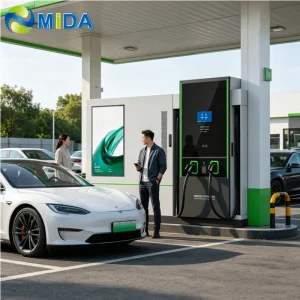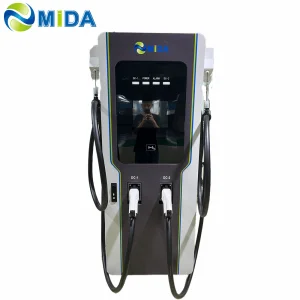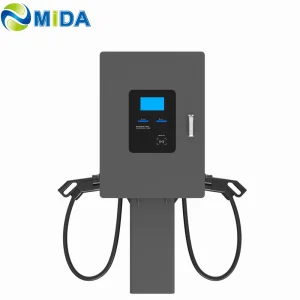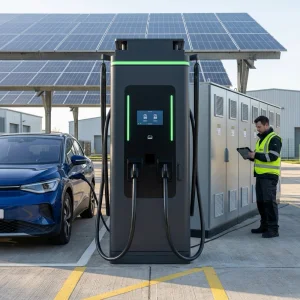
Explore our specialized range of high-performance charging systems engineered for speed, durability, and safety.
Ultra-Fast Charging Capacity
Max Output Liquid-Cooled Cabling
Integrated BESS Scale
2.0.1 and 1.6J Interoperability
The global EV transition has entered the era of High-Power Charging (HPC). Commercial fleets, highway transit networks, and urban public charging hubs are shifting away from lower-tier DC charging towards 350kW ultra-fast stations. By delivering up to 350kW of continuous electrical power, these systems can inject 100km of range in less than 3 minutes, matching the uptime requirements of traditional ICE fueling stations. This whitepaper analyzes the technology paths, market demands, procurement standards, and integration strategies that shape the deployment of 350kW DC chargers globally.
The electric vehicle ecosystem is shifting towards high-voltage architectures. To maximize charging efficiency and minimize thermodynamic losses, major automakers are moving from 400V battery packs to 800V and even 1000V platforms (such as Porsche Taycan, Hyundai Ioniq 5/6, Lucid Air, and commercial electric buses). In this context, 350kW DC chargers are no longer a future-proofing luxury but a current utility requirement.
Key drivers of this ultra-fast transition include:
C-level procurement executives and infrastructure planners look at several key parameters when sourcing 350kW DC chargers. To minimize risk and optimize total cost of ownership (TCO), buying decisions focus on:
Standardization & Interoperability: Operators need multi-protocol systems supporting CCS1 (North America), CCS2 (Europe), NACS (Tesla/SAE J3400), CHAdeMO, and GB/T (Asia). Dual-gun configuration and smart load balancing allow chargers to split power dynamically (e.g., 2 x 175kW or 1 x 350kW) depending on real-time vehicle capability.
Power Quality & Efficiency: Enterprise-grade 350kW chargers require high power factor (≥0.99) and low total harmonic distortion (THD ≤ 5%) to protect the grid and internal components. High efficiency ratings (up to 96% or 97%) are achieved via silicon carbide (SiC) semiconductors, reducing conversion heat loss.
Certifications & Legal Compliance: Compliance with UL 2202, CE, CB, UKCA, DIN 70121, and ISO 15118 (enabling Plug & Charge functionality) is essential for rapid deployment. Metrological certifications like Eichrecht (Germany) or MID (Europe) are legally required for billing accuracy in public operations.
As 350kW charging hubs expand, grid capacity limitations become a primary barrier. Upgrading distribution transformers is often slow and expensive. Integrating Battery Energy Storage Systems (BESS) directly into ultra-fast charging designs provides an effective workaround.
Looking ahead, high-power charging will expand beyond passenger vehicles to heavy-duty trucks, maritime systems, and aviation. The Megawatt Charging System (MCS) standard, capable of delivering up to 3.75MW through 3000A liquid-cooled connectors, will soon dominate logistics hubs.
Simultaneously, Vehicle-to-Grid (V2G) and Vehicle-to-Everything (V2X) bidirectionality are entering commercial use. By utilizing bidirectional AC/DC power modules (such as 20kW to 62.5kW units), EV fleets can act as mobile distributed batteries, feeding power back to buildings or grids during peak load hours.
Shanghai Mida Cable Group Ltd. operates through its wholly owned subsidiaries: Shanghai Mida EV Power Co., Ltd., Shenzhen Mida EV Power Co., Ltd., and Shanghai Mida New Energy Co., Ltd.
Mida Cable manufactures a comprehensive range of EV charging cables, including 16A–80A J1772 cables, 16A–63A IEC 62196-2 Type 2 cables, and DC fast charging cables: CCS1 (80A–500A), CCS2 (125A–1000A), CHAdeMO (125A–300A), GBT (200A–1000A), and NACS connectors (250A–600A).
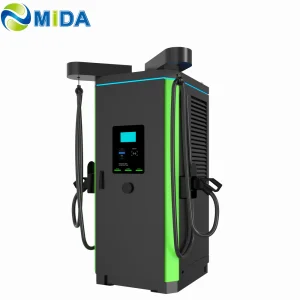
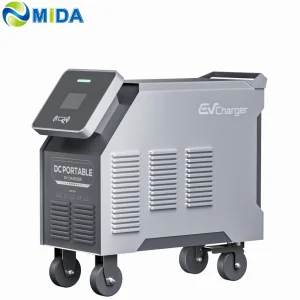
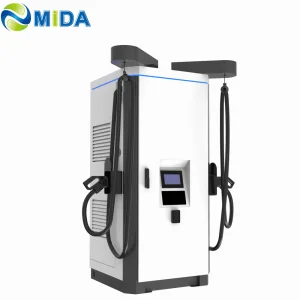
MIDA EV Power produces a full lineup of EV charging stations, such as 7kW–50kW mobile chargers, 3.6kW–7.2kW portable DC chargers, 360kW–1440kW split-type DC fast chargers, 20kW–50kW wall-mounted DC chargers, and 60kW–480kW floor-standing DC fast charging stations.
MIDA New Energy specializes in EV charger power modules, offering 20kW–60kW standard modules, 40kW–125kW liquid-cooled modules, 30kW–62.5kW bidirectional modules, and 20kW–45kW V2G charging modules.

Discover our main engineering pathways designed to support the global shift to electric transport.
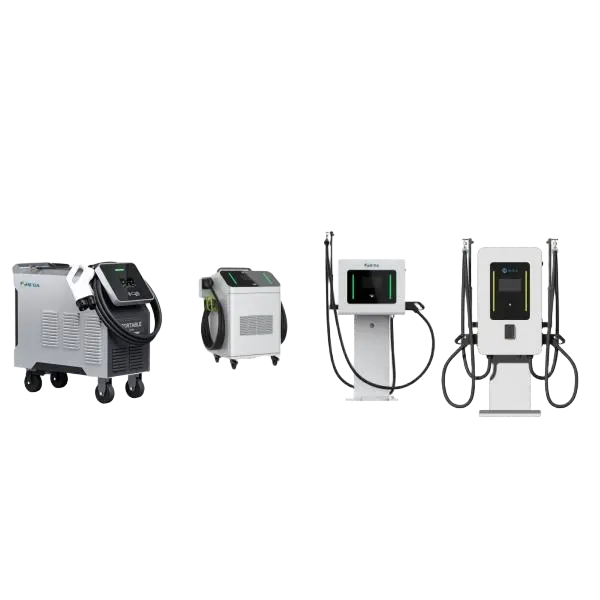
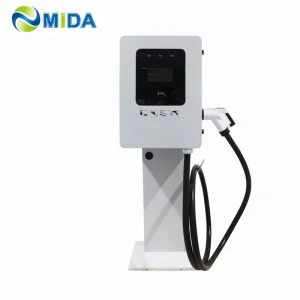
7kW | 20kW | 30kW | 40kW | 60kW | 80kW
Ideal for dealership fleets, parking operators, and depot logistics requiring flexible, compact high-current AC & DC power delivery.
View More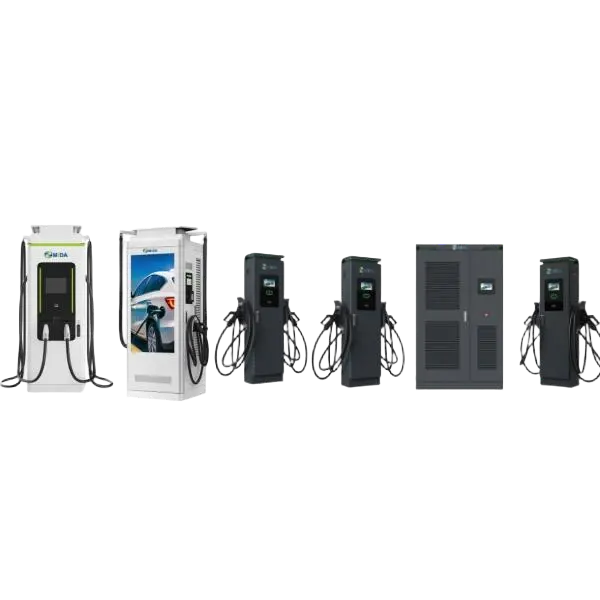
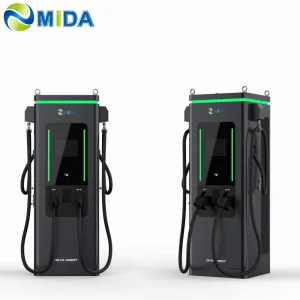
60kW - 480kW | 360kW - 1440kW
Designed for public highways, logistics centers, and rapid-fill city hubs. Built on rugged multi-charger configurations.
View More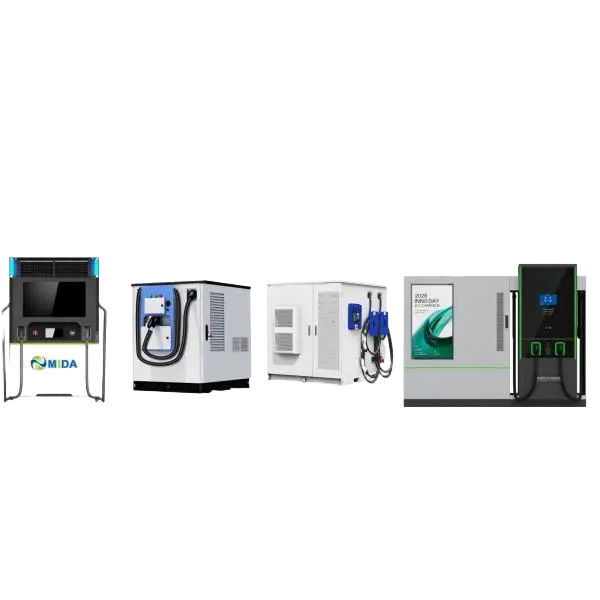
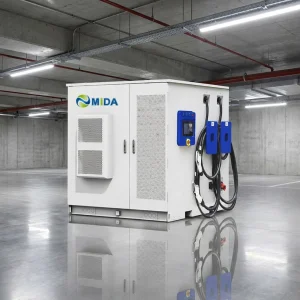
60kWh | 261kWh | 418kWh | 625kWh | 2MWh
Battery-buffered systems ensuring continuous hyper-charging without costly, long-term grid transformer upgrades.
View MoreUnder the hood of our robust charging infrastructure: core components, dynamic liquid-cooled modules, and connector systems.
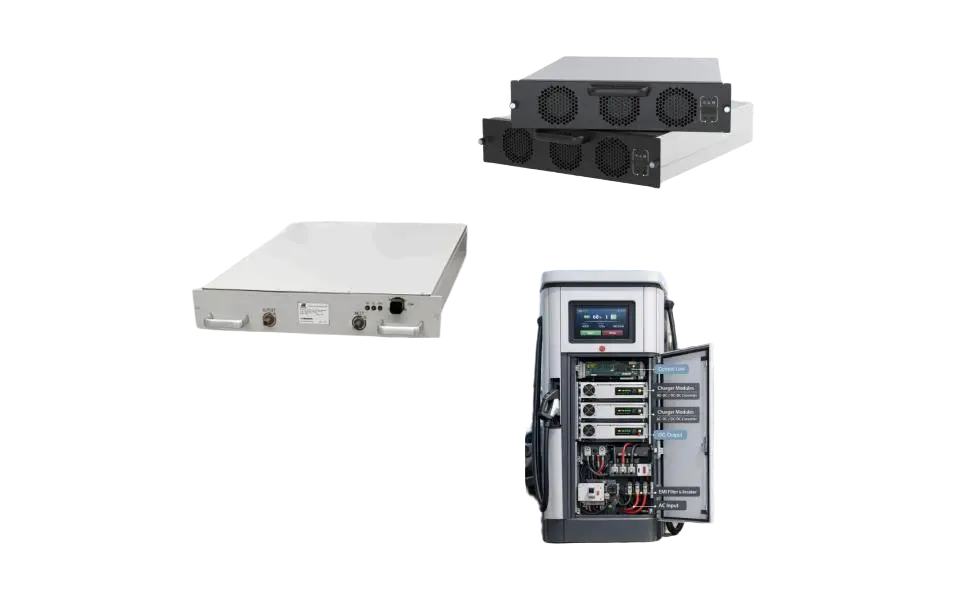
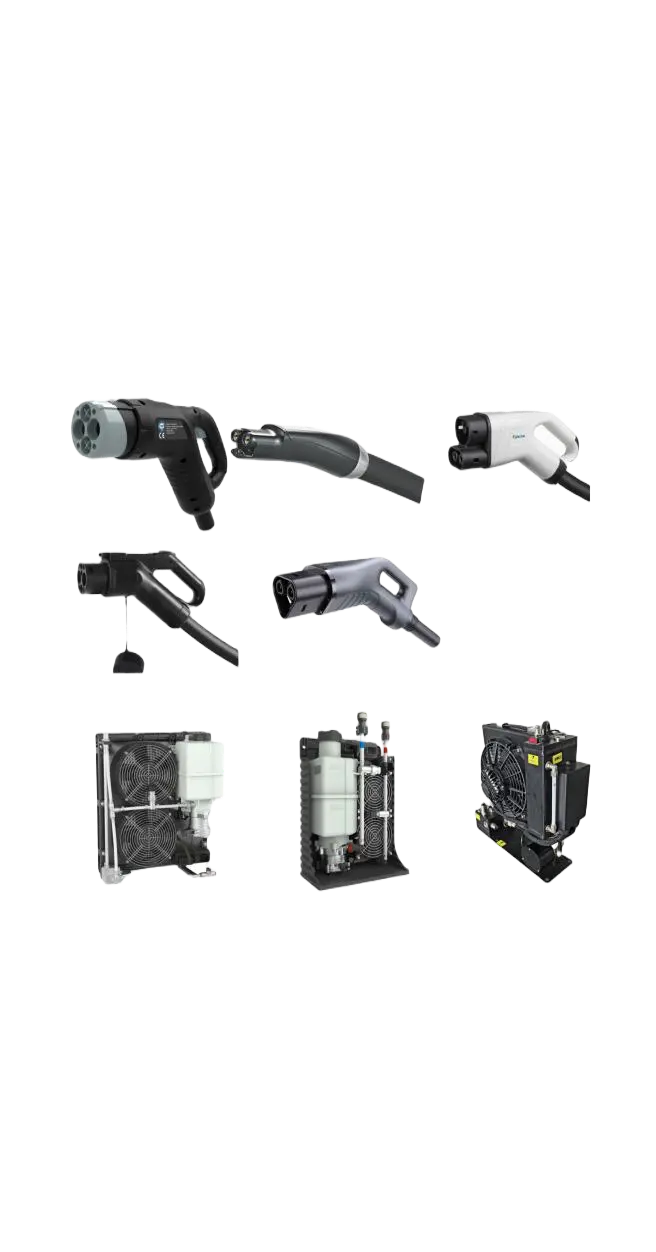
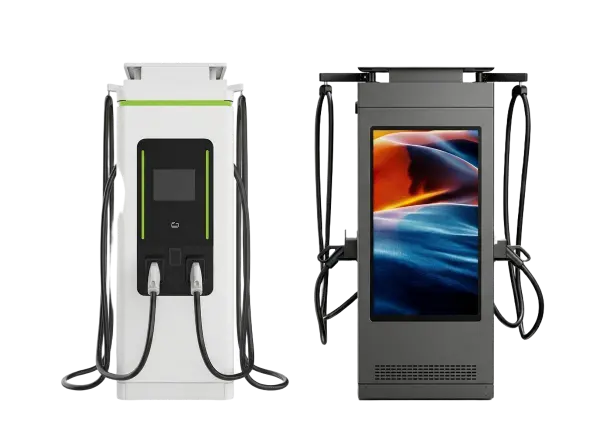
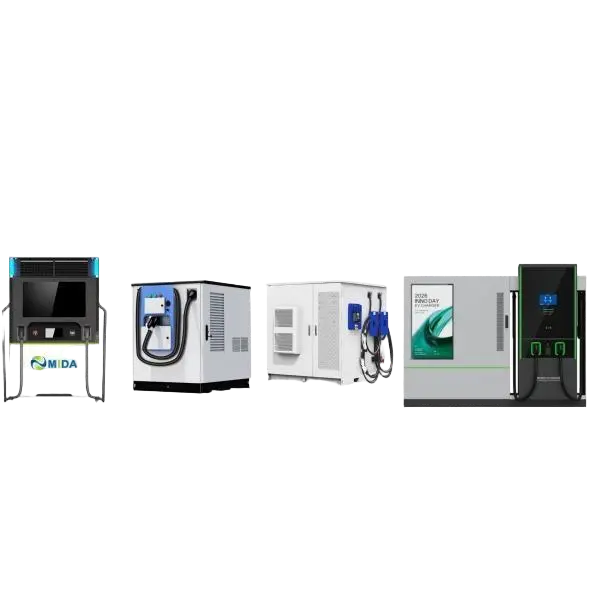
Stay updated with the latest technological developments in global transit charging, pantograph technology, and system configurations.

What are the advantages of an e-bus pantograph dome? In contrast to classic plug-in charging systems, e-bus pantograph dome devices offer automated, hands-off connection, decreasing localized space usage while providing ultra-high currents safe for high-density public transport networks.
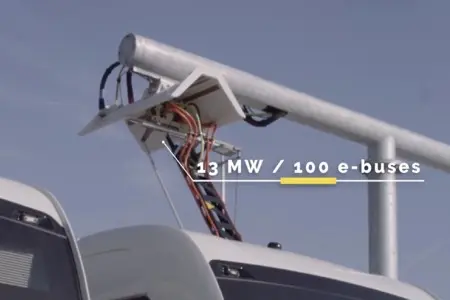
How long does it take to charge with an e-bus pantograph? The charging time depends on the battery capacity and the dynamic power rating of the charger station, but utilizing MCS and high-power lines typically reduces times down to 10-15 minutes.
How to Install the Pantograph Up Charger System Dome for Electric Bus: Installing a "Pantograph Up" system requires rigorous electrical design, structural canopy foundations, and integrated local communication modules (IEEE 802.11a/b/g/n) for flawless fleet synchronization.
Expert technical answers regarding 350kW DC Fast Charging systems, configuration options, and global standards.
A: When charging currents exceed 200A-250A, air-cooled cables become thick and heavy to manage electrical resistance heat. Liquid-cooling systems pump a coolant (typically a water-glycol mixture) through the cable and connector, keeping the assembly lightweight and safe for public use, even at 500A continuous current.
A: No. The output power is determined by the vehicle's battery management system (BMS) and its operating voltage. An 800V EV can pull up to 350kW, whereas a 400V EV might only pull 150kW-175kW. Dynamic load allocation systems can split the 350kW output to charge two vehicles simultaneously.
A: The system uses ISO 15118 and DIN 70121 for vehicle-to-charger PLC communications, enabling features like Plug & Charge. For charger-to-cloud management, OCPP 1.6J or OCPP 2.0.1 protocols are standard.
A: By integrating battery storage, you can store energy during off-peak hours when power rates are low and discharge it to assist the grid during 350kW ultra-fast charging sessions. This reduces high peak demand fees from electric utilities.
A: For North America, UL 2202 and UL 2594 listings are required. For Europe, CE marking, EN 61851 compliance, and local metrology compliance (like MID or German Eichrecht) are required for public commercial billing.
Discover additional standard compliant options built for dynamic CPO networks worldwide.