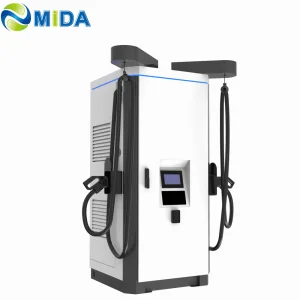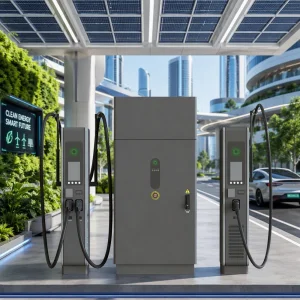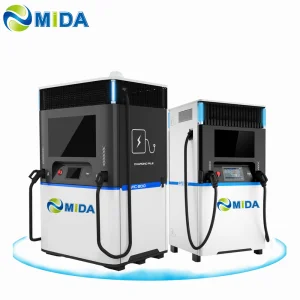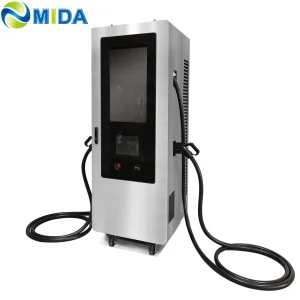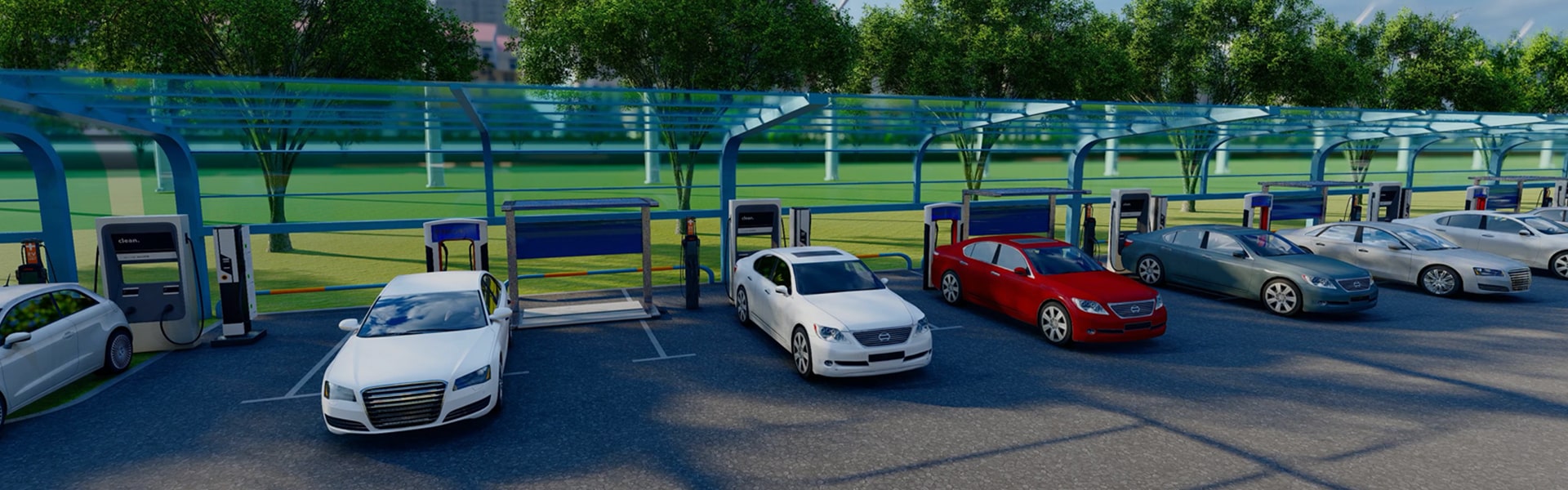
Deploying robust, certified fast chargers globally with liquid-cooled architectures, battery energy storage options, and dynamic load balancing.
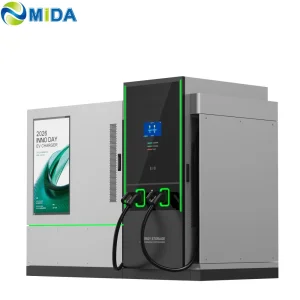
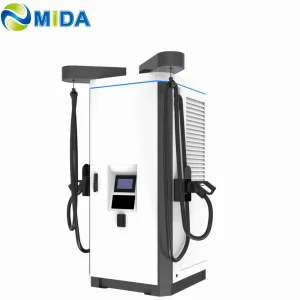
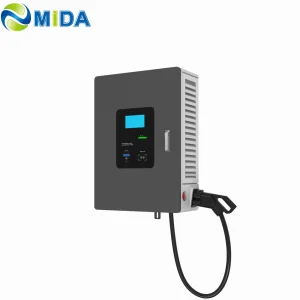
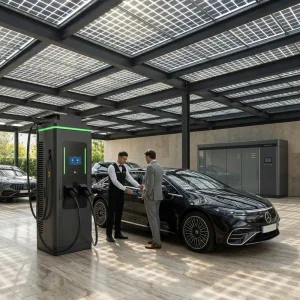
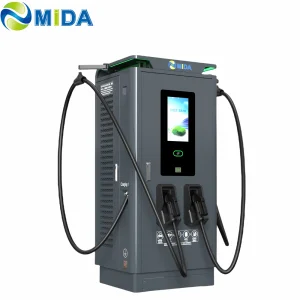
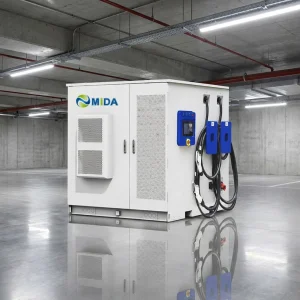
The global transition to battery electric vehicles (BEVs) demands high-power charging (HPC) infrastructure that can deliver exceptional current and voltage profiles safely and efficiently. Under the Combined Charging System (CCS) standard, 350kW represents the gold standard of contemporary DC fast charging technology. Achieving a 350kW output requires a sophisticated interplay of thermal management, power electronics, and intelligent control algorithms.
A standard 350kW CCS charger typically operates with a nominal output voltage of up to 1000V DC and a continuous current capacity of 350A to 500A. When operating at currents above 200A, thermal loss ($I^2R$) increases exponentially. To mitigate this without rendering the cable and plug assembly too heavy for consumer use, liquid cooling systems are utilized. The MIDA Group integrates premium liquid-cooled charging cables and connectors designed to handle up to 500A (CCS1/CCS2) continuously, ensuring safe touch temperatures and lightweight operation.
The power architecture of a 350kW CCS charging stack relies on parallel configurations of modular power converters. Modern Chinese manufacturing centers around high-frequency resonant LLC topologies utilizing Silicon Carbide (SiC) MOSFETs instead of traditional Silicon IGBTs. SiC modules offer lower switching losses, higher thermal conductivity, and superior efficiency levels, often exceeding 96.5%. By layering multiple modular units—such as MIDA's 30kW, 40kW, or 60kW modules—operators gain redundancy: if one module experiences a fault, the charger adjusts its maximum power output without total downtime.
High-Power Chargers are not one-size-fits-all systems; their physical and electrical deployments vary significantly across regional contexts and application profiles:
Along major transportation corridors (such as the Trans-European Transport Network - TEN-T, or interstate networks in North America), 350kW CCS chargers are critical to reducing range anxiety. Drivers of long-range passenger cars (e.g., Porsche Taycan, Hyundai Ioniq 5, Lucid Air) utilizing 800V architectures can charge from 10% to 80% in under 18 minutes. In these environments, robust utility connections (often backed by local medium-voltage substations) are required to support multi-stall installations without grid collapse.
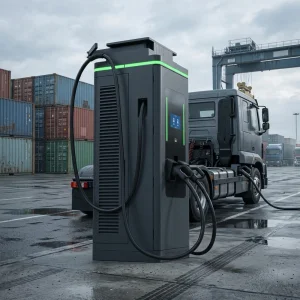
In logistics centers where time-to-depot turnaround is a key metric, 350kW chargers are deployed to support electric Class 8 trucks and commercial delivery fleets. These chargers are often integrated with fleet management software via OCPP (Open Charge Point Protocol) to dynamically schedule charging sessions during driver breaks, maximizing uptime and managing utility peak-demand surcharges.
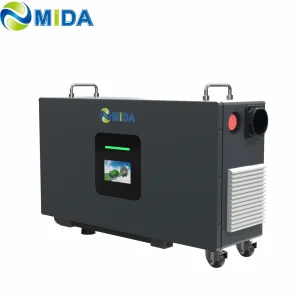
In high-density metropolitan areas where private home-charging is limited, municipalities and private operators install ultra-fast hubs. To circumvent local grid limitations, these urban stations are increasingly integrated with Battery Energy Storage Systems (BESS), such as MIDA's 120kWh-60kw and 200kWh-160kw integrated storage solutions. The BESS buffers the grid, storing power during low-demand periods and discharging it at high rates during ultra-fast charging sessions.
7kW | 20kW | 30kW | 40kW | 60kW | 80kW
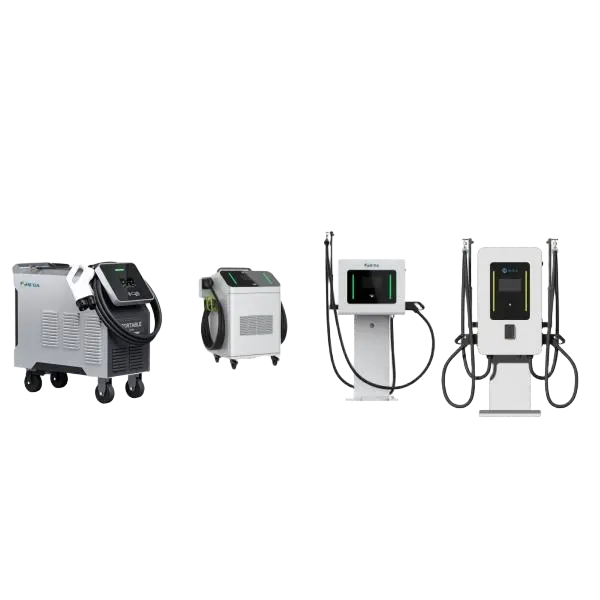
60kW-480kW | 360kW-1440kW
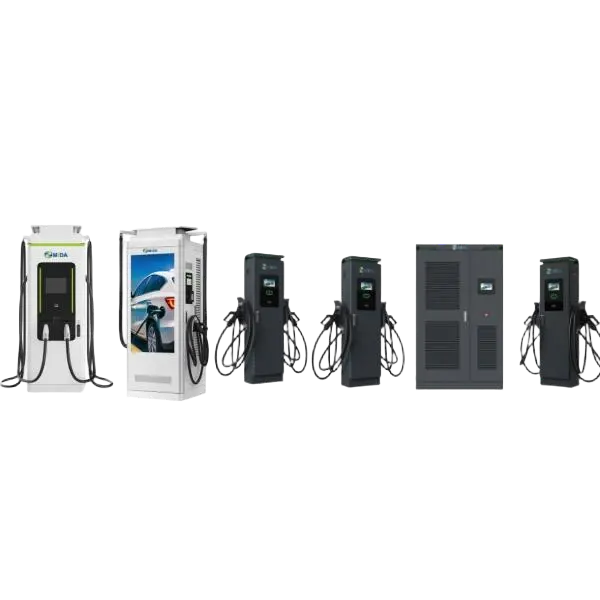
60kWh | 261kWh | 418kWh | 625kWh | 2MkWh
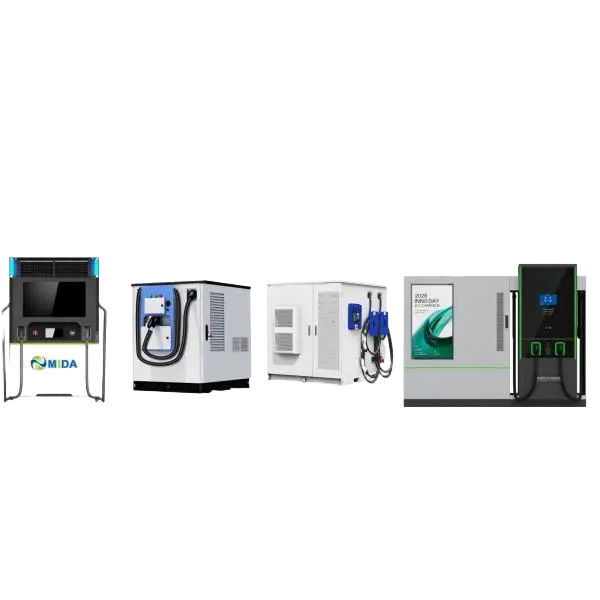
China has established a mature, highly integrated EV charging supply chain. From base components like raw copper and liquid-cooled cable jackets to complex subsystems like power modules, industrial PLCs, and OCPP display interfaces, the manufacturing ecosystem is concentrated in key technology corridors like Shanghai and Shenzhen. This geographic density enables rapid prototyping, iterative engineering adjustments, and unmatched cost-to-performance efficiency.
MIDA Group, operating through its specialized divisions (Shanghai Mida Cable, MIDA EV Power, and MIDA New Energy), represents a vertically integrated manufacturer. By designing and fabricating the core components in-house—including J1772, IEC 62196-2 Type 2, CCS1, CCS2, NACS, and CHAdeMO cabling systems, alongside custom-engineered power conversion modules—MIDA maintains control over the entire quality assurance cycle. This vertical integration minimizes supply chain delays and guarantees that every 350kW charger meets international material and electrical tolerances.
Shanghai Mida Cable Group Ltd. coordinates operations across its specialized subsidiaries: Shanghai Mida EV Power Co., Ltd., Shenzhen Mida EV Power Co., Ltd., and Shanghai Mida New Energy Co., Ltd. Together, we manufacture a comprehensive suite of EV charging accessories, dynamic cables, and floor-standing high-power stations.
Our component division designs and extrudes EV cables ranging from 16A to 80A J1772, as well as ultra-high-power DC cables capable of handling up to 1000A for liquid-cooled CCS2 and NACS systems. By matching these components with our advanced bidirectional and V2G-compliant power modules, we deliver turn-key systems to grid operators and charge point operators (CPOs) worldwide.
Comprehensive components and integrated assemblies engineered to meet diverse client requirements.
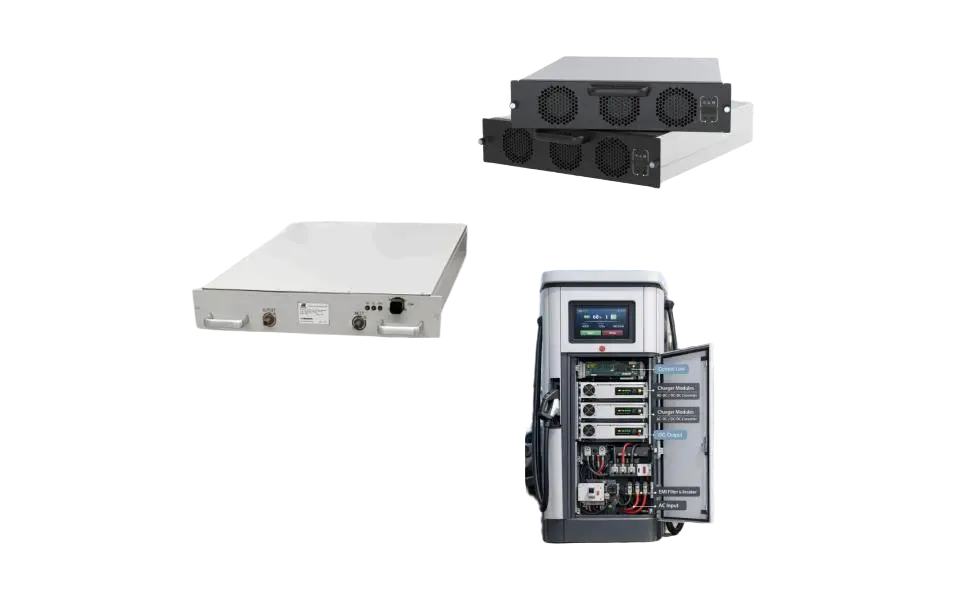
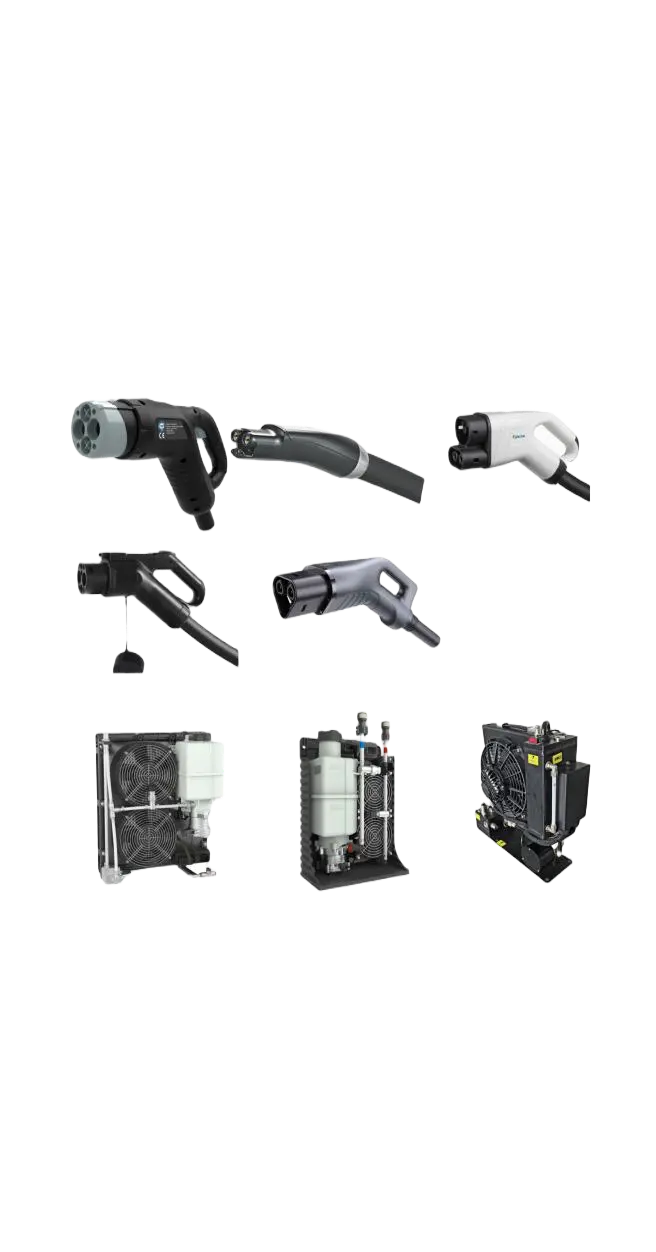
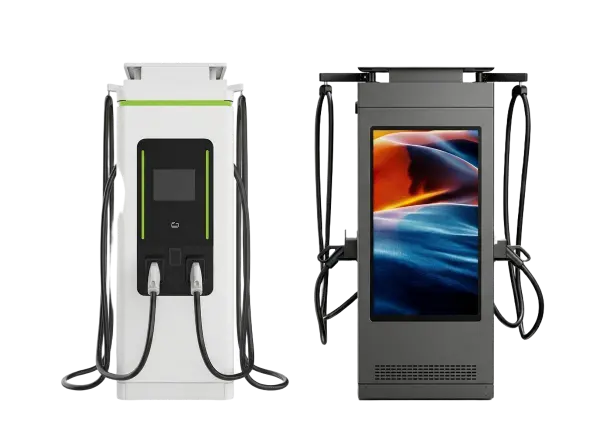
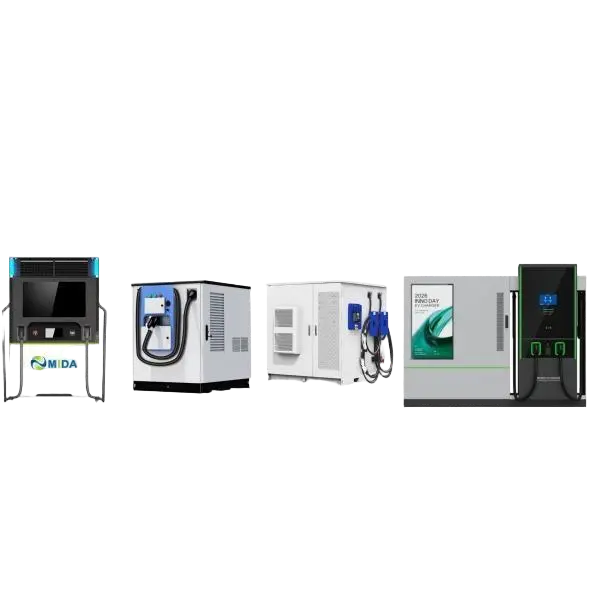
The high-power charging landscape is evolving rapidly, driven by higher vehicle battery voltages, demands for bidirectional energy flow, and the need for seamless user interfaces. MIDA's research and development roadmap focuses on three primary fields:
While 350kW CCS chargers represent the premium tier for light-duty and medium-duty vehicles, heavy-duty commercial fleets and marine applications require megawatts of power. The MCS standard (capable of up to 3.75MW at 1250V and 3000A) is currently in development. Lessons learned from liquid-cooled 350kW systems are directly influencing the development of these ultra-high-power connectors and liquid-cooled manifolds, which MIDA is engineering for future logistics corridors.
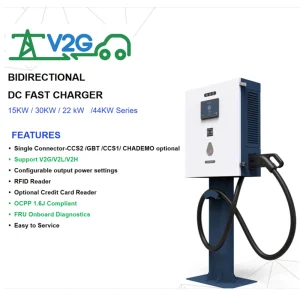
Bidirectional power flow allows EVs to act as distributed energy resources (DERs). MIDA's bidirectional power modules (ranging from 20kW to 62.5kW) enable next-generation 350kW CCS stations to draw power from parked vehicles to stabilize the local grid during peak periods, returning it during off-peak times. This turns charging assets into active revenue generators for fleet operators.
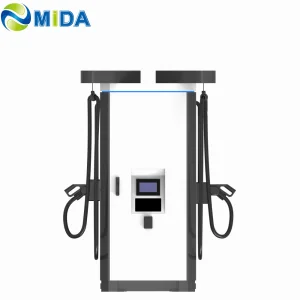
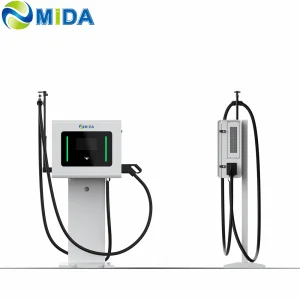
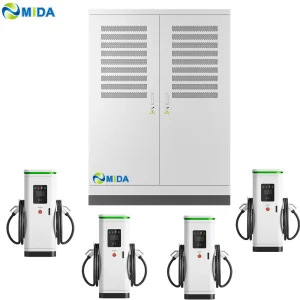
Instead of dedicated power lines per plug, modern installations utilize split charging topologies. A central power container (ranging from 360kW to 1680kW) dynamically allocates power to user-facing satellites. When a vehicle requests 350kW, the central system routes the required power modules to that connection. If another vehicle connects, the system recalculates the load dynamically, distributing the power to optimize charging times across all connected vehicles.
Deploying high-power charging infrastructure globally requires strict adherence to international safety, metrological, and communication standards:
To ensure field reliability, MIDA partners with local EPC (Engineering, Procurement, and Construction) companies and maintenance providers globally. This provides operators with certified local support, spare parts availability, and commissioning assistance, helping to minimize site downtime and protect their infrastructure investment.
Technical answers to common deployment, safety, and integration questions.
Stay informed with recent technical developments and industry updates from MIDA Group.
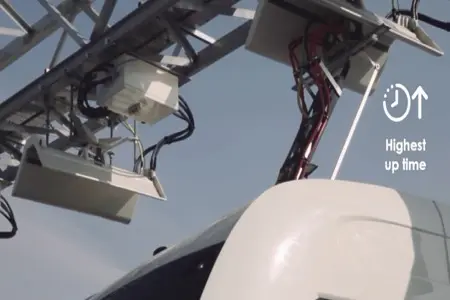
In contrast to classic plug-in charging systems, e-bus pantograph systems offer automated connection and high-power delivery, making them ideal for modern transit systems.
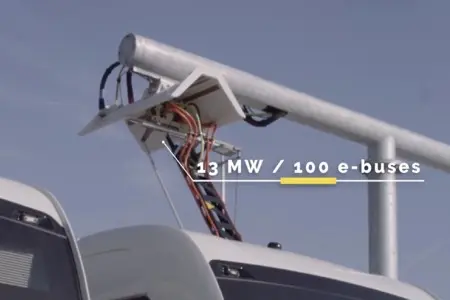
Charging times depend on battery capacity and utility supply, but pantograph connections support rapid, high-power opportunity charging at bus depots and end stations.
Installing a "Pantograph Up" system dome requires precise mechanical alignment, structural support engineering, and connection to a high-power distribution substation.
Explore additional products in our charging catalog, engineered for diverse applications and standards.