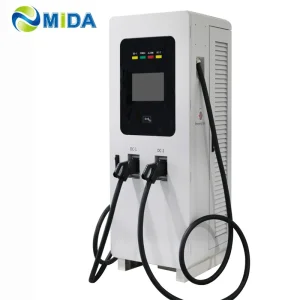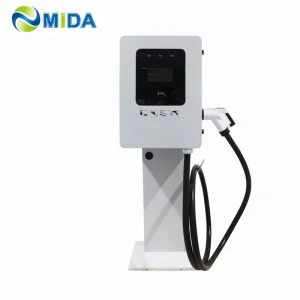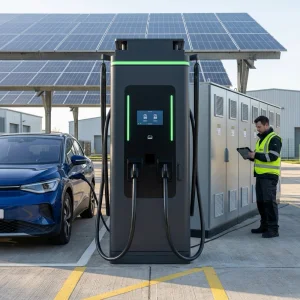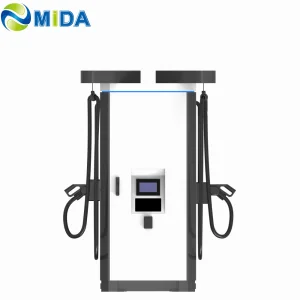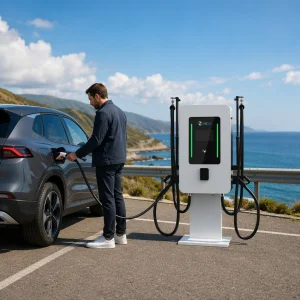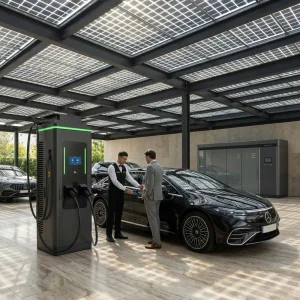
Engineered to deliver high-availability charging with advanced power factor correction and complete standards compliance.
For years, the EV infrastructure segment has been polarized between slow AC destination charging (3.7kW - 22kW) and ultra-high-power highway DC fast charging (150kW - 350kW). However, commercial and fleet operators globally are realizing the massive operational gap in this model. AC charging is too slow for commercial duty-cycles (requiring 6-10 hours), while ultra-fast chargers introduce crippling infrastructure upgrade costs and grid demand charges.
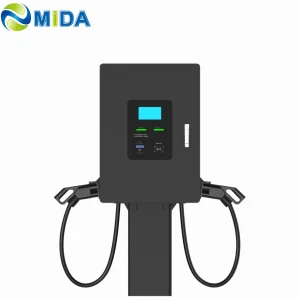
This is where the 20kW DC Fast Charger emerges as the optimal paradigm. Often classified as "low-power DC fast charging" or "destination DC charging," the 20kW system converts AC utility power directly into high-efficiency DC power inside the charger, bypassing the vehicle's restrictive on-board charger (OBC). It provides a swift, predictable charge profile, recovering approximately 100-120 km of range per hour without needing a dedicated substation or massive electrical grid updates.
"The 20kW DC EV charger represents the sweet spot for commercial property owners, balancing rapid deployment velocity with sustainable capital expenditures."
True operational reliability in DC fast charging starts at the component level. Underneath the housing lies a complex web of high-frequency power electronics.
Modern 20kW DC EV chargers manufactured in China leverage highly reliable Silicon Carbide (SiC) MOSFETs. Compared to legacy Silicon IGBT solutions, SiC devices reduce switching losses by up to 50%, allowing switching frequencies above 50kHz. This reduction in switching stress enables smaller passive magnetic components, reducing the overall footprint and weight of the charger.
| Technical Metric | AC Charging (22kW EVSE) | MIDA 20kW DC Charger | Benefit Advantage |
|---|---|---|---|
| Input Connection | 3-Phase AC (No conversion) | 3-Phase AC (Power module conversion) | Bypasses Vehicle OBC restrictions |
| Output Interface | Type 1 / Type 2 AC Link | CCS1, CCS2, NACS, CHAdeMO DC output | Direct-to-battery charging path |
| System Efficiency | 88% - 91% (Limited by OBC) | ≥ 96.5% (High efficiency modules) | Minimizes electric losses, reduces billable heat |
| Communication Protocol | IEC 61851 (Basic PWM signaling) | DIN 70121 / ISO 15118 (PLC Protocol) | Enables Plug & Charge, Smart Auto-billing |
| Thermal Dissipation | Passive air in vehicle cabin | Forced air cooling / Liquid Cooled options | Protects longevity of critical power stacks |
The power architecture of a premium 20kW DC EV charger comprises three key stages: the Active Power Factor Correction (PFC) rectifier stage, the isolated DC-DC converter stage, and the intelligent control board. The PFC stage ensures that the power factor remains >0.99, reducing harmonic distortion to less than 5%, which satisfies the strict grid regulations enforced by international utility networks.
Pioneering specialized power components, liquid-cooled couplers, and high-frequency charging systems globally.
Shanghai Mida Cable Group Ltd. operates through its wholly owned subsidiaries: Shanghai Mida EV Power Co., Ltd., Shenzhen Mida EV Power Co., Ltd., and Shanghai Mida New Energy Co., Ltd.
Mida Cable manufactures a comprehensive range of EV charging cables, including 16A–80A J1772 cables, 16A–63A IEC 62196-2 Type 2 cables, and DC fast charging cables: CCS1 (80A–500A), CCS2 (125A–1000A), CHAdeMO (125A–300A), GBT (200A–1000A), and NACS connectors (250A–600A).
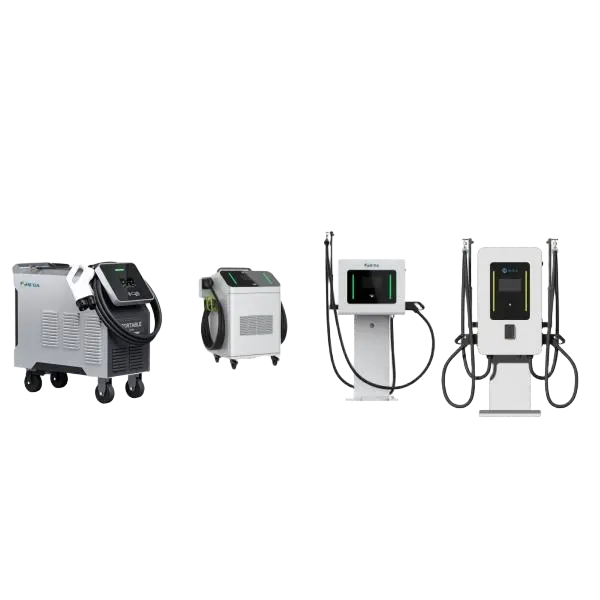
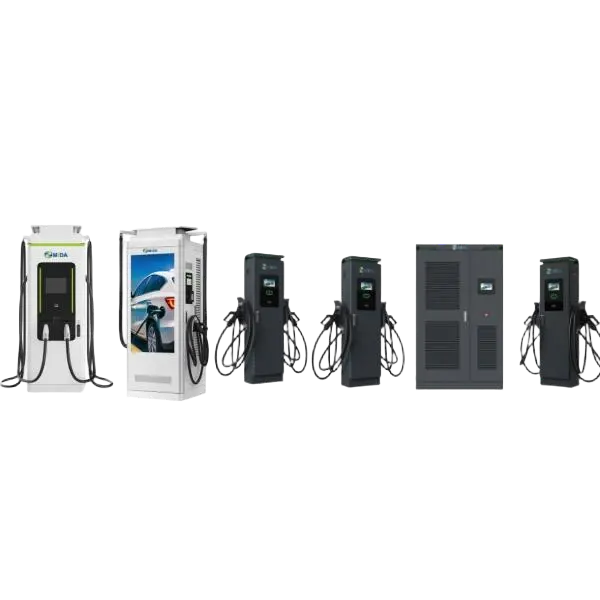
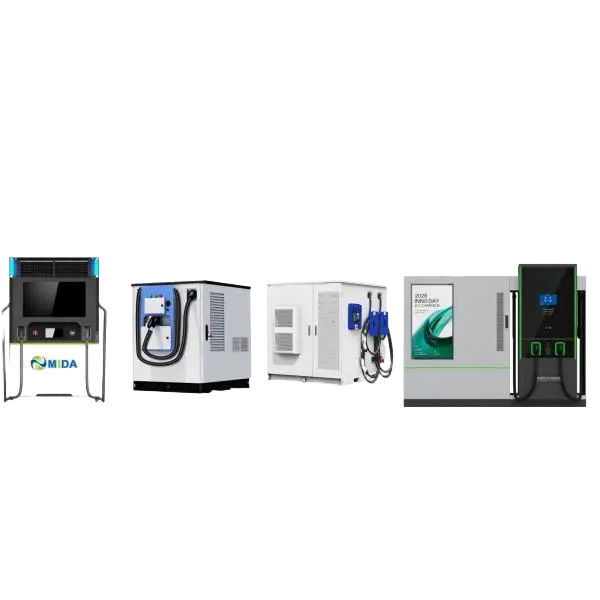
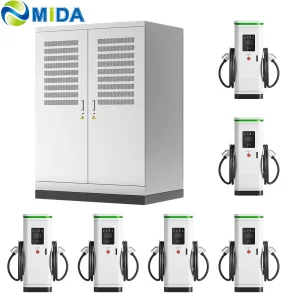
MIDA EV Power produces a full lineup of EV charging stations, such as 7kW–50kW mobile chargers, 3.6kW–7.2kW portable DC chargers, 360kW–1440kW split-type DC fast chargers, 20kW–50kW wall-mounted DC chargers, and 60kW–480kW floor-standing DC fast charging stations.
MIDA New Energy specializes in EV charger power modules, offering 20kW–60kW standard modules, 40kW–125kW liquid-cooled modules, 30kW–62.5kW bidirectional modules, and 20kW–45kW V2G charging modules.

The manufacturing ecosystem of EV power modules in China is unmatched in scale, precision, and integration depth. Moving beyond simple manual board assemblies, MIDA utilizes fully automated SMT (Surface Mount Technology) pick-and-place lines, continuous dry nitrogen reflow ovens, and Automated Optical Inspection (AOI) to eliminate solder bridging and cold-joint failures.
Furthermore, localizing the entire value chain in the Greater Bay Area and Eastern industrial corridors ensures that raw components like magnetic cores, capacitors, semiconductor modules, and structural enclosures are sourced within a 100km radius. This geographic concentration buffers MIDA from global supply chain disruptions while lowering logisitics overhead.
Our Quality Management Systems (QMS) are strictly aligned with IATF 16949 (the global automotive quality standard). Every 20kW DC Charger undergoes stringent stress testing, including highly accelerated life test (HALT), thermal shock simulation, and full-load burn-in testing under controlled ambient chamber conditions before global dispatch.
Review our core industrial components and systems designed for next-generation charging setups.
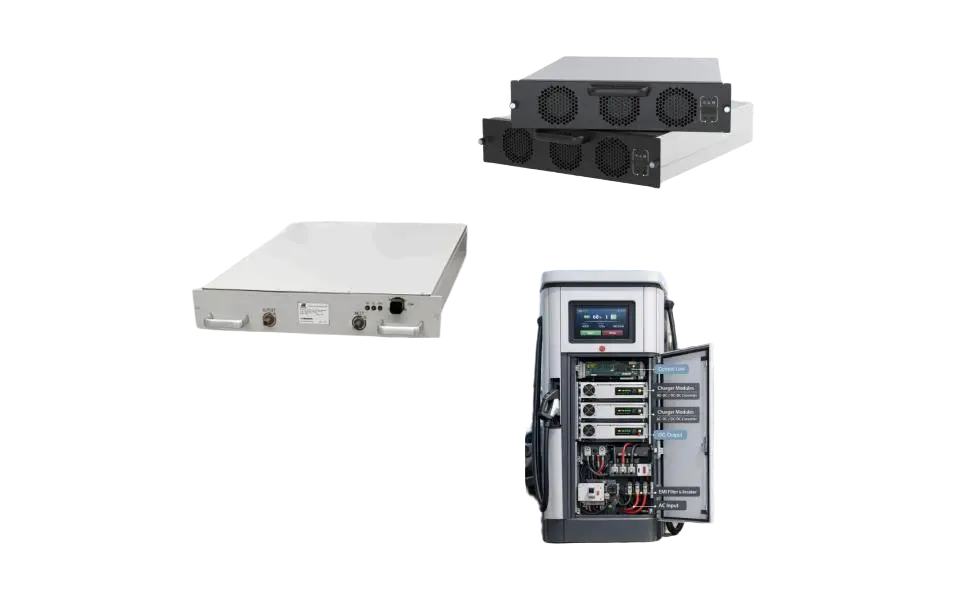
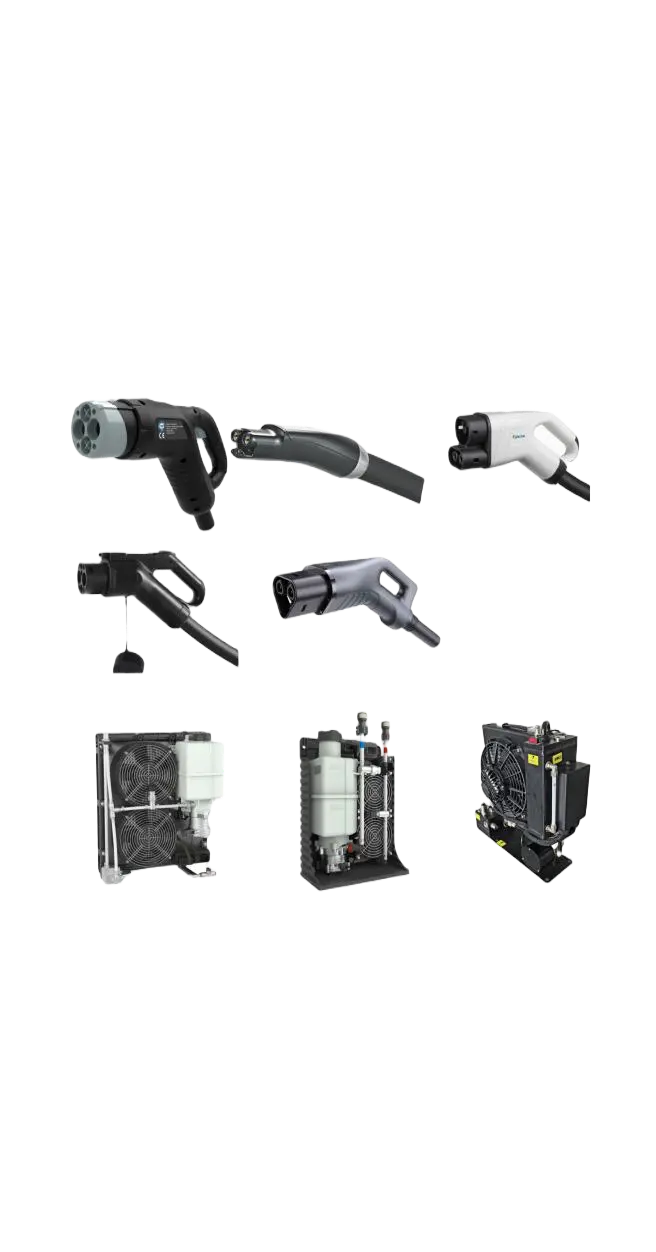
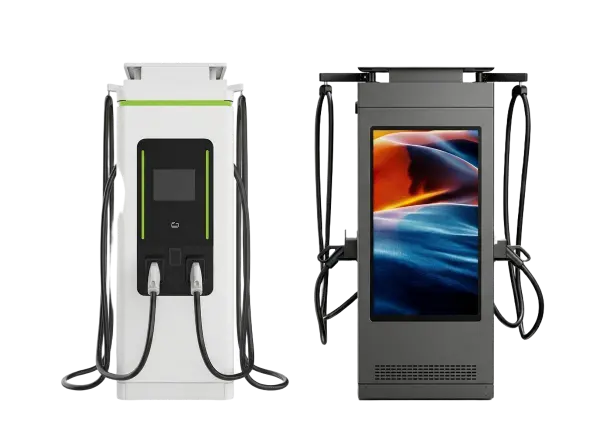
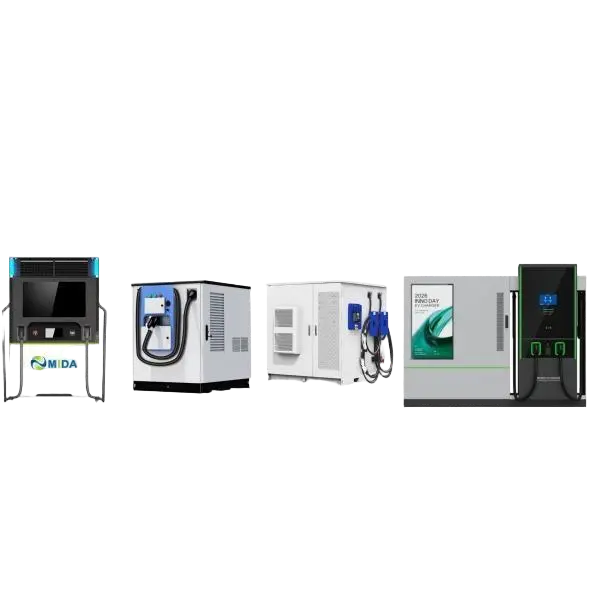
A comprehensive view of our specialized structural classifications
How global buyers balance infrastructure limitations with long-term capital deployment requirements.
B2B procurement professionals from major fleet organizations, electric utility firms, and municipal infrastructure hubs seek high hardware reliability, compliance with global grid standards, and open, secure communication stacks. Typical operational demands include:
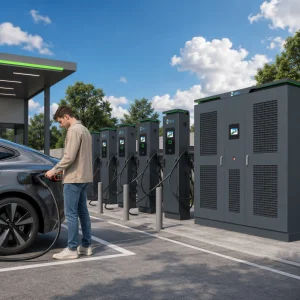
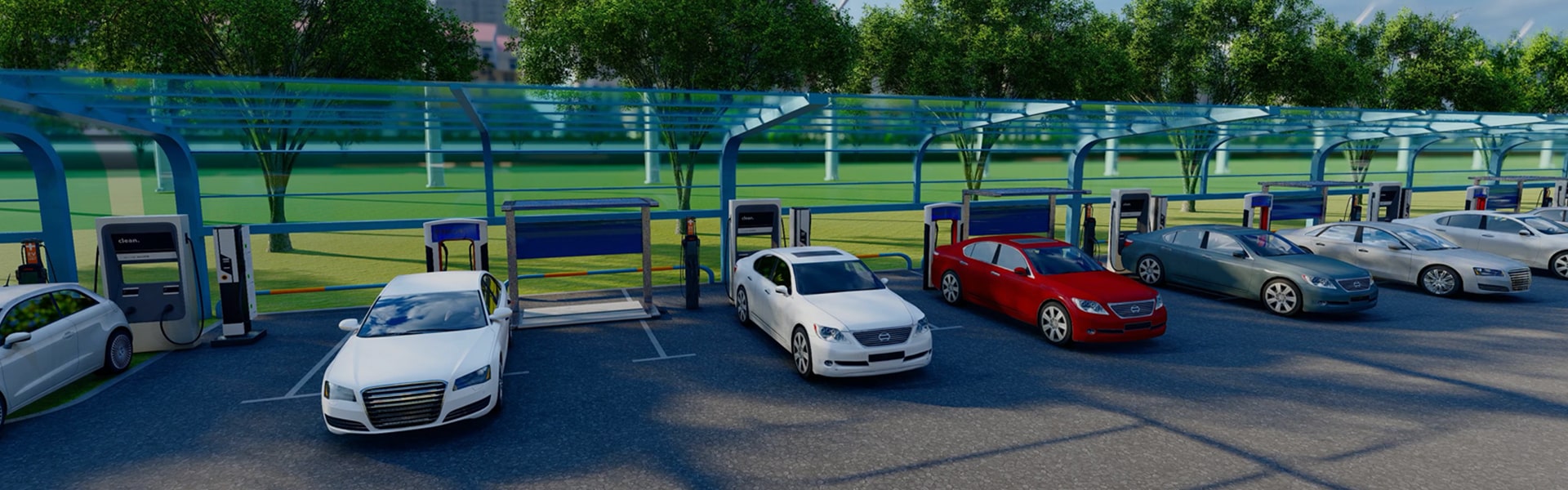
The 20kW DC Charger performs optimally in target scenarios where vehicles park for durations ranging between 1 and 3 hours:
1. Fleet Depots & Logistics Centers: Fleet vehicles like electric postal vans, urban cargo vehicles, and medical transit fleets have operational profiles where overnight charging is mandatory. Installing low-power 20kW DC chargers reduces grid load compared to 150kW options, while completing full charges in a fraction of the time required by AC chargers.
2. Multi-Family Housing & Executive Office Parks: Providing DC charging at office locations allows employees and tenants to charge completely during work hours without taxing the local building grid.
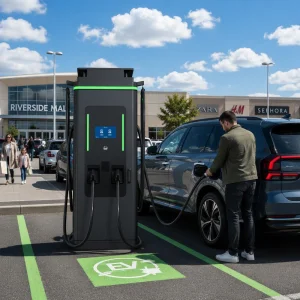
3. Hospitality & Commercial Retail: Retail destinations, municipal parking complexes, and luxury resorts can offer fast-charging incentives, matching typical customer stay times (60 to 120 minutes) perfectly with the output profile of a 20kW DC device.
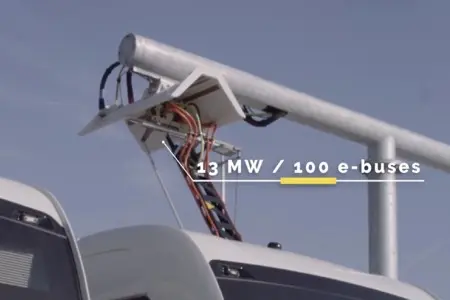
Read technical updates from our heavy-vehicle charging division, specializing in e-bus pantograph systems and heavy transit interfaces.

Get answers to common technical, manufacturing, and shipping questions.
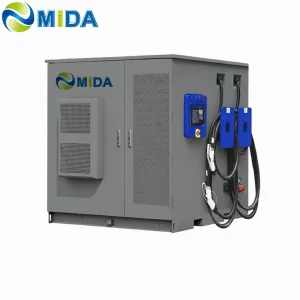
Expand your commercial charging footprint with MIDA's high-power and battery-buffered DC chargers.