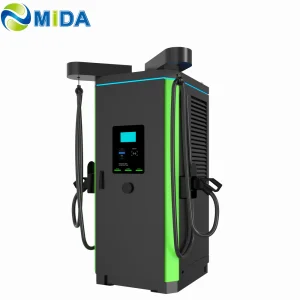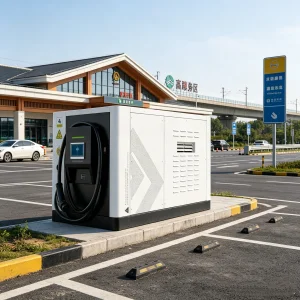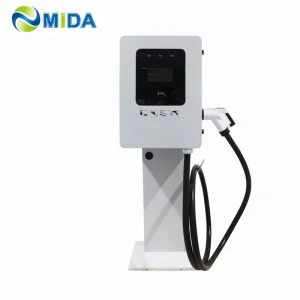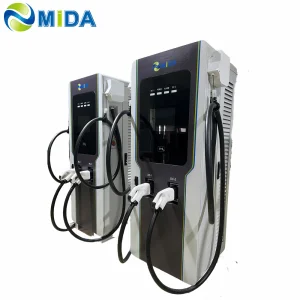
Explore our flagship high-power charging modules, pedestals, and energy systems engineered for maximum uptime and grid compatibility.
A technical assessment of infrastructure scale, electrical topology, and efficiency frameworks driving transition in fleet operations.
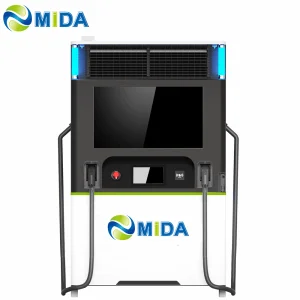
As the electrification of passenger and commercial transit accelerates worldwide, the demand for fast, efficient, and dynamic charging options has reached a critical bottleneck. In this landscape, the 180kW DC Fast Charger has emerged as the definitive global sweet spot. It provides high power output without requiring the massive capital expenditures associated with localized grid upgrades necessary for 350kW+ ultra-fast chargers. 180kW platforms offer a balanced charging profile capable of replenishing the modern battery pack of an electric passenger vehicle or delivery van to 80% capacity within 20 to 30 minutes.
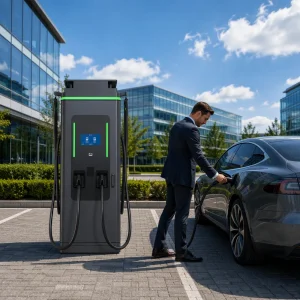
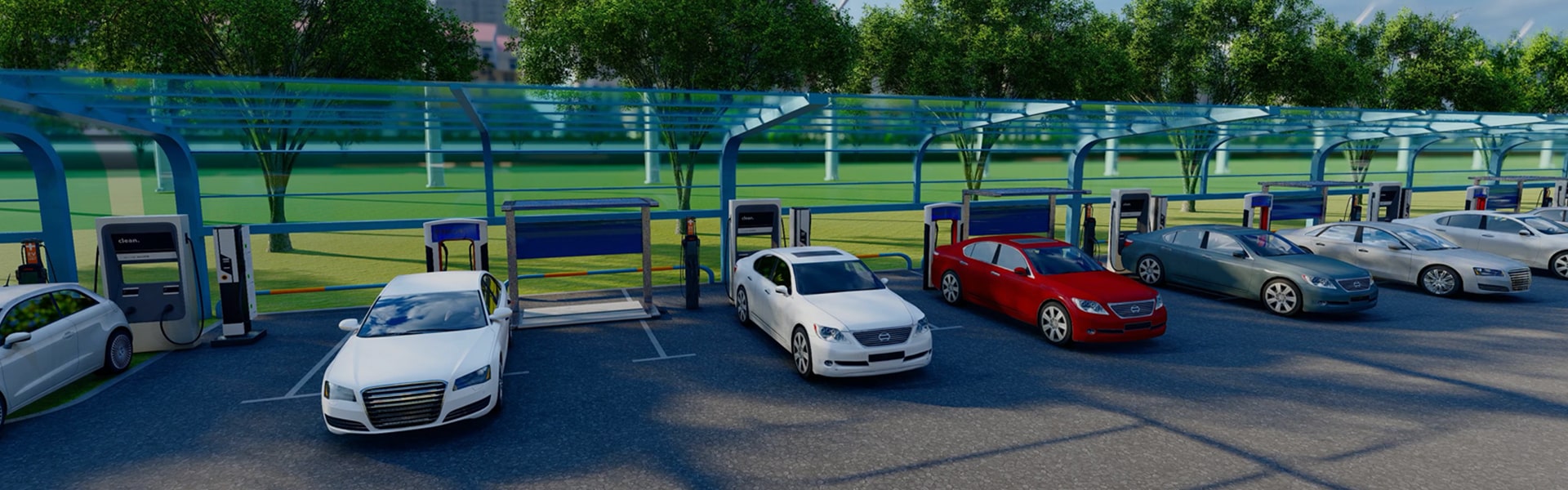
This power tier has become the baseline infrastructure for retail hubs, highway service areas, municipal transit parking, and commercial logistics fleets. The adoption of 180kW DC fast charging systems allows logistics networks to turn around delivery vans quickly during shift changes, minimizing down-time. Furthermore, the integrate-ability of 180kW units makes them highly attractive to destination networks (hotels, retail plazas, workplaces) that must deploy high-speed charging solutions while working within the limits of existing commercial electrical connections.
Procuring fast-charging hardware on a global scale demands strict attention to load management and grid integration. Standard chargers without dynamic power sharing risk overloading local power networks. High-end Chinese manufacturers address this challenge by embedding Dynamic Load Balancing (DLB) technologies directly into the charger control systems. By splitting the 180kW supply dynamically between two outlets (e.g., dual 90kW or variable increments like 120kW and 60kW), site operators can serve two vehicles simultaneously. This maximizes grid usage, increases operator profits, and reduces wait times.
| Technical Criteria | 180kW Dual-Gun Configuration | Ultra-Fast 350kW Dispenser | Standard 60kW DC Charger |
|---|---|---|---|
| Grid Connection Requirement | ~200 kVA Transformer | ~400 kVA Transformer (High CAPEX) | ~75 kVA Transformer |
| Dynamic Load Balancing (DLB) | Supports 2x90kW or variable split | Supports multiple outputs / liquid-cooled | Usually single output |
| Typical Vehicle Charge Time (10%-80%) | ~20 - 25 minutes | ~10 - 15 minutes (depending on battery) | ~50 - 60 minutes |
| Deployment Suitability | Commercial plazas, Fleet depots, Highways | Dedicated highway corridors | Destination & Last-mile logistics depots |
China's dominance in the global EV charger manufacturing space is not merely a matter of scale, but of complete supply chain integration. The EV infrastructure sector in China benefits from clustered production ecosystems where core components are sourced locally. From raw copper draw-cables to advanced liquid-cooled power modules, every link in the supply chain is closely connected. Shanghai Mida Cable Group Ltd. serves as a prime example of this vertical integration, executing high-quality controls across all structural levels.
By producing the underlying DC cables (capable of carrying up to 1000A with liquid cooling) and pairing them with high-efficiency power converters, Chinese manufacturers keep production costs low while maintaining high product quality. This level of supply chain control allows manufacturers to quickly pivot and adapt their systems to meet changing international standards, such as NACS integrations in North America, CE certifications in Europe, and GB/T requirements across Asia-Pacific.
Maximum Connector Output
Power Module Efficiency
Advanced Protocol Ready
Countries Exported To

Explore our engineering capabilities across EV charger power modules, connectors, fast-charging stations, and integrated energy storage systems.
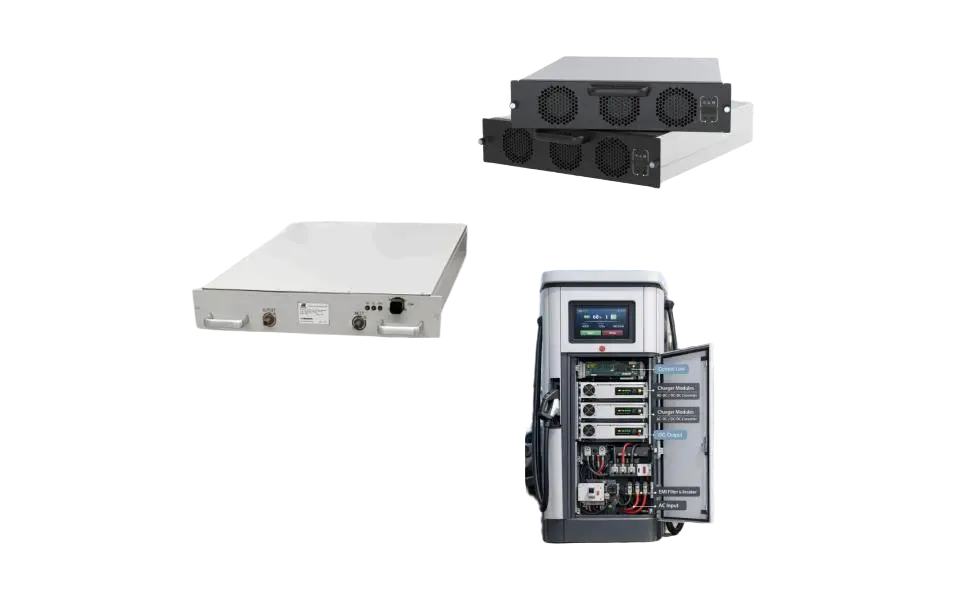
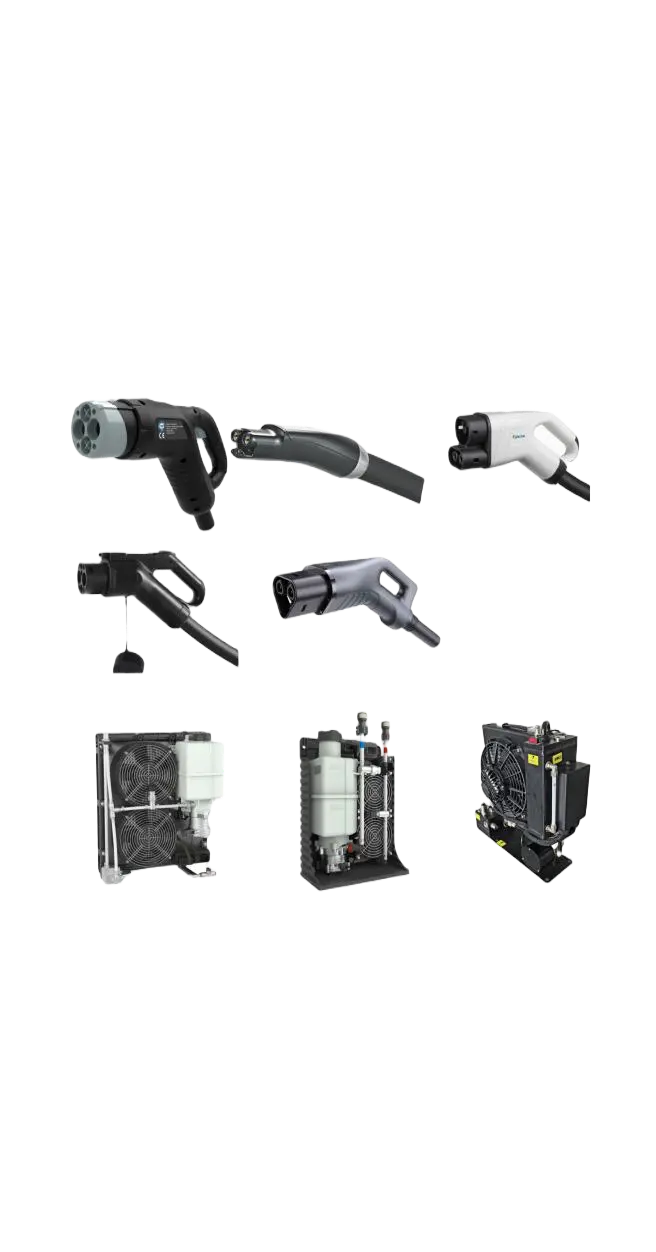
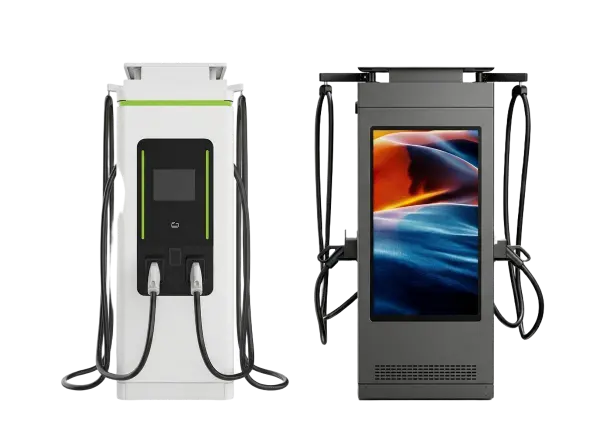
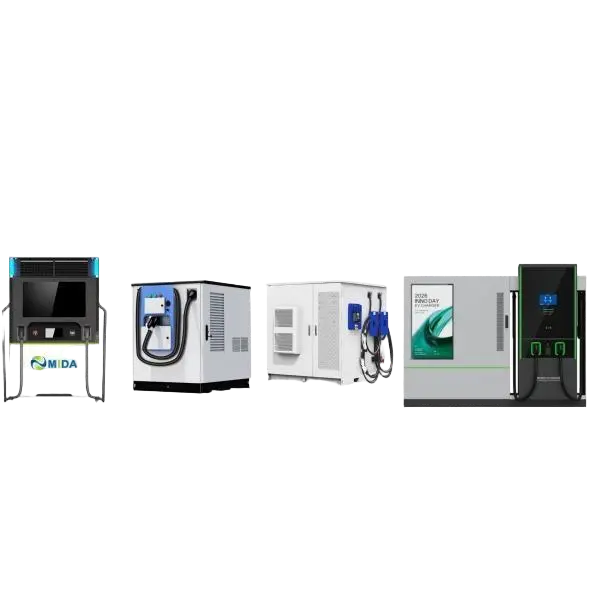
Different regions present unique challenges for deploying 180kW EV charging equipment. In North America, hardware must fit into the regulatory system of the National Electrical Code (NEC), comply with UL 2202 and UL 2231 standards, and support the emerging NACS (SAE J3400) connection interface alongside traditional CCS1 plugs. In addition, projects using NEVI (National Electric Vehicle Infrastructure) funding require at least 97% operational uptime, making reliable diagnostics and high mean time between failures (MTBF) critical design goals.
In Europe, the situation is different. Charging stations must comply with CE directives and possess MID (Measuring Instruments Directive) certified power meters for fair commercial billing. German installations, for example, require adherence to strict "Eichrecht" calibration laws to ensure that energy measurements are transparent and tamper-proof. Furthermore, European power grids require chargers to support smart features like reactive power control. This enables stations to adjust their operation during peak demand, protecting grid stability.
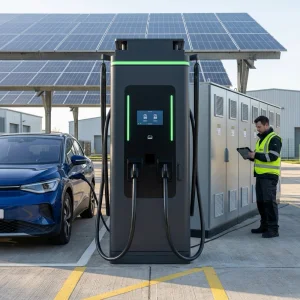
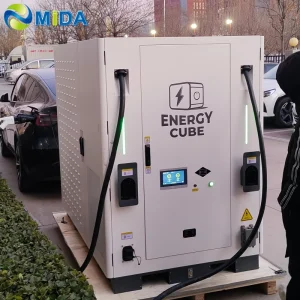
In locations with weak grid connections, deploying multiple 180kW DC chargers is often difficult without upgrades to the local substation. An increasingly popular solution is integrating the chargers with local Solar PV systems and Battery Energy Storage Systems (BESS). An integrated BESS can charge from solar panels during the day or draw power from the grid during cheaper off-peak hours. When an EV plugs in, the battery storage supports the grid, delivering the full 180kW power output without drawing excessive peak currents from the utility grid. This configuration is ideal for rural highways, large corporate parks, and logistics centers seeking to control their energy costs.
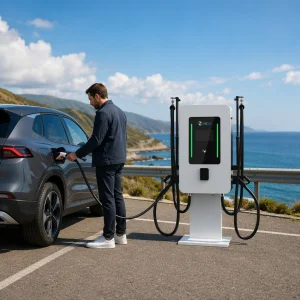
Operating through dedicated facilities under Shanghai Mida Cable Group, we provide tailored engineering solutions for private-label distributors, utility operators, and charge point network managers. Whether your projects require custom branding, dual-connector configurations, specific payment integrations (such as credit card terminals, RFID, or mobile apps), or special environment prep (like NEMA 4X / IP55 rated housings for wet or coastal climates), Mida delivers. Our design process guarantees full compatibility with OCPP 1.6J and OCPP 2.0.1 protocols. This allows operators to integrate our hardware with any back-office software platform for management, billing, and remote troubleshooting.
Expert insights on grid demands, compliance, component lifespan, and global procurement procedures.
Insights into our transit innovation projects, heavy electric bus developments, and pantograph installations.
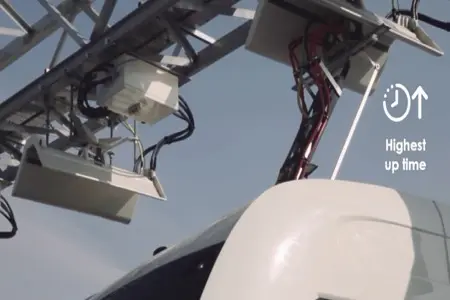
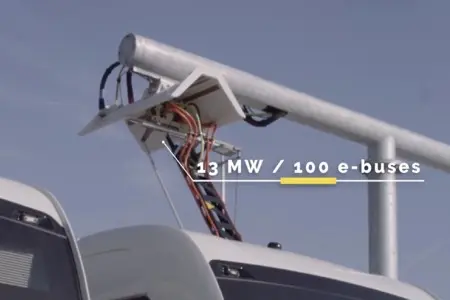
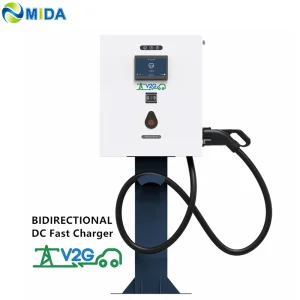
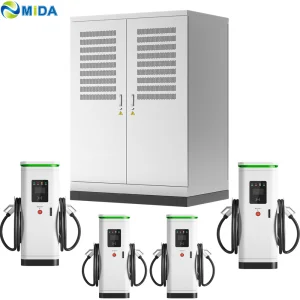
Explore our off-grid solar integrations, high-power split cabinets, and bidirectional V2G systems built for global compliance.