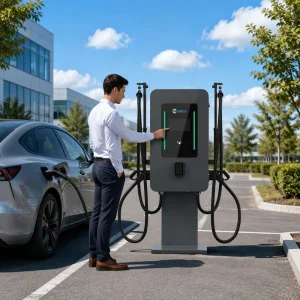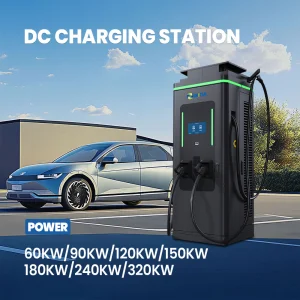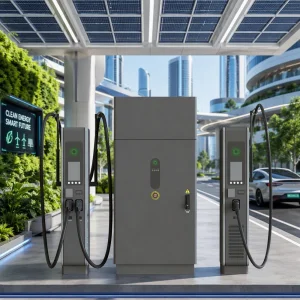
China 150kW EV Charger Suppliers & Factories

High-Power DC Fast Charging Solutions Built on Technological Resilience, Vertical Integration, and Global Compliance Standards

150kW+
Optimal Fast Charge Power
OCPP 2.0.1
Advanced Protocol Integration
ISO 15118
Plug & Charge Ready
96% +
Module Conversion Efficiency

150kW EV Chargers: The Core of Modern Charging Infrastructure

As global electromobility transitions from early adoption to mass-market penetration, the demand for fast, reliable, and intelligent charging infrastructure has reached an unprecedented scale. Within this landscape, the 150kW DC fast charger has emerged as the definitive global sweet spot. It provides high-speed power delivery that balances utility-grid limits, capital expenditure, and thermal efficiency.

For Charge Point Operators (CPOs), fleet managers, and industrial site developers, sourcing 150kW EV chargers from established Chinese factories provides significant advantages. These include access to mature production lines, vertical supply chain integration, and adherence to international protocols.

Global Commercial and Industrial Context

The expansion of long-range electric passenger vehicles and commercial electric vehicles (fleets, delivery vans, and heavy machinery) has highlighted the limitations of lower-capacity AC chargers and low-power 30kW–50kW DC chargers. A 150kW charging system can add approximately 100–150 kilometers of range in 10 to 15 minutes. This capability is essential for minimizing vehicle downtime in key transit corridors, logistics centers, urban public hubs, and highway plazas.

Globally, commercial and industrial sites face challenges including grid constraints, rising installation costs, and complex local safety approvals. Chinese manufacturing facilities address these issues by engineering modular, dynamic, and software-integrated charging stations that optimize grid draw and adapt to local electrical codes.

Information Gain: Dynamic Load Allocation vs. Static Power Sharing

Many standard fast chargers deploy static power configurations: a 150kW charger split evenly into two 75kW outputs regardless of demand. Advanced Chinese design pathways prioritize Dynamic Load Allocation.

  • Intelligent Module Pooling: Power modules (e.g., 30kW or 40kW units) dynamically route output based on real-time Battery Management System (BMS) requests.
  • Higher Station Throughput: If one vehicle requires only 40kW, the remaining capacity (up to 110kW) is instantly redirected to the adjacent connector. This prevents stranded energy assets and maximizes CPO return on investment.
  • Reduced Operating Overhead: By optimizing energy transfer and minimizing heat dissipation, dynamic allocation reduces overall system thermal stress and extends module life cycles.

Localized Application Scenarios

Developing a successful charging network requires adapting equipment to specific local use cases. Mainstream installations generally fall into three key categories:

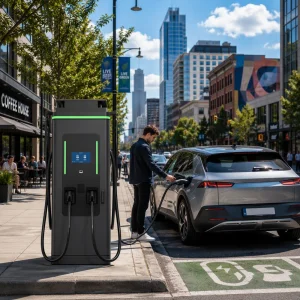
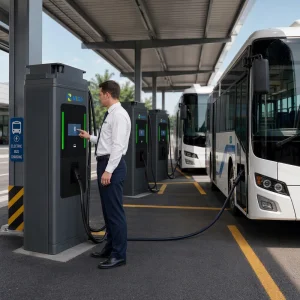
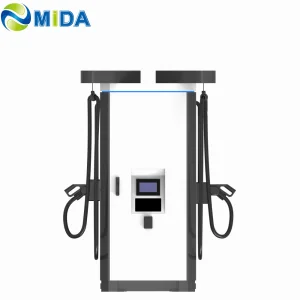
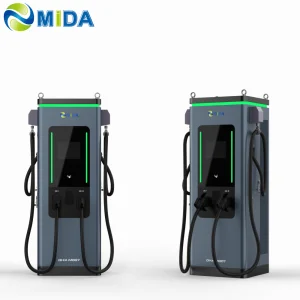
  • Commercial Retail & Destinations: Shopping malls, office campuses, and municipal parking facilities utilize 150kW pedestal or wall-mounted systems. These locations benefit from higher turnover rates than slow-charger networks, while avoiding the extreme grid demands of 350kW+ ultra-chargers.
  • Fleet Logistics Depots: Delivery fleets, municipal utility vehicles, and mid-mile distribution centers rely on scheduled hub charging. Modular 150kW systems allow fleets to execute high-speed charging during lunch hours or shift handovers, keeping transit networks operational.
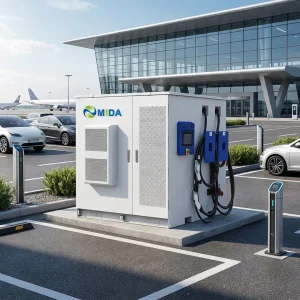
  • Highway Corridors and Public Plazas: Positioned near expressways, 150kW chargers act as critical infrastructure nodes, providing high reliability, weatherproof enclosures (IP54/IP55), and intuitive payment integrations (RFID, mobile applications, and credit terminals).

Supply Chain Resilience & High-Capacity Production Efficiency

China's leadership in the EV charging market is built on mature supply chain ecosystems located in key manufacturing hubs like Shanghai and Shenzhen. This geographic concentration of core component suppliers (such as semiconductors, magnetic components, heavy-duty cables, and copper connectors) provides several advantages:

  • Vertical Module Production: Factories directly manufacture charging power modules, liquid-cooled dispensers, and specialized high-amperage cables under one quality management umbrella.
  • Cost-Effective R&D: Rapid prototyping and extensive field testing cycles allow factories to integrate customer feedback and adjust hardware parameters within weeks rather than months.
  • Global Supply Chain Resilience: Diversified sourcing of key materials ensures production continues even during global component shortages. This maintains stable lead times and predictable cost structures for overseas buyers.

Technical Roadmap: The Next Phase of EV Charging Technology

To future-proof your capital expenditures, it is essential to align with manufacturer technical roadmaps. Core industry trends include:

  • Wide Output Voltage Ranges (150V to 1000V DC): Modern passenger vehicles and utility buses are shifting toward 800V architectures. Chargers must support high-voltage profiles without losing efficiency at lower voltages.
  • Vehicle-to-Grid (V2G) and Bidirectional Power Modules: Utilizing EV batteries to stabilize local grids during peak demands, turning parked vehicle fleets into virtual power plants.
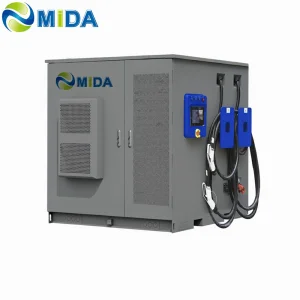
  • Battery Energy Storage System (BESS) Integration: Coupling 150kW DC chargers with localized batteries (BESS) to buffer high peak power draws. This reduces peak demand charges and allows installation in grid-constrained areas.

Global Compliance & Certification Requirements

Exporting power electronics globally requires compliance with regional safety, measurement, and communications standards.

  • ISO 15118 (Plug & Charge): Simplifies user authentication by allowing the vehicle to communicate directly with the charging station via the charging cable. This eliminates the need for RFID cards or mobile apps.
  • OCPP 1.6J and OCPP 2.0.1: Open protocols that guarantee interoperability between hardware and third-party backend management software (CSMS). This gives operators flexibility in choosing software providers.
  • Regional Safety Certifications: Compliance certifications like CE (Europe), UL/FCC (North America), PSE (Japan), and GBT (China) are required to verify electrical safety, electromagnetic compatibility, and grid alignment.

Core Product Configurations

Explore our main product lines designed to support global EV charging infrastructure projects
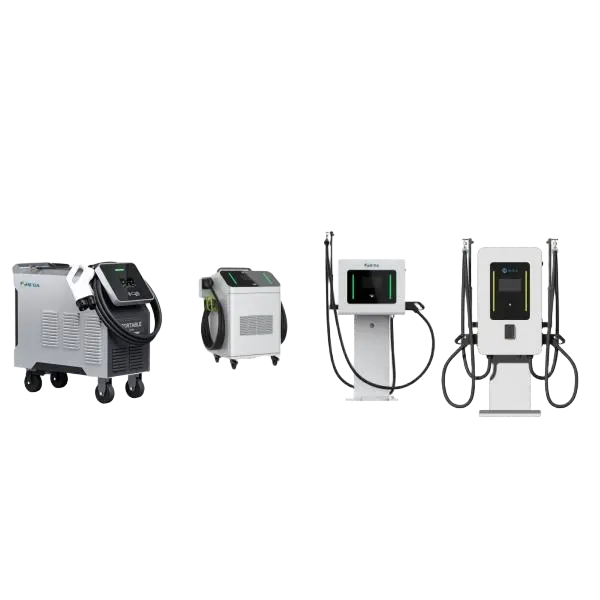
Wall-Mounted/Mobile EV Charger
7kW 20kW 30kW 40kW 60kW 80kW
Wall-Mounted/Mobile EV Charger
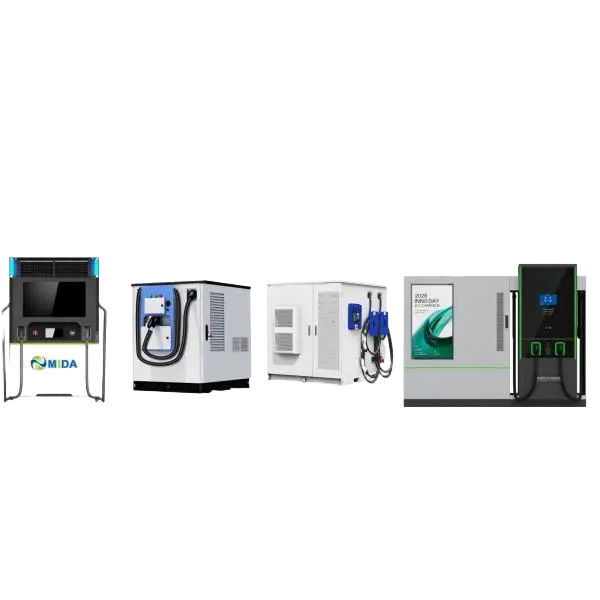
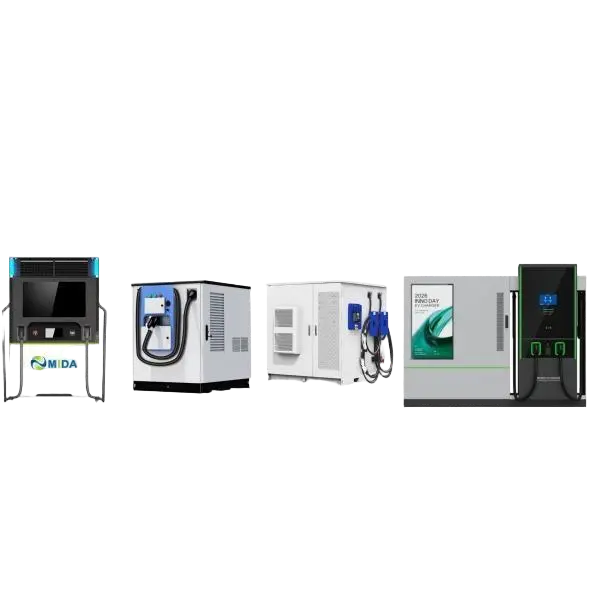
DC Charger Station
60kW-480kW 360kW-1440kW
DC Charger Station
BESS Charging Station
60kWh 261kWh 418kWh 625kWh 2MkWh
BESS Charging Station

WELCOME TO MIDA GROUP

Shanghai Mida Cable Group Ltd. operates through its wholly owned subsidiaries: Shanghai Mida EV Power Co., Ltd., Shenzhen Mida EV Power Co., Ltd., and Shanghai Mida New Energy Co., Ltd.

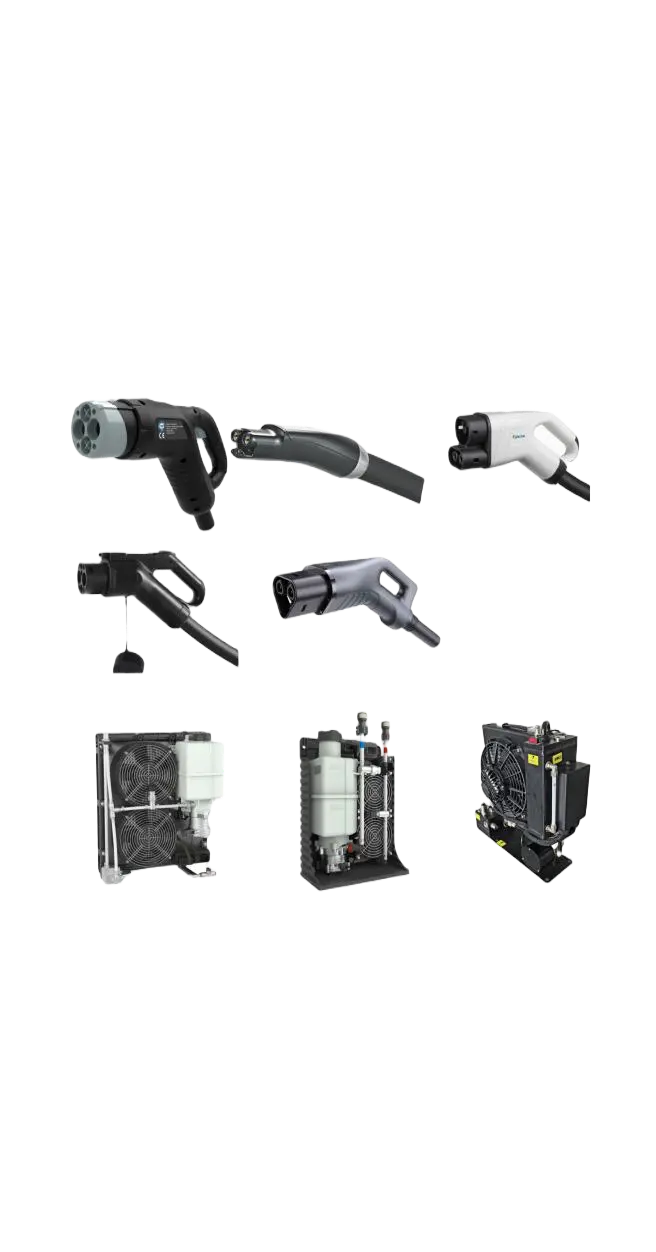
Mida Cable manufactures a comprehensive range of EV charging cables, including 16A–80A J1772 cables, 16A–63A IEC 62196-2 Type 2 cables, and DC fast charging cables: CCS1 (80A–500A), CCS2 (125A–1000A), CHAdeMO (125A–300A), GBT (200A–1000A), and NACS connectors (250A–600A).

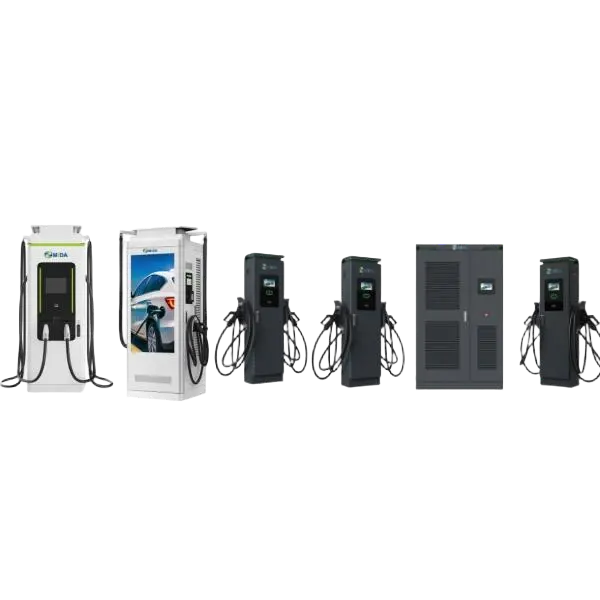
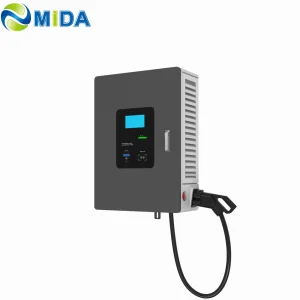
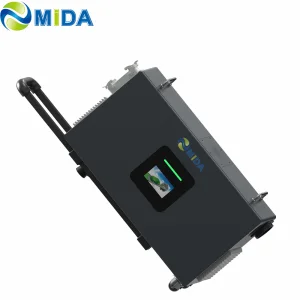
MIDA EV Power produces a full lineup of EV charging stations, such as 7kW–50kW mobile chargers, 3.6kW–7.2kW portable DC chargers, 360kW–1440kW split-type DC fast chargers, 20kW–50kW wall-mounted DC chargers, and 60kW–480kW floor-standing DC fast charging stations.

MIDA New Energy specializes in EV charger power modules, offering 20kW–60kW standard modules, 40kW–125kW liquid-cooled modules, 30kW–62.5kW bidirectional modules, and 20kW–45kW V2G charging modules.

MIDA Logo

MAIN PRODUCTS

Explore our modular component engineering and station manufacturing capabilities
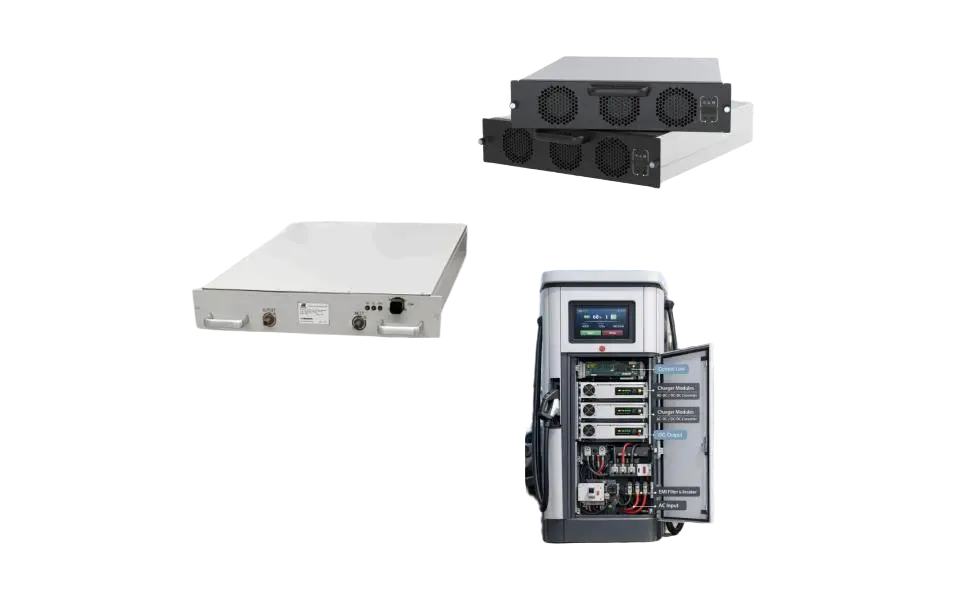
EV Charging Power Module
  • 30kW 40kW 50kW 60kW 80kW AC DC EV Charger Module
  • 30kW 40kW 50kW 60kW DC DC EV Charger Module
  • 40kW 60kW 75kW 125kW Liquid Cooled Power Module
  • 20kW 22kW 30kW 40kW 45kW V2G Power Module
  • 30kW 40kW 50kW 60kW MPPT Power Module
  • 20kW 50kW 62.5kW Bidirectional AC DC Power Module
EV Charging Power Module
DC Connector & Cooling Unit
  • 500A 600A CCS1 & CCS2 & GBT Connector
  • 125A 250A 300A 350A NACS & CHAdeMO Connector
  • 1500A MCS Connector & CHAOJI Connector
  • 3.5kW 4.5kW 6kW 9kW Integrated Liquid Cooling Unit
  • 2.4kW 3.5kW Split Type Cooling Unit
  • 25kW ~72kW Cooling Unit for HPC Charging
DC Charging Connector
DC Fast Charger Station
  • 7kW~ 60kW Mobile DC Charging Station
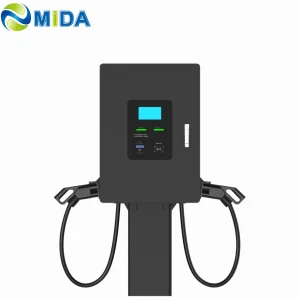
  • 20kW ~80kW Wall Mounted DC Charging Station
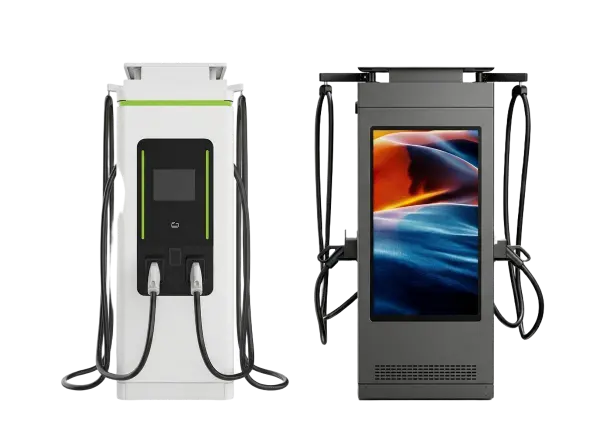
  • 60kW ~480kW Floor Mounted Charging Station
  • 60kW~240kW Advertising Charger (43", 55")
  • 600kW ~1080kW Liquid Cooled Charging Station
  • 360kW ~ 1680kW Split Type DC Charging Station
DC Fast Charger Station
Energy Storage Charging Station
  • 15kW~480kW Mobile ESS Charging Station
  • 60kW ~ 400kW Integrated ESS Charging Piles
  • 65kWh~200kWh Emergency Rescue Charging Station
  • 165kwh Automatic Charging Robot
  • 800kwh~2000kwh Solar Energy Charging System
Energy Storage Charging Station

CORPORATE NEWS

Insights into High-Power Charging Technology and Next-Generation Systems

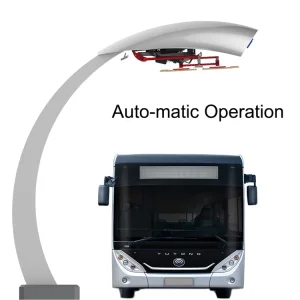
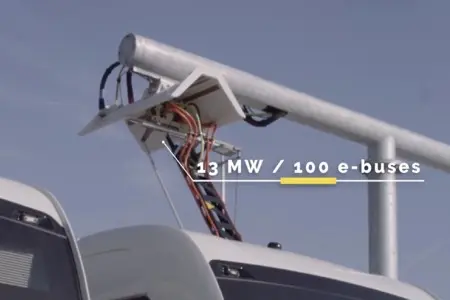
e-bus pantograph advantages
What are the advantages of an e-bus pantograph dome? In contrast to classic plug-in charging systems, e-bus pantographs...
Date: 26-07-12 View More
e-bus pantograph charging time
How long does it take to charge with an e-bus pantograph? The charging time depends on the battery capacity and the...
Date: 26-07-12 View More
Install Pantograph Up Charger
How to Install the Pantograph Up Charger System Dome for Electric Bus Installing a "Pantograph Up" system...
Date: 26-07-12 View More

Expert FAQ: Sourcing 150kW EV Chargers from China

Technical, logistical, and compliance answers for international procurement managers

What is the difference between integrated and split-type 150kW DC chargers?
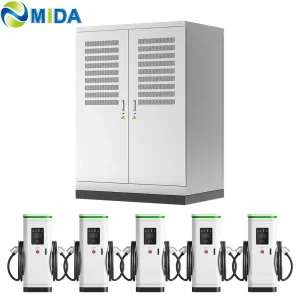
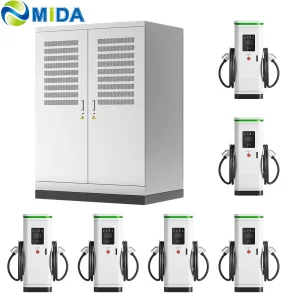
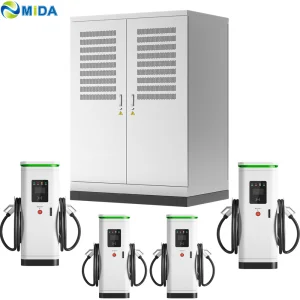
Integrated chargers contain both the power modules and the user interface dispenser in a single cabinet. Split-type configurations separate the power cabinet from the user dispenser. This allows CPOs to place the noisy, bulky power modules in a utility area while keeping the sleek dispenser in tight parking zones.
How does dynamic power allocation improve ROI?
Dynamic power allocation routes power modules to where they are needed in real-time. Instead of statically splitting a dual-gun charger into fixed outputs, the charger can supply one vehicle with 120kW and the second vehicle with 30kW, reducing charging times and increasing vehicle throughput.
Which charging standards do Chinese 150kW chargers support?
Export-focused Chinese factories design systems supporting European standards (CCS2, Type 2 AC), North American standards (CCS1, NACS), Japanese standards (CHAdeMO), and domestic Chinese standards (GB/T). All modern configurations utilize standard OCPP protocols for software connectivity.
Are 150kW DC chargers compatible with 800V vehicle architectures?
Yes. Modern chargers feature a wide output voltage range, typically from 150V up to 1000V DC. This ensures compatibility with both standard 400V battery systems and next-generation 800V architectures, allowing the station to deliver full output power without performance drops.
What are the grid requirements for installing a 150kW DC charger?
A 150kW DC charger requires a 3-phase AC input (typically 380V-480V) and a grid service capacity capable of supporting at least 160-180kVA of apparent power. This accounts for system efficiency losses and power factor variables during peak loads.
How do factories test chargers for harsh environmental conditions?
Units undergo environmental testing inside controlled chambers, simulating operating temperatures from -30°C to +55°C, high humidity levels, salt mist conditions (for coastal installations), and water ingress to achieve IP54/IP55 ratings.