China 150 Kw Ev Charging Station Suppliers & Factories

High-Power Infrastructure, Integrated Global Supply Chain & Deep E-E-A-T Sourcing Compliance for Modern Commercial EV Fleets

Unrivaled Advantages of China's EV Charging Supply Chain

A comprehensive analysis of how manufacturing hubs like Shanghai and Shenzhen achieve operational efficiency, speed-to-market, and unparalleled technical cost optimization.

Vertically Integrated Manufacturing Ecosystems

China's EV power electronics ecosystem spans raw semiconductor processing, magnetic component fabrication, thermal solution engineering, and smart software integration. Centered in major industrial zones, factories rapidly secure core high-power hardware configurations with local supply lines, reducing lead times to a fraction of global averages.

Advanced Power Electronics Integration

At the center of any 150 kW DC EV charging station lies the charging module. Chinese factories harness state-of-the-art Silicon Carbide (SiC) MOSFETs, offering high thermal efficiency and operating temperatures, lowering cooling demands, and achieving active energy conversion rates of up to 96% to reduce operational footprint.

Economies of Scale & Material Sourcing

Mass-market adoption of domestic electric passenger vehicles and public transport systems has catalyzed high volume output. This allows local manufacturers to command robust raw material pricing and achieve scale, giving global distributors and charging point operators (CPOs) a definitive cost edge.

Information Gain Insight: The true distinction of top-tier Chinese manufacturers is their control over software-hardware interfaces. Unlike basic assembly shops, tier-one factories design their proprietary SECC (Supply Equipment Communication Controller) and PLC (Power Line Communication) boards, enabling granular firmware control and fast, over-the-air (OTA) updates to keep stations compliant with evolving global vehicle profiles.
WELCOME TO

MIDA GROUP

Shanghai Mida Cable Group Ltd. operates through its wholly owned subsidiaries: Shanghai Mida EV Power Co., Ltd., Shenzhen Mida EV Power Co., Ltd., and Shanghai Mida New Energy Co., Ltd. We offer an extensive, certified lineup built to meet the needs of international infrastructure deployments.

Mida Cable manufactures a comprehensive range of EV charging cables, including 16A–80A J1772 cables, 16A–63A IEC 62196-2 Type 2 cables, and DC fast charging cables: CCS1 (80A–500A), CCS2 (125A–1000A), CHAdeMO (125A–300A), GBT (200A–1000A), and NACS connectors (250A–600A).

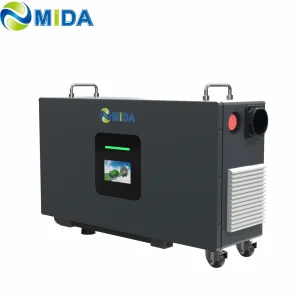
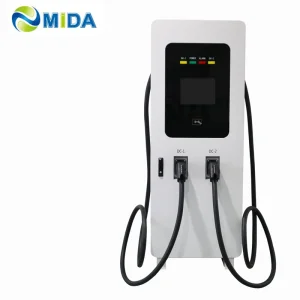
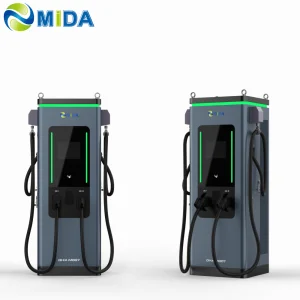
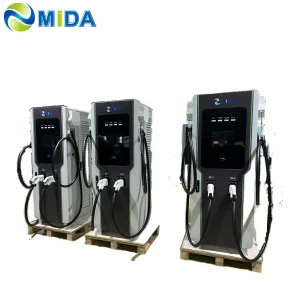
MIDA EV Power produces a full lineup of EV charging stations, such as 7kW–50kW mobile chargers, 3.6kW–7.2kW portable DC chargers, 360kW–1440kW split-type DC fast chargers, 20kW–50kW wall-mounted DC chargers, and 60kW–480kW floor-standing DC fast charging stations.

MIDA New Energy specializes in EV charger power modules, offering 20kW–60kW standard modules, 40kW–125kW liquid-cooled modules, 30kW–62.5kW bidirectional modules, and 20kW–45kW V2G charging modules.

MIDA Verification and Certifications

Global Enterprise Sourcing & Interoperability Standards

Key technical specifications that grid operators, utilities, and commercial buyers must address when importing 150 kW DC charging systems.

OCPP 1.6J / 2.0.1 Compliance

For successful large-scale integration, standard open network capabilities are vital. Interoperability with modern CSMS (Charging Station Management Systems) guarantees secure backend billing, remote health monitoring, dynamic tariff implementation, and local grid load profiles.

Power Sharing & Allocation

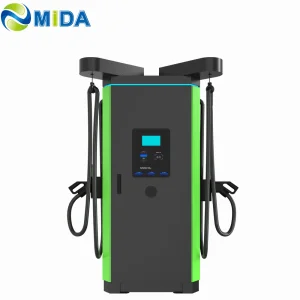
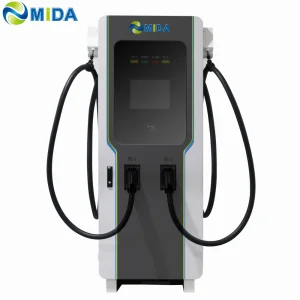
A true commercial-grade 150 kW DC station must utilize smart power sharing across twin connector lines. Dynamic distribution enables optimized delivery (e.g., 75 kW + 75 kW, or a single 150 kW line) depending on connected battery configurations and utility grid availability.

Thermal and Acoustic Systems

Operating in high-ambient environments requires sophisticated cooling mechanisms. High-performance air-cooled modular setups or advanced liquid-cooled solutions prevent thermal throttling, extend system lifecycles, and minimize acoustic noise levels in urban areas.

Cybersecurity & Data Integrity

As key grid infrastructures, charging hardware must be secured. Encrypted communications via TLS, secure boot architecture, and rugged localized hardware firewalls prevent external network manipulation, data breaches, and illegal access to vehicles.

Regional Regulatory Compliance & On-Site Operational Support

Transitioning from export standard configurations to compliant local infrastructure deployment.

CE / UL

Grid Connection & Safety Certifications

Ensuring compliance with localized electrical standards is critical. Units must support national grid parameters, providing robust over-voltage protection, leakage current detection (Type B RCD), ground fault loops, and strict electromagnetic compliance (EMC Class A/B) for grid stability.

Eichrecht

Local Billing Regulations & MID Metrics

Deploying public infrastructure across jurisdictions like Germany requires calibration-compliant meters. MIDA systems support MID-approved AC/DC energy meters and Eichrecht-compliant signature gateways, guaranteeing correct, transparent billing for individual end-users.

SLA

Global Field Partners & SLA Delivery

Deploying high-power hardware requires dependable field maintenance support. MIDA maintains strategic alliances with overseas engineering networks to deliver modular parts replacement, priority field service dispatches, and 2nd-level remote assistance within strict SLA timelines.

96.5%
Peak Conversion Efficiency
100k+
Mean Time Between Failures (Hrs)
80+
Export Countries Active
IP55+
Robust Outdoor Enclosure

Commercial Operating Scenarios for 150 kW DC Stations

Where 150 kW output achieves the optimal balance between initial grid capital outlay and vehicle fast-charging requirements.

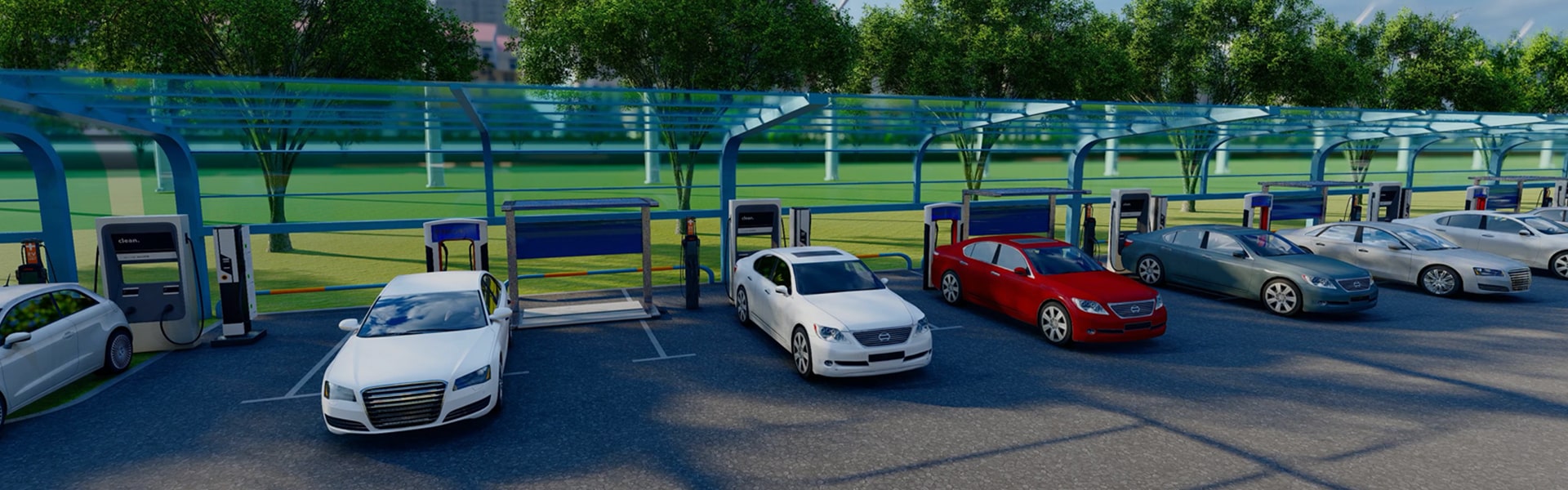
Urban Fleet & Logistic Depots

For delivery vans, postal fleets, and intra-city logistics hubs, 150 kW units serve as the ideal core fast-charging tool. It enables overnight fleet optimization or quick mid-shift top-ups, maximizing daily range without requiring expensive medium-voltage substation grid upgrades.

Retail Hubs & Public Destination Parking

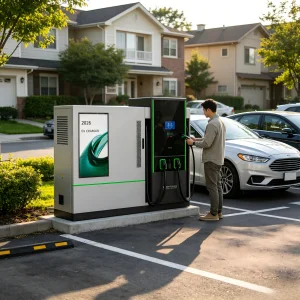
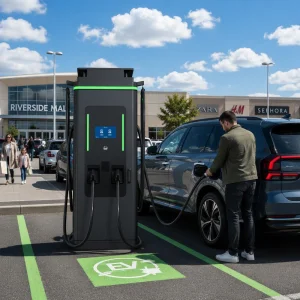
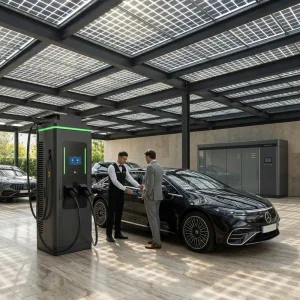
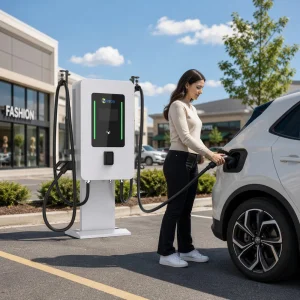
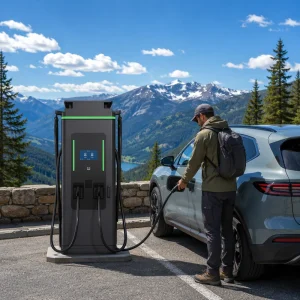
Public commercial parking spaces at shopping malls, business parks, and hotels benefit from dual-outlet 150 kW fast chargers. Providing customer dwell times of 30 to 45 minutes, these systems supply substantial range upgrades, attracting high-end EV drivers and generating local revenue.

Highway Corridor Infills

While ultra-fast chargers (350 kW+) support premium passenger vehicles, 150 kW charging loops offer cost-effective highway infrastructure redundancy. They deliver dependable fast charging for diverse passenger cars and light commercial vehicles, ensuring smooth corridor operations.

MAIN PRODUCT CATEGORIES

Comprehensive high-power infrastructure and energy storage solutions from Mida Group.

EV Charging Power Module

  • 30kW 40kW 50kW 60kW 80kW AC DC EV Charger Module
  • 30kW 40kW 50kW 60kW DC DC EV Charger Module
  • 40kW 60kW 75kW 125kW Liquid Cooled Power Module
  • 20kW 22kW 30kW 40kW 45kW V2G Power Module
  • 30kW 40kW 50kW 60kW MPPT Power Module
  • 20kW 50kW 62.5kW Bidirectional AC DC Power Module

DC Charging Connector & Liquid Cooling Unit

  • 500A 600A CCS1 & CCS2 & GBT Connector
  • 125A 250A 300A 350A NACS & CHAdeMO Connector
  • 1500A MCS Connector & CHAOJI Connector
  • 3.5kW 4.5kW 6kW 9kW Integrated Liquid Cooling Unit
  • 2.4kW 3.5kW Split Type Cooling Unit
  • 25kW ~72kW Cooling Unit for HPC Charging

DC Fast Charger Station

  • 7kW~ 60kW Mobile DC Charging Station
  • 20kW ~80kW Wall Mounted DC Charging Station
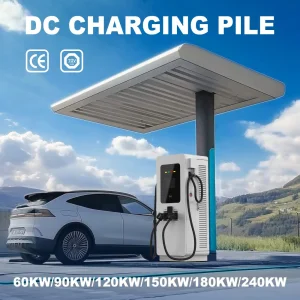
  • 60kW ~480kW Floor Mounted Charging Station
  • 60kW~240kW Advertising Charging Station (43inch , 55inch )
  • 600kW ~1080kW Liquid Cooled Charging Station
  • 360kW ~ 1680kW Split Type DC Charging Station

Energy Storage Charging Station

  • 15kW~480kW Mobile ESS Charging Station
  • 60kW ~ 400kW Integrated ESS Charging Piles
  • 65kWh~200kWh Emergency Rescue Charging Station
  • 165kwh Automatic Charging Robot
  • 800kwh~2000kwh Solar Energy Charging System

AC EV Charger

Wall-Mounted / Mobile EV Charger Options

7kW 20kW 30kW 40kW 60kW 80kW
AC EV Charger Grid
AC Detail
View More

DC Charger Station

High Performance DC Fast Chargers

60kW-480kW 360kW-1440kW
DC Fast Charger Grid
DC Detail
View More

BESS Charging Station

Battery Energy Storage Integration

60kWh 261kWh 418kWh 625kWh 2MkWh
BESS Charging Station Grid
BESS Detail
View More

Technology Roadmap: V2G & Liquid-Cooled Infrastructure

Harnessing bidirectional power flow and high-density liquid cooling for the next generation of smart grids.

Active Vehicle-to-Grid (V2G)

By deploying bidirectional AC/DC power modules (such as our 20kW-45kW systems), chargers become active grid assets. When vehicle demand drops, the fleet can feed stored energy back into the local distribution grid to balance local peak demand.

High-Density Liquid Cooling

Traditional cooling reaches its physical limits at scale. Liquid-cooled modules (40kW to 125kW) channel coolant directly to primary heat sources, eliminating high fan noise and permitting robust operation in dust-heavy and coastal sites.

Integrated Storage (BESS)

By combining local battery energy storage (60kWh to 2MWh) with 150 kW DC charging stations, operators can buffer high charging loads, reduce peak grid demand fees, and support continuous operation even during grid outages.

Next-Gen NACS & MCS Solutions

As connection interfaces standardise, hardware must adapt. Native support for Megawatt Charging Systems (MCS) alongside Tesla-compatible NACS connectors ensures future-proof infrastructure deployments across diverse global markets.

Technical and Procurement FAQ

In-depth responses from our technical directors to key questions during initial project planning and hardware sourcing.

What is the efficiency of a 150 kW DC charging station under continuous high load?
Our premium 150 kW DC charging stations utilize high-efficiency SiC power modules to achieve a peak efficiency rate of 96.5%. Under continuous full load, the efficiency remains above 95.2%, minimizing thermal losses and significantly lowering active cooling demand and operational power costs.
How does dynamic power allocation function in a dual-connector 150 kW setup?
Our systems utilize an intelligent internal controller that continuously monitors vehicle battery requests (via CCS or NACS protocols). If one vehicle is connected, the station delivers the full 150 kW. If two vehicles connect simultaneously, the system dynamically balances the load—splitting it either evenly (75 kW each) or dynamically (e.g., 90 kW and 60 kW) based on real-time state-of-charge (SoC) profiles.
What certifications are required to import these systems into Europe and North America?
For European deployments, stations must carry CE-EMC, CE-LVD, and MID metering compliance, alongside Eichrecht calibration support where public billing is required. For North American deployments, UL 2202 and UL 2231-1/-2 compliance is essential. MIDA products undergo rigorous testing through third-party laboratories (like TÜV, SGS, and Intertek) to ensure smooth grid connections.
Can the firmware be customized to support proprietary fleet management software?
Yes. Our internal software team can modify the OCPP 1.6J/2.0.1 implementation to support proprietary backend servers, customize authentication protocols (like RFID, ISO 15118 Autocharge, and Plug & Charge), and integrate custom diagnostic parameters.

CORPORATE NEWS & INSIGHTS

Stay updated on the latest technological advancements in electric transit infrastructure and bus pantographs.

E-bus pantograph dome advantages

What are the advantages of an e-bus pantograph dome? In contrast to classic plug-in charging systems, e-bus pantogra...

26-07-12 View More →
E-bus pantograph charging time

How long does it take to charge with an e-bus pantograph? The charging time depends on the battery capacity and the ...

26-07-12 View More →
Install Pantograph Up Charger System

How to Install the Pantograph Up Charger System Dome for Electric Bus Installing a “Pantograph Up” syste...

26-07-12 View More →
MIDA EV Charger Factory Operations