High-performance DC chargers engineering to scale municipal and commercial EV fleets
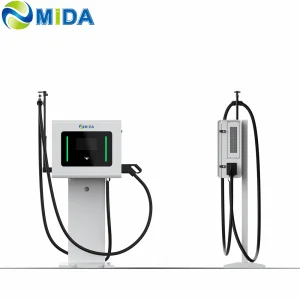
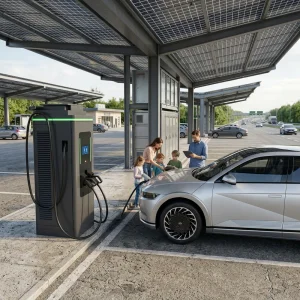
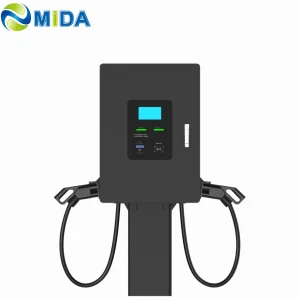
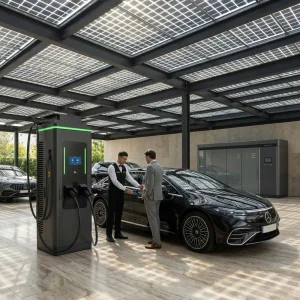
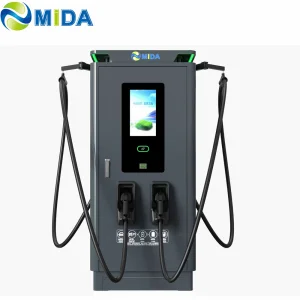
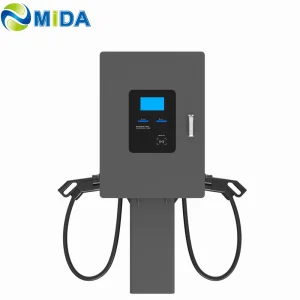
Utilizing high-frequency isolated AC/DC converter topologies to squeeze up to 120kW output within minimal enclosure footprints.
Configured with dual-outlet connectors allocating flexible power modules dynamically based on EV battery Management System requests.
Low harmonic distortion (THD < 5%) and power factor correction (> 0.99) protecting upstream distribution grid infrastructure.
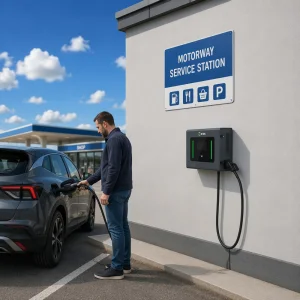
As fleet operators, public charging networks, and highway corridors scale up, selecting the optimal power capacity for DC EVSE (Electric Vehicle Supply Equipment) becomes critical. While destination AC charging covers parking structures and overnight depots, the demand for fast turnaround times has turned the industry focus towards Level 3 DC Fast Chargers. Among various power nodes, the 120kW DC fast charging station stands out as the ultimate inflection point between initial capital expenditure (CAPEX) and grid demand optimization.
The adoption of 120kW DC chargers is driven by diverse global use cases. In the logistics sector, last-mile delivery vans require fast charging turnarounds that cannot be accommodated by 7kW or 22kW AC systems. An AC charge takes 6 to 10 hours, which is too slow for commercial duty cycles. However, installing ultra-high-power megawatt-level chargers requires massive substations, which leads to high utility costs and complex permitting processes.
A 120kW EV charging station bridges this gap, delivering up to 60-80 miles of range in just 15-20 minutes. It operates within the voltage capacities of standard medium-voltage grid connections, avoiding the need for dedicated utility transformer overhauls in most light industrial zones.
China's role as a major manufacturer of 120kW EV charging stations is backed by a highly integrated supply chain. The Yangtze River Delta and Greater Bay Area house full-cycle manufacturing hubs, from raw copper refining for charging cables to the production of high-performance wide-bandgap silicon carbide (SiC) MOSFETs for power modules.
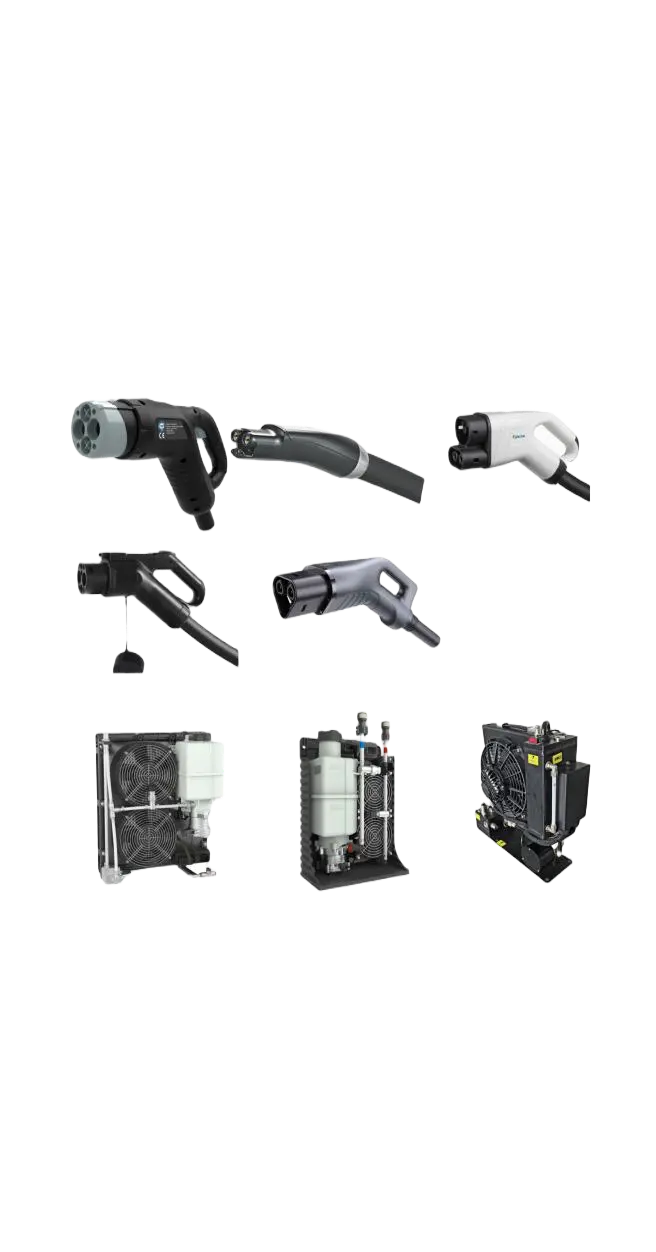
Companies like MIDA Group leverage this ecosystem to manage costs and maintain quality control. By manufacturing EV charging cables and connectors in-house (supporting CCS1, CCS2, NACS, CHAdeMO, and GBT standards), we ensure physical component compatibility, minimize electrical contact resistance, and reduce thermal stress during high-current charging sessions.
To succeed in international markets, charging systems must comply with local grid standards. In Europe, this means meeting CE, EN 61851, and PTB/MID billing regulations. In North America, UL 2202 and CSA C22.2 listing are essential. Furthermore, security protocols like OCPP 1.6J and OCPP 2.0.1 are standard requirements for integrating with third-party software networks (CSMS). Compliance with ISO 15118 enables features like Plug & Charge, letting drivers start charging securely without needing RFID cards or mobile apps.
Shanghai Mida Cable Group Ltd. operates through its wholly owned subsidiaries: Shanghai Mida EV Power Co., Ltd., Shenzhen Mida EV Power Co., Ltd., and Shanghai Mida New Energy Co., Ltd. This structure allows us to lead in EV infrastructure, cable engineering, and clean power modular technologies.
Mida Cable manufactures a comprehensive range of EV charging cables, including 16A–80A J1772 cables, 16A–63A IEC 62196-2 Type 2 cables, and DC fast charging cables: CCS1 (80A–500A), CCS2 (125A–1000A), CHAdeMO (125A–300A), GBT (200A–1000A), and NACS connectors (250A–600A).
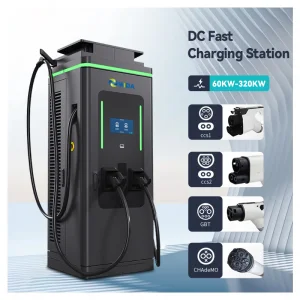
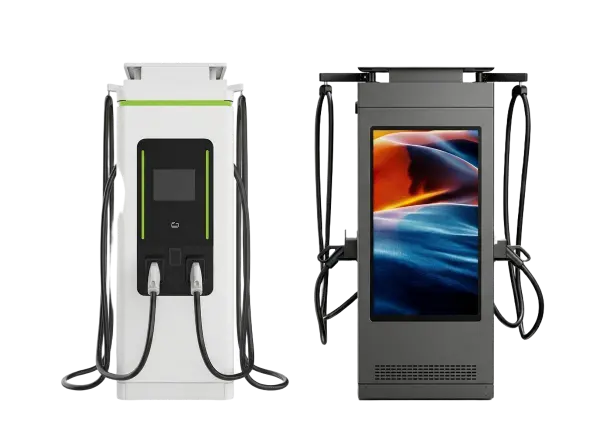
MIDA EV Power produces a full lineup of EV charging stations, such as 7kW–50kW mobile chargers, 3.6kW–7.2kW portable DC chargers, 360kW–1440kW split-type DC fast chargers, 20kW–50kW wall-mounted DC chargers, and 60kW–480kW floor-standing DC fast charging stations.
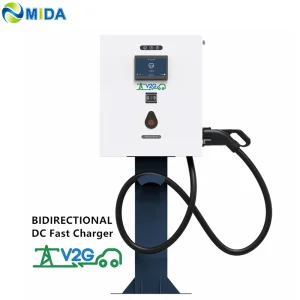
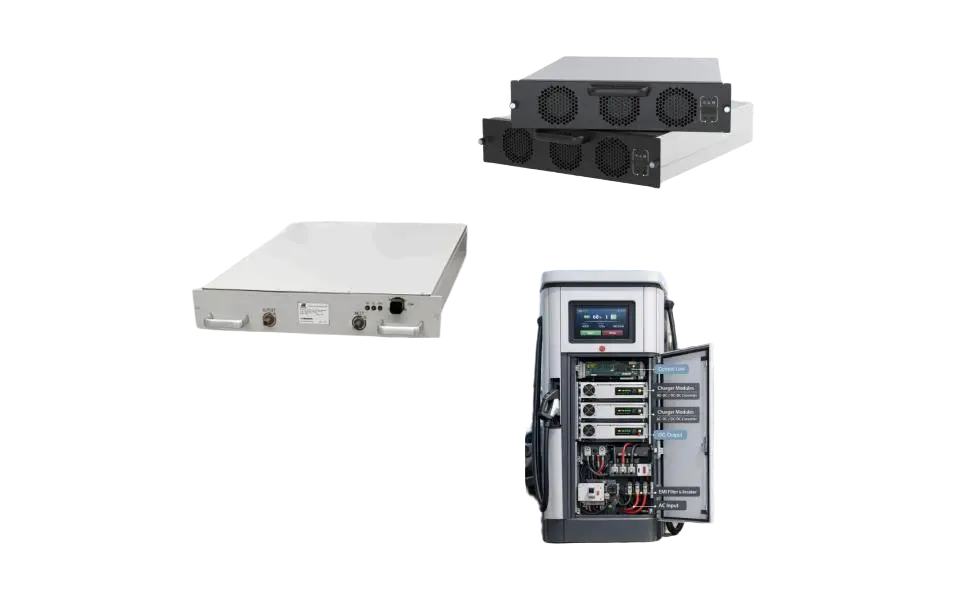
MIDA New Energy specializes in EV charger power modules, offering 20kW–60kW standard modules, 40kW–125kW liquid-cooled modules, 30kW–62.5kW bidirectional modules, and 20kW–45kW V2G charging modules.

From standard components to megawatt charging parks, MIDA offers end-to-end hardware solutions.
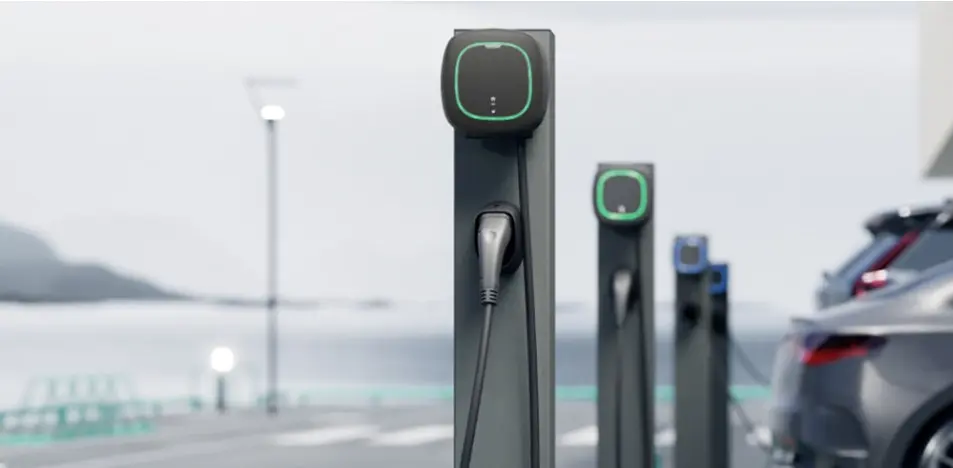
Smart AC charging points supporting 7kW, 11kW, and 22kW wallbox configurations. Integrates RFID, Wi-Fi, and dynamic load balancing.
 View More Solutions
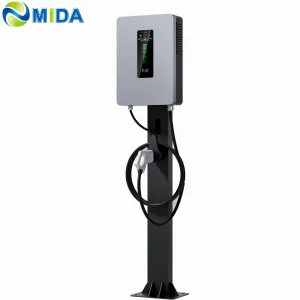
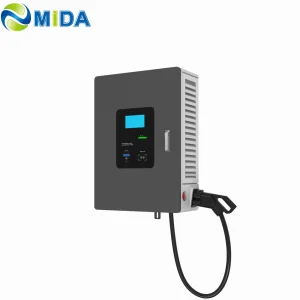
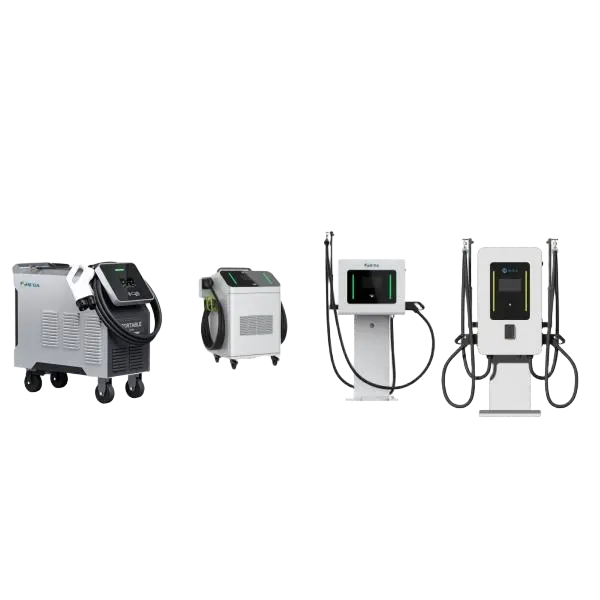
Compact wall-mounted DC fast chargers designed for retail parking lots and commercial office buildings where floor space is limited.
 View More Solutions
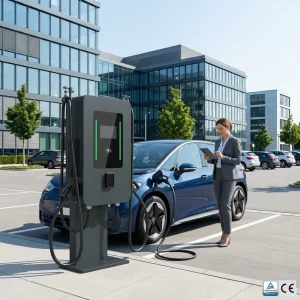
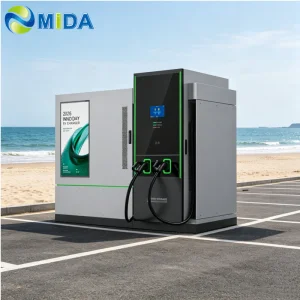
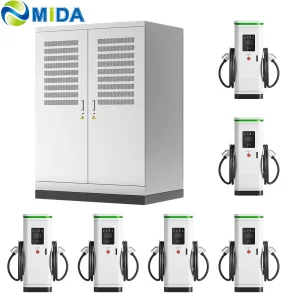
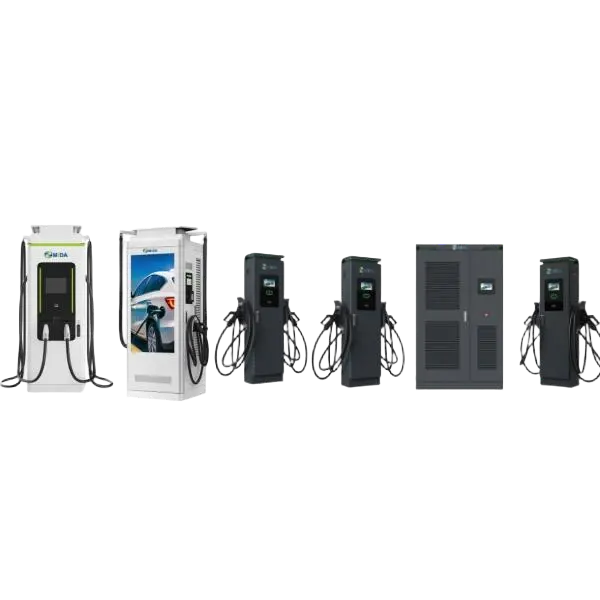
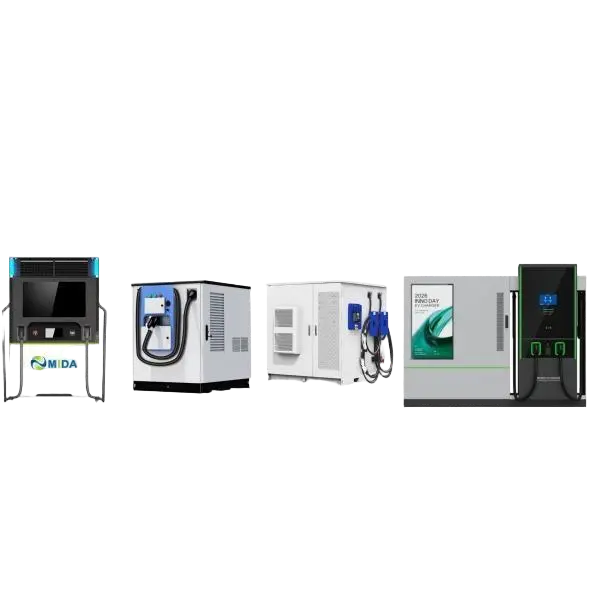
Commercial-grade charging systems with high-power modules, dynamic matrix configurations, and active liquid-cooling units.
 View More Solutions
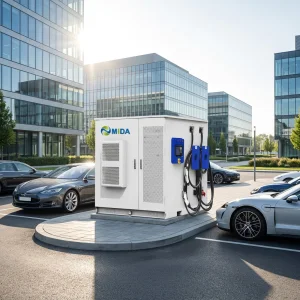
Battery Energy Storage System (BESS) integrated fast-charging technology. Ideal for sites with constrained grid connections. It stores energy during low-tariff hours and discharges up to 960kW during peak charging hours, protecting grid stability.
Explore Battery Storage Charging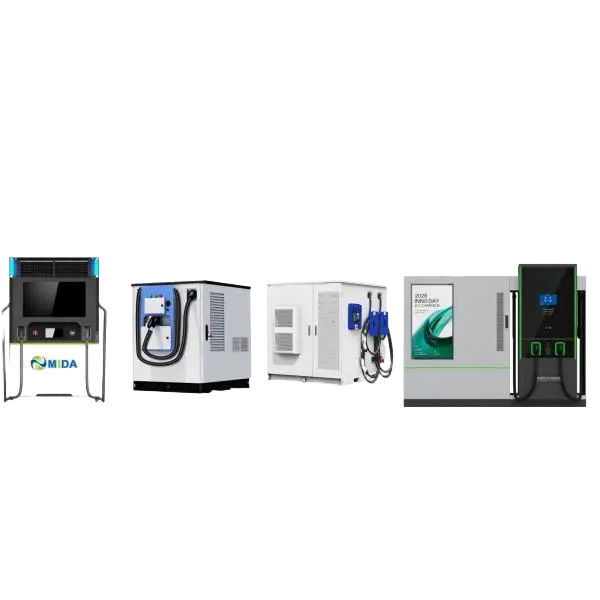
Proprietary power modules, liquid-cooling systems, and charging couplers designed for reliability.
Technical analyses on the future of heavy vehicle mass transit electrification.
Answers to common technical, installation, and deployment questions for operators.
Explore our specialized hardware configurations for solar integration, mobile recovery, and BESS deployment.