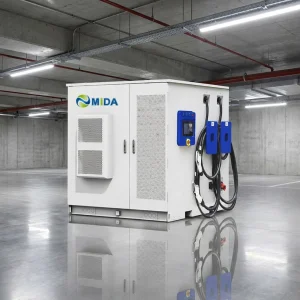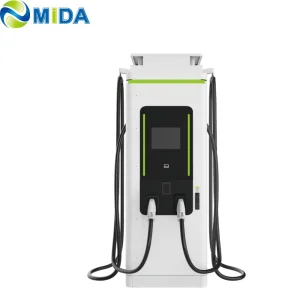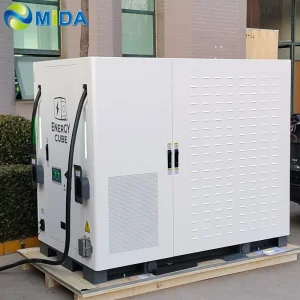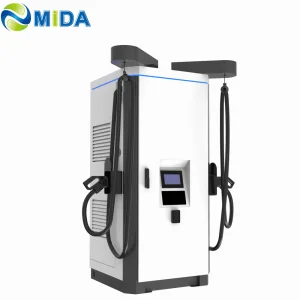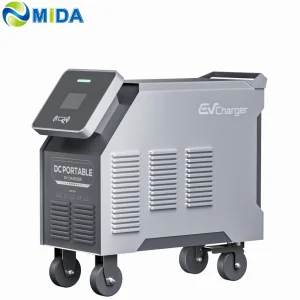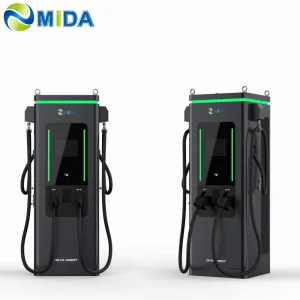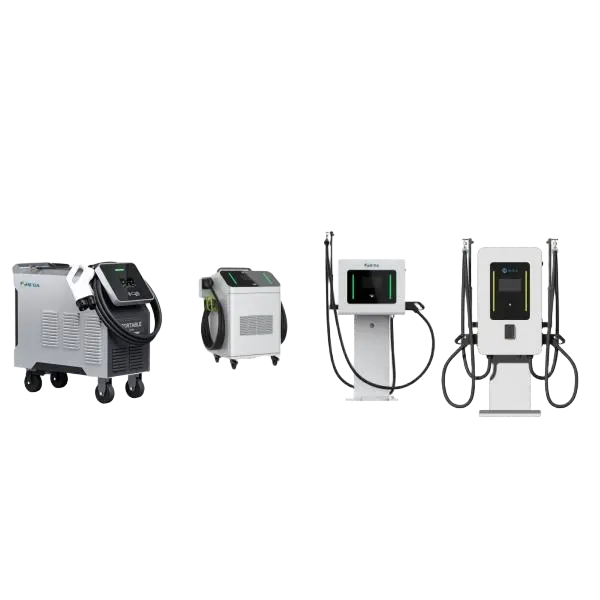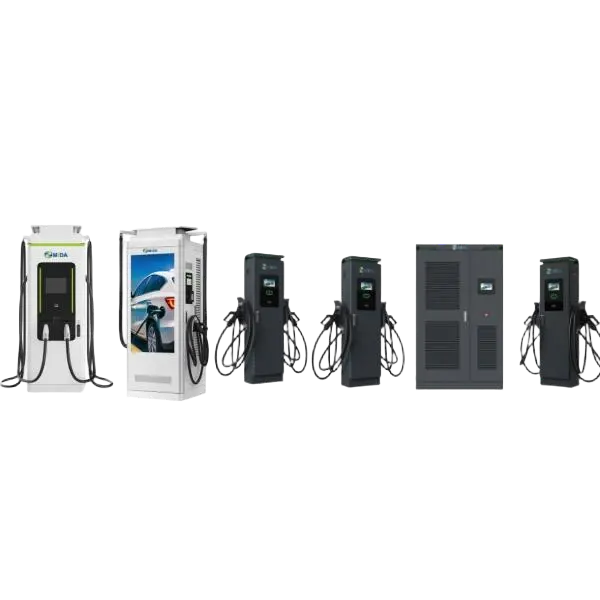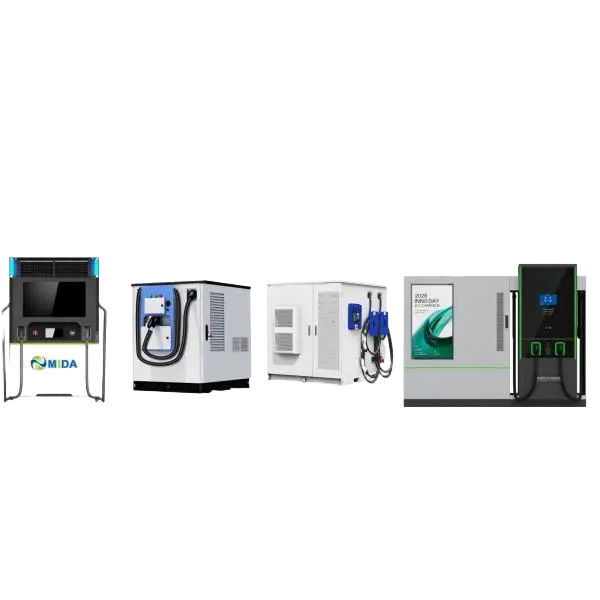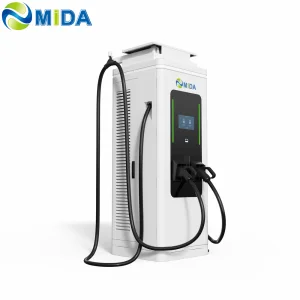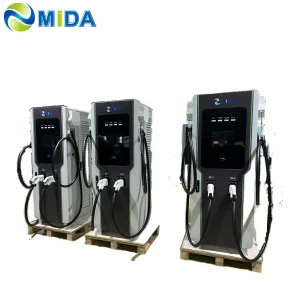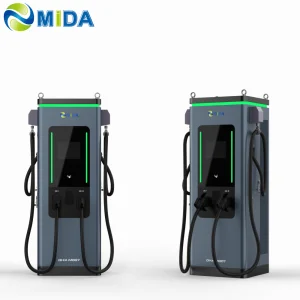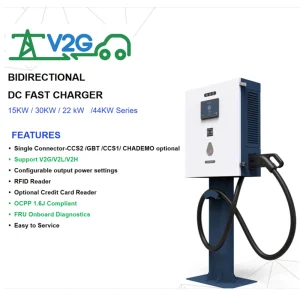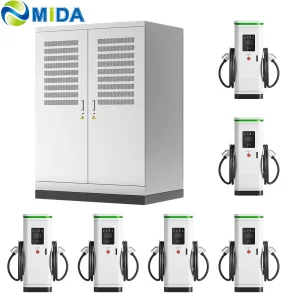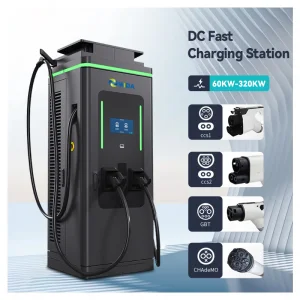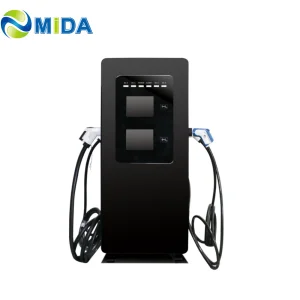
Explore our Tier-1 engineered split systems, ultra-fast dispensers, and mobile battery integrated systems.
Decongesting Grid Connections, Enhancing Power Density, and Decoupling Conversion from Dispensing
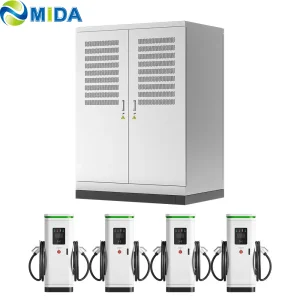
As public transit systems, large logistics yards, and commercial depots transition rapidly toward zero-emission heavy-duty operations, traditional integrated charging systems hit physical and electrical bottlenecks. Split DC charging stations represent the engineering solution to this challenge. By separating the large, noisy, and high-maintenance power conversion cabinets from the slim, lightweight satellite dispensers, operators can maximize their physical footprint.
With the power cabinet housed in utility easements or electrical rooms, dispensers occupy minimal real estate near parking lanes or charging docks. The configuration allows dynamic routing of megawatt-level power flows directly to the heavy-duty vehicles, dramatically cutting site civil engineering costs and cabling expenses.
Modern split systems do not allocate a static block of electricity to a single plug. Instead, they leverage intelligent modular routing matrices. By utilizing 30kW, 40kW, or ultra-dense 60kW power conversion modules, MIDA Group's systems sense the state of charge (SoC) of each connected vehicle and channel exact blocks of kilowatts to meet their specific charging curves.
This micro-routing reduces overall power demand charges from regional grids. When an electric bus is plugged in alongside a light delivery van, the dynamic matrix router delivers 240kW to the bus and 60kW to the van, seamlessly adjusting in real time. This adaptive topology allows fleet operators to purchase fewer grid connections while maximizing the throughput of active charging assets.
Integrated Industrial Cable Manufacturing, EV Connectors & High-Density Charging Cabinets

Specialized in advanced alloy and copper drawing, manufacturing premium liquid-cooled high-amperage cables compliant with global grid standards.
Engineering high-density cabinets, satellite dispensing racks, custom industrial housings, and software controls for modern commercial fleets.
Developing bidirectional, liquid-cooled, and high-efficiency core conversion power modules (V2G, MPPT, DC-DC, AC-DC topologies).
Why Shanghai Mida Group Delivers Superior TCO, Fast Lead Times, and Uncompromising Compliance
Most global EV supply chains suffer from disjointed component sourcing: power modules are bought from one developer, connectors from a separate vendor, and structural cabinets from a third-party fabricator. When an integration error occurs, responsibility becomes diffused. MIDA Group mitigates this through complete vertical integration.
By designing and manufacturing the EV charging power modules, the high-amperage liquid-cooled cables and connectors, and the final split-type cabinet housings within our dedicated Shanghai and Shenzhen facilities, we guarantee unmatched component compatibility. This optimization cuts assembly timelines down by 40% compared to Western integrators and assures strict testing to international standards (UL, CE, TÜV, CB, KC).
Purchasing high-power infrastructure across borders demands precise regulatory compliance. Our equipment catalog fully supports localized features such as OCPP 2.0.1 JSON protocols, integrated POS payment terminals, RFID user access, and dynamic load management profiles suitable for American, European, Australian, and East Asian grids.
Engineered for High-Reliability Megawatt-Level Infrastructures
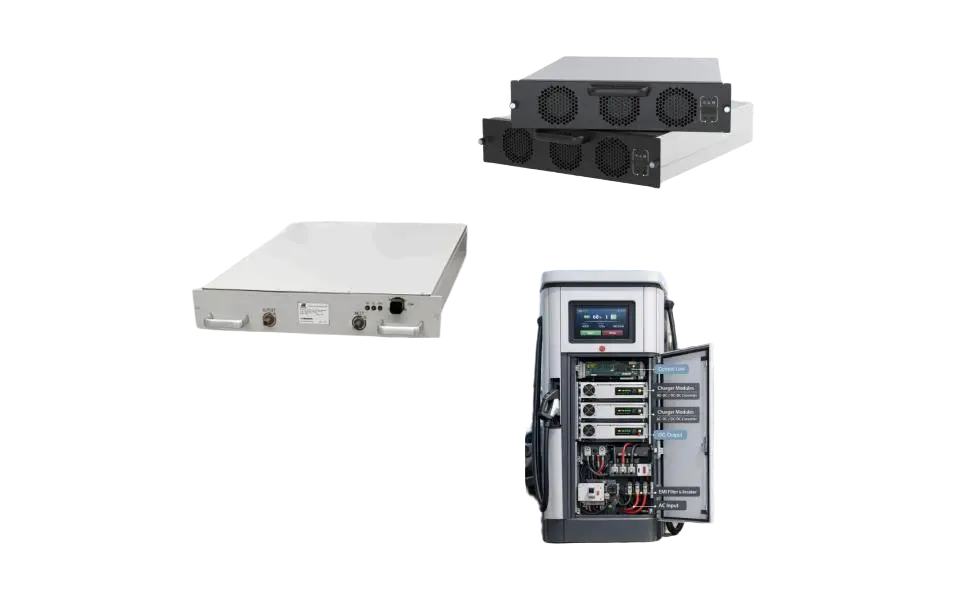
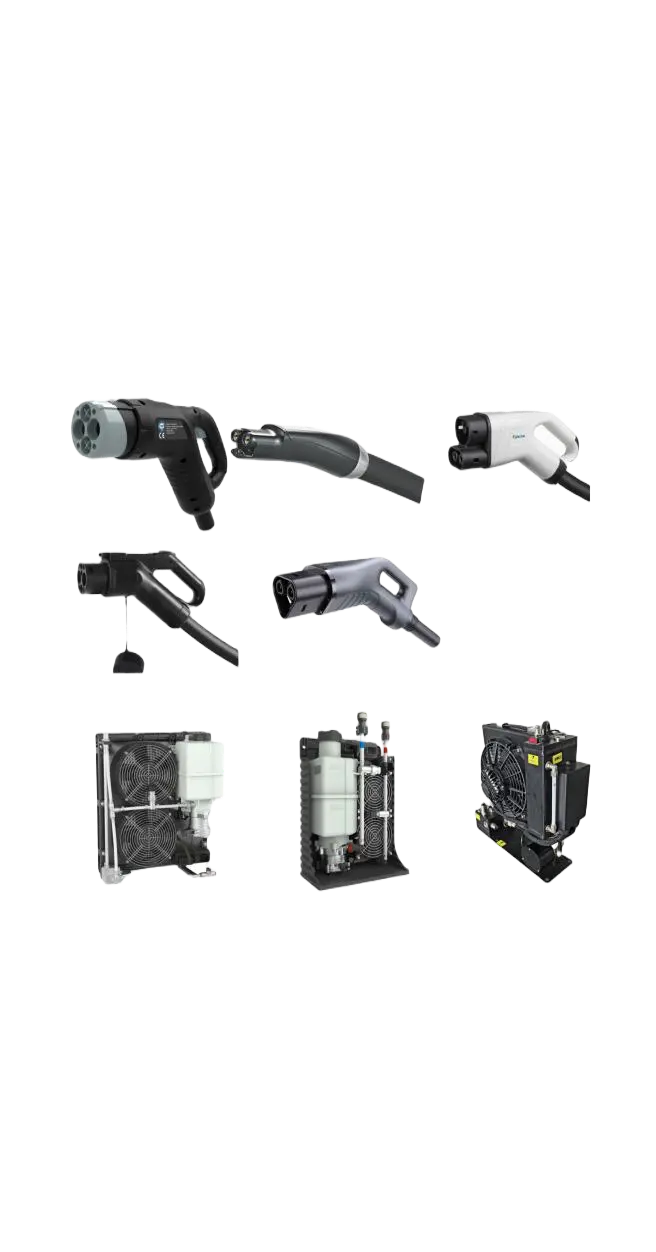
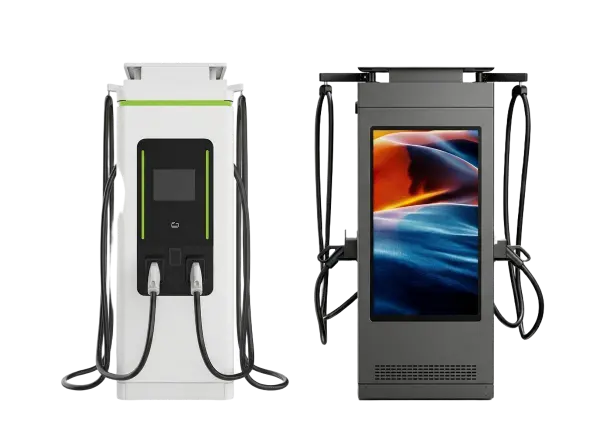
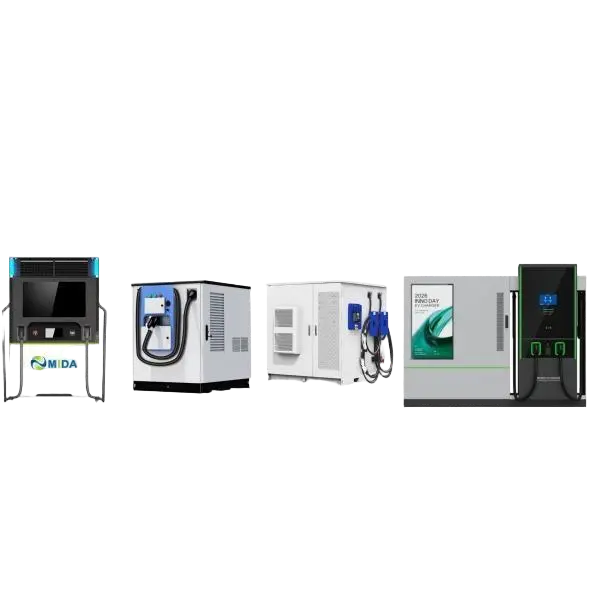
Choose from our specialized AC, DC, and battery storage lines.
Deployment Paradigms Across North America, the EU, and High-Traffic Hubs
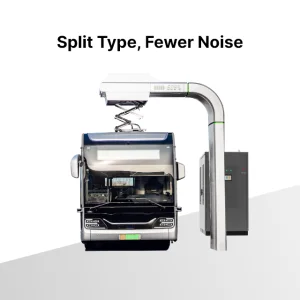
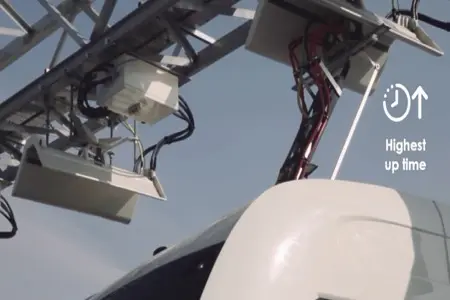
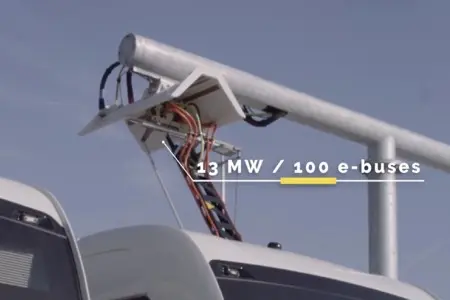
Mass transit requires strict, predictable schedules. Utilizing automated **e-bus pantograph** overhead domes allows rapid megawatt charging without manual driver intervention during route intervals, minimizing depot space.
National highway networks necessitate multi-standard setups. Decoupled power cabinets easily supply dispensers fitted with a mix of NACS, CCS2, CCS1, and GBT connectors, handling diverse domestic and regional travel profiles.
In areas with weak grid connections, battery-integrated split systems pull a steady, low-amperage current from the local grid to charge local BESS, subsequently delivering massive 320kW+ bursts to fleet vehicles when required.
As long-haul heavy trucking transitions to electric platforms, the physical demand on cable systems increases. Standard air-cooled systems cannot exceed 350A continuous currents due to weight and safety constraints. The industry is rapidly adopting liquid-cooled CCS2 and NACS technologies, reaching up to 1000A to complete charging processes within statutory driver break times.
Furthermore, Vehicle-to-Grid (V2G) bidirectional architectures are changing the economics of infrastructure ownership. Using MIDA's specialized bidirectional modules, parked fleets act as decentralized storage assets, generating revenue by injecting power back into the grid during localized peak-demand windows.
Stay informed with the latest updates from our research and engineering divisions
Essential considerations for operators, engineering procurement companies (EPCs), and distributors
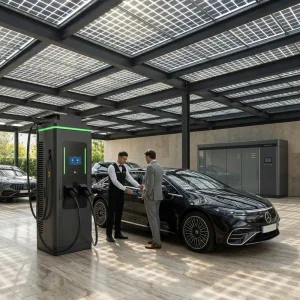
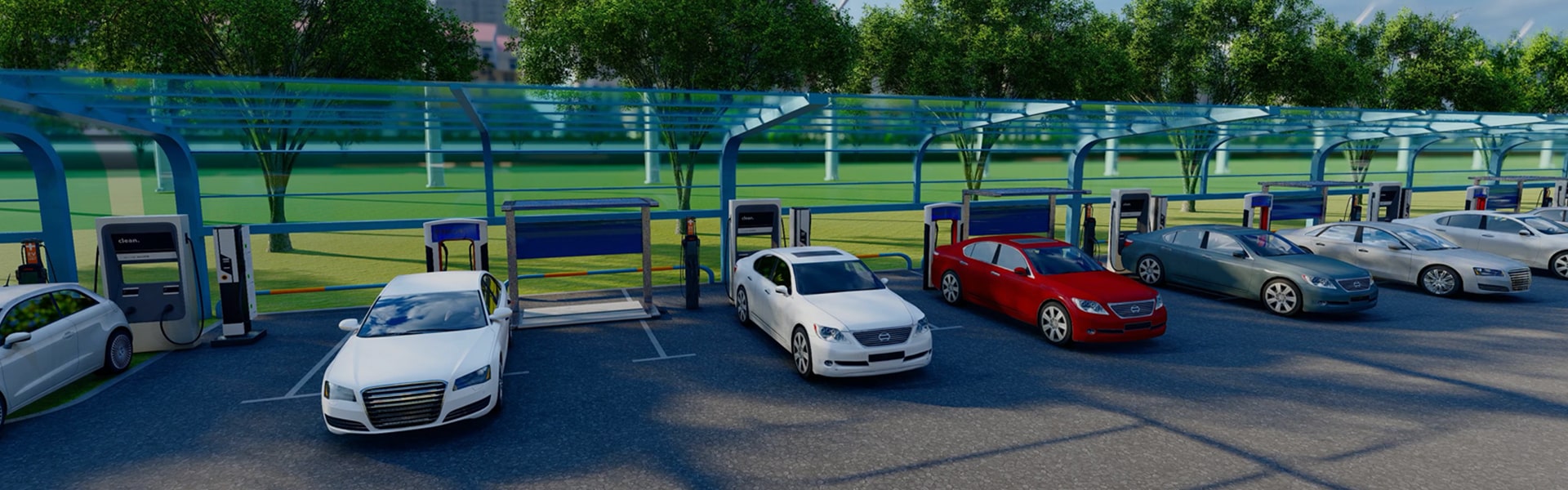
Premium solutions for depots, commercial parking fleets, and public fast-charging networks.