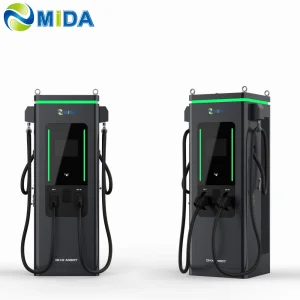
Deploying modular, high-voltage power architectures certified to meet global grid standards (UL, CE, ETL, TUV).
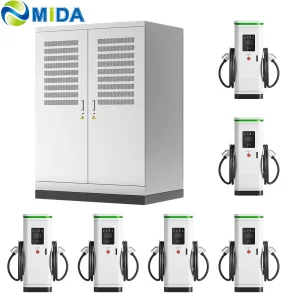
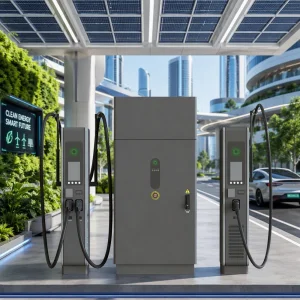
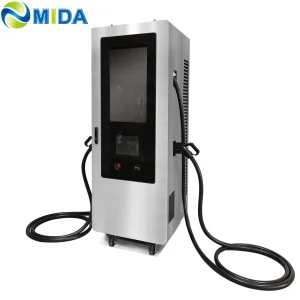
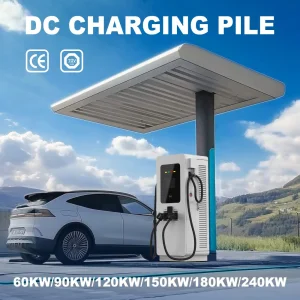
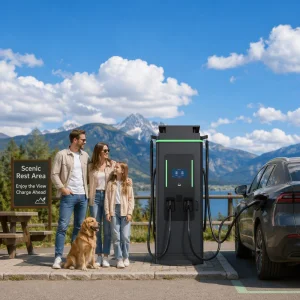
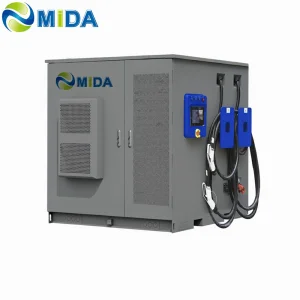
Navigating high-power EV fleet charging infrastructures, grid stability parameters, and technical modular development paradigms.
Next-generation charging stations deploy Silicon Carbide (SiC) MOSFET-based power modules. The switch to SiC reduces switching losses by up to 70%, increases efficiency over 96.5%, and elevates system thermal envelopes, allowing higher power output per cubic meter within compact cabinets.
Integrating 200kWh to 2MWh Battery Energy Storage Systems (BESS) directly resolves grid limitations. By storing cheap off-peak power and utilizing local PV solar generation, commercial operators can offer up to 480kW of fast charging without triggering expensive utility substation upgrades.
Global operations require native translation protocols. The convergence of CCS1, CCS2, NACS (SAE J3400), CHAdeMO, and heavy-duty Megawatt Charging Systems (MCS) demands smart, firmware-updatable control units that comply fully with DIN 70121, ISO 15118, and OCPP 2.0.1 profiles.
For modern fleet operators, logistics companies, and charging network investors, hardware procurement goes beyond purchasing standard cables. The decision metrics are based on total cost of ownership (TCO), continuous uptime warranties (SLAs), and modular structural expandability.
As the EV logistics landscape transitions to medium and heavy-duty vehicles, manufacturers must supply modular power cabinets that can scale from 120kW up to 1440kW. Smart procurement involves choosing manufacturers that offer direct plug-and-play power block expansions without requiring complete structural rewiring.
Deploying highway-hub charging infrastructure presents a complex challenge: utility grid capacity limits. Standard local substations cannot support multiple 350kW liquid-cooled chargers operating concurrently without causing significant voltage drops or risking transformer failure.
The standard industry solution utilizes centralized split-charging systems paired with dedicated Battery Energy Storage Systems (BESS) and MPPT solar charging controllers. This configuration ensures grid-decoupled power buffers, enabling continuous high-output fast charging even in grid-constrained areas.
MIDA Group delivers high-efficiency, standards-compliant charging infrastructure and power module solutions globally.
Shanghai Mida Cable Group Ltd. operates through its wholly owned subsidiaries: Shanghai Mida EV Power Co., Ltd., Shenzhen Mida EV Power Co., Ltd., and Shanghai Mida New Energy Co., Ltd. This integration brings together raw material design, state-of-the-art power electronics development, and advanced structural assembly lines.
Our advanced cable division manufactures an extensive range of high-performance EV charging cables, including 16A–80A J1772 cables and 16A–63A IEC 62196-2 Type 2 cables. For rapid DC deployment, we manufacture high-capacity charging lines: CCS1 (80A–500A), CCS2 (125A–1000A), CHAdeMO (125A–300A), GBT (200A–1000A), and NACS connectors (250A–600A) to meet diverse regional requirements.
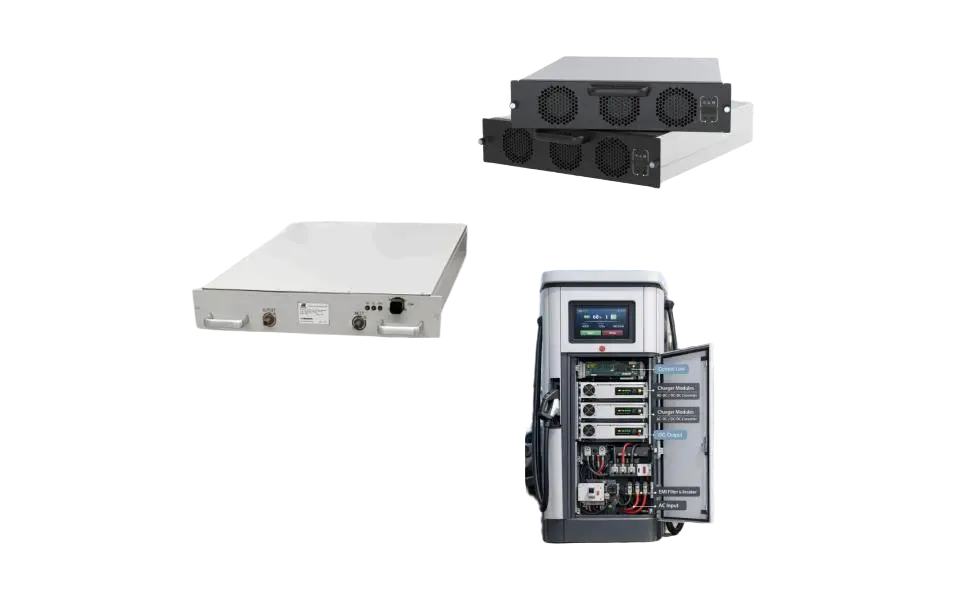
MIDA New Energy specializes in developing advanced power module architectures, providing 20kW–60kW standard air-cooled modules, 40kW–125kW liquid-cooled modules, 30kW–62.5kW bidirectional modules, and 20kW–45kW V2G charging systems.

Explore our specialized technologies designed for commercial developers and grid operators.
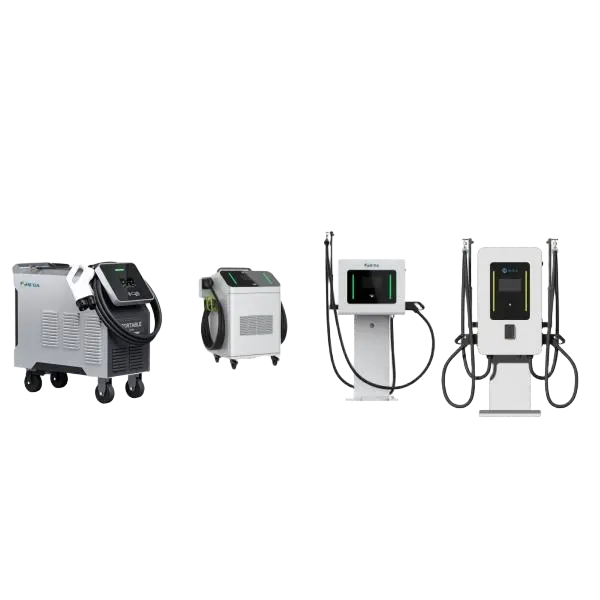
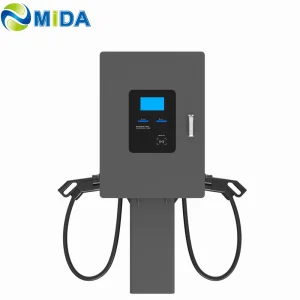
Low-profile, impact-resistant wall units and flexible mobile charging systems configured for workplace parking, hospitality centers, and fleet depot recovery vehicles.
Explore AC Range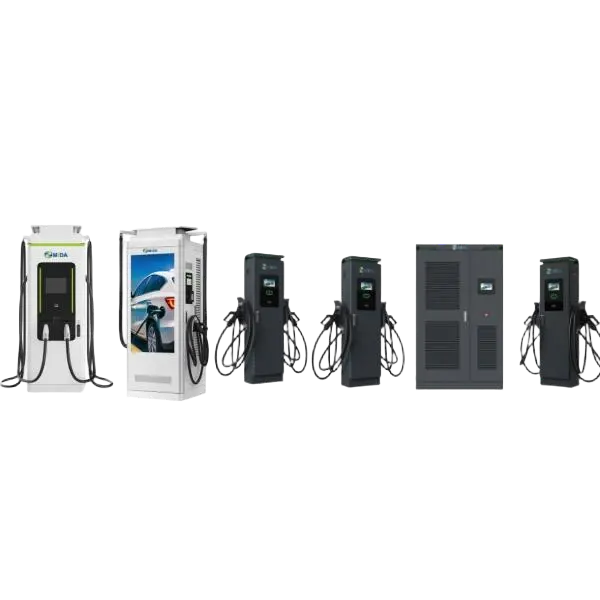
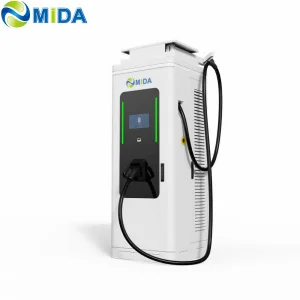
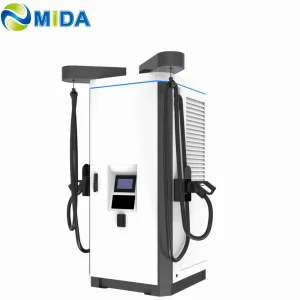
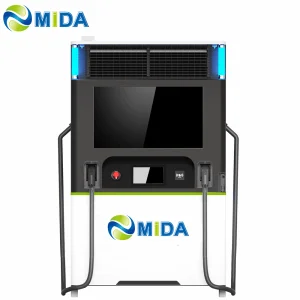
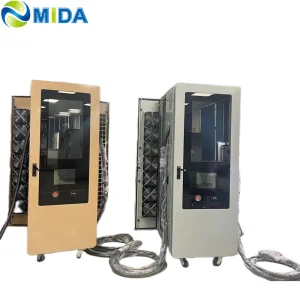
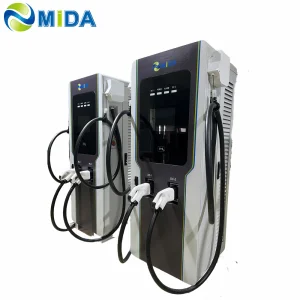
Scalable fast charging stations ranging from 60kW to 1440kW, featuring intelligent load sharing, dynamic power allocation, and advanced liquid cooling.
Explore DC Range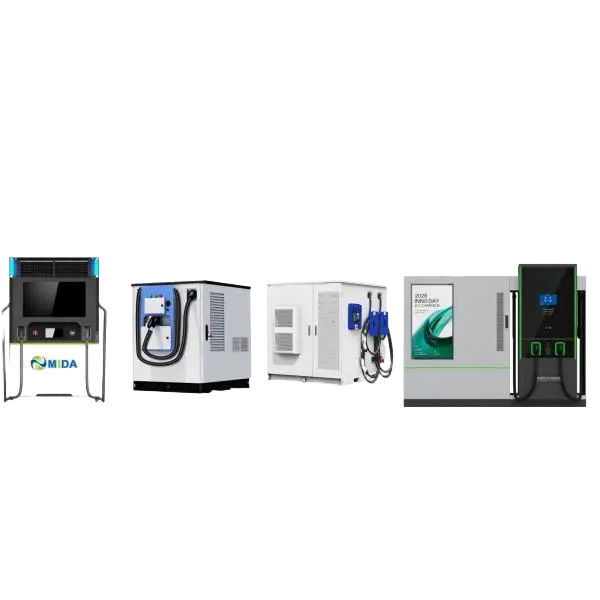
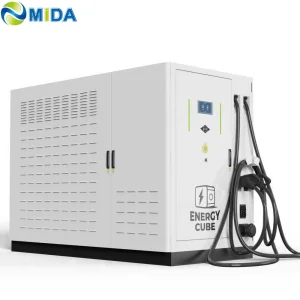
Battery-integrated EV fast-charging units that reduce infrastructure costs and grid impact by incorporating high-density storage and MPPT solar charging controllers.
Explore BESS SystemsAir/liquid-cooled charging modules with ultra-wide constant power voltage ranges, support for Bidirectional AC/DC, MPPT, and V2G topologies.
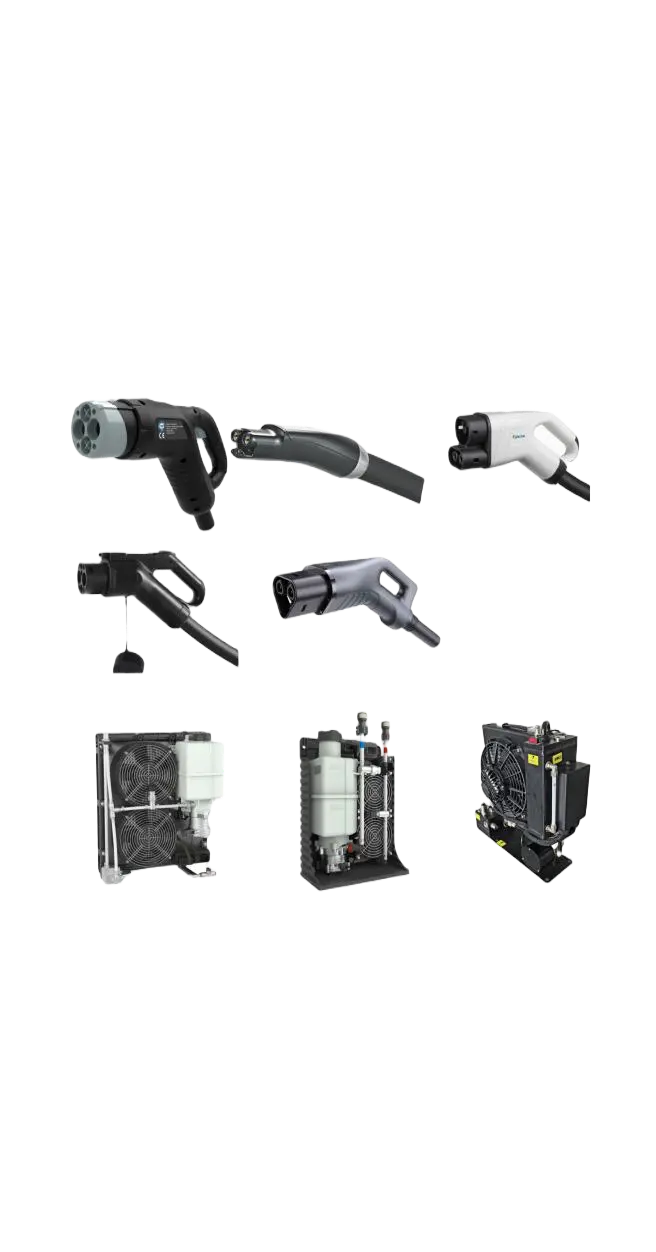
Ergonomic charging connectors with liquid cooling units (up to 72kW cooling capacity) designed for high-power, long-duration charging.
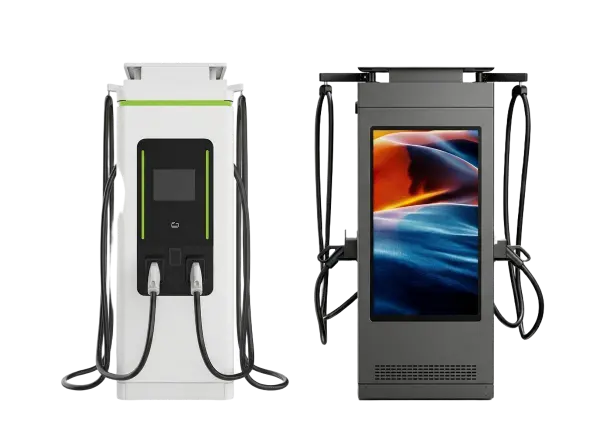
Floor-standing charging cabinets, digital advertising integration, and high-performance highway charging systems with active load balancing.
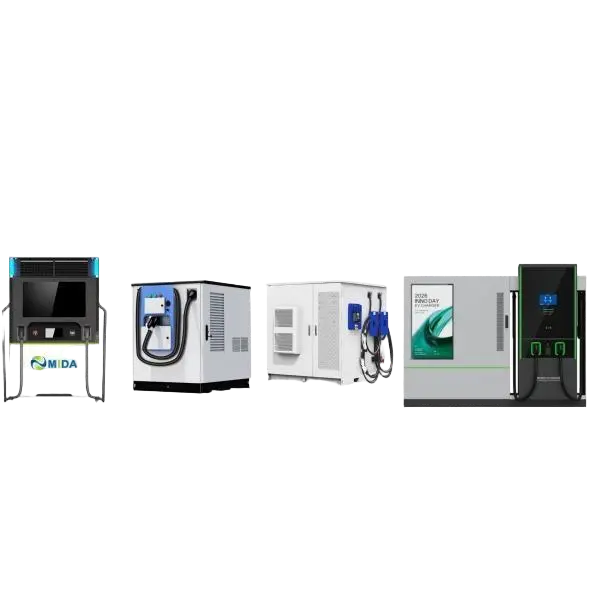
Containerized energy storage solutions, mobile emergency rescue stations, and smart charging robots for modern infrastructure integration.
Analyzing engineering trends and global regulatory transitions in the heavy vehicle sector.
As EV battery packs transition to 800V and 1000V architectures, traditional air-cooled charging cables encounter thermal limitations at 350A continuous output. Standard charging cables become stiff and bulky to prevent overheating, making them difficult to handle.
Active liquid-cooling systems utilize specialized synthetic coolants to dissipate heat directly from the copper wire cores. This design permits thinner, more flexible cables while supporting continuous current flows up to 1000A. The Megawatt Charging System (MCS) standard leverages this technology to charge heavy-duty commercial trucks in under 20 minutes.
Modern charging stations act as IoT endpoints connected to grid networks. Implementing OCPP 2.0.1 protocol standardizes advanced device configuration, transaction monitoring, and secure key distribution, enhancing overall system cybersecurity.
Additionally, ISO 15118 establishes a standardized communication protocol between the vehicle and charger, enabling Plug and Charge functionality. The vehicle authenticates automatically upon connection, initiating the charging and billing process securely without requiring physical cards or mobile applications.
Insights into automated transit charging technologies and pantograph charging integrations.
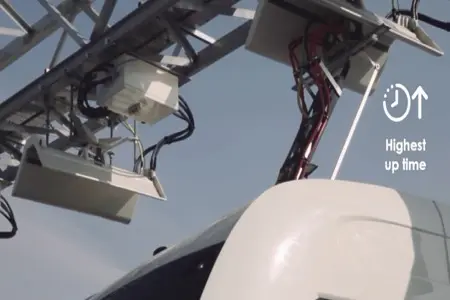
What are the advantages of an e-bus pantograph dome? In contrast to classic plug-in charging systems, e-bus pantograph charging optimizes fleet turnaround by automating the high-power energy transfer process, reducing physical connection wear and operational overhead in public transit hubs.
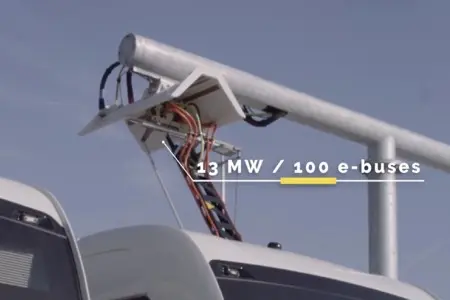
How long does it take to charge with an e-bus pantograph? The charging duration depends heavily on the battery capacity and the grid output power. With megawatt-level pantograph infrastructure, rapid opportunistic transit bus charging can be achieved in 5 to 10 minutes.
How to Install the Pantograph Up Charger System Dome for Electric Bus. Installing an automated overhead “Pantograph Up” system requires structural mounting calculations, overhead clearance verification, high-power cabinet integration, and alignment testing.
Answering complex technical questions regarding high-power EVSE deployment and grid integration.
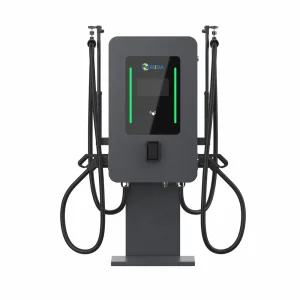
Off-grid options, dual-port wall mounts, and ultra-high power split charging solutions.