Best Location Of EV Charging Stations Suppliers & Factories

A Comprehensive Global Sourcing Guide & Technical Whitepaper for High-Power EV Infrastructure, Liquid-Cooled Hyperchargers, and Integrated Battery Energy Storage Solutions.

Direct Factory Sourcing Portfolio - Part 1

High-capacity EV charging modules, floor-mounted stations, and ultra-fast liquid-cooled dispensing units manufactured under rigorous ISO/IATF16949 standards.
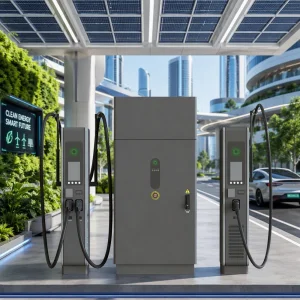
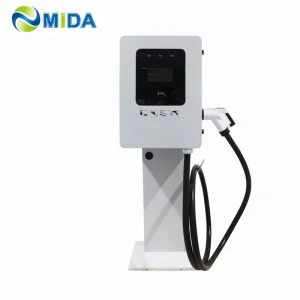
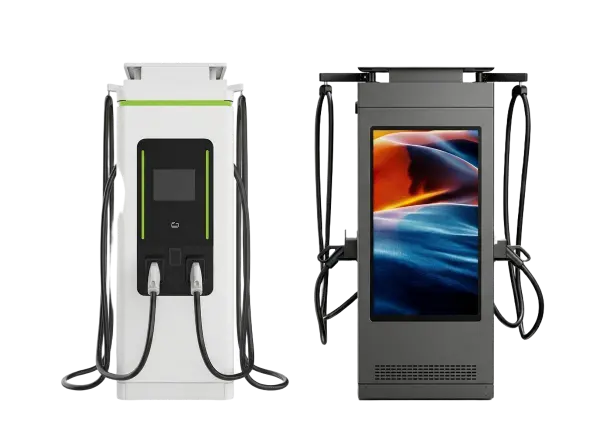
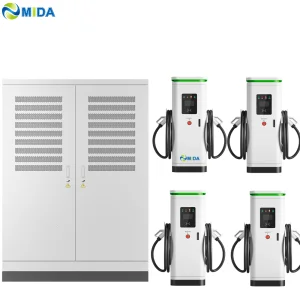
China Liquid Cooled Charging Pile Split EV Charger

China Liquid Cooled Charging Pile Split EV Charger 600kW 800kW 960kW DC EV Charging Stack

View Technical Specs
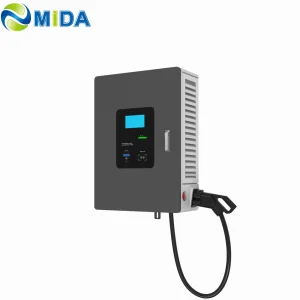
China 30kW 40kW CCS CHAdeMO Wall Mounted DC Fast Charger

China 30kW 40kW CCS CHAdeMO Wall Mounted DC Fast Charger Station Manufacturer, Suppliers

View Technical Specs
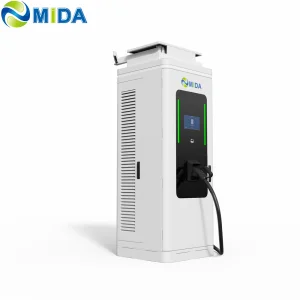
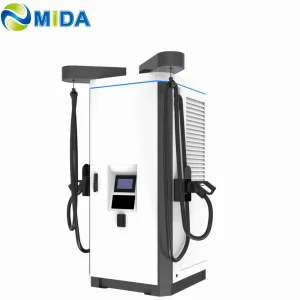
Best Liquid Cooled Ultra 360kw Charging Station

Best Liquid Cooled Ultra 360kw Charging Station RFID OCPP POS DC Fast Charger Station Factory

View Technical Specs
Best Japan EV Quick Charger 30kw 50kw DC EV Charging Station

Best Japan EV Quick Charger 30kw 50kw DC EV Charging Station CHAdeMO Connector Manufacturer

View Technical Specs
China 200kWh 120kW Mobile EV Charger Off Grid Solar MPPT

China 200kWh 120kW Mobile EV Charger Off Grid Solar MPPT DC Fast Charging Station Manufacturers

View Technical Specs
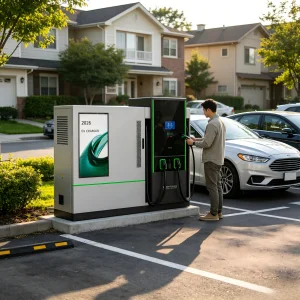
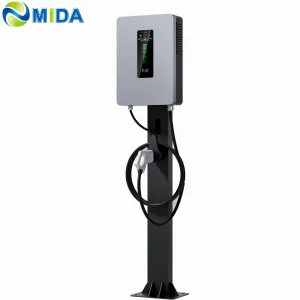
China DC Fast Charger 40KW 60KW 80KW Pedestal Mount EV Charger

China DC Fast Charger 40KW 60KW 80KW Pedestal Mount EV Charger Station Manufacturers

View Technical Specs
China 60kW 100kW 120kW Fast EV Charger CCS1 CCS2 CHAdeMO

China 60kW 100kW 120kW Fast EV Charger CCS1 CCS2 CHAdeMO DC Charging Station Suppliers

View Technical Specs
China Level 3 DC Charger 60kw 80kW Customized CCS1 NACS

China Level 3 DC Charger 60kw 80kW Customized CCS1 NACS Wall Mounted DC Charging Station

View Technical Specs

Global Sourcing Strategy: Where are the Best EVSE Factories Located?

As electrification penetrates fleet operations, heavy-duty logistics, and public highway charging networks, procuring industrial-grade Electric Vehicle Supply Equipment (EVSE) demands a rigorous evaluation of supplier geography. The "best location" for EV charging station factories is not merely defined by labor costs, but by a combination of grid compatibility engineering, compliance ecosystems, and supply chain resilience.

For Charge Point Operators (CPOs), fleet procurement managers, and hardware distributors, sourcing strategy is split across three major manufacturing hubs: East Asia (primarily Shanghai-Shenzhen corridors for unmatched cost-efficiency and modular scaling), North America (for local NEVI compliance and NACS standardization), and Western Europe (for strict CCS2 compliance and grid stability management).

Understanding how factory locations impact import tariffs, product certification times (UL, CE, TÜV), lead-time predictability, and local grid integration support is the first step in mitigating capital expenditure (CapEx) risk on large-scale infrastructure deployments.

Technological Megatrends Transforming EV Sourcing

The global EV charging landscape is rapidly evolving from standard low-power AC units to multi-megawatt DC hypercharging systems. Sourcing managers must align with factories that are already tooling for next-generation technology standards:

  • Megawatt Charging Systems (MCS): Emerging for electric trucks, buses, and heavy equipment, requiring factory certification for up to 3000A liquid-cooled capability.
  • V2G (Vehicle-to-Grid) & Bidirectional Modules: Shifting chargers from passive energy consumers to active grid assets, demanding advanced power electronics.
  • BESS Integration: On-site battery storage buffers grid peak demands, allowing high-power dispensing at locations with weak grid access.
15+
Years Sourcing Experience
98%
Global Grid Compatibility
1440kW
Max Output Split Charging
100%
IATF 16949 / ISO9001 Audited
MIDA EV Power Quality Badge

Corporate Ecosystem: Shanghai Mida Cable Group

Shanghai Mida Cable Group Ltd. stands at the forefront of the global electric vehicle supply equipment industry, delivering premium connectivity and charging hardware to over 80 countries. By operating specialized subsidiaries, we isolate our R&D focus while consolidating our supply chain volume to lower bill-of-materials (BOM) costs for our global partners.

Our infrastructure is divided into three key operating subsidiaries:

  • Shanghai Mida EV Power Co., Ltd. / Shenzhen Mida EV Power Co., Ltd.: Focuses on complete EV charging station integration, ranging from portable 3.6kW AC units to massive 1440kW split-type megawatt DC dispensaries.
  • Shanghai Mida New Energy Co., Ltd.: Dedicated to the design and mass fabrication of high-density charging modules, V2G power boards, and liquid-cooled conversion assemblies.
  • Mida Cable: The origin of our high-durability line-up, extruding highly flexible copper charging cables from 16A to 80A (for J1772 & IEC 62196 Type 2) and high-power DC cables for CCS1, CCS2, CHAdeMO, GB/T, and the newly established NACS standards.

China Industry 4.0: Supply Chain Resilience & Cost-Efficiency

How MIDA leverages Shanghai and Shenzhen's industrial cluster to offer unmatched lead times and competitive pricing without sacrificing engineering compliance.

Advanced Core Assemblies & Modular Customization

The core components of any high-power DC station are the power modules and cooling units. Sourcing from factories situated outside mature EV hubs introduces component-level delays. Our facilities leverage automated PCB printing, robot-guided assembly, and integrated chamber testing.

  • Immediate access to domestic semiconductor and power transistor supply chains.
  • Advanced thermal testing facilities allowing verification of liquid-cooled loops before final shipment.
  • Seamless mechanical housing adjustments to meet extreme local environments (from dusty desert installations to maritime environments requiring marine-grade anti-corrosive finishes).

Global Certification & Standards Compatibility

A major risk when selecting EV charging station suppliers is certifying hardware to local regional codes. MIDA's production lines operate in tight compliance with multiple safety bodies, assuring rapid market entry.

  • Europe (CE / TÜV / RoHS / UKCA / CB): Standard CCS2 chargers equipped with OCPP 1.6J/2.0.1 integrations and calibrated mid-meter support.
  • North America (UL / FCC / Energy Star): High-power CCS1 and NACS chargers designed to survive heavy commercial usage while qualifying for local subsidy programs.
  • Asia Pacific & Middle East: Heavy-duty GB/T, CHAdeMO, and specialized high-ambient temperature operational layouts.

Core Product Architectures

Select the hardware platform engineered for your specific charging node demands.

AC EV Charger

Power Range: 7kW | 22kW | 43kW

Designed for destination charging, workplace parking structures, and residential communities demanding compact footprint and dynamic load management.
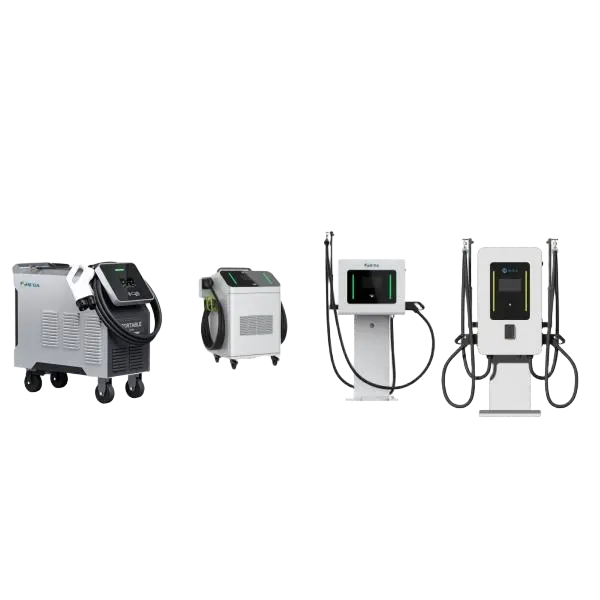
AC EV Charger Base Model

Wall-Mounted/Mobile DC

Power Range: 7kW | 20kW | 30kW | 40kW | 60kW | 80kW

Perfect for light-duty fleet servicing, commercial workshops, or emergency roadside assistance vehicles requiring DC speeds in a compact casing.
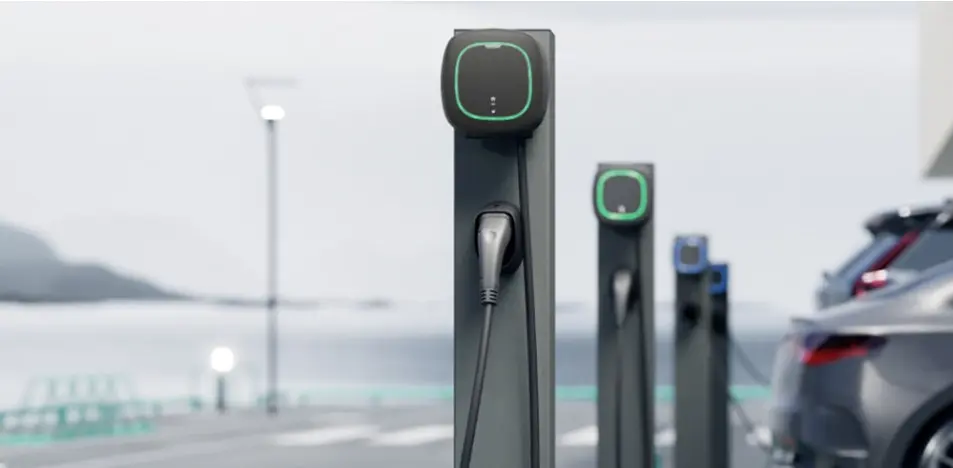
Mobile DC EV Charger Station

DC Charger Station

Power Range: 60kW-480kW | Split: 360kW-1440kW

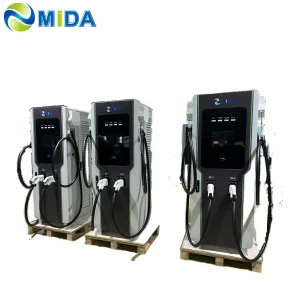
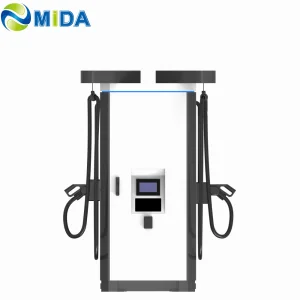
Industrial-grade high-power platforms for transit hubs, highway stops, and public fast-charging nodes optimized for heavy utilization.
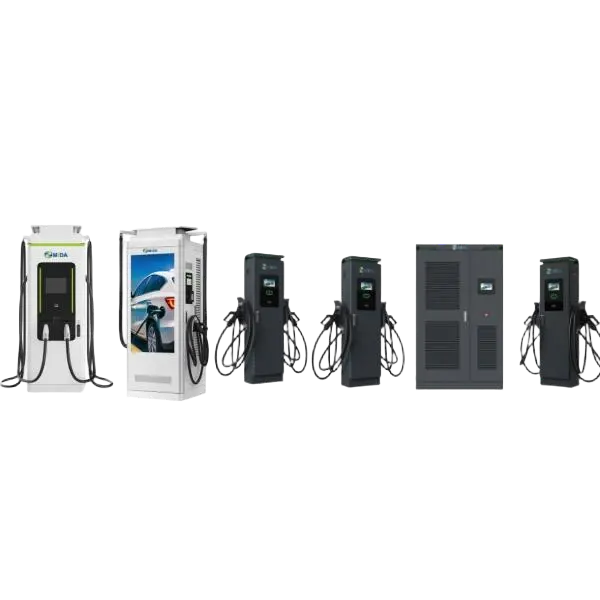
High Power DC Charger Station

BESS Charging Station

Storage Capacity: 60kWh | 261kWh | 418kWh | 625kWh | 2MWh

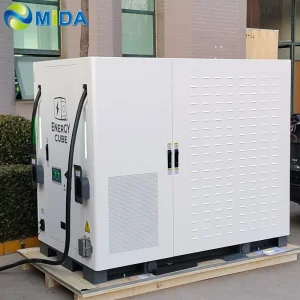
Microgrid-ready systems coupling utility-grade battery energy storage with DC fast dispensers to avoid high grid upgrade fees.
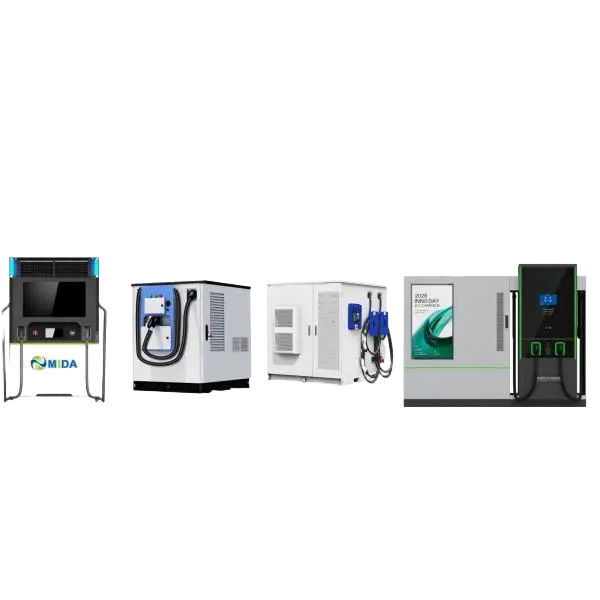
BESS Charging Station Containerized

Main Component Level Specifications

A deep breakdown of the specialized assemblies MIDA supplies to other EVSE assemblers and CPOs worldwide.
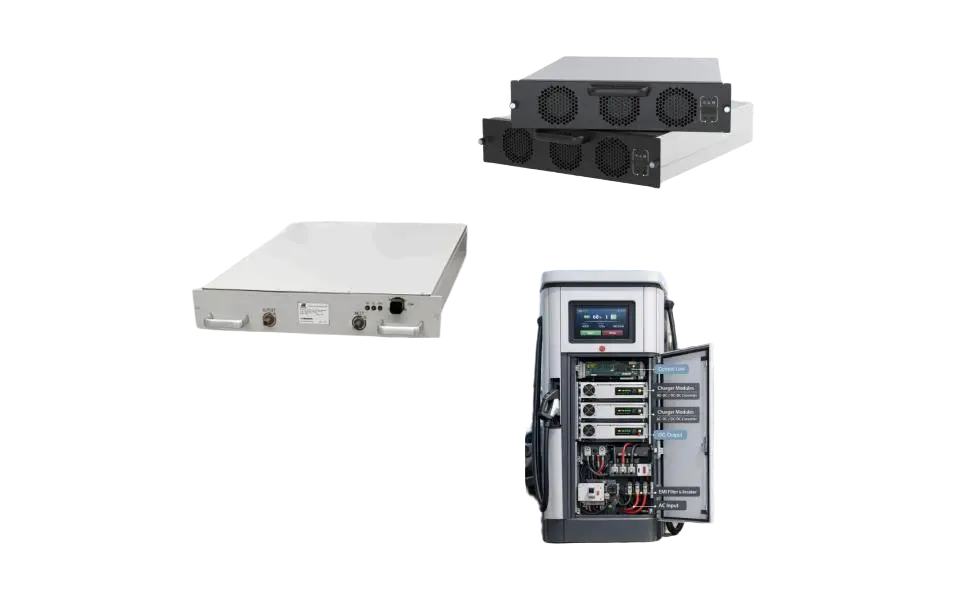
EV Charging Power Module

EV Power Modules

  • 30kW - 80kW AC/DC charging conversion boards
  • 40kW - 125kW Liquid-cooled high-efficiency modules
  • 20kW - 45kW Bidirectional V2G energy routing modules
  • Bidirectional AC/DC converters for grid optimization
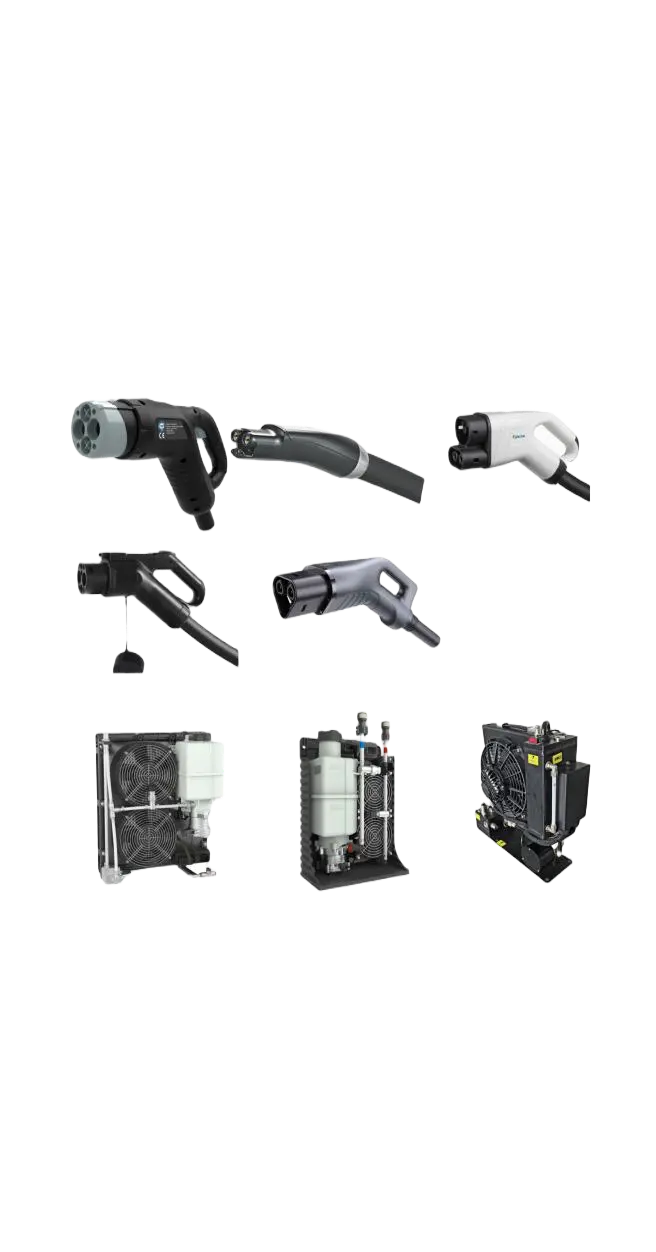
DC Charging Connector & Liquid Cooling Unit

Connectors & Cooling Units

  • 500A-600A liquid-cooled CCS1 & CCS2 plugs
  • 250A-600A NACS (Tesla standard) connectors
  • 3.5kW - 9kW Integrated liquid thermal management pumps
  • High-capacity MCS (Megawatt) truck couplers
DC Fast Charger Station

DC Charger Systems

  • 7kW - 60kW Mobile DC rescue units
  • 60kW - 480kW Integrated public dual-port stands
  • 600kW - 1080kW Liquid-cooled charging banks
  • Digital display ad-integrated charging interfaces
Energy Storage Charging Station

Storage (ESS) Charging

  • 15kW - 480kW Trailer-based mobile rescue systems
  • 65kWh - 200kWh Compact emergency vehicle charging modules
  • Autonomous robotic charging systems for smart hubs
  • Megawatt-level solar-paired smart energy nodes

Industry Insights & Heavy Duty Fleet Solutions

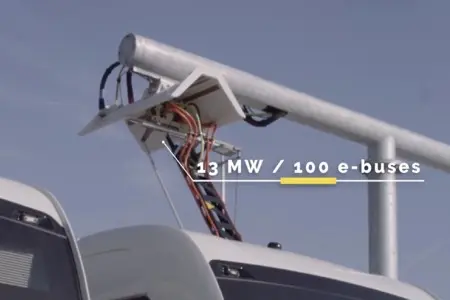
Read our technical analyses on optimizing overhead charging systems and infrastructure designs for heavy-duty electric bus depots.
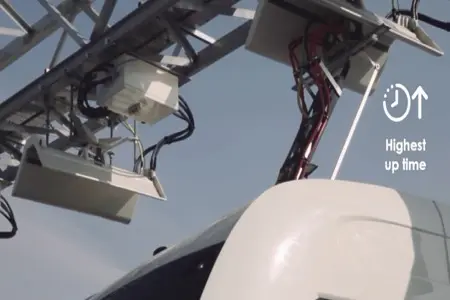
e-bus pantograph dome system layout

Advantages of an E-Bus Pantograph Dome

Discover how top-down pantograph contact domes eliminate plug wear issues, streamline high-power depot operations, and provide clean utility control compared to classic plug-in charging platforms.
Published: 26-07-12 Read More
E-bus charging timeframe under pantograph dome

E-Bus Pantograph Opportunity Charging Duration

Operational calculations: How high-output systems charge a standard electric city bus in under 6 minutes during scheduled route breaks using direct high-amp connections.

Published: 26-07-12 Read More
Pantograph Installation and structural setup

Installing Pantograph Up Charger Systems

A detailed installation walkthrough outlining site preparation, electrical wiring, structural support alignment, and grid integrations required for urban transit terminals.

Published: 26-07-12 Read More
Industrial EV Charger Manufacturing Assembly Line

Global EV Sourcing FAQ

Technical and logistical insights to guide procurement officers through the evaluation of high-power EVSE manufacturing plants.

Q1: What are the key benefits of sourcing liquid-cooled DC fast chargers over standard air-cooled designs?

A: Liquid-cooled systems utilize synthetic cooling fluid lines pumped directly to the connector pins and cable body. This allows for significantly thinner, lighter, and more flexible cables that can sustain higher continuous currents (up to 600A+) without overheating. Additionally, because the electronic cabinets can be completely sealed (IP65) with heat exchangers isolated from ambient air, internal components are protected from dust, salt, moisture, and corrosive atmospheric pollutants. Sourcing from a facility equipped with integrated cooling loop testing systems ensures long-term operational resilience.

Q2: Why is the choice of factory location critical for complying with local regulations like NEVI or CE?

A: Factory location directly influences engineering and manufacturing practices. Factories based in regional electronic clusters like Shanghai/Shenzhen (such as MIDA Group) leverage integrated components certified for CE (Europe), UL (North America), CB, and TR25 standards. If you are applying for regional government subsidies like the US NEVI (National Electric Vehicle Infrastructure) program, the factory must comply with specific domestic assembly regulations. Working with an OEM capable of localized module configurations is critical to qualifying for these funding programs.

Q3: How do battery energy storage systems (BESS) integrate with EV charging stations?

A: BESS chargers combine high-voltage battery storage (such as 60kWh to 2MWh containerized lithium systems) directly with the DC busbar of the charging station. This allows the battery to slow-charge from the local utility grid during low-rate periods and quickly discharge up to 480kW of power to an EV during peak charging sessions. This setup avoids high demand charges from electric utilities and allows fast-charging deployment in remote locations where upgrading the local grid transformer would be financially unviable.

Q4: What standard safety and communication protocols should modern EV charging stations support?

A: Every charging station leaving a professional OEM factory must feature full support for OCPP (Open Charge Point Protocol) 1.6J or 2.0.1. This enables communication between the charging hardware and backend billing, monitoring, and dynamic load control networks. For physical plug interfaces, stations must support regional options like CCS1, CCS2, NACS, GB/T, or CHAdeMO, alongside ISO 15118 compliance for Plug & Charge functionality.

Q5: How does MIDA guarantee the reliability of its high-power components?

A: Reliability is achieved through automated end-of-line checking procedures, burn-in testing under full load, and environmental chamber cycling. By producing our own power modules and liquid-cooled connectors internally under IATF 16949 standards, we control the thermal performance and quality control of each component, reducing failure rates compared to assemblers who rely on third-party components.

Direct Factory Sourcing Portfolio - Part 2

Explore additional specialized charging models, emergency vehicle service modules, and heavy bus charging systems built to international specifications.
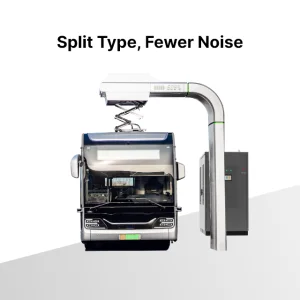
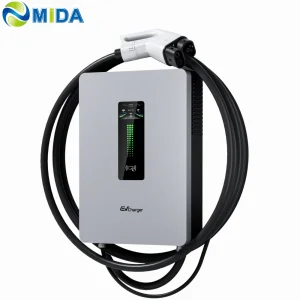
Best 300kw 600kw Super Charger Pantograph System

Best 300kw 600kw Super Charger Pantograph System Electric Bus EV Charging Station Factory

View Technical Specs
China Mobile Charger 30kW 40kW DC Fast Charger Station

China Mobile Charger 30kW 40kW DC Fast Charger Station With CCS 2 Cable Manufacturers

View Technical Specs
Best 400kW 420kW 480kW Level 3 DC Charging Station

Best 400kW 420kW 480kW Level 3 DC Charging Station Dual Port EV Fast Charger Unit Suppliers

View Technical Specs
China CHAdeMO 50kW 100kW Ultra Fast Charging Rapid Quick Charger

China CHAdeMO 50kW 100kW Ultra Fast Charging Rapid Quick Charger DC EV Charging Station

View Technical Specs
Best 20kW 30kW 40kW CCS2 Gun OCPP1.6 Wall Mounted DC Charging

Best 20kW 30kW 40kW CCS2 Gun OCPP1.6 Wall Mounted DC Charging Station Manufacturer

View Technical Specs
China 360kW 480kW EV Charger Station Split Ultra Fast

China 360kW 480kW EV Charger Station Split Ultra Fast for Public Commercial Charging Station

View Technical Specs
China 241kwh 120kw CCS CHAdeMO NACS BESS Charging Station

China 241kwh 120kw CCS CHAdeMO NACS BESS Charging Station Energy Storage EV Charger

View Technical Specs
China 30kW 40kW CCS2 DC Mobile Charger Portable EV Charging

China 30kW 40kW CCS2 DC Mobile Charger Portable EV Charging Station With LCD Display

View Technical Specs