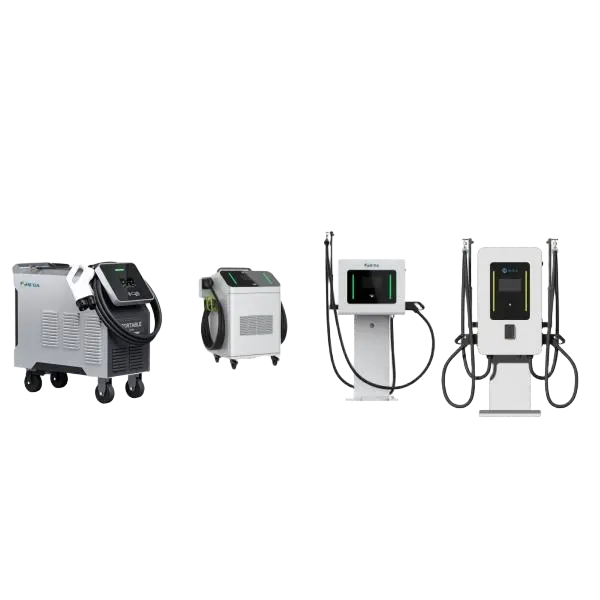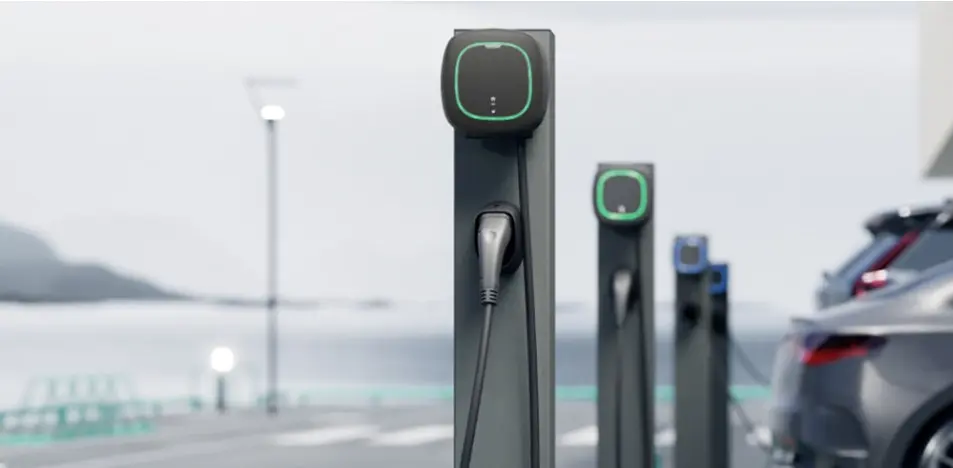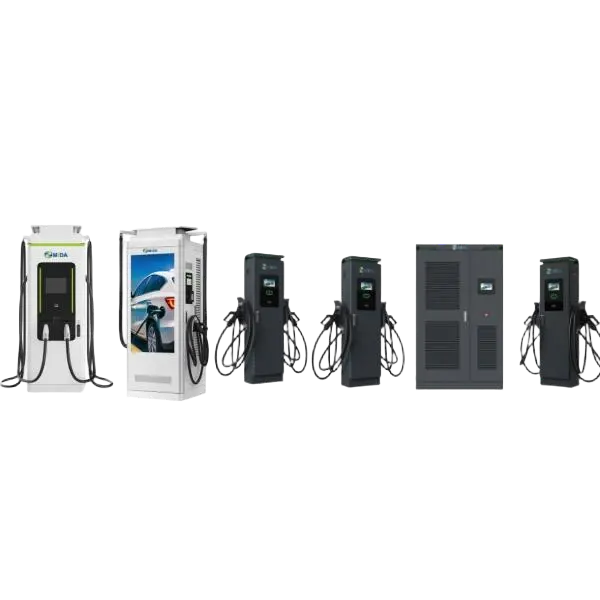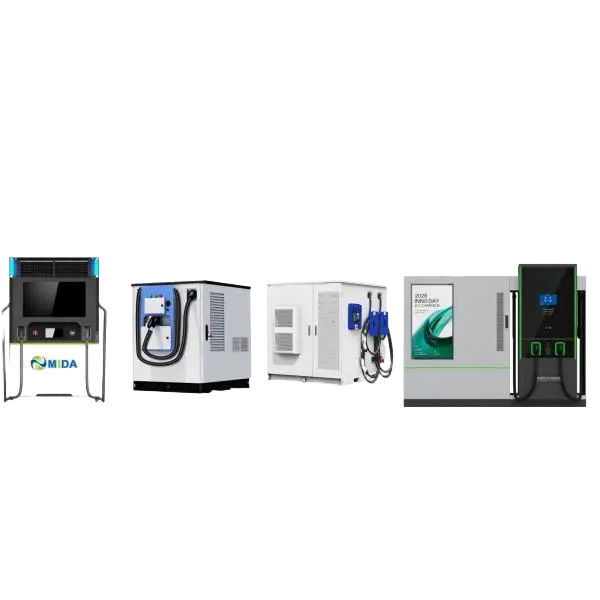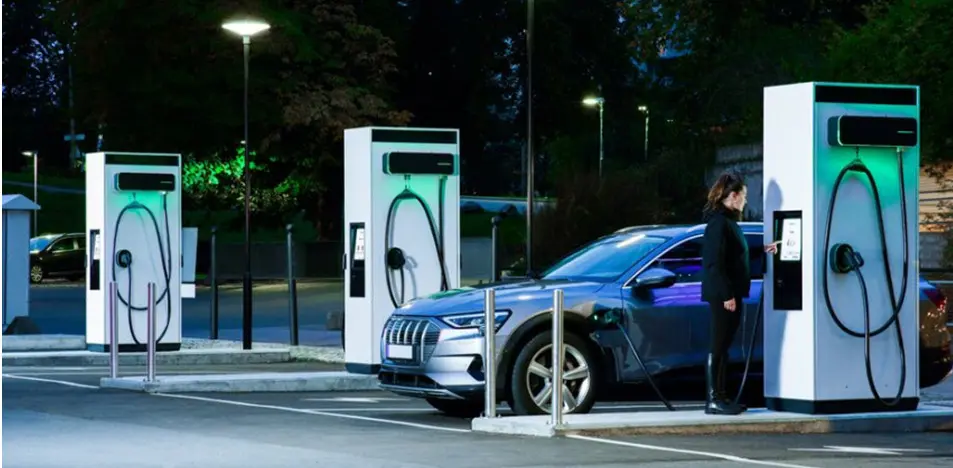
Explore our top-performing public charging piles, mobile energy storage chargers, and high-power CCS/NACS infrastructure systems.
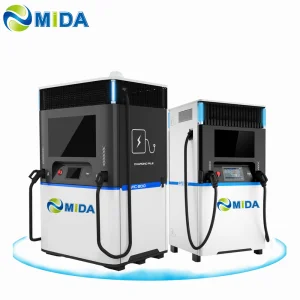
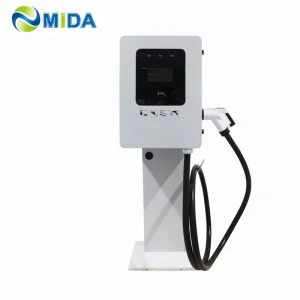
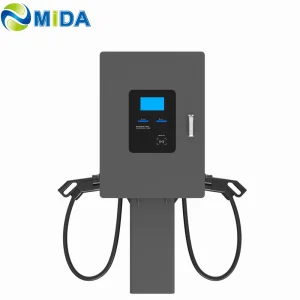
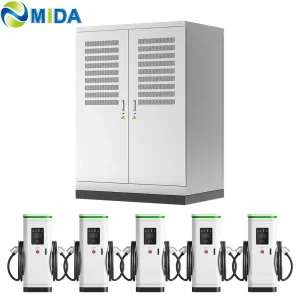
An engineering deep dive into high-power topology, power density modules, and the thermal management systems powering next-generation highway electrification.
In the rapidly transforming landscapes of electric vehicle (EV) transit, the demand for high-efficiency, high-throughput energy replenishment is driving absolute migration toward Level 3 DC Fast Charging Stations. Operating primarily in direct-current mode bypasses the EV's restrictive on-board charger (OBC), supplying regulated DC voltage directly to the Battery Management System (BMS). As a Tier 1 global supplier, MIDA Group engineers these systems at the hardware and software layers to achieve optimum power factor correction (PFC), thermal dissipation efficiency, and dynamic power routing.
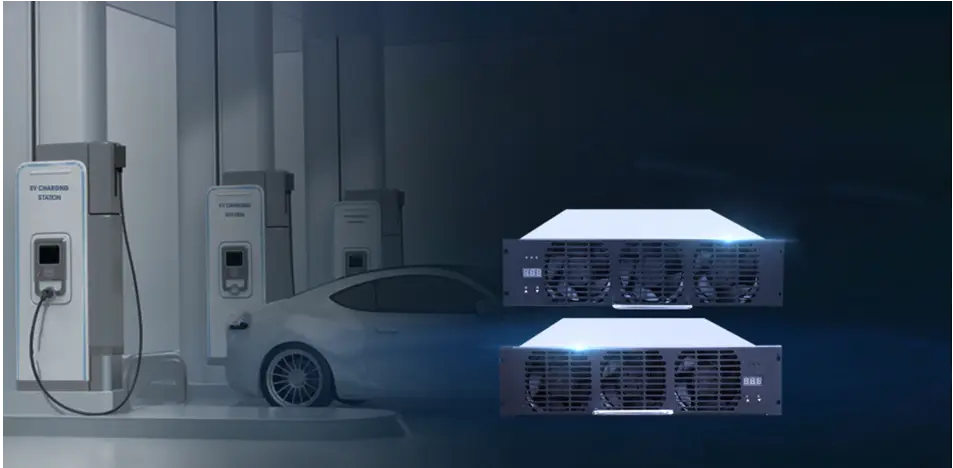
A primary decision matrix for Charge Point Operators (CPOs) and fleet administrators revolves around system architecture. Monolithic charging piles present a single failure point; if the central inverter fails, the entire unit goes offline. MIDA Group's Level 3 stations employ a modular topology. Utilizing our proprietary 30kW, 40kW, or 60kW AC/DC power modules stacked in parallel, the station benefits from active N+1 redundancy. Should a single module experience a thermal or electrical fault, it is isolated automatically while the system dynamically redistributes load parameters, ensuring continuous service and safeguarding station uptime.
From secondary destination endpoints to grid-independent fast-charge depots, select the ideal platform for your operational paradigm.

Shanghai Mida Cable Group Ltd. operates through its wholly owned subsidiaries: Shanghai Mida EV Power Co., Ltd., Shenzhen Mida EV Power Co., Ltd., and Shanghai Mida New Energy Co., Ltd.
Mida Cable manufactures a comprehensive range of EV charging cables, including 16A–80A J1772 cables, 16A–63A IEC 62196-2 Type 2 cables, and DC fast charging cables: CCS1 (80A–500A), CCS2 (125A–1000A), CHAdeMO (125A–300A), GBT (200A–1000A), and NACS connectors (250A–600A).
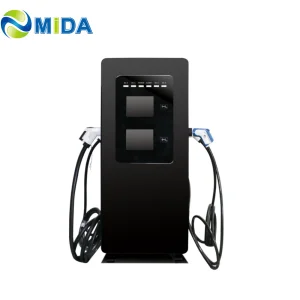
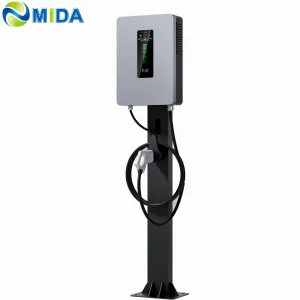
MIDA EV Power produces a full lineup of EV charging stations, such as 7kW–50kW mobile chargers, 3.6kW–7.2kW portable DC chargers, 360kW–1440kW split-type DC fast chargers, 20kW–50kW wall-mounted DC chargers, and 60kW–480kW floor-standing DC fast charging stations.
MIDA New Energy specializes in EV charger power modules, offering 20kW–60kW standard modules, 40kW–125kW liquid-cooled modules, 30kW–62.5kW bidirectional modules, and 20kW–45kW V2G charging modules.
Analyzing the architectural shifts shaping the next decade of heavy vehicle electrification, extreme fast charging (XFC), and grid bidirectional harmonization.
The global EV infrastructure is transitioning from a localized novelty to a macro-utility grade asset class. To satisfy this trajectory, Level 3 DC Fast Charging design is progressing along three critical development paths:
As modern EV OEMs move to 800V chassis architectures (e.g., Hyundai E-GMP, Porsche Taycan, Lucid Air), charger voltage profiles must scale. MIDA Group's Level 3 designs natively support continuous 1000V DC outputs, delivering the high current levels required without triggering battery packet thermal bottlenecks.
Heavy-duty logistics, maritime vessels, and e-buses demand power levels beyond CCS capabilities. The MCS standard allows up to 1250V and 3000A outputs. MIDA Group is actively prototyping MCS solutions with integrated liquid-cooled sub-assemblies to satisfy upcoming Class 8 truck requirements.
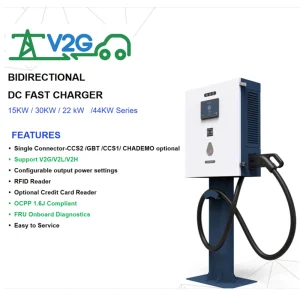
Level 3 fast chargers are no longer unilateral loads. Bidirectional grid-tied inverters allow fleet operators to feed power back into local distribution lines during peak pricing windows. Our 20kW-62.5kW bidirectional modules implement active anti-islanding and phase synchronization to act as virtual power plants.
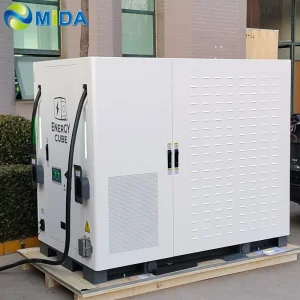
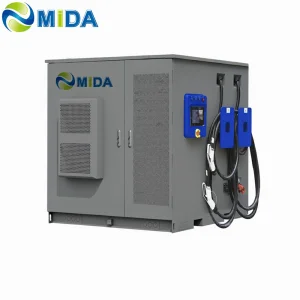
Furthermore, the integration of Battery Energy Storage Systems (BESS) with Level 3 charge stations is the primary mitigation strategy against grid capacity constraints. By placing a local battery buffer (e.g., 200kWh to 2MWh system) between the utility transformer and the charger, the station can deliver up to 480kW charging bursts while drawing a constant, low-level 50kW supply from the grid. This peak-shaving topology protects grid transformers from thermal stress and eliminates demand charges that devastate operating margin metrics.
MIDA Group delivers fully vertically integrated assemblies, ensuring compliance and compatibility across all system modules.
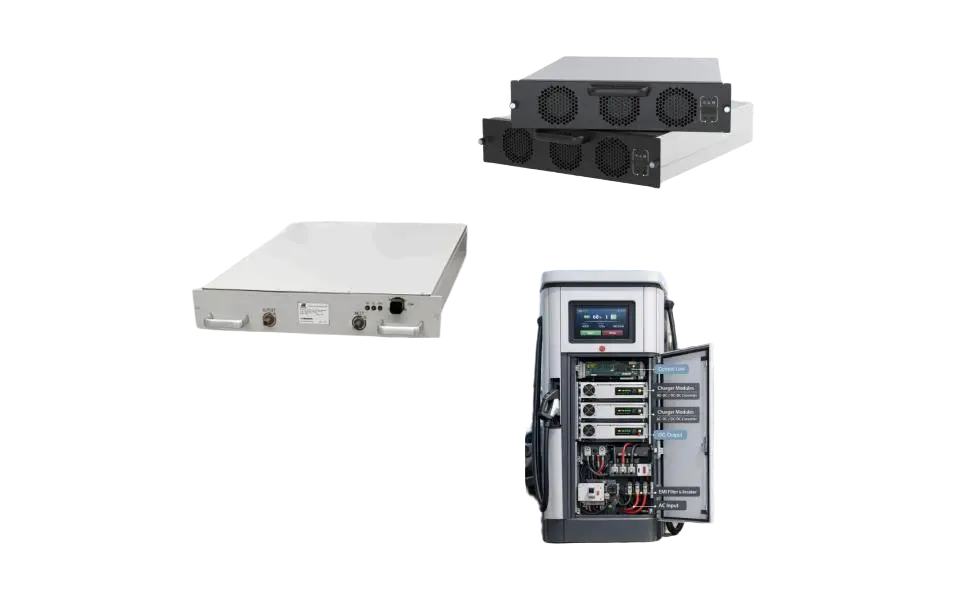
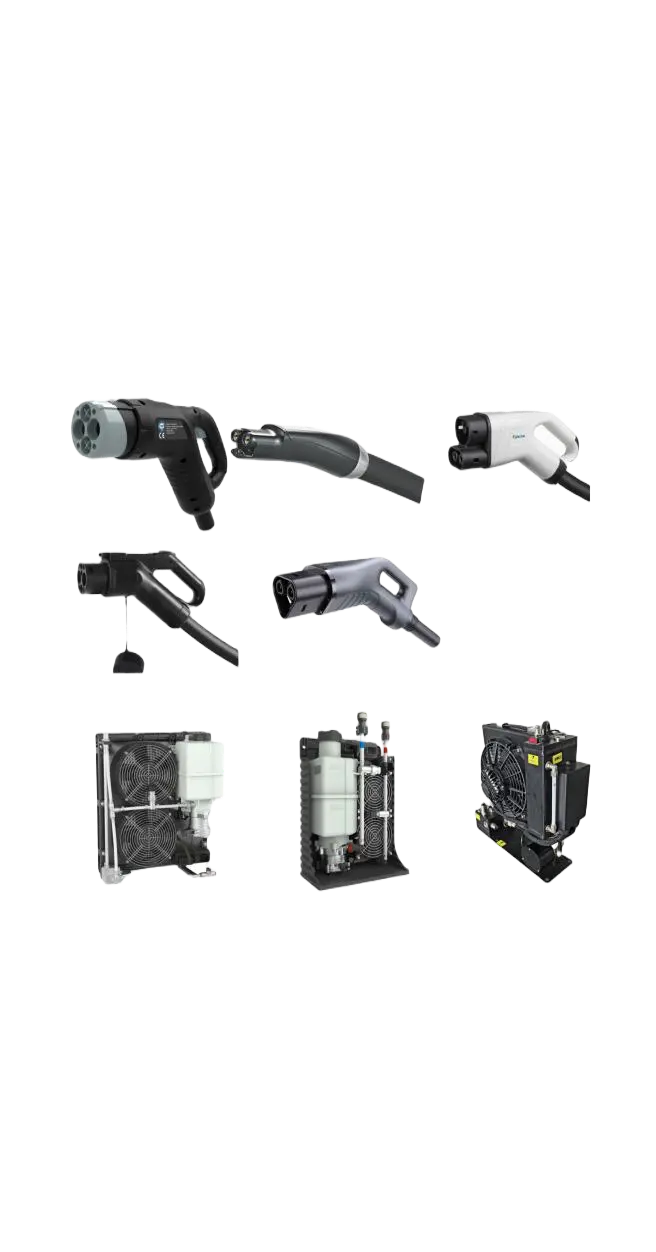
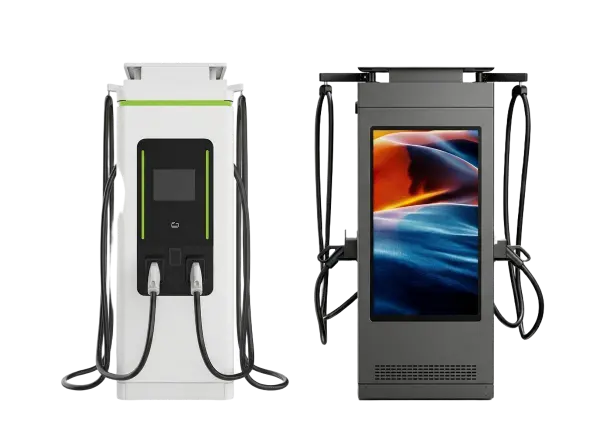
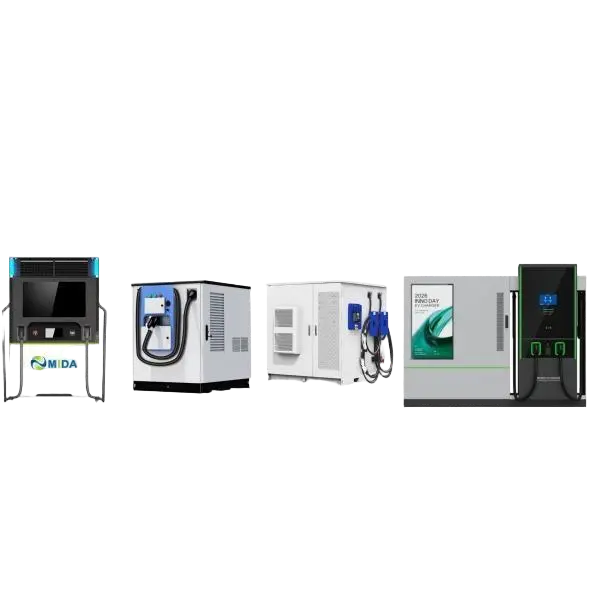
Providing Turnkey Charging Solutions Across Key Industrial Verticals and Operational Paradigms.
Deploying Level 3 DC fast charge stations requires careful coordination of civil engineering, electrical architecture, communications protocols, and localized regulatory compliance. MIDA Group supports global procurement partners by aligning our technology with the distinct demands of specific target operations:
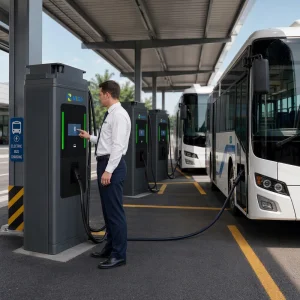
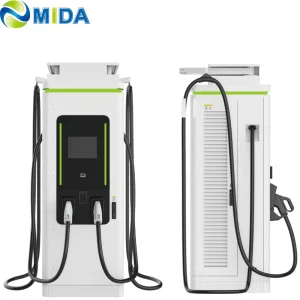
Fleet depots demand sequential or simultaneous high-power staging. MIDA Group's 360kW to 1440kW split-type DC systems route dynamic power to multiple satellite dispensers. Utilizing intelligent load balancing, our systems prioritize vehicles based on state of charge (SoC) and departure schedules, lowering average energy acquisition costs by minimizing utility demand charges during peak logistics operations.
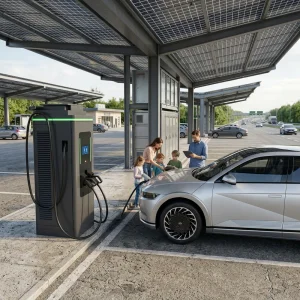
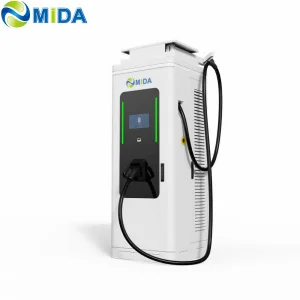
Public corridors demand maximum compatibility and rapid vehicle turnaround. Our flagship multi-standard public stations offer concurrent CCS1, CCS2, GBT, NACS, and CHAdeMO connectivity. Coupled with an integrated OCPP 1.6J/2.0.1 software layer, operators can remotely push firmware, implement dynamic pricing, and monitor real-time thermal profiles of liquid-cooled cables to assure 99.9% uptime compliance.
For locations with limited grid supply points, destination retailers utilize our integrated BESS charging systems. By storing grid energy during off-peak hours and discharging it during peak public charging demand cycles, real estate assets avoid expensive service line upgrades and can monetize charging service offerings without risking operational disruptions to main site power systems.
MIDA Group ensures localized compliance by designing our hardware in strict accordance with the following regional frameworks:
Developing robust Level 3 DC fast charge stations relies heavily on manufacturing consistency and materials sourcing transparency. MIDA Group's production sites leverage advanced Industry 4.0 methodologies to optimize quality control and cost-efficiency.
Our automated production processes incorporate:
By bypassing third-party components, MIDA Group protects global procurement operations from supply chain shocks, offering predictable lead times and reliable spare parts support.
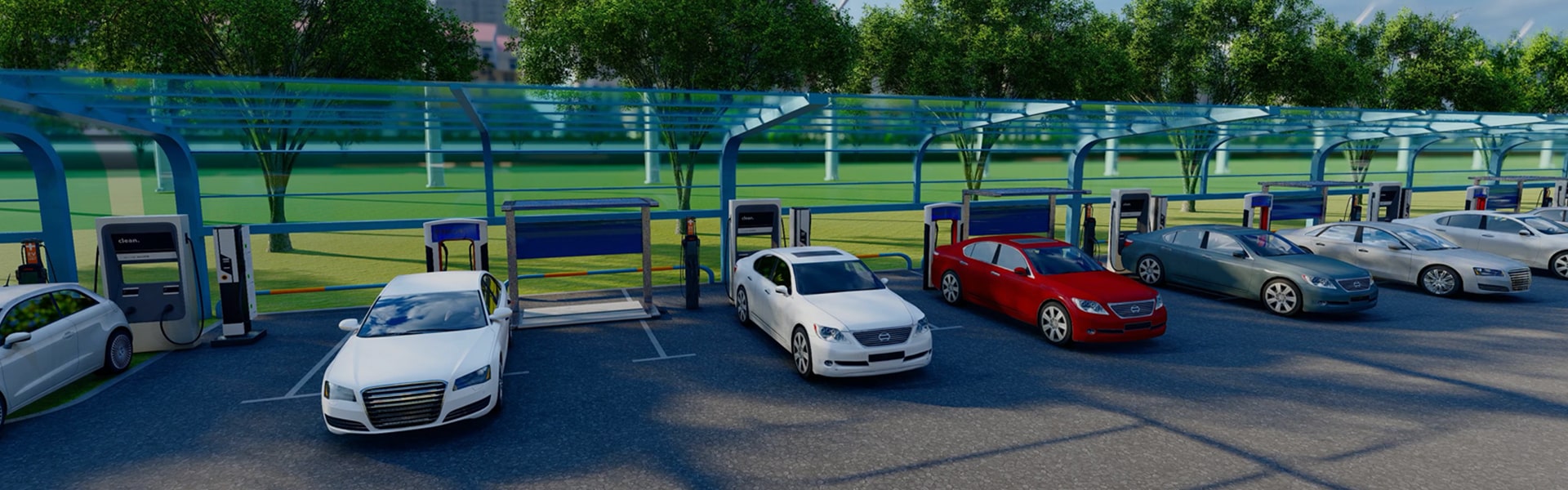
Explore our high-performance liquid-cooled systems, split-cabinet solutions, and bidirectional V2G units.
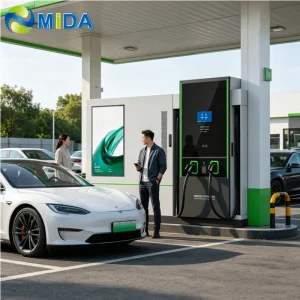
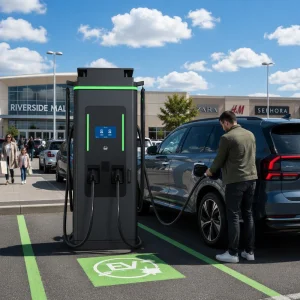
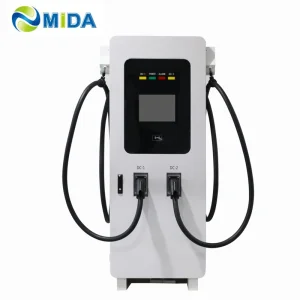
Stay up to date with MIDA Group's latest engineering releases and research papers in public transportation charging technology.
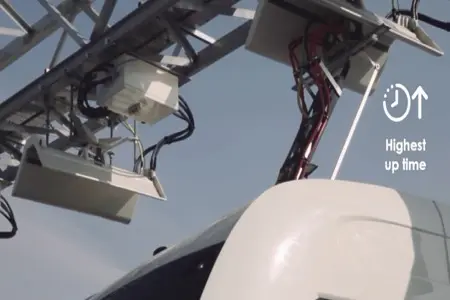
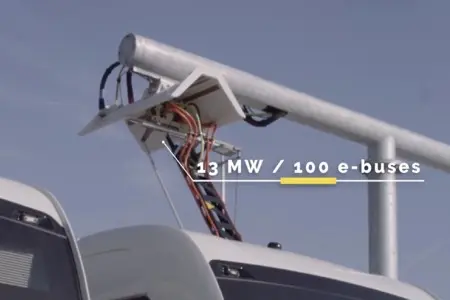
What are the advantages of an e-bus pantograph dome? In contrast to classic plug-in charging systems, e-bus pantograph solutions enable high-power charging at depots and en-route stops...
How long does it take to charge with an e-bus pantograph? The charging time depends on the battery capacity, state of charge, and power output of the charging system...
How to Install the Pantograph Up Charger System Dome for Electric Bus. Installing a “Pantograph Up” system requires careful engineering alignment with site infrastructure and municipal codes...
Expert technical responses to critical operational, design, and integration questions for commercial and utility stakeholders.