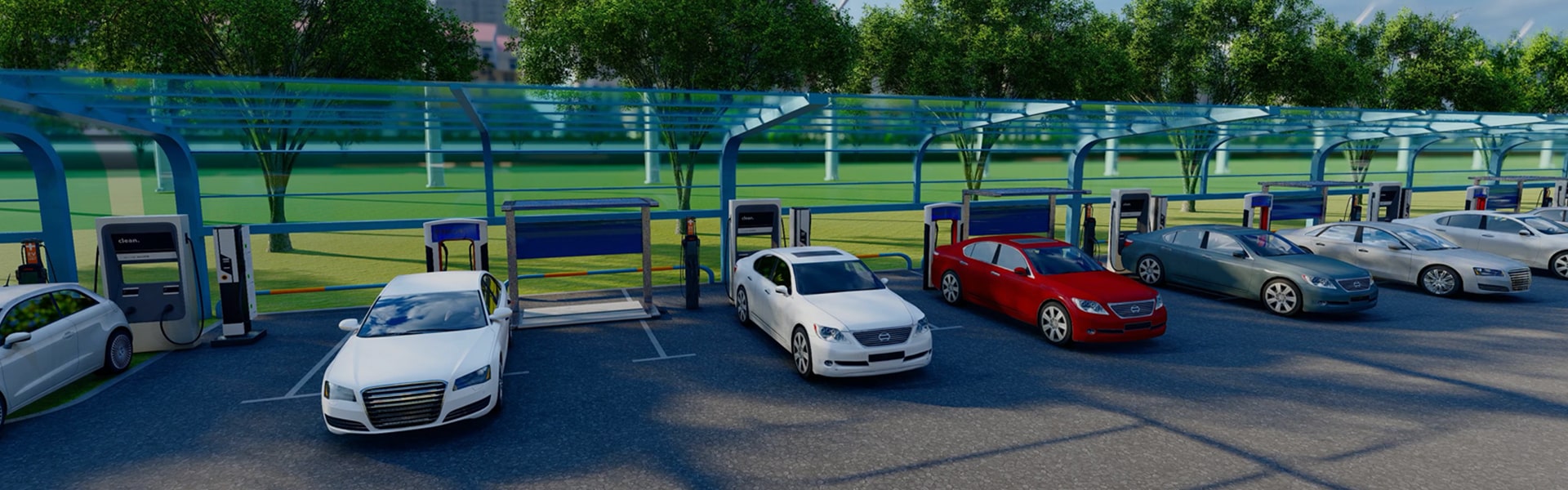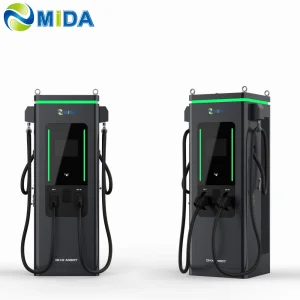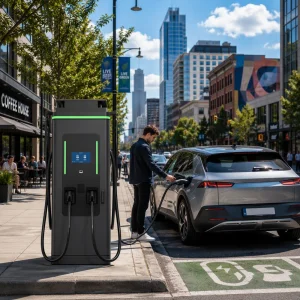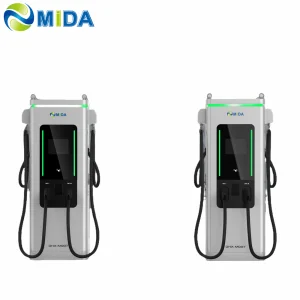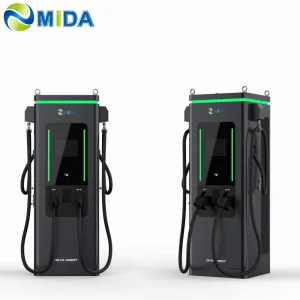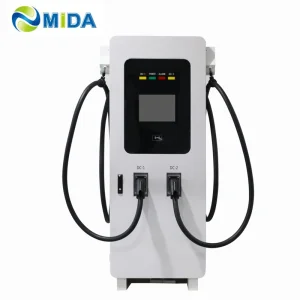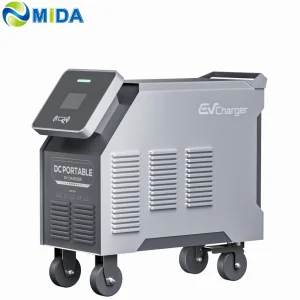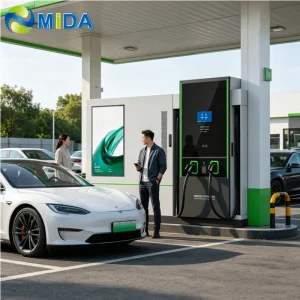
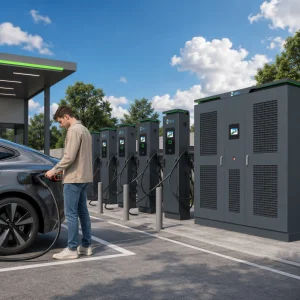
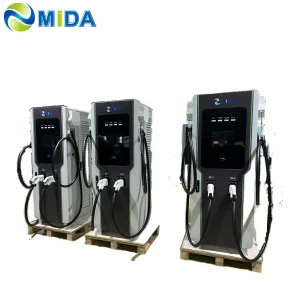
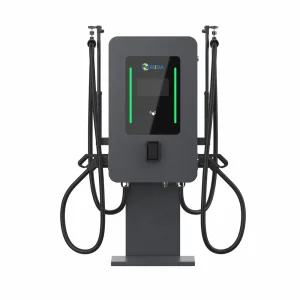
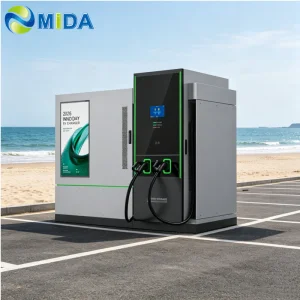
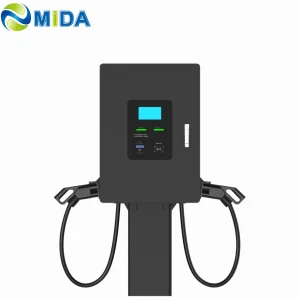
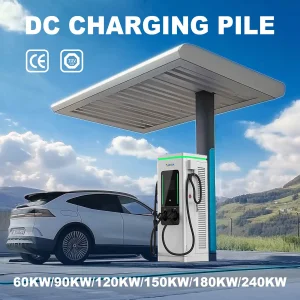
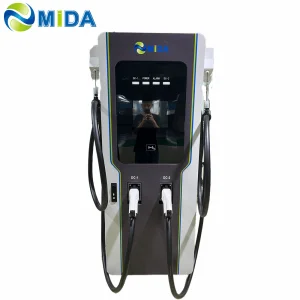
As transportation structures worldwide quickly transition toward zero-emission powertrains, the demand for industrial-grade Level 3 DC Fast Chargers has escalated from simple convenience installations to mission-critical infrastructure projects. High-Power Charging (HPC) stations, starting from 60kW up to massive 1200kW liquid-cooled split power stacks, form the backbone of fleet operators, municipalities, logistics hubs, and charge point operators (CPOs).
Commercial operations requiring rapid cycle turnarounds utilize our 200kW to 480kW centralized floor-standing stations or localized liquid-cooled systems to ensure constant operational availability, minimizing vehicle downtime.
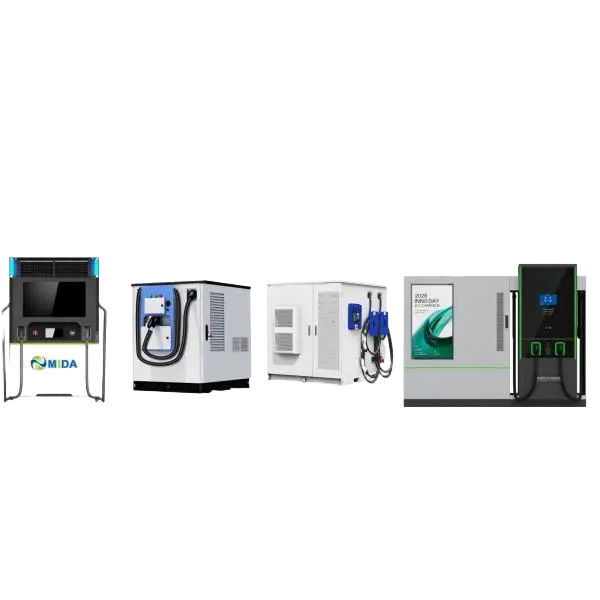
Integrating PV arrays with BESS-equipped DC charging units (60kWh to 2MWh stacks) enables rapid charging in remote grid-limited regions while supporting demand-response and peak-shaving capabilities.
Our structures strictly comply with global communication protocols (OCPP 1.6J/2.0.1) and critical physical and software parameters (ISO 15118 DIN 70121) to deliver seamless Plug & Charge vehicle handshake logic.
Shanghai Mida Cable Group Ltd. operates through its wholly owned subsidiaries: Shanghai Mida EV Power Co., Ltd., Shenzhen Mida EV Power Co., Ltd., and Shanghai Mida New Energy Co., Ltd.
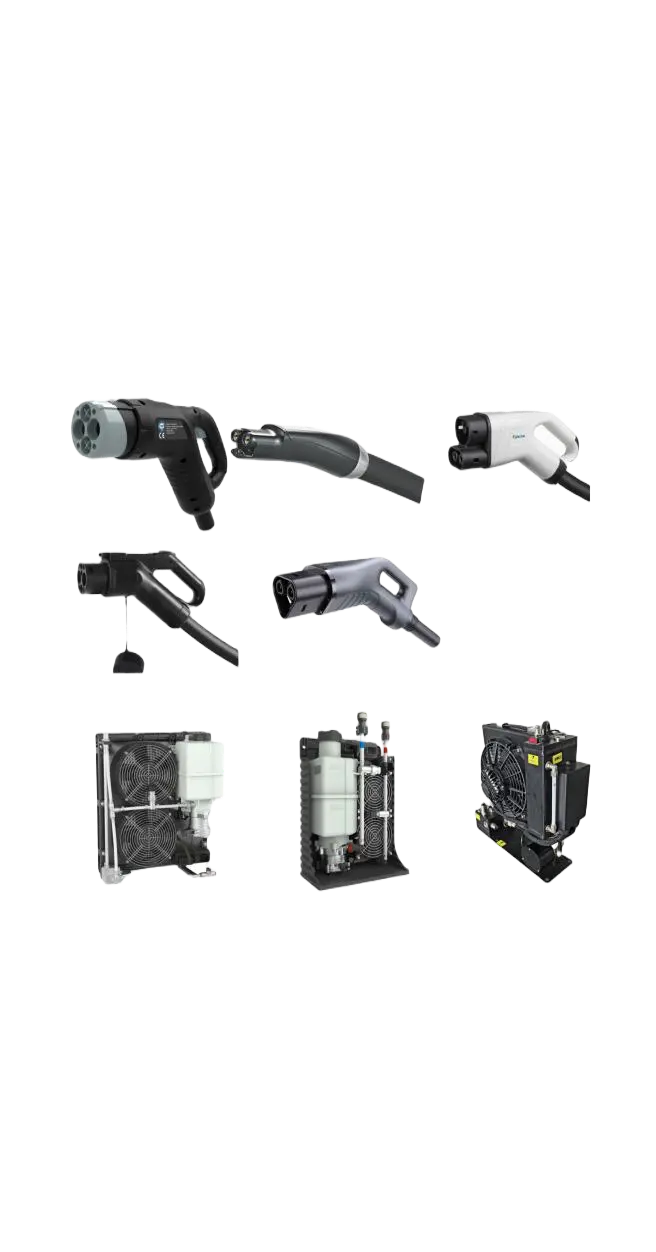
Mida Cable manufactures a comprehensive range of EV charging cables, including 16A–80A J1772 cables, 16A–63A IEC 62196-2 Type 2 cables, and DC fast charging cables: CCS1 (80A–500A), CCS2 (125A–1000A), CHAdeMO (125A–300A), GBT (200A–1000A), and NACS connectors (250A–600A).
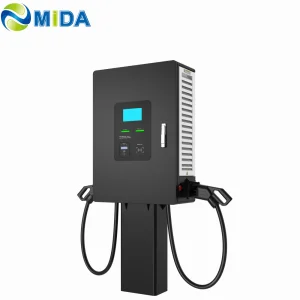
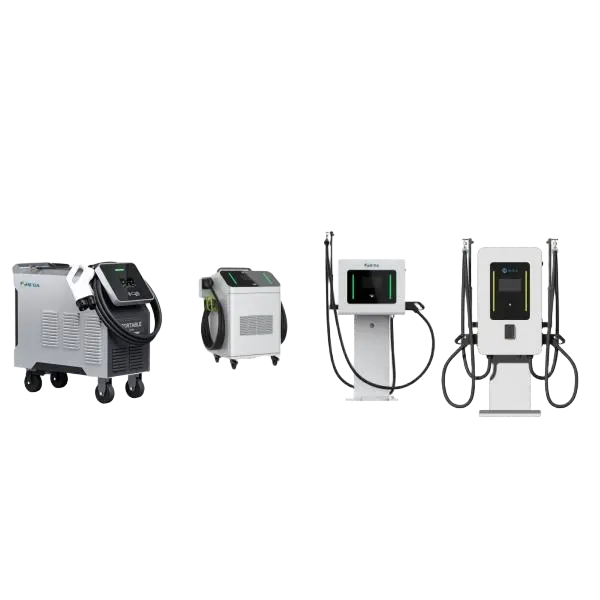
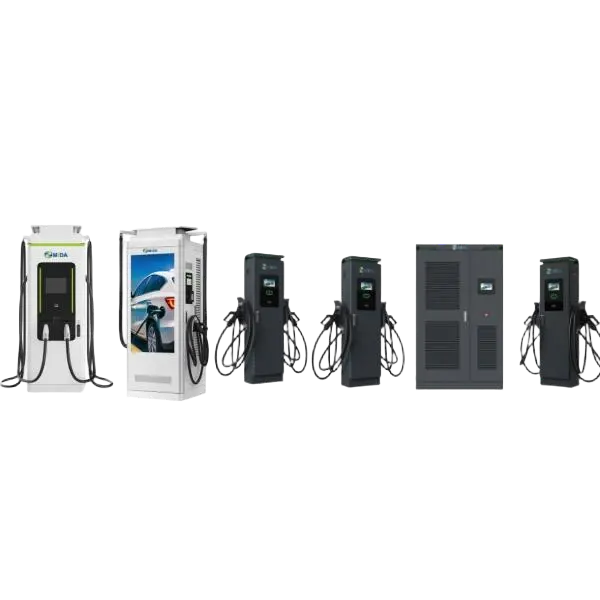
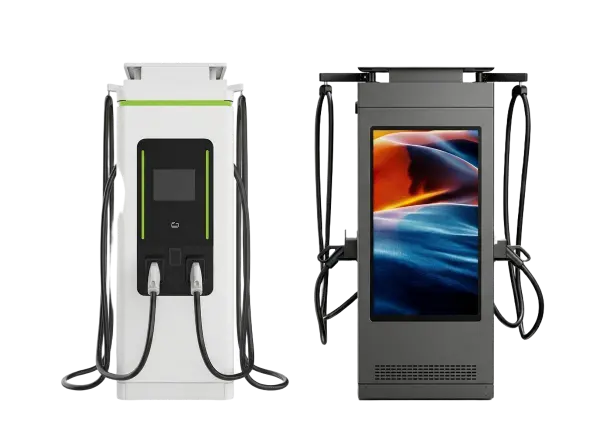
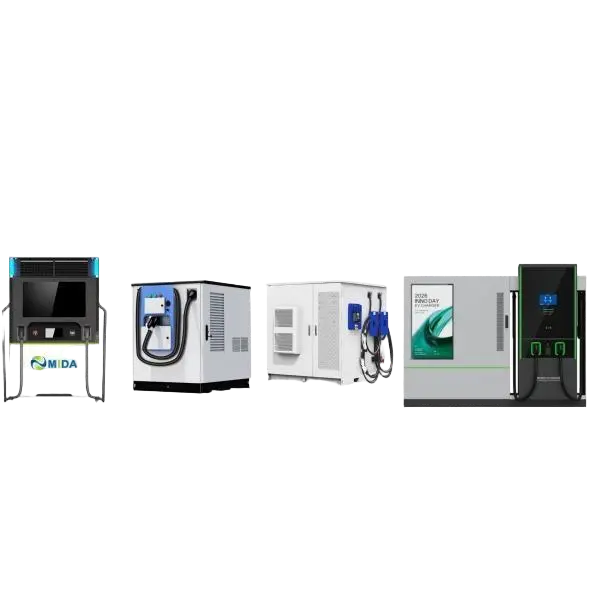
MIDA EV Power produces a full lineup of EV charging stations, such as 7kW–50kW mobile chargers, 3.6kW–7.2kW portable DC chargers, 360kW–1440kW split-type DC fast chargers, 20kW–50kW wall-mounted DC chargers, and 60kW–480kW floor-standing DC fast charging stations.
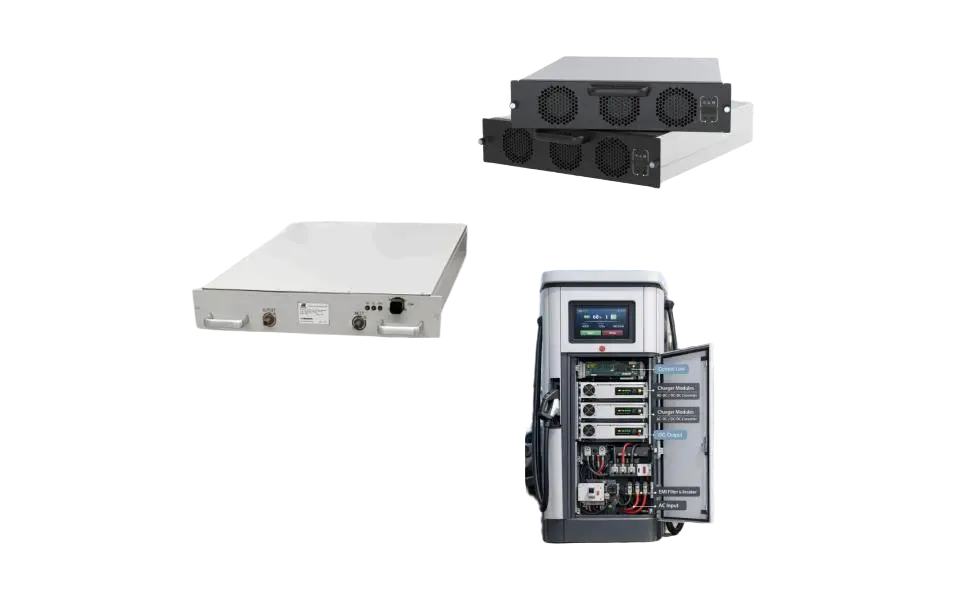
MIDA New Energy specializes in EV charger power modules, offering 20kW–60kW standard modules, 40kW–125kW liquid-cooled modules, 30kW–62.5kW bidirectional modules, and 20kW–45kW V2G charging modules.

Modern Level 3 charging presents rigorous thermal and electrical dynamics. Standard air-cooled chargers exhibit performance bottlenecks at continuous currents above 250A due to copper losses ($I^2R$ heating) in the cable and power module stack. MIDA solves these constraints through advanced material selection and liquid cooling system designs.
By integrating specialized coolant lines that circulate dielectric fluids through the charging cable directly to the connector terminals, we can scale continuous current density without generating structural heat. This allows charging outputs from 500A to a continuous 1000A, safely matching the needs of heavy commercial transport and highway hyper-chargers.
MIDA's bidirectional AC/DC power modules (up to 62.5kW unit rating) leverage advanced Silicon Carbide (SiC) semiconductor platforms. Our modules feature dual-DSP digital loop controls, achieving a conversion efficiency of 97.5% while supporting vehicle-to-grid (V2G) applications to dynamically stabilize the utility network.
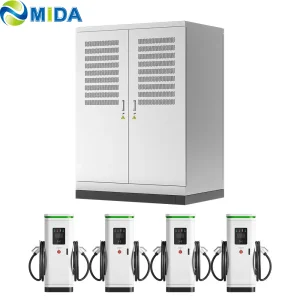
For scaling charge points, infrastructure engineers must choose between localized charging cabinets and split-power architectures. Split-power stack configurations isolate the conversion units inside a climate-controlled plant room, feeding simple output kiosks at the vehicle bays. This model optimizes structural footprints, simplifies acoustic mitigation, and dramatically improves system MTBF (Mean Time Between Failures).
Explore our engineering categories designed to meet the demands of global fleet operators and infrastructure developers.
Explore recent research and deployment insights on e-bus infrastructure and commercial vehicle charging pathways.
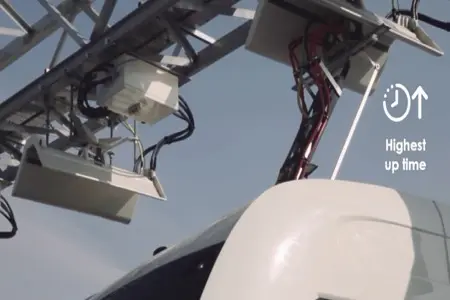
What are the advantages of an e-bus pantograph dome? In contrast to classic plug-in charging systems, e-bus pantograph charging provides hands-free connectivity, high-power transfer capability, and rapid alignment, making it perfect for automated depot charging protocols.
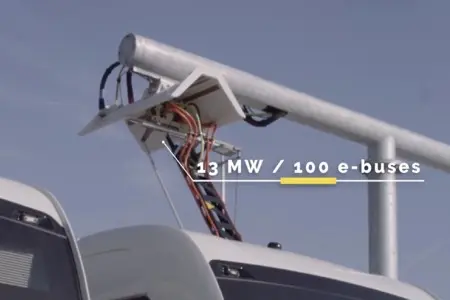
How long does it take to charge with an e-bus pantograph? The charging time depends on the battery capacity and the station's capacity. Using high-power overhead charging stacks, transit vehicles can recharge up to 80% capacity within 10 to 15 minutes during scheduled layovers.
How to Install the Pantograph Up Charger System Dome for Electric Bus. Installing a “Pantograph Up” system dome requires careful grid planning, overhead support structural alignment, and robust integration with the depot power management software to ensure reliable, safe charging connections.
Operating a global fast charging network requires strict adherence to localized grids, structural certifications, and safety standards. MIDA Group coordinates with testing bodies to certify all products for deployment worldwide.
UL 2202 and UL 2594 compliance certifications. Support for NACS (SAE J3400) and CCS1 protocols. Built for NEVI-funded highway installations with integrated payment structures and ADA accessibility configurations.
CE-EMC, CE-LVD, and RoHS compliance certifications. Native CCS2 connector support with MID-compliant billing systems, complying with EU AFIR regulations for open payment access.
GBT 20234 standard interface integration, support for high-voltage (1000V+) configurations for heavy commercial vehicles, and resilient IP65 outdoor dust and water protection ratings.
Get technical answers regarding the deployment, electrical topology, and configuration of Level 3 DC Fast Chargers.