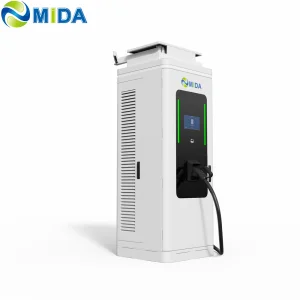
Explore our leading-edge commercial and high-power charging platforms deployed worldwide.
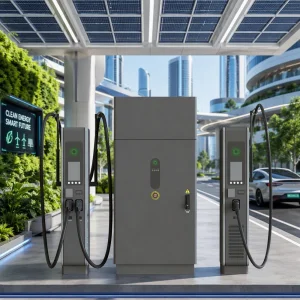
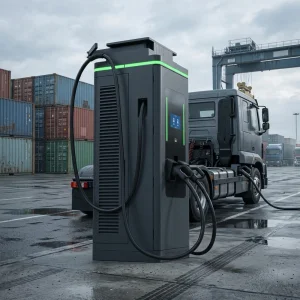
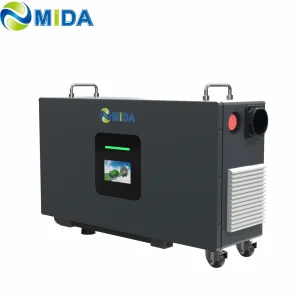
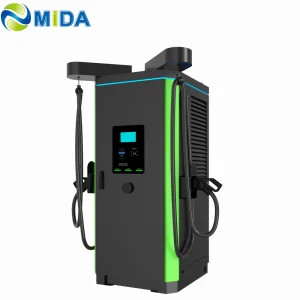
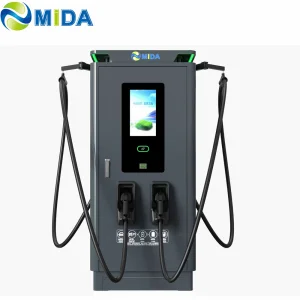
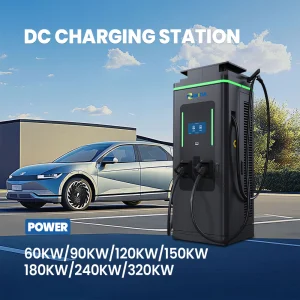
A vertically integrated power electronics and EV charging manufacturer pioneering liquid-cooling, high-voltage distribution, and grid optimization technologies.
Shanghai Mida Cable Group Ltd. serves as a preeminent developer and manufacturer of electric vehicle transmission systems and high-power charging infrastructures. Through its specialized subsidiaries—Shanghai Mida EV Power Co., Ltd., Shenzhen Mida EV Power Co., Ltd., and Shanghai Mida New Energy Co., Ltd.—the group integrates scientific research, mechanical engineering, raw material compounding, and advanced power electronics manufacturing to serve original equipment manufacturers (OEMs), charge point operators (CPOs), and heavy industries globally.
Our manufacturing ecosystem spans three critical domains:
By maintaining absolute control over the supply chain—from drawing raw copper wiring to developing the embedded software logic for dynamically balancing multi-megawatt charging stacks—MIDA GROUP guarantees operational continuity, high energy density, and compliance with the most stringent global electrical safety standards.

Deep insights into the global shift toward Megawatt charging, local grid capacity constraints, and software-defined power routing.
As consumer and commercial electric vehicles transition to 800V and 1000V battery architectures, traditional air-cooled charging systems face thermal limits. Charging currents exceeding 250A generate exponential heat dissipation within the cable and connector. To achieve sub-15 minute recharge cycles, liquid-cooled charging cables and modules are mandatory. MIDA's split-type DC hypercharging systems (ranging from 600kW up to 960kW) utilize integrated liquid coolant pumps and closed-loop thermal systems. This technology enables the delivery of continuous currents up to 1000A while maintaining safe contact temperatures at the CCS2 or NACS connector.
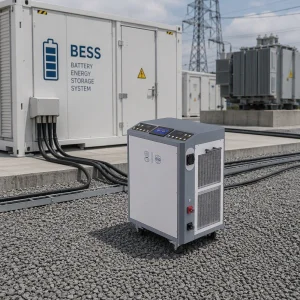
Grid operators face major capacity constraints when commercial operators install multiple high-power DC fast chargers. Co-locating stationary storage units, such as MIDA's BESS Charging Stations (from 60kWh to 2MWh), mitigates utility demand charges and grid overload. These systems store energy during off-peak windows or directly capture solar PV energy. During high-demand charging intervals, the system coordinates discharge parameters, supplementing grid power and stabilizing local transformer nodes.
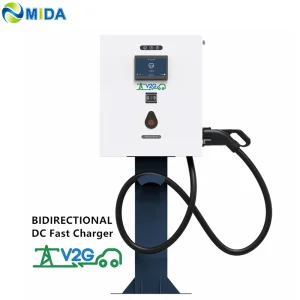
Electric vehicles are shifting from passive electrical loads to active energy assets. V2G bidirectional technology, supported by MIDA's 20kW to 45kW V2G modules and complete V2G cabinet units, enables fleet managers and utilities to feed stored battery energy back to the grid during emergency peaks. Implementing OCPP 2.0.1 and ISO 15118 protocols guarantees secure communications and authentication, making V2G crucial for grid stabilization and corporate virtual power plant (VPP) initiatives.
Industrial-grade systems categorized by deployment typology, power delivery mechanisms, and dynamic energy profiles.
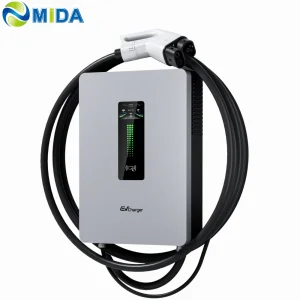
Power Range: 7kW - 80kW
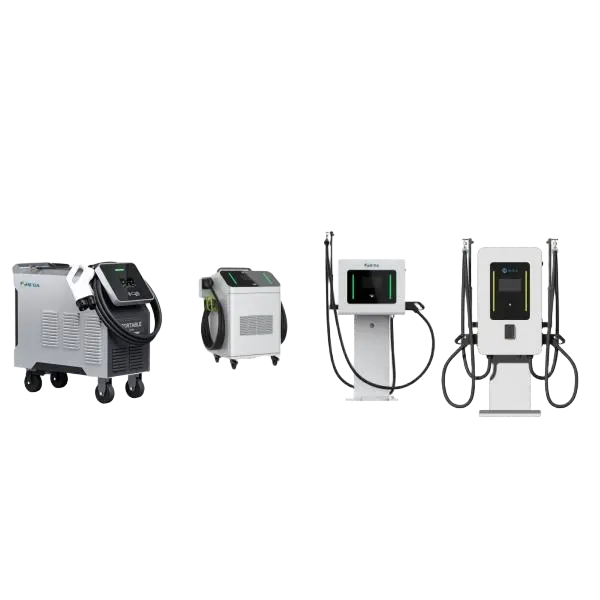
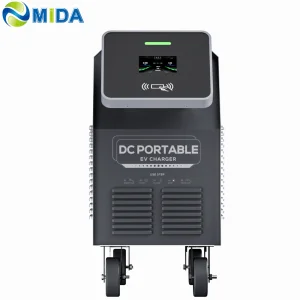
Designed for light commercial fleets, multi-family housing, and service vehicles. High-density modules packaged in compact, NEMA 3R/IP54 weatherproof cabinets.
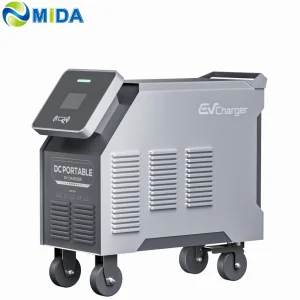
View Mobile SolutionsPower Range: 60kW - 1440kW
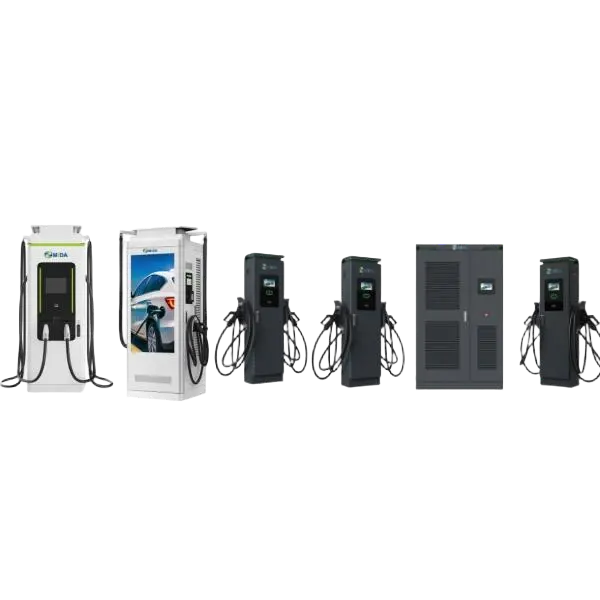
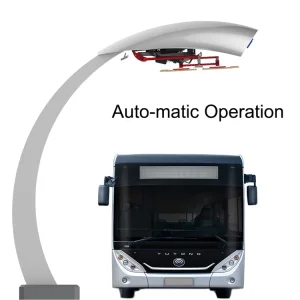
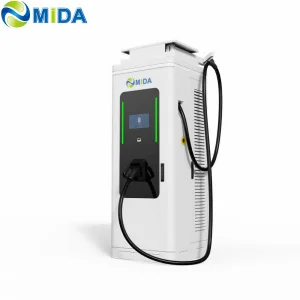
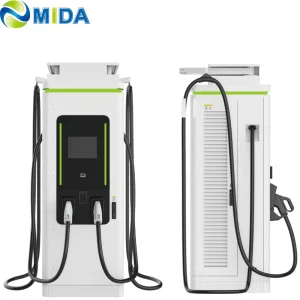
High-power hypercharger stations engineered for public highway plazas and bus depots. Supporting split architecture, pantographs, and dynamic matrix power allocation.
Explore Ultra-Fast SystemsStorage: 60kWh - 2MWh+
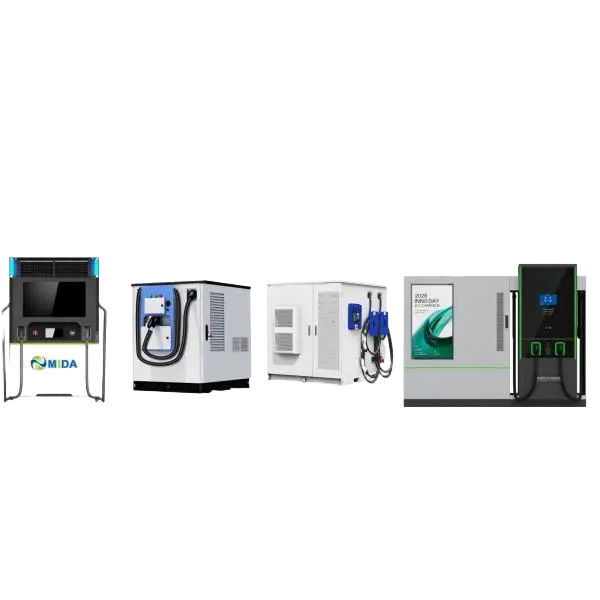
Integrated solar, energy storage, and DC charger stacks. Ideal for grid-constrained locations, peak shaving, and remote mobile recovery operations.
Analyze BESS SolutionsThe core engine of high-efficiency energy conversion systems.
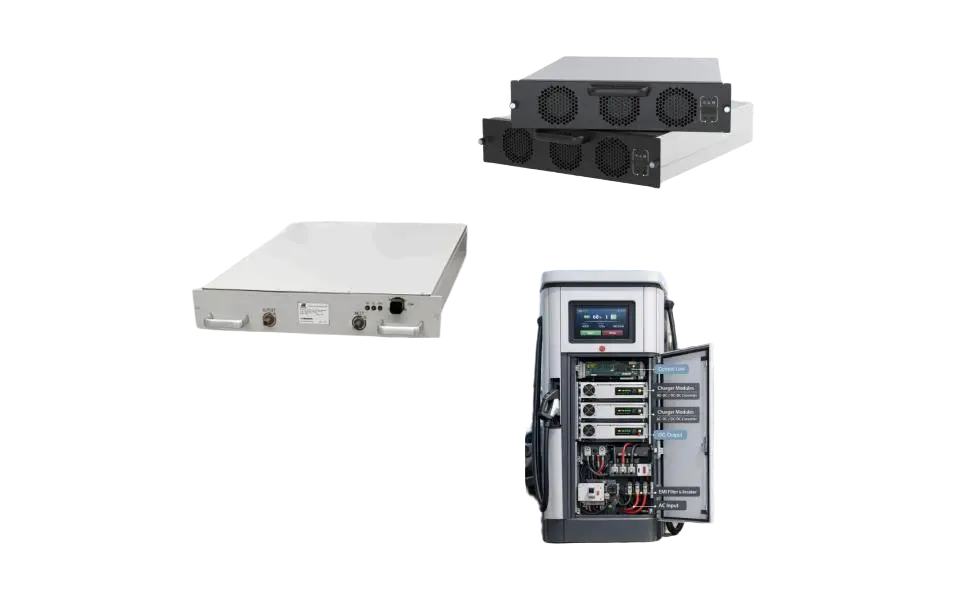
Designed for continuous operation under severe electrical and mechanical stress.
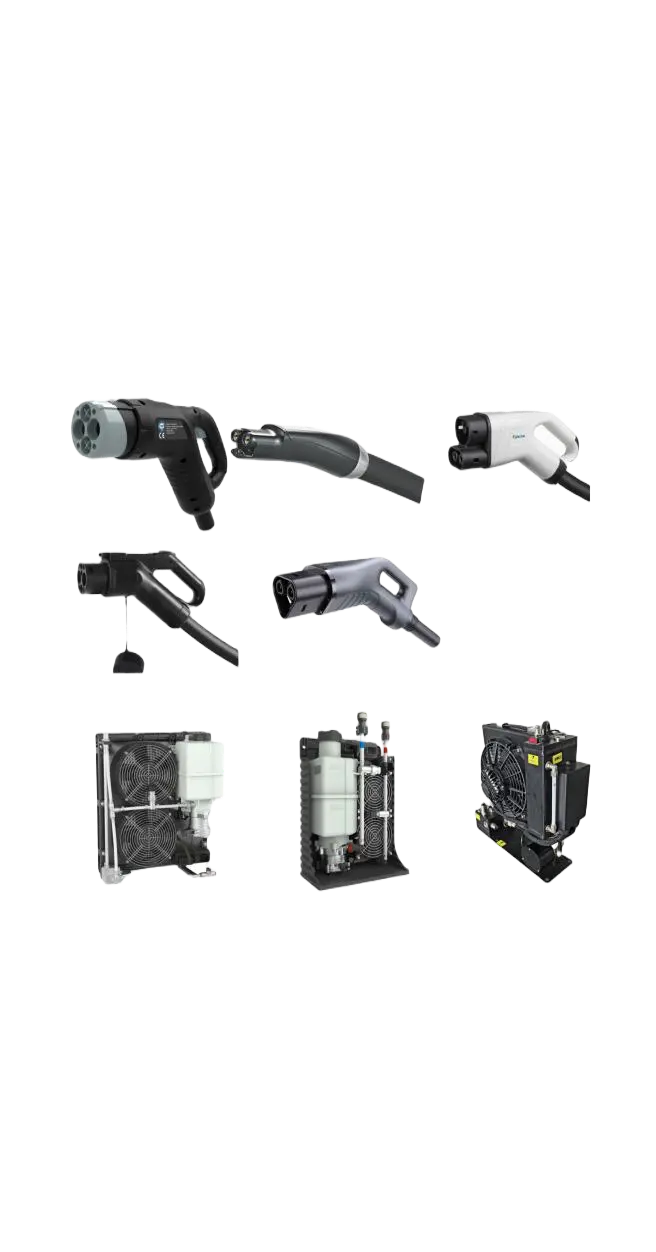
Comprehensive hardware platforms for commercial charging infrastructure.
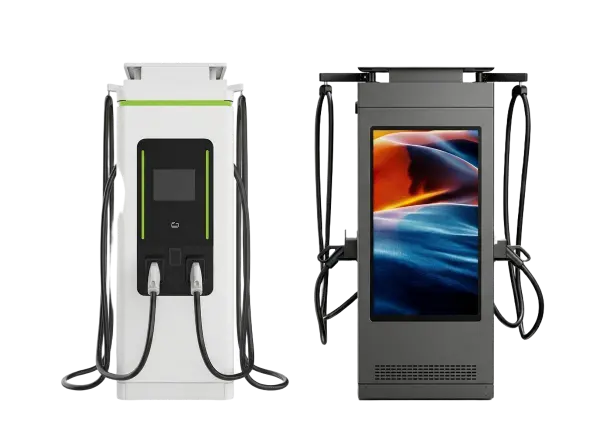
Grid-independent and heavy mobility charging platforms.
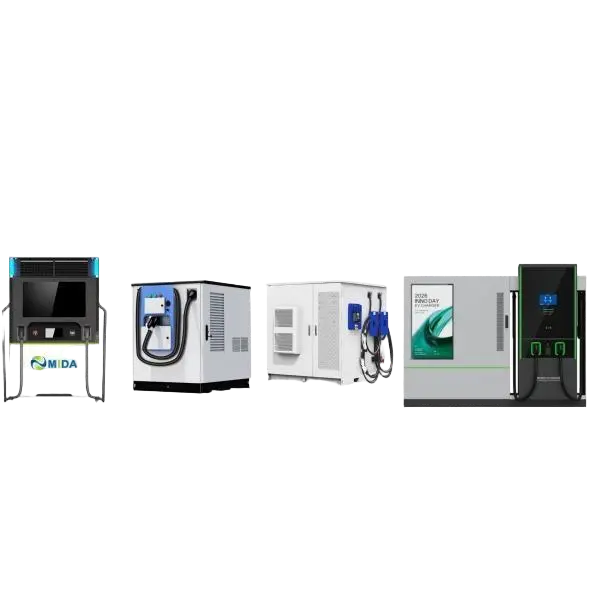
Understanding the compliance, safety, and performance requirements of enterprise-level EVSE acquisitions.
Corporate and municipal procurement offices evaluating global EV charging factories must prioritize factors beyond unit cost. Scalability, interoperability, serviceability, and regulatory alignment determine the long-term Return on Investment (ROI) of charging networks. MIDA GROUP addresses these core criteria through its engineering and manufacturing protocols:
Our stations feature native integration with Open Charge Point Protocol (OCPP) 1.6J and 2.0.1. This ensures seamless connection to any third-party billing, network management, or fleet dispatch software. Hardware layers support ISO 15118 for secure Plug & Charge and Autocharge capabilities.
Deployments in GCC desert regions or Nordic winter zones require specialized engineering. We offer charging enclosures with IP55/NEMA 3R configurations, liquid-glycol temperature management loops, and anti-corrosion coatings. This design protects internal power electronics from fine dust, high humidity, and salt mist.
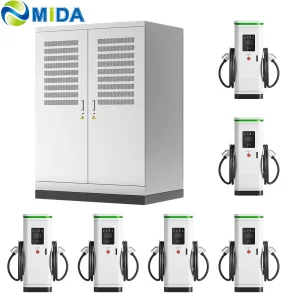
Instead of static power configurations, MIDA's split-type DC charging stacks utilize dynamic matrix distribution modules. A centralized rectifier cabinet monitors the real-time state of charge (SoC) across multiple connected vehicles, dynamically routing power in 20kW or 40kW increments to where it is needed most.
By optimizing modular repair pathways, field operators can replace power modules within 10 minutes. This design minimizes system downtime and significantly lowers the lifetime cost of ownership.
Ensuring seamless compliance with international grid connection and safety standards.
National grid agencies impose strict regulations on harmonic distortion and electromagnetic compatibility before certifying high-power grid connections. MIDA GROUP's complete product line undergoes rigorous testing to comply with international standards:
| Target Region | Connector Standard | Regulatory Certifications | Grid Compliance Standards |
|---|---|---|---|
| North America | NACS (SAE J3400), CCS1 (Type 1) | UL 2202, UL 2231-1/-2, FCC Class A | IEEE 1547, Rule 21, Energy Star |
| Europe & UK | CCS2 (Type 2), Pantograph (Type A/B) | CE-LVD, CE-EMC, TUV GS, UKCA | EN 61851-1/-23, IEC 62196 |
| APAC & China | GB/T 20234, CHAOJI, CHAdeMO | CQC, GBT, RCM (Australia) | IEC 61000, State Grid Code |
Beyond product certification, MIDA offers localized engineering support. This includes technical assistance with civil site surveys, transformer matching, protection relay coordination, and grid-connection approvals.
Our forward-looking development plan for megawatt charging standards and AI-driven load management.
Heavy-duty electric transport, including class 8 long-haul trucks, maritime ships, and commercial aircraft, requires megawatt-level charging interfaces. MIDA's engineering teams are currently developing next-generation MCS couplers and rectifiers capable of delivering up to 3.75 Megawatts (3,000A at 1,250V DC). This infrastructure is designed to reduce terminal charging windows for heavy transport fleets.
Our technology roadmap includes transitioning from standard Lithium Iron Phosphate (LFP) chemistry to solid-state energy storage modules within our integrated charging stations. Solid-state technology improves thermal runaway protection, extends lifecycle duration to over 8,000 charge cycles, and increases volumetric energy density.
Future updates to our charging stations will feature edge-computing nodes running machine learning inference. These algorithms process local historical grid profiles, weather forecasts, and dynamic pricing metrics. The system then determines optimal power distribution schedules, improving energy efficiency across the station network.
Addressing primary technical, regulatory, and financial questions from infrastructure developers.
Stay updated on our latest high-power transit charging installations, technical achievements, and industry insights.
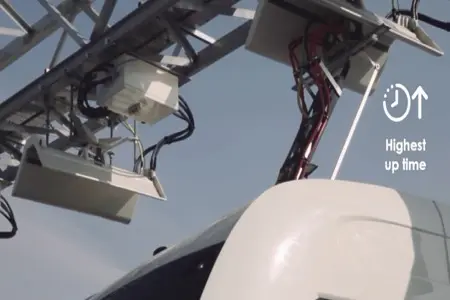
Unlike traditional plug-in charging connectors, overhead pantograph systems allow automated connection and fast charging for electric transit fleets.
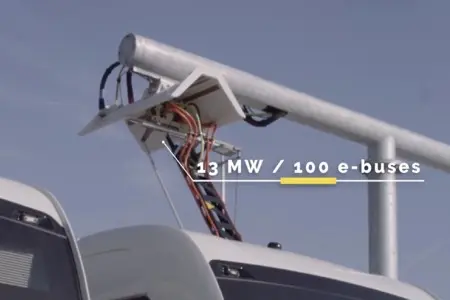
Reviewing typical charging durations based on vehicle battery capacity and station output, highlighting efficiency gains for busy bus routes.
A detailed guide on site preparation, grid connection requirements, and mechanical alignment for overhead bus charging systems.
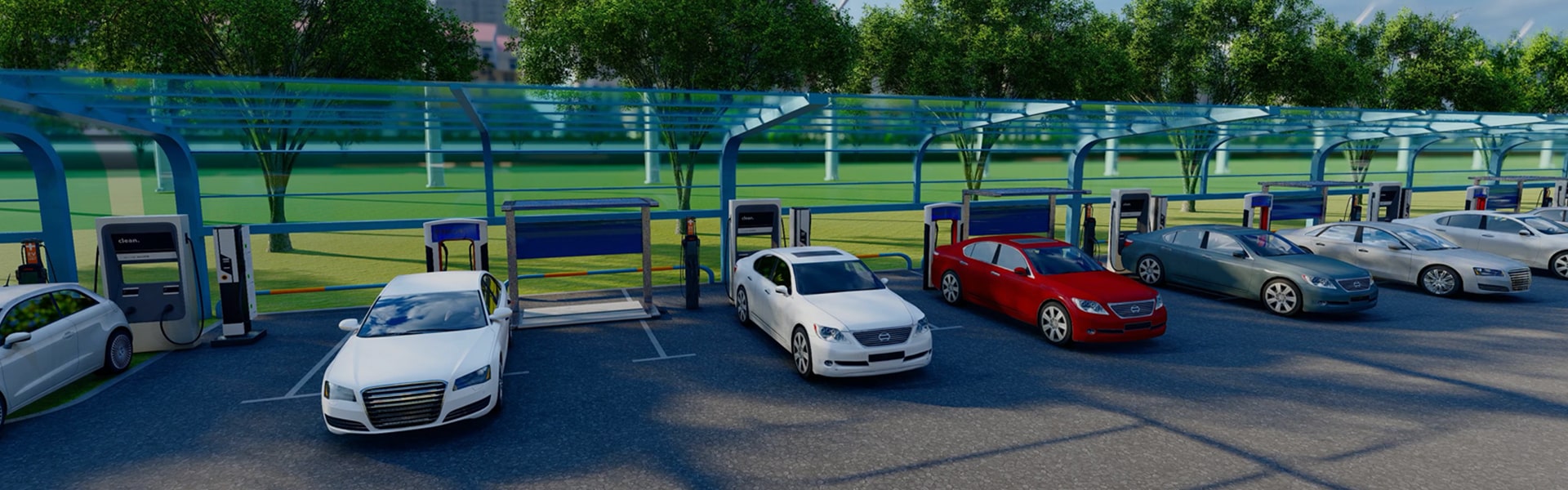
Our complete line of portable, split-type, and bidirectional DC charging stations.