Explore our highly integrated, smart-grid-aligned DC chargers designed for public hubs, highway grids, and municipal operators worldwide.
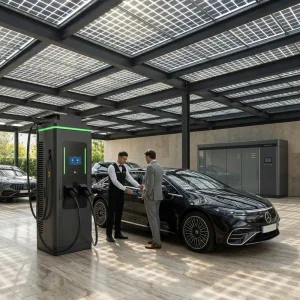
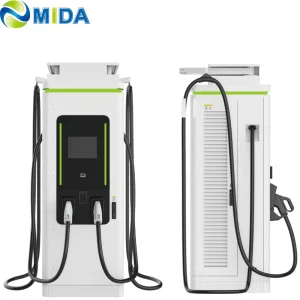
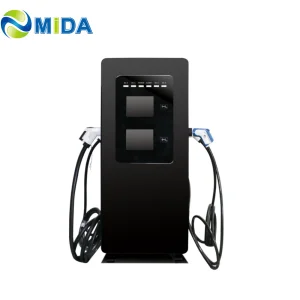
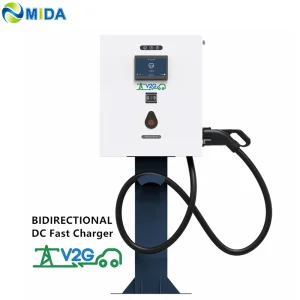
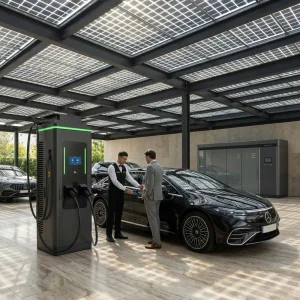
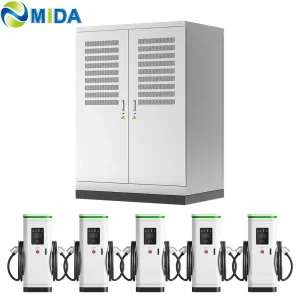
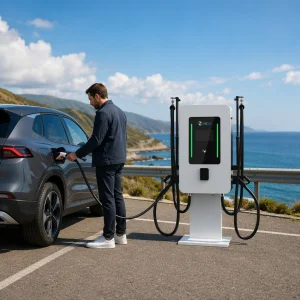
The rapid transformation of the automotive sector is shifting from localized Level 2 AC installations to highly structured, megawatt-level EV DC Charger Stations. Historically, fleet operators and commercial site managers categorized charging infrastructure as a facility enhancement. Today, in light of net-zero targets and strict grid compliance regulations—such as Europe’s Alternative Fuels Infrastructure Regulation (AFIR) and North America's National Electric Vehicle Infrastructure (NEVI) program—high-power DC fast charging represents a core element of industrial logistics optimization.
In mature EV markets, public and private sectors are adopting standardized, high-reliability systems. The transition is marked by three regional factors:
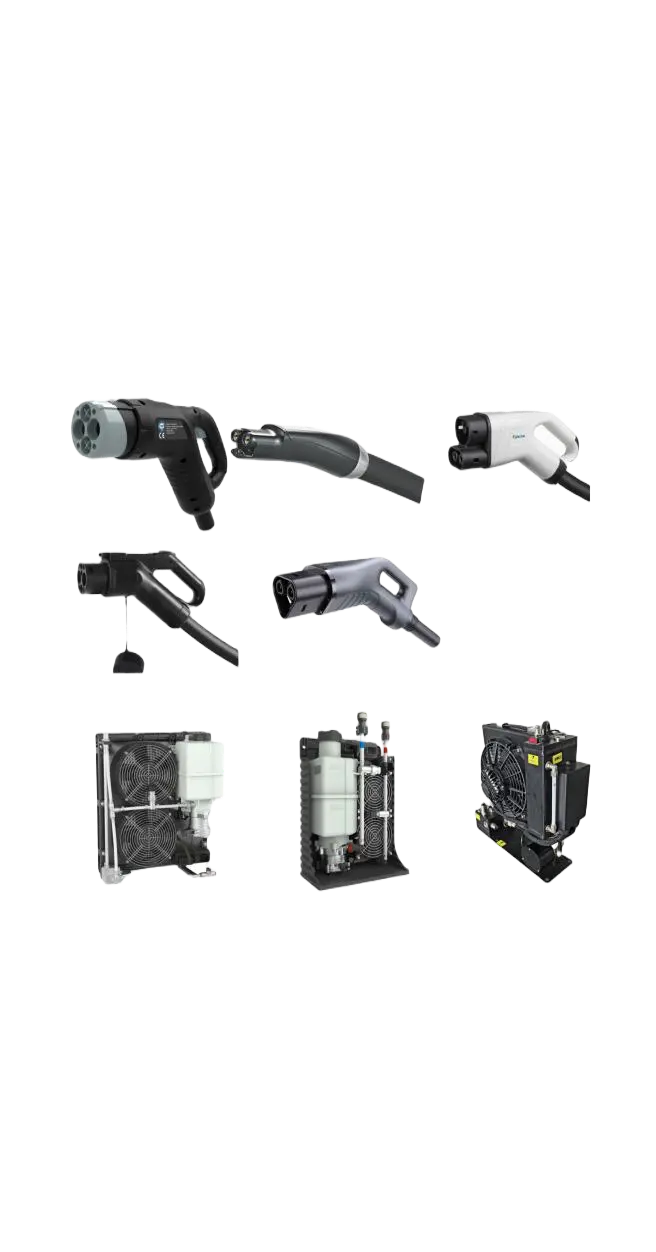
High-performance DC chargers (above 350kW) face significant thermal limitations. Charging cables and pins cannot safely exceed 200A without active thermal management. Liquid cooling circuits—employing non-conductive, glycol-based solutions—allow charging currents of up to 600A continuously. This enables 10-to-80 percent state-of-charge (SoC) replenishment in under 15 minutes.
Additionally, bidirectional charging using Vehicle-to-Grid (V2G) protocols (ISO 15118-20) allows parked vehicle fleets to serve as distributed energy storage assets. Under smart-charging algorithms, fleet depot operators can sell power back to the regional grid operator during peak demand periods, transforming electric vehicles from utility costs into revenue-generating assets.
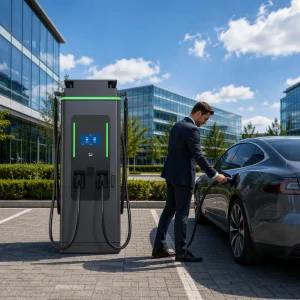
Comprehensive systems engineered by MIDA Group to power public transport, commercial sites, and remote logistic yards.
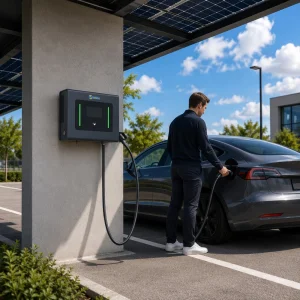
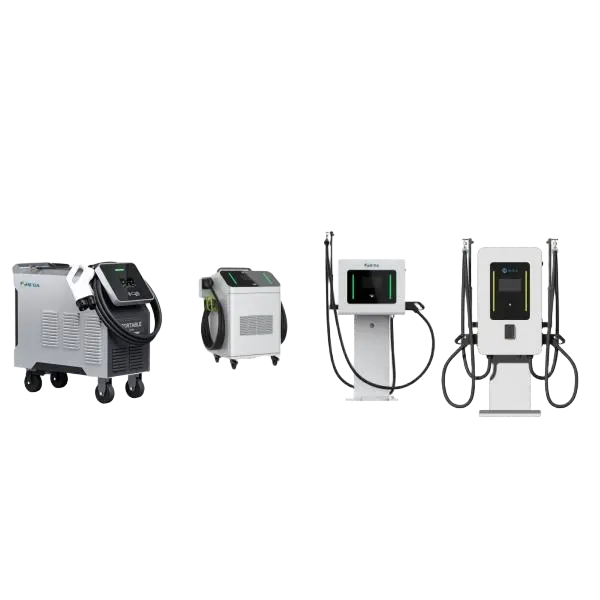
Configured for overnight fleets, destination hubs, and workplace parking lots.
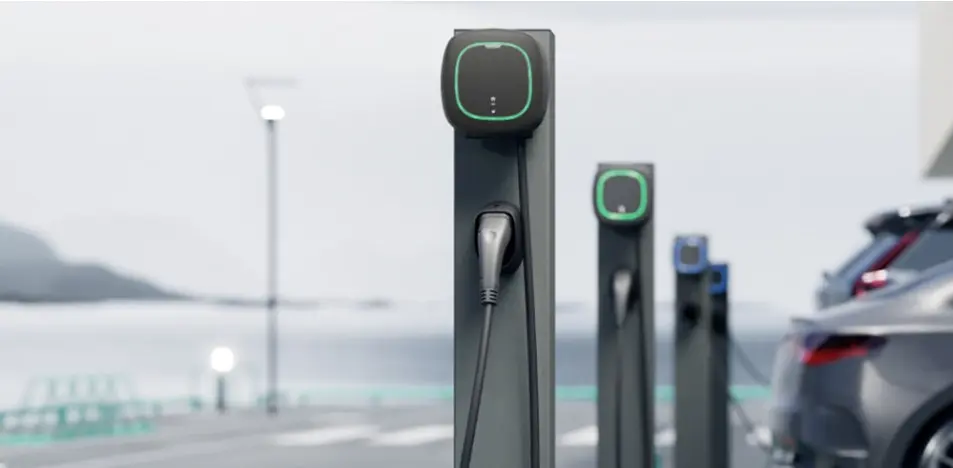
7kW | 20kW | 30kW | 40kW | 60kW | 80kW systems for fleet maintenance and flexible deployment.
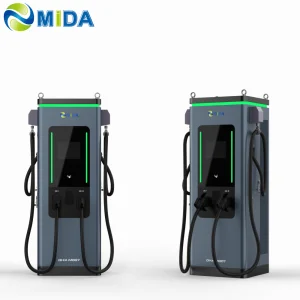
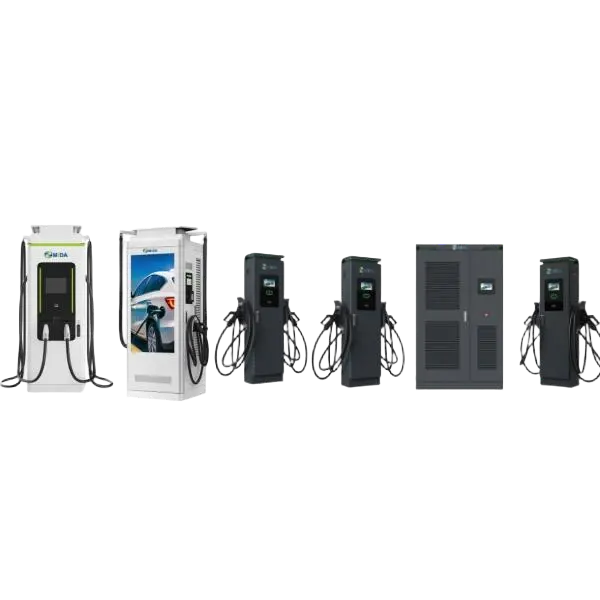
60kW-480kW and 360kW-1440kW high-capacity configurations built for urban mobility networks.
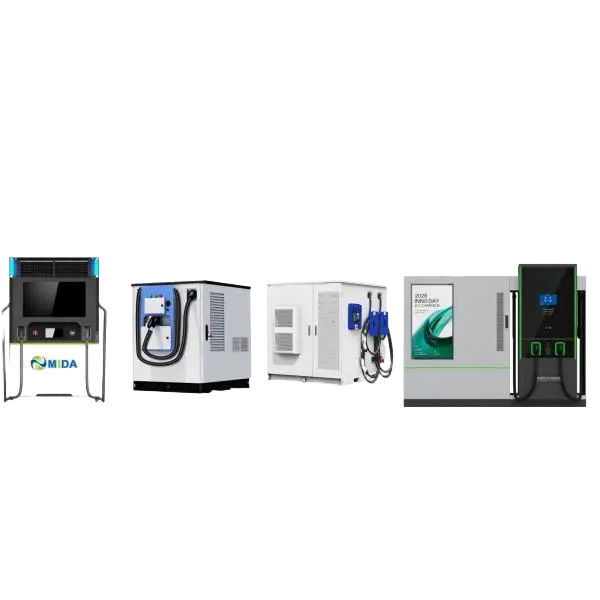
60kWh | 261kWh | 418kWh | 625kWh | 2MkWh systems integrating battery storage with high-power output.
Shanghai Mida Cable Group Ltd. operates through its wholly owned subsidiaries: Shanghai Mida EV Power Co., Ltd., Shenzhen Mida EV Power Co., Ltd., and Shanghai Mida New Energy Co., Ltd.
Mida Cable manufactures a comprehensive range of EV charging cables, including 16A–80A J1772 cables, 16A–63A IEC 62196-2 Type 2 cables, and DC fast charging cables: CCS1 (80A–500A), CCS2 (125A–1000A), CHAdeMO (125A–300A), GBT (200A–1000A), and NACS connectors (250A–600A).
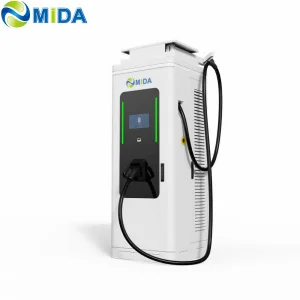
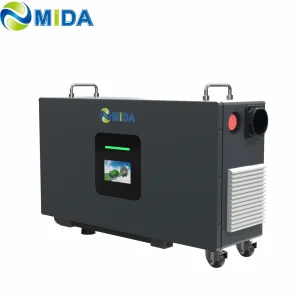
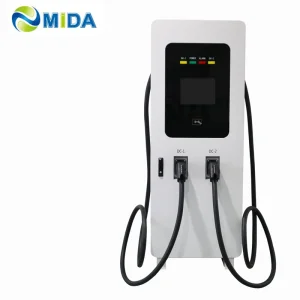
MIDA EV Power produces a full lineup of EV charging stations, such as 7kW–50kW mobile chargers, 3.6kW–7.2kW portable DC chargers, 360kW–1440kW split-type DC fast chargers, 20kW–50kW wall-mounted DC chargers, and 60kW–480kW floor-standing DC fast charging stations.
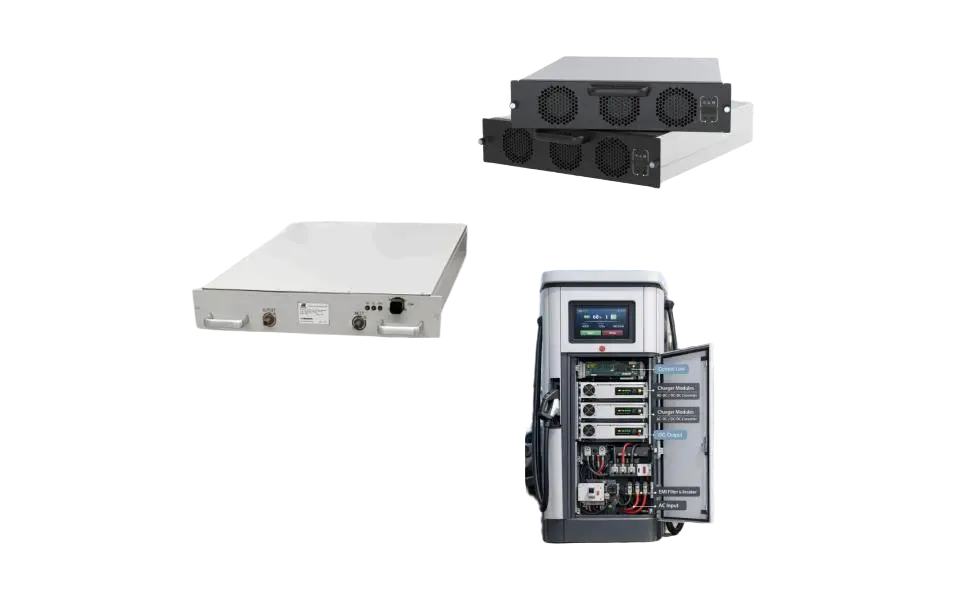
MIDA New Energy specializes in EV charger power modules, offering 20kW–60kW standard modules, 40kW–125kW liquid-cooled modules, 30kW–62.5kW bidirectional modules, and 20kW–45kW V2G charging modules.
 Verified Factory Tour
A closer look at the core components and sub-systems powering modern EV infrastructure.
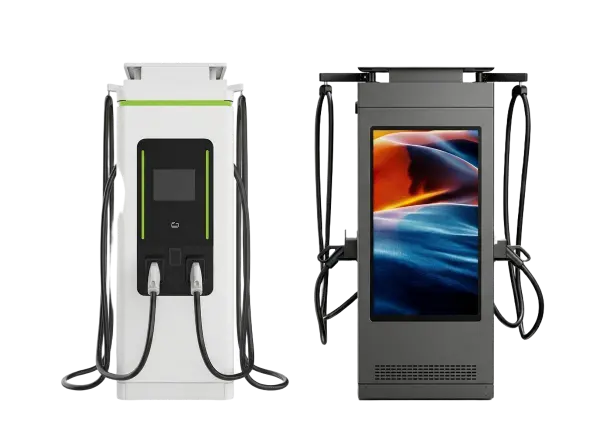
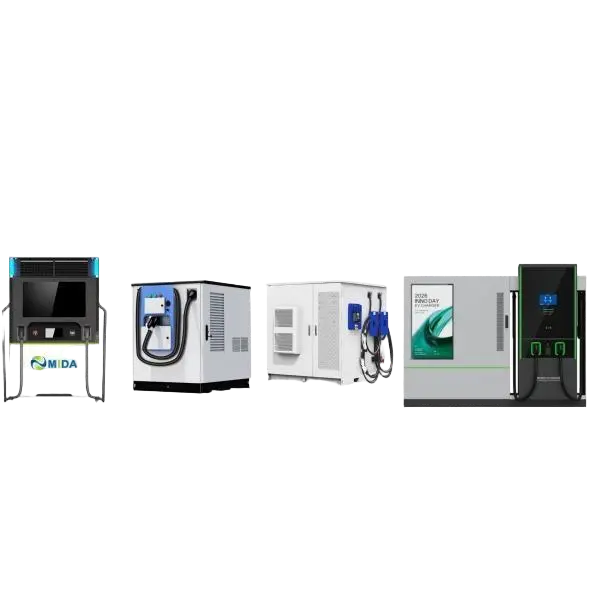
As charging requirements increase, standard distribution grids face performance limits. A single 480kW charger drawing full load can destabilize local step-down transformers. To mitigate this without costly grid upgrades, modern EV DC Charging Station manufacturers deploy Dynamic Power Allocation (DPA).
Dynamic Power Allocation uses smart rectifiers with solid-state relay arrays to distribute power modularly. By shifting output power in 20kW or 30kW increments, a multi-dispenser hub can distribute 360kW across four vehicles based on their specific charging curves and battery state-of-charge. Vehicles with low battery levels receive peak power, while those near 80% receive a lower rate, optimizing energy distribution across the hub.
For long-haul transit corridors, this integration is critical. Transitioning regional truck stops to support multi-megawatt configurations requires megawatts of immediate capacity. Integrating storage units ensures reliable high-power charging without overwhelming the utility grid.
Analysis of automated charging systems, pantograph designs, and maintenance workflows for modern electric bus depots.

What are the advantages of an e-bus pantograph dome? In contrast to classic plug-in charging systems, e-bus pantograph systems offer automated, contact-free high-power charging, reducing wear and operational overhead in public transit operations.
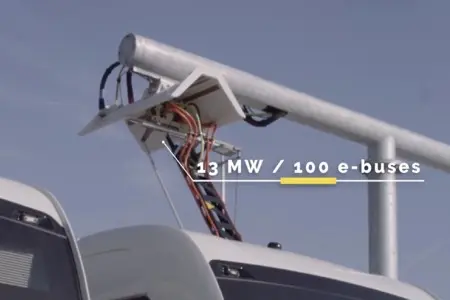
How long does it take to charge with an e-bus pantograph? The charging time depends on the battery capacity and the charging system, typically delivering megawatt-level outputs for rapid top-ups during scheduled route breaks.
How to Install the Pantograph Up Charger System Dome for Electric Bus. Installing a "Pantograph Up" dome system requires precise alignment with structural gantries, integration with depot power grids, and compliance with transit safety certifications.
Answering key engineering, compliance, and deployment questions for commercial EV charging installations.
OCPP 2.0.1 offers significant security and operational improvements over OCPP 1.6J. It includes advanced device management features, transactional security certificates, and native support for ISO 15118. This enables plug-and-charge configurations and smart charging capabilities.
High currents create resistance, which generates heat in standard charging cables. Without liquid cooling, cables would become too thick and heavy for users to handle. Circulating liquid coolant manages temperatures, enabling lighter, more flexible cables to safely carry up to 500A.
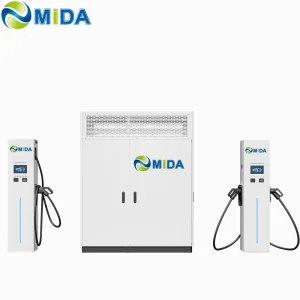
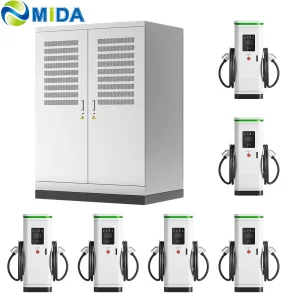
Split architectures place the heavy rectifier cabinets in a utility area while using small, space-efficient dispensers at the charging stalls. This simplifies maintenance, reduces the impact of collisions, and allows operators to scale charging capacity dynamically.
Commercial charging stations in the EU must have CE approval and comply with electromagnetic compatibility standards (EN 61851). Public charging networks also require MID (Measuring Instruments Directive) and German PTB compliance to ensure accurate billing.
Yes. Bidirectional V2G systems allow connected fleet batteries to function as a virtual power plant. During peak demand or localized blackouts, these systems can discharge power back to the facility grid, protecting sensitive industrial operations from power interruptions.
Maximum Power Point Tracking (MPPT) modules optimize power transfer from solar panels to the charger's internal DC bus, reducing energy conversion losses. This direct DC-to-DC routing avoids unnecessary AC conversions, improving overall system efficiency.
Heavy-duty, high-capacity, and solar-integrated DC charging systems designed for complex commercial logistics.