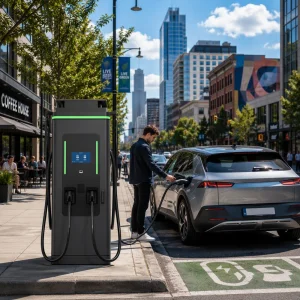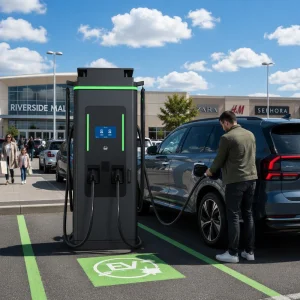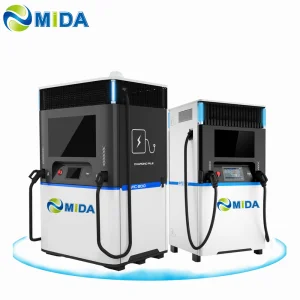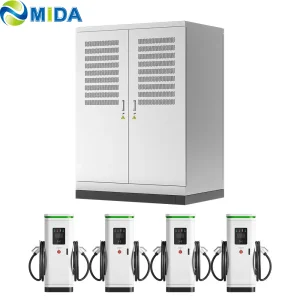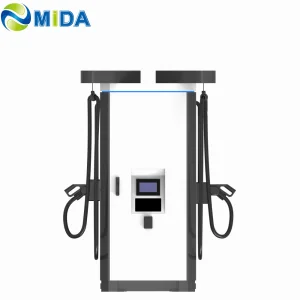
Discover our premium, certified electric vehicle charging configurations built to perform in the most rigorous global commercial environments.
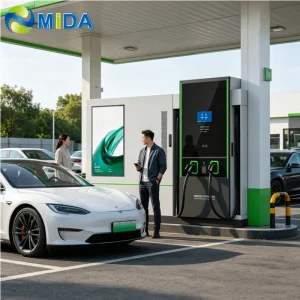
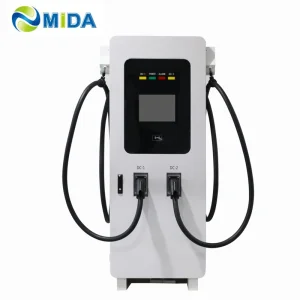
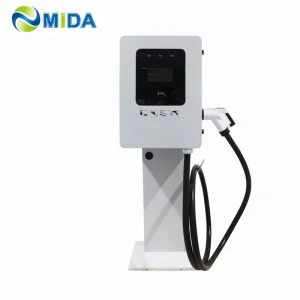
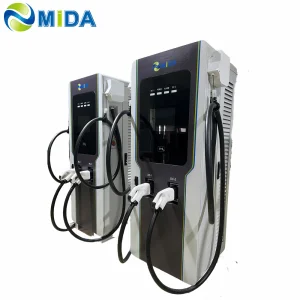
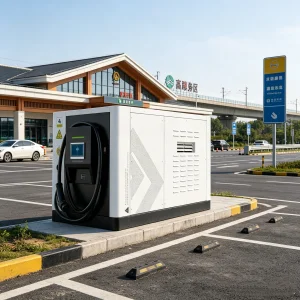
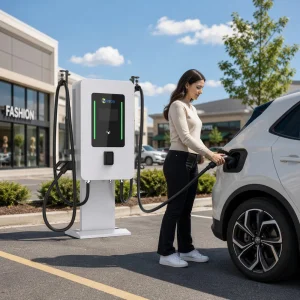
The global transition to electric mobility has reached an inflection point. No longer limited by initial battery constraints, the primary bottleneck has shifted to the intelligence, availability, and geographical accessibility of the charging infrastructure. At the intersection of physical power deployment and digital convenience lies the Electric Vehicle Charging Station Map. This represents not just a visual representation of charging points, but a complex, real-time dynamic semantic database that bridges the gap between hardware factories, charging point operators (CPOs), and e-mobility service providers (eMSPs).
As a premier global EV charging hardware manufacturer and technology supplier, Shanghai Mida Cable Group understands that high-performance hardware must exist in absolute symbiosis with seamless mapping intelligence. When high-capacity chargers are deployed, their utility is directly governed by how effectively they are represented across navigation systems, fleet maps, and consumer mapping tools like Apple Maps, Google Maps, and localized EV charging network maps.
EEAT Insight: True reliability in mapping begins at the charging station itself. A charging map is only as reliable as the data layer underneath. MIDA's hardware integrations natively implement standard communications protocol suites like OCPP 2.0.1, ISO 15118, and DIN 70121, providing instant telemetric data pipelines that mapping layers require to offer zero-latency status tracking.
Across North America, Europe, and the Asia-Pacific regions, national mandates and commercial logistics networks are pushing for high-density charging corridors. For instance, the US National Electric Vehicle Infrastructure (NEVI) program and the European Union’s Alternative Fuels Infrastructure Regulation (AFIR) have set stringent requirements for high-power DC fast-charging installations along major highways. Key to these regulations is the prerequisite that charging stations must communicate real-time availability, pricing structure, and connector health indicators to centralized mapping databases.
Industrially, fleet operators are no longer depending on public-facing map solutions. They require secure, internal corporate maps that plot route optimizations based on the telemetry of their depot chargers and destination BESS (Battery Energy Storage Systems). This creates a multi-layered market demand where mapping software suppliers require standardized, pre-integrated hardware to guarantee high uptime, automated billing, and live status reports.
Shanghai Mida Cable Group Ltd. operates through its wholly owned subsidiaries: Shanghai Mida EV Power Co., Ltd., Shenzhen Mida EV Power Co., Ltd., and Shanghai Mida New Energy Co., Ltd. We stand at the forefront of the new energy revolution, engineering both the components that carry the charge and the advanced software-ready systems that power them.
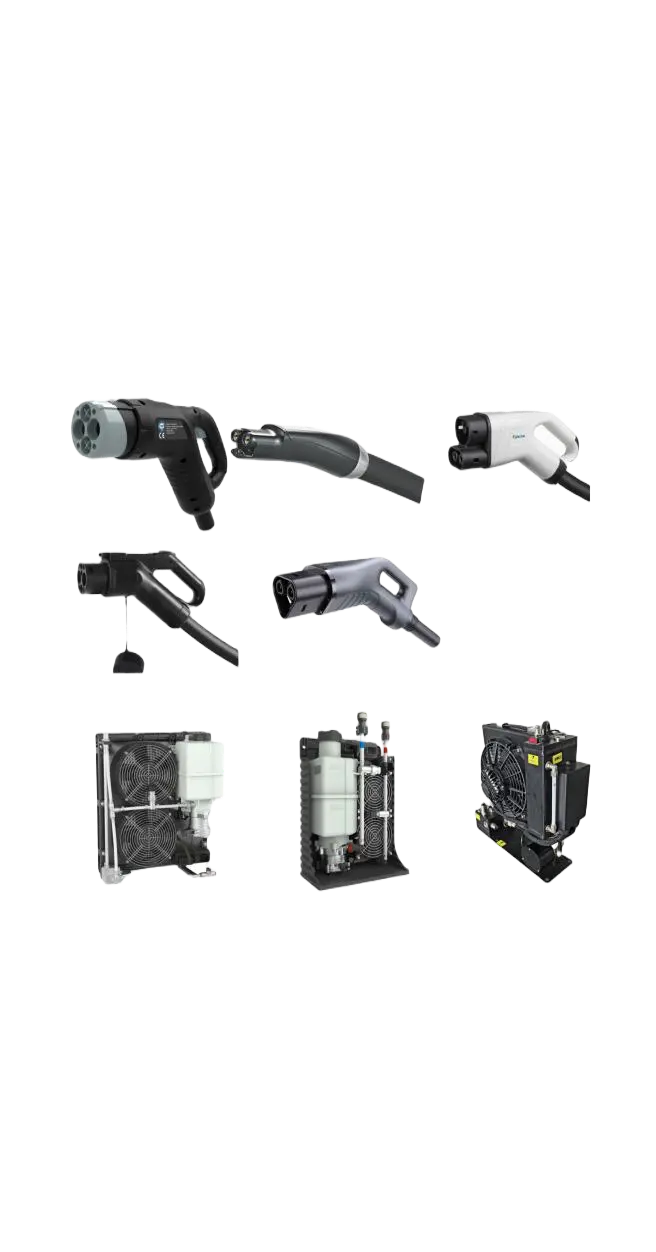
Mida Cable manufactures a comprehensive range of EV charging cables, including 16A–80A J1772 cables, 16A–63A IEC 62196-2 Type 2 cables, and heavy-duty DC fast charging cables: CCS1 (80A–500A), CCS2 (125A–1000A), CHAdeMO (125A–300A), GBT (200A–1000A), and NACS connectors (250A–600A).
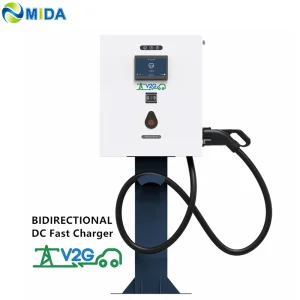
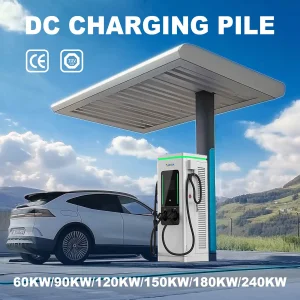
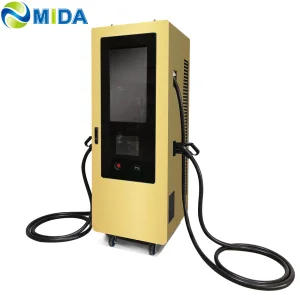
MIDA EV Power produces a full lineup of EV charging stations, such as 7kW–50kW mobile chargers, 3.6kW–7.2kW portable DC chargers, 360kW–1440kW split-type DC fast chargers, 20kW–50kW wall-mounted DC chargers, and 60kW–480kW floor-standing DC fast charging stations.
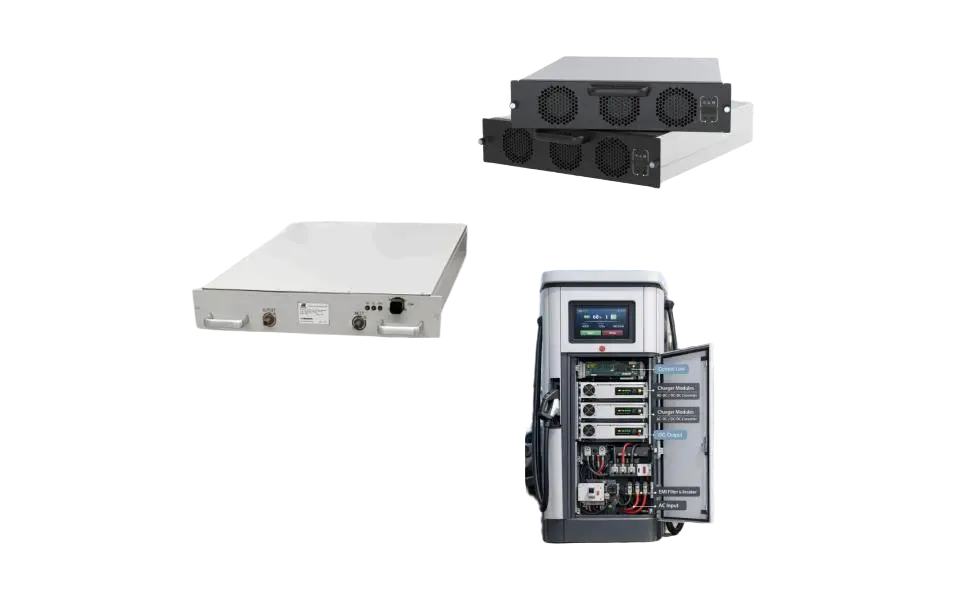
MIDA New Energy specializes in EV charger power modules, offering 20kW–60kW standard modules, 40kW–125kW liquid-cooled modules, 30kW–62.5kW bidirectional modules, and 20kW–45kW V2G charging modules.

The practical application of charging systems combined with mapping API technology varies by geography and scenario. Recognizing these variations is critical for optimization:
The charging map of the future is not a flat two-dimensional UI. It is an intelligent network that interfaces directly with smart grid operators and vehicle telematics via API protocols (such as OCPI - Open Charge Point Interface). This integration allows maps to show dynamic pricing rates, scheduled reservation slots, and renewable grid energy ratios (e.g., how much solar energy is currently powering the station).
Furthermore, the physical hardware technology continues to push boundaries. Liquid-cooled HPC (High-Power Charging) cables and power modules are becoming standard. Systems scaling to 1000A via MCS (Megawatt Charging System) protocols will enable heavy-haul trucks to charge in minutes. Dynamic load-sharing algorithms inside the station ensure that as multiple vehicles connect, power is redirected dynamically without overloading localized grid transformers.
We develop complete infrastructure ecosystems, from internal electronic modules to massive energy storage units.
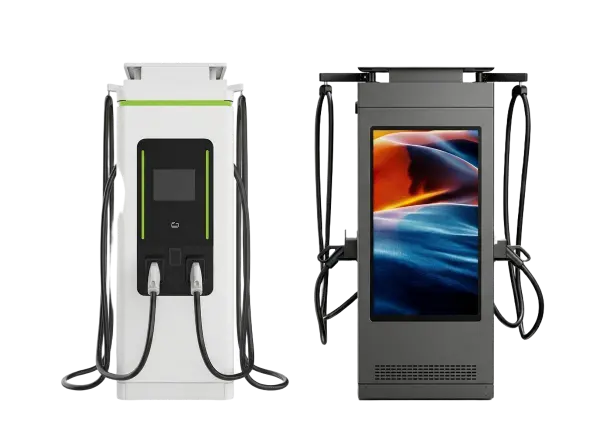
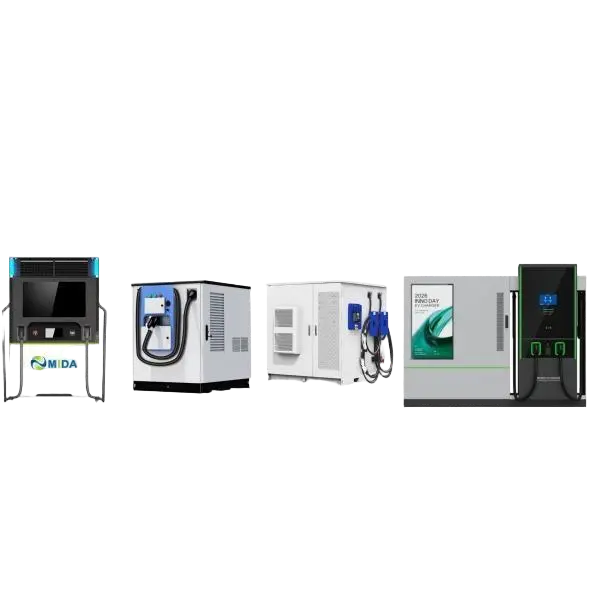
Stay updated with technical break-throughs in public transport infrastructure and super-charging architectures.

What are the advantages of an e-bus pantograph dome? In contrast to classic plug-in charging systems, e-bus pantographs allow for automated high-power transfer directly from overhead terminals...
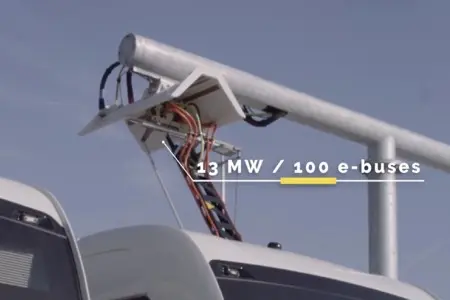
How long does it take to charge with an e-bus pantograph? The charging time depends on the battery capacity, the grid infrastructure connection, and the output capability of the high-power rectifier module...
How to Install the Pantograph Up Charger System Dome for Electric Bus. Installing a "Pantograph Up" system dome requires precise mechanical alignment, structural integrity calculations, and smart integration...
Answering critical architecture, hardware, and integration questions for planners, CPOs, and infrastructure developers.
Advanced industrial charging stations built for massive fleets, smart cities, and battery storage applications.