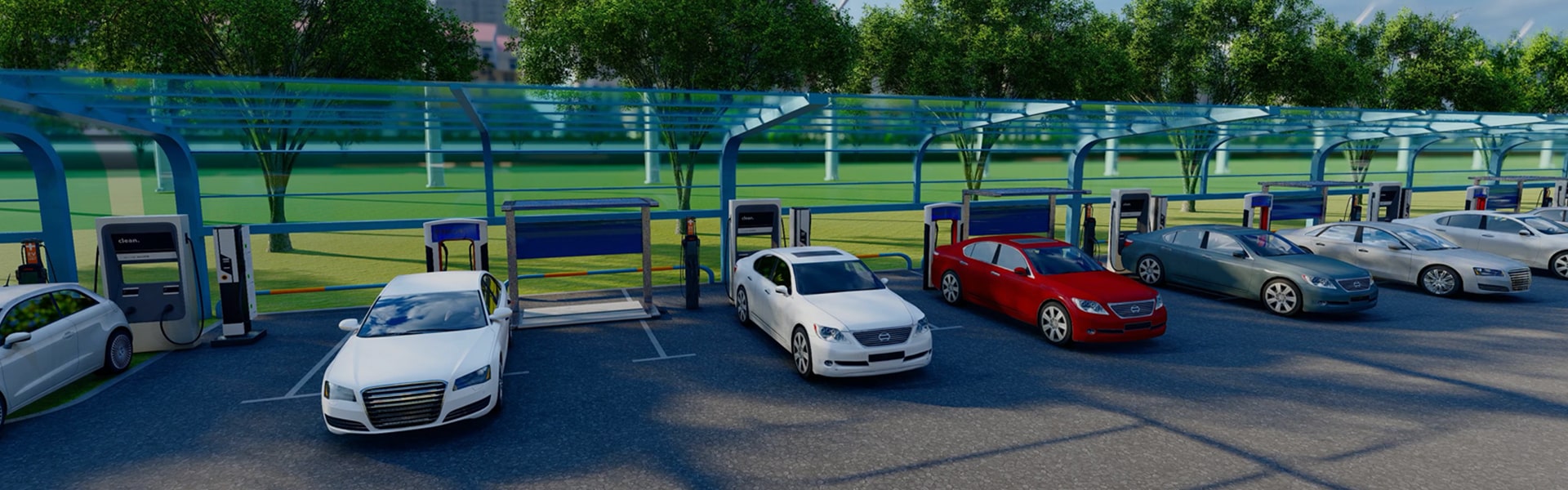
Explore our premium grade DC fast chargers and energy storage integration options engineered for operational reliability and absolute grid safety.
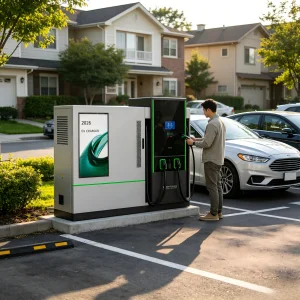
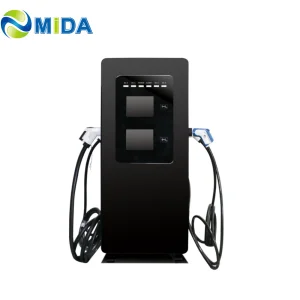
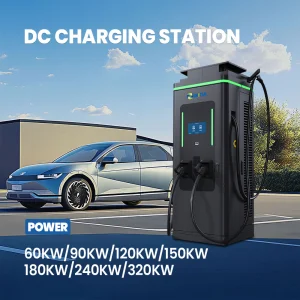
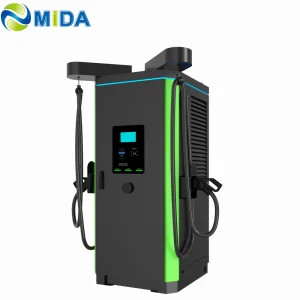
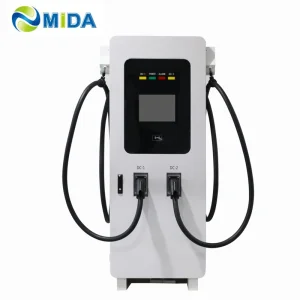
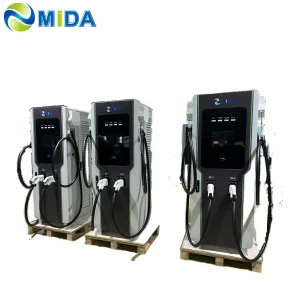
The United Kingdom's transition towards zero-emission transport is governed by ambitious decarbonization pathways, including the mandate that all new passenger cars and vans must be zero-emission by 2035. As corporate fleets, regional logistics networks, and public transport operators speed up their transition, demand has shifted toward reliable, high-power DC fast-charging systems. However, installing hardware requires solving several localized challenges, such as the UK’s stringent grid connection requirements, limited DNO (Distribution Network Operator) headrooms, and specific billing and payment compliance standards.
To succeed, charge point operators (CPOs) and fleet administrators must deploy charging systems that offer outstanding efficiency, smart load balancing, and backward compatibility. This whitepaper discusses the engineering and economic benefits of collaborating with premier manufacturer ecosystems like MIDA Group. By combining R&D flexibility, Chinese supply chain efficiencies, and strict adherence to localized UK regulations (including G99 grid codes, MID billing standards, and the UK Public Charge Point Regulations), we provide operators with a clear competitive advantage.
Modern charging infrastructure has evolved beyond simple energy supply. Today’s hardware relies on complex power electronics, smart cooling systems, and integrated energy storage. Operators can select from several core architectures designed for different installation needs:
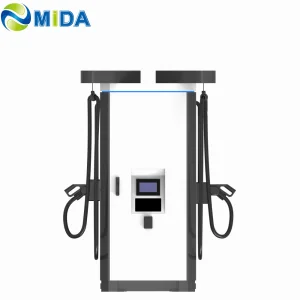
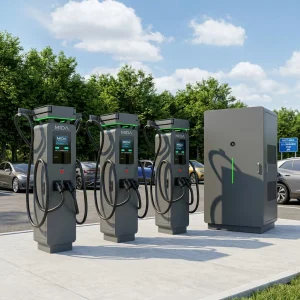
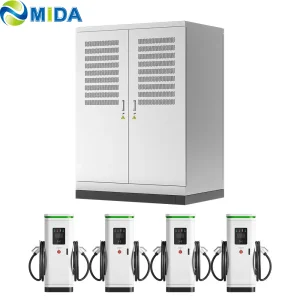
By separating the central power bank from the user-facing dispensers, split DC systems (from 360kW up to 1440kW) allow for flexible cable routing, dynamic power allocation, and smaller footprints at the parking bay. They are ideal for highway hubs and heavy freight depots where maximum power is required across multiple bays.
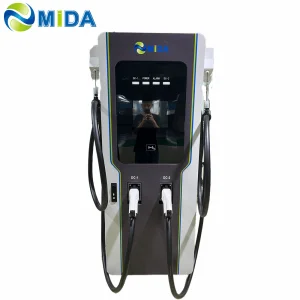
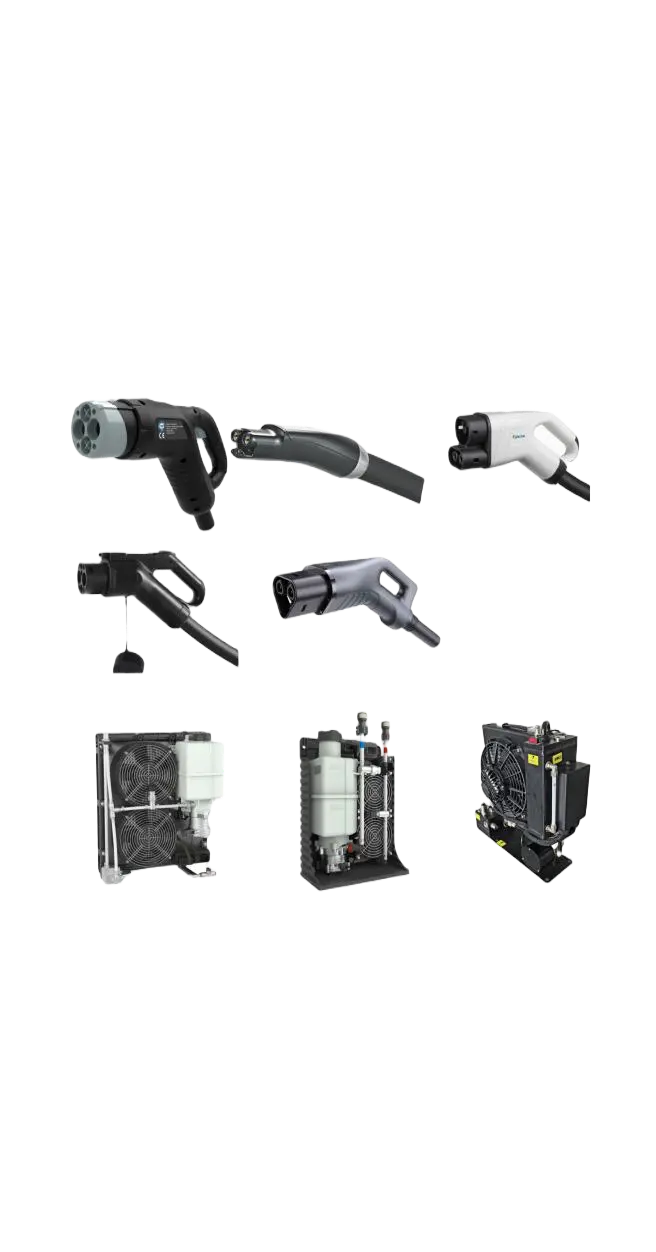
To deliver continuous charging currents of 500A to 600A without overheating, high-power chargers (HPC) utilize active liquid cooling. A proprietary mixture of coolant circulates through the charging cables and connector pins, allowing ultra-fast charging speeds (up to 600kW per gun) with thin, user-friendly cable profiles.
For installations constrained by DNO grid capacity, BESS (Battery Energy Storage Systems) units collect energy from the grid at low power during off-peak times and deliver it at high rates during fast-charging sessions. This minimizes the need for costly grid upgrades, lowers peak-demand charges, and simplifies installation.
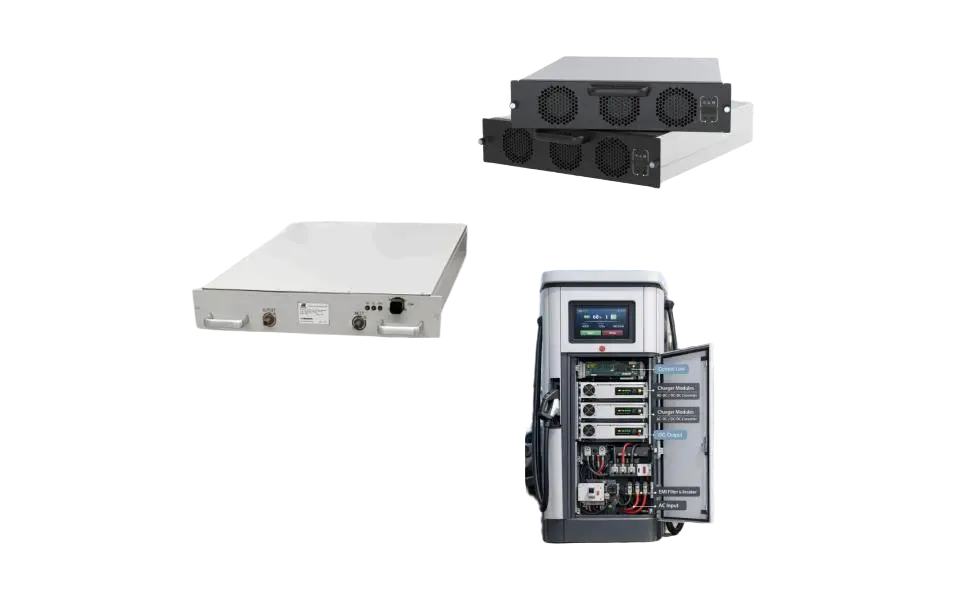
MIDA Group is at the forefront of these technological advancements. Our R&D division has pioneered bidirectional AC/DC power modules and liquid-cooled systems that achieve conversion efficiencies above 95%, ensuring minimal energy loss and long-term hardware reliability in the field.
A vertically integrated designer, manufacturer, and supplier of advanced EV charging interfaces and power electronics.
Shanghai Mida Cable Group Ltd. operates through its wholly owned subsidiaries: Shanghai Mida EV Power Co., Ltd., Shenzhen Mida EV Power Co., Ltd., and Shanghai Mida New Energy Co., Ltd.
Mida Cable manufactures a comprehensive range of EV charging cables, including 16A–80A J1772 cables, 16A–63A IEC 62196-2 Type 2 cables, and DC fast charging cables: CCS1 (80A–500A), CCS2 (125A–1000A), CHAdeMO (125A–300A), GBT (200A–1000A), and NACS connectors (250A–600A).
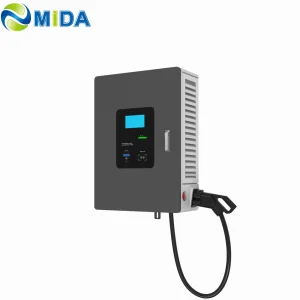
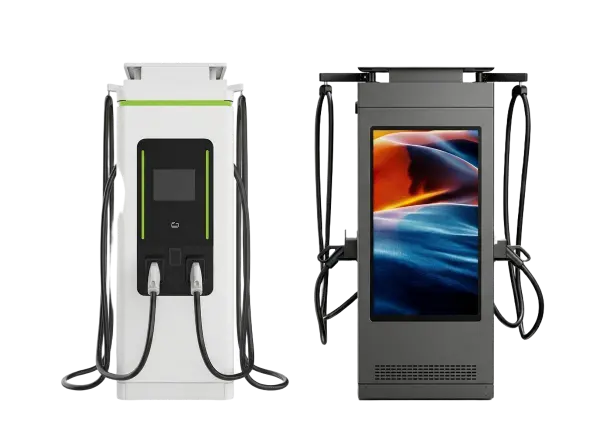
MIDA EV Power produces a full lineup of EV charging stations, such as 7kW–50kW mobile chargers, 3.6kW–7.2kW portable DC chargers, 360kW–1440kW split-type DC fast chargers, 20kW–50kW wall-mounted DC chargers, and 60kW–480kW floor-standing DC fast charging stations.
MIDA New Energy specializes in EV charger power modules, offering 20kW–60kW standard modules, 40kW–125kW liquid-cooled modules, 30kW–62.5kW bidirectional modules, and 20kW–45kW V2G charging modules.

Comprehensive components, systems, and auxiliary technologies for public and commercial charging systems.
Working with an integrated manufacturing partner in China, like MIDA Group, provides significant benefits for UK CPOs, fleet operators, and installation contractors. Our centralized manufacturing facility in Shanghai/Shenzhen combines design, component sourcing, module assembly, and quality assurance under one roof, offering key advantages:
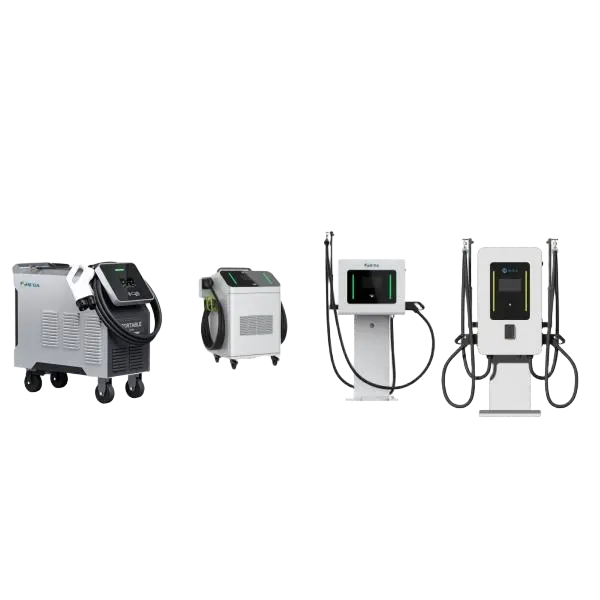
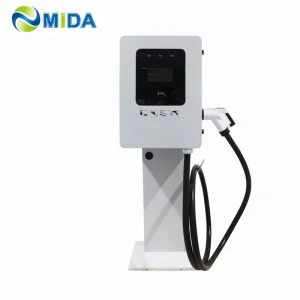
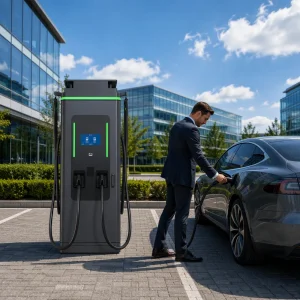
Compact AC/DC charging stations designed for space-constrained residential installations, commercial parking garages, and mobile fleet support.
View Range Details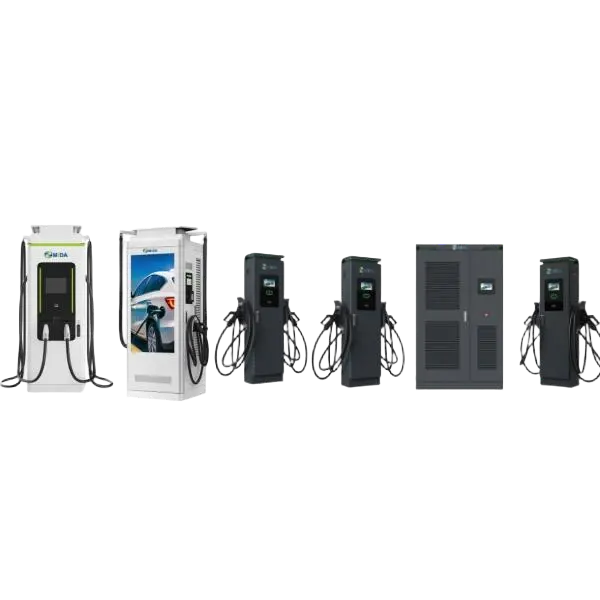
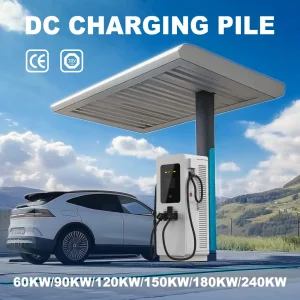
High-capacity DC dispensers and split charging banks engineered to support highway charging plazas, depots, and public hubs.
View Range Details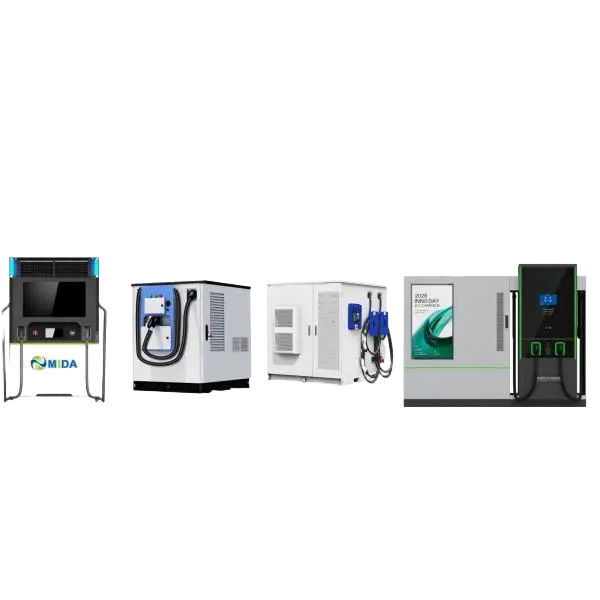
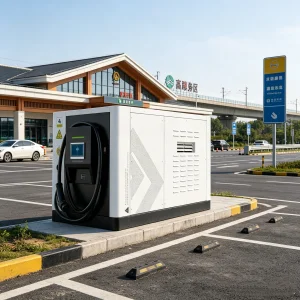
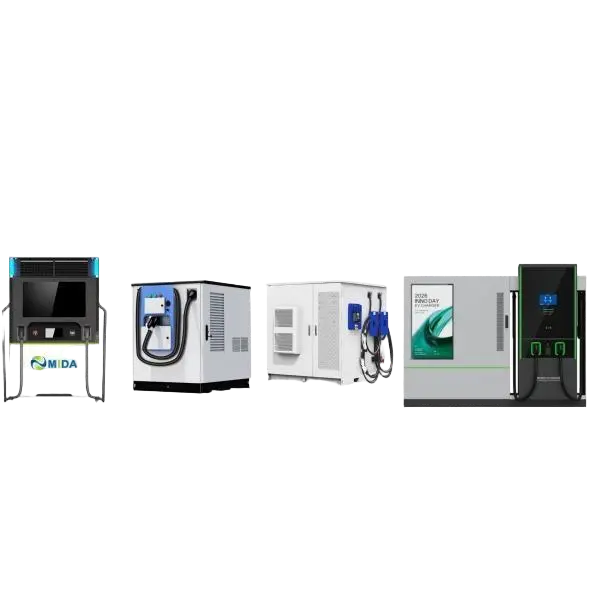
Integrated battery energy storage systems coupled with DC fast dispensers, allowing high-speed charging in grid-constrained areas.
View Range DetailsDeploying public or private charging networks in the UK requires strict adherence to regional safety and regulatory frameworks. CPOs must verify that imported hardware meets these local rules:
1. UKCA and CE Markings: Charging stations must comply with the Electrical Equipment (Safety) Regulations and Electromagnetic Compatibility Regulations to carry the UKCA and CE marks.
2. The Public Charge Point Regulations 2023: For public networks, hardware must support contactless payment, offer ad-hoc access, and supply real-time status data via open APIs. Additionally, dynamic network uptime tracking is required.
3. Open Charge Point Protocol (OCPP) Compatibility: Smart management requires robust OCPP 1.6J or OCPP 2.0.1 implementation. This allows CPOs to select their preferred backend management software, monitor station health, apply dynamic pricing, and manage load profiles remotely.
4. ENA G99 and G100 Requirements: Large DC fast-charging installations must connect under Energy Networks Association (ENA) G99 guidelines. Smart chargers must implement G100-compliant active export limitation, reducing power output when local grid load reaches capacity limits to prevent substation overload.
Discover our recent technical evaluations, product updates, and installation guidelines for bus transit networks and depot charging systems.
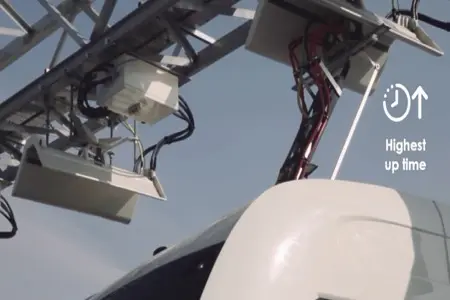
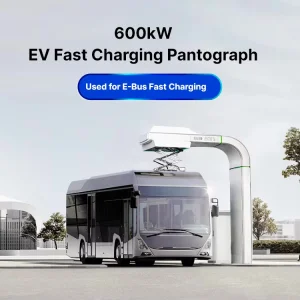
What are the advantages of an e-bus pantograph dome? In contrast to classic plug-in charging systems, e-bus pantograph solutions allow for automated high-power charging, reducing manual labor and streamlining fleet turnarounds.
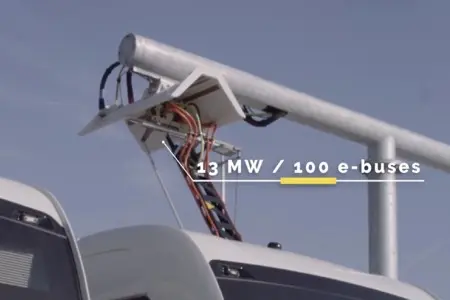
How long does it take to charge with an e-bus pantograph? Charging times vary depending on battery capacity and system power. Our pantograph systems supply up to 600kW, allowing standard transit buses to recharge in 15-30 minutes.
How to Install the Pantograph Up Charger System Dome for Electric Bus: Installing a "Pantograph Up" system requires precise positioning, structural foundation design, and integration with the depot's electrical distribution grid.
Answers to common technical, design, and regulatory questions from charging network operators and engineers.
Review our specialized charging options designed for fleet depots, highway plazas, and heavy-duty logistics networks.