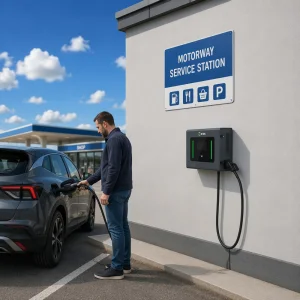
The global transition to electric mobility is shifting from consumer passenger vehicles to high-utilization commercial fleets, public transit systems, and heavy-duty industrial logistics. This paradigm shift demands robust, high-availability DC Fast Charging (DCFC) infrastructure. The ability to supply high-power charging (ranging from 30kW to 1440kW) directly impacts CPO (Charge Point Operator) profitability, commercial fleet uptime, and municipal public transit efficiency.
Key regulatory frameworks worldwide, such as the European Alternative Fuels Infrastructure Regulation (AFIR) and the National Electric Vehicle Infrastructure (NEVI) formula program in the United States, are establishing stringent standards for charger reliability, output capacity, open payment mechanisms, and operational uptime. As a result, commercial enterprise buyers are prioritizing partners that demonstrate complete technical mastery over modular power routing, thermal management, and open protocol communication (OCPP 1.6J/2.0.1).
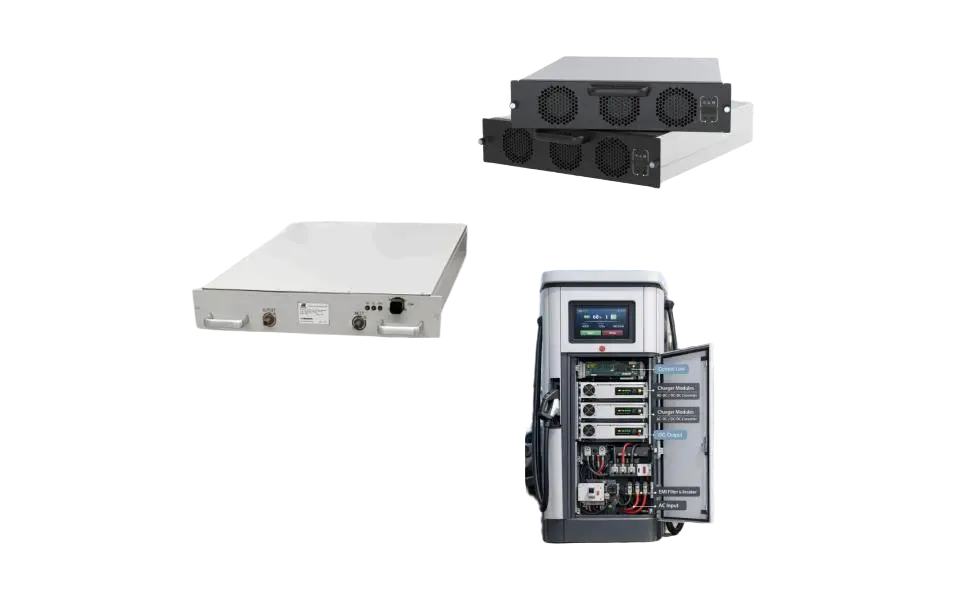
Modern DC Fast Chargers rely on highly efficient AC/DC converter power modules. The industry trend is moving away from monolithic designs toward modular configurations. By stacking 30kW, 40kW, or 60kW modules in a single cabinet, operators ensure N-1 redundancy: if one module fails, the system continues to charge vehicles at a slightly reduced rate, preventing catastrophic downtime.
Shanghai Mida Cable Group Ltd. operates globally through its key wholly owned subsidiaries: Shanghai Mida EV Power Co., Ltd., Shenzhen Mida EV Power Co., Ltd., and Shanghai Mida New Energy Co., Ltd. This structure enables us to run a vertically integrated business, handling everything from raw copper processing and connector formulation to high-power electronics engineering and smart network charging software.
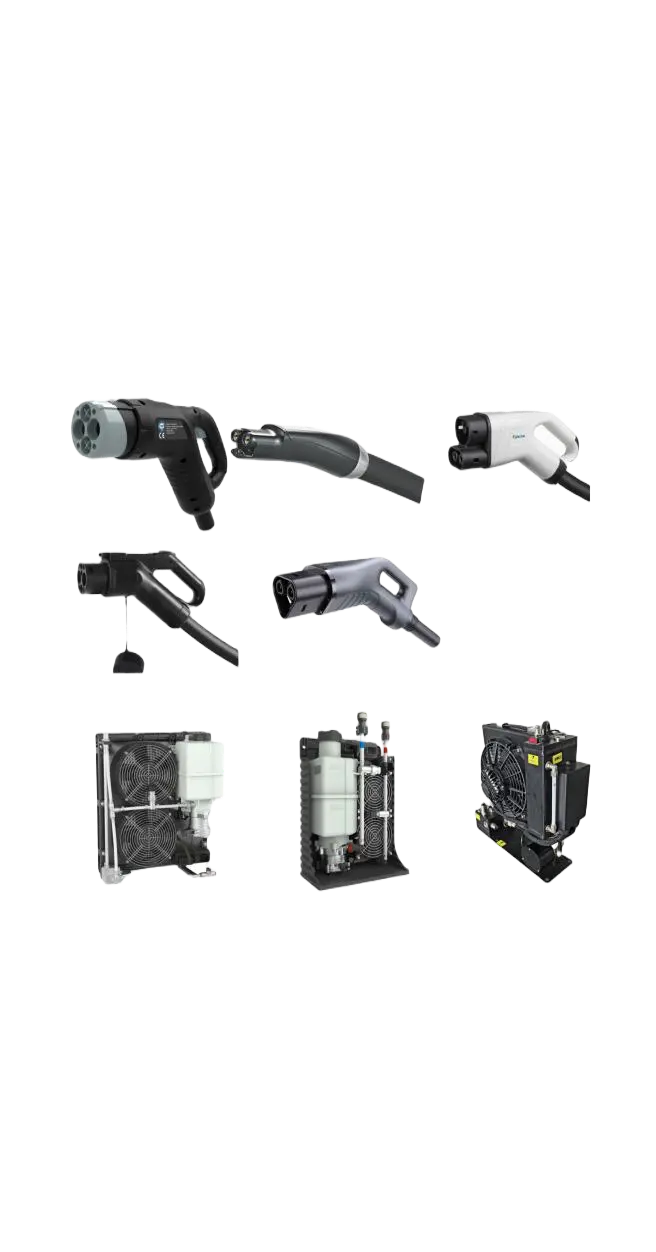
Mida Cable manufactures a comprehensive range of EV charging cables, including 16A–80A J1772 cables, 16A–63A IEC 62196-2 Type 2 cables, and heavy-duty DC fast charging cables: CCS1 (80A–500A), CCS2 (125A–1000A), CHAdeMO (125A–300A), GBT (200A–1000A), and NACS connectors (250A–600A).
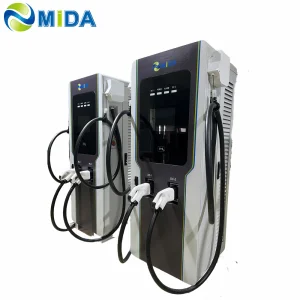
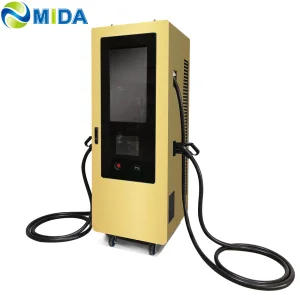
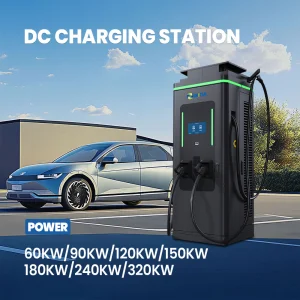
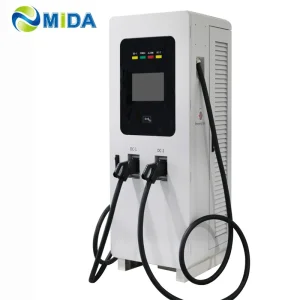
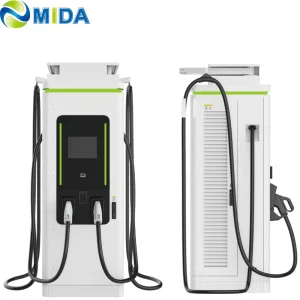
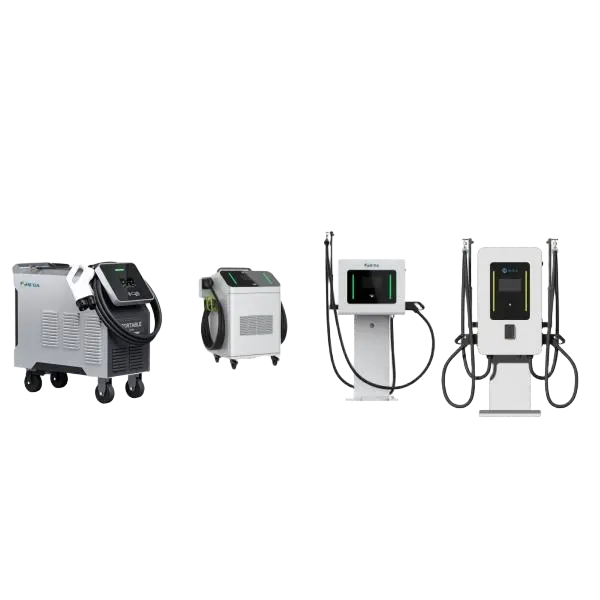
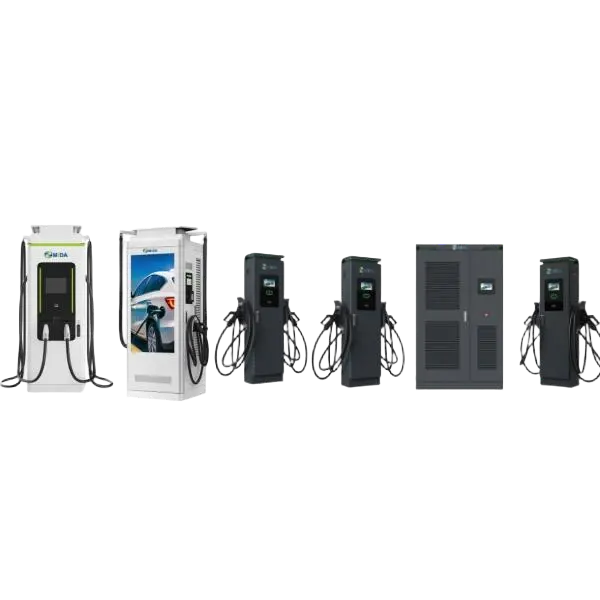
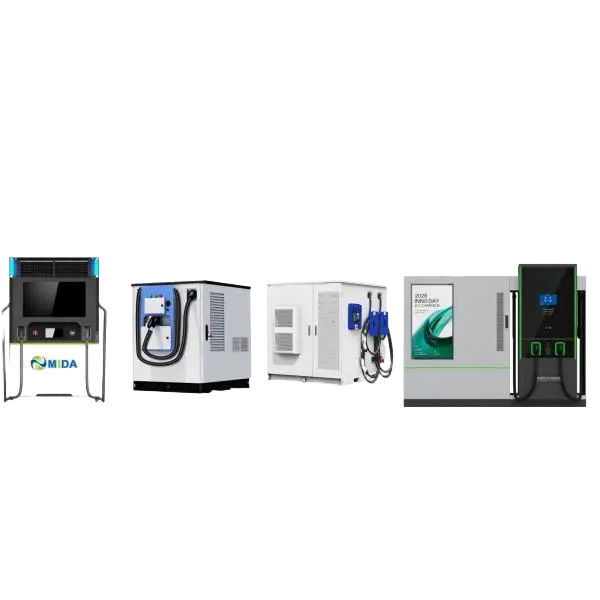
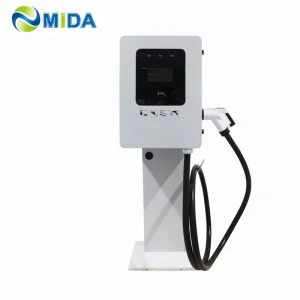
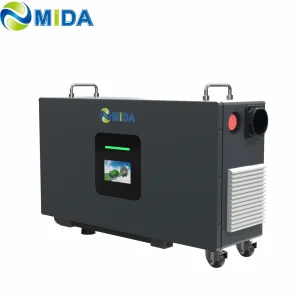
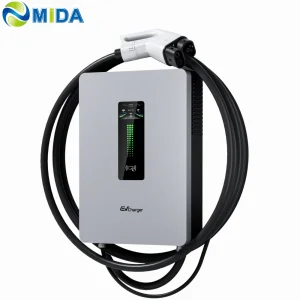
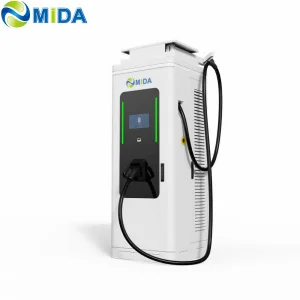
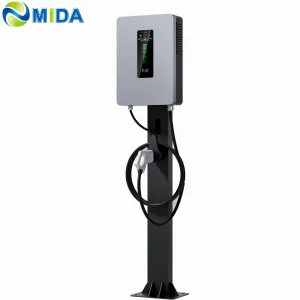
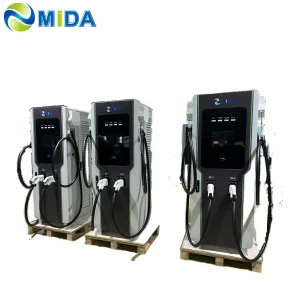
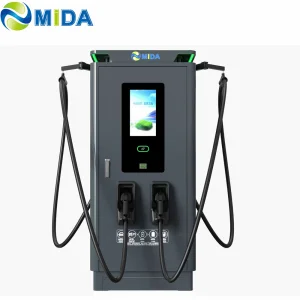
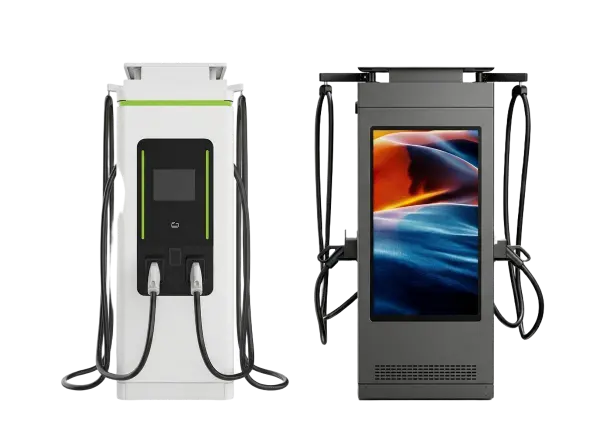
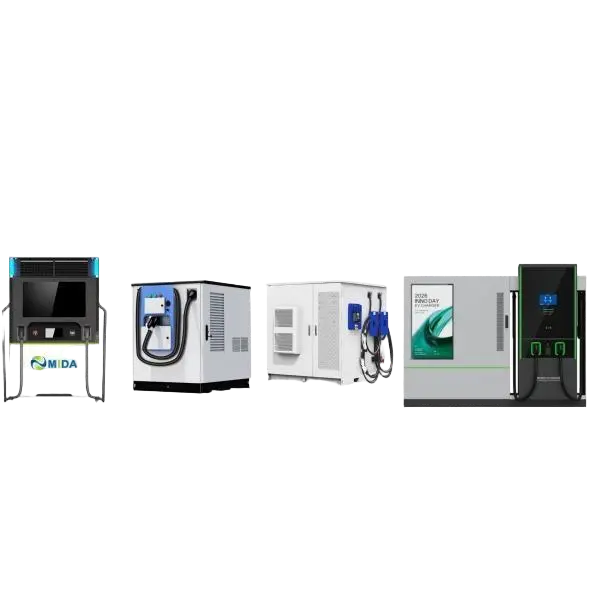
MIDA EV Power produces a full lineup of EV charging stations, such as 7kW–50kW mobile chargers, 3.6kW–7.2kW portable DC chargers, 360kW–1440kW split-type DC fast chargers, 20kW–50kW wall-mounted DC chargers, and 60kW–480kW floor-standing DC fast charging stations.
MIDA New Energy specializes in EV charger power modules, offering 20kW–60kW standard modules, 40kW–125kW liquid-cooled modules, 30kW–62.5kW bidirectional modules, and 20kW–45kW V2G charging modules.

Discover our comprehensive charging and energy storage systems designed for high-performance deployment.
China's dominance in the EV charging market is built on decades of investment in raw materials, battery chemistry, and power electronics manufacturing. As a China-based vertically integrated manufacturer, MIDA Group offers distinct structural advantages that benefit international buyers:
MIDA Group facilities are certified under ISO 9001:2015, ISO 14001:2015, and IATF 16949 (automotive quality management standards). Our DC chargers carry international certifications:
This ensures our products meet safety and performance standards for grid connection in Europe, the Americas, Asia-Pacific, and the Middle East.
Explore our technology modules, liquid cooling systems, and integrated energy storage options.
Tailoring electrical distribution, communication protocols, and mechanical engineering to specific site profiles.
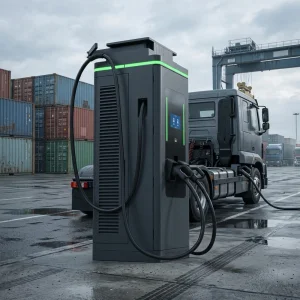
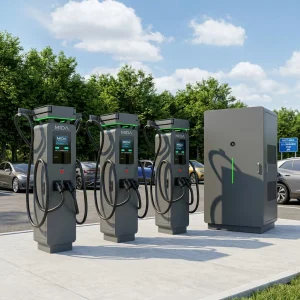
Commercial logistics hubs demand fast, scheduled turnaround times. Our 120kW to 240kW dual-dispenser setups enable two delivery vehicles to charge at once, using dynamic power sharing to balance current draw. For long-haul logistics fleets, our Megawatt-level charging cabinets support future heavy-duty electric trucks.
To reduce driver range anxiety, corridor charging plazas require high-voltage capabilities. Our 360kW to 600kW liquid-cooled systems deliver maximum power. When paired with high-performance cooling systems, they can charge an EV battery to 80% in 15 minutes, ensuring fast passenger turnaround.
Office parks and shopping malls must manage limited local grid capacities. MIDA's smart energy storage charging systems (BESS) collect energy during low-demand hours. They discharge during peak charging periods to shave peak demand, preventing grid surcharges and lowering installation costs.
Key technical evaluations for procurement agents and municipal project leads.
Purchasing high-power charging stations requires assessing key technical parameters. Below is a specification matrix showing the operational differences across our major power topologies:
| Parameters | Wall-Mounted DC Wallbox (30kW-50kW) | Standard Dispenser Piles (120kW-240kW) | Liquid-Cooled Split Systems (600kW-1440kW) |
|---|---|---|---|
| Primary Input Voltage | 380V-480V AC 3-Phase + PE | 380V-480V AC 3-Phase + PE | 480V-400V AC (or Medium Voltage direct-connect) |
| Output DC Voltage Range | 150V - 1000V DC | 150V - 1000V DC | 200V - 1000V (Liquid-cooled high-current) |
| Cooling Technology | Forced Air Cooling | Air-Cooled Cabinets | Closed-Loop Liquid Cooling Unit |
| Enclosure Protection | IP54 / NEMA 3R | IP54 / IP55 | IP55 / IP65 (Cabinet / Dispenser) |
| Communications | OCPP 1.6J / OCPP 2.0.1 | OCPP 1.6J / OCPP 2.0.1 / Ethernet / 4G | OCPP 1.6J / OCPP 2.0.1 / CAN Bus |
| Target Applications | Commercial workplaces, fleet parking, auto dealerships | Public plazas, commercial hubs, fleet depots | Highway corridors, bus rapid transit (BRT), logistics |
Additionally, operators must consider total cost of ownership (TCO). While the purchase price is important, factors like installation complexity, efficiency ratings, and long-term maintenance costs are key to project success. Look for features like clean cable-management systems and field-replaceable power modules to reduce lifetime operating expenses.
Three macro-trends driving the engineering roadmaps at MIDA Group.
For heavy duty trucks, electric marine vessels, and commercial aviation, standard CCS interfaces are too slow. The emerging MCS standard supports currents up to 3000 Amps and voltages up to 1250V, delivering up to 3.75 Megawatts of peak power. MIDA is developing custom liquid-cooled MCS connectors and cabling systems to support these high currents safely.
Electric vehicle batteries are becoming mobile energy storage assets. Under the Vehicle-to-Grid (V2G) standard, vehicles can feed energy back into local grids during peak pricing. This makes bidirectional charging models highly attractive. MIDA's V2G modules (20kW–45kW) enable fleets to offset peak power costs by supplying power back to the building or grid.
Local grid capacity often limits the installation of ultra-fast chargers. Integrating solar arrays with battery energy storage systems (BESS) creates a local microgrid. By utilizing MIDA's bidirectional MPPT modules and large-scale battery storage cabinets, operators can run fast-charging systems with minimal grid dependency.
Follow MIDA Group's latest developments in automated charging and commercial fleet systems.
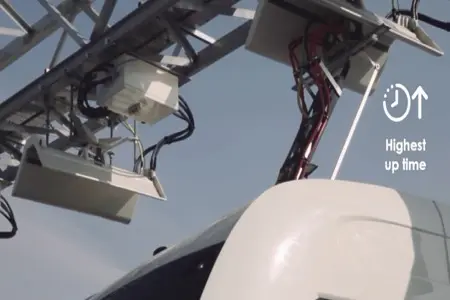
Expert technical answers to common questions about commercial EV infrastructure deployment.
These acronyms refer to regional physical connector profiles and communication protocols. CCS1 is used in North America, while CCS2 is the standard in Europe. NACS (North American Charging Standard) is Tesla's standard, which is widely adopted in North American passenger vehicles. GBT is the national standard in China, and CHAdeMO is legacy fast charging technology popular in Japan. MIDA Group designs, manufactures, and supplies certified components for all five standards.
Charging currents above 300A generate significant heat within copper conductors. Without cooling, cables would need to be very thick and heavy, making them difficult for users to handle. Liquid-cooled cables circulate a coolant mixture (typically glycol and water) to manage this heat. This allows thinner, more flexible cables to safely carry up to 1000A.
In standard static charging systems, a 180kW cabinet splits power equally into two 90kW outputs. If one vehicle only accepts 30kW, the remaining 60kW goes unused. Dynamic allocation dynamically routes power from internal modules. This allows the system to direct 150kW to one vehicle and 30kW to the other, maximizing charging speed and increasing overall station throughput.
For extreme conditions like sea salt, heavy rain, or subzero weather, choose components with an IP55 or IP65 rating. The internal power electronics should be protected in sealed compartments. MIDA Group designs all outdoor power cabinets with anti-corrosion materials and smart climate control fans to ensure reliable operation between -30°C and +50°C.