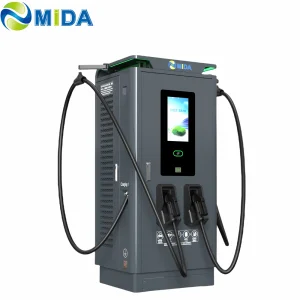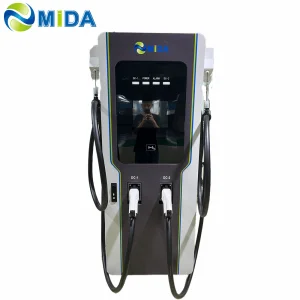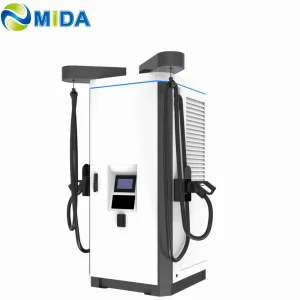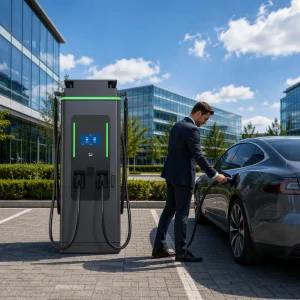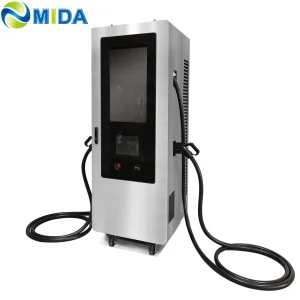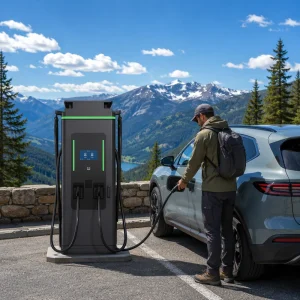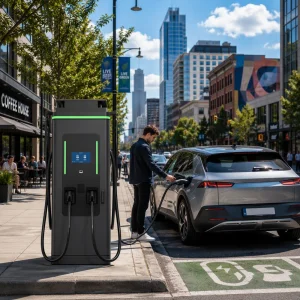
Explore our premium lineup of high-efficiency, multi-standard compliant smart DC chargers designed for residential, commercial, and off-grid configurations.
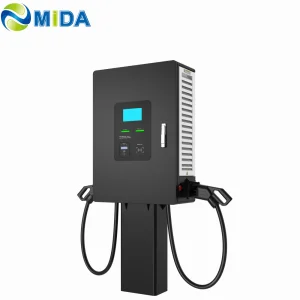
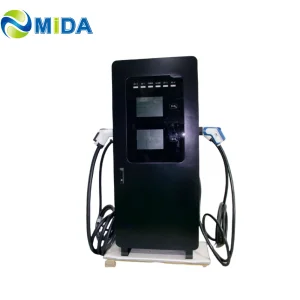
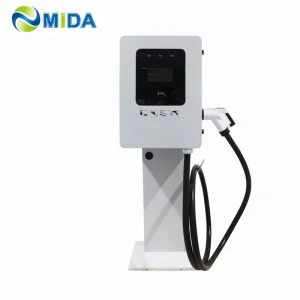
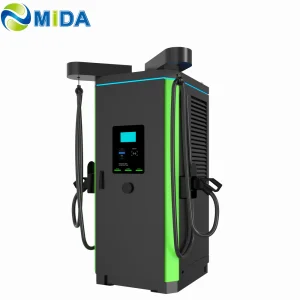
A comprehensive analysis of global infrastructure shifting from Level 2 AC to high-performance local DC charging networks.
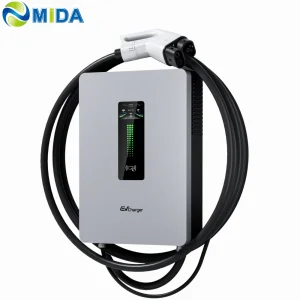
Traditional AC Level 2 chargers are constrained by the vehicle’s On-Board Charger (OBC) capacity, which is commonly capped at 7.4 kW or 11 kW. By bypassing the OBC and feeding electricity directly to the traction battery package, residential-grade low-power DC fast chargers (ranging from 20kW to 40kW) compress charging durations significantly.
This allows fleet operators, high-end EV owners, and zero-emission logistics vehicles operating from residential locations to replenish massive battery capacities (75kWh+) in just 2 hours compared to 8 to 10 hours with AC setups.
Integrating a high-output charger within residential frameworks raises peak grid loads. To counter this, modern manufacturers deploy Dynamic Load Balancing (DLB). DLB algorithms continuously assess the real-time consumption profiles of the residential unit, channeling all remaining power to the vehicle safely.
This dynamic profiling eliminates structural grid hazards, preventing breakers from tripping and rendering localized DC charging installations completely compatible with existing 3-phase suburban grids.
Shanghai Mida Cable Group Ltd. operates through its wholly owned subsidiaries: Shanghai Mida EV Power Co., Ltd., Shenzhen Mida EV Power Co., Ltd., and Shanghai Mida New Energy Co., Ltd.
As a leading supplier in the electric vehicle supply equipment (EVSE) market, MIDA offers a complete stack of solutions, bridging heavy engineering cabling, micro-electronics manufacturing, and clean-energy integration.

Direct access to our primary hardware architectures designed to support home grid, energy storage, and industrial charging operations.
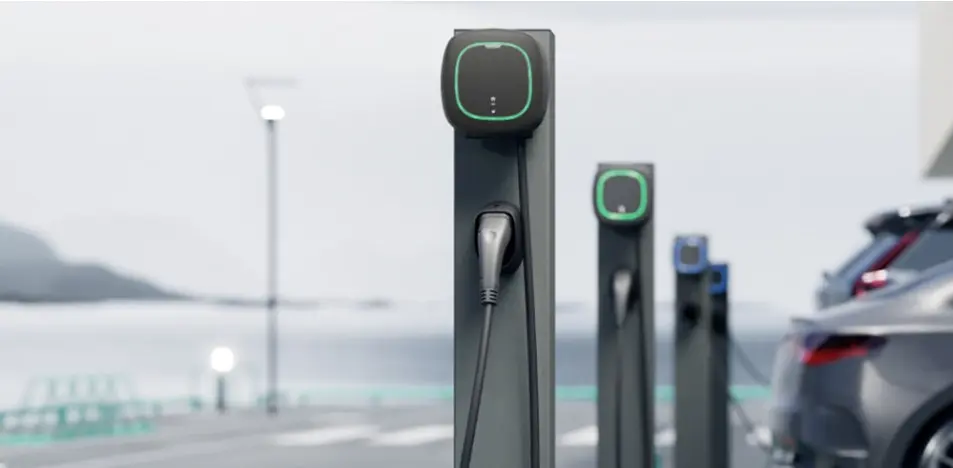
Smart AC charging systems designed for basic home installations. Features high reliability and simple operations.
View More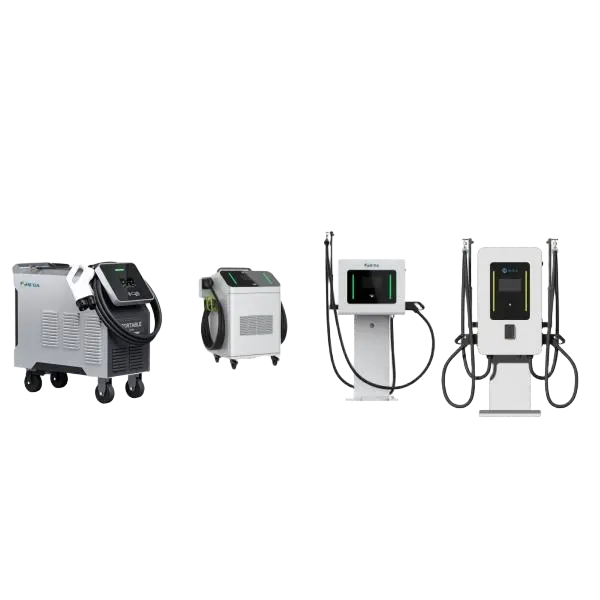
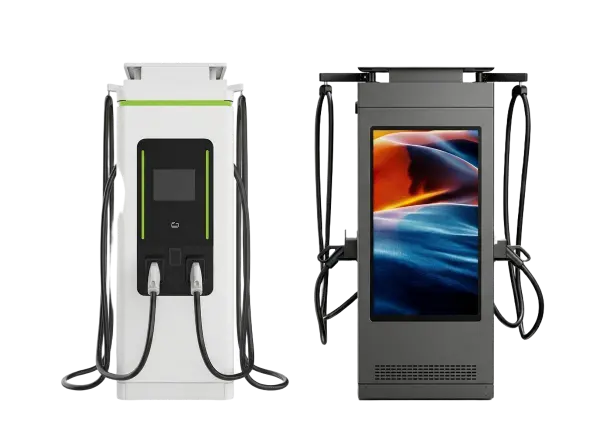
Available power range: 7kW 20kW 30kW 40kW 60kW 80kW.
Highly portable charging modules.
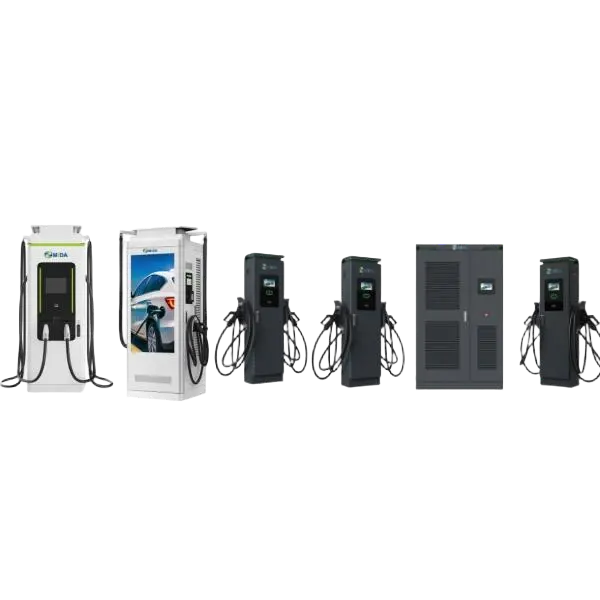
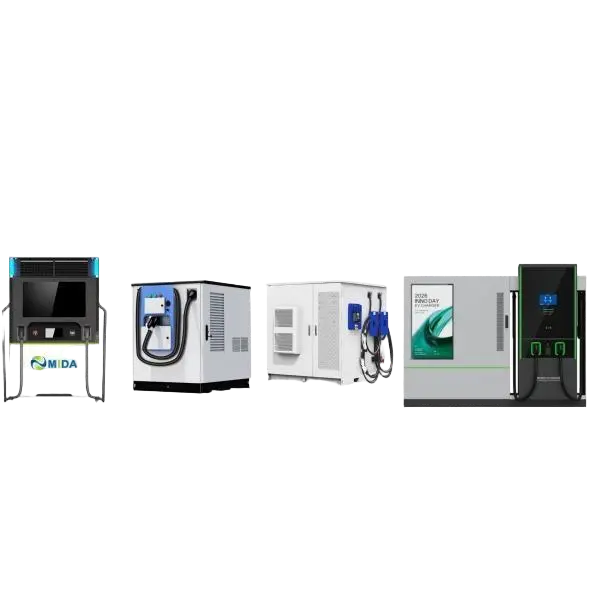
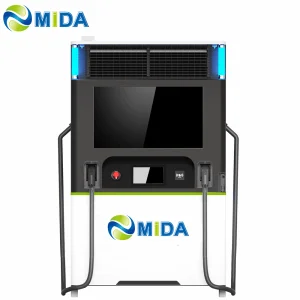
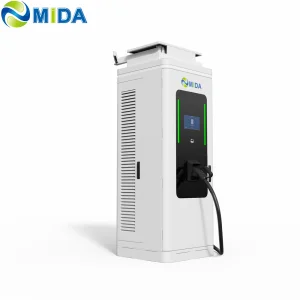
High capacity floor installations: 60kW-480kW and 360kW-1440kW.
Commercial/Industrial Grade cabinets.
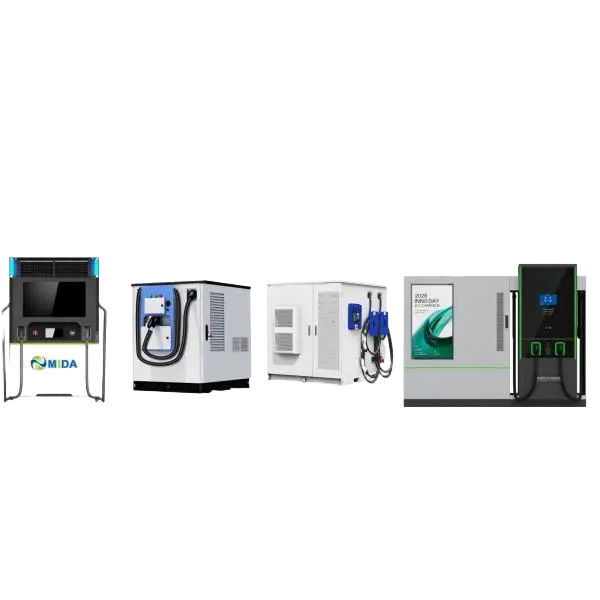
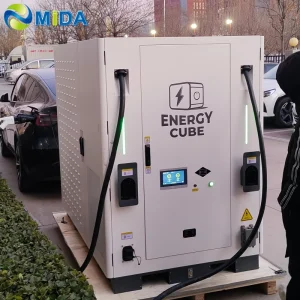
Integrated energy storage batteries: 60kWh, 261kWh, 418kWh, 625kWh, 2MkWh.
Clean off-grid power banks.
Why domestic vertical integration creates unrivaled value for global enterprise buyers.
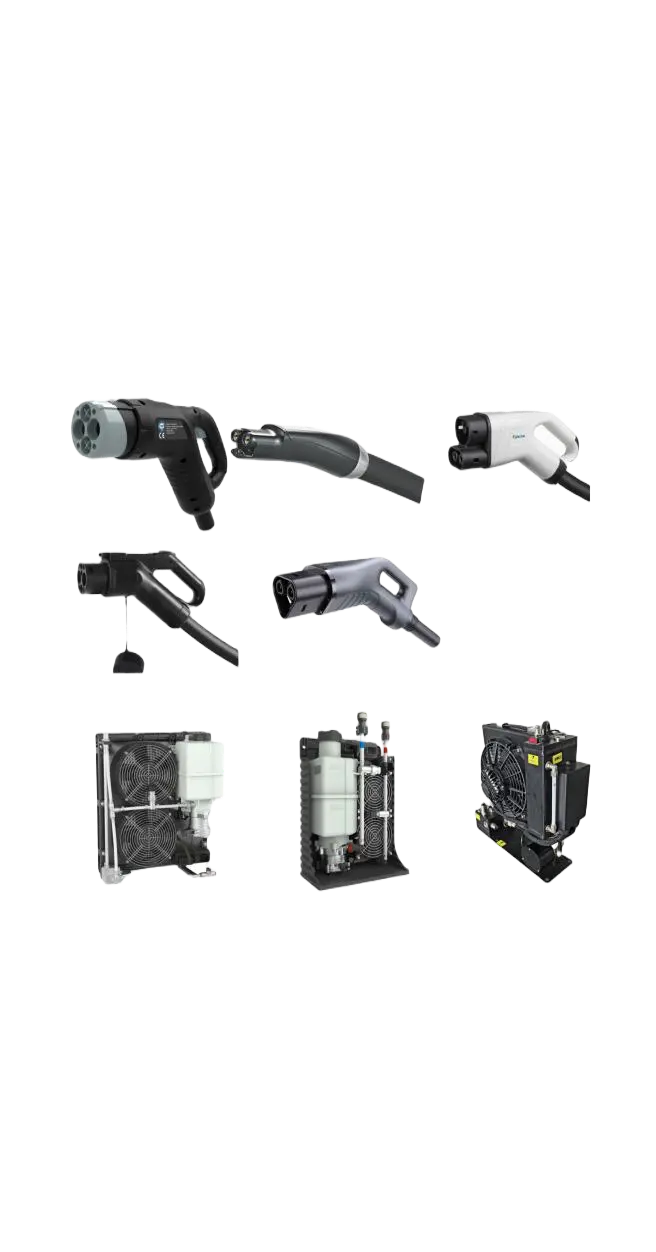
Unlike standard assemblers, Mida manufactures its core electric components in-house. Mida Cable manufactures an exhaustive array of EV charging cables that form the backbone of the DC charging infrastructure, optimizing raw-material and tooling costs:
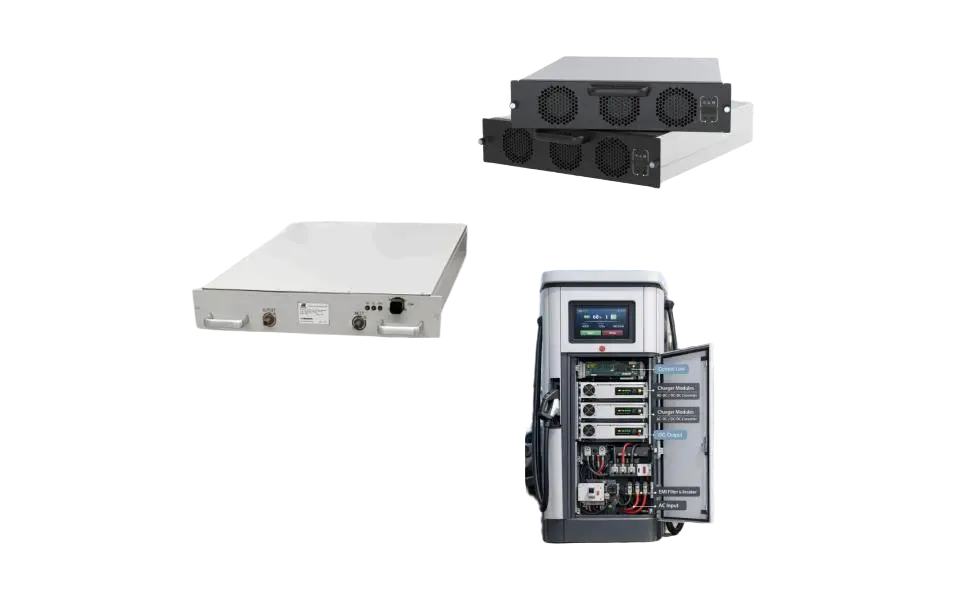
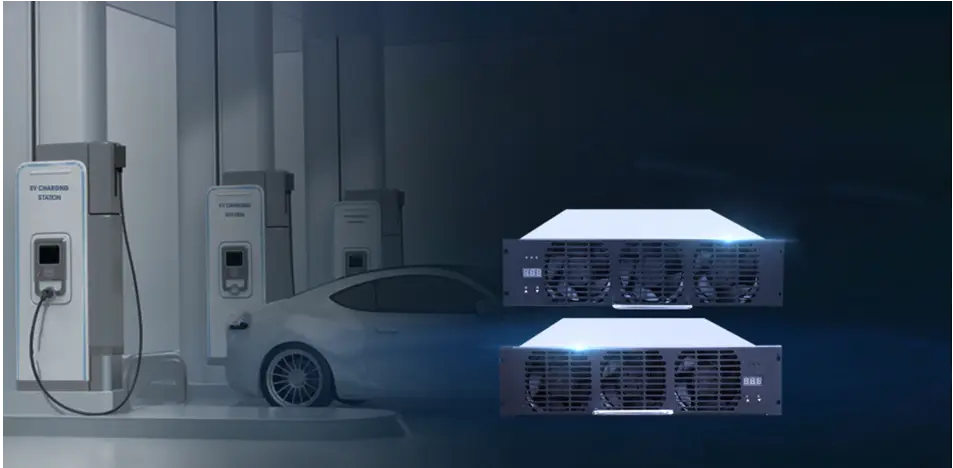
MIDA New Energy specializes in building EV charger power modules, which determine conversion efficiencies and unit lifespan. Controlling the module production chain allows us to maintain tight tolerances and minimize unit failures:
Learn about our product divisions to find the dynamic solution aligned with your technical deployment requirements.
Tailored configurations designed for local grid structures, high-performance home solar loops, and fleet operations.
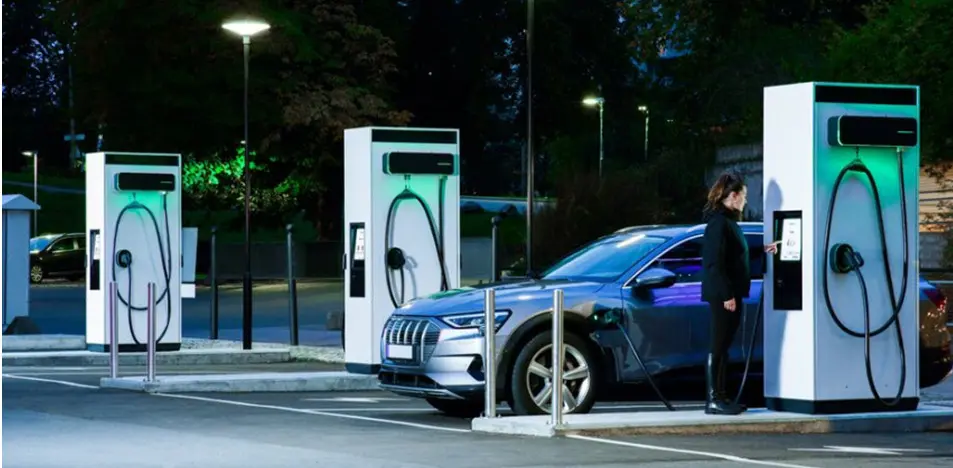
Our residential 20kW-40kW DC chargers interface natively with home management setups. Compatible with local solar arrays, they charge cars using 100% renewable energy. The bidirectional V2H functionality utilizes your vehicle as a backup home battery source during rolling blackouts.
For apartments, condos, and delivery vehicle depots, low-power DC chargers provide rapid, scalable charging access without massive electrical overhauls. Managing 4 to 8 of these units requires a fraction of the power capacity of a single high-output highway charger.
Global electrical networks demand strict safety compliance. Our chargers are fully certified with CE, TUV, UL, and CB marks, featuring robust protection mechanisms: OVP, UVP, OTP, and Type A + DC 6mA leakage protection mechanisms.
Stay up to date with MIDA Group's latest research developments, product releases, and charging technologies.

Get answers to technical queries, installation options, grid impacts, and manufacturing specifications.
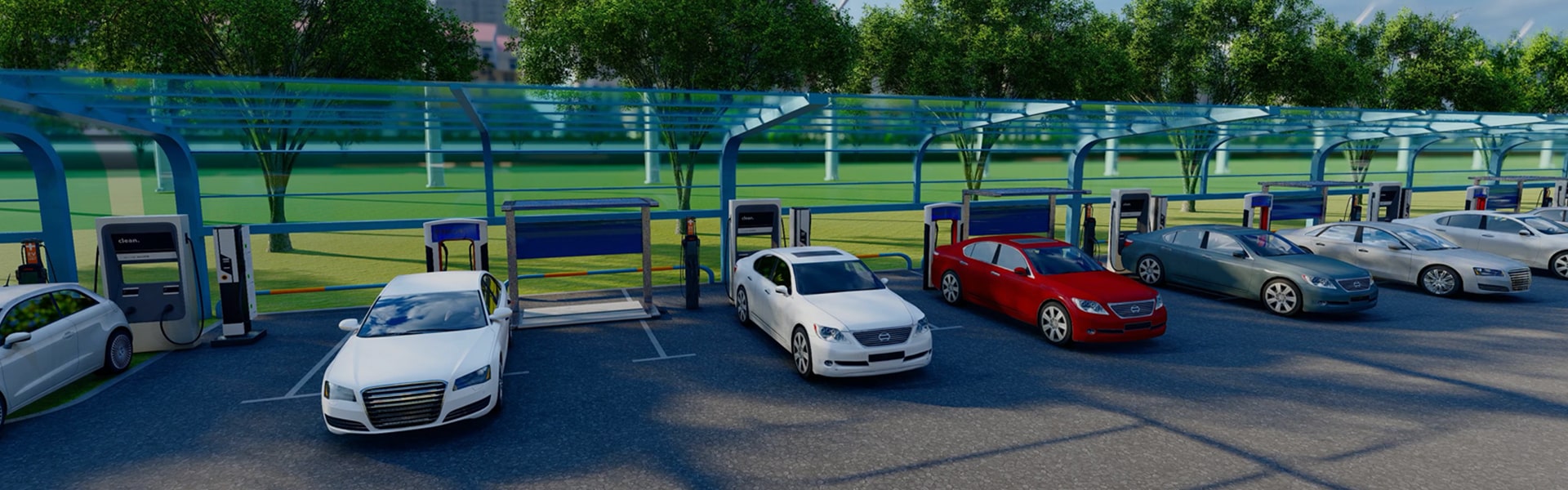
Explore our highly scalable charging hardware, designed for commercial parking lots, public depots, and private residences.