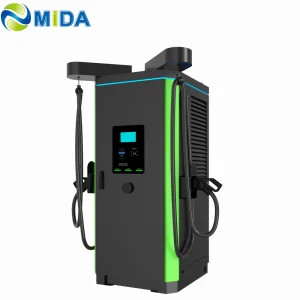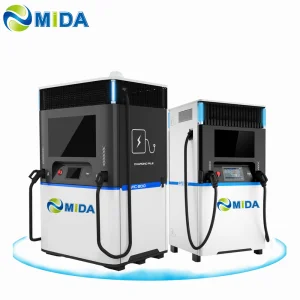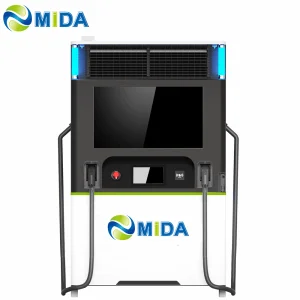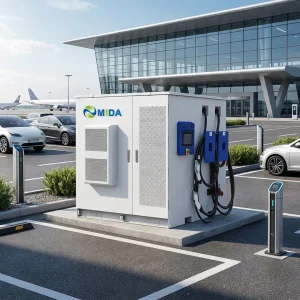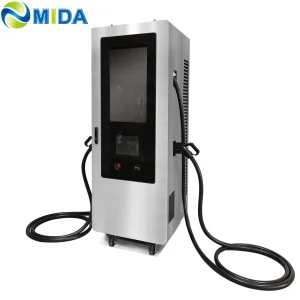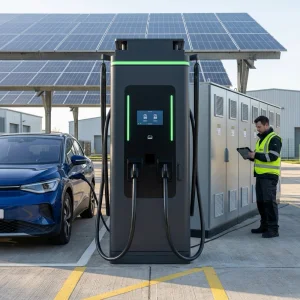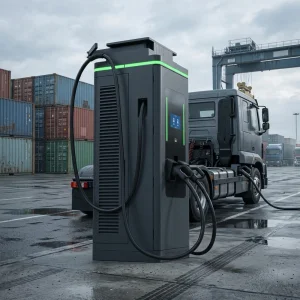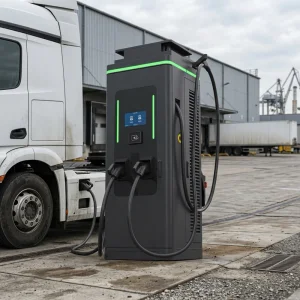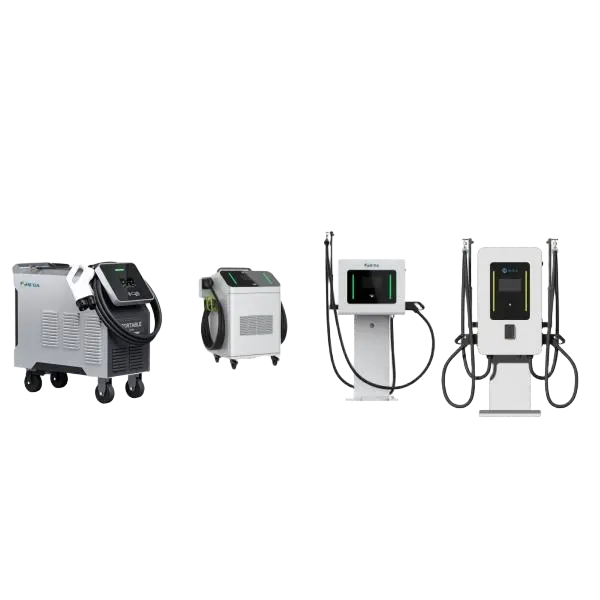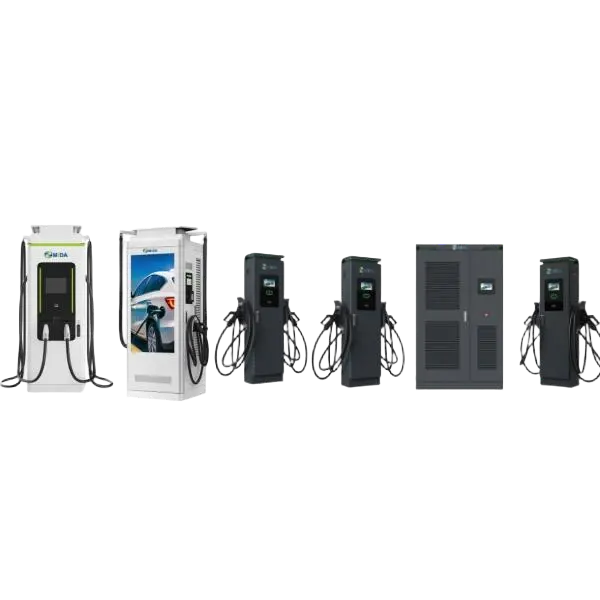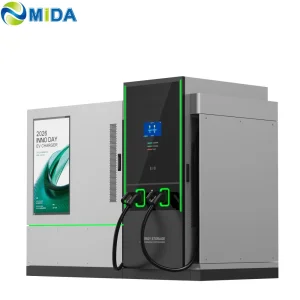
Explore our leading integrated systems, mobile recovery units, and fast charging infrastructure stations designed for global compatibility.
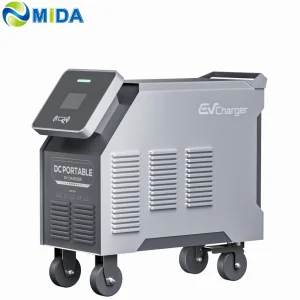
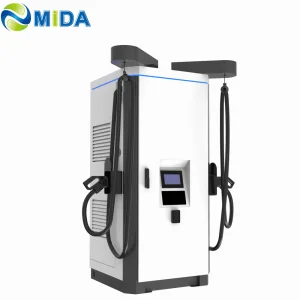
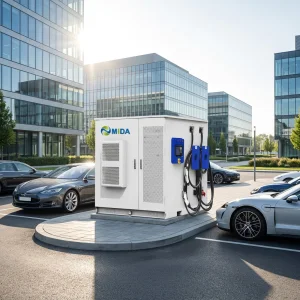
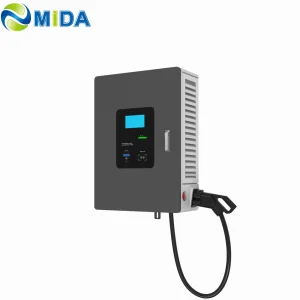
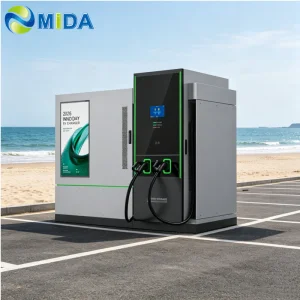
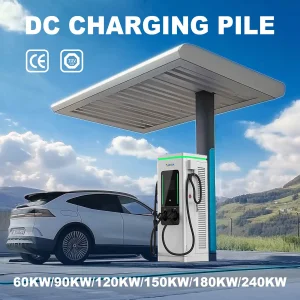
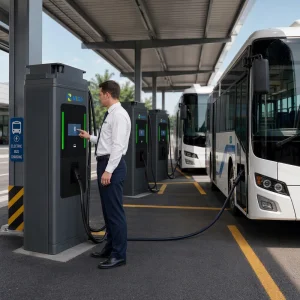
A comprehensive analysis of deployment dynamics, performance capabilities, and economic viability for heavy commercial operations.
As global fleet operators, commercial real estate developers, and municipal logistics centers transition to zero-emission mobility, selecting the correct charger capacity has become a critical strategic decision. Within the current technology landscape, the 90kW DC Fast Charger has emerged as the definitive "sweet spot." It balances speed, installation complexity, local grid requirements, and initial capital expenditures (CAPEX).
Unlike 350kW ultra-fast systems which often trigger expensive grid substation upgrades, or 22kW AC units that require overnight parking to achieve a full charge, the 90kW power level offers high throughput. By utilizing a dual-port split system, it dynamically delivers either a concentrated 90kW surge to a single commercial vehicle or parallel 45kW streams to two vehicles simultaneously. This versatility maximizes utilization rates at retail parks, fleet depots, and highway transit points.
Procuring fast-charging infrastructure at an enterprise level requires deep attention to local safety standards, hardware modularity, and future-proof software integrations. The primary challenges facing global procurement departments involve grid harmonization and compliance. For instance, charging systems deployed in the European Union require CE marking alongside strict compliance with MID (Measuring Instruments Directive) for accurate public billing. Projects in North America must adhere to UL 2202 and UL 2594 safety standards, alongside native support for the emerging NACS (SAE J3400) connector standard.
Additionally, forward-thinking buyers prioritize modular power stack layouts. Using multiple hot-swappable 30kW or 40kW modules instead of a single 90kW unit protects operations from unexpected hardware issues. If one module goes offline, the system continues running at a reduced output rather than shutting down entirely, ensuring constant uptime for critical delivery and logistics networks.
Built with dynamic power modules (such as 3x30kW configurations) to guarantee system redundancy, minimal maintenance downtime, and scalable future upgrades.
Full compliance with OCPP 1.6J and OCPP 2.0.1, enabling remote diagnostics, real-time load management, and secure monetization integrations.
Limits localized demand charges and peak utility rates, allowing integration with BESS (Battery Energy Storage Systems) and onsite solar power.
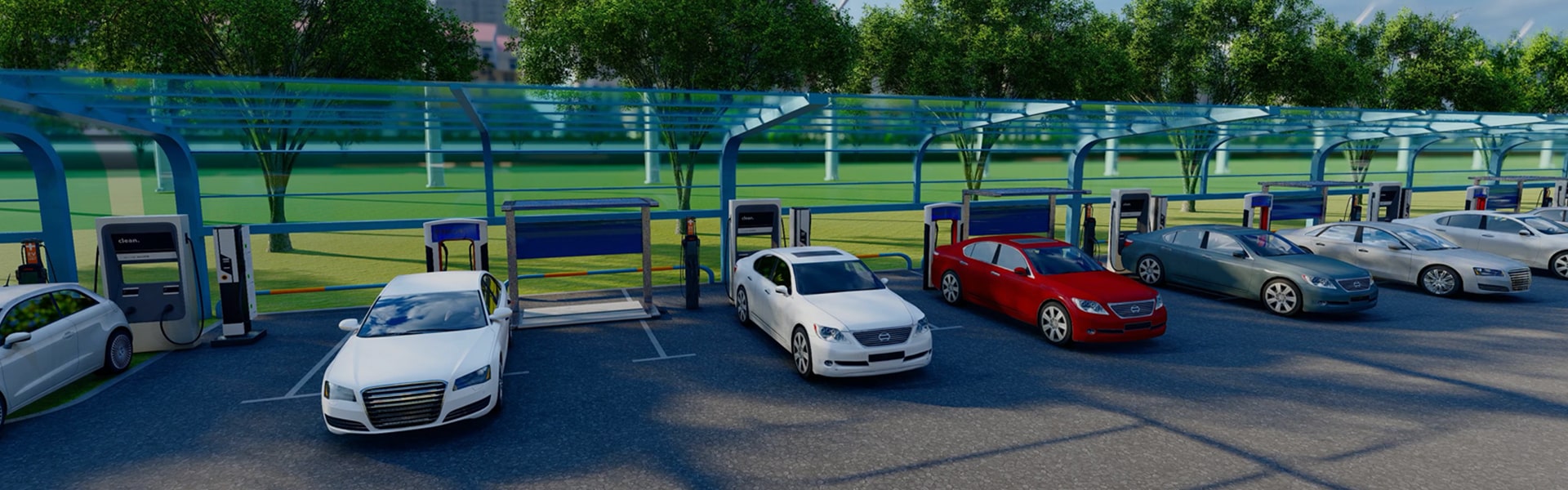
At the macro-level, charging networks face growing challenges from grid power constraints. Municipalities and grid operators are worried about localized voltage drops when multiple fast chargers activate at the same time. The modern solution to this challenge involves combining 90kW DC chargers with localized energy storage. By pairing these chargers with modular Battery Energy Storage Systems (BESS) and solar carports, site managers can implement effective peak-shaving strategies. The onsite battery discharges during high-demand periods to power the vehicles, keeping grid draws low and helping operators avoid expensive utility surcharges.
Shanghai Mida Cable Group Ltd. operates through its wholly owned subsidiaries: Shanghai Mida EV Power Co., Ltd., Shenzhen Mida EV Power Co., Ltd., and Shanghai Mida New Energy Co., Ltd.
Mida Cable manufactures a comprehensive range of EV charging cables, including 16A–80A J1772 cables, 16A–63A IEC 62196-2 Type 2 cables, and heavy-duty DC fast charging cables: CCS1 (80A–500A), CCS2 (125A–1000A), CHAdeMO (125A–300A), GBT (200A–1000A), and NACS connectors (250A–600A).
MIDA EV Power produces a full lineup of EV charging stations, such as 7kW–50kW mobile chargers, 3.6kW–7.2kW portable DC chargers, 360kW–1440kW split-type DC fast chargers, 20kW–50kW wall-mounted DC chargers, and 60kW–480kW floor-standing DC fast charging stations.
MIDA New Energy specializes in EV charger power modules, offering 20kW–60kW standard modules, 40kW–125kW liquid-cooled modules, 30kW–62.5kW bidirectional modules, and 20kW–45kW V2G charging modules.

Exporting Countries
Max Current Output (CCS2)
High Conversion Efficiency
Maximum System Capability
Explore our advanced hardware subsystems, engineered for long-term operational reliability.
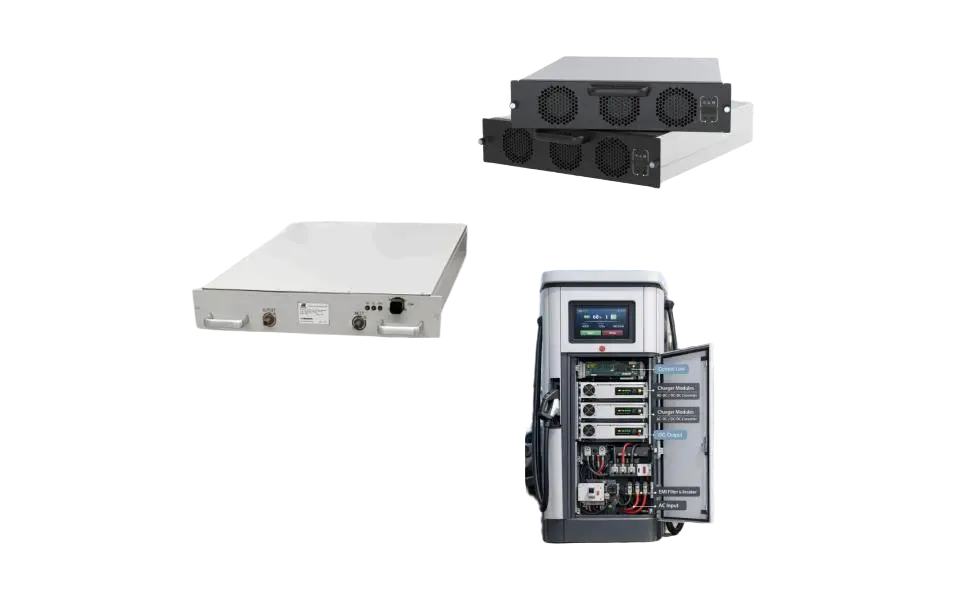
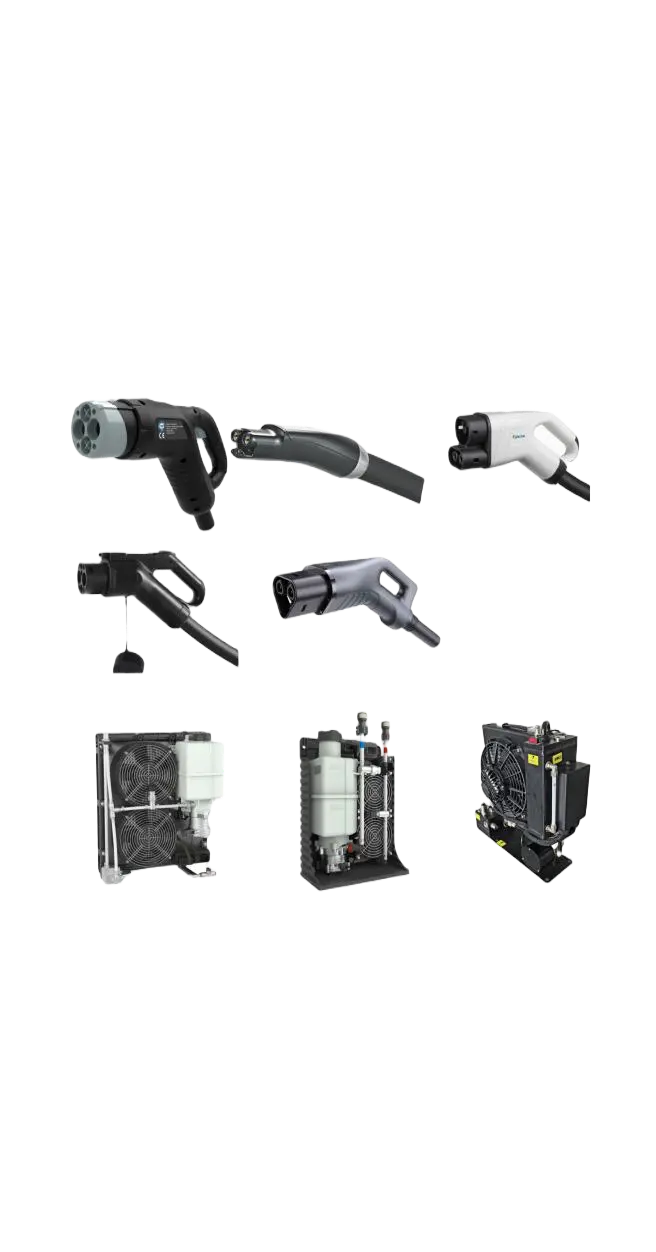
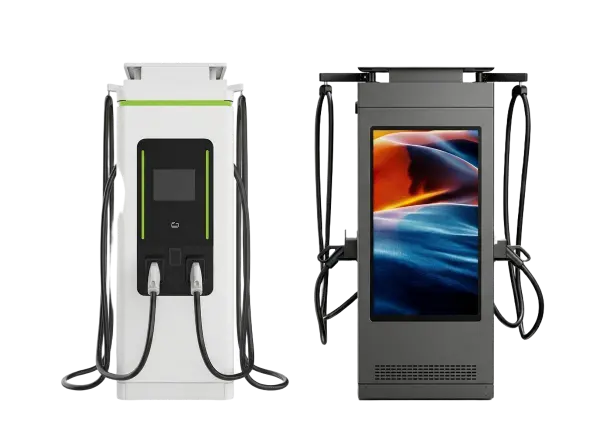
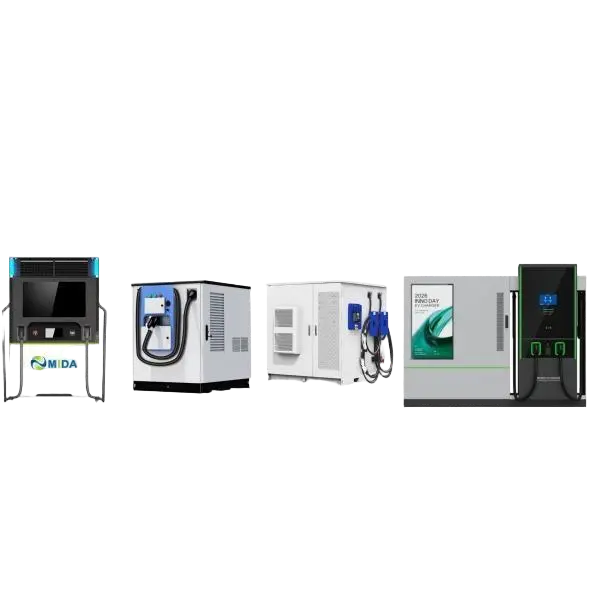
Explore our core infrastructure groups built to withstand extreme environmental conditions.
Stay up to date with the latest innovations, including automated public transit charging infrastructure.

What are the advantages of an e-bus pantograph dome? In contrast to classic plug-in charging systems, e-bus pantographs enable automated overhead connections for high-power depot top-ups.
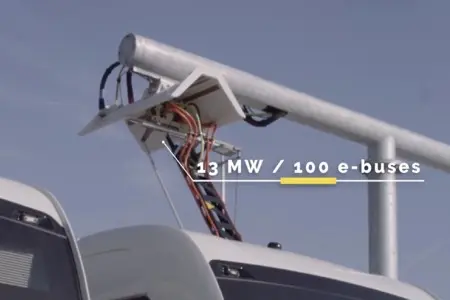
How long does it take to charge with an e-bus pantograph? The charging time depends on the battery capacity and the station's configuration, with high-power systems completing top-ups in minutes.
How to Install the Pantograph Up Charger System Dome for Electric Buses. A detailed guide on structural integration, electrical safety limits, and alignment software configurations.
Get answers to common technical, design, and regulatory questions regarding 90kW DC fast charging systems.
Explore more high-output options, integrated battery cabinets, and wall-mounted fast charging solutions.