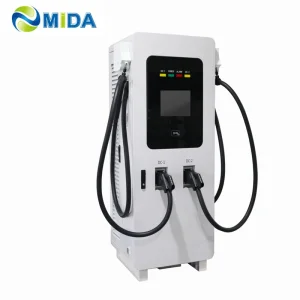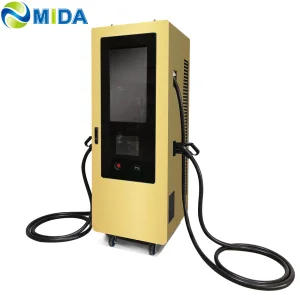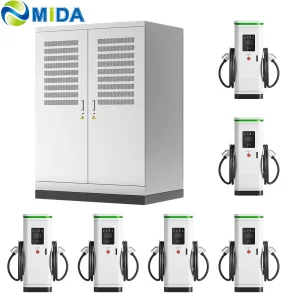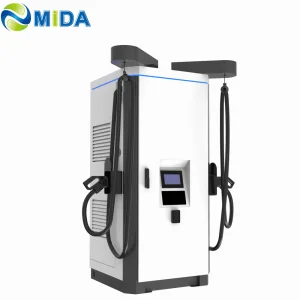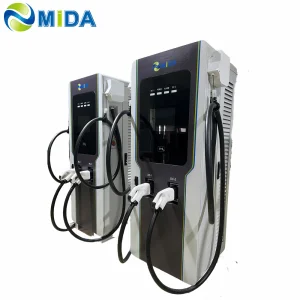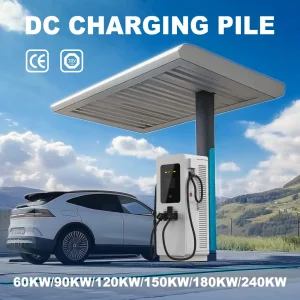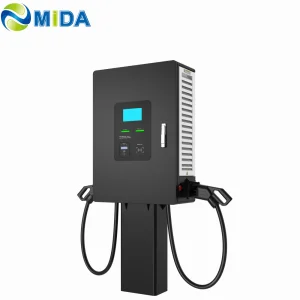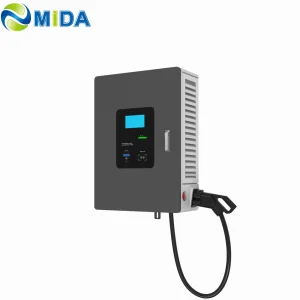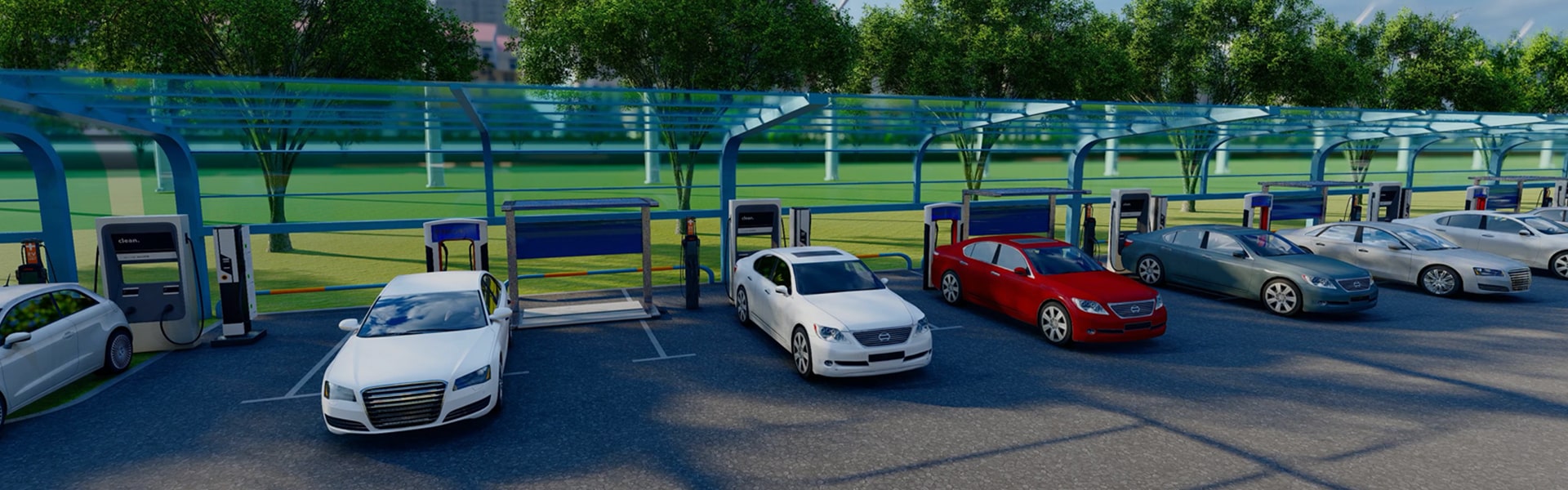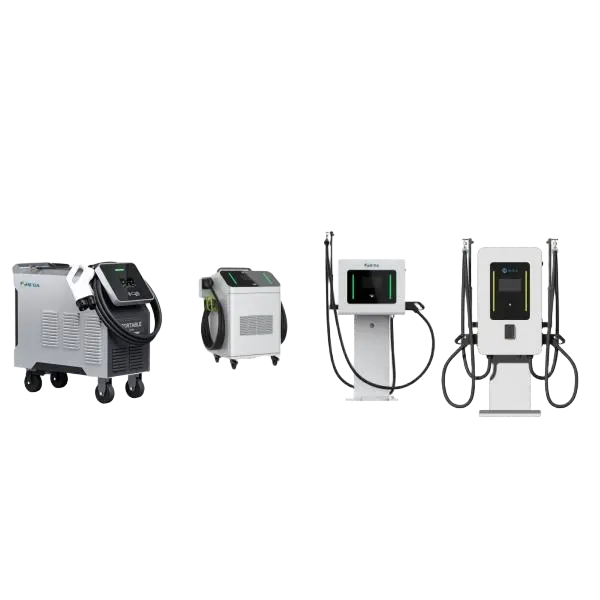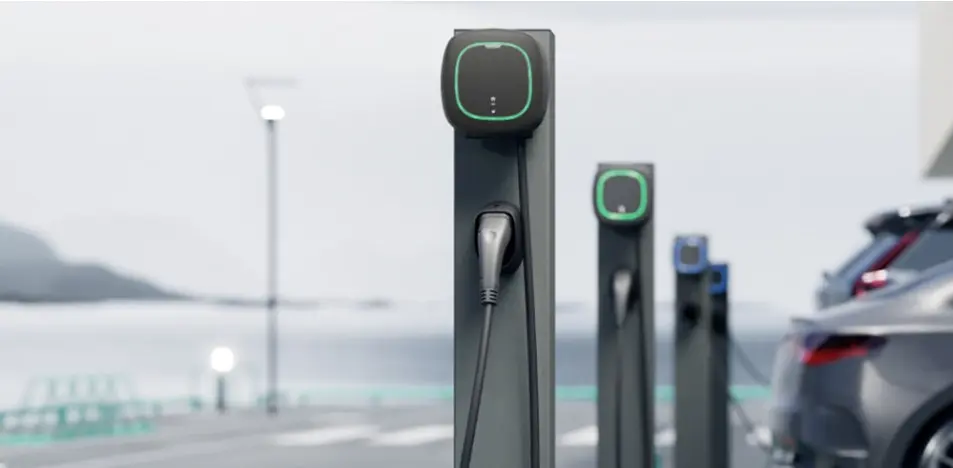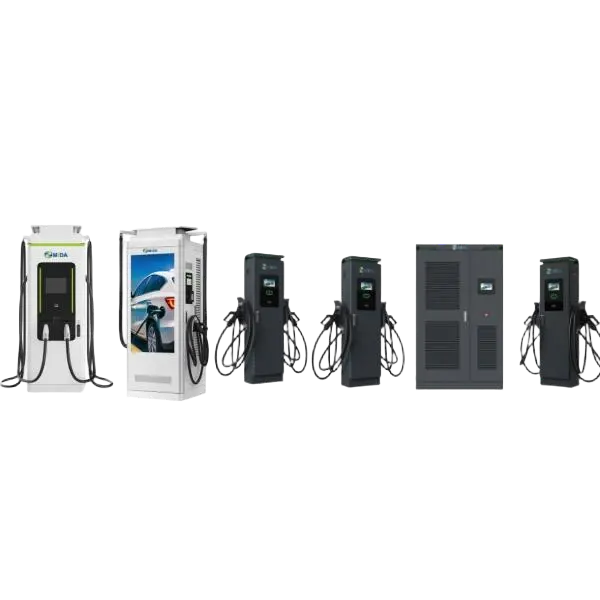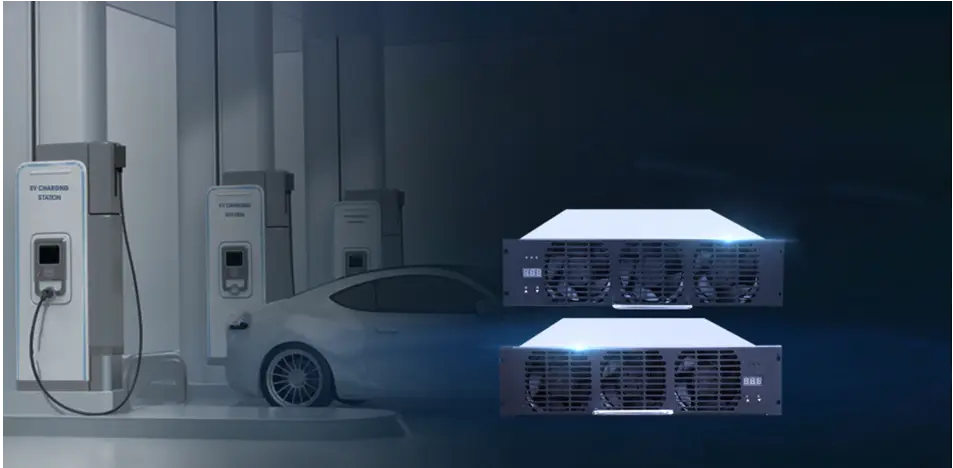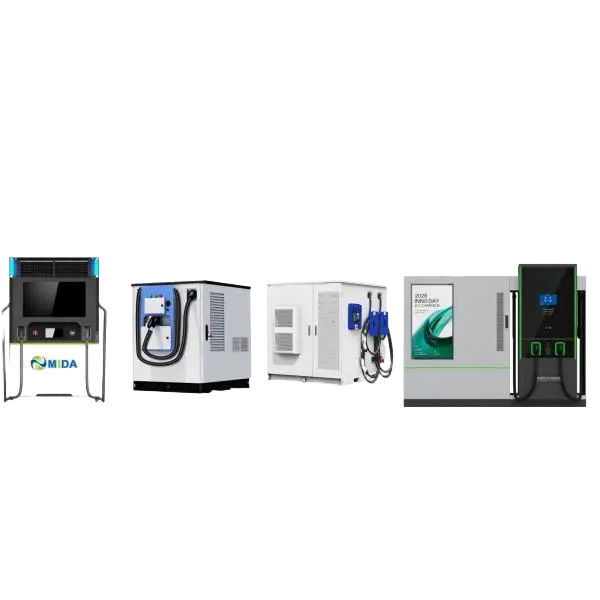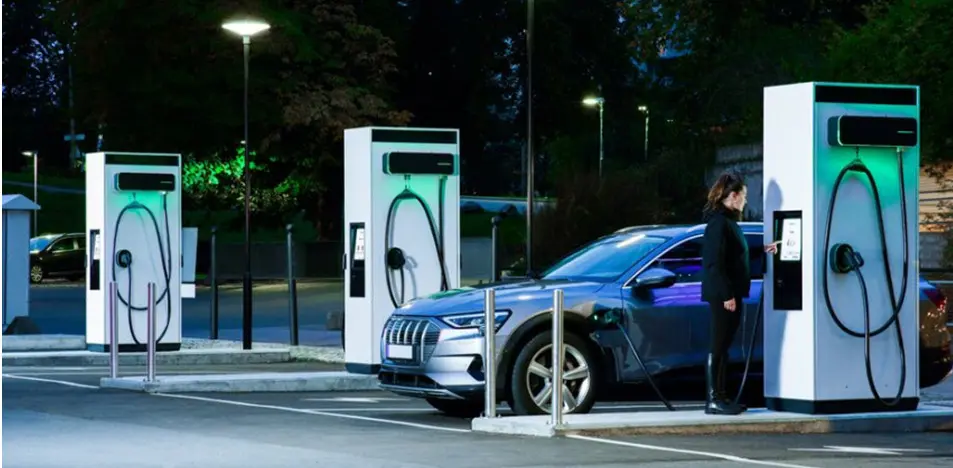
Explore our premium commercial-grade EV charging hardware manufactured under strict global standards, featuring adaptive power sharing, liquid cooling, and full OCPP integration.
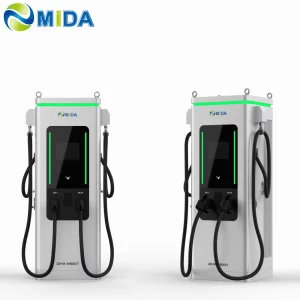
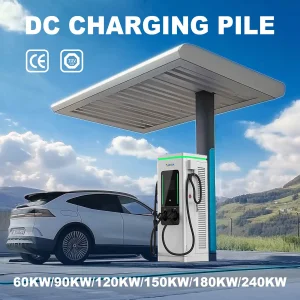
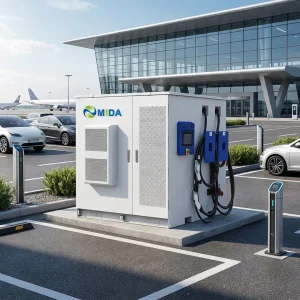
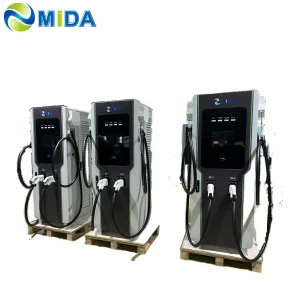
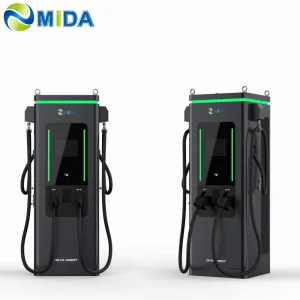
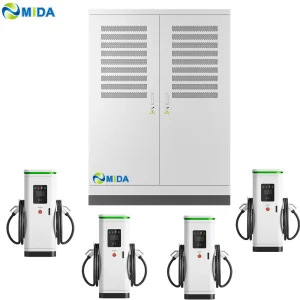
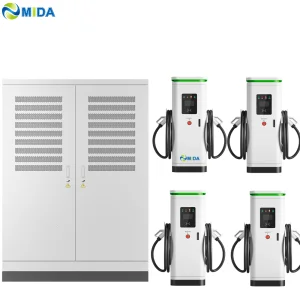
Shanghai Mida Cable Group Ltd. operates through its wholly owned subsidiaries: Shanghai Mida EV Power Co., Ltd., Shenzhen Mida EV Power Co., Ltd., and Shanghai Mida New Energy Co., Ltd. As a globally recognized tier-1 EV charging components and system manufacturer, we are dedicated to providing the reliable technology foundation required for next-generation charging infrastructure networks.
Our comprehensive engineering capabilities span three core areas of the modern electric vehicle ecosystem: precision cable engineering, charging station assembly, and advanced power electronics. Under Mida Cable, we manufacture a wide range of standard and high-amperage charging interfaces, ensuring seamless mechanical and electrical compatibility worldwide.
Through MIDA EV Power and MIDA New Energy, we translate core power conversion research into scalable field solutions, supplying grid operators, commercial fleet managers, and network operators with customizable systems from modular 20kW wallboxes to split-architecture megawatt charging stations.

From the raw copper in liquid-cooled power cables to intelligent grid buffering, MIDA delivers integrated charging ecosystems designed for maximum uptime and deployment flexibility.
A comprehensive technical brief on high-power power electronics, grid optimization strategies, and standard harmonization for charging station deployment.
The global transition to electric mobility is shifting from consumer passenger vehicles to medium- and heavy-duty commercial transit, municipal trucking, and large-scale industrial fleets. According to recent infrastructure analyses, the demand for High-Power Charging (HPC) networks is outpacing traditional grid upgrades. This lag has created a critical need for next-generation charging point station factories that design and manufacture systems with high electrical efficiency, modular reliability, and grid-edge adaptability.
Designing modern charging point stations requires balancing thermal management, power density, and electrical safety. Standard multi-cabinet configurations often experience thermal degradation under continuous 350kW+ loads. To maintain high uptime, leading factories employ advanced thermal design practices:
"The challenge of heavy fleet electrification is not just about raw power, but thermal management and power delivery logic. SiC power modules and liquid-cooled cables allow station operators to deliver megawatts of power safely and reliably."
Adding mega-watt class chargers directly to local distribution grids often requires expensive and time-consuming utility upgrades. Integrated Battery Energy Storage Systems (BESS) act as an electrical buffer to mitigate these issues:
Explore our deep manufacturing capabilities in EV cables, high-efficiency power modules, robust connectors, and complete charging stations.
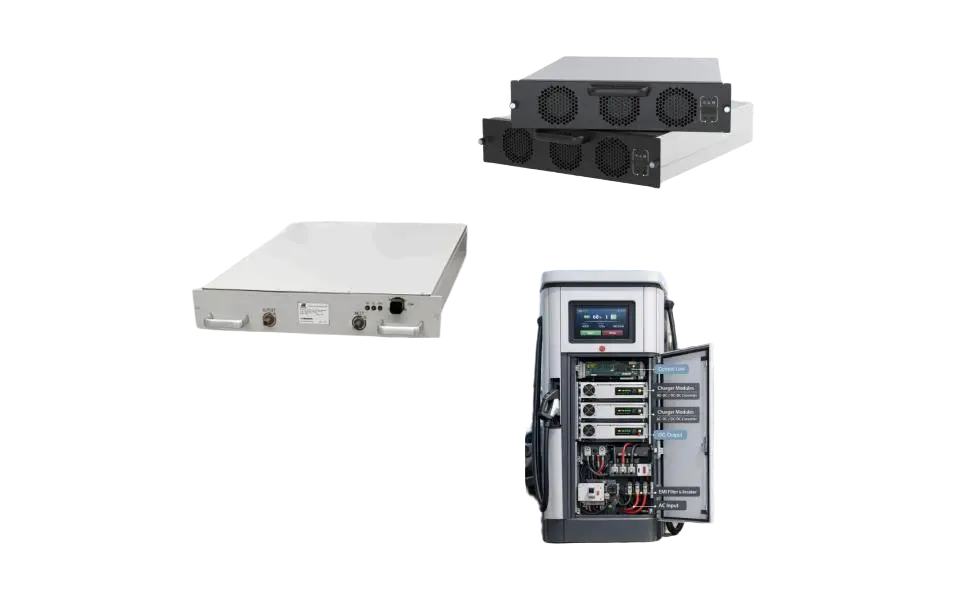
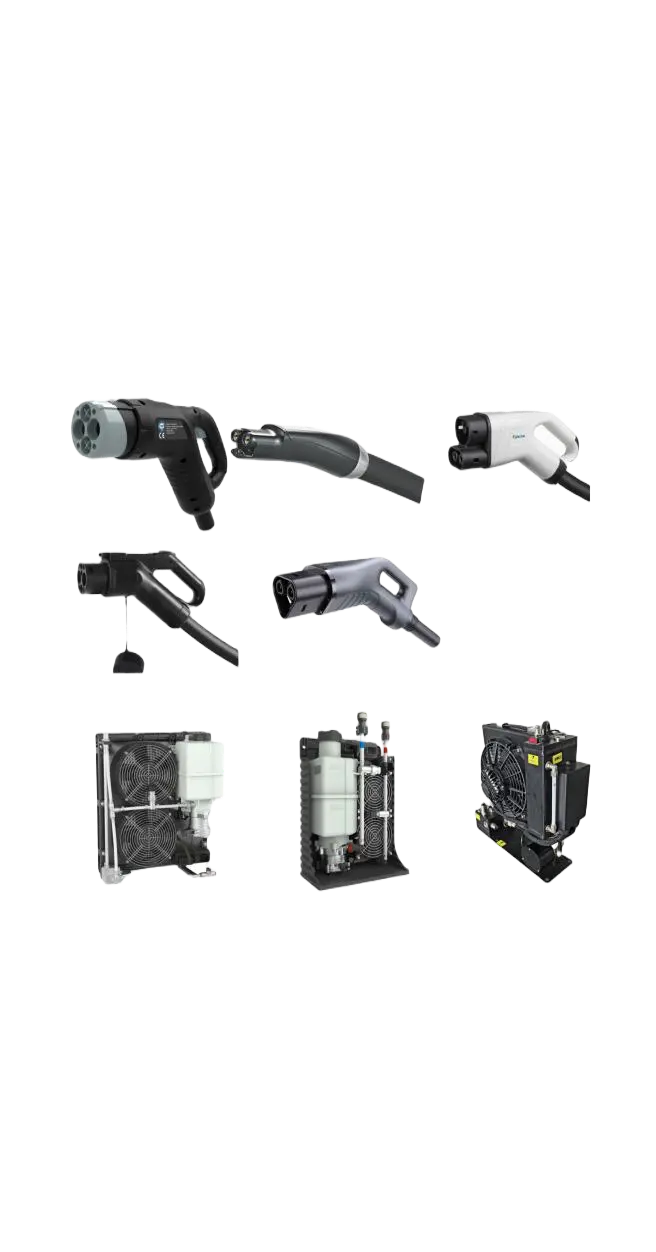
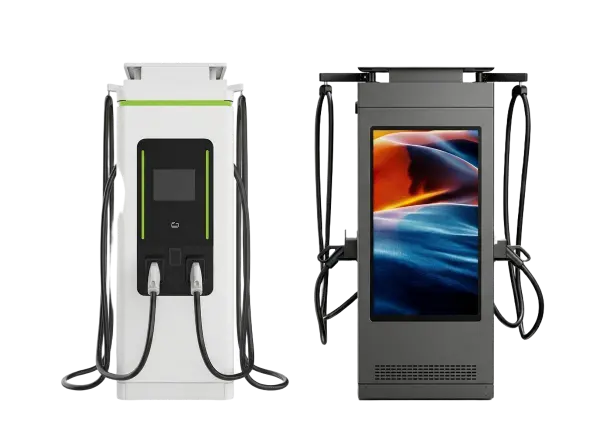
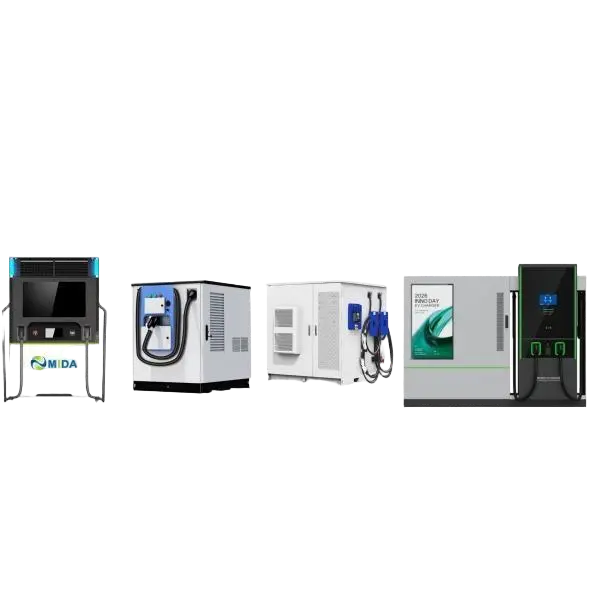
MIDA Group is actively developing technology platforms to address future requirements in power density, grid bidirectional flow, and ultra-high current transfer.
As the EV ecosystem matures, charging point station factories must build hardware that is compatible with upcoming charging standards. The transition toward high-voltage architectures (800V to 1000V DC) requires advancements across the entire charging stack.
Electric vehicles can act as mobile energy storage assets. Modern charging installations are shifting from unidirectional energy delivery to bidirectional energy exchange. Our 20kW-45kW V2G modules and 50kW/62.5kW bidirectional AC-DC modules enable fleet operators to return energy to their facilities or the local grid during peak periods, creating new energy monetization strategies.
Long-haul logistics transit requires megawatt-level charging rates to remain viable. The Megawatt Charging System (MCS) standard allows for current levels up to 3000A at 1250V DC. Designing systems for this standard requires specialized high-power components, including integrated liquid cooling systems and custom busbar designs, to manage the thermal loads of continuous multi-megawatt energy transfer.
With regions standardizing on different interfaces (CCS1 in North America, CCS2 in Europe, NACS globally, and ChaoJi/GBT in Asia), charging point factories must support multiple protocols. MIDA Group designs stations that integrate these standards into single-cabinet configurations, simplifying site planning for global operators.
Keep up with the latest technological developments, installation guides, and product updates from the engineering divisions of MIDA Group.
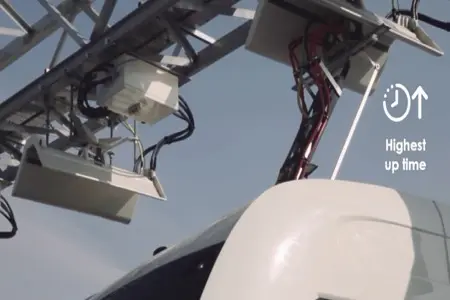
What are the advantages of an e-bus pantograph dome? In contrast to classic plug-in charging systems, e-bus pantograph charging simplifies high-power fleet operations.
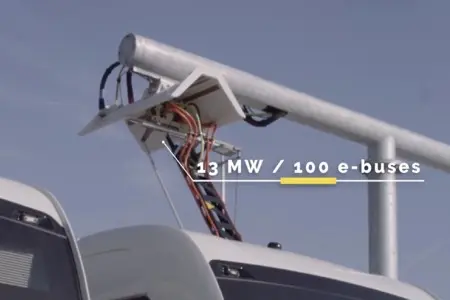
How long does it take to charge with an e-bus pantograph? The charging time depends on the battery capacity and the grid power availability.
How to Install the Pantograph Up Charger System Dome for Electric Bus. Installing a "Pantograph Up" system requires structural, civil, and electrical alignment.
Get answers to common questions about power electronics, standards compliance, thermal management, and station installation.
Explore our complete product lineup, including multi-standard DC chargers, mobile energy systems, and high-capacity split charging stations.