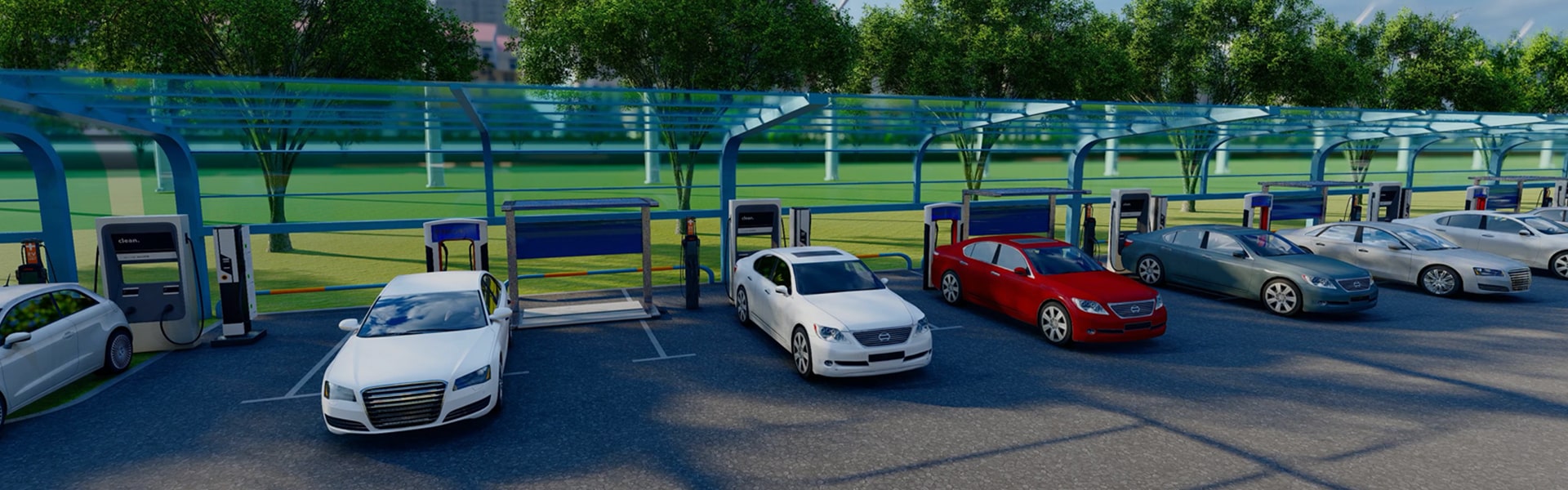
Select premium EV charging stations from the world's leading manufacturers. Explore advanced power modules, integrated battery energy storage, and dynamic load balancing options.
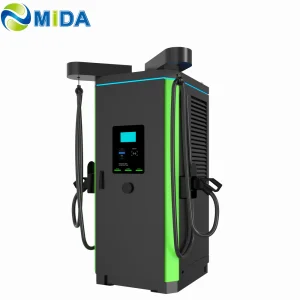
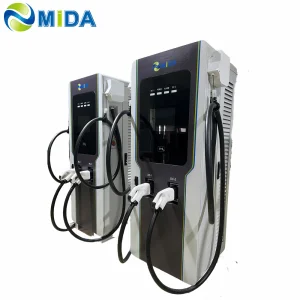
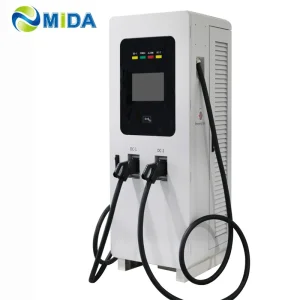
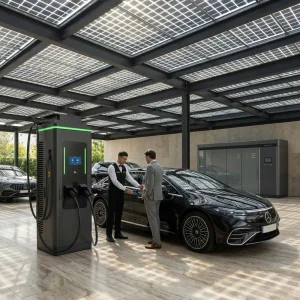
The transition to electric mobility has highlighted the critical role of Combined Charging System (CCS) Type 2 architecture. Among the various capacity tiers, the 50kW DC charging segment has emerged as the global "sweet spot." It acts as a bridge between low-power AC destination charging and ultra-high-speed highway charging. Implementing a CCS2 50kW configuration allows operators to bypass the expensive power grid updates required for 150kW+ units, while still offering significantly reduced charging times compared to standard AC chargers.
Technically, CCS2 utilizes standard IEC 62196-3 connector dimensions, incorporating robust DC pins that transmit energy directly to the electric vehicle’s traction battery. Operating under a 50kW power curve allows charging stations to supply up to 125A of current at 400V, which fits the standard battery architecture of most commercial vehicles, e-buses, and logistics vans.
Procuring commercial EV charging infrastructure demands a high standard of compliance and safety certifications. In Europe, Oceania, and parts of Asia, CCS2 is the regulatory standard. Buyers look for equipment certified under CE, CB, TUV, and UKCA, ensuring strict alignment with safety regulations like EN 61851-1, -23, and -24. Additionally, PTB and MID certifications are required for public billing compliance, guaranteeing accuracy in energy measurement.
Modern procurement strategies focus on software compatibility, particularly OCPP 1.6J and the newer OCPP 2.0.1. These protocols enable remote monitoring, transaction processing, and dynamic load management (DLM). DLM is vital for locations with grid constraints, preventing grid overloads by dynamically adjusting power output based on real-time site consumption.
Understanding Chinese Factory 4.0 automation helps explain the market dominance of Chinese manufacturers. Factories like MIDA Group's facilities integrate robotics and smart manufacturing execution systems (MES) to maintain high yield rates and component consistency. The supply chain for Chinese EV chargers benefits from proximity to raw materials, semiconductor assembly, and advanced battery ecosystems.
Vertically integrated production—encompassing the manufacturing of copper cables, connector pins, control boards, and power modules within a single corporate entity—drastically reduces lead times and lowers production costs. Additionally, these facilities use automated testing devices to run simulated load profiles on chargers for hours before packaging, ensuring each unit meets strict reliability standards.
We offer scalable solutions across several key EV charging categories, providing end-to-end support from cables to high-power stations.
7kW 20kW 30kW 40kW 60kW 80kW
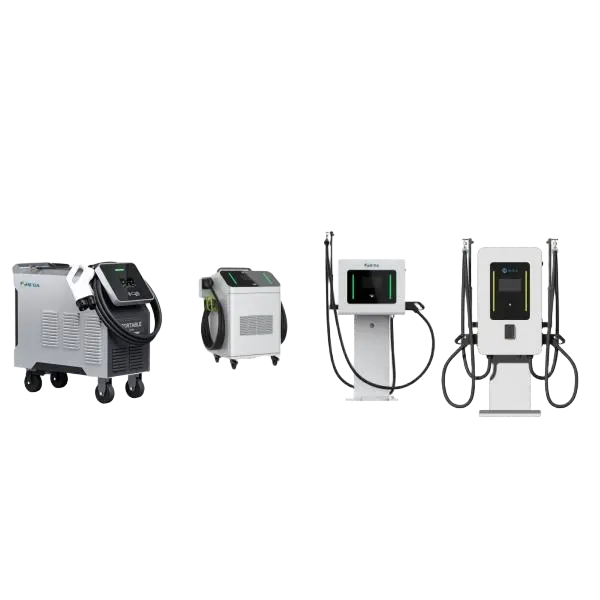
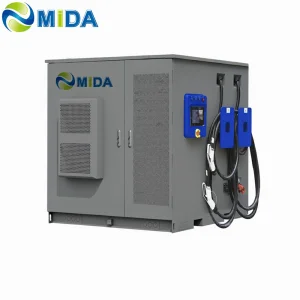
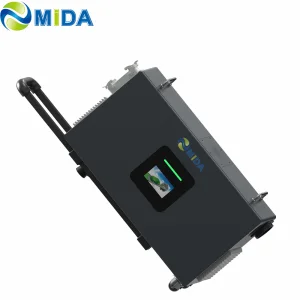
Versatile charging systems designed for space-restricted environments, fleet depots, and mobile emergency services.
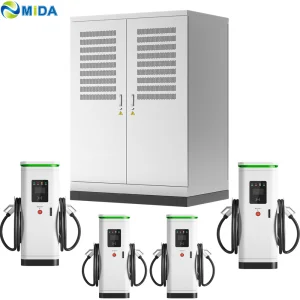
View More60kW-480kW 360kW-1440kW
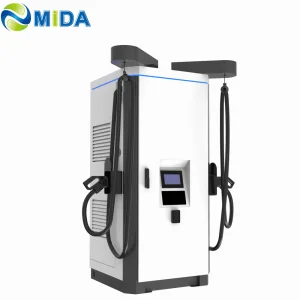
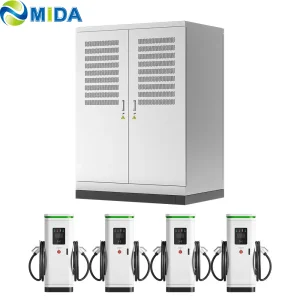
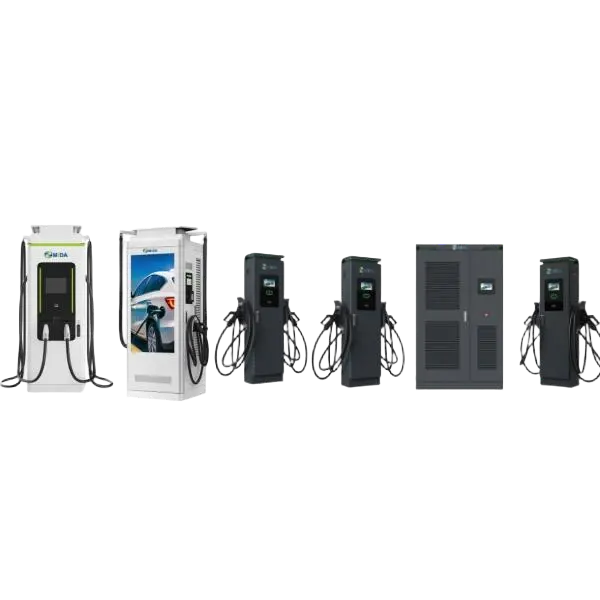
High-efficiency, floor-standing fast charging stations featuring multi-standard connectors and smart load allocation.
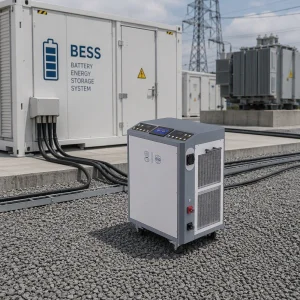
View More60kWh 261kWh 418kWh 625kWh 2MkWh
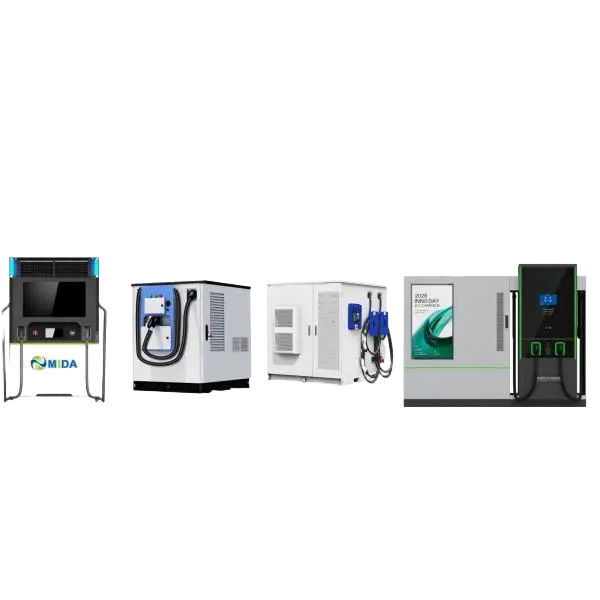
Battery Energy Storage Systems integrated with EV chargers to offset peak demand and enable off-grid fast charging.
View MoreShanghai Mida Cable Group Ltd. operates through its wholly owned subsidiaries: Shanghai Mida EV Power Co., Ltd., Shenzhen Mida EV Power Co., Ltd., and Shanghai Mida New Energy Co., Ltd.
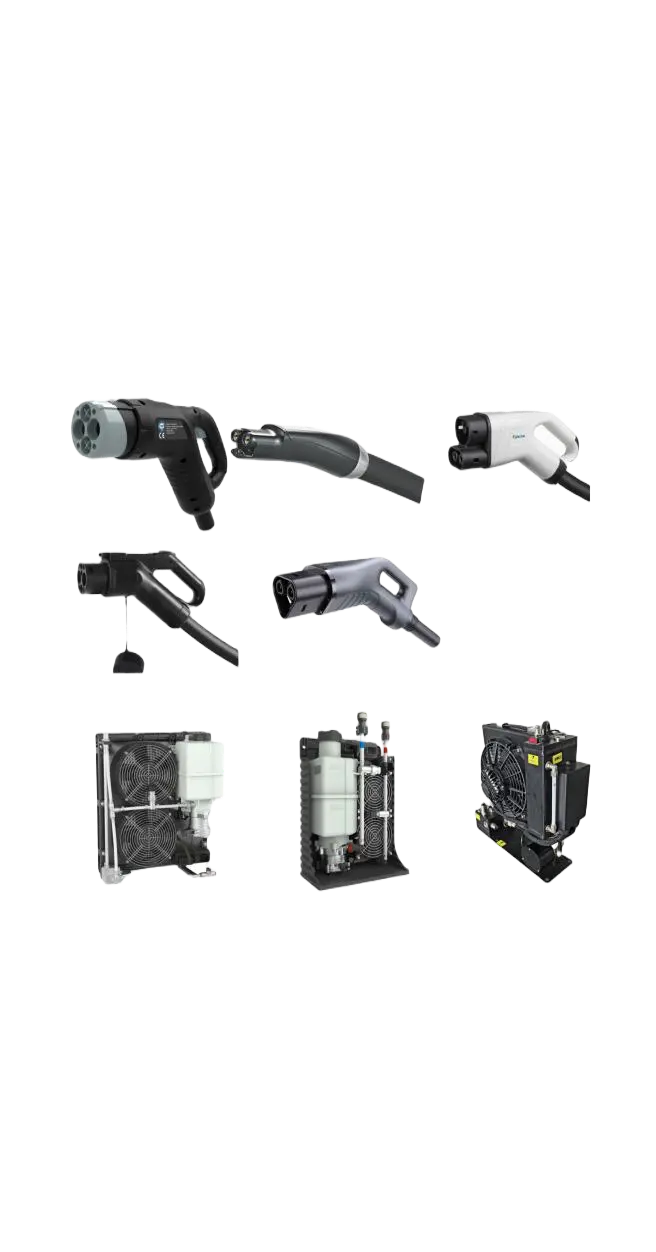
Mida Cable manufactures a comprehensive range of EV charging cables, including 16A–80A J1772 cables, 16A–63A IEC 62196-2 Type 2 cables, and DC fast charging cables: CCS1 (80A–500A), CCS2 (125A–1000A), CHAdeMO (125A–300A), GBT (200A–1000A), and NACS connectors (250A–600A).
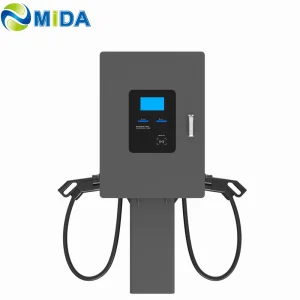
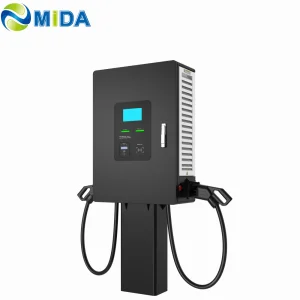
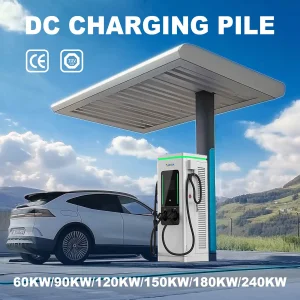
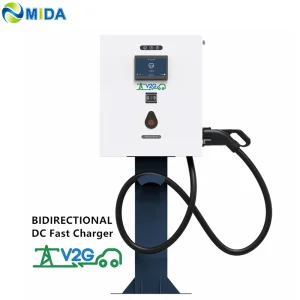
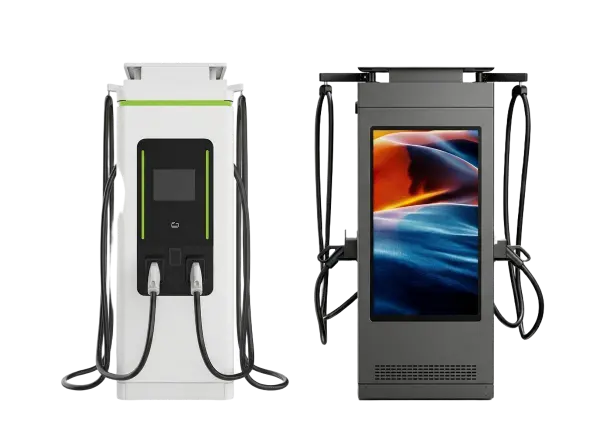
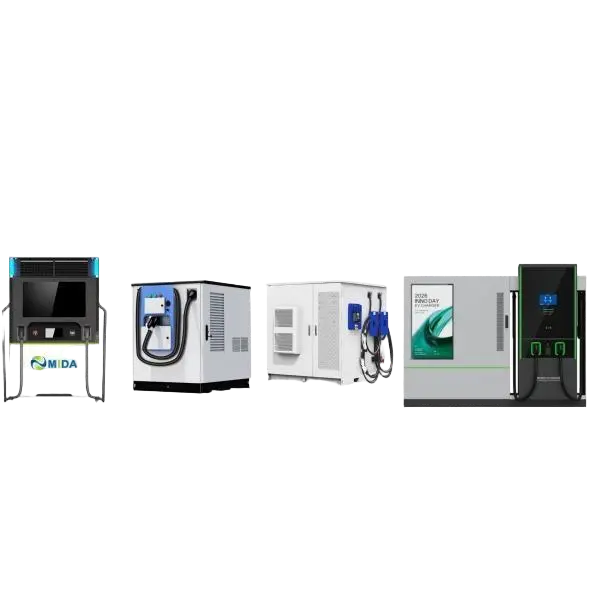
MIDA EV Power produces a full lineup of EV charging stations, such as 7kW–50kW mobile chargers, 3.6kW–7.2kW portable DC chargers, 360kW–1440kW split-type DC fast chargers, 20kW–50kW wall-mounted DC chargers, and 60kW–480kW floor-standing DC fast charging stations.
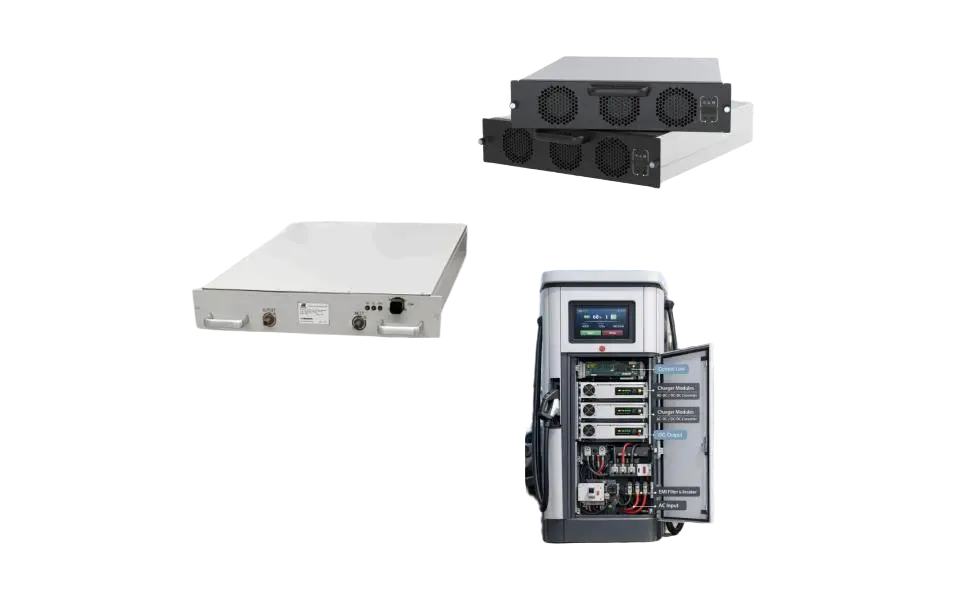
MIDA New Energy specializes in EV charger power modules, offering 20kW–60kW standard modules, 40kW–125kW liquid-cooled modules, 30kW–62.5kW bidirectional modules, and 20kW–45kW V2G charging modules.

Explore our core product ranges designed to meet the rigorous demands of modern electrical engineering and global infrastructure deployment.
Understanding where and how the CCS2 50kW EV DC Fast Charger operates efficiently across real-world commercial profiles.
For commercial delivery fleets, vehicles run on tight schedules. A 50kW charger can recharge a mid-sized delivery van (with a 60-80kWh battery pack) from 20% to 80% during driver shift changes or loading windows, maintaining fleet momentum without high peak energy charges.
Retail operators utilize 50kW DC chargers to attract EV drivers. The typical shopping or dining duration of 45 to 60 minutes aligns perfectly with the time needed for a 50kW unit to add substantial range, providing a convenient service that encourages customer foot traffic.
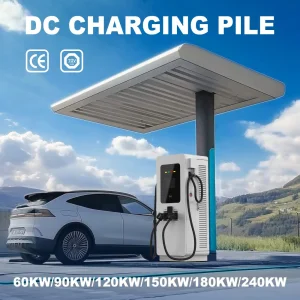
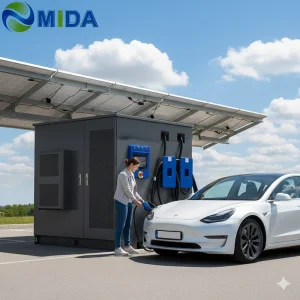
Businesses use 50kW chargers to support employees and visitors. Integrated with solar carports and Battery Energy Storage Systems (BESS), companies can capture renewable energy during peak sunlight and store it for EV charging, lowering operational costs and supporting corporate ESG initiatives.
Stay updated with our latest technology disclosures, industry projects, and standardizations in heavy commercial electric vehicle infrastructure.
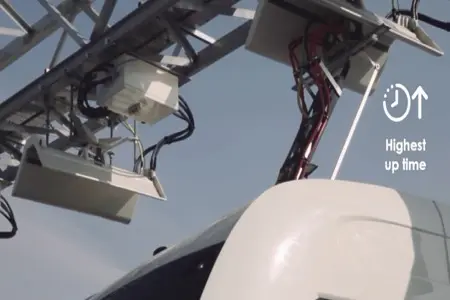
What are the advantages of an e-bus pantograph dome? In contrast to classic plug-in charging systems, e-bus pantograph dome charging provides automated connection, saving space and driver operational overhead.
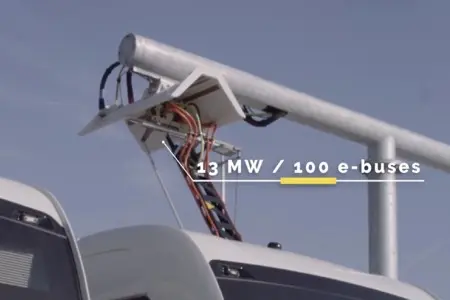
How long does it take to charge with an e-bus pantograph? The charging time depends on the battery capacity and the output power, but high-power roof-mounted systems provide fast opportunity charging in minutes.
How to Install the Pantograph Up Charger System Dome for Electric Bus. Installing a "Pantograph Up" system requires structural alignment, high-voltage safety interlocks, and coordination with local grid operators.
Technical answers directly from our Engineering and Quality Assurance departments regarding CCS2 standards and structural implementations.
Explore high-capacity DC fast chargers, hybrid solar energy charging stations, split DC charging systems, and battery storage integration systems.