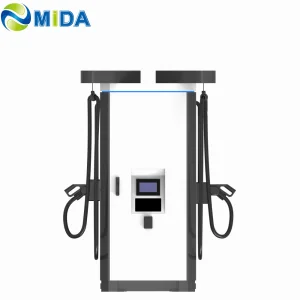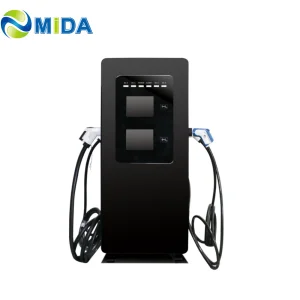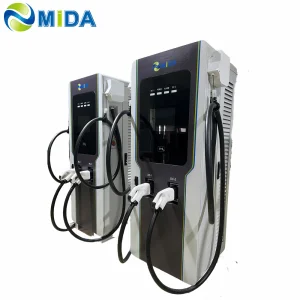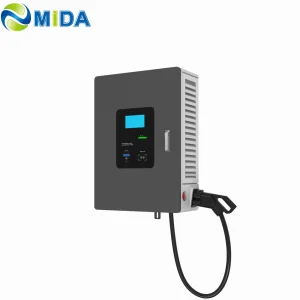
Best CCS Type 2 DC Fast Charger Supplier & Factory

Pioneering High-Power EV Infrastructure: Next-Gen MW Charging Modules, Advanced ISO 15118 Standard Integration, and Smart Liquid-Cooled Assemblies.

1000A
Max Liquid Cooled CCS2 Connector
1440kW
Ultra-High Split Charger Systems
15118
ISO Protocol & OCPP 2.0.1 Ready
2MWh
BESS Energy Storage Capability

Strategic Whitepaper: Architectural & Market Dynamics of CCS Type 2 High-Power Charging

The global transition to sustainable transportation necessitates robust infrastructure systems that support heavy commercial transport, inner-city logistics networks, and standard passenger vehicles. At the center of this transformation lies the Combined Charging System Type 2 (CCS Type 2), standardizing high-voltage DC fast charging protocol across Europe, Asia-Pacific, and South America. For procurement executives, fleet operations managers, and municipal energy planners, navigating the procurement of industrial CCS2 platforms requires detailed technical intelligence across power topologies, communication layers, and manufacturing quality control frameworks.

1. Global Commercial & Industrial Landscape of CCS Type 2 DC Fast Charging

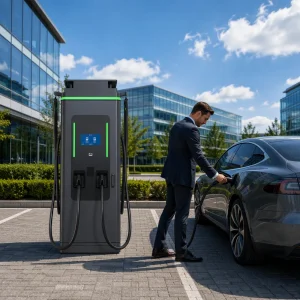
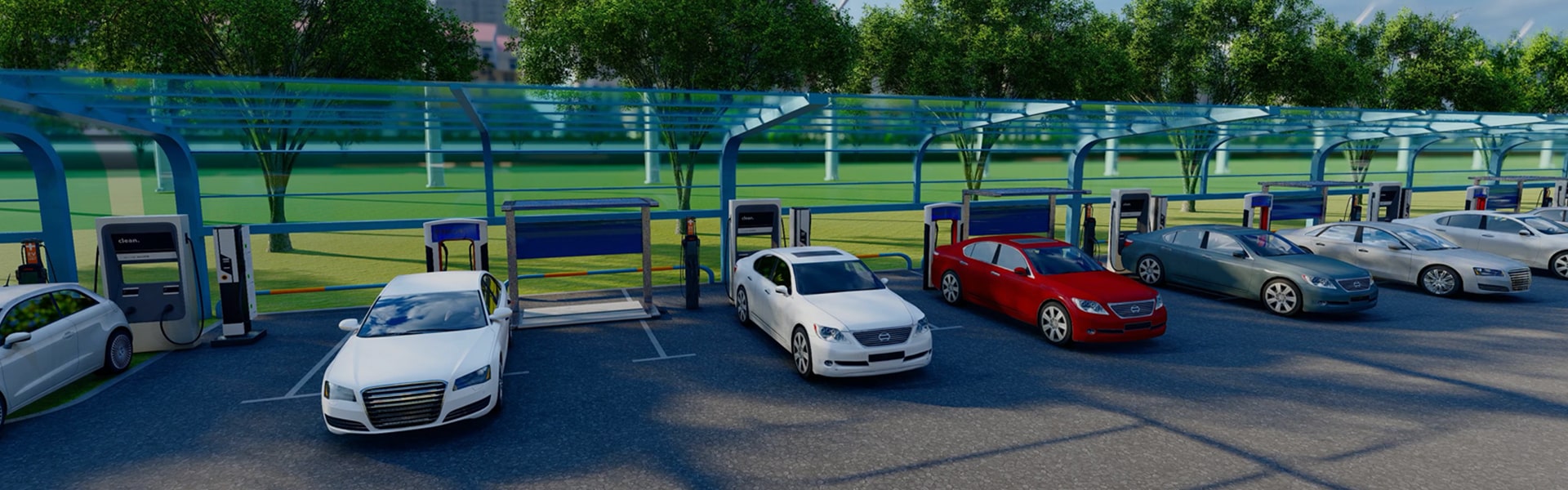
The CCS Type 2 charging architecture has transitioned from a utility service to an essential asset class for national transport networks. Driven by regulatory mandates such as Europe's Alternative Fuels Infrastructure Regulation (AFIR), charge point operators (CPOs) must build high-capacity fast-charging hubs spaced at 60 km intervals along major highway corridors. A primary focus is on fast-charging stations delivering a minimum capacity of 150kW to 400kW per charging point, making dual-gun and split-power system cabinets critical infrastructure components.

Concurrently, the industrial segment is modernizing to accommodate fleet electrification for trucks, municipal transit systems, and construction machinery. As charging requirements shift from 800V architectures to megawatt-level charging interfaces, manufacturers are developing multi-cabinet configurations that dynamically allocate power. These modular systems prevent grid overloading while maximizing localized energy deployment through local energy storage integration (BESS) and smart power modules.

Liquid-Cooled Modules

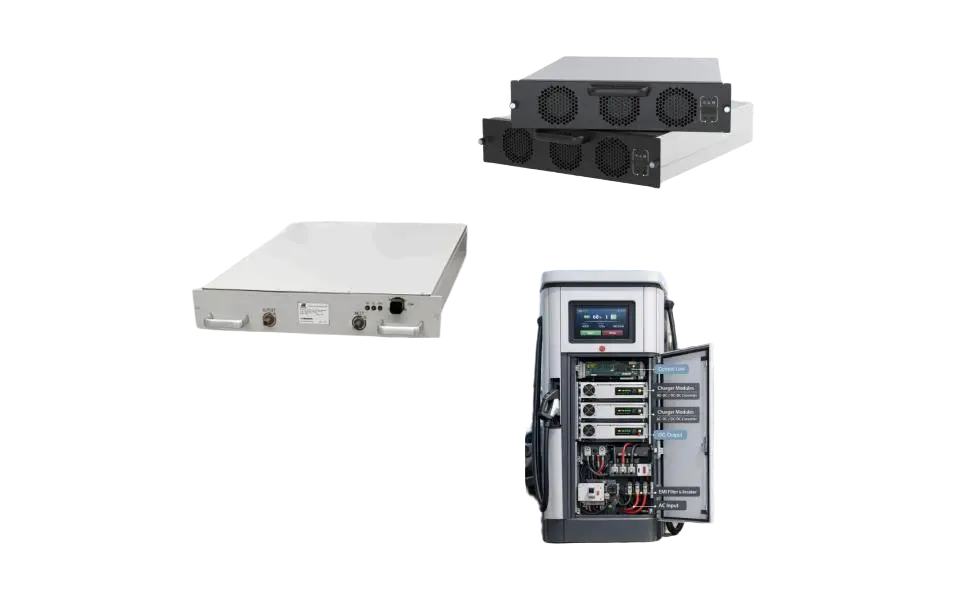
Highly resilient, sealed modules with 40kW to 125kW capacities designed to prevent dust, salinity, and humidity ingress, guaranteeing prolonged operational lifetimes.

📡

ISO 15118 & OCPP 2.0.1

Full protocol compliance enabling native Plug & Charge authentication, bidirectional vehicle-to-grid (V2G) power flows, and secure encrypted communications.

Dynamic Power Matrix

Algorithm-driven power allocation across multiple output connectors to distribute 360kW-1440kW capacities based on real-time vehicle battery management parameters.

2. Localized Application Scenarios & Global Deployment Strategies

Operating conditions vary considerably by market, requiring specialized hardware configurations to ensure uptime and optimize deployment costs:

  • Urban EV Fleet Depots (Busses & Logistics Vans): These systems rely on integrated dual-head DC charger systems or automated roof-mounted pantographs. Overnight depot schedules leverage sequential charging routines, where high-output power cabinets (180kW to 320kW) dynamically balance power demands to reduce demand charges.
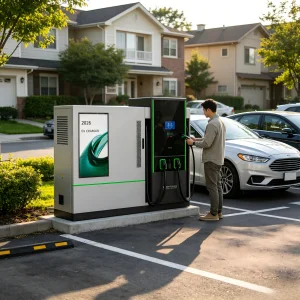
  • Microgrids and Grid-Constrained Locations: In remote regions or areas with legacy distribution grids, BESS-integrated charging stations (combining 120kW DC chargers with 241kWh energy storage batteries) deliver high-capacity power without requiring costly medium-voltage transformer upgrades.
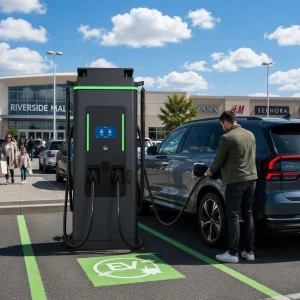
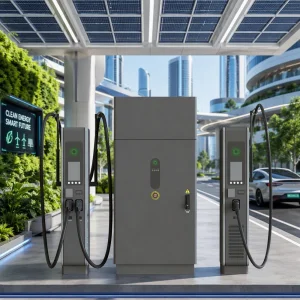
  • Highway Charging Hubs: These systems utilize liquid-cooled ultra-high power charging piles delivering 400kW to 600kW. Integrated digital advertising displays (43 to 55 inches) generate secondary ad revenue for CPOs, helping offset initial capital investment.

3. Supply Chain Optimization and China Factory Efficiency Advantages

A key factor in selecting a Chinese manufacturing partner is recognizing the regional advantages of a consolidated supply chain. Companies like MIDA Group achieve technical and cost efficiencies through vertical integration:

  • In-House Cable Manufacturing: Shanghai Mida Cable Group controls the copper drawn and elastomer compound formulation processes. This allows the factory to produce highly flexible, lightweight charging cables that carry up to 1000A through liquid-cooled designs.
  • Module Co-development: MIDA New Energy specializes in developing the core power modules (20kW to 60kW standard air-cooled, up to 125kW liquid-cooled, and bidirectional V2G converters). Manufacturing the core conversion technology in-house reduces component dependencies and ensures stable operation.
  • Rigorous Compliance Testing: Automated production lines are backed by testing facilities that verify IP65 enclosure protection, mechanical stress, thermal management tolerances, and TUV / CE compatibility for global grid compliance.

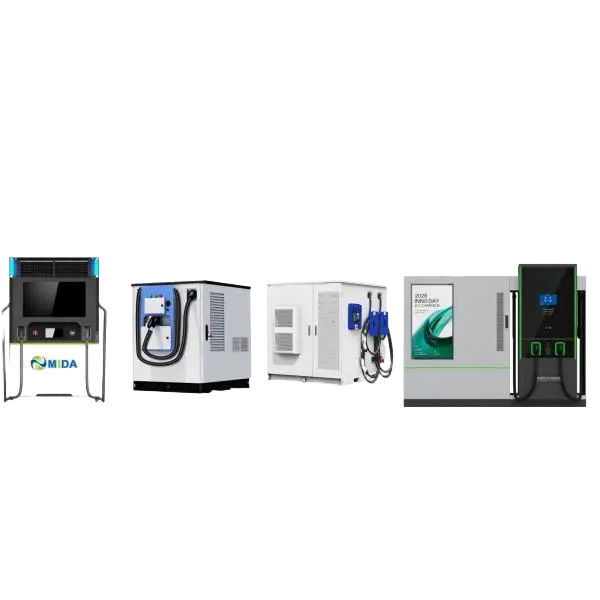
Primary Industrial Divisions & System Classifications

Explore our engineering capabilities across power modules, liquid-cooled dispensers, standalone fast chargers, and grid-supporting energy storage systems.
Wall-Mounted & Mobile EV Charger
Wall-Mounted/Mobile EV Charger

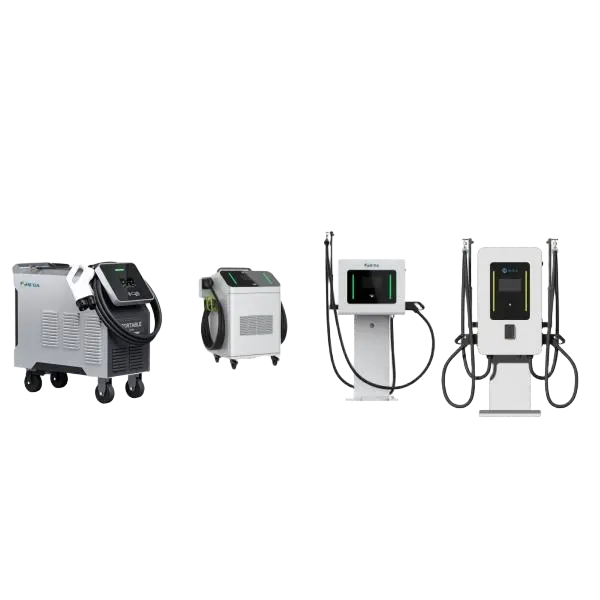
7kW 20kW 30kW 40kW 60kW 80kW systems with durable construction, perfect for service centers and commercial spaces.

Learn More
Wall-Mounted & Mobile
7kW to 80kW versatile fast charging systems.
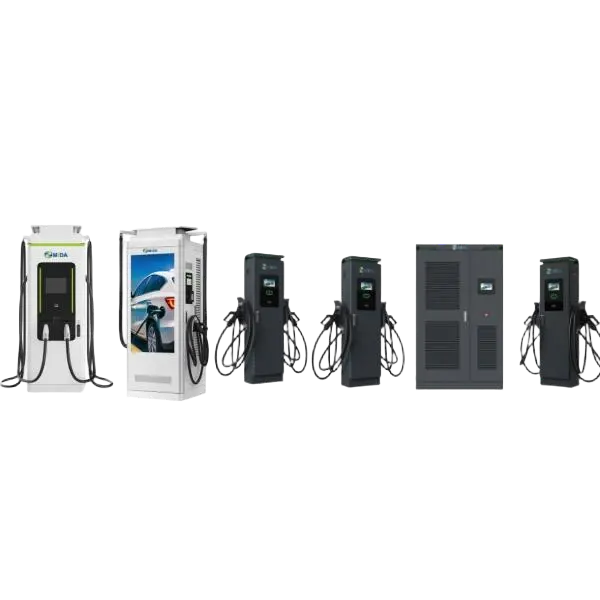
DC Charger Station
DC Charger Station

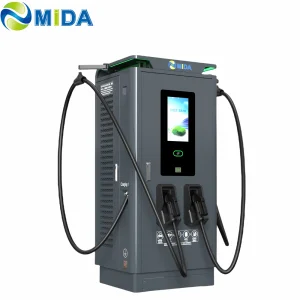
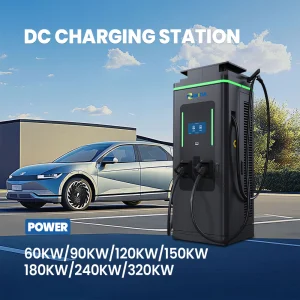
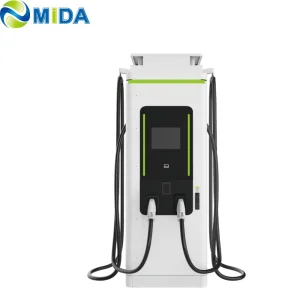
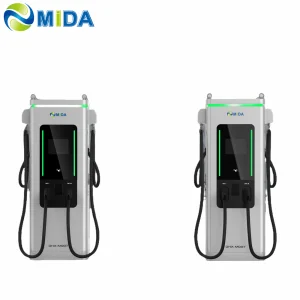
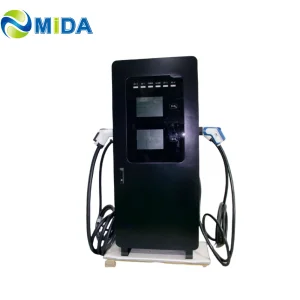
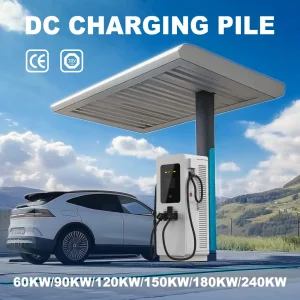
60kW-480kW and 360kW-1440kW high-capacity split configurations for heavy transport hubs.

Learn More
DC Charger Station
60kW to 1440kW modular systems.
BESS Charging Station

60kWh 261kWh 418kWh 625kWh 2MWh battery integration to reduce demand fees and stabilize local grids.

Learn More
BESS Charging Station
Integrated battery storage up to 2MWh.
EV Charging Power Module

High-frequency DC/DC modules, V2G converters, and liquid-cooled rectifiers for next-generation charging setups.

Learn More
EV Power Module
30kW to 125kW high-density rectifiers.

Industrial Manufacturing Excellence & Capabilities

Learn how Shanghai Mida Cable Group combines material science, power electronics, and thermal design to deliver robust charging systems.

Welcome to MIDA Group

Shanghai Mida Cable Group Ltd. operates through its wholly owned subsidiaries: Shanghai Mida EV Power Co., Ltd., Shenzhen Mida EV Power Co., Ltd., and Shanghai Mida New Energy Co., Ltd.

Mida Cable manufactures a comprehensive range of EV charging cables, including 16A–80A J1772 cables, 16A–63A IEC 62196-2 Type 2 cables, and DC fast charging cables: CCS1 (80A–500A), CCS2 (125A–1000A), CHAdeMO (125A–300A), GBT (200A–1000A), and NACS connectors (250A–600A).

MIDA EV Power produces a full lineup of EV charging stations, such as 7kW–50kW mobile chargers, 3.6kW–7.2kW portable DC chargers, 360kW–1440kW split-type DC fast chargers, 20kW–50kW wall-mounted DC chargers, and 60kW–480kW floor-standing DC fast charging stations.

MIDA New Energy specializes in EV charger power modules, offering 20kW–60kW standard modules, 40kW–125kW liquid-cooled modules, 30kW–62.5kW bidirectional modules, and 20kW–45kW V2G charging modules.

MIDA Certification Badges

Primary Industrial Catalog

Custom engineering options available for global infrastructure deployment.

EV Charging Power Modules

  • 30kW 40kW 50kW 60kW 80kW AC DC Modules
  • 30kW 40kW 50kW 60kW DC DC EV Charger Modules
  • 40kW 60kW 75kW 125kW Liquid Cooled Modules
  • 20kW 22kW 30kW 40kW 45kW V2G Modules
  • 30kW 40kW 50kW 60kW MPPT Modules
  • 20kW 50kW 62.5kW Bidirectional AC DC Modules

Connectors & Cooling Units

  • 500A 600A CCS1, CCS2 & GBT Connectors
  • 125A 250A 300A 350A NACS & CHAdeMO Connectors
  • 1500A MCS & CHAOJI Connectors
  • 3.5kW 4.5kW 6kW 9kW Integrated Cooling Units
  • 2.4kW 3.5kW Split Type Cooling Units
  • 25kW~72kW Cooling Units for HPC Stations

DC Fast Charger Stations

  • 7kW~60kW Mobile DC Charging Stations
  • 20kW~80kW Wall Mounted DC Stations
  • 60kW~480kW Floor Mounted Charging Stations
  • 60kW~240kW Advertising Stations (43"/55")
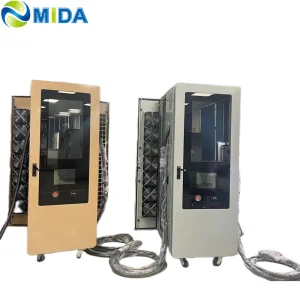
  • 600kW~1080kW Liquid Cooled Stations
  • 360kW~1680kW Split Type Charging Stations

Energy Storage Systems

  • 15kW~480kW Mobile ESS Charging Stations
  • 60kW~400kW Integrated ESS Charging Piles
  • 65kWh~200kWh Emergency Rescue Stations
  • 165kwh Automatic Charging Robots
  • 800kwh~2000kwh Solar Energy Charging Systems

Latest Technical Updates & Industry Innovations

Stay informed on transit integration standards, fast-charging pantograph engineering, and deployment methodologies.
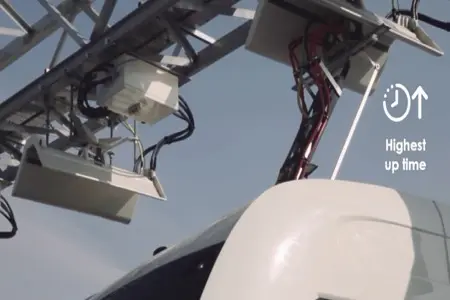
E-bus pantograph dome

What are the advantages of an e-bus pantograph dome?

In contrast to classic plug-in charging systems, e-bus pantograph domes automate connection overhead, delivering megawatt-level charging and reducing mechanical wear for heavy transit vehicles.
Date: 2026-07-12 View More
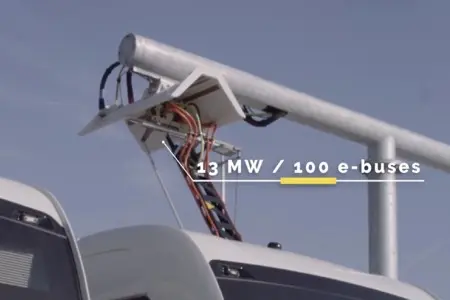
Charging time with pantograph

How long does it take to charge with an e-bus pantograph?

The charging time depends on the battery capacity and the continuous current capabilities. High-power configurations can charge public buses in 5 to 15 minutes during route breaks.

Date: 2026-07-12 View More
Install Pantograph Up Charger System Dome

How to Install the Pantograph Up Charger System Dome

Installing a "Pantograph Up" system requires precise positioning of structural steel pillars, electrical coordination with urban medium-voltage transformers, and alignment tests with vehicle contacts.

Date: 2026-07-12 View More

Expert Q&A: CCS Type 2 DC Fast Charging

Find answers to common technical, installation, and procurement questions from our engineering team.

Why is compliance with the ISO 15118 standard critical for CCS Type 2 fast chargers?
ISO 15118 defines the communication interface between electric vehicles and charging stations. It enables Plug & Charge, allowing automatic authentication and billing without RFID cards or mobile apps. Additionally, it supports bidirectional power flow (V2G), enabling EVs to return energy to the grid during peak demand.
What are the advantages of liquid-cooled DC charging piles over conventional air-cooled systems?
Air-cooled chargers can struggle with thermal throttling at currents above 200A. Liquid-cooled systems circulate coolant through the cable and connector, maintaining temperatures even at currents up to 500A-1000A. This enables continuous charging at maximum speed, reduces cable weight for easier handling, and protects internal components in harsh environments.
How does a split-type DC charger configuration improve project ROI for commercial operators?
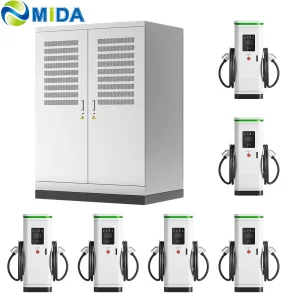
A split system separates the large, noisy power conversion cabinet from the compact charging dispensers. The main cabinet can be installed in a utility area up to 100 meters away, saving premium parking space. This configuration also allows modular power allocation, sharing capacity across multiple dispensers to increase overall station throughput.
What safety mechanisms protect high-voltage CCS Type 2 charging stations?
Industrial DC chargers include comprehensive safety systems, such as Insulation Monitoring Devices (IMD) to detect ground leakage, overcurrent protection, surge suppression, and emergency stop features. Temperature sensors in both the cable and connector monitor real-time thermal levels, automatically reducing output power if limits are exceeded.
Can BESS-integrated fast charging stations help avoid local grid upgrades?
Yes. In locations where the local grid cannot support peak demands of 150kW-300kW, battery-integrated stations (BESS) offer an effective solution. The storage battery charges slowly from the grid during off-peak times and discharges rapidly to support fast charging when vehicles connect, avoiding the need for costly utility grid upgrades.