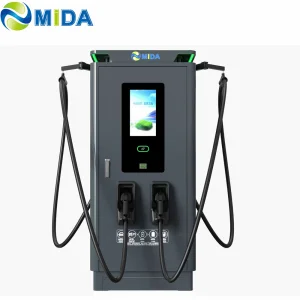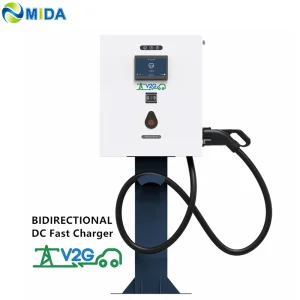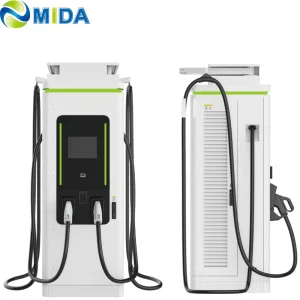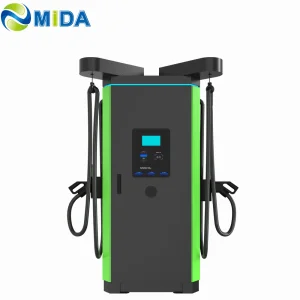
Explore our high-performance DC and AC power solutions, designed for scalability and durability in extreme commercial environments.
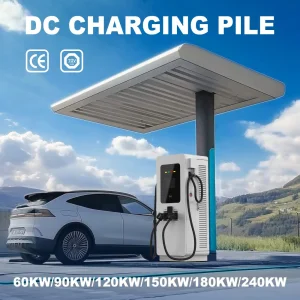
As commercial and municipal transportation networks rapidly transition to electric drivetrains, energy management and infrastructure deployment face unprecedented constraints. The 90kW DC EV Charger occupies a critical operational sweet spot in the charging ecosystem. Unlike low-power 22kW–30kW systems that require extended overnight dwell times, or hyper-chargers (150kW–350kW+) that place immense stress on localized electrical grids and demand costly medium-voltage transformer upgrades, the 90kW architecture delivers optimal charging speeds without exceeding typical commercial grid connections.
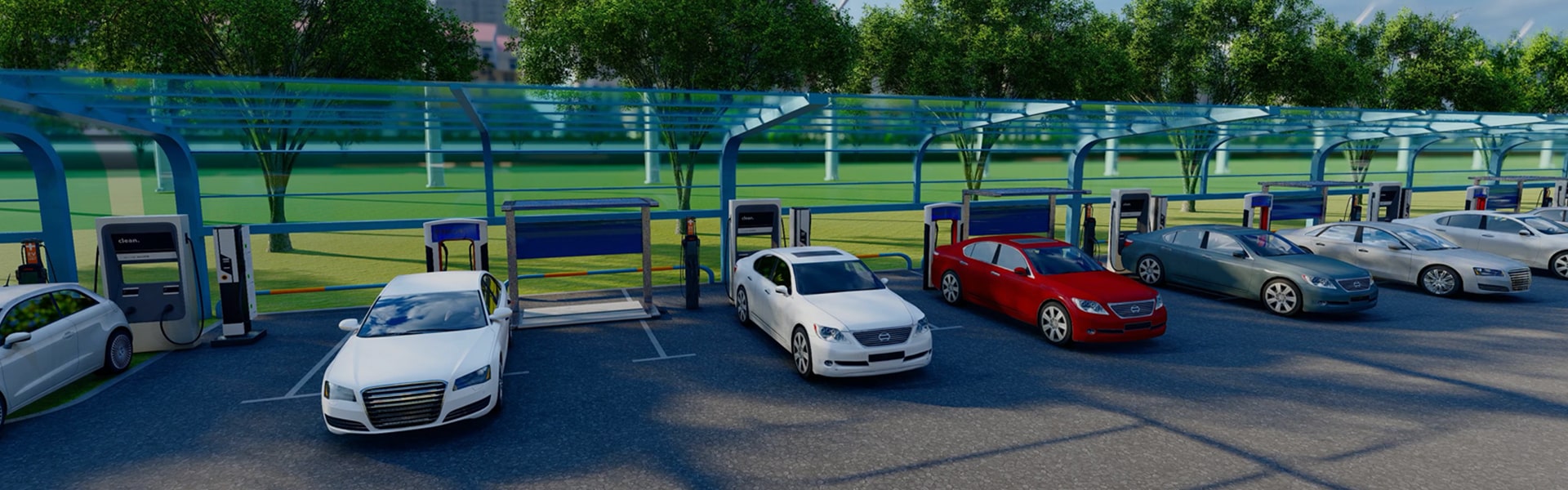
From a macro-perspective, this level of power is ideally suited for medium-duty commercial vans, urban transit buses, logistics fleets, and public destination parking facilities where vehicle turnover is fast but not instantaneous. By utilizing advanced dynamic load allocation, a single 90kW station can distribute power across dual ports, ensuring high asset utilization and reduced capital expenditure per plug.
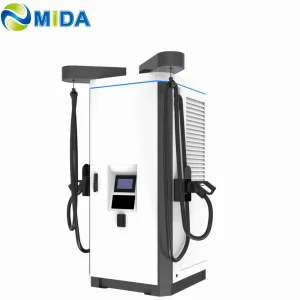
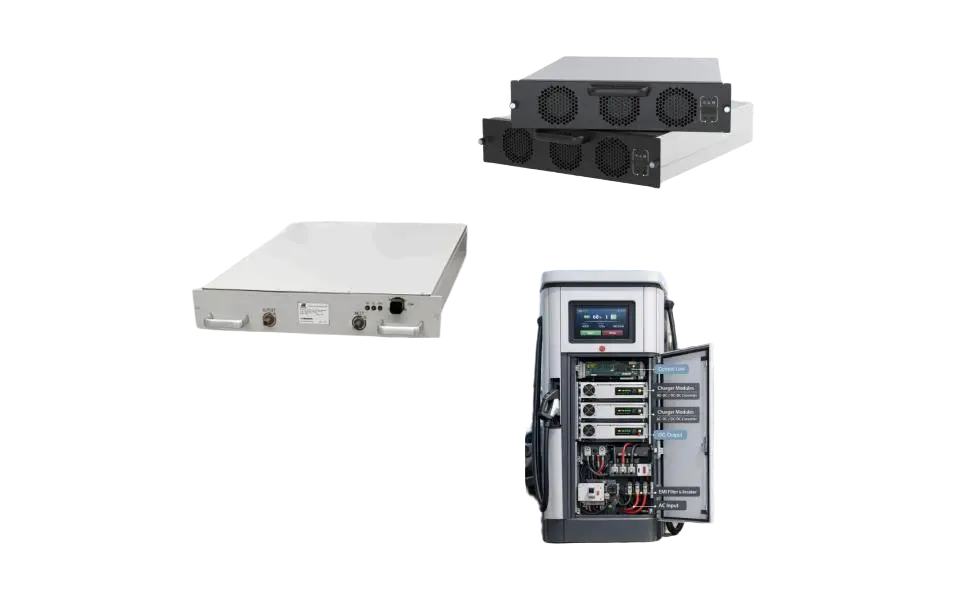
Modern 90kW charging infrastructure is built on modular power block architectures. By integrating highly efficient 30kW power modules, the system guarantees continuous redundancy. If a single module experiences a fault, the charger seamlessly maintains operation at 60kW, mitigating fleet downtime and securing uninterrupted fleet operations.

Shanghai Mida Cable Group Ltd. operates through its wholly owned subsidiaries: Shanghai Mida EV Power Co., Ltd., Shenzhen Mida EV Power Co., Ltd., and Shanghai Mida New Energy Co., Ltd. Together, we represent one of the world's most vertically integrated manufacturers of EV charging components and complete fast-charging systems.
Our advanced manufacturing facilities produce everything from premium ultra-flexible EV cables to bidirectional high-frequency power modules and large-scale, split-type liquid-cooled megawatt charging systems. This control over the entire supply chain guarantees unparalleled quality assurance, short lead times, and competitive factory pricing for our clients worldwide.
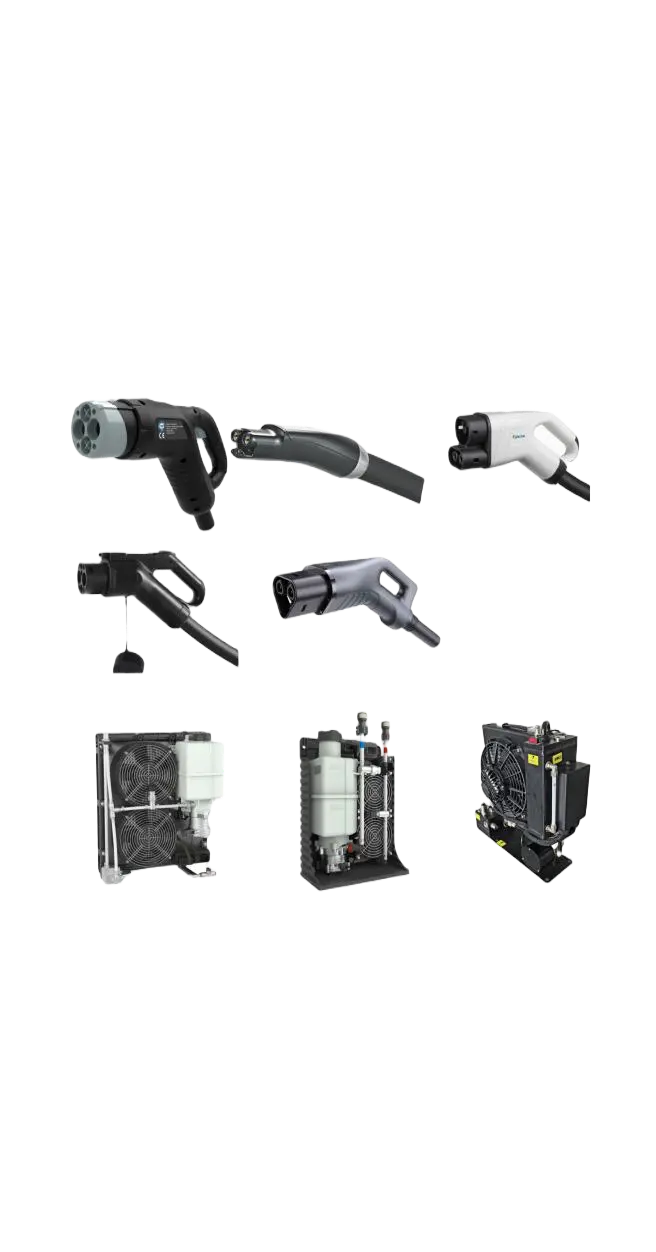
Mida Cable manufactures a comprehensive range of EV charging cables, including 16A–80A J1772 cables, 16A–63A IEC 62196-2 Type 2 cables, and DC fast charging cables: CCS1 (80A–500A), CCS2 (125A–1000A), CHAdeMO (125A–300A), GBT (200A–1000A), and NACS connectors (250A–600A).
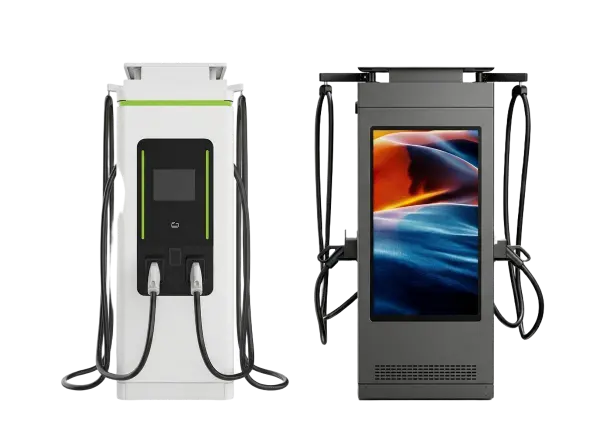
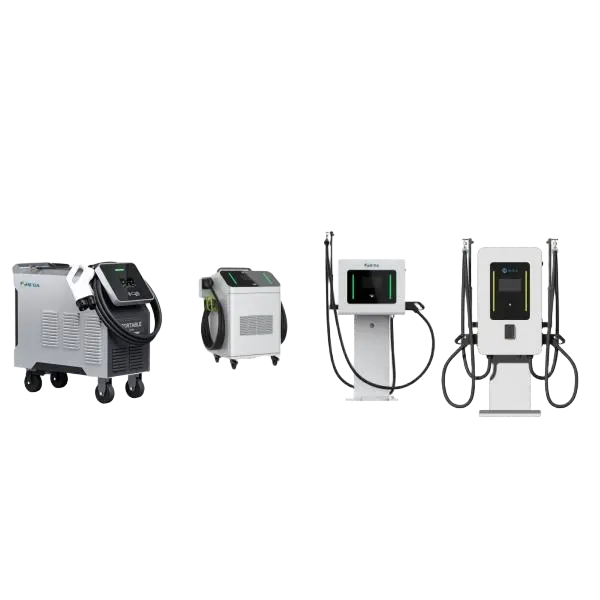
Our systems integration division, MIDA EV Power, specializes in a diverse range of chargers, producing 7kW–50kW mobile chargers, 3.6kW–7.2kW portable DC chargers, 360kW–1440kW split-type DC fast chargers, 20kW–50kW wall-mounted DC chargers, and 60kW–480kW floor-standing DC fast charging stations.
Under the hood of MIDA Group's 90kW charging station: Built for reliability, thermal efficiency, and minimal harmonic pollution.
| Feature Parameter | MIDA 90kW DC Charger Specification | Standard Competitor Systems | Operational Impact |
|---|---|---|---|
| Power Modules | 3 x MIDA 30kW hot-swappable modules | 1 x 90kW monoblock or 6 x 15kW | Enables easy maintenance and runtime redundancy. |
| Power Factor & THD | Power Factor ≥ 0.99, THD ≤ 5% | Power Factor ~ 0.97, THD ~ 8% | Reduces harmonic feedback into the local grid, avoiding utility fines. |
| Output Voltage Range | 150V DC – 1000V DC (wide range) | 200V DC – 750V DC | Allows compatibility with both older 400V systems and modern 800V EV platforms. |
| OCPP & Communication | OCPP 1.6J & OCPP 2.0.1 compliant | OCPP 1.6J only | Ensures forward compatibility with next-gen transaction and billing platforms. |
| Enclosure Rating | IP55 / IK10 (NEMA 3R equivalent) | IP54 / IK08 | Optimized for harsh outdoor environments (heavy rain, dust, vandal-resistant). |
Providing customizable charging infrastructure adapted to real-world commercial and industrial constraints.
For commercial delivery operations, service vans, and short-haul logistics networks, the 90kW DC fast charger represents an ideal charging solution. Operating within the standard 2.5-hour warehouse turnaround window, it efficiently charges up fleet vans during driver shifts, reducing depot dwell times without requiring high-power substation investments.
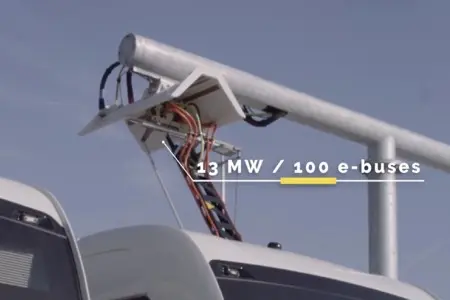
Municipalities shifting to hybrid and pure electric bus routes rely on 90kW charging systems to manage mid-day route top-ups. Placed at terminal stations, these units provide quick boost charges, ensuring electric buses remain operational over long route profiles throughout the day, while integrating with smart pantograph configurations.
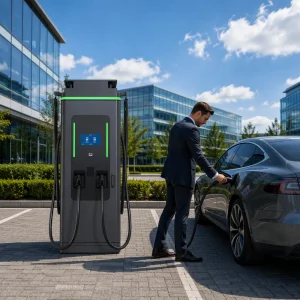
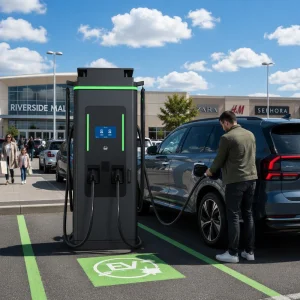
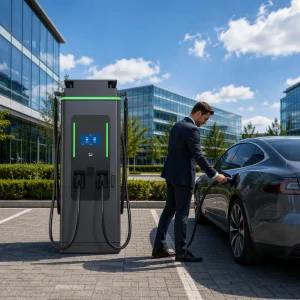
Workplace parking decks and retail centers looking to attract premium EV drivers use our dual-port 90kW systems to charge two vehicles simultaneously at 45kW each. This speed is perfectly suited for visitors staying between one to three hours, generating auxiliary revenue for business owners and office park tenants.
Customizable manufacturing, high component traceability, and advanced modular sub-assemblies.
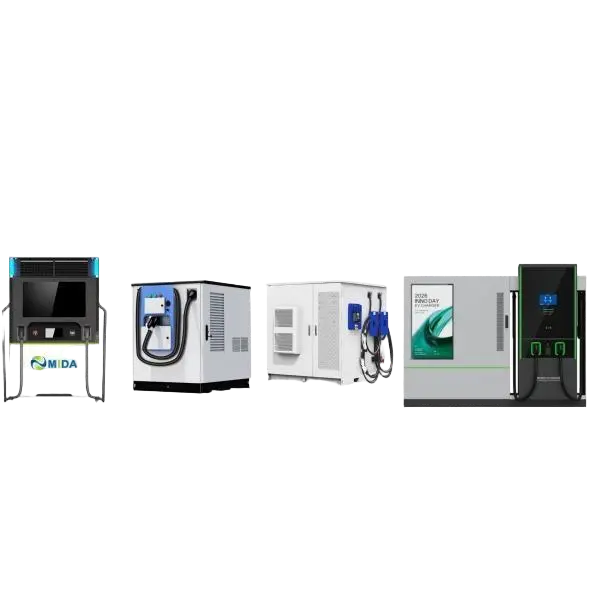
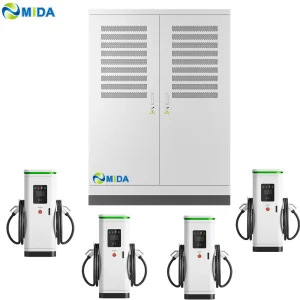
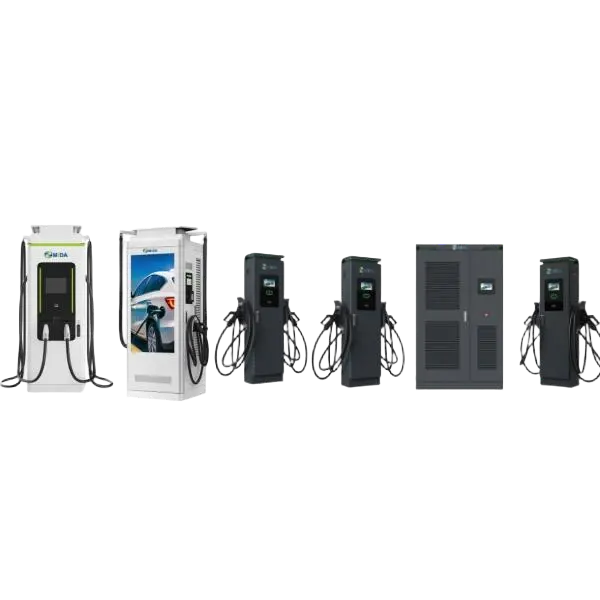
Robust industrial cabinets built for harsh outdoor installations and modular scalability.
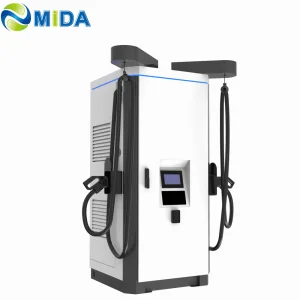
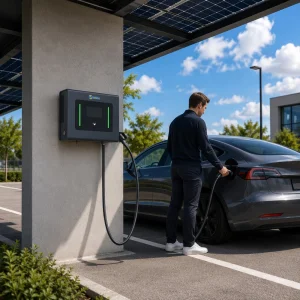
Ultra-compact form factors designed for local commercial fleets or home-office complexes requiring overnight DC charging without occupying massive floor space.
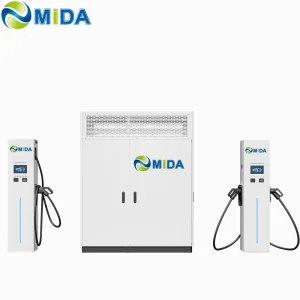
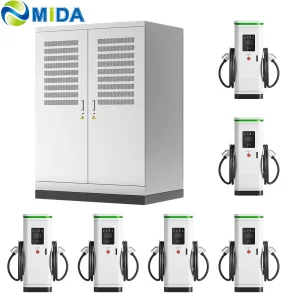
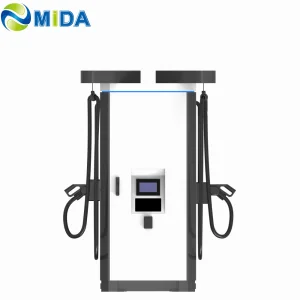
High-power outdoor cabinets engineered to scale dynamically. Optimized for long-term operational resilience and multi-plug fleet requirements.
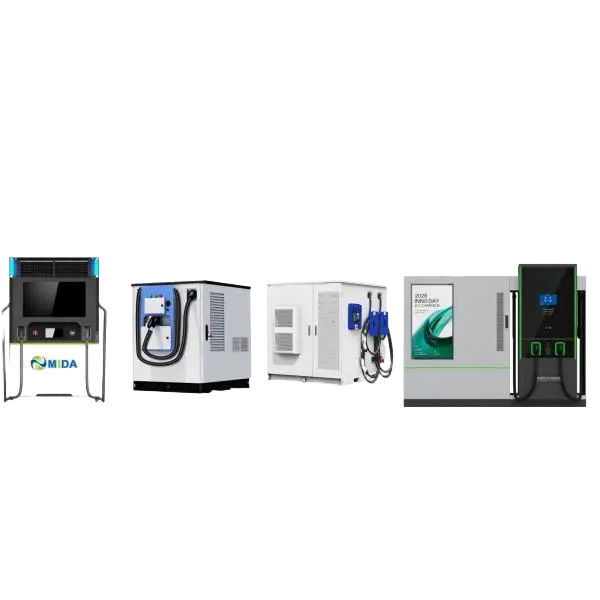
Grid-buffering solutions designed to store off-peak electricity and discharge at up to 90kW+ during peak operational shifts, keeping electrical costs low.
Navigating the global regulatory landscape with certified hardware engineered for safety.
For operators in the USA and Canada, our systems support 480V 3-phase AC input, transforming it with isolated high-frequency topologies. Our chargers utilize standard NACS or CCS1 plugs, incorporating high-speed GFCI ground fault safety triggers to ensure safety during wet weather charging.
Our chargers feature CCS2 connectors and comply with the EU MID metering directive, facilitating legal commercial reselling of electricity. Advanced integrated surge protective devices (SPDs) shield the internal power modules against lightning strikes and localized transient grid spikes.
The future of commercial EV fleet infrastructure: Transforming vehicles from load draws into power assets.
As the electric vehicle charging landscape matures, chargers are evolving beyond unidirectional dispensers of electricity. The next technical horizon centers around Vehicle-to-Grid (V2G) and Vehicle-to-Everything (V2X) capabilities. MIDA Group's forward technical roadmap integrates bidirectional AC/DC power modules (such as our 20kW–62.5kW modules) into the standard 90kW cabinet architecture.
Under this configuration, fleet operators can draw power from the vehicles' batteries during periods of high grid demand, feeding energy back to local warehouse complexes or commercial sites to lower peak consumption fees. When grid prices drop, the chargers resume recharging the vehicles at high-speed. By turning fleet batteries into mobile energy storage systems, logistics yards can optimize operational costs and generate auxiliary revenue streams from regional utility demand-response programs.
Stay updated with the latest technological developments, installation insights, and global industry news.

Technical and commercial information for network operators, utility stakeholders, and procurement specialists.
Select the ideal power configuration, connector type, and software capabilities for your deployment.