Explore our premium, certified DC fast-charging systems designed to support diverse global standards and dynamic grid architectures.
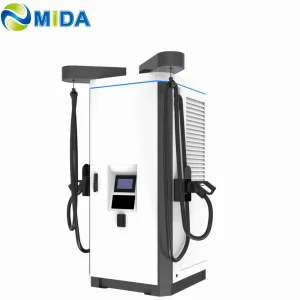
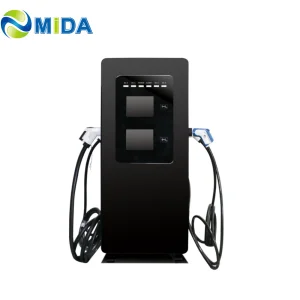
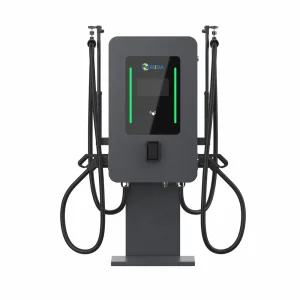
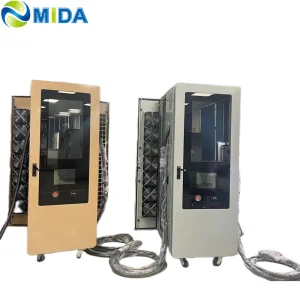
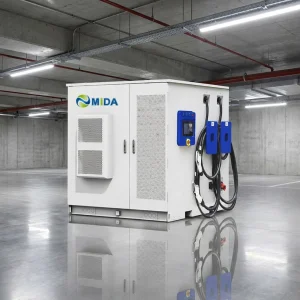
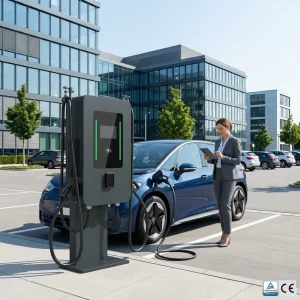
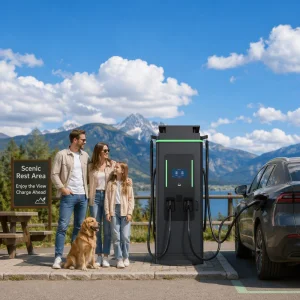
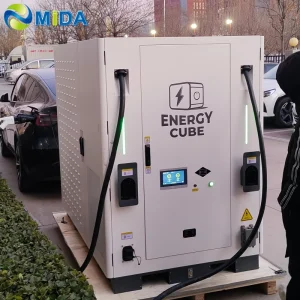
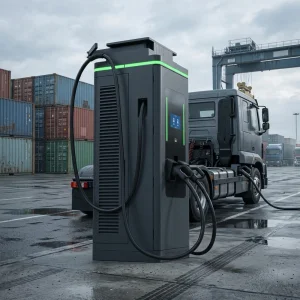
As fleet electrification accelerates across municipal, commercial, and industrial corridors, infrastructure developers face a critical optimization challenge: balancing charging speed with capital expenditure and grid limits. The 50kW DC Fast Charger represents the ultimate sweet spot for urban fleet hubs, retail parking lots, and logistics depots.
Unlike 22kW AC chargers which rely on the vehicle's onboard converter (often limited to 7kW or 11kW), a 50kW DC station feeds power directly to the battery pack. This slashes charging times to 45–90 minutes for most commercial vehicles and delivery vans, ensuring rapid turnaround times without requiring the highly expensive grid enhancements associated with 150kW+ ultra-fast chargers.
By bypassing the onboard charger bottleneck, the 50kW power class ensures high operational duty cycles, enabling multiple vehicle rotations per day, making it the ideal utility player in any charging infrastructure portfolio.
A deep look into the hardware topologies, cooling strategies, and safety frameworks defining MIDA's industry-leading DC charging platforms.
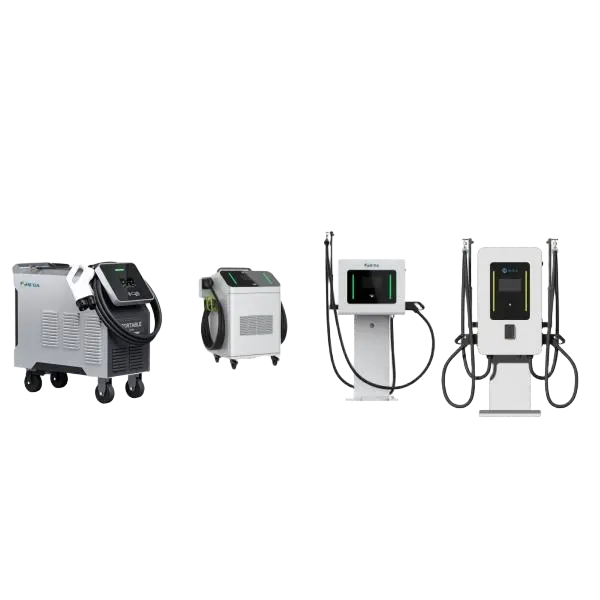
MIDA EV Power stations utilize cutting-edge Silicon Carbide (SiC) MOSFETs within their internal 20kW–60kW standard modules. This yields conversion efficiencies exceeding 96.5%, translating to lower heat generation, extended MTBF (Mean Time Between Failures), and significantly decreased cooling overheads.
For applications subjected to severe environments (dust, seaside humidity, high altitude), MIDA offers premium liquid-cooled modules from 40kW to 125kW. These feature isolated coolant channels that prevent dust from accumulating on vital electrical components, entirely eliminating forced-air ventilation noise and maintenance cycles.
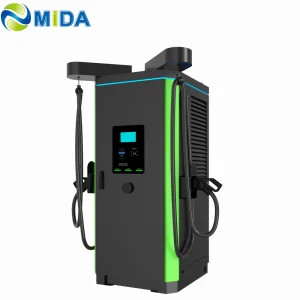
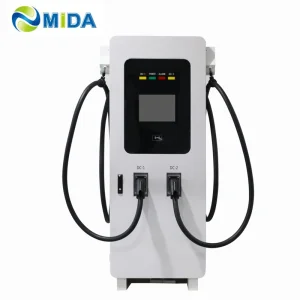
Dual-port dynamic power allocation matches individual vehicle demands in real time. If a dual-cable 120kW unit is plugged into two cars, it intelligently shifts power to balance the load, operating as two separate 60kW chargers or one peak-demand unit, maximizing asset utilization.
A trusted manufacturer of commercial electric vehicle cables, high-power DC stations, and energy storage systems.
Shanghai Mida Cable Group Ltd. operates through its wholly owned subsidiaries: Shanghai Mida EV Power Co., Ltd., Shenzhen Mida EV Power Co., Ltd., and Shanghai Mida New Energy Co., Ltd. We are a vertically integrated company, commanding complete control over standard-defining EV infrastructure.
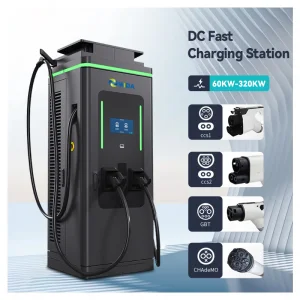
Mida Cable manufactures a comprehensive range of EV charging cables, including 16A–80A J1772 cables, 16A–63A IEC 62196-2 Type 2 cables, and heavy-duty DC fast charging cables: CCS1 (80A–500A), CCS2 (125A–1000A), CHAdeMO (125A–300A), GBT (200A–1000A), and NACS connectors (250A–600A).
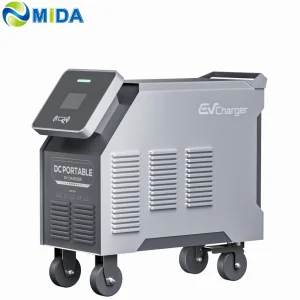
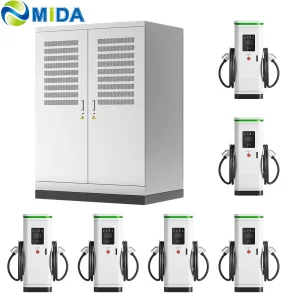
MIDA EV Power produces a full lineup of EV charging stations, such as 7kW–50kW mobile chargers, 3.6kW–7.2kW portable DC chargers, 360kW–1440kW split-type DC fast chargers, 20kW–50kW wall-mounted DC chargers, and 60kW–480kW floor-standing DC fast charging stations.
MIDA New Energy specializes in EV charger power modules, offering 20kW–60kW standard modules, 40kW–125kW liquid-cooled modules, 30kW–62.5kW bidirectional modules, and 20kW–45kW V2G charging modules.

Explore our core business units providing end-to-end components and full turnkey systems for electric vehicle supply equipment (EVSE).
High-efficiency conversion cores
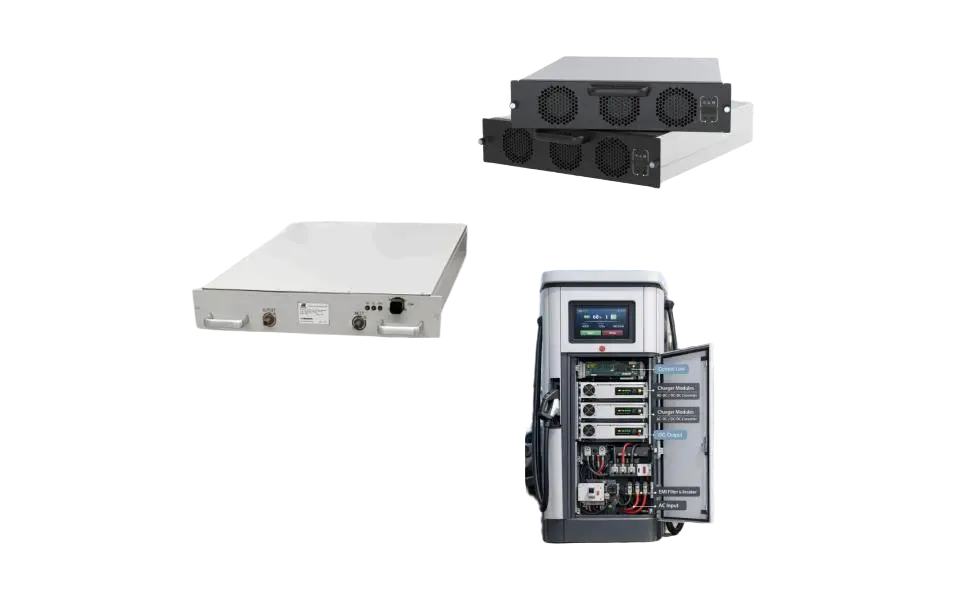
Next-generation ergonomic couplers
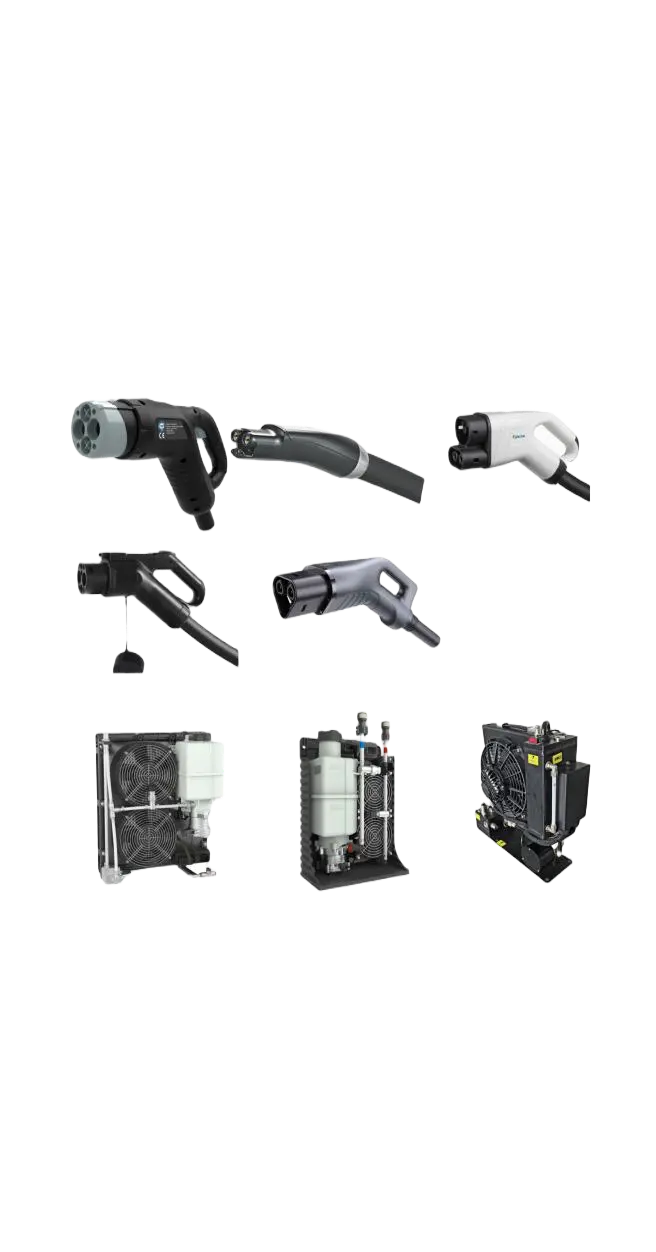
Turnkey floor and wall systems
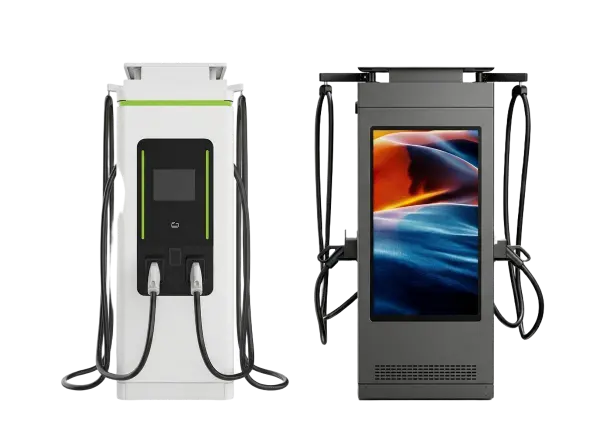
Hybrid off-grid and peak shaving solutions
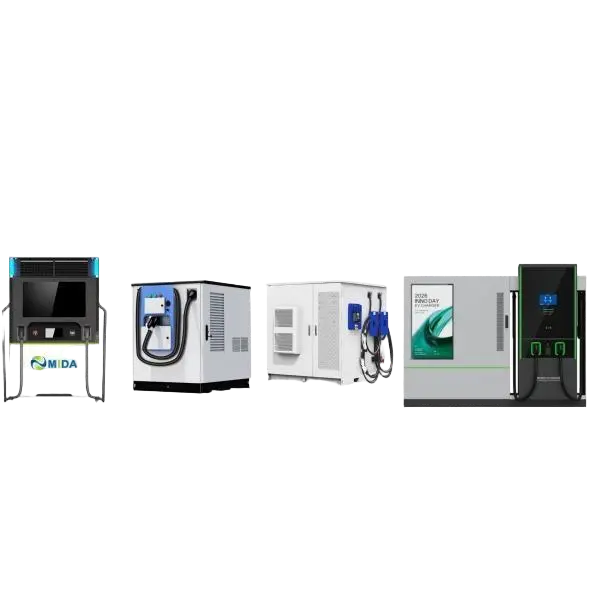
Every commercial application presents distinct infrastructural limitations. MIDA's 50kW DC fast-charging series adapts to structural limits via customizable mounting configurations and connector systems (CCS1, CCS2, NACS, and CHAdeMO).
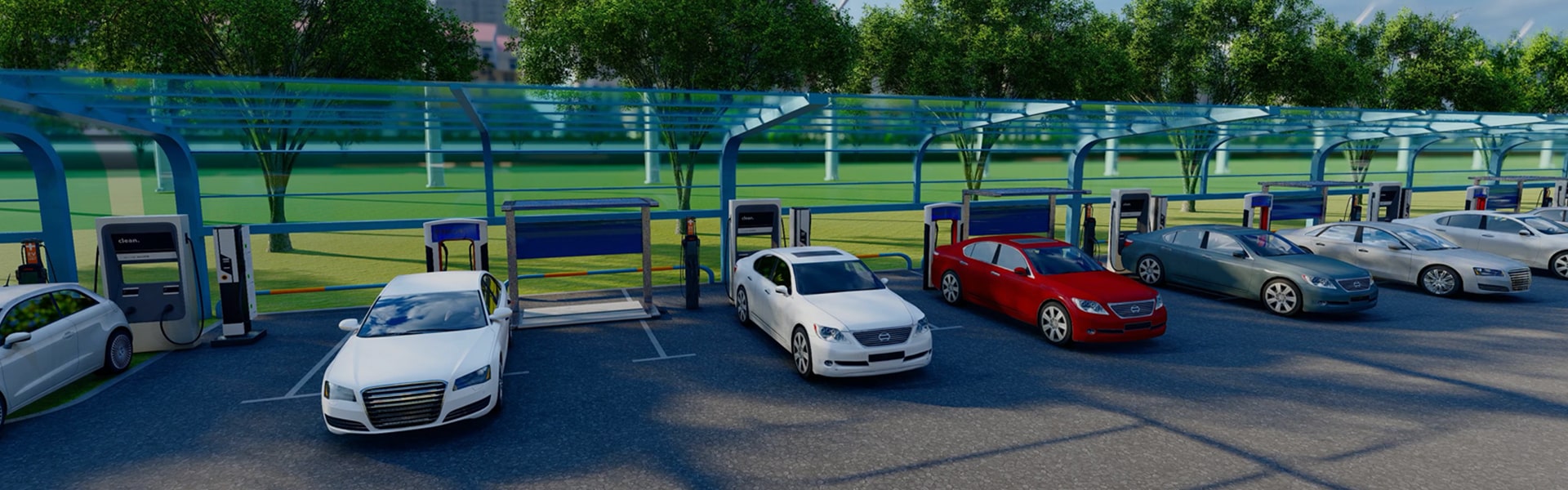
Fleet Depots & Last-Mile Delivery: Fleet logistics hubs must charge vans overnight or during driver shift rotations. The 50kW Wall-Mounted DC Fast Charger is an ideal choice, preserving precious yard space. Combined with MIDA’s intelligent dynamic load management, depots can charge dozens of vehicles sequentially, staying within their utility transformer capacity.
Retail & Hospitality: Offering customer charging at shopping centers or hotels increases dwell time. 50kW chargers deliver up to 100 miles of range per hour of dwell time, providing customer satisfaction without triggering high-capacity grid updates or demand charges.
BESS-Integrated Resiliency: In remote regions or grid-congested zones, MIDA’s 160kW/313kWh BESS Integrated charger allows operators to charge from local storage, shifting grid pull to off-peak periods, bypassing local grid upgrades.
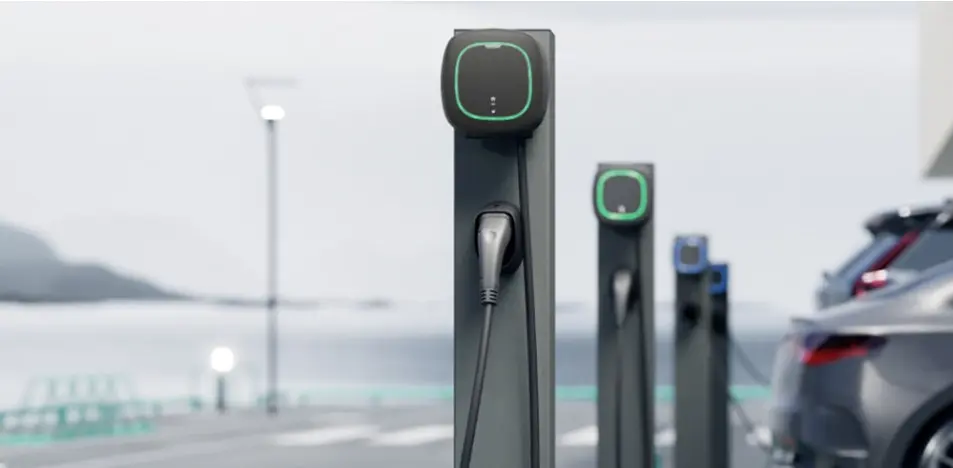
Adapting charging technologies to smart grid architectures, vehicle-to-everything (V2X), and dynamic load control.
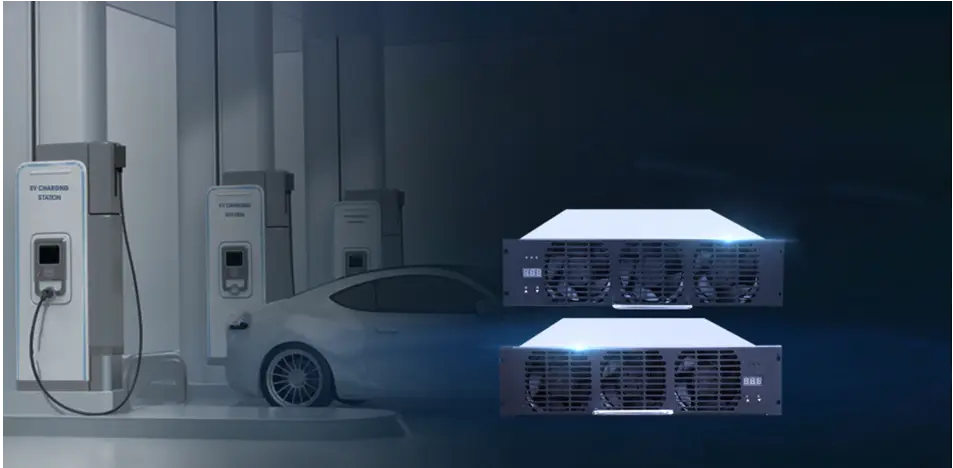
The next iteration of EV charging requires vehicles to function as mobile power banks. MIDA is leading this transition by integrating bi-directional power modules (such as our 20kW–62.5kW V2G modules) into our DC charger lineups.
Vehicle-to-Grid (V2G) and Vehicle-to-Building (V2B) configurations enable fleet owners to export energy back to the building during peak demand, lowering overall facility demand charges. The 50kW charging standard is optimally positioned for V2G, allowing sufficient power flow to stabilize grids without overstressing vehicle battery packs.
Compliance with ISO 15118-20 ensures encrypted, seamless communication between the charger and the car, enabling Plug & Charge capabilities. Drivers can simply plug in the charger, authorize billing, and begin power transfer without utilizing mobile apps or RFID cards.
Stay informed about MIDA's latest product developments, technical insights, and transit electrification initiatives.

In contrast to classic plug-in charging systems, e-bus pantograph domes provide automated high-power charging, making them ideal for heavy transit fleets...
View More →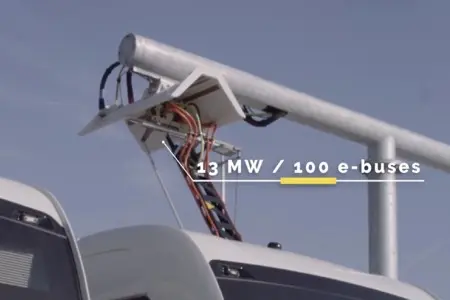
The charging duration depends directly on the onboard battery capacity and output voltage. Discover the charging dynamics and curve behaviors...
View More →
Installing a "Pantograph Up" dome system requires precise electrical integration, safety calculations, and mechanical structural configurations...
View More →Comprehensive solutions to common technical and operational questions regarding 50kW DC fast charging systems.
MIDA's 50kW DC Fast Chargers generally require a 3-phase AC input voltage of 380V–480V (±10%), 50Hz/60Hz. The nominal input current is approximately 80A to 90A, depending on the configuration. A dedicated circuit breaker with proper overcurrent protection is required for safe operation.
Yes. MIDA charging stations support custom multi-connector systems. A single charger can be configured with dual cables, enabling NACS (Tesla standard) alongside CCS1 (North American standard) or CCS2 (European standard), ensuring compatibility across all incoming electric vehicle platforms.
Safety is built into the architecture. MIDA DC stations integrate hardware-level monitoring, including input over/under voltage protection, output over-current protection, short-circuit containment, leakage current monitoring, grounding protection, and internal over-temperature shutdown. Our cabinets meet IP54/IP55 weatherproofing and IK10 impact protection indexes.
Absolutely. Equipped with OCPP 1.6J (upgradable to OCPP 2.0.1), our charging stations link with any backend CSMS (Charging Station Management System). This allows site operators to implement RFID validation, mobile apps, credit card payment terminals, and dynamic user pricing.
MIDA chargers feature automatic temperature de-rating. From -30°C to +50°C, the charger maintains stable operation. Above 50°C, the system de-rates power intelligently to protect internal silicon carbide modules, avoiding sudden shutdowns.
Our heavy-duty, multi-standard DC chargers are built to withstand high usage in commercial and fleet depots.