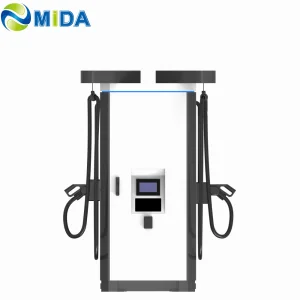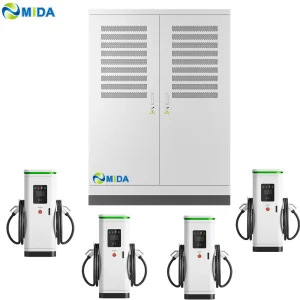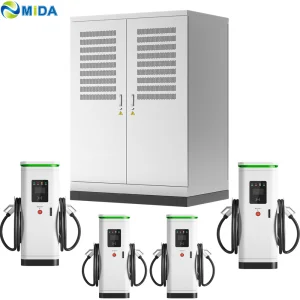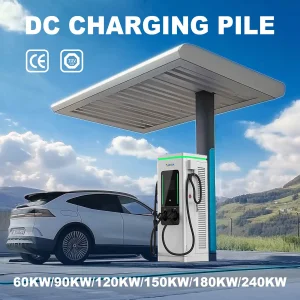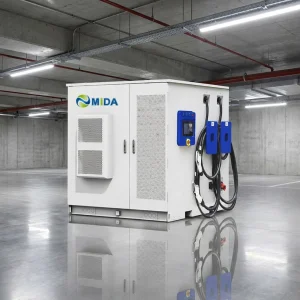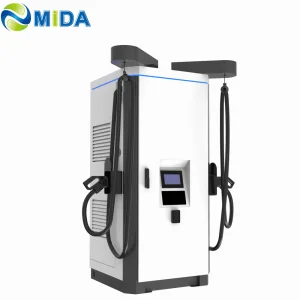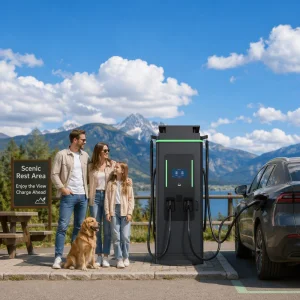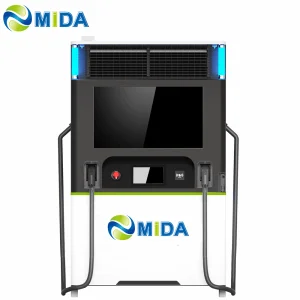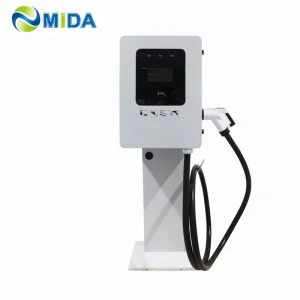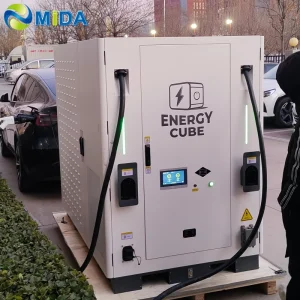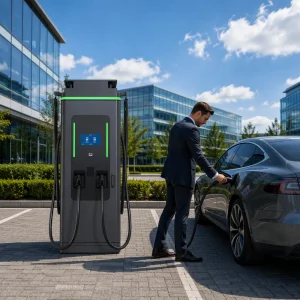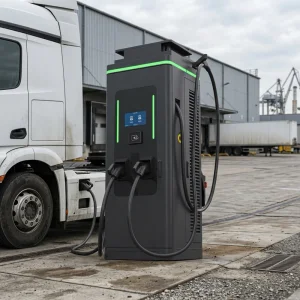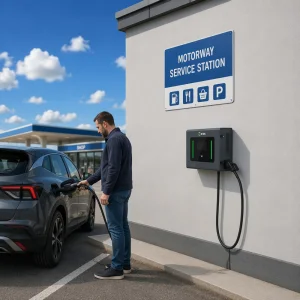
Select from our premium lineup of high-power DC systems and multi-standard charging modules. Certified for global grid compliance with advanced dynamic load distribution.
As the global transition to zero-emission transportation accelerates, fleet operators, commercial property owners, and municipal energy planners face a pivotal infrastructure decision: how to balance charging speed, grid demands, and capital expenditure. While ultra-fast 150kW+ chargers grab headlines, the 30kW DC fast charger has emerged as the definitive "sweet spot" for commercial, workplace, and fleet applications.
Historically, commercial facilities relied on Level 2 AC chargers (typically 7.4kW to 22kW) for long-duration parking. However, with EV battery capacities expanding past 80kWh, AC charging times are no longer practical for short-to-medium stay applications. Conversely, installing high-power DC chargers (100kW+) requires expensive grid upgrades, complex permitting, and significant demand charges from utility companies. A 30kW DC Wallbox delivers rapid charging capabilities without exceeding the thermal limits of existing low-voltage commercial power feeds.
Leading factories are pivoting toward Silicon Carbide (SiC) semiconductor switches to replace traditional Silicon IGBTs. SiC power modules achieve higher switching frequencies with lower thermal losses. The practical result is a 30kW DC charging system with up to 96.5% efficiency, reducing energy waste and minimizing operational costs. Furthermore, the compact form factor of modern 30kW modules enables space-saving wall-mounted and pedestal installations, reducing footprint requirements in dense urban environments.
| Feature | Standard 30kW DC Wallbox | Traditional 22kW AC Charger | Large 120kW DC Cabinet |
|---|---|---|---|
| Charging Speed (80kWh Battery) | ~2.0 hours (10% to 80%) | ~4.0 hours | ~35 minutes |
| Grid Connection Requirements | Standard 3-Phase Low Voltage | Standard 3-Phase Low Voltage | Dedicated Substation / Transformer |
| Hardware & Installation Cost | Moderate (Excellent ROI) | Low | High Capital Investment |
| Smart Grid Integration | Bi-directional V2G Ready | Limited Load Shedding | Complex Demand Management |
Procuring EV infrastructure hardware involves navigating a complex web of certifications, electrical standards, and network protocols. A reliable 30kW DC charger must seamlessly interface with diverse vehicle architectures, varying utility environments, and heterogeneous backend software management systems.
For large-scale infrastructure deployments, white-label options are critical. B2B buyers look for factories that offer customized branding, bespoke enclosure colors, custom-designed graphic user interfaces (GUI), and pre-integrated payment terminals (Nayax, Valina, etc.) to ensure a unified user experience.
Shanghai Mida Cable Group Ltd. operates through its wholly owned subsidiaries: Shanghai Mida EV Power Co., Ltd., Shenzhen Mida EV Power Co., Ltd., and Shanghai Mida New Energy Co., Ltd.
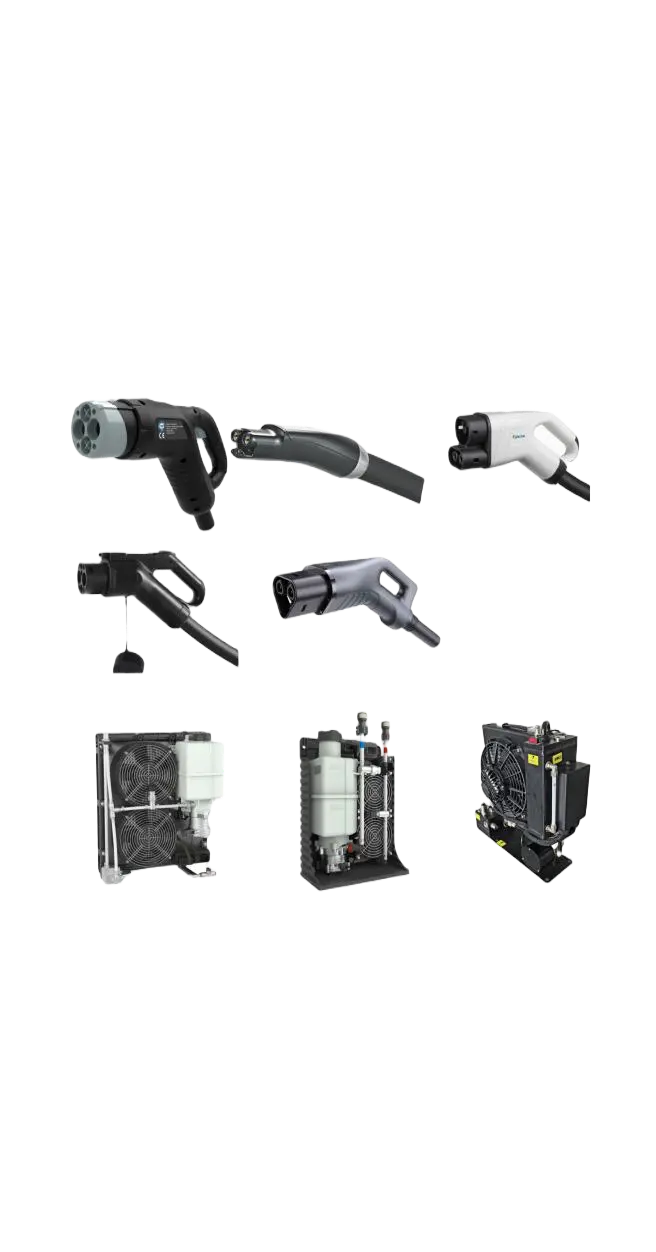
Mida Cable manufactures a comprehensive range of EV charging cables, including 16A–80A J1772 cables, 16A–63A IEC 62196-2 Type 2 cables, and DC fast charging cables: CCS1 (80A–500A), CCS2 (125A–1000A), CHAdeMO (125A–300A), GBT (200A–1000A), and NACS connectors (250A–600A).
MIDA EV Power produces a full lineup of EV charging stations, such as 7kW–50kW mobile chargers, 3.6kW–7.2kW portable DC chargers, 360kW–1440kW split-type DC fast chargers, 20kW–50kW wall-mounted DC chargers, and 60kW–480kW floor-standing DC fast charging stations.
MIDA New Energy specializes in EV charger power modules, offering 20kW–60kW standard modules, 40kW–125kW liquid-cooled modules, 30kW–62.5kW bidirectional modules, and 20kW–45kW V2G charging modules.

As EV adoption reaches mass scale, the global supply chain must match this volume. Chinese manufacturing plants have evolved from assembly sites into smart, automated Industry 4.0 centers. This transition has redefined standard lead times and quality benchmarks for power electronics.
Modern factories utilize automated Surface Mount Technology (SMT) and Robotic Optical Inspection (AOI) to eliminate assembly-line defects in EV power modules. Advanced Manufacturing Execution Systems (MES) track every component—from initial semiconductor die placement to final safety checks—establishing full traceability for compliance audits.
To ensure high reliability, every charger undergoes dynamic environmental testing, including thermal cycling, humidity chambers, and 100% full-load burn-in testing. These processes simulate decade-long deployments in extreme climates, reducing the infant mortality rate of power modules to near zero.
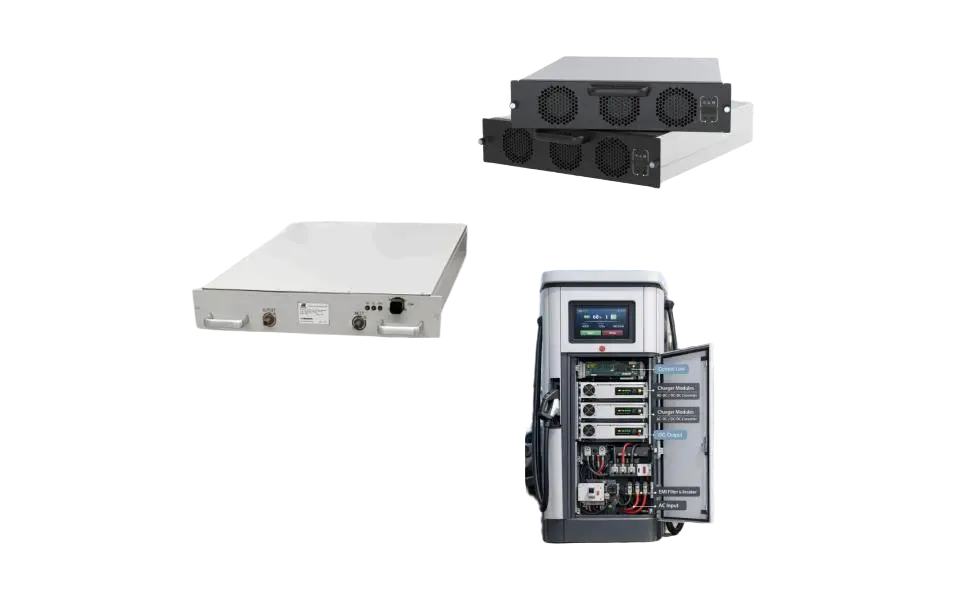
A comprehensive ecosystem of power conversion components, charging connectors, and smart station hardware.
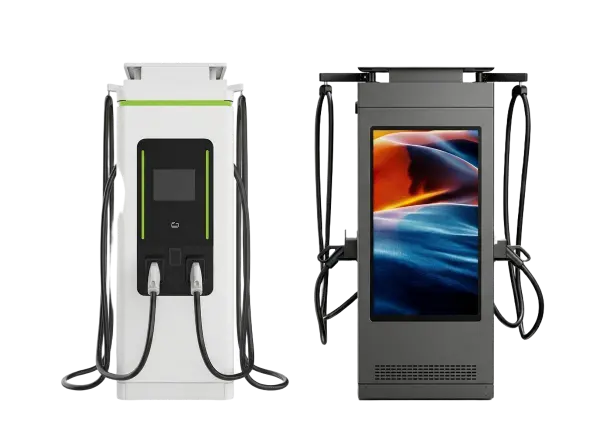
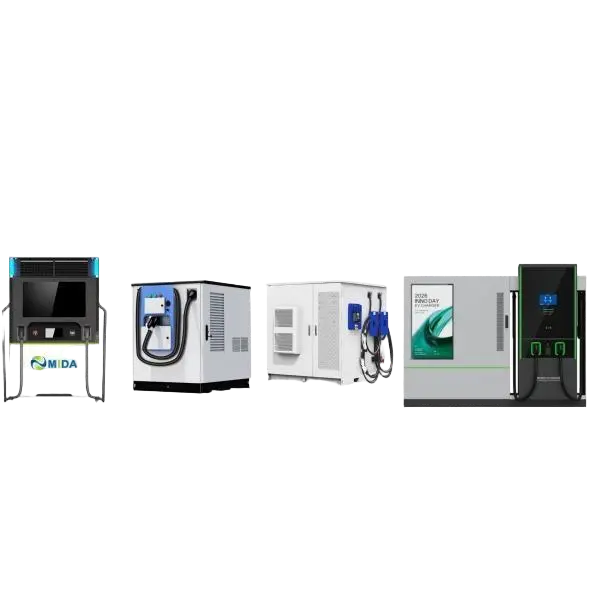
Understanding where a 30kW DC charging system excels highlights its utility compared to other fast-charging methods. Unlike ultra-high-power highway plazas, 30kW installations are designed for locations where vehicles dwell between 45 minutes and 2 hours.
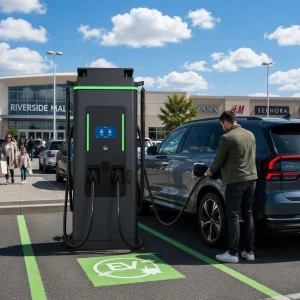
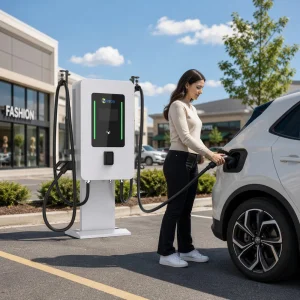
Typical retail shopping trips last between 45 and 90 minutes. A 30kW DC charger delivers approximately 20kWh to 45kWh of energy during this stay, translating to 80 to 180 miles of highway range. This offers high utility for consumers and increases foot traffic for businesses, without requiring the tenant to invest in a dedicated grid transformer.
Fleet operators managing electric delivery vans, postal vehicles, or maintenance trucks face structured scheduling constraints. These vehicles run fixed routes daily and return to centralized yards overnight or during driver shift changes. A 30kW DC fast charger provides efficient top-ups during mid-day loading cycles, maintaining fleet uptime without overloaded utility feeds.
While AC charging handles basic overnight needs, shared residential parking structures benefit from a shared fast-charge station. A 30kW DC Wallbox serves as a communal "express lane," allowing residents to charge their battery from 20% to 80% in a fraction of the time, avoiding queues at standard Level 2 stations.
Modern workplaces offering employee perks and sustainable commuting options can deploy 30kW DC chargers alongside AC configurations. With dynamic power management, chargers distribute available power based on real-time grid loads, minimizing peak demand surcharges.
Keep up with the latest technological developments, installation guides, and transit electrification solutions.

In contrast to classic plug-in charging systems, e-bus pantograph systems offer automated, high-power energy transfers, reducing human error and maintenance overheads...
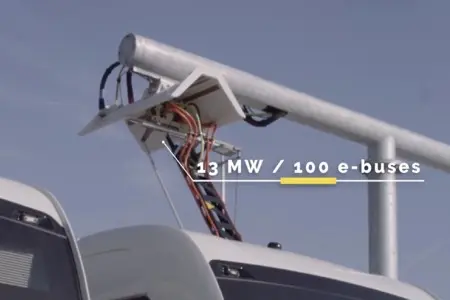
The charging time depends on the battery capacity and the dynamic output of the substation. High-power systems can replenish urban buses in minutes...
Installing a "Pantograph Up" system requires precise physical alignment, civil engineering calculations, and high-voltage grid interfaces to secure urban safety standards...
Find answers to key technical questions from procurement officers, electrical engineers, and network administrators.
From commercial fleet chargers to off-grid battery systems, find the right equipment to scale your charging network.