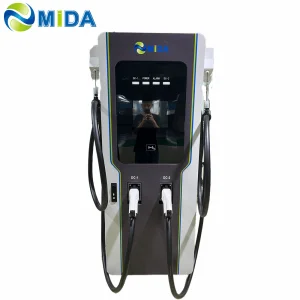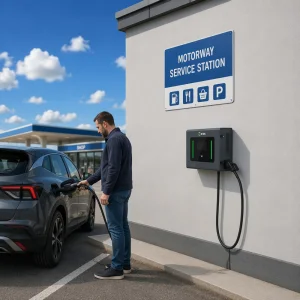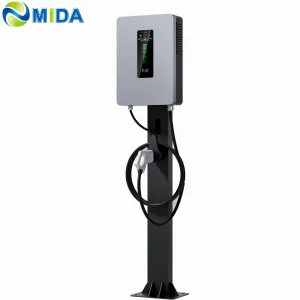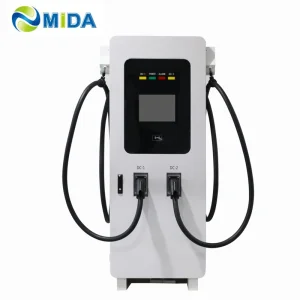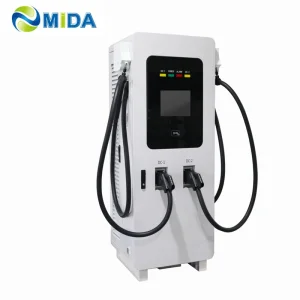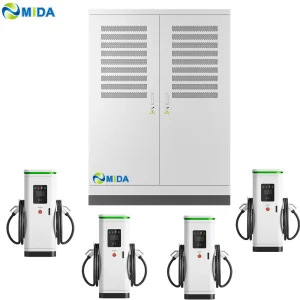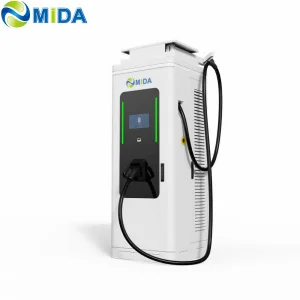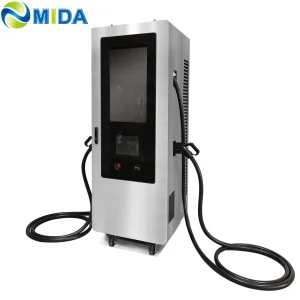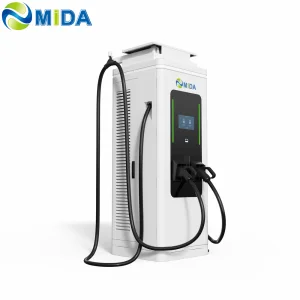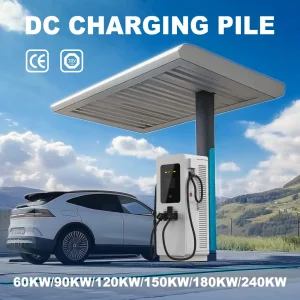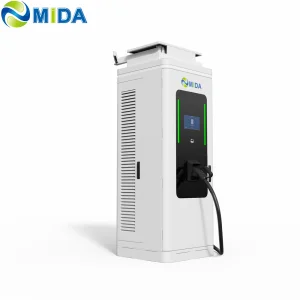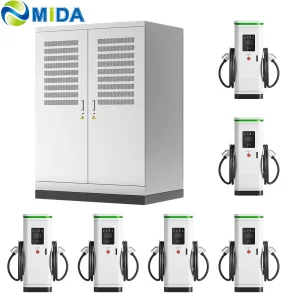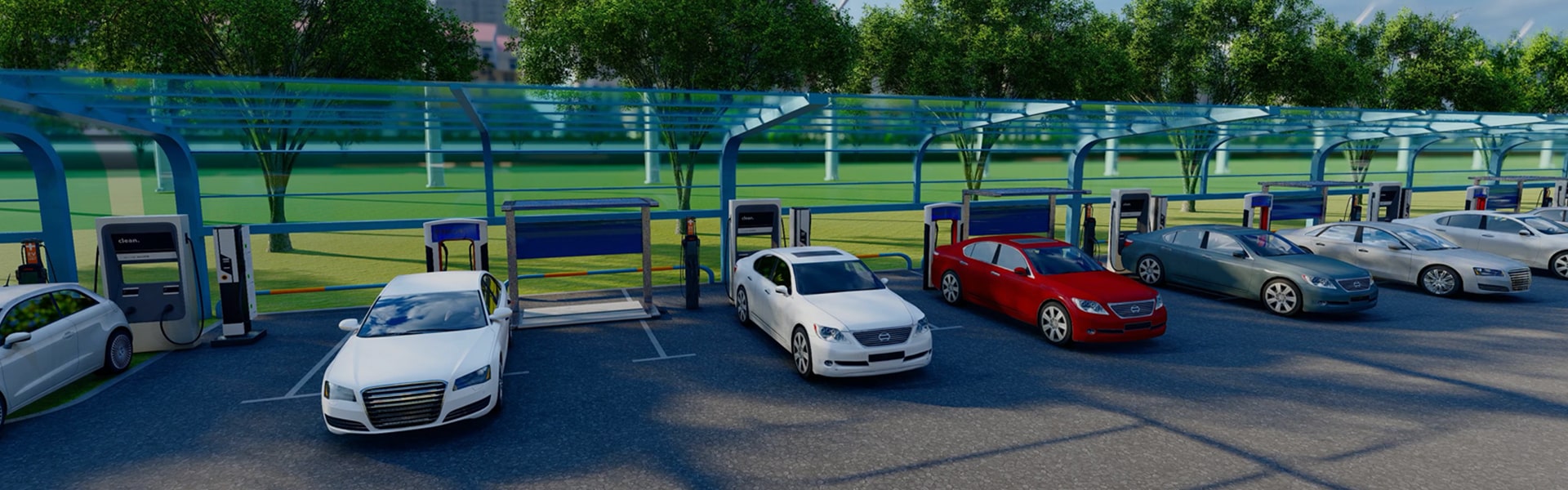
Explore our core range of DC fast charging modules, integrated stations, and solar-coupled EV infrastructure.
Ultra-Fast Charging Output
Peak Power Conversion Efficiency
Standard Smart Connectivity
Global Compliance Certifications
The global EV transition is entering its next mature phase, characterized by the rapid roll-out of high-power charging (HPC) networks. As battery technologies advance, the average charging capacity of electric passenger vehicles, heavy-duty trucks, and municipal buses is increasing. The 300kW DC EV charger has emerged as the definitive industrial and commercial standard, bridging the gap between historical slow AC chargers and the next-generation megawatt-level systems.
For municipal operators, commercial real estate developers, and logistics fleet managers, deploying a 300kW system is not merely an upgrade; it is a critical strategy for asset utilization. At 300kW, an EV can add approximately 100 kilometers of range in less than five minutes, effectively matching the dwell-time patterns of traditional internal combustion engine refueling. This high throughput minimizes queues, maximizes daily monetization per charging bay, and satisfies consumer demands for convenience.
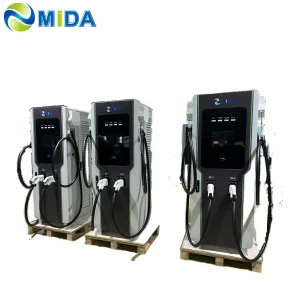
Modern commercial infrastructure demands flexible energy distribution. A rigid 300kW station may experience severe underutilization when charging a single vehicle with a limited acceptance rate. To address this, current systems feature dynamic power allocation. These units leverage intelligent power distribution algorithms to dynamically split the 300kW output across multiple dispensers (e.g., 2 x 150kW or 3 x 100kW), matching the precise real-time charging curves of each connected vehicle.
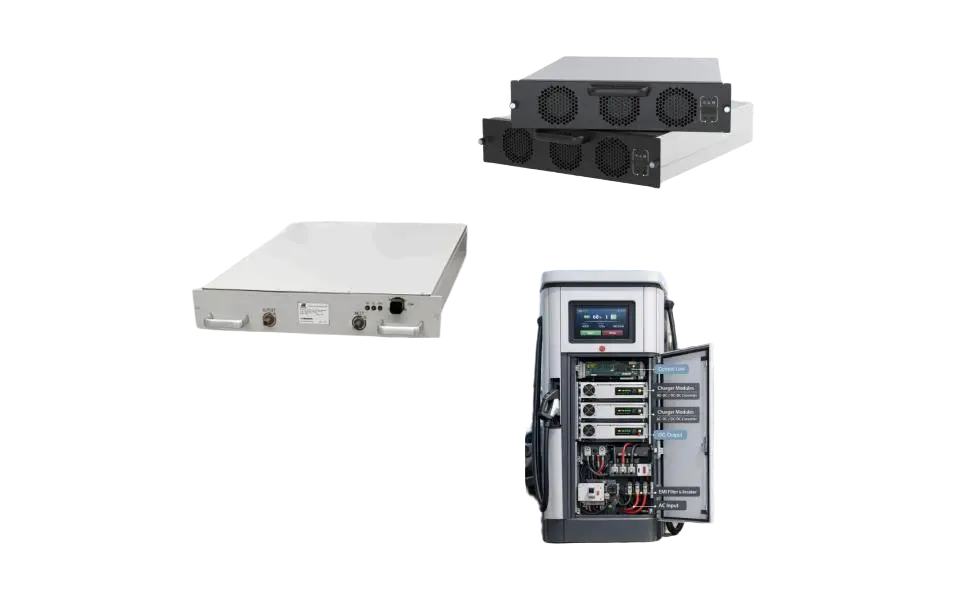
High efficiency, thermal reliability, and modularity define our state-of-the-art power electronics.
Built with highly efficient 30kW, 40kW, or 50kW power modules. Modular designs ensure hot-swappable redundancy: if one module experiences an anomaly, the station continues to operate at reduced capacity, maintaining network uptime.
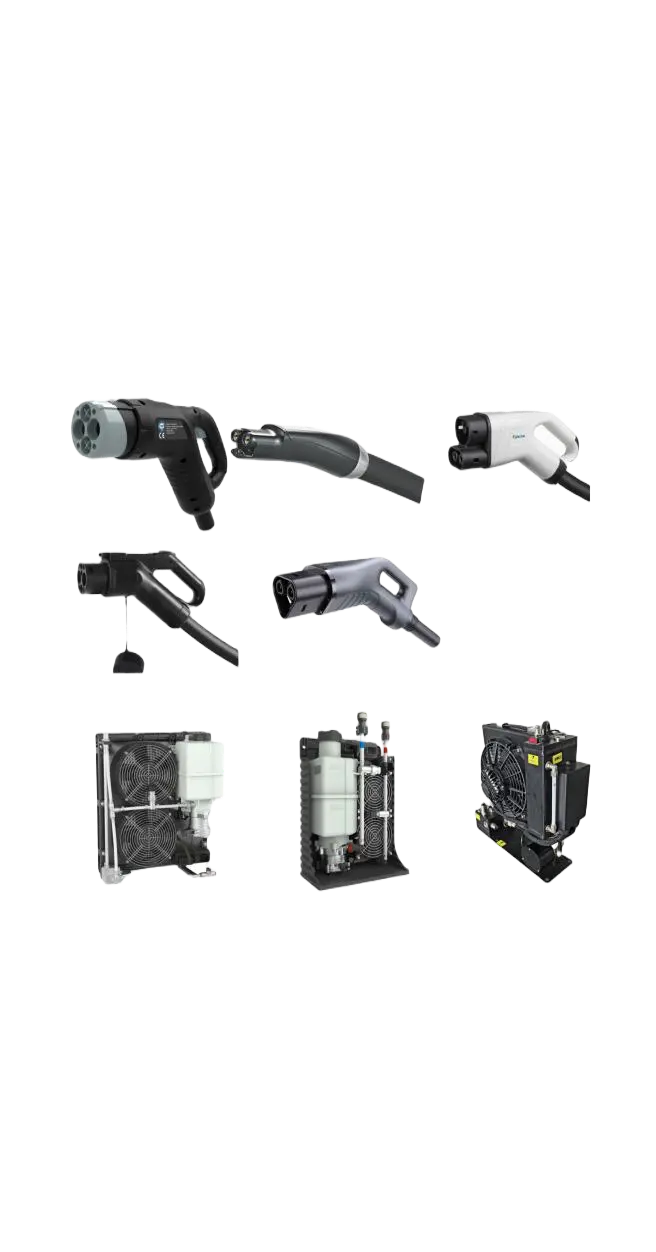
For continuous high-current delivery (exceeding 350A), liquid-cooled connectors and cables prevent thermal throttling. Advanced air-cooling units regulate modular stacks, preventing internal dust accumulation and hot spots.
Future-ready bidirectional energy flow capabilities (V2G/V2X) allow operators to discharge fleet batteries back to the grid during peak tariffs, turning charging depots into dynamic grid-balancing assets.
Shanghai Mida Cable Group Ltd. operates through its wholly owned subsidiaries: Shanghai Mida EV Power Co., Ltd., Shenzhen Mida EV Power Co., Ltd., and Shanghai Mida New Energy Co., Ltd.
Mida Cable manufactures a comprehensive range of EV charging cables, including 16A–80A J1772 cables, 16A–63A IEC 62196-2 Type 2 cables, and DC fast charging cables: CCS1 (80A–500A), CCS2 (125A–1000A), CHAdeMO (125A–300A), GBT (200A–1000A), and NACS connectors (250A–600A).
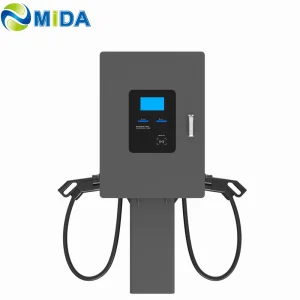
MIDA EV Power produces a full lineup of EV charging stations, such as 7kW–50kW mobile chargers, 3.6kW–7.2kW portable DC chargers, 360kW–1440kW split-type DC fast chargers, 20kW–50kW wall-mounted DC chargers, and 60kW–480kW floor-standing DC fast charging stations.
MIDA New Energy specializes in EV charger power modules, offering 20kW–60kW standard modules, 40kW–125kW liquid-cooled modules, 30kW–62.5kW bidirectional modules, and 20kW–45kW V2G charging modules.

Understanding the economics of China's EV charging manufacturing requires analyzing the complete industrial ecosystem. China has built the world's most vertically integrated clean energy supply chain. From basic raw materials like lithium and copper to complex power semiconductors (such as Silicon Carbide/SiC MOSFETs) and charging management software, all manufacturing elements are clustered within close geographic regions, particularly in areas like Shanghai and Shenzhen.
This geographic concentration translates into distinct advantages for international buyers:
Explore our core business segments covering power electronics, thermal units, fast chargers, and energy storage.
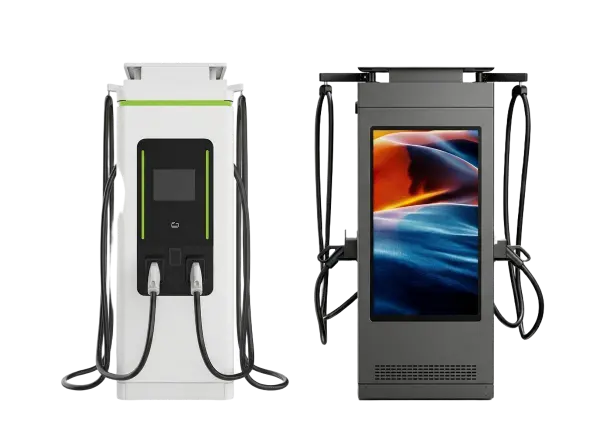
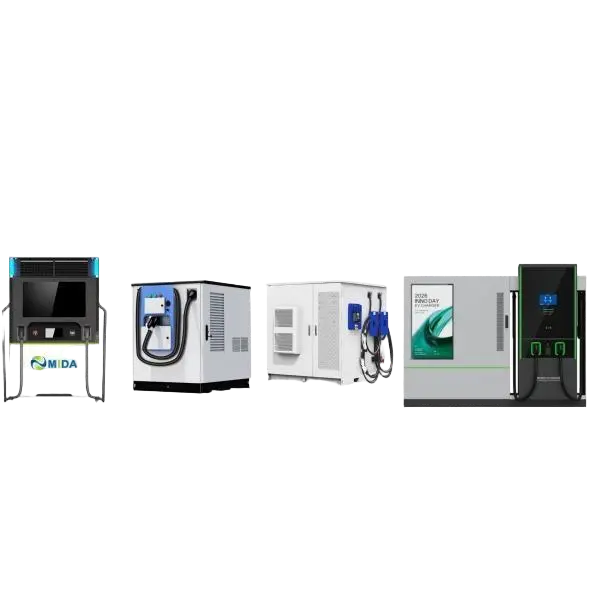
Deploying a 300kW DC Charger requires configuring the equipment to match specific regional use cases. Different installations call for distinct design adaptations:
For cross-country expressways, charging speed is the primary driver of customer satisfaction. Drivers need to top up quickly and resume their journeys. Here, 300kW configurations with high-voltage architectures (supporting 800V and 1000V EVs) are essential. Robust stainless-steel, IP54-rated cabinets are used to withstand harsh environmental conditions.
E-bus pantographs and freight trucks operate on strict schedules. Charging systems in these locations must integrate with localized fleet management software (via OCPP APIs) to schedule charging during off-peak hours, run active battery diagnostics, and balance loads across dozens of vehicles simultaneously.
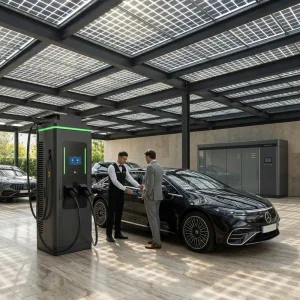
Urban charging hubs benefit from charging stations equipped with high-brightness advertising screens. These screens provide a dual-revenue stream (charging sales and digital out-of-home advertising) while keeping drivers informed of charging status.
As the EV ecosystem evolves, three major trends are shaping the future of high-power charging systems:
Crucial insights for technical and procurement managers evaluating 300kW charging networks.
Air-cooled chargers use heavy-duty fans to dissipate heat from the power modules and cables. They are cost-effective but limited to around 350A continuous current. Liquid-cooled systems run coolant through the charging cable and connector, allowing them to support currents up to 500A+ and maintain faster charging rates for longer without thermal throttling, though they require more maintenance.
Yes, our newer systems are fully OCPP 2.0.1 compliant. OCPP 2.0.1 offers improved security, advanced device monitoring (allowing remote troubleshooting), and enhanced smart charging features that are essential for grid integration and V2G applications compared to OCPP 1.6J.
When one vehicle is charging, it can draw up to the full 300kW. When a second vehicle connects, the system's power management controller dynamically splits the power (e.g., 150kW/150kW or based on each vehicle's real-time state-of-charge), optimizing total energy delivery across both ports.
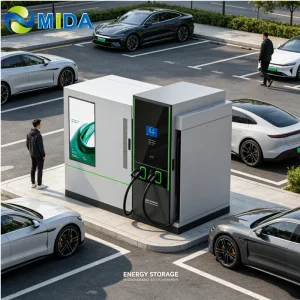
A 300kW charger requires a 3-phase AC input (typically 380V/400V/480V depending on region) with a high-capacity circuit breaker (usually 500A to 600A minimum). If the local grid capacity is constrained, coupling the charger with a Battery Energy Storage System (BESS) can reduce the need for costly utility upgrades.
Our stations are designed and certified to meet regional standards. This includes CE, TUV, and RoHS compliance for European markets, UL listed options for North America, and CCS1, CCS2, GBT, and NACS connector compliance to match international vehicle designs.
Explore our high-voltage split-type charging stacks, liquid-cooled units, and high-power advertising kiosks.
Stay up to date with the latest innovations, technology rollouts, and installations from our production facilities.
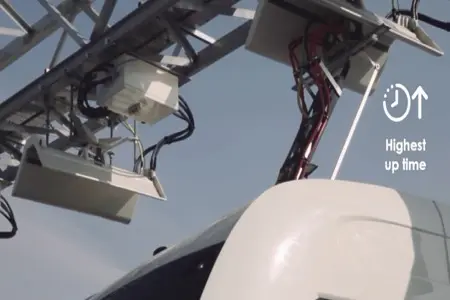
What are the advantages of an e-bus pantograph dome? In contrast to classic plug-in charging systems, e-bus pantograph networks offer rapid automated connections, minimizing driver interaction and downtime during municipal operations.
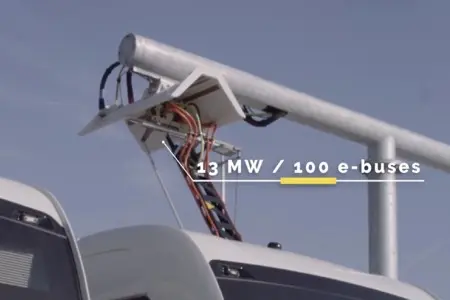
How long does it take to charge with an e-bus pantograph? The charging time depends on the battery capacity and the grid output. High-output pantograph domes can recharge transit batteries significantly during short scheduled route stops.
How to Install the Pantograph Up Charger System Dome for Electric Bus. Installing an automated overhead system requires precise mechanical alignment, structural supports, and careful integration with substation transformers.