Engineered for continuous reliability, dynamic smart power distribution, and multi-protocol global compatibility.
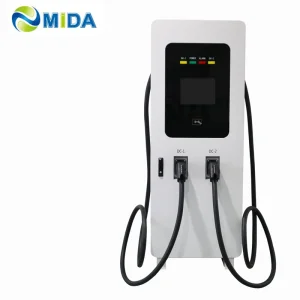
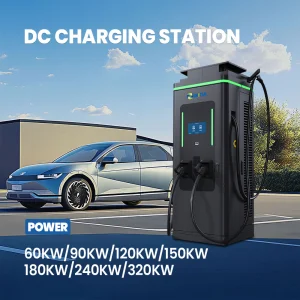
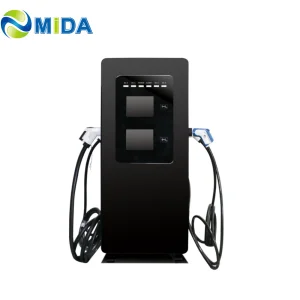
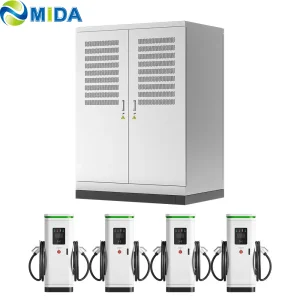
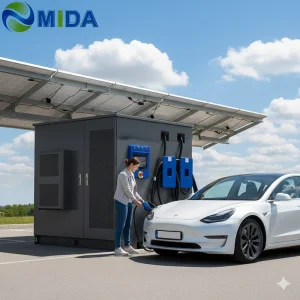
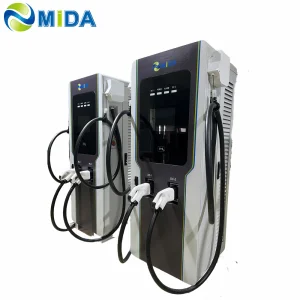
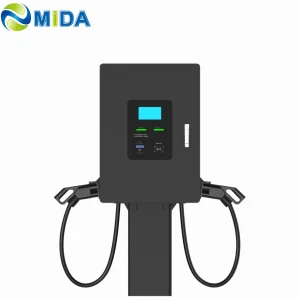
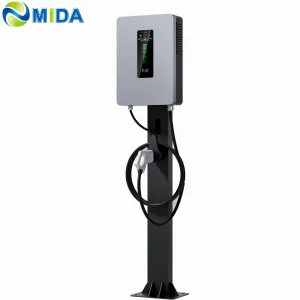
Understanding the transition to high-power, dynamic DC infrastructure in commercial and public spaces.
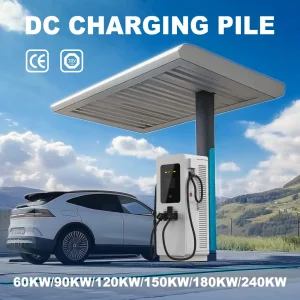
A 240kW DC charging system provides a balanced sweet spot. It delivers up to 100 kilometers of range in less than 5 minutes for high-voltage compatible vehicles, without creating the excessive grid demand shocks associated with megawatt-class charging units.
Next-generation 240kW platforms support diverse architectures, allowing seamless switching and auto-allocation between CCS1, CCS2, NACS, and GB/T standards. This ensures high utilization rates regardless of regional EV demographic dynamics.
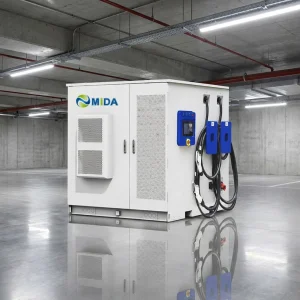
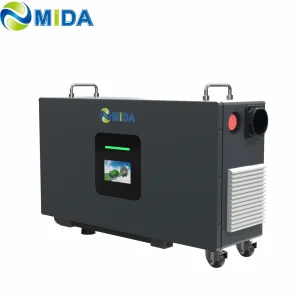
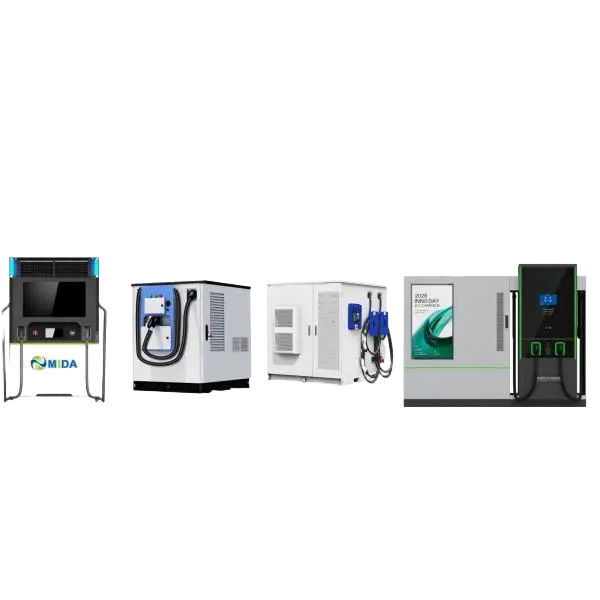
By pairing 240kW configurations with Battery Energy Storage Systems (BESS), operators can peak-shave energy demands. This enables ultra-fast charging capabilities even in regions with constrained local grid capacities.
Modern passenger EVs and medium-duty utility commercial trucks are moving from 400V architectures to 800V setups. To capture this segment, 240kW chargers must support a wide output voltage range, typically from 150V to 1000V DC. This ensures compatibility with legacy vehicles while maintaining optimal speed and efficiency for high-end electric platforms.
How state-of-the-art automated manufacturing processes guarantee reliability and global delivery speed.
Procuring industrial-grade EV chargers requires looking beyond simple unit cost. Experienced procurement officers evaluate long-term reliability (MTBF), local certification compliance, and components thermal management. Operating under Industry 4.0 principles, China's advanced manufacturing hubs integrate the entire supply chain vertically. From raw copper wire drawing to structural metal stamping and printed circuit board assembly (PCBA), this end-to-end integration maintains strict quality control at every stage.
For critical applications, Shanghai Mida Cable Group uses customized manufacturing processes that feature automated testing, temperature-chamber stress simulations, and automated optical inspections (AOI). This strict standard ensures that each 240kW module withstands extreme environments, from icy Nordic logistics yards to hot desert highway corridors.
Shanghai Mida Cable Group Ltd. operates through its wholly owned subsidiaries: Shanghai Mida EV Power Co., Ltd., Shenzhen Mida EV Power Co., Ltd., and Shanghai Mida New Energy Co., Ltd. This strategic division of labor ensures specialization in cables, hardware integration, and software development.
Mida Cable manufactures a comprehensive range of EV charging cables, including 16A–80A J1772 cables, 16A–63A IEC 62196-2 Type 2 cables, and DC fast charging cables: CCS1 (80A–500A), CCS2 (125A–1000A), CHAdeMO (125A–300A), GBT (200A–1000A), and NACS connectors (250A–600A).
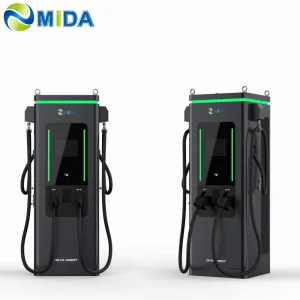
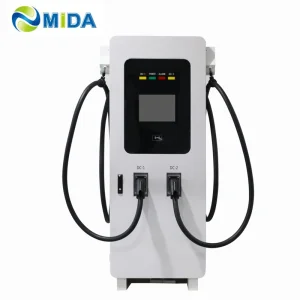
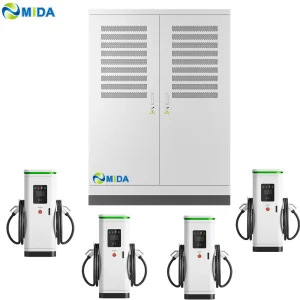
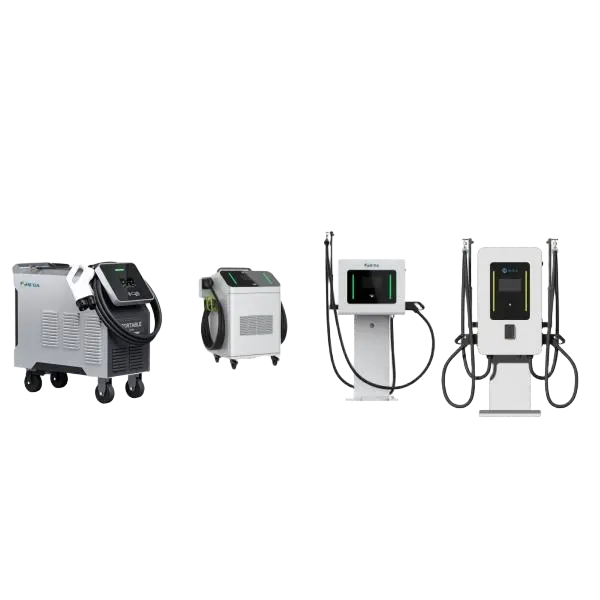
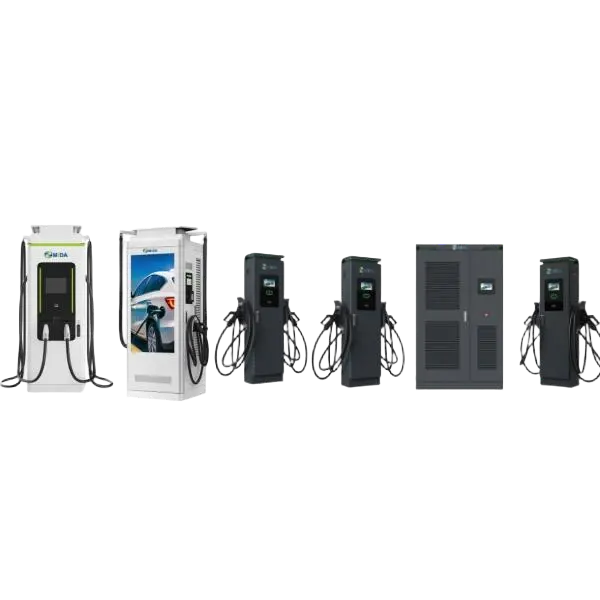
MIDA EV Power produces a full lineup of EV charging stations, such as 7kW–50kW mobile chargers, 3.6kW–7.2kW portable DC chargers, 360kW–1440kW split-type DC fast chargers, 20kW–50kW wall-mounted DC chargers, and 60kW–480kW floor-standing DC fast charging stations.
MIDA New Energy specializes in EV charger power modules, offering 20kW–60kW standard modules, 40kW–125kW liquid-cooled modules, 30kW–62.5kW bidirectional modules, and 20kW–45kW V2G charging modules.

Explore our core business segments covering AC Charging, DC Fast Charging, and Integrated Battery Energy Storage Solutions.
A comprehensive breakdown of our high-power charging components, modular power stacks, and energy storage integrations.
Tailored power distribution strategies for municipal, logistical, and heavy-duty electric vehicle transit networks.
Logistics fleets require fast turnaround times to maximize delivery windows. Installing a 240kW charger allows electric box trucks and vans to charge during scheduled loading cycles, maintaining uptime without extending driver shifts.
Public transit buses operate on tight schedules. 240kW systems provide high-capacity power to quickly charge heavy bus battery packs overnight or during short mid-day shift changes, keeping municipal routes running smoothly.
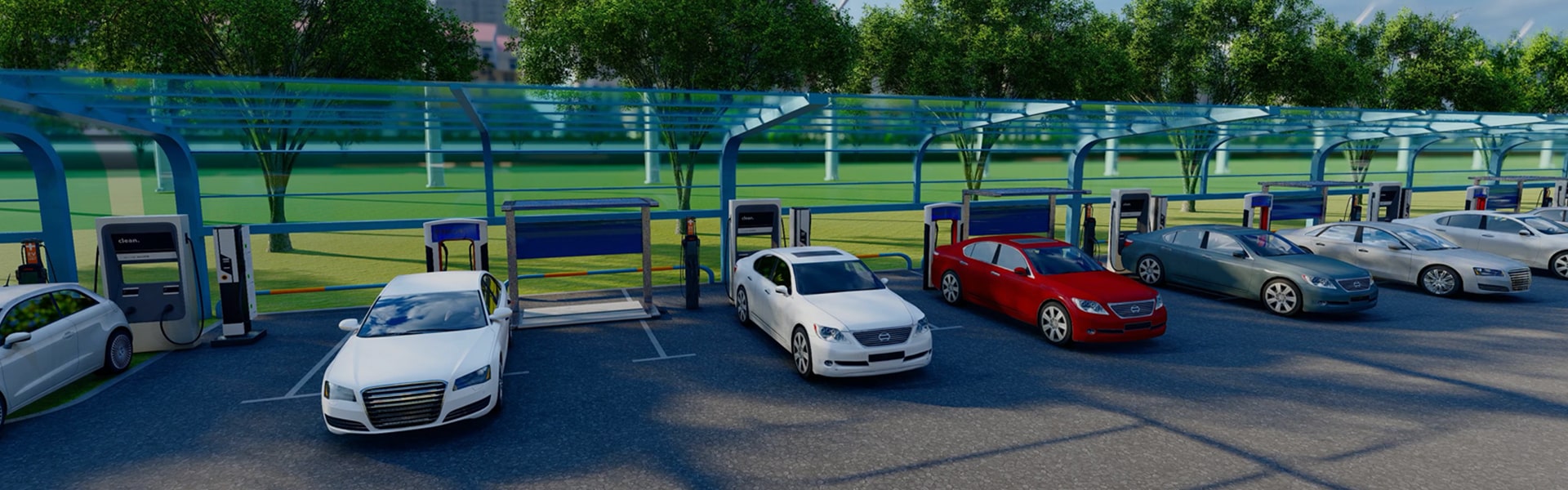
Retail centers, hotels, and office parks install 240kW charging points to attract premium EV drivers. Dynamic power-sharing lets a single 240kW charger split power to charge two vehicles at 120kW each, optimizing hardware usage and installation costs.
Stay informed with the latest updates on high-power transit charging, automatic connections, and bus depot installations.
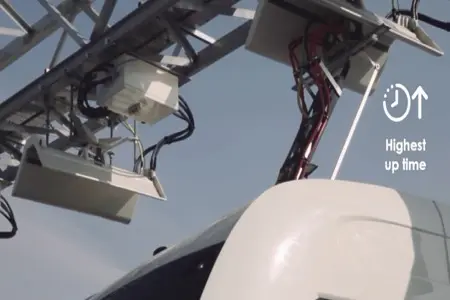
What are the advantages of an e-bus pantograph dome? In contrast to classic plug-in charging systems, e-bus pantographs...
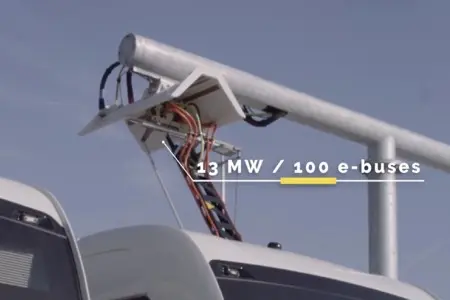
How long does it take to charge with an e-bus pantograph? The charging time depends on the battery capacity and the power...
How to Install the Pantograph Up Charger System Dome for Electric Bus: Key requirements for installing automatic overhead systems...
Technical guidance and answers to common industry questions about deploying, scaling, and managing 240kW EV charging infrastructure.
Explore our high-capacity floor-standing stacks, portable DC stations, and smart energy storage integrations.