
Industrial-grade DC fast chargers engineered for international fleets, commercial charging point operators (CPOs), and heavy-duty logistics.
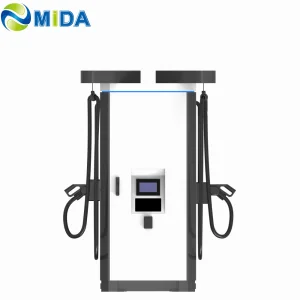
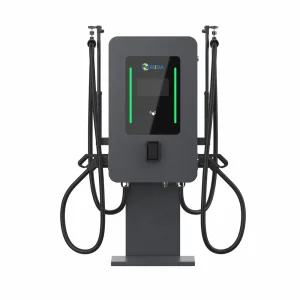
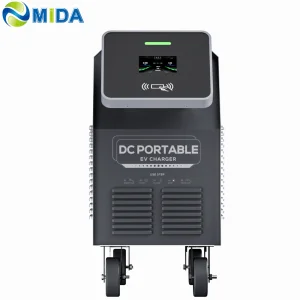
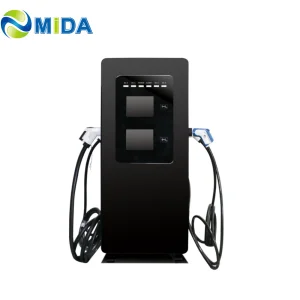
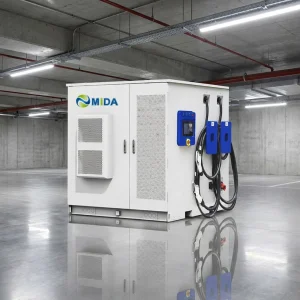
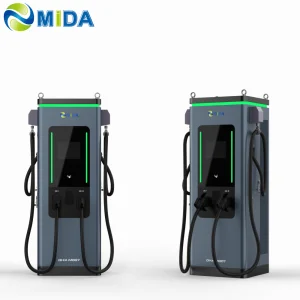
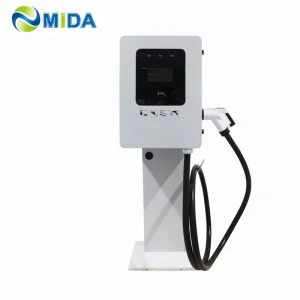
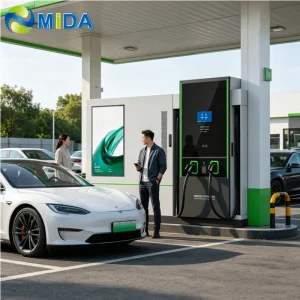
As the global transition toward electric mobility accelerates, China has firmly established itself as the epicenter of high-power Direct Current (DC) charging technology. Central to this dominance is the national GB/T (Guobiao) standard—a robust protocol framework governing conductive charging systems for electric vehicles. From the widespread adoption of GB/T 2015 to the cutting-edge release of GB/T 2023 and the unified ultra-high-power ChaoJi charging standard, Chinese manufacturers are defining the parameters of megawatt-level energy replenishment.
This comprehensive B2B procurement guide evaluates the technical architectures, manufacturing competencies, supply chain advantages, and global localized deployment strategies offered by premier China GB/T DC charging station manufacturers and suppliers. Designed for fleet operators, Charge Point Operators (CPOs), and OEM partners, this whitepaper delivers critical insights into standard bridging, liquid cooling performance, and microgrid integrations.
Understanding the architectural leap between legacy GB/T standards and next-generation charging interfaces is critical when evaluating China-based suppliers. The hardware and software protocols directly impact thermal dissipation, peak current limits, and CAN-bus communication reliability.
| Specification Feature | GB/T 2015 Standard | GB/T 2023 Standard | ChaoJi (Next-Gen GB/T) |
|---|---|---|---|
| Max Voltage (V) | 750V / 950V DC | 1000V DC | 1500V DC |
| Max Current (A) | 250A (Natural Cooling) | 400A - 500A (Air/Liquid Cooled) | Up to 1000A (Liquid Cooled) |
| Peak Power Output | 180kW - 240kW | 360kW - 480kW | 900kW - 1440kW |
| Communication Protocol | GB/T 27930 (CAN 2.0B) | GB/T 27930-2023 (Extended CAN) | ISO 15118-20 / Extended CAN |
| Safety & Locking | Mechanical Pin Interlock | Electronic & Thermal Dual Sensing | Active Liquid Temperature Monitoring |
International procurement teams face complex challenges when sourcing DC charging equipment from China. Key commercial requirements extend beyond unit price; they encompass compliance certifications, firmware flexibility, and dynamic power distribution.
Leading Chinese suppliers integrate open-source Open Charge Point Protocol (OCPP 1.6J and OCPP 2.0.1) compliance into their internal Charge Controller Units (CCU). This ensures seamless backend communication with third-party billing networks, white-label apps, and municipal power grids worldwide.
For global operations, manufacturers offer multi-standard power cabinets equipped with modular cable assemblies. Dual-gun systems featuring both a GB/T connector and a CCS2 or CHAdeMO gun allow site hosts to service Chinese import vehicles alongside European or American EV fleets simultaneously.
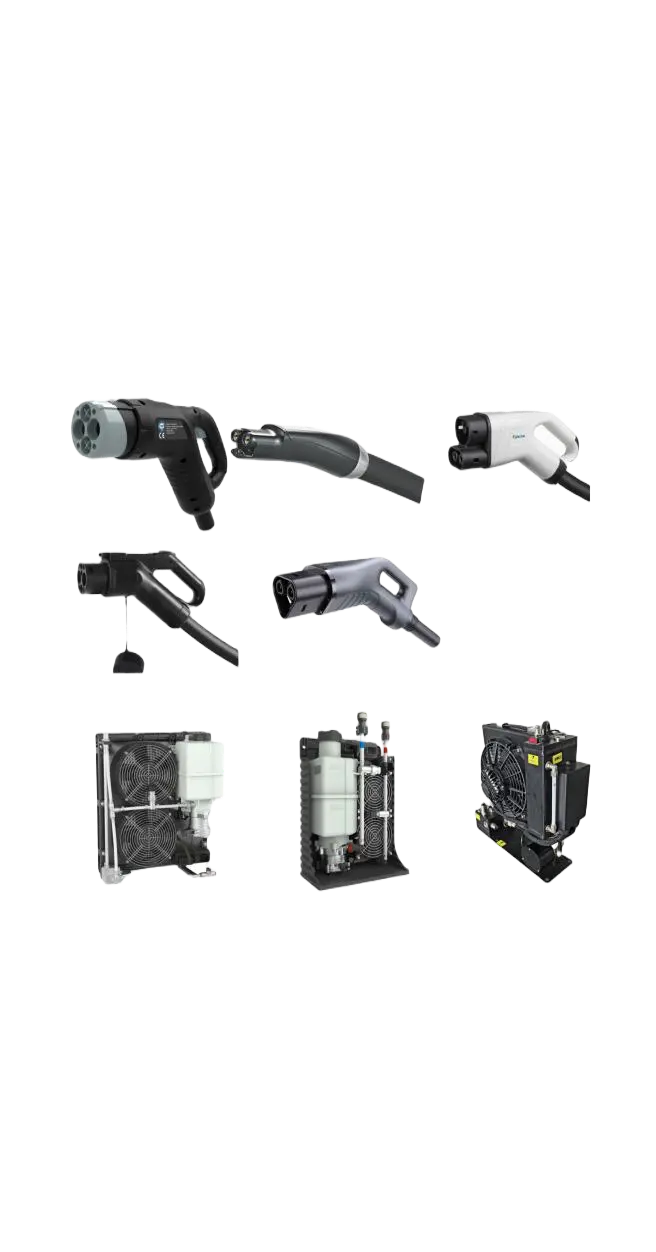
High-power DC charging generates significant heat within the power cabinet and charging cable. Supply partners now utilize integrated cooling modules (fluid-circulated cold plates and liquid-cooled cable assemblies) to maintain operational efficiency (>96.5%) even under continuous 400A+ loads.
China’s manufacturing ecosystem for EV charging infrastructure is unparalleled in component density and automation depth. From the refining of raw copper for heavy-duty cables to the high-precision automated assembly of Silicon Carbide (SiC) MOSFET power conversion modules, vertical integration yields distinct competitive advantages.
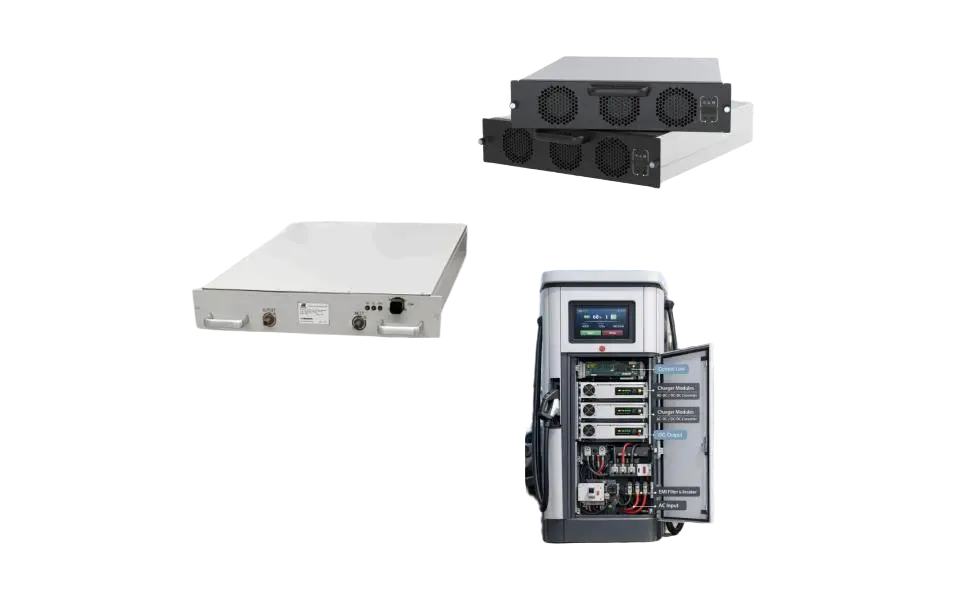
Top-tier manufacturers design and produce their own 30kW, 40kW, and 60kW AC/DC conversion power modules, eliminating intermediary markups and ensuring rigorous quality control over critical power electronics.
Adhering to IATF 16949 automotive-grade quality standards, top Chinese factories employ automated SMT lines, burn-in environmental testing chambers, and full-load high-voltage safety testing before shipment.
Local supply chain clusters enable rapid turnaround for customized cabinet sheet metal, OEM branding, IP ratings (IP65 outdoor protection), and region-specific grid voltage adaptions (3-phase 380V/400V/480V).
GB/T DC chargers from China are deployed across diverse global operating environments, each demanding tailored hardware configurations and software control logics:
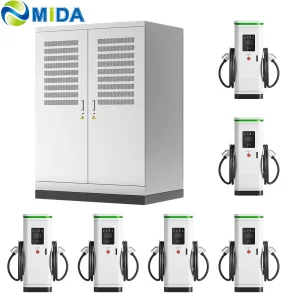
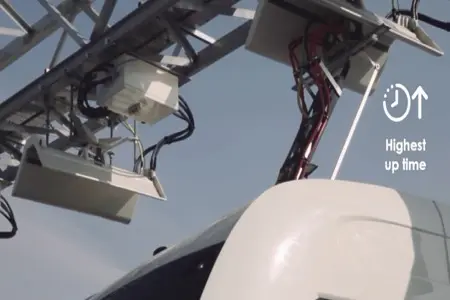
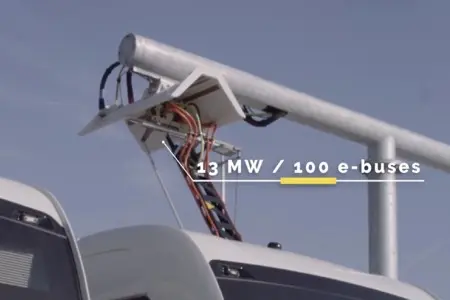
Urban bus transit networks require ultra-reliable overnight fast charging and daytime top-up power. Split-type DC charging stacks ranging from 360kW to 1440kW paired with automatic overhead pantographs or multi-connector dispensers ensure rapid energy turnaround for heavy-duty electric transit fleets.
Heavy-duty electric haul trucks operate in demanding, dusty, and extreme temperature conditions. Ruggedized GB/T charging cabinets rated IP65 with isolated air-duct design prevent dust ingress while delivering massive liquid-cooled current up to 600A continuously.
In regions with constrained grid capacity, integrated Battery Energy Storage Systems (BESS) combined with solar PV arrays and high-power GB/T DC chargers cushion grid impact, lower peak demand charges, and store clean solar power for peak-hour EV charging.
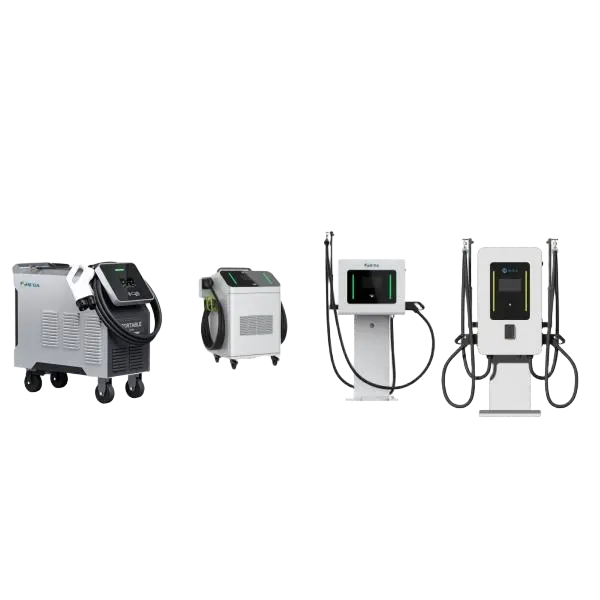
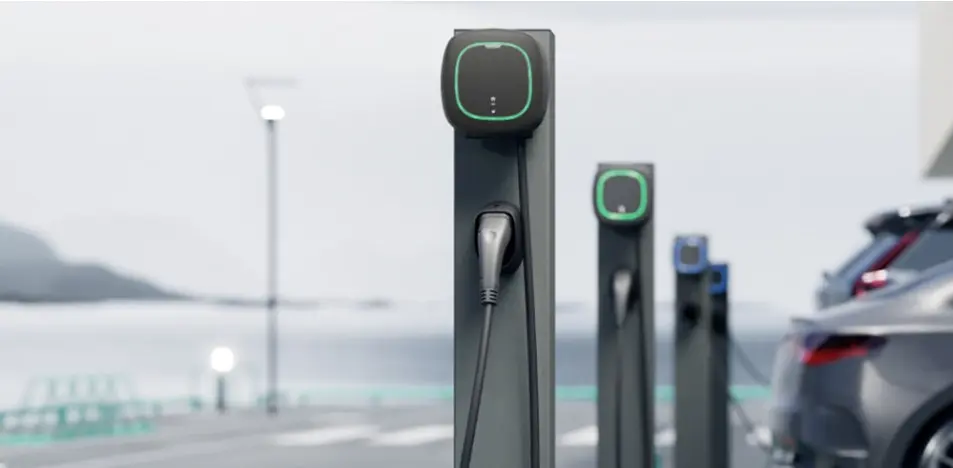
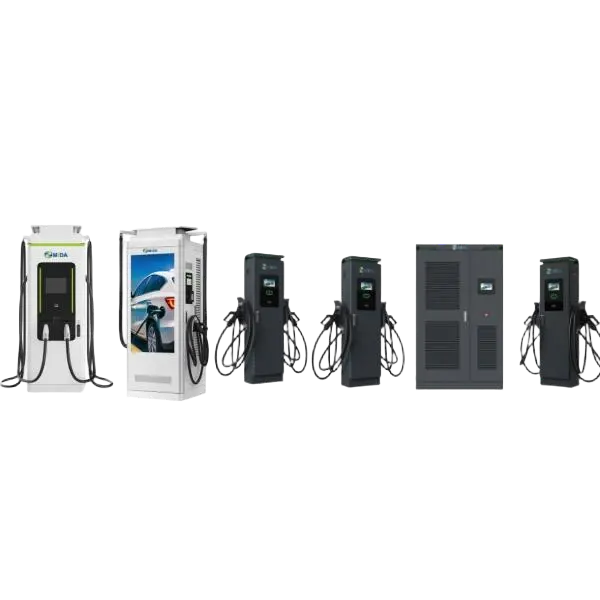
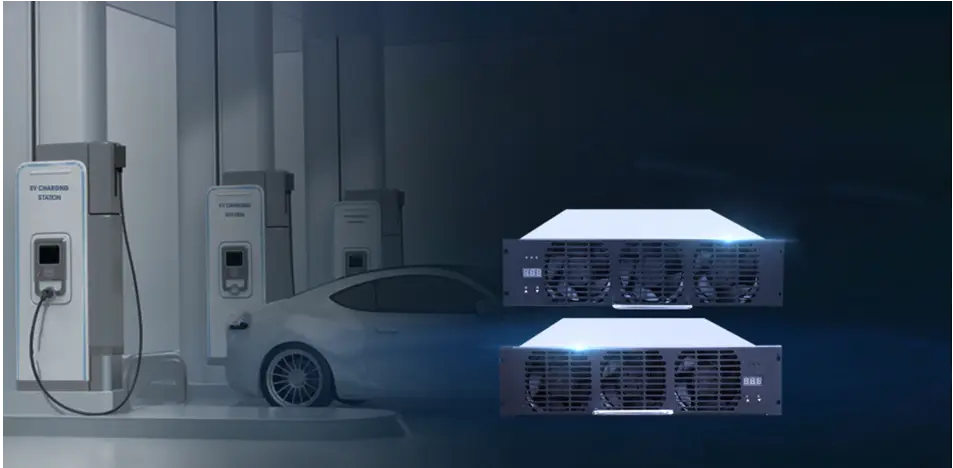
Shanghai Mida Cable Group Ltd. operates through its wholly owned subsidiaries: Shanghai Mida EV Power Co., Ltd., Shenzhen Mida EV Power Co., Ltd., and Shanghai Mida New Energy Co., Ltd.
Mida Cable manufactures a comprehensive range of EV charging cables, including 16A–80A J1772 cables, 16A–63A IEC 62196-2 Type 2 cables, and DC fast charging cables: CCS1 (80A–500A), CCS2 (125A–1000A), CHAdeMO (125A–300A), GBT (200A–1000A), and NACS connectors (250A–600A).
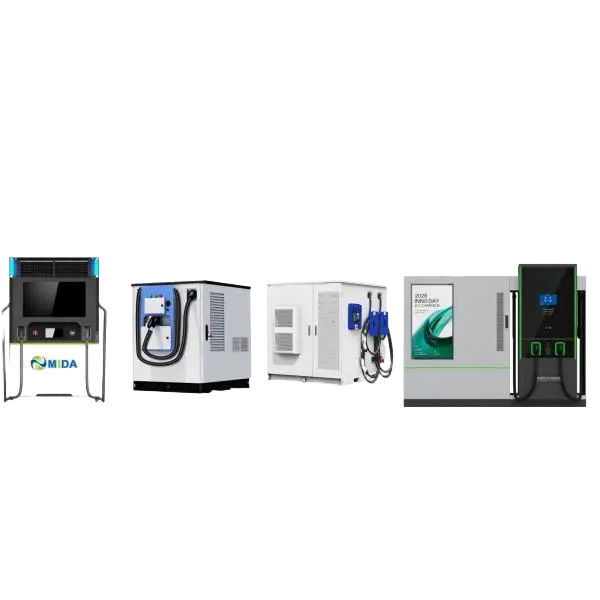
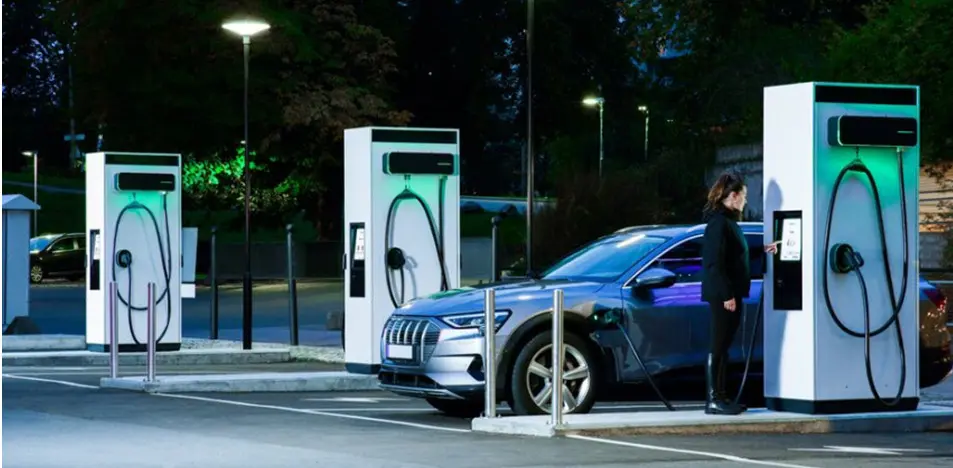
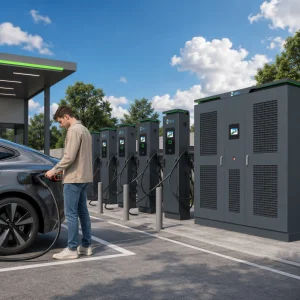
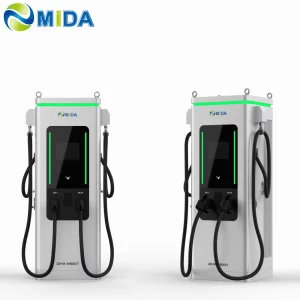
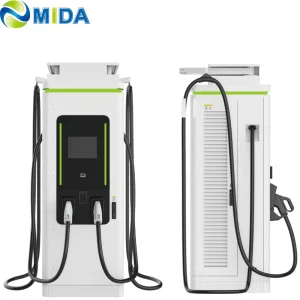
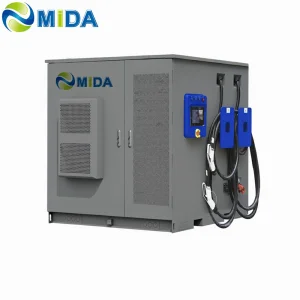
MIDA EV Power produces a full lineup of EV charging stations, such as 7kW–50kW mobile chargers, 3.6kW–7.2kW portable DC chargers, 360kW–1440kW split-type DC fast chargers, 20kW–50kW wall-mounted DC chargers, and 60kW–480kW floor-standing DC fast charging stations.
MIDA New Energy specializes in EV charger power modules, offering 20kW–60kW standard modules, 40kW–125kW liquid-cooled modules, 30kW–62.5kW bidirectional modules, and 20kW–45kW V2G charging modules.

Comprehensive technological breakdown of core components, charging stations, liquid cooling systems, and mobile energy storage systems.
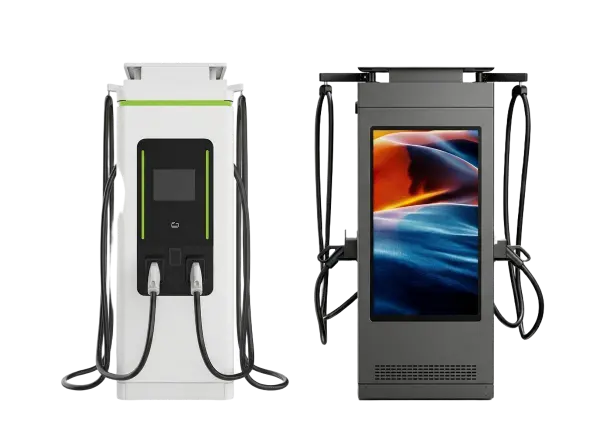
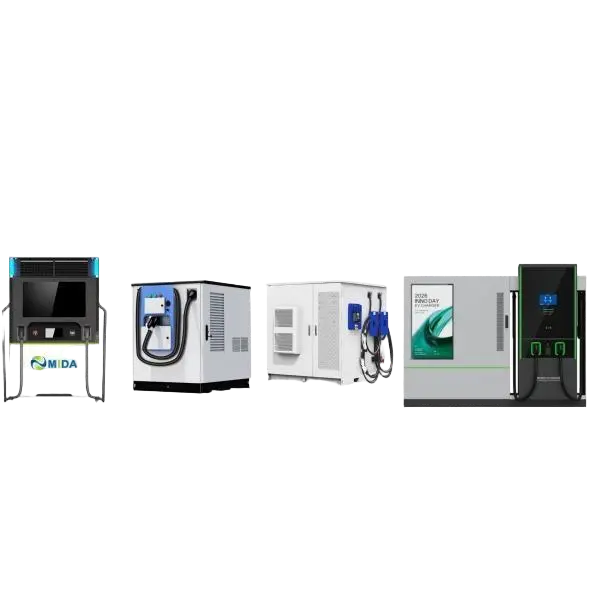
High-voltage systems engineered for commercial fleets, liquid-cooled superchargers, and mobile emergency storage charging.
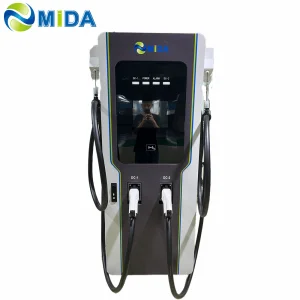
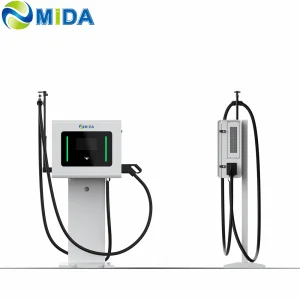
Technical, logistical, and compliance answers for global B2B purchasers of Chinese GB/T DC Fast Chargers.