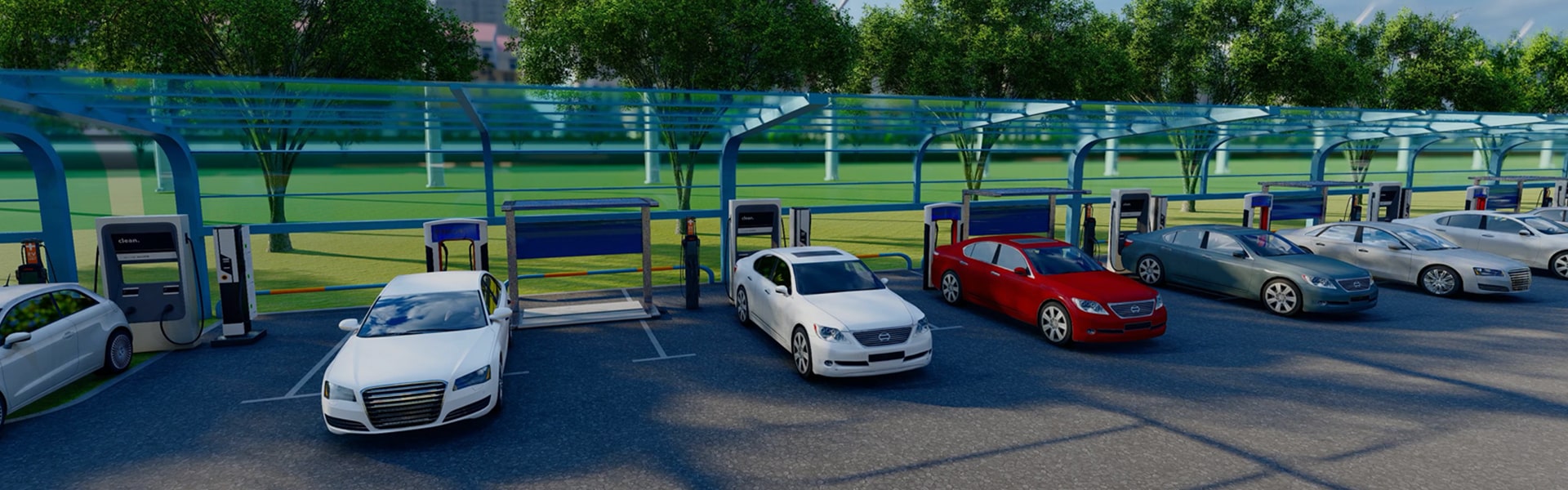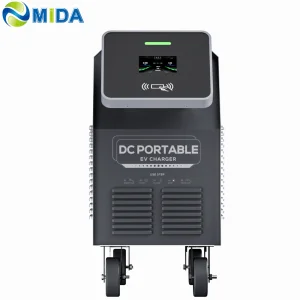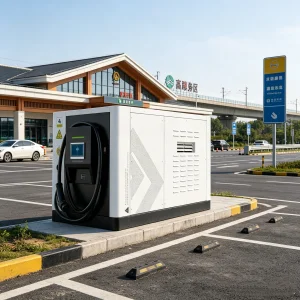
Advanced commercial, public, and fleet charging hardware engineered for maximum reliability and throughput.
Years of R&D Experience
Global Target Countries
Max Output Power Capacity
Full 1.6J & 2.0.1 Support
Strategic perspectives, manufacturing benchmarks, and macro trends for charge point operators (CPOs) and fleet logistics.
As the global transition to electric mobility accelerates, procuring robust and scalable hardware remains a primary hurdle for developers and operators. Utilizing Chinese manufacturing ecosystems enables companies to tap into a highly integrated supply chain that delivers significant advantages in terms of turnaround, technological refinement, and cost structures.
In China, the supply chain for electric vehicle supply equipment (EVSE) is characterized by vertical integration. At MIDA, we own and control the lifecycle of critical sub-components—from copper extrusion for high-current cables to advanced PCB assembly for EV charging power modules. This high level of integration eliminates reliance on external component suppliers, mitigates logistics bottlenecks, and ensures consistent quality control. When procuring from China, buyers gain access to systems that combine economies of scale with high customization options, ensuring compatibility with regional standards including CCS1, CCS2, NACS, GBT, and CHAdeMO.
Reliable Chinese manufacturing demands adherence to strict international certification schemes. Our products feature UL, ETL, CE, CB, and PTB MID compliance, proving that they are ready for deployment in highly regulated markets such as North America and continental Europe.
The charging infrastructure landscape is pivoting from low-power AC trickling systems to High-Power Charging (HPC) networks capable of megawatt delivery. Driven by the electrification of heavy transport, e-buses, and commercial logistics, the demand for charging systems operating above 350kW has risen exponentially.
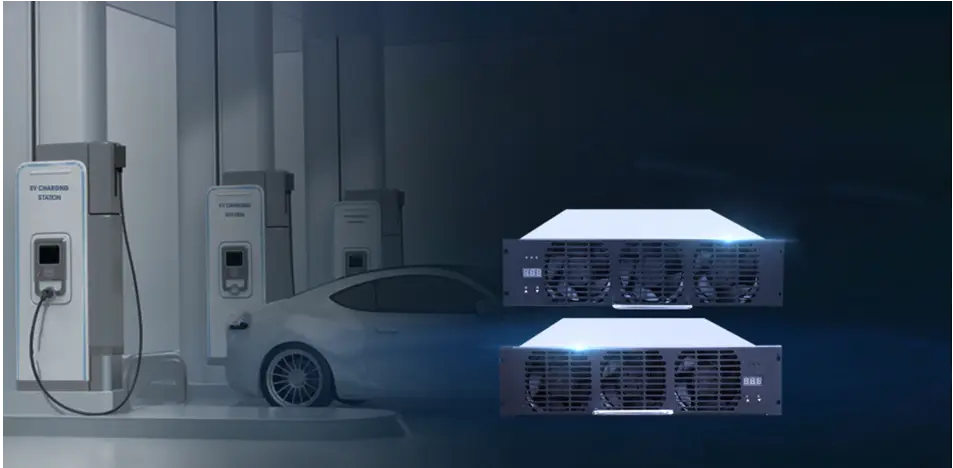
The reliability of a charging station is defined by its internal power modules. Historically, standard industrial air-cooled modules suffered from ingress of dust, moisture, and salt mist, leading to component failure. Today, the transition toward liquid-cooled power modules (40kW to 125kW) has drastically reduced failure rates by isolating sensitive electronics in hermetically sealed chambers.
Bidirectional V2G power modules (ranging from 20kW to 62.5kW) represent another critical technological milestone. By allowing electric vehicle fleets to act as mobile batteries that feed energy back to the grid during peak hours, fleet managers can turn energy consumption into a revenue stream. This bidirectional capability is a core feature for modern municipal transport networks and corporate campuses.
Tailored configurations from residential fast units to megawatt-level fleet dispensers.
Integrated Engineering Across Cables, Power Electronics, & System Integration
Shanghai Mida Cable Group Ltd. operates through its wholly owned subsidiaries: Shanghai Mida EV Power Co., Ltd., Shenzhen Mida EV Power Co., Ltd., and Shanghai Mida New Energy Co., Ltd. This strategic division of manufacturing capabilities ensures deep domain expertise at every layer of the charging station lifecycle.
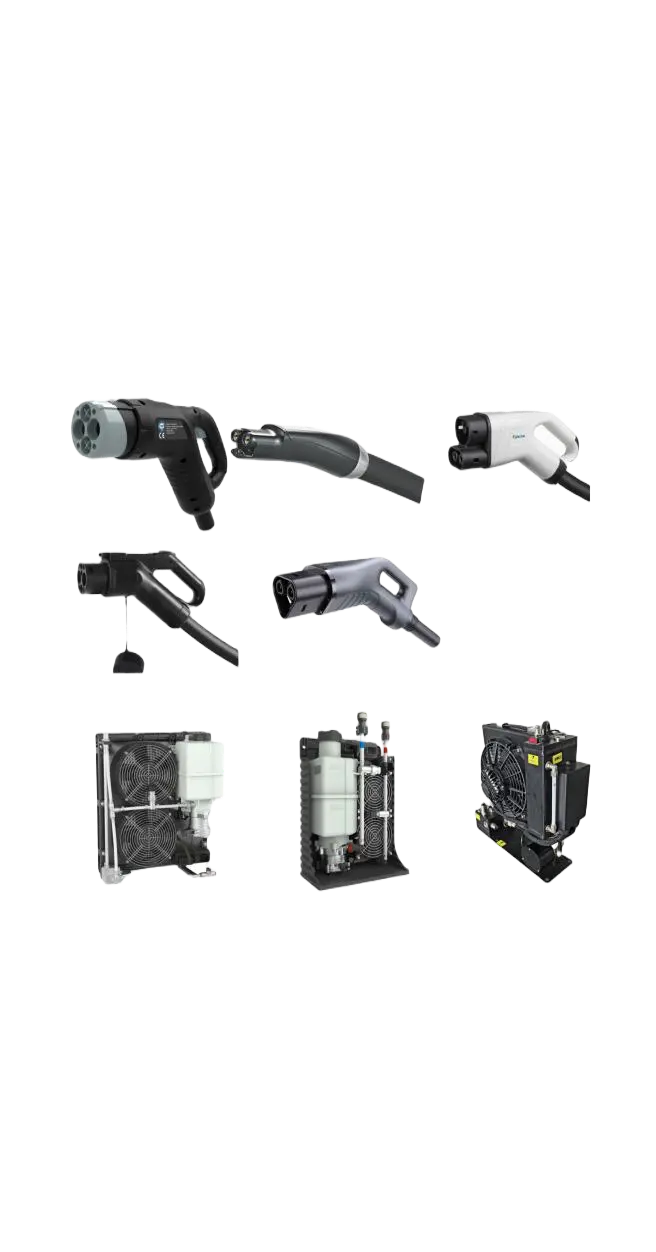
Mida Cable manufactures a comprehensive range of EV charging cables, including 16A–80A J1772 cables, 16A–63A IEC 62196-2 Type 2 cables, and heavy-duty DC fast charging cables: CCS1 (80A–500A), CCS2 (125A–1000A), CHAdeMO (125A–300A), GBT (200A–1000A), and NACS connectors (250A–600A).
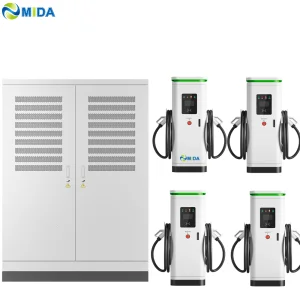
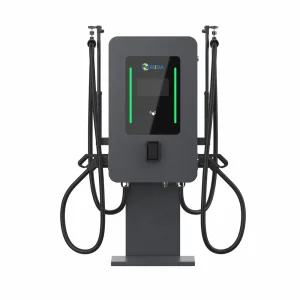
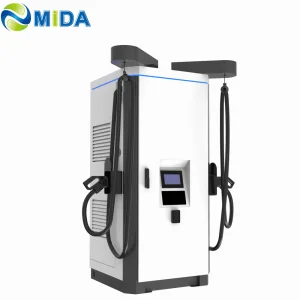
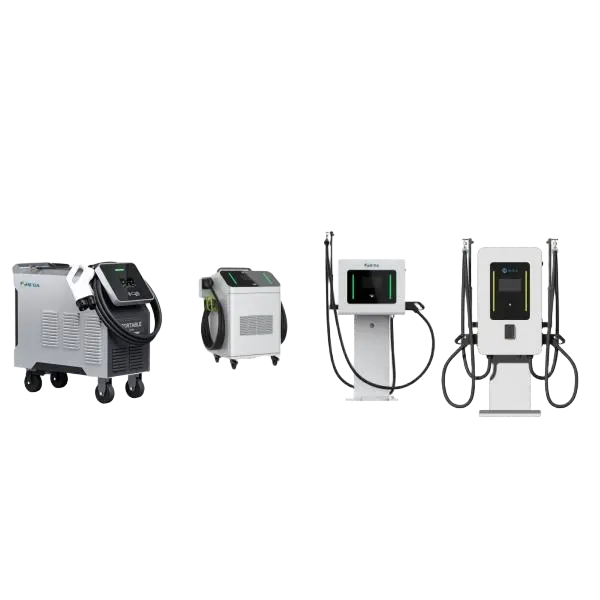
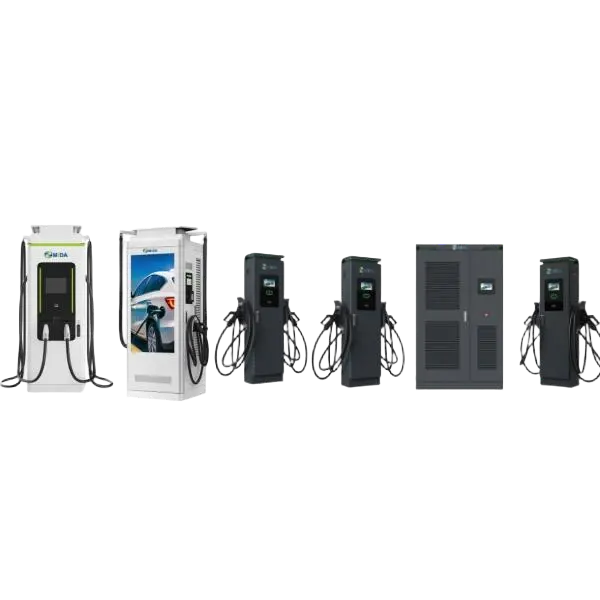
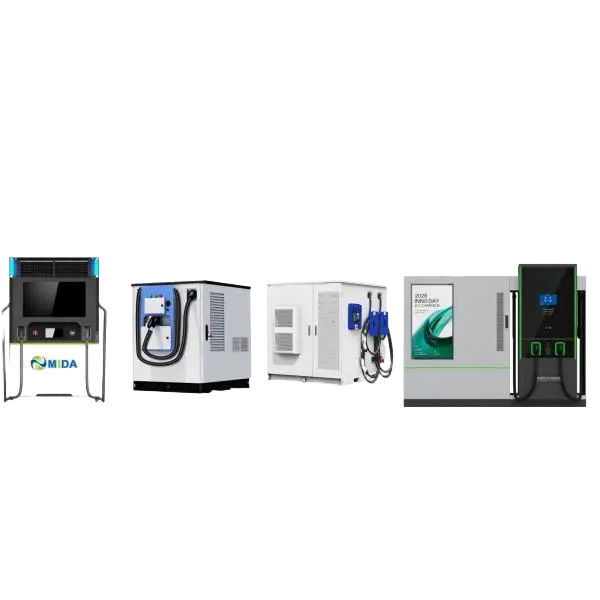
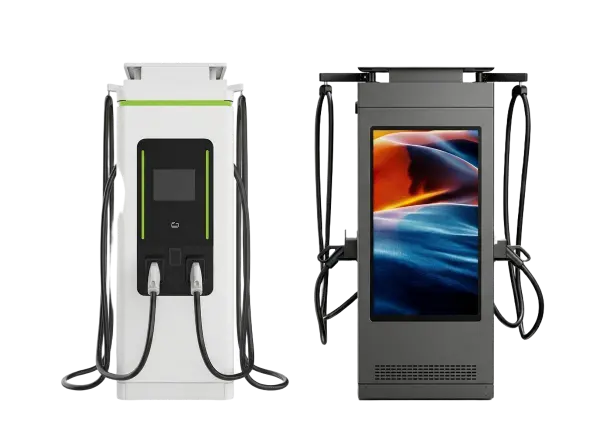
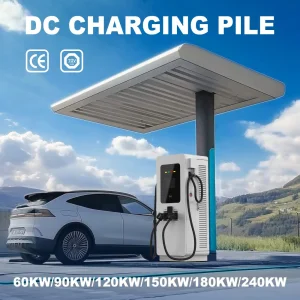
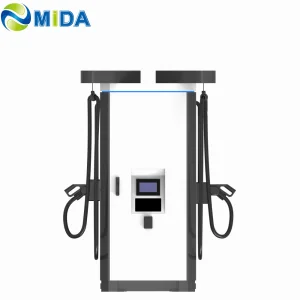
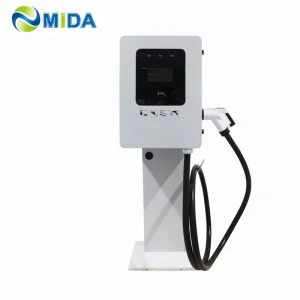
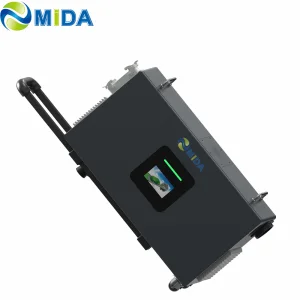
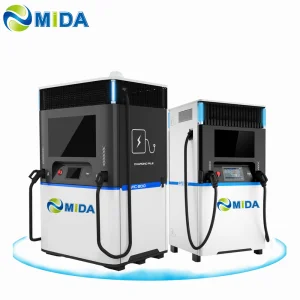
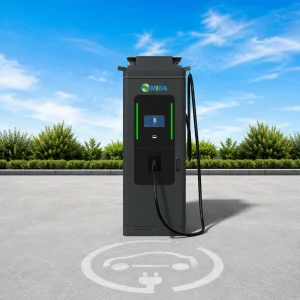
MIDA EV Power produces a full lineup of EV charging stations, such as 7kW–50kW mobile chargers, 3.6kW–7.2kW portable DC chargers, 360kW–1440kW split-type DC fast chargers, 20kW–50kW wall-mounted DC chargers, and 60kW–480kW floor-standing DC fast charging stations.
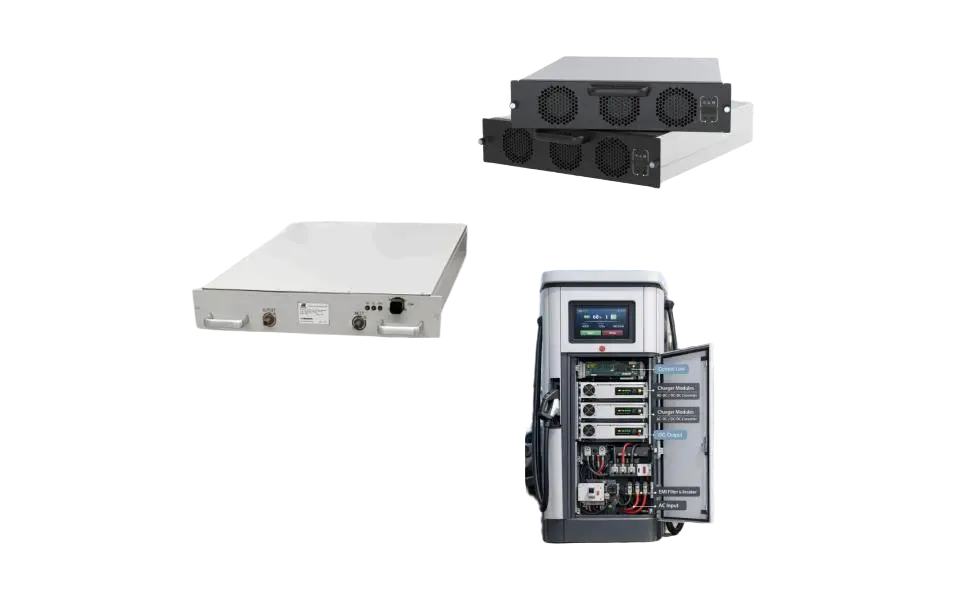
MIDA New Energy specializes in EV charger power modules, offering 20kW–60kW standard modules, 40kW–125kW liquid-cooled modules, 30kW–62.5kW bidirectional modules, and 20kW–45kW V2G charging modules.

Comprehensive grid compatibility and mechanical standards configured for direct deployment.
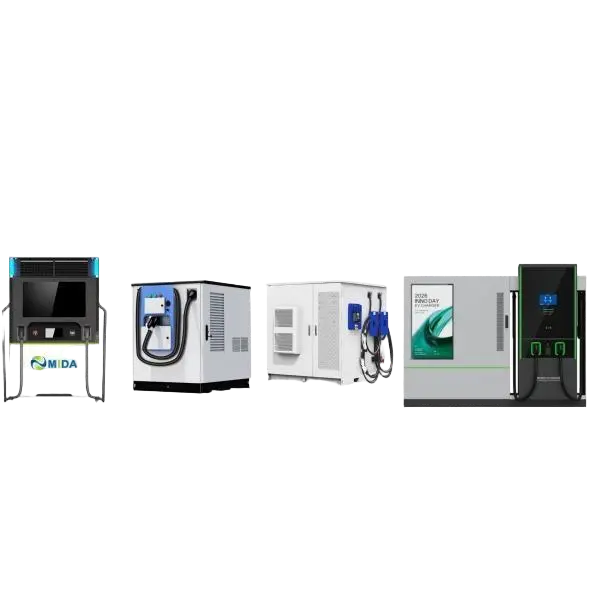
Deploying high-power charging assets requires meticulous planning around specific site templates. A one-size-fits-all hardware implementation leads to grid connection refusals, excessive utility demand charges, or underutilized assets. We support four key global site structures:
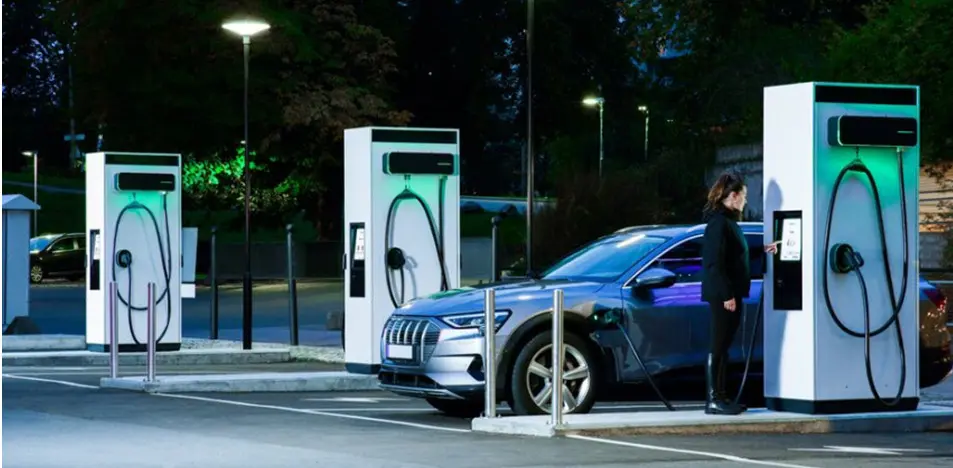
High-throughput corridors require 360kW to 1080kW split-type architectures. Multiple liquid-cooled dispensers pull dynamic power from a centralized, modular matrix cabinet. This minimizes dwell times for long-range traveler fleets.
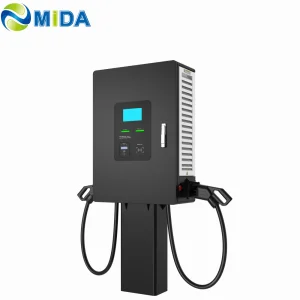
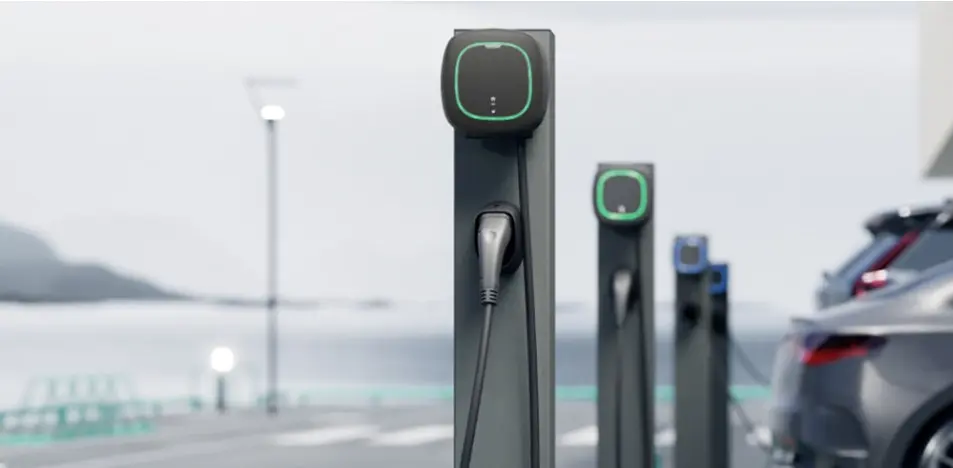
Retail properties demand mixed layouts of 20kW to 80kW wall-mounted DC fast chargers alongside standard AC units. Featuring integrated billing networks and advertising panels to maximize real estate revenue streams.
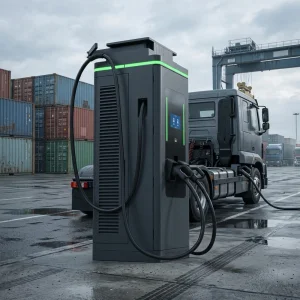
Delivery fleets depend on fast overnight turnarounds. Integrating 120kW to 240kW floor-mounted chargers with software-driven Dynamic Load Balancing (DLB) ensures vehicles are charged without exceeding utility thresholds.
Grid upgrades are expensive and slow, often delaying infrastructure projects by months or years. Our Battery Energy Storage Systems (BESS) offer a modular alternative. By buffering power into safe, high-density lifepo4 batteries during low-load intervals, the system delivers peak currents during fast charging sessions without impacting the surrounding distribution transformer.
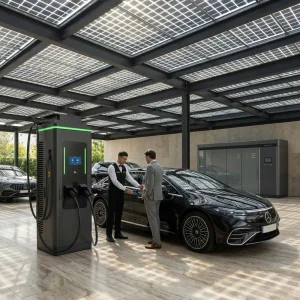
This localized microgrid approach is optimized when paired with rooftop photovoltaics. The integrated MPPT controller manages the transfer of solar-generated DC power directly to the battery storage banks, minimizing DC-AC-DC conversion losses. For fleet operators, this results in reduced energy costs and absolute operational independence from utility grid volatility.
Expert clarifications regarding compliance, interoperability, dynamic power allocation, and thermal control.
❓ How does MIDA resolve interoperability issues across European and North American standards?
Our hardware utilizes a standard-compliant controller running embedded software that supports ISO 15118 (including Part 2 and Part 20 for V2G) alongside DIN 70121. We verify signal timing and handshake states across major global EV platforms, including Tesla, Hyundai E-GMP, Volkswagen MEB, and BYD buses. Physical connectivity is managed via certified modular liquid-cooled or air-cooled cables configured for CCS1, CCS2, or NACS.
❓ What is the advantage of OCPP 2.0.1 compared to older OCPP 1.6J protocols?
OCPP 2.0.1 offers significant security enhancements over 1.6J, including TLS encryption, certificate management, and secure firmware updates. Additionally, it supports complex Smart Charging profiles, permitting granular load shedding commands directly from the utility operator. It also provides advanced diagnostic options, letting operators monitor individual power modules remotely to plan preventative maintenance before hardware failure occurs.
❓ How does dynamic power allocation work in split-type DC charger designs?
Our split-type chargers (360kW to 1440kW) use a dynamic matrix switching cabinet. Instead of assigning a fixed power output to a specific cable, the internal controller evaluates the State of Charge (SoC) and power capacity of each connected vehicle. Power modules (typically 30kW or 40kW increments) are dynamically allocated in real-time. For instance, if one car is at 90% SoC (drawing low current) and another is at 10% SoC, the system shifts modules to the vehicle that can accept higher charging speeds, maximizing total facility output.
❓ What safety measures are implemented for BESS charging units?
All BESS-integrated cabinets use premium Lithium Iron Phosphate (LiFePO4) chemistry due to its thermal stability. The system features a multi-tiered Battery Management System (BMS) that monitors cell voltages, temperatures, and internal resistance. Physical safety features include localized aerosol or gas fire suppression systems, IP55/IP65 structural ratings, and built-in insulation monitoring detect ground leakage faults immediately.
Fully certified DC fast charging infrastructure ready for global procurement.
Discover current updates in high-capacity electric bus interfaces and pantograph developments.
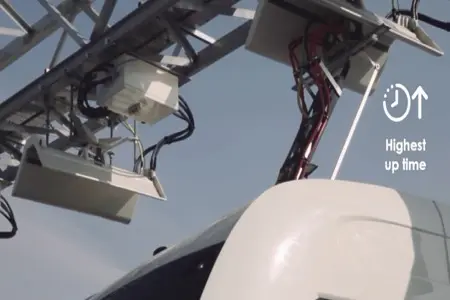
What are the advantages of an e-bus pantograph dome? In contrast to classic plug-in charging systems, e-bus pantograph domes allow automated, high-power contact connections, reducing manual handling and accelerating charging speeds for urban transit networks.
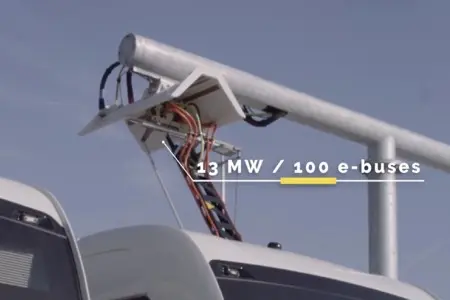
How long does it take to charge with an e-bus pantograph? The charging time depends on the battery capacity and the power output of the charging system. Megawatt-level connection interfaces can restore typical urban route capacities in under 10 minutes.
How to Install the Pantograph Up Charger System Dome for Electric Bus. Installing a “Pantograph Up” system requires specialized structural alignment, calibrated contact bars, and integrated telemetry to ensure safety compliance during docking.