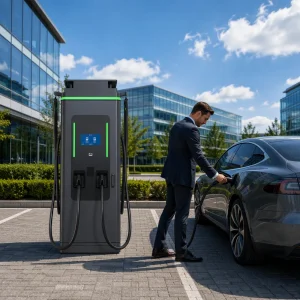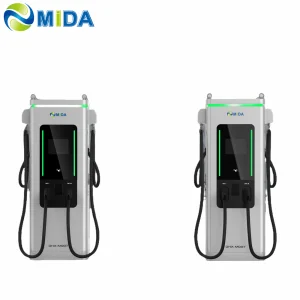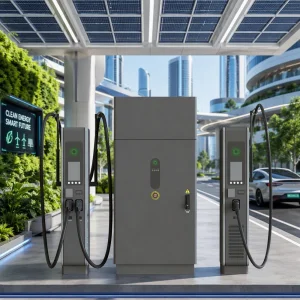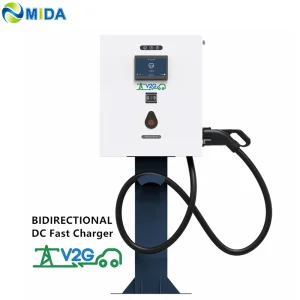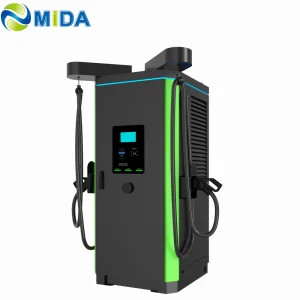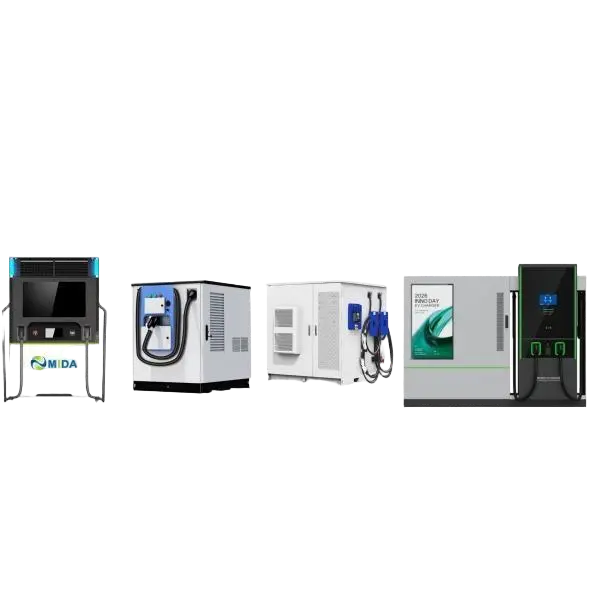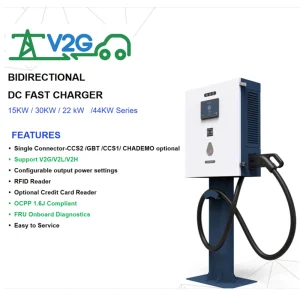
High-performance charging stations featuring universal connectivity, advanced power distribution modules, and robust safety mechanisms optimized for international EV markets.
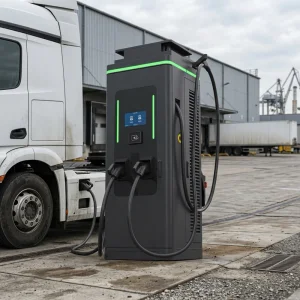
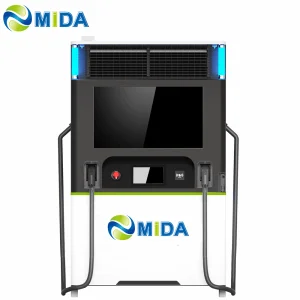
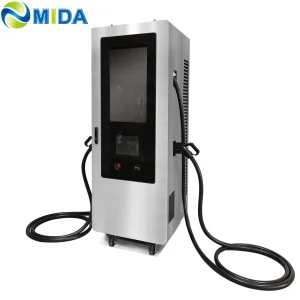
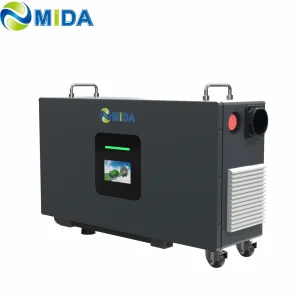
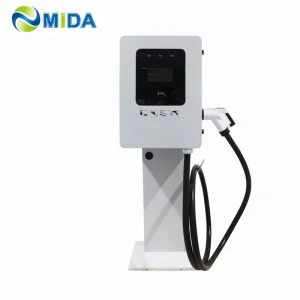
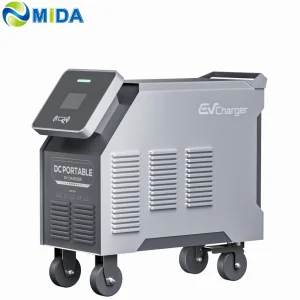
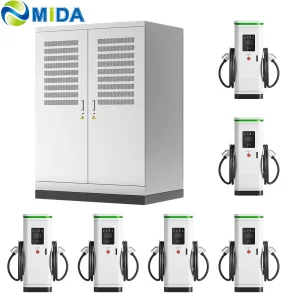
The global transition to electric mobility has triggered intense standard competition. Despite the proliferation of the Combined Charging System (CCS) and the North American Charging Standard (NACS), the CHAdeMO standard remains a vital and highly resilient pillar in international EV infrastructure. Originally developed in Japan, CHAdeMO stands out as the pioneer of native bidirectional DC charging—commonly known as V2X (Vehicle-to-Everything) or V2G (Vehicle-to-Grid).
For operators of commercial EV fleets, municipality systems, and microgrids in Japan, parts of Europe, and developing regions, sustaining and updating CHAdeMO-compatible hardware is a strategic priority. This demand ensures continuous business viability for legacy fleets (such as Nissan LEAF, Mitsubishi Outlander PHEV) while integrating modern high-voltage architectures. To address this diverse environment, modern suppliers from China engineer multi-protocol charging piles. These units combine CCS1/2, CHAdeMO, and NACS outputs on a single DC bus, providing flexible power sharing and future-proofing fleet investments.
As grid congestion escalates worldwide, the importance of V2G-enabled CHAdeMO chargers has surged. Fleet operators now utilize bidirectional vehicles as distributed energy resources (DERs). They discharge power back to the grid during peak demand intervals to generate revenue and offset peak demand charges. This operational capability highlights the need for advanced engineering, robust thermal management, and reliable grid synchronization systems—the exact core competencies of modern industrial manufacturing plants in China.
Engineered to support global charge point operators (CPOs) and fleet depots with state-of-the-art power distribution and reliable connectivity.
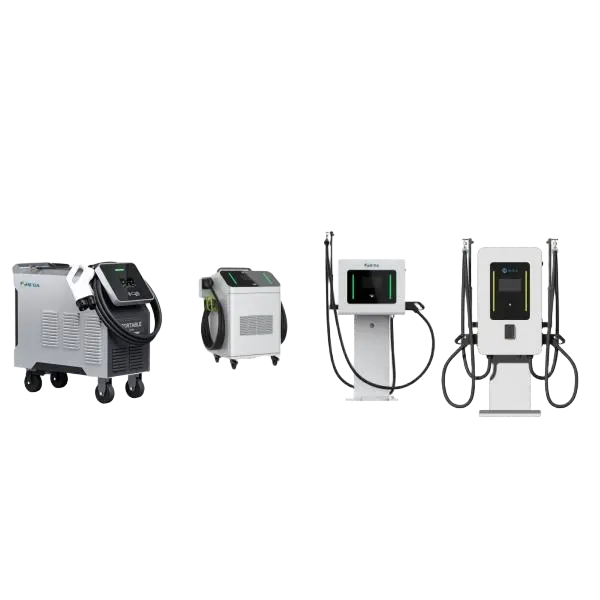
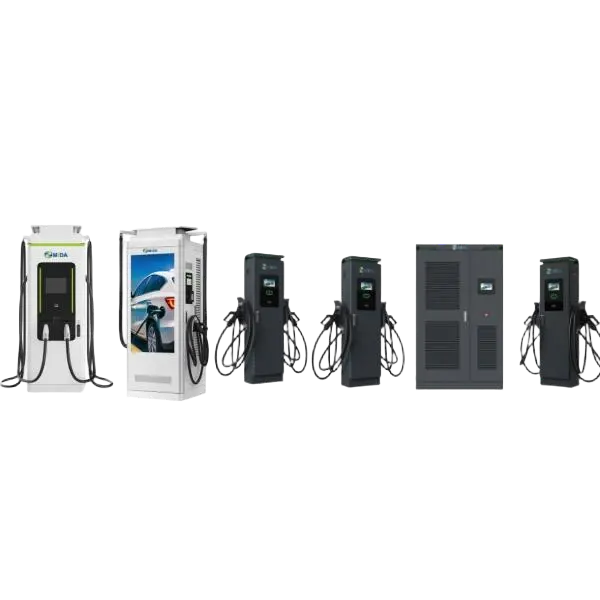
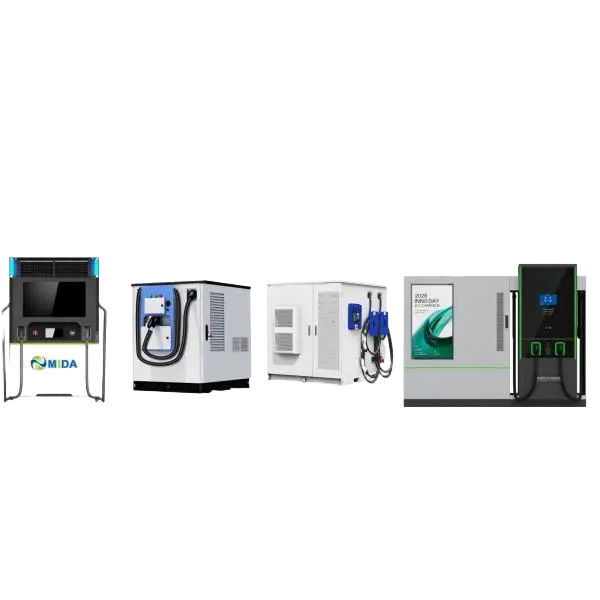
Shanghai Mida Cable Group Ltd. operates through its wholly owned subsidiaries: Shanghai Mida EV Power Co., Ltd., Shenzhen Mida EV Power Co., Ltd., and Shanghai Mida New Energy Co., Ltd. This structure guarantees complete control over the supply chain, ensuring high-quality output and reliable integration for our global clientele.
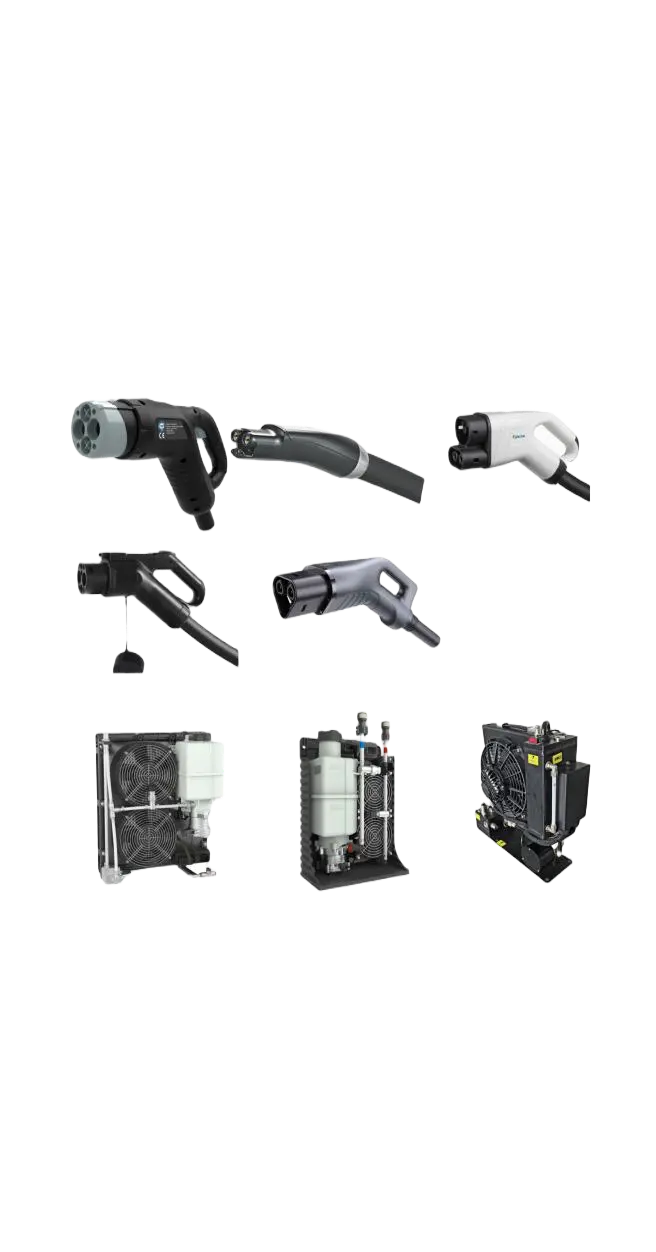
Mida Cable manufactures a comprehensive range of EV charging cables, including 16A–80A J1772 cables, 16A–63A IEC 62196-2 Type 2 cables, and premium DC fast charging cables: CCS1 (80A–500A), CCS2 (125A–1000A), CHAdeMO (125A–300A), GBT (200A–1000A), and NACS connectors (250A–600A).
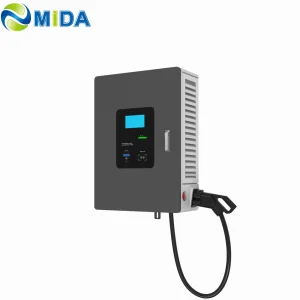
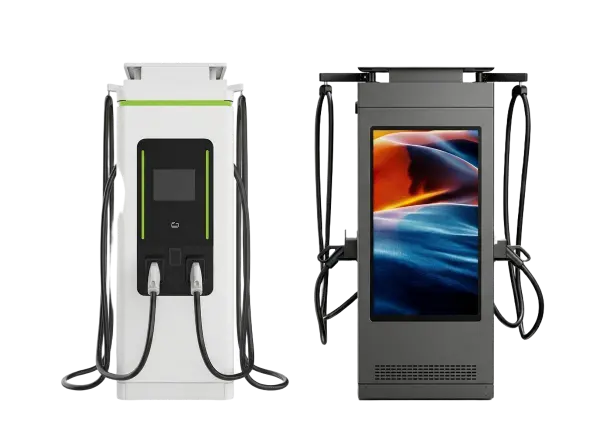
MIDA EV Power produces a full lineup of EV charging stations, such as 7kW–50kW mobile chargers, 3.6kW–7.2kW portable DC chargers, 360kW–1440kW split-type DC fast chargers, 20kW–50kW wall-mounted DC chargers, and 60kW–480kW floor-standing DC fast charging stations.
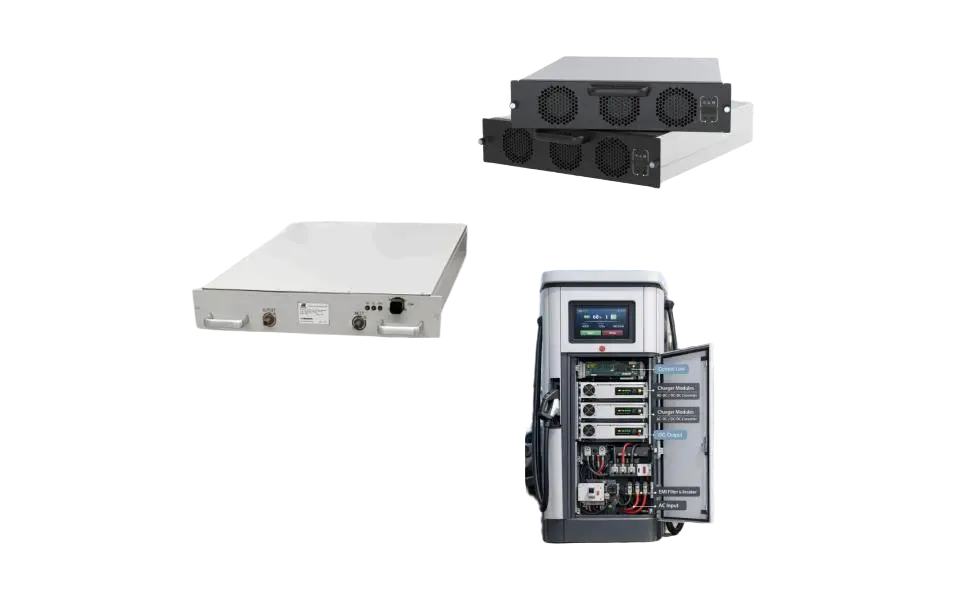
MIDA New Energy specializes in EV charger power modules, offering 20kW–60kW standard modules, 40kW–125kW liquid-cooled modules, 30kW–62.5kW bidirectional modules, and 20kW–45kW V2G charging modules.

Tailored engineering strategies designed to meet the demands of modern municipal, logistical, and commercial charging ecosystems.
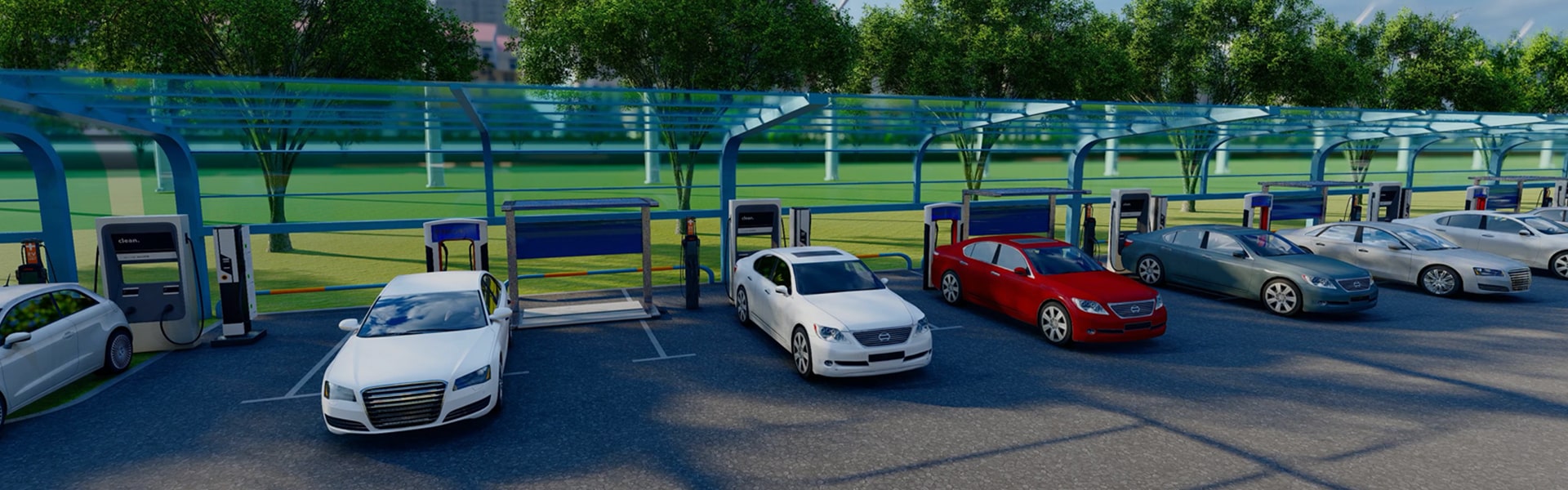
1. Multi-Protocol Commercial Hubs: In regions transitioning from legacy standards to modern CCS or NACS infrastructures, charge point operators face the challenge of serving diverse vehicle portfolios. Our dual-gun and tri-gun charging stations allow dynamic energy allocation between CCS2 and CHAdeMO connectors. This ensures CPOs can capture maximum market share without deploying multiple standalone power cabinets.
2. Grid-Tethered Logistics Depots (Vehicle-to-Grid): Fleet operators managing corporate delivery vans or municipal transport buses use MIDA's V2G CHAdeMO systems to convert vehicles into localized energy storage systems. During periods of high utility pricing, these systems draw power from the fleet's batteries to run warehouse facility operations. This strategy reduces utility expenses and provides critical support to local power grids.
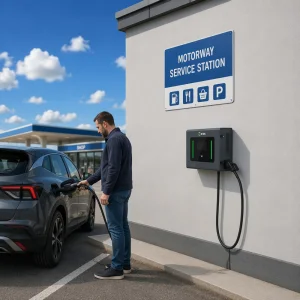
3. Off-Grid & Hybrid Solar EV Charging: For remote installations, microgrids, and highway service stations, MIDA integrates its MPPT power modules and Battery Energy Storage Systems (BESS) with DC charging stations. This combination facilitates continuous fast charging in areas with limited grid access, ensuring reliable operation without expensive utility infrastructure upgrades.
Explore our technical portfolio, from internal power converter modules to liquid-cooled high-power connectors.
Navigating the transition to High-Power Charging (HPC) and smart energy management protocols.
The roadmap for CHAdeMO and global DC fast-charging standards focuses on two main developments: ultra-high power outputs and bidirectional smart integration. While early CHAdeMO deployments delivered 50kW, modern applications require fast charging rates between 150kW and 900kW. This evolution has led to the joint development of the ChaoJi (CHAdeMO 3.0) standard by Chinese and Japanese engineering consortiums. This protocol enables charging rates up to 900kW, supporting the global transition to high-power, liquid-cooled charging systems.
A key focus of this technical progression is the implementation of the OCPP 2.0.1 and ISO 15118 protocols. These standards enable advanced security, plug-and-charge authorization, and detailed diagnostic reporting. The integration of liquid cooling systems in both charging cables and modular power racks allows MIDA chargers to maintain peak current delivery without thermal throttling. This design ensures consistent performance and longevity in challenging operating environments.
Stay updated on our latest engineering breakthroughs and project deployments around the globe.
Expert answers to key engineering, integration, and procurement questions for charge point operators.
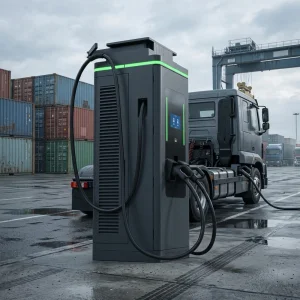
Engineered to support heavy-duty operations, featuring high efficiency, advanced thermal management, and reliable grid protection.