Shanghai Mida Cable Group Ltd. operates through its wholly owned subsidiaries: Shanghai Mida EV Power Co., Ltd., Shenzhen Mida EV Power Co., Ltd., and Shanghai Mida New Energy Co., Ltd. Our vertical integration is our greatest operational asset, enabling us to design, manufacture, and distribute critical EV infrastructure components from raw raw material processing to final high-power terminal deployment.
Mida Cable manufactures a comprehensive range of EV charging cables, including 16A–80A J1772 cables, 16A–63A IEC 62196-2 Type 2 cables, and DC fast charging cables: CCS1 (80A–500A), CCS2 (125A–1000A), CHAdeMO (125A–300A), GBT (200A–1000A), and NACS connectors (250A–600A).
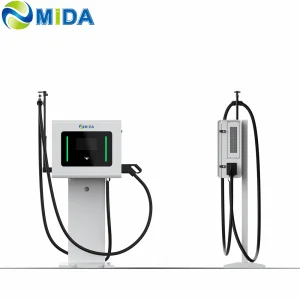
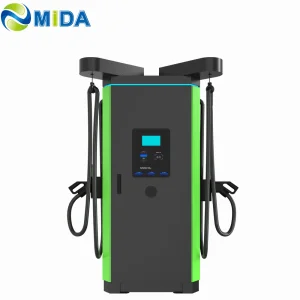
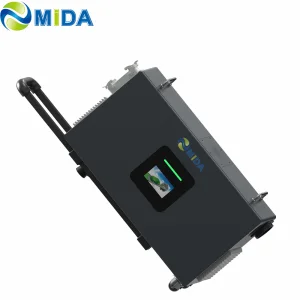
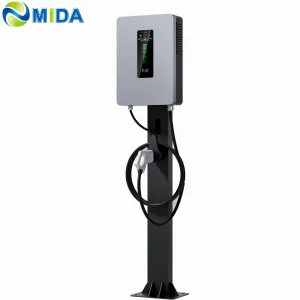
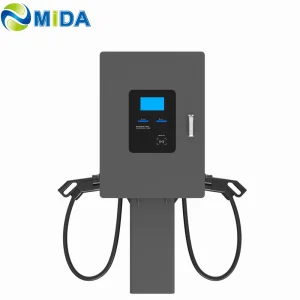
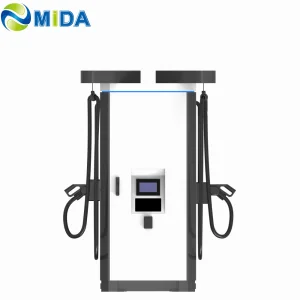
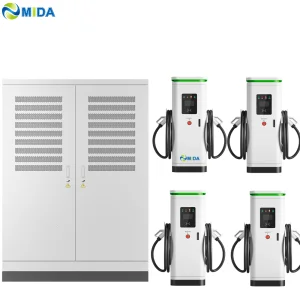
MIDA EV Power produces a full lineup of EV charging stations, such as 7kW–50kW mobile chargers, 3.6kW–7.2kW portable DC chargers, 360kW–1440kW split-type DC fast chargers, 20kW–50kW wall-mounted DC chargers, and 60kW–480kW floor-standing DC fast charging stations.
MIDA New Energy specializes in EV charger power modules, offering 20kW–60kW standard modules, 40kW–125kW liquid-cooled modules, 30kW–62.5kW bidirectional modules, and 20kW–45kW V2G charging modules.

Over 150,000 DC power modules & charging stations dispatched globally.
Over 80+ patents in liquid-cooling dissipation and power matrix algorithms.
Direct CE, TUV, ETL, UL, RCM, and RoHS certification capabilities.
100% in-house component assembly, from cable extrusion to PCB soldering.
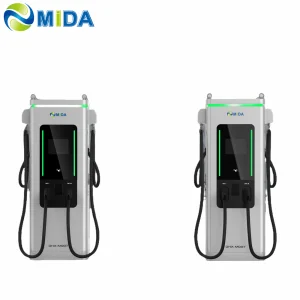
The demand for rapid electric vehicle refueling is shifting from traditional low-power destination chargers to high-power DC infrastructure. At the absolute center of this structural transition sits the 240kW DC Fast Charging Station. Utilizing state-of-the-art silicon carbide (SiC) switching topology within our power conversion modules, MIDA factories deliver an industry-leading power density that drastically reduces thermal loss and footprint.
By designing and manufacturing both the EV Charging Power Modules and the DC Charging Connectors under one roof, our production line eliminates impedance mismatches, ensuring a reliable power factor of >0.99 at peak utilization. Our 240kW configuration supports dynamic load balancing, permitting dual-gun output configuration (e.g., splitting into 120kW + 120kW, or dynamically channeling the full 240kW to a single heavy-duty commercial vehicle).
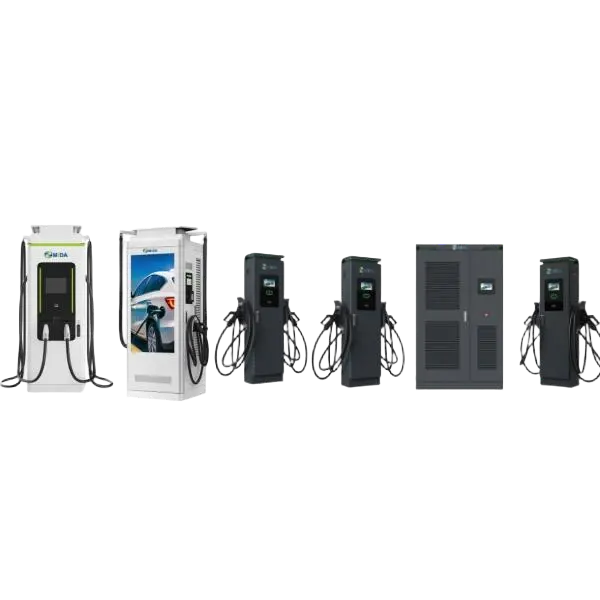
| System Architecture Parameter | 240kW DC Fast Charging Station Standard Specification |
|---|---|
| Input Voltage & Grid Topology | 3-Phase 380V/400V/480V AC (±15%), 3P+PE (no neutral required for standard configuration) |
| Total Output Power Capability | 240kW Max (Configurable modular increment step of 20kW / 30kW / 40kW modules) |
| Output Voltage Range | 150V DC - 1000V DC (High-voltage design optimized for 800V EV architectures) |
| Connector Support Options | Dual Guns: CCS1, CCS2, NACS, GBT or CHAdeMO (Combinations configurable) |
| Power Conversion Efficiency | > 96.5% at rated operating conditions |
| Enclosure IP / NEMA Protection | IP54 minimum (IP55 optional for extreme coastal/desert zones), IK10 impact proof |
| Communication & Smart Protocols | OCPP 1.6 JSON / OCPP 2.0.1; ISO 15118 (Plug & Charge capability) |
| User Authentication & Connectivity | RFID/NFC Card, QR Code App payment, POS Terminal Integration, 4G / Wi-Fi / Ethernet |
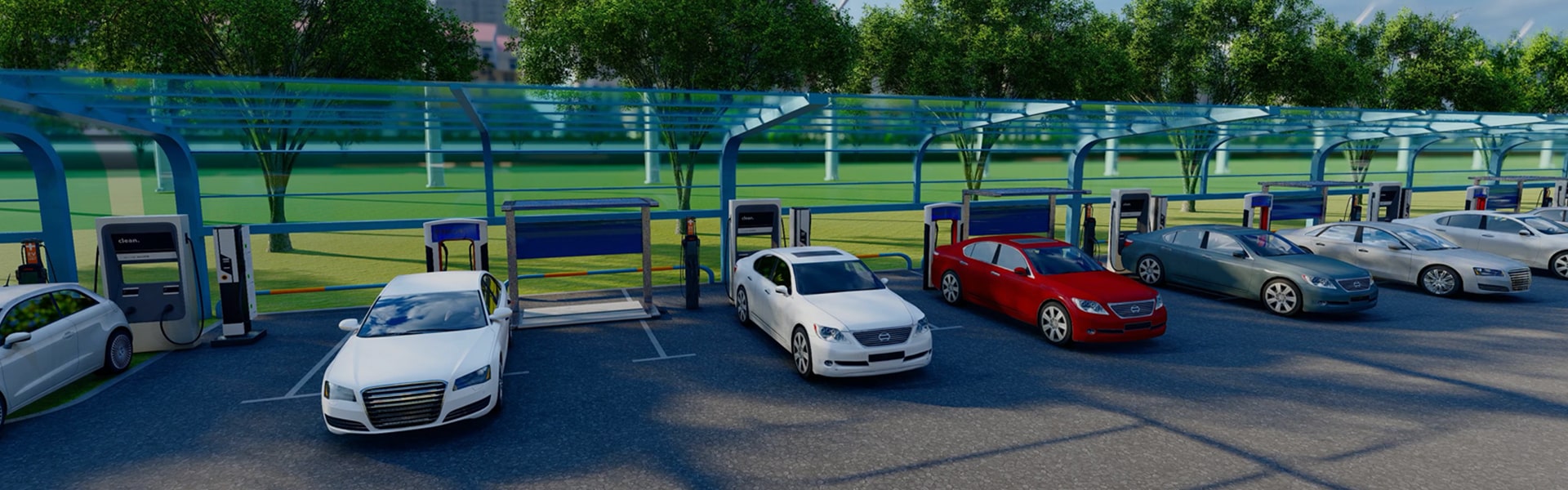
When purchasing 240kW DC Fast Chargers, securing capital cost efficiency while ensuring high reliability is paramount. As a leading manufacturer based in China's advanced manufacturing hubs, MIDA Group leverages an unparalleled local ecosystem. We procure raw copper, structural plastics, and semiconductor modules directly within a 100km radius, reducing logistical delays and transport costs.
Unlike Western assembly plants that rely heavily on imported components, our vertical integration means that we manufacture our own cables, plugs, power modules, and sheet metal enclosures. This gives us full end-to-end quality assurance (QA) and insulates our customers from global supply chain shocks.
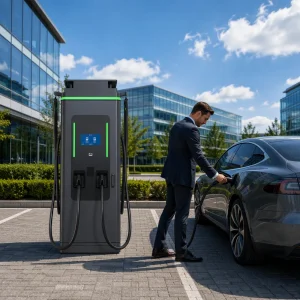
240kW delivers up to 150-200 km of range in as little as 10-15 minutes of charging, keeping inter-city transit flowing smoothly with minimum dwell time.
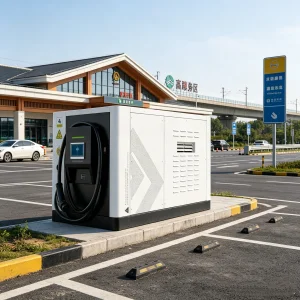
Perfect for overnight depot infrastructure. High voltage (up to 1000V) charging capability accommodates commercial medium and heavy-duty logistics fleets.
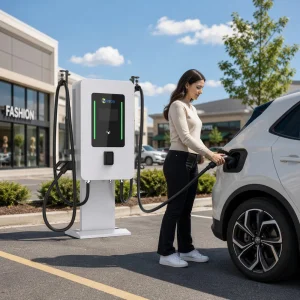
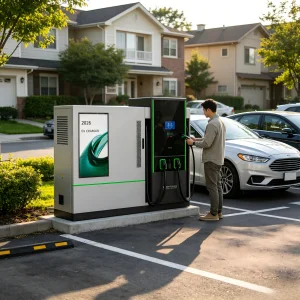
Integrated with advertising displays or payment terminals, creating secondary revenue streams while providing utility to retail customers and fleet drivers.
Exporting heavy infrastructure requires strict compliance. MIDA’s 240kW stations are engineered to support all major global protocols including DIN 70121, ISO 15118, CHAdeMO 2.0, and regional grid connection codes. With local field engineering partners in Europe, North America, and Australia, we provide commission guidance, firmware diagnostic assistance, and spare parts supply chains.
Our R&D teams are shaping the future of industrial-scale high-power charging, focusing on structural modularity, grid balancing, and sustainable operations.
Expanding our portfolio of bidirectional AC-DC modules (20kW–60kW) to integrate full vehicle-to-grid capabilities. Allowing fleets to discharge energy back to the grid during peak pricing hours.
Developing lightweight 500A+ liquid-cooled cables and power module frameworks to reduce system footprint by 40% and eliminate high ambient cooling noise in residential commercial areas.
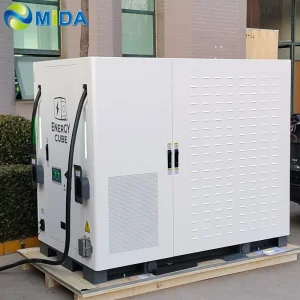
Coupling our mobile and floor-standing high power DC stations with solid-state BESS (Battery Energy Storage Systems) to lower infrastructure strain on weak local power distribution grids.
Explore the primary operational fields of MIDA Group. Select from our core product lines below for dedicated component details, configurations, and quotation options.
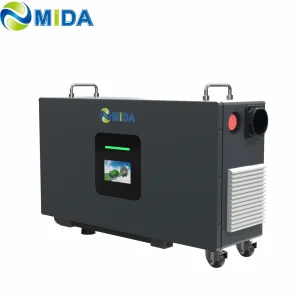
Output capacity ranges: 7kW, 20kW, 30kW, 40kW, 60kW, to 80kW. High portability and space efficiency.
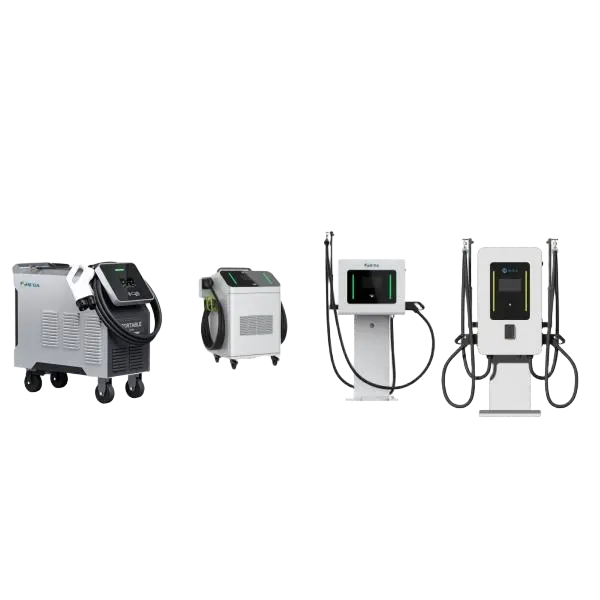
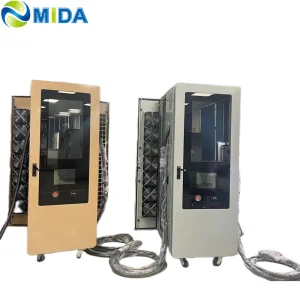
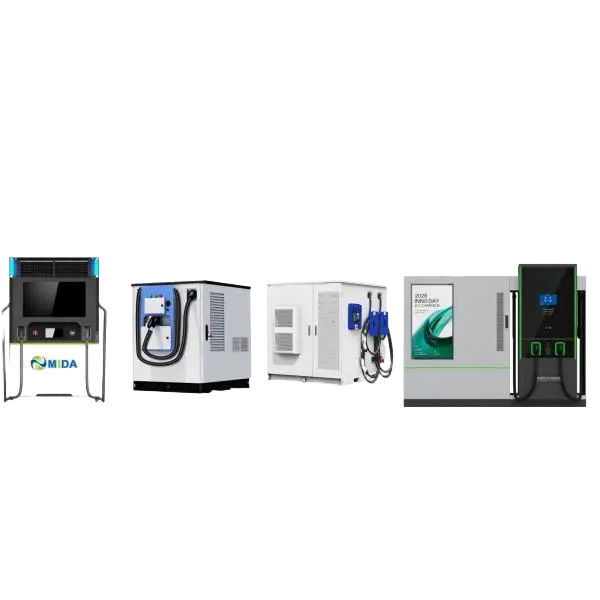
Ultra high-power systems ranging from 60kW-480kW up to 360kW-1440kW split systems.
Integrated buffer capabilities: 60kWh, 261kWh, 418kWh, 625kWh up to 2MWh battery arrays.
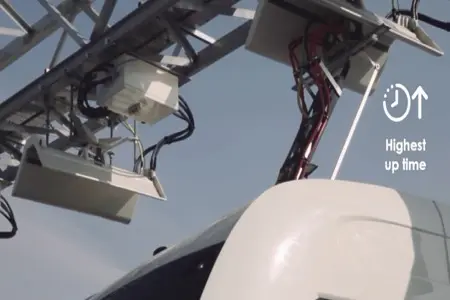
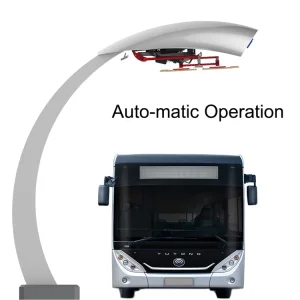
What are the advantages of an e-bus pantograph dome? In contrast to classic plug-in charging systems, e-bus pantograph charging allows for fully automated, high-power overhead charging, reducing labor risk and optimizing space utilization in tight transit yards.
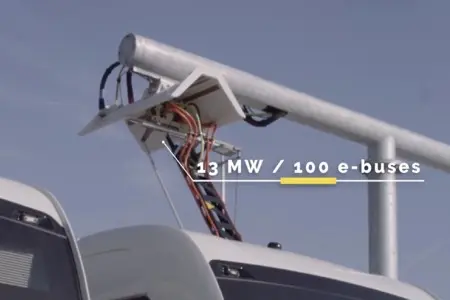
How long does it take to charge with an e-bus pantograph? The charging time depends on the battery capacity and the charging station's rated power output. High power modules allows modern fleets to reach 80% charge in less than 30 minutes.
How to Install the Pantograph Up Charger System Dome for Electric Bus. Installing a "Pantograph Up" system requires precise positioning, robust mechanical structural assembly, and integrated communications to enable safety handshakes between transit vehicles and overhead terminals.