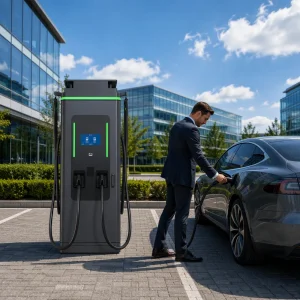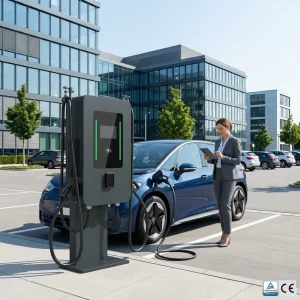
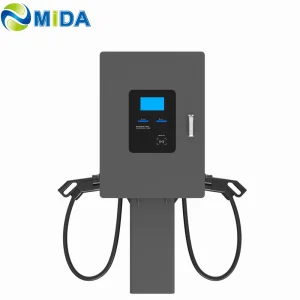
As the global transit infrastructure transitions away from combustion engines, electric vehicle charging demands are shifting rapidly toward high-power density configurations. Among the available range, the 180kW DC Fast Charger represents a crucial architectural nexus. Positioned at the threshold of ultra-fast charging, 180kW power levels represent the optimal balance between installation footprint, grid connection costs, and fast charging velocity.
In the context of the European Union's Alternative Fuels Infrastructure Regulation (AFIR) and the United States' National Electric Vehicle Infrastructure (NEVI) formula program, grid-tied fast chargers operating between 150kW and 180kW are the standard for main transit corridors. These regulatory drivers mean international procurement teams must focus on sourcing robust, certified, and compliant charging hardware from verified tier-1 suppliers in China.
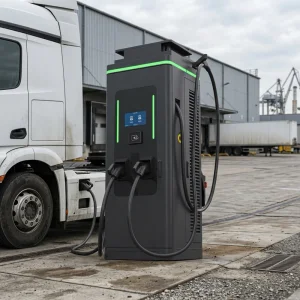
Information Gain Perspective: Unlike basic AC structures or low-capacity DC models, a 180kW charger configuration from experienced manufacturers handles dual output dynamic load sharing. This allows two vehicles to charge concurrently at 90kW each, or a single heavy commercial truck to utilize the full 180kW capacity. This dual functionality optimizes utility, boosts return on investment (ROI) for network operators, and lowers demand charge impacts on municipal electrical systems.
MIDA Group delivers advanced design, engineering, and manufacturing across the full spectrum of modern electric vehicle charging topologies.
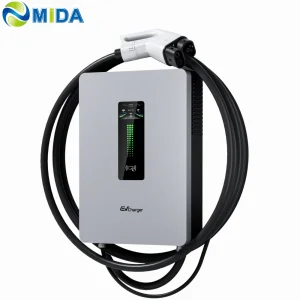
Optimized for residential environments, office buildings, and destination sites, our AC systems feature smart grid integration and robust construction.
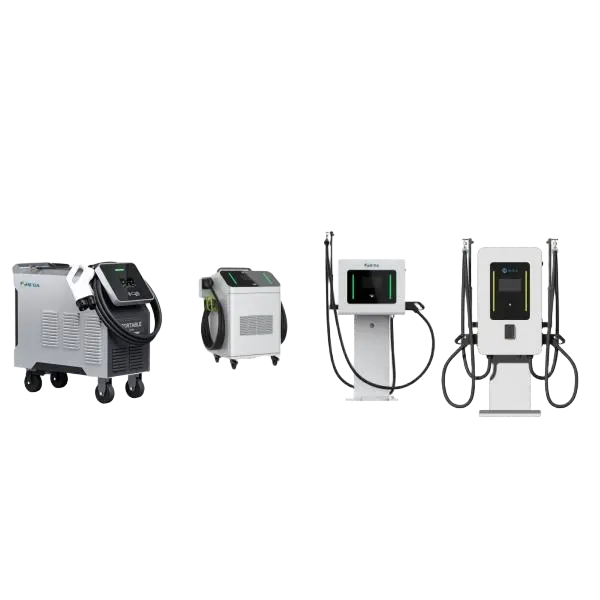
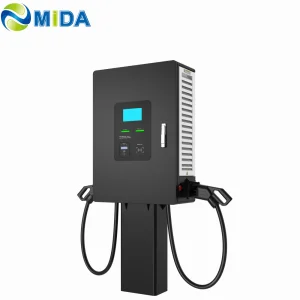
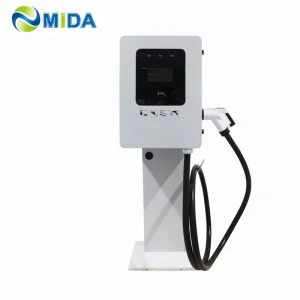
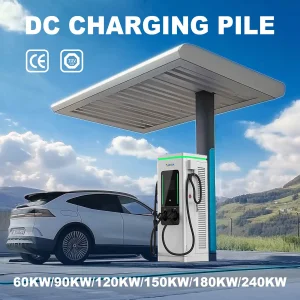
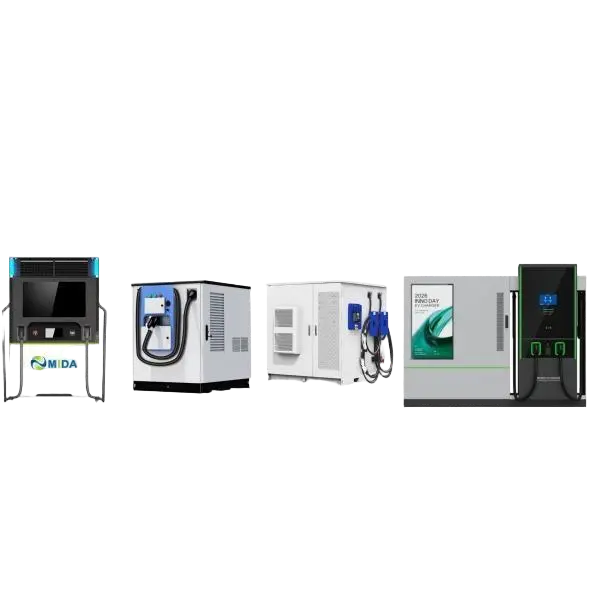
Compact form factor with high-power DC performance. Perfect for fleet workshops, vehicle logistics centers, and flexible service point charging.
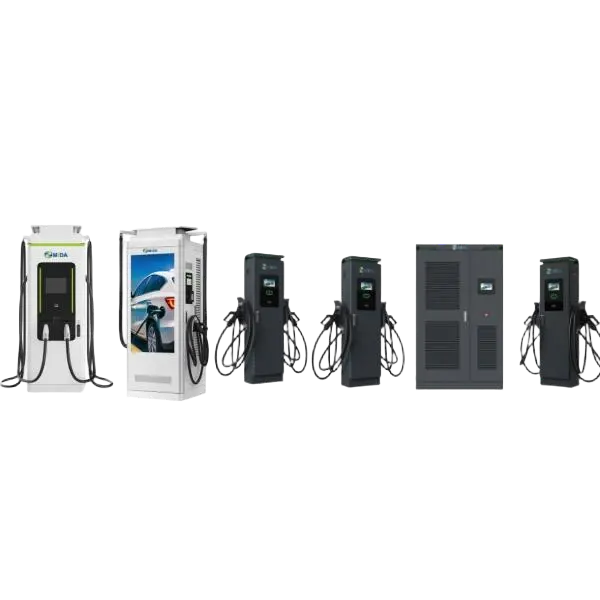
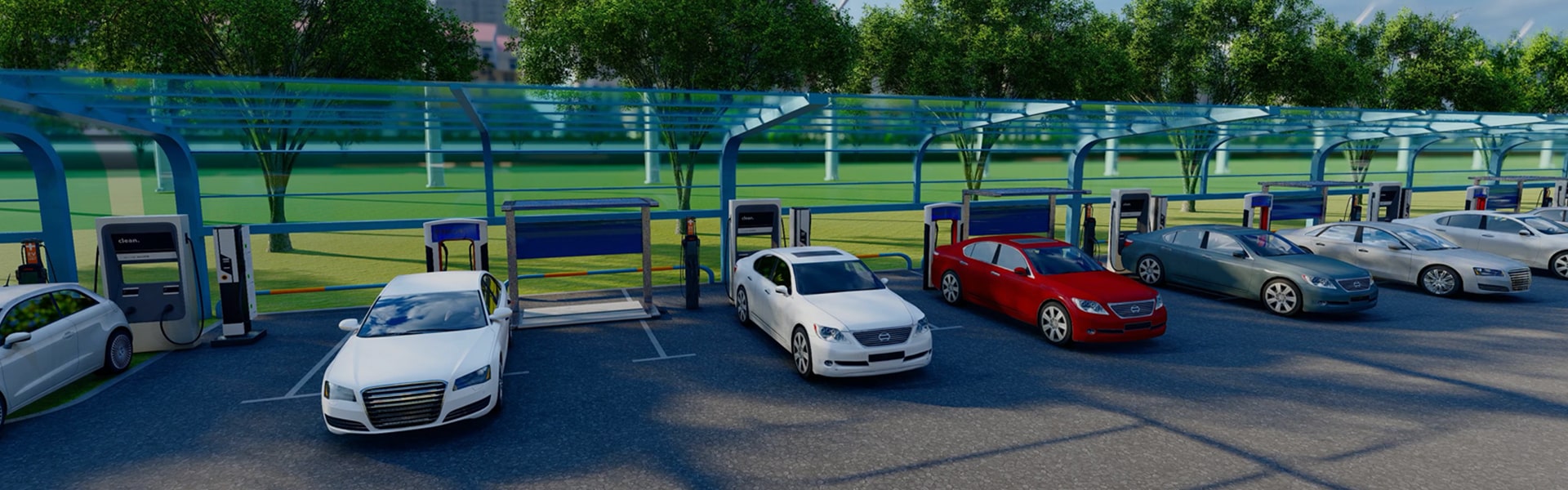
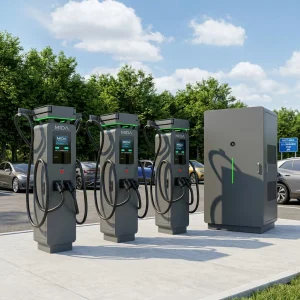
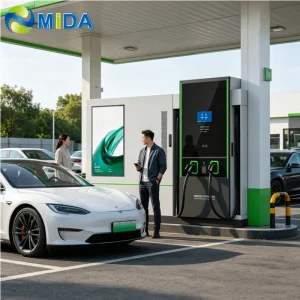
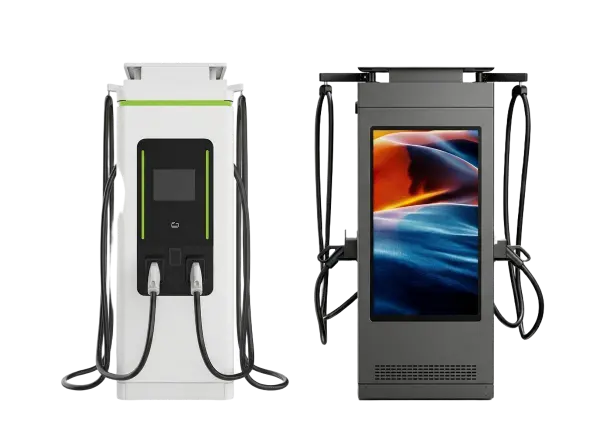
Commercial-grade fast charging stations engineered for high throughput, public networks, and regional freight corridors.
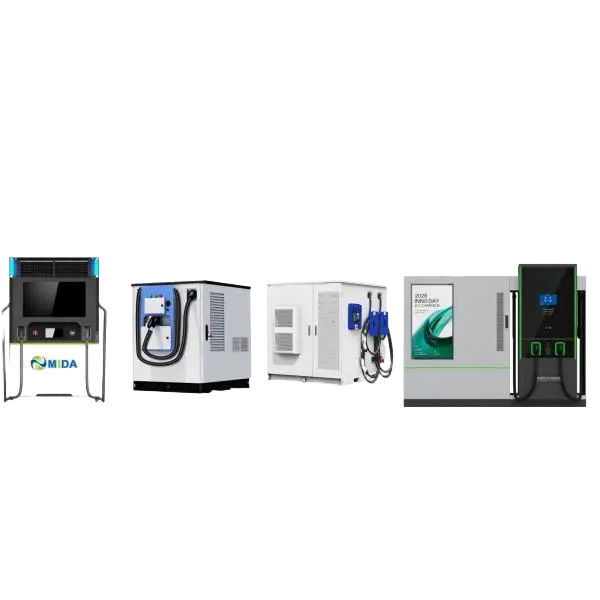
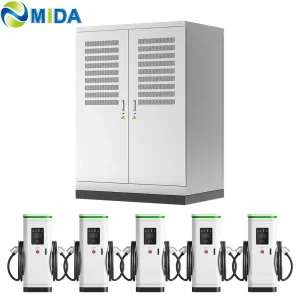
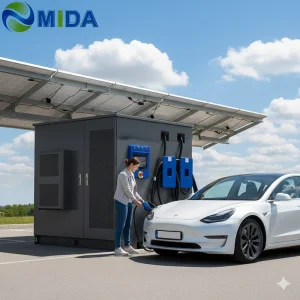
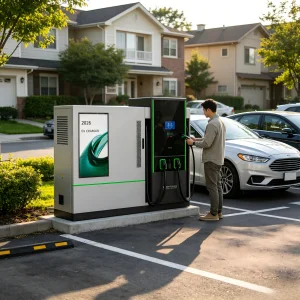
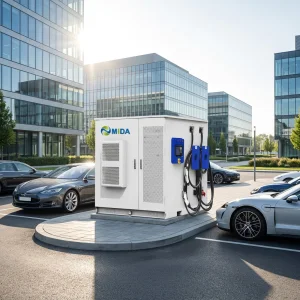
Battery integrated EV fast chargers designed to bypass local grid constraints. Provides high-power charging even in locations with weak grid access.
Shanghai Mida Cable Group Ltd. operates through its wholly owned subsidiaries: Shanghai Mida EV Power Co., Ltd., Shenzhen Mida EV Power Co., Ltd., and Shanghai Mida New Energy Co., Ltd. As a vertically integrated manufacturer, we specialize in high-efficiency components, charging power cables, power conversion modules, and full-scale EVSE systems.

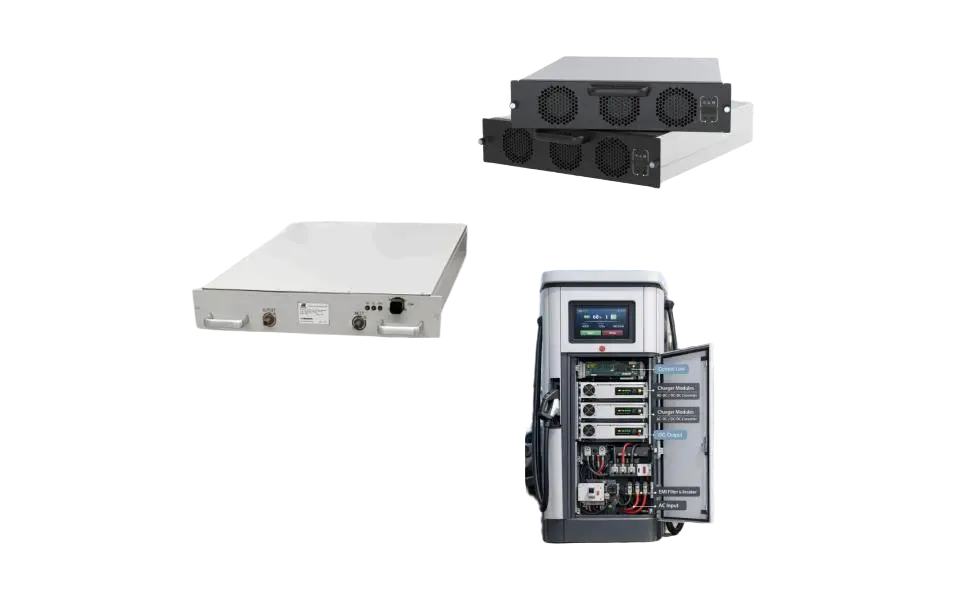
A high-quality 180kW charger relies on advanced power conversion design. Traditional designs utilized lower-density 15kW modules, which increased complexity, wiring points, and failure risk. MIDA’s 180kW chargers utilize high-density 30kW or 40kW power modules, reducing internal complexity while improving heat dissipation, reliability, and service lifespan.
| Technical Specification Parameter | Standard Air-Cooled Configuration | Advanced Hybrid/Liquid-Cooled Configuration |
|---|---|---|
| Nominal Output Power | 180 kW (Variable Matrix Distribution) | 180 kW Continuous at high ambient temperatures |
| Output Voltage Range | 150 VDC – 1000 VDC (Wide range) | 150 VDC – 1000 VDC (Silicon Carbide optimization) |
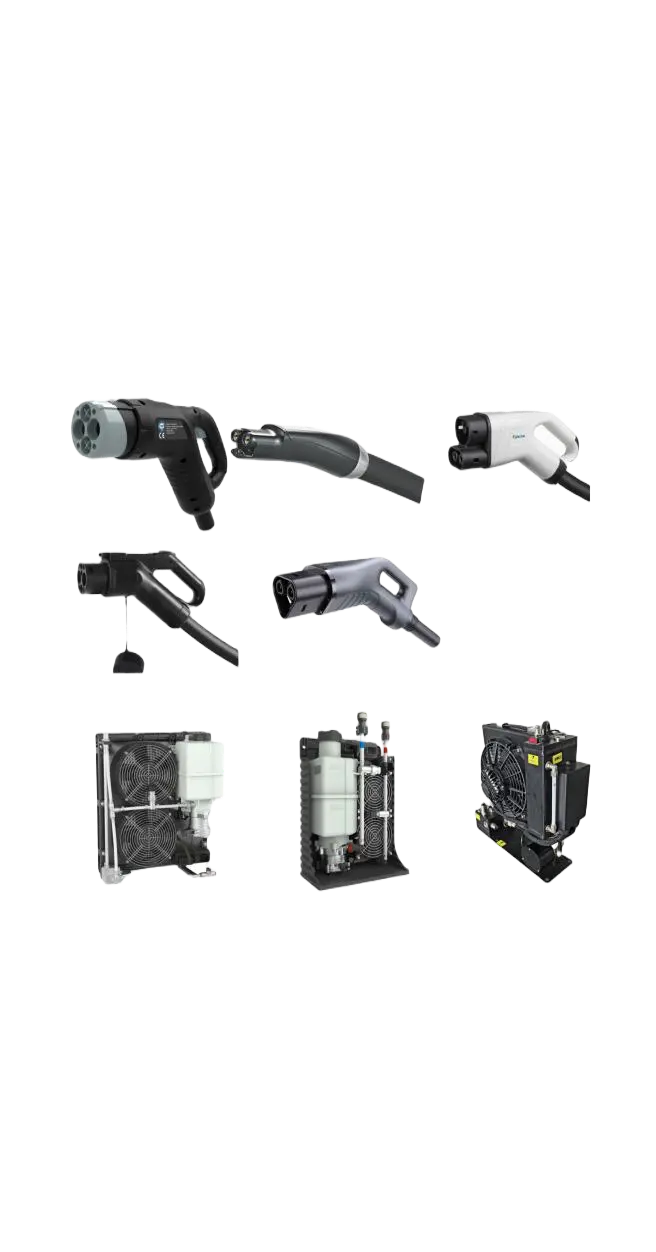
| Maximum Output Current | 250A per cable standard | Up to 500A (Liquid-Cooled high-output connector) |
| Power Factor & THD | ≥ 0.99 @ Full Load; THD ≤ 5% | ≥ 0.99 @ Full Load; THD ≤ 3% (Ultra-clean grid) |
| Communication Protocol | OCPP 1.6J / OCPP 2.0.1 / ISO 15118 | OCPP 2.0.1 Integrated / DIN 70121 / ISO 15118 PnC |
| Ingress / Invironmental Protection | IP54 / IK10 (Outdoor rated) | IP55 / NEMA 3R (Harsh coastal or desert environments) |
Today's electric vehicles operate on different battery systems, spanning 400V to 800V architectures. Our 180kW chargers feature dynamic routing capabilities that handle both ends of this range. The charging station continuously monitors each connected vehicle's state of charge (SoC), temp, and requested voltage, routing power dynamically via high-speed internal contactors.
180kW DC chargers are deployed across four main application areas, each with specific operating and configuration requirements:
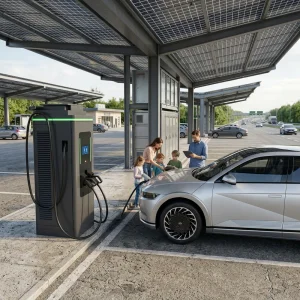
For highway rest stops, minimizing vehicle dwell time is critical. A dual-port 180kW charger configuration allows passenger cars to charge quickly, helping operators maximize vehicle turnover during peak times. When integrated with smart payment systems and advertising interfaces, these stations provide reliable public infrastructure while supporting multiple monetization channels.
Fleet operations require reliable, predictable uptime. Sourcing 180kW chargers with split-cabinet layouts allows operators to place compact dispensers directly in tight parking bays while keeping the main power converters in utility areas. This configuration protects key electronics from depot accidents and reduces maintenance access requirements.
Adding high-power chargers to municipal networks can strain local grids and trigger expensive utility upgrades. MIDA's BESS-integrated fast charging stations use local energy storage (battery storage from 65kWh up to 2MWh) to buffer the grid during high-demand periods. This structure reduces peak demand charges and allows the installation of 180kW fast chargers in locations where grid capacity is limited.

In contrast to classic plug-in charging systems, e-bus pantograph systems offer automated connection capability, high safety parameters, and ultra-high power transfer...
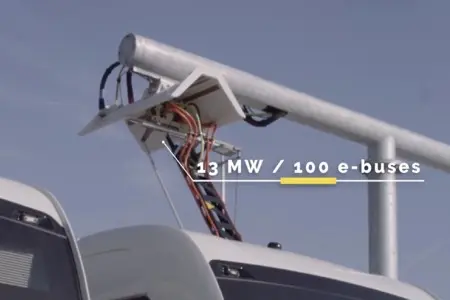
The charging time depends on the battery capacity and the grid output capability, allowing buses to top off their battery capacity in short intervals...
Installing a “Pantograph Up” system dome requires specialized grid alignment, structural concrete reinforcement, and advanced communications calibration...
Exporting high-power charging equipment from China requires meeting strict local safety and utility regulations. Sourcing uncertified charging hardware can lead to municipal code failures, installation delays, or liability issues. MIDA ensures all products undergo testing to meet target market certifications before delivery.
Our 180kW DC Fast Chargers are engineered to meet global compliance requirements: