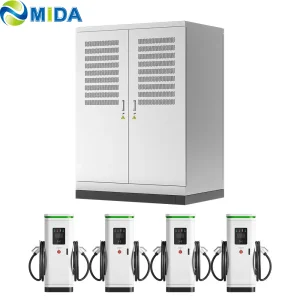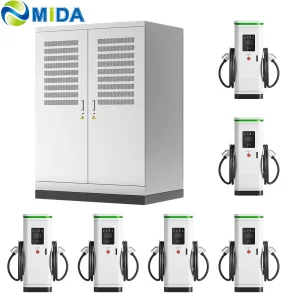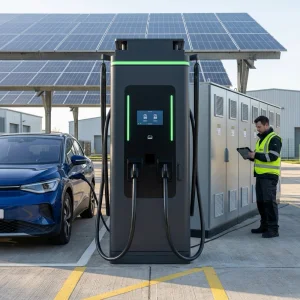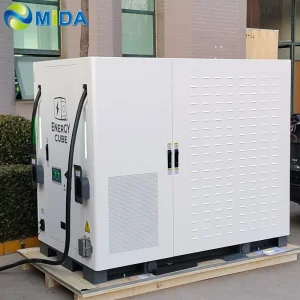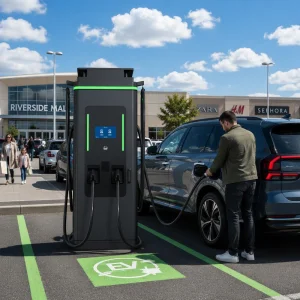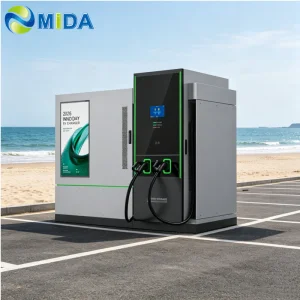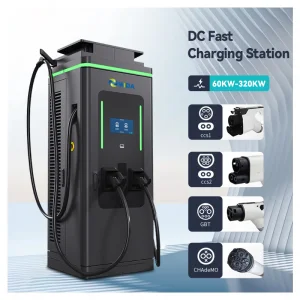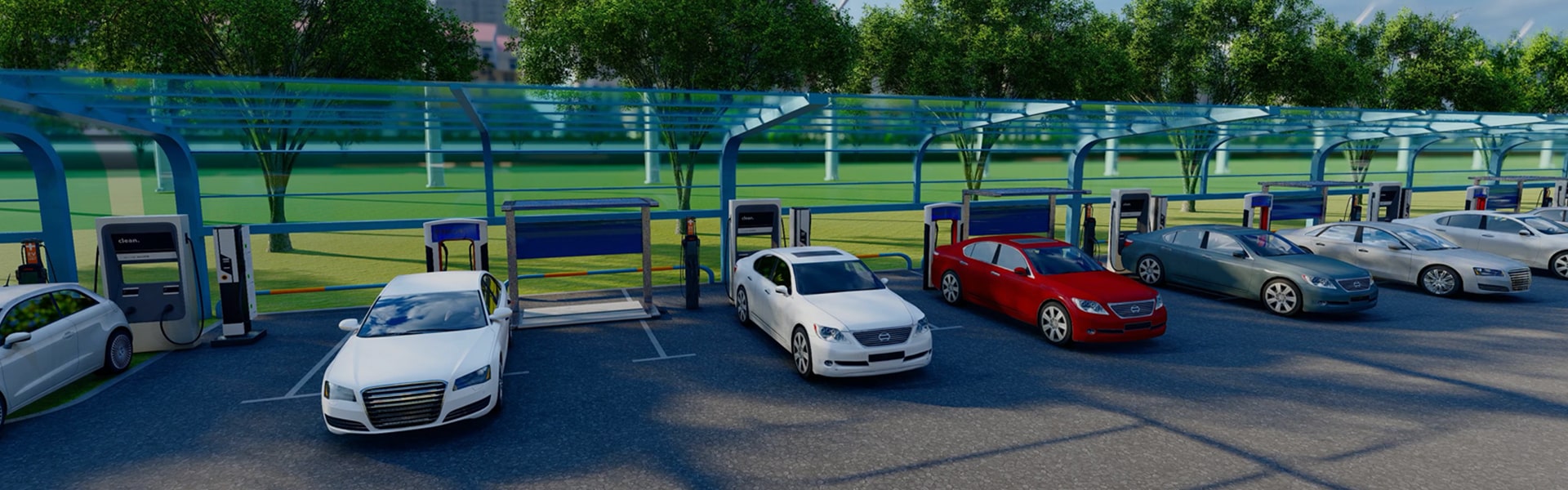
Discover our highly efficient commercial-grade power stations, engineered with advanced cooling and dynamic power distribution.
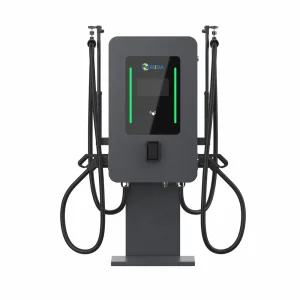
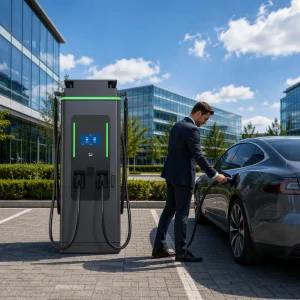
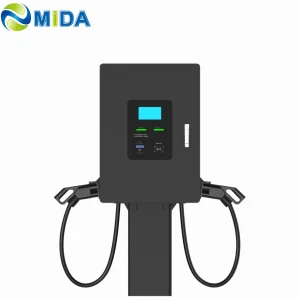
Shanghai Mida Cable Group Ltd. operates through its wholly owned subsidiaries: Shanghai Mida EV Power Co., Ltd., Shenzhen Mida EV Power Co., Ltd., and Shanghai Mida New Energy Co., Ltd. We deliver complete charging systems optimized for municipal, commercial, and utility-scale installations.
Mida Cable manufactures a comprehensive range of EV charging cables, including 16A–80A J1772 cables, 16A–63A IEC 62196-2 Type 2 cables, and heavy-duty DC fast charging cables: CCS1 (80A–500A), CCS2 (125A–1000A), CHAdeMO (125A–300A), GBT (200A–1000A), and NACS connectors (250A–600A).
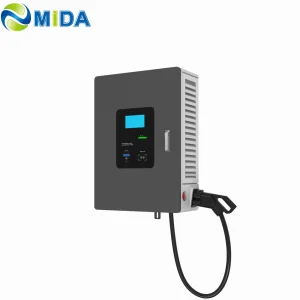
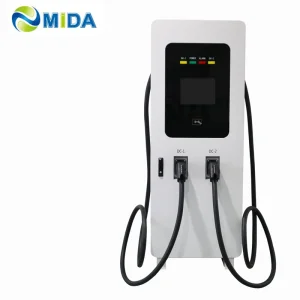
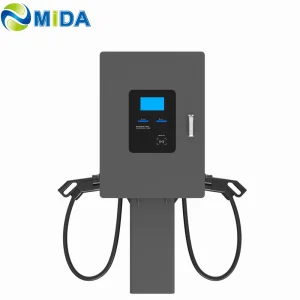
MIDA EV Power produces a full lineup of EV charging stations, such as 7kW–50kW mobile chargers, 3.6kW–7.2kW portable DC chargers, 360kW–1440kW split-type DC fast chargers, 20kW–50kW wall-mounted DC chargers, and 60kW–480kW floor-standing DC fast charging stations.
MIDA New Energy specializes in EV charger power modules, offering 20kW–60kW standard modules, 40kW–125kW liquid-cooled modules, 30kW–62.5kW bidirectional modules, and 20kW–45kW V2G charging modules.

Reliable, scalable architectures tailored to diverse power grids and charging network operator specifications.
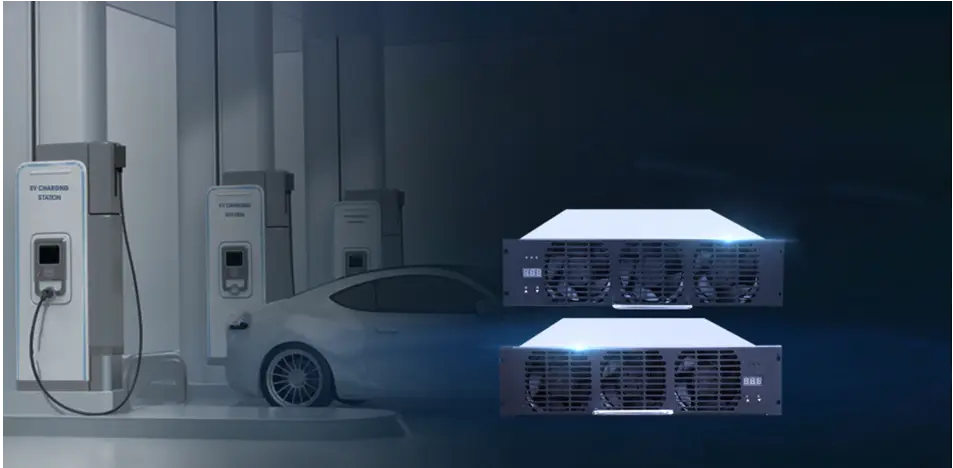
Smart Level 2 AC infrastructure equipped with intelligent dynamic load balancing and robust connectivity options.
View More →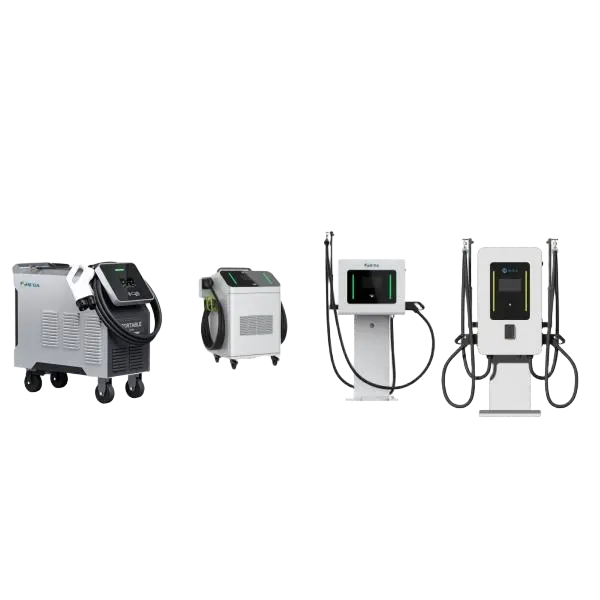
Compact footprint with high power output. Offers extreme flexibility for urban parking spots, depots, and logistics fleets.
View More →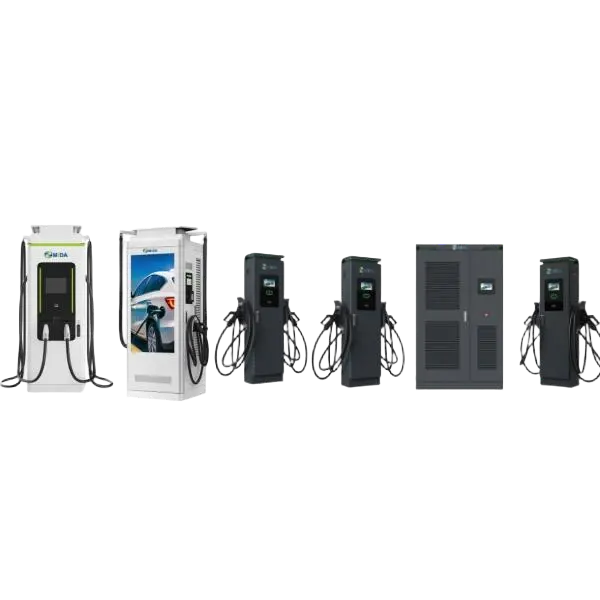
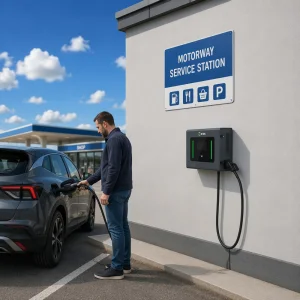
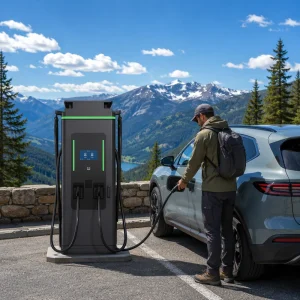
Ultra-fast charging hub solutions. Perfect for transit routes, petrol stations, and highway electric corridors.
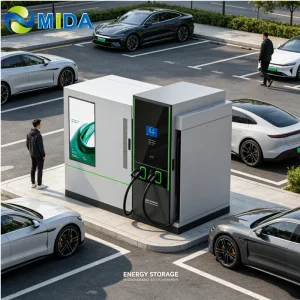
View More →Designed for locations with limited grid supply. Features options ranging from 60kWh to 2MkWh storage capacities, enabling buffer charging, peak shaving, and solar-diesel microgrid compatibility.
View More BESS Solutions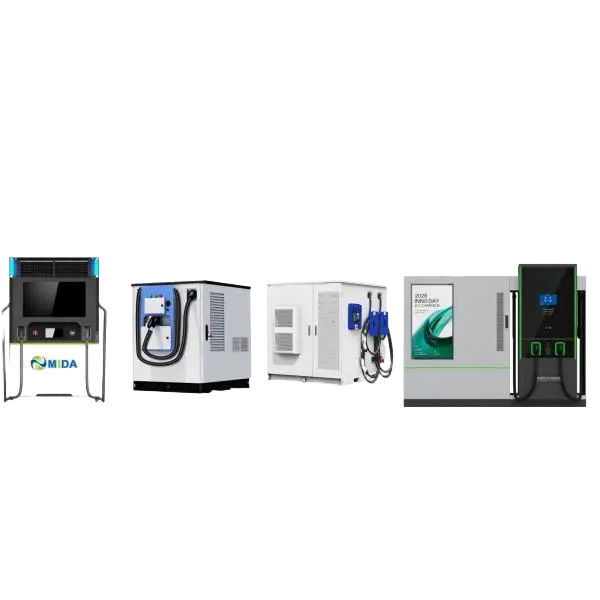
As the world transitions to zero-emission logistics and passenger transport, Charge Point Operators (CPOs) and fleet administrators face complex engineering and capital expenditure decisions. High-Power Charging (HPC) ecosystems have shifted from low-power AC points toward rapid DC configurations. Within this landscape, the 150kW DC fast charging station has emerged as the definitive commercial sweet spot, balancing charging speed, thermal stability, grid integration costs, and equipment return on investment (ROI).
Unlike megawatt-level setups that require localized medium-voltage substations, a 150kW charger operating on standard low-voltage networks can inject up to 100-120 km of highway range in under 15 minutes. This makes it ideal for destination retail centers, urban logistics depots, highway rest stops, and municipal electric bus operations.
Globally, fleet electrification is driven by legislation, including the EU’s Alternative Fuels Infrastructure Regulation (AFIR) and North American NEVI (National Electric Vehicle Infrastructure) formula program. These guidelines demand robust, reliable fast-charging corridors. In China, home to the largest network of DC fast chargers, charging point reliability is ensured through modular design, dynamic power allocation, and predictive maintenance tools.
MIDA Group provides direct integration for modern electric networks, offering advanced 150kW chargers that natively handle the grid fluctuations common in rural transport hubs. In both urban centers and regional logistics corridors, our chargers deliver 96%+ operating efficiency to lower operating expenses (OpEx) for site hosts.
| Specification Parameter | 50kW DC Compact | 150kW DC Commercial (MIDA) | 350kW+ Ultra-Fast / MCS |
|---|---|---|---|
| Typical Vehicle Downtime | 60 - 80 minutes | 15 - 30 minutes | 8 - 15 minutes |
| Thermal Control Method | Forced Air Cooling | Modular Forced Air / Smart Liquid Options | Liquid Cooling Systems Only |
| Grid Connection Requirements | Standard LV 400V Grid | Low-Voltage 400V Grid with DLB | Dedicated MV Substation Transformer |
| Ideal Application Venues | Supermarkets, Workplaces | Logistics Depots, Fleets, Petrol Stations | Highway Corridors, Truck Stop Hubs |
| Relative Cost Index (CapEx) | Baseline ($) | Optimized ($$) | Extremely High ($$$$) |
Precision engineered sub-systems and fully integrated charging points designed for seamless performance.
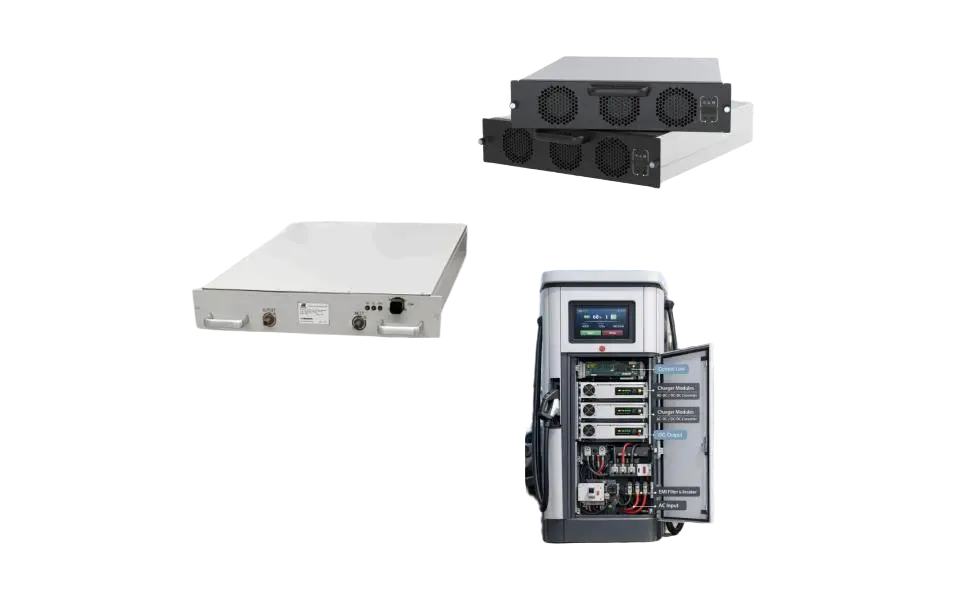
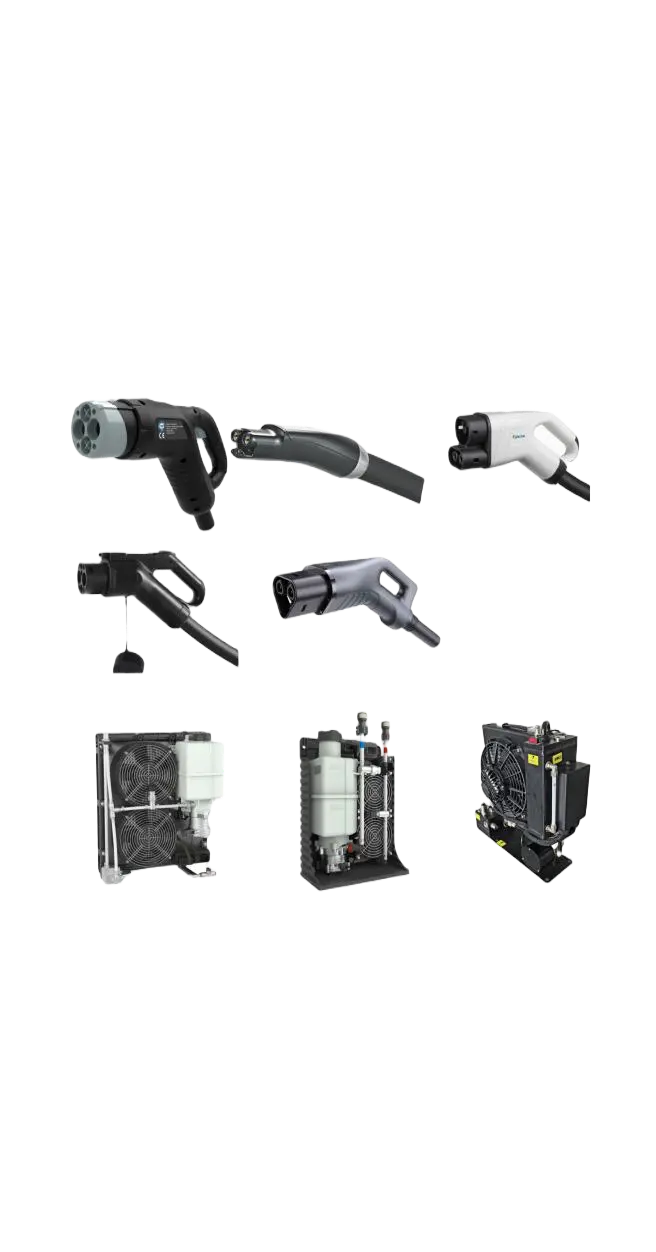
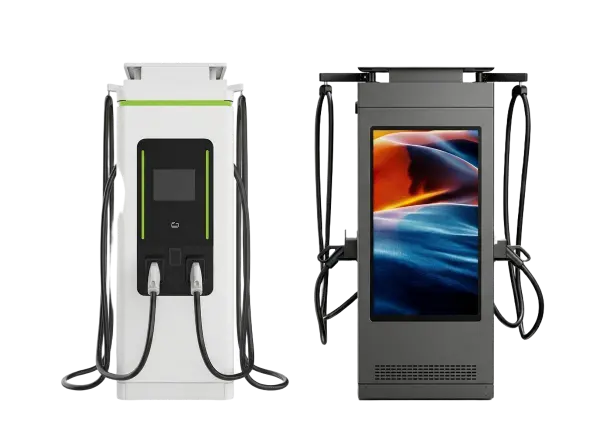
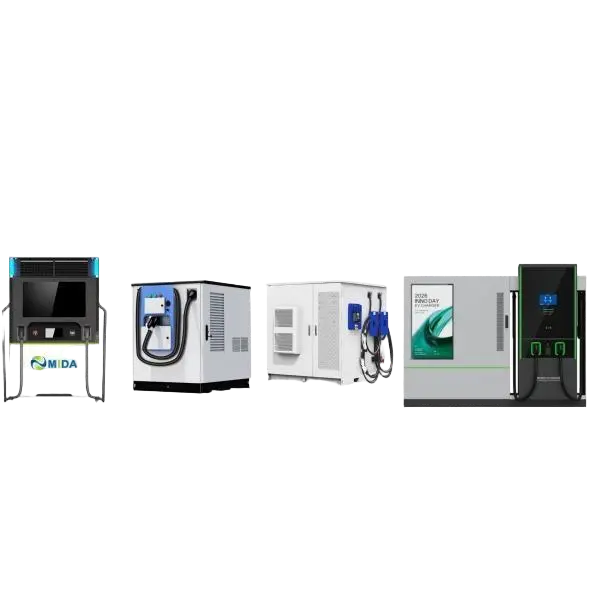
Deploying fast charging systems globally requires strict adherence to international electrical safety regulations and communication standards. A critical element of MIDA Group's manufacturing process is the implementation of open-standard software interfaces and certified hardware topologies.
Our 150kW fast charger configurations support OCPP 1.6J and the advanced OCPP 2.0.1 protocols. This enables seamless, secure connectivity with central management servers, authorizing user sessions, handling dynamic billing, and updating firmware remotely over the air.
In practice, the operational demand on charging stations changes based on the local environment:
Monitors site power in real-time, distributing current between charging vehicles based on battery state of charge (SoC) and local grid limits without tripping breakers.
Our chargers support output ranges from 150V to 1000V DC, providing full-speed charging for both legacy 400V architectures and new 800V premium EV passenger and commercial trucks.
Equipped with comprehensive IP55 and IK10 enclosures, shielding sensitive electrical components against harsh outdoor environments, dust, rain, and impacts.
The EV charging landscape is evolving rapidly, driven by three key technological shifts: vehicle-to-grid (V2G) bidirectional charging, high-efficiency liquid-cooled power modules, and battery energy storage system (BESS) integration.
MIDA New Energy is at the forefront of this evolution, developing high-efficiency bidirectional AC/DC power modules (up to 62.5kW) and dedicated V2G charging modules (up to 45kW). These technologies turn electric vehicles into distributed energy assets, enabling fleet operators to feed power back into the grid during peak pricing windows.
Additionally, as grid capacity challenges grow, localized energy storage becomes critical. Our integrated BESS charging systems (combining 60kWh to 2MkWh storage with 120kW to 200kW charging piles) resolve local grid constraints. By storing off-peak energy or local solar generation, these systems deliver high-power fast charging without requiring expensive substation upgrades.
Technical and commercial answers for planners, CPOs, and infrastructure developers.
Follow our latest developments in heavy-duty transit infrastructure and smart pantograph charging systems.

What are the advantages of an e-bus pantograph dome? In contrast to classic plug-in charging systems, e-bus pantograph systems offer automated connection and high power levels.
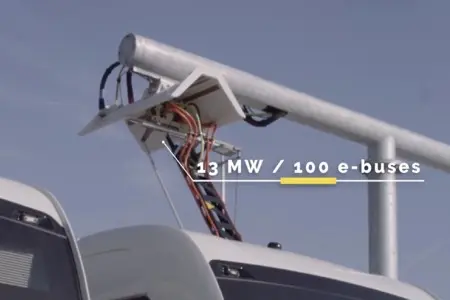
How long does it take to charge with an e-bus pantograph? The charging time depends on the battery capacity, state of charge, and the output of the pantograph dome system.
How to Install the Pantograph Up Charger System Dome for Electric Bus. Step-by-step setup guides, site requirements, and connection parameters for bus depot systems.
High-capacity charging points designed for quick turnaround times and demanding commercial use.