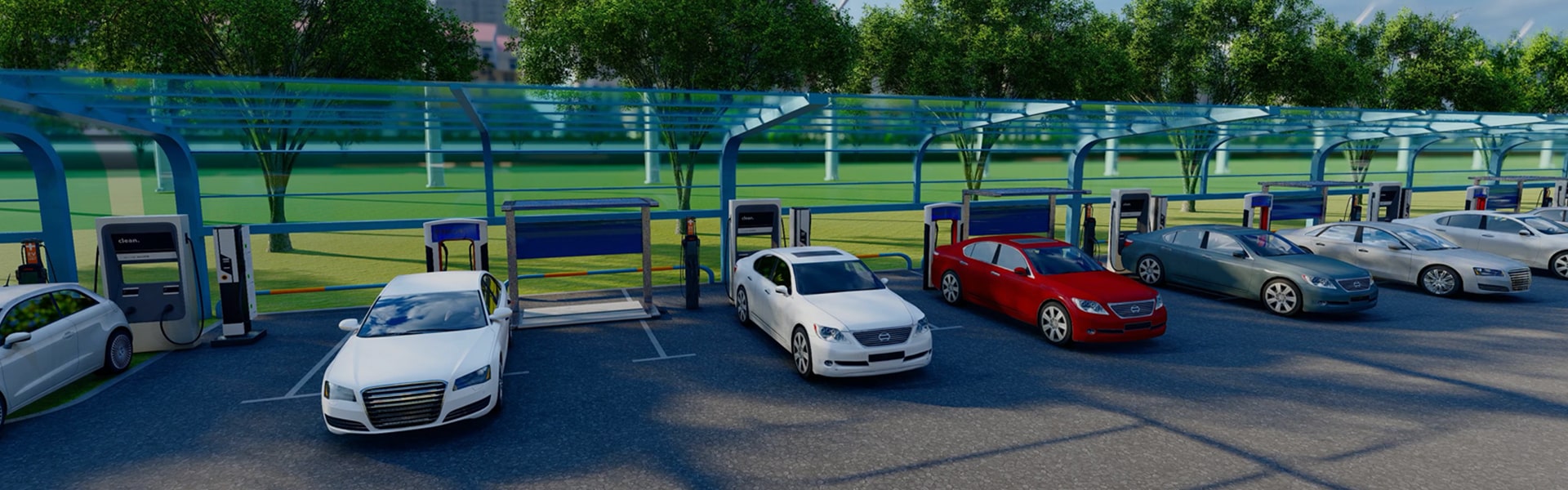
Engineered to operate continuously under extreme environmental conditions. Fully compliant with international grid code parameters and multiple connectivity ecosystems.
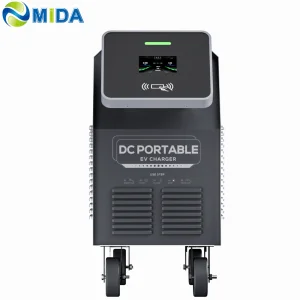
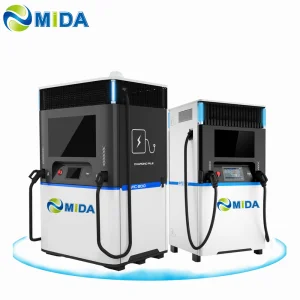
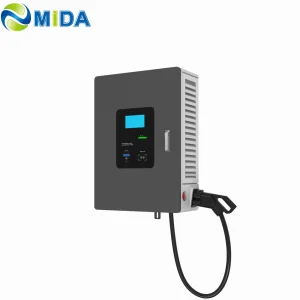
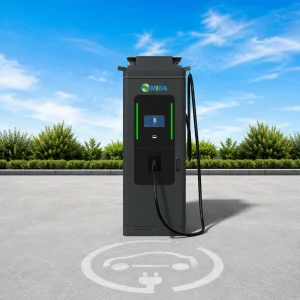
Shanghai Mida Cable Group Ltd. operates as a leading vertically integrated manufacturer of EV infrastructure solutions through its wholly owned, highly specialized subsidiaries: Shanghai Mida EV Power Co., Ltd., Shenzhen Mida EV Power Co., Ltd., and Shanghai Mida New Energy Co., Ltd.
We design, develop, and manufacture critical charging chain components in-house. Our global footprints span across Europe, the Americas, Asia-Pacific, and the Middle East, bringing specialized charging hardware from sub-assembly components up to megawatt-level turnkey public charging systems.

Integrating high-efficiency power conversion components, high-current thermal management connectors, and scalable grid energy storage systems.
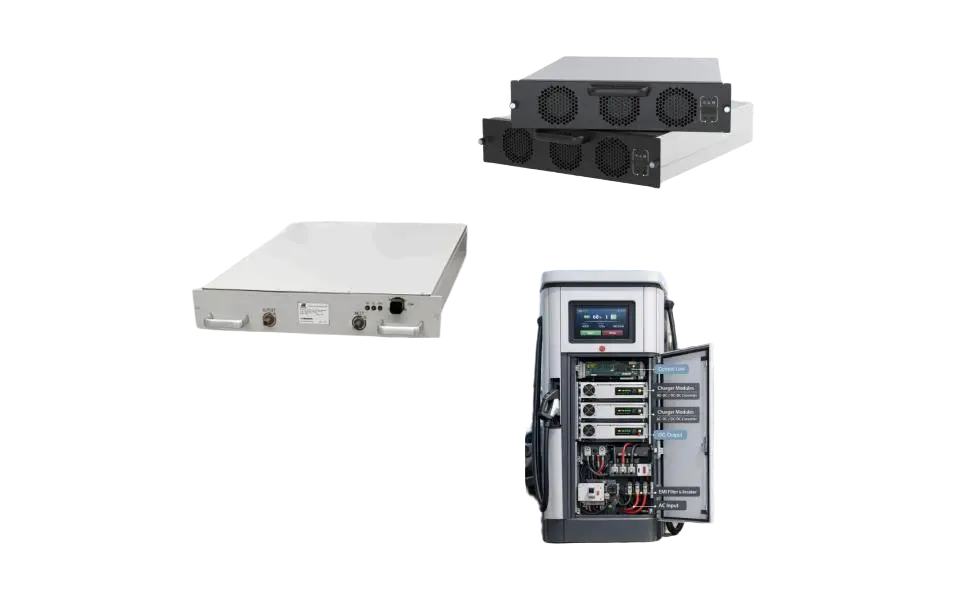
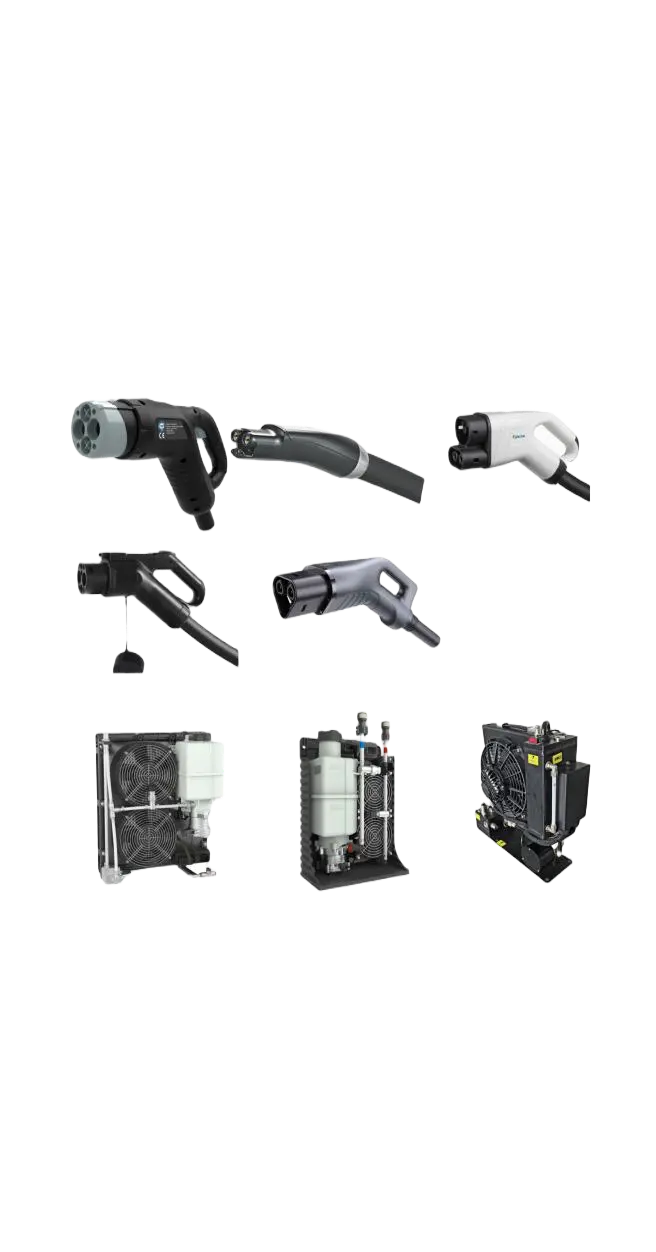
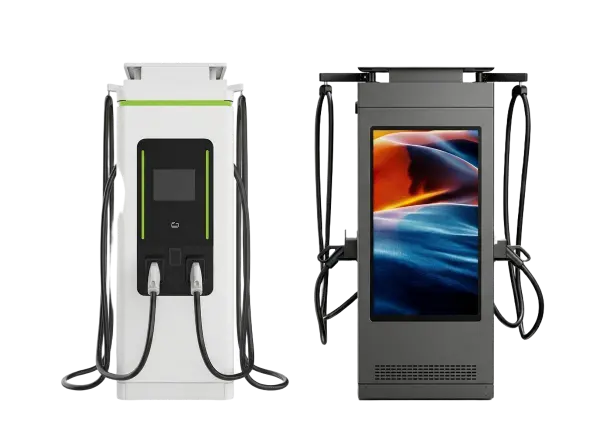
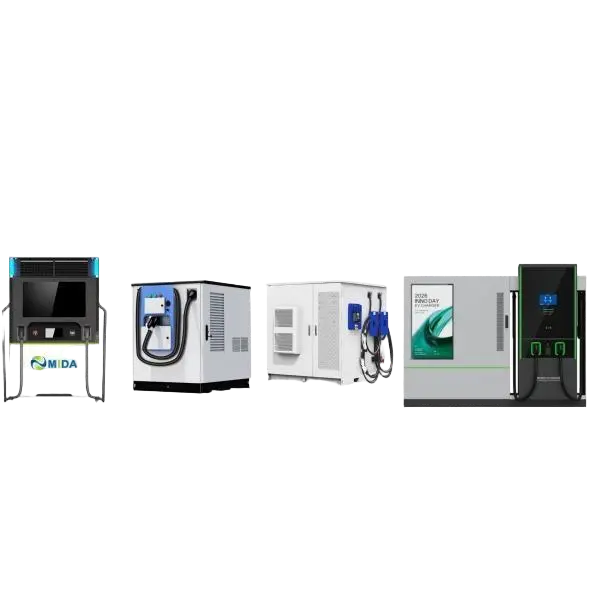
The global EV public infrastructure matrix is transitioning away from standard, low-efficiency converters. Current trends require ultra-high power density and bidirectional power flow to futureproof grid load distribution.
Our R&D division has completed the integration of Silicon Carbide (SiC) semiconductor technology in our 40kW and 60kW power conversion modules. SiC components provide 97.2% peak efficiency and operate at higher switching frequencies. This reduces heat output and yields smaller, quieter, and more robust charging enclosures.
Looking ahead, we are standardizing the Megawatt Charging System (MCS) for heavy-duty commercial fleets and electric aviation. The implementation of high-current liquid cooling systems enables safe thermal management at up to 1500A. This ensures consistent charging profiles without throttle drops caused by overheating.
Developing 1000V high-voltage power conversion modules to support the charging curves of high-performance EVs.
Utilizing active front-end (AFE) topologies to allow parked fleet vehicles to inject power back into local grids during peak load times.
Using dynamic matrix allocation algorithm engines to distribute up to 1.6MW across multiple charging connectors based on vehicle demand and battery SOC.
Custom infrastructure hardware designed to meet the technical and operating demands of diverse global markets.
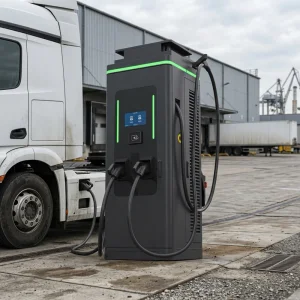
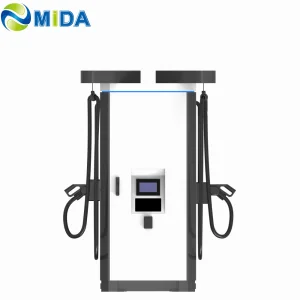
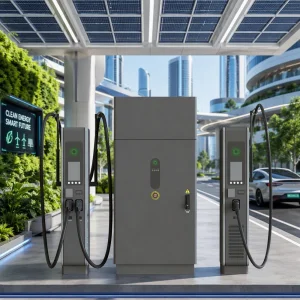
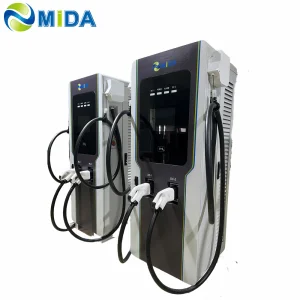
High-voltage split-type charging stacks ranging from 600kW to 1080kW. These systems use dynamic load-balancing matrices to supply energy to multiple parking stalls simultaneously, helping maximize grid usage and reducing vehicle queue times.
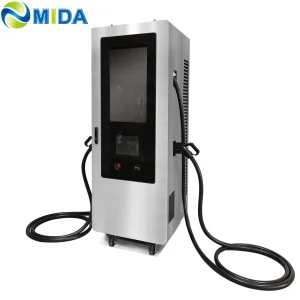
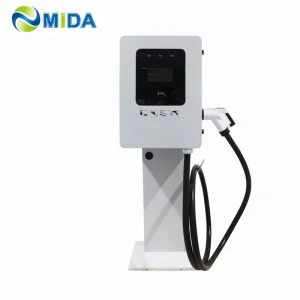
High-current DC fast chargers with optional roof-mounted and inverted pantograph connectivity. These are designed for quick opportunistic charging and overnight depot replenishment programs, and are fully compatible with smart fleet management systems.
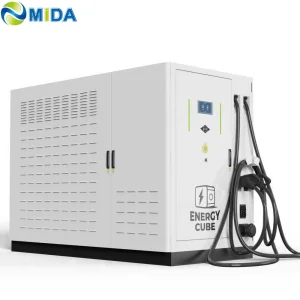
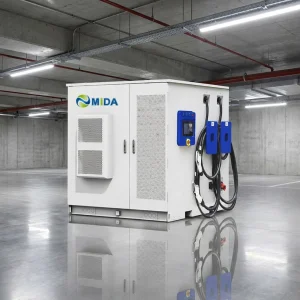
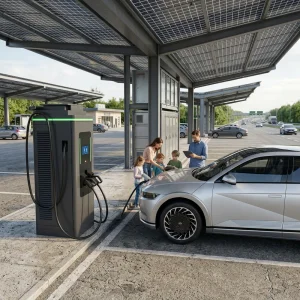
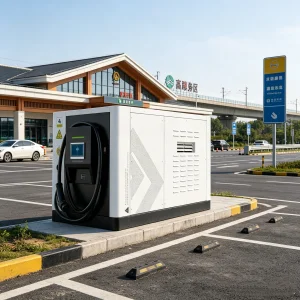
BESS-integrated EV charging piles configured for locations with grid power constraints. By pairing solar generation arrays with energy storage batteries, these systems reduce peak demand charges and maintain high-power DC charging without grid upgrades.
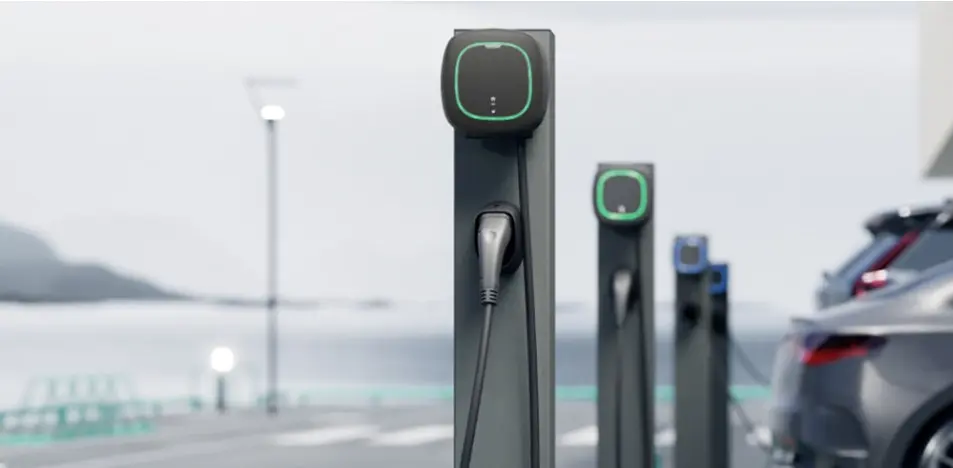
Installing EV charging equipment in regulated municipal zones requires strict compliance with international electric codes. MIDA Group hardware is engineered and certified to meet high safety and interoperability standards:
UL 2202, UL 2251, and CSA standards. CCS1 and NACS (SAE J3400) connectors engineered for regional grids.
CE EN 61851, TUV Rheinland certified, and Eichrecht (PTB MID) calibration-compliant billing hardware.
Full integration of OCPP 1.6J and OCPP 2.0.1, enabling backend management, dynamic pricing, and diagnostics.
IP54, IP55, and NEMA 3R/4X physical enclosures built to withstand dust, high humidity, and extreme cold.
How our vertically integrated production facility ensures reliable component sourcing, cost advantages, and fast delivery timelines.
We manufacture cables, copper connectors, sheet metal housings, and power converters in-house. This internal supply chain reduces lead times and protects clients from raw material price volatility.
Our facility uses high-speed SMT assembly lines and automated optical inspection (AOI) to manufacture our power modules. Every sub-assembly undergoes automated burn-in and functional testing before final system integration.
Every charging system is tested in our environmental simulation chambers. We verify performance under salt-spray exposure, extreme thermal cycles, and simulated high-power load grid faults before shipping.
Procuring charging hardware for utility-scale public projects or nationwide fleets requires balancing initial capital expenditure (CAPEX) with long-term operational costs (OPEX). Key elements to analyze when sourcing equipment include:
We offer customizable manufacturing services for charge point operators (CPOs), oil and gas retailers, and vehicle distributors, supporting custom enclosure colors, user interface configurations, and backend software branding.
Discover our latest engineering updates, pantograph charging systems, and municipal fleet deployments.
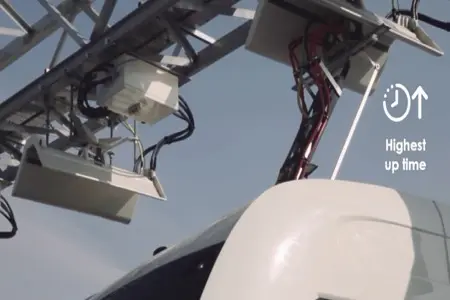
In contrast to classic plug-in charging systems, e-bus pantograph systems offer automated connection capability, high power delivery, and minimal physical wear.
Read Full Article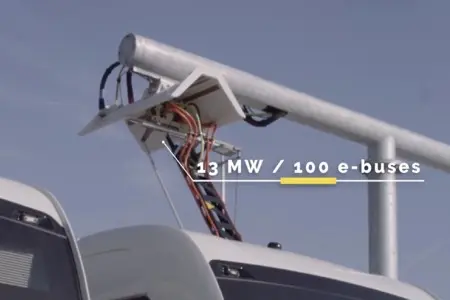
Charging time depends on battery capacity, vehicle SOC, and the pantograph's current limits. Opportunity charging cycles typically take 5 to 12 minutes.
Read Full Article
An overview of installing a "Pantograph Up" system, including structural foundation requirements, electrical alignment, and system commissioning.
Read Full ArticleGet answers to common technical, electrical, and commercial questions regarding MIDA's fast-charging solutions.
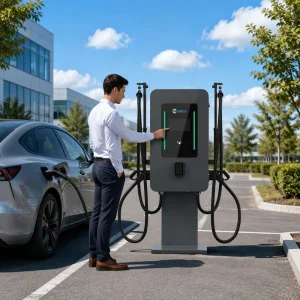
Explore our high-performance infrastructure units, featuring split liquid-cooled architectures and battery-assisted fast charging setups.
Get in touch with our engineering team to discuss custom hardware design, compliance requirements, or volume pricing for your charging infrastructure projects.