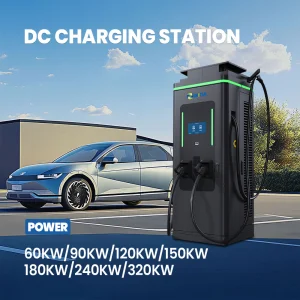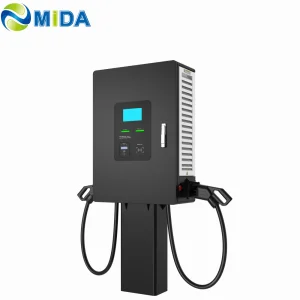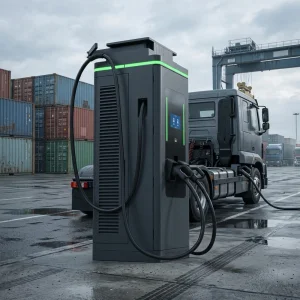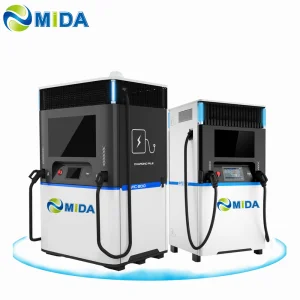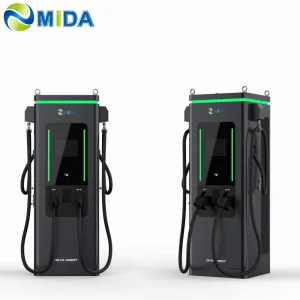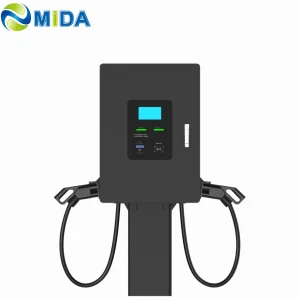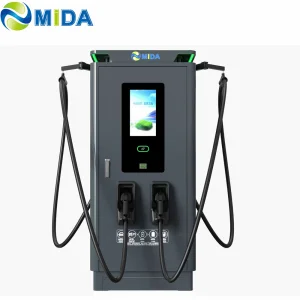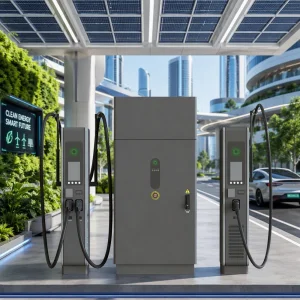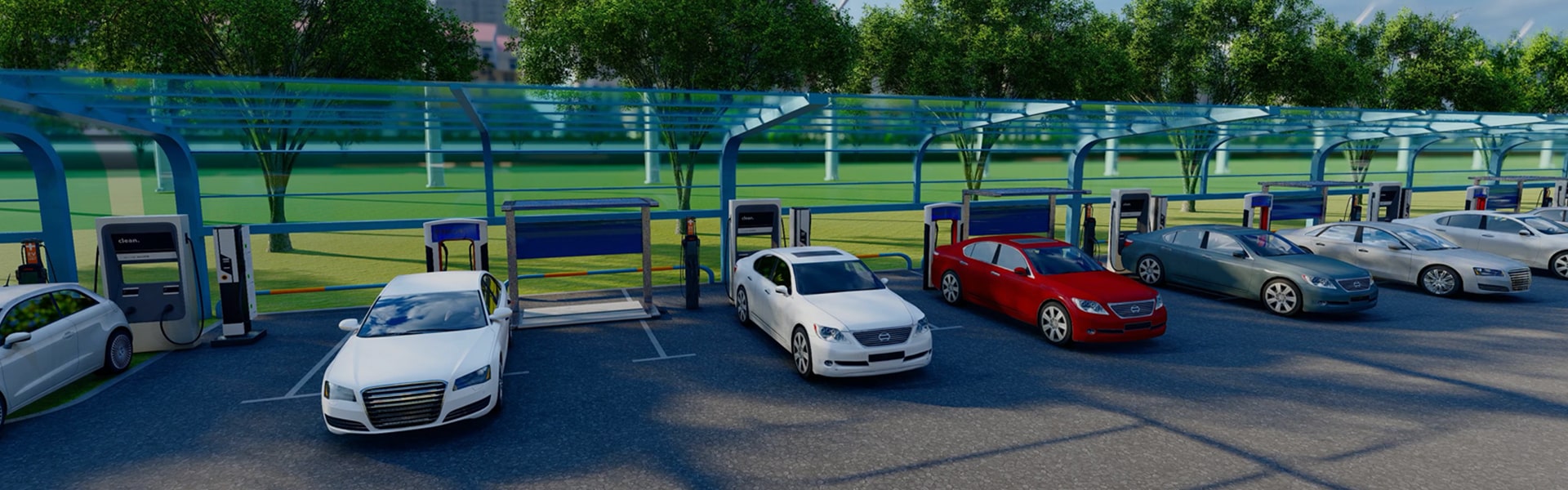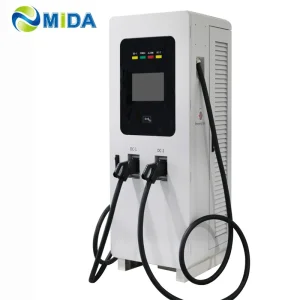
Explore our Tier-1 engineered portable and high-power DC fast charging units, designed for rapid deployment, high efficiency, and global standards compatibility.
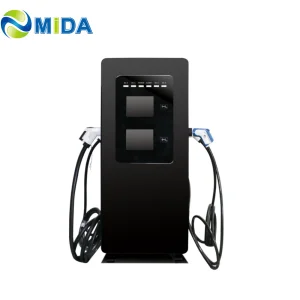
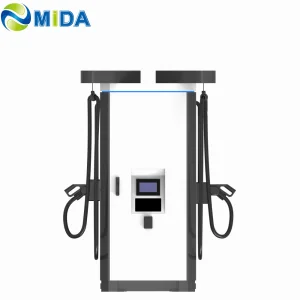
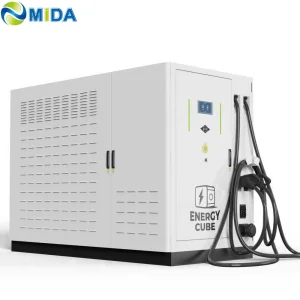
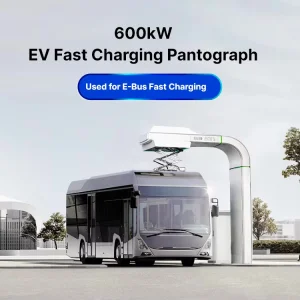
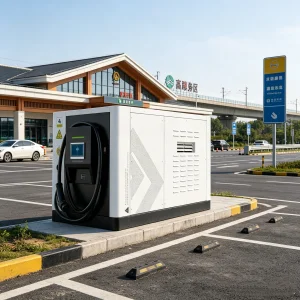
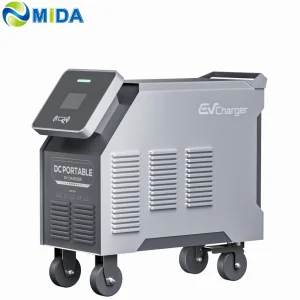
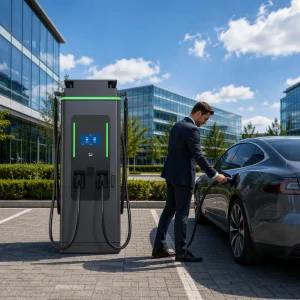
As electric vehicle (EV) adoption shifts from early-stage residential scaling to comprehensive commercial and fleet deployment, the grid is experiencing unprecedented stress points. Traditional fixed DC chargers present a series of logistical obstacles, including high civil engineering costs, prolonged local permitting processes, and localized grid capacity constraints. This bottleneck has catalyzed the demand for portable DC fast chargers and mobile battery integrated systems.
A portable DC fast charger acts as a bridge between flexibility and high-speed electrical delivery. By incorporating cutting-edge sub-assemblies such as silicon carbide (SiC) switching power modules and high-energy-density lithium-ion battery buffers, modern portable EVSE (Electric Vehicle Supply Equipment) allows fleet operators, emergency rescue service providers, and automotive OEMs to deploy high-wattage charging on-demand. This level of agility is critical to minimizing downtime in commercial delivery operations, public transport systems, and large-scale industrial hubs.
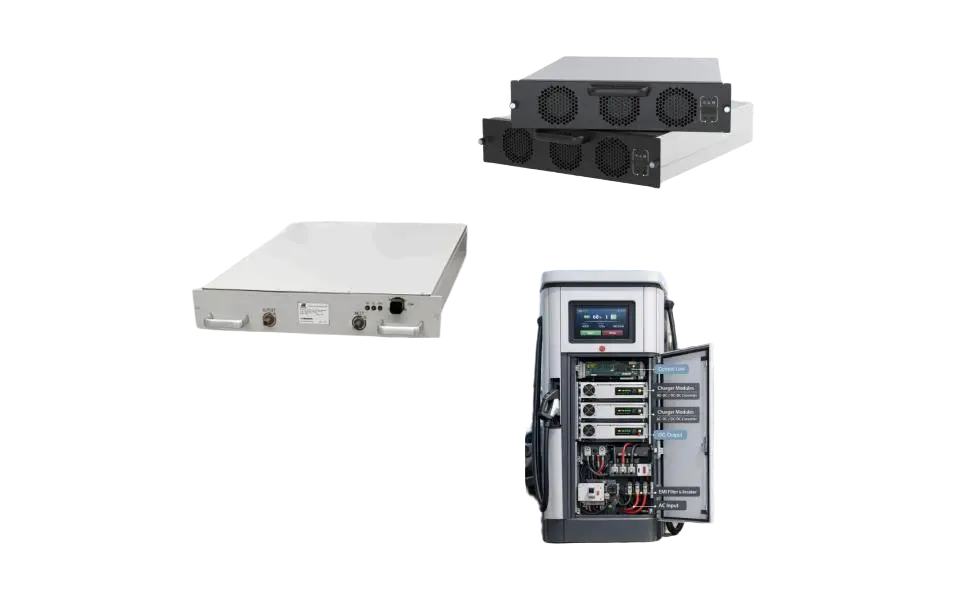
Achieving a reliable, compact, and highly thermal-efficient portable charging platform requires sophisticated internal componentry. The modern mobile EV charger is composed of three primary operational layers: the power conversion module, the thermal control matrix, and the digital interface controller.
Utilizing 20kW, 30kW, 40kW, or 60kW ultra-high-efficiency AC/DC and DC/DC power conversion modules. These modular stacks support wide output voltage ranges (typically 150VDC to 1000VDC) to satisfy both passenger vehicle 400V architectures and modern commercial 800V heavy-duty bus and truck systems.
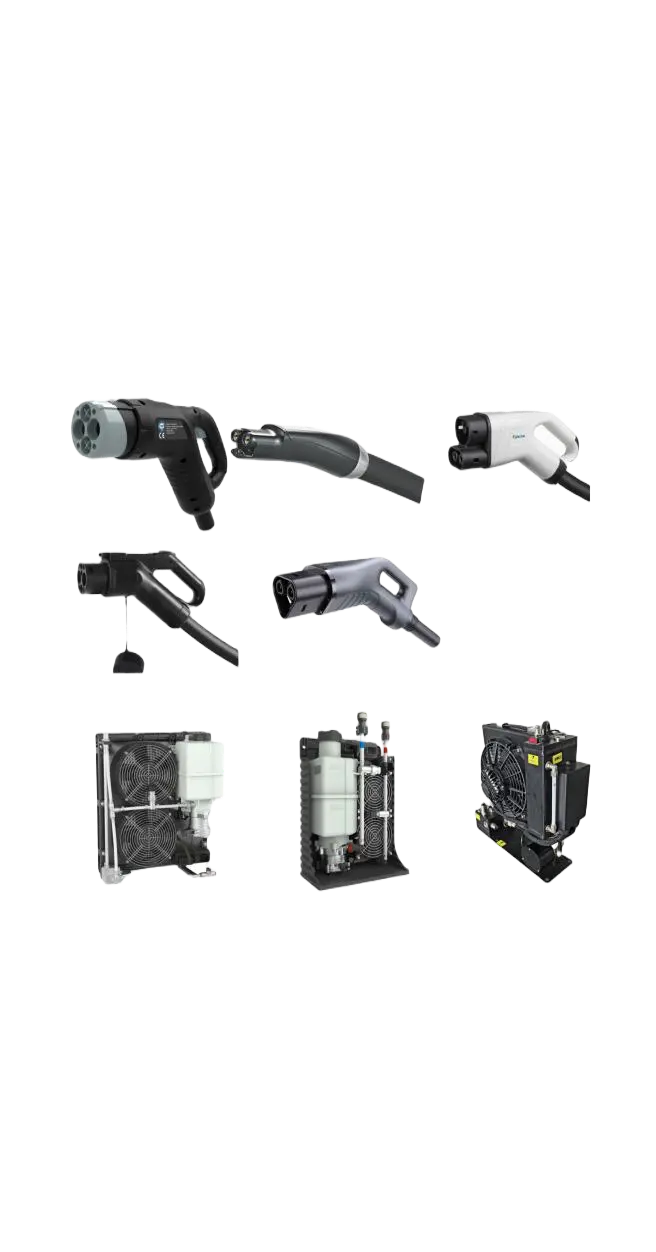
Heat dissipation is key to sustaining maximum power delivery without thermal throttling. Our units utilize integrated liquid-cooling loops or high-airflow direct-ventilation channels. Liquid-cooled systems permit ultra-compact physical footprints while keeping operational noise to a absolute minimum.
Equipped with OCPP 1.6J and OCPP 2.0.1 compliant microcontrollers, allowing seamless integration with regional backend networks. Integration of Dynamic Load Balancing (DLB) ensures the charger can sense grid loads and adapt its draw to protect local power grids from overloading.
| Specification Parameter | MIDA Portable 30kW - 40kW DC | MIDA Mobile BESS Charger (60kWh / 30kW) | MIDA High-Power Station (120kW - 180kW) |
|---|---|---|---|
| Input Voltage Range | 380V - 480VAC (3-Phase) | Internal Battery Pack (BESS) / AC grid support | 380V - 480VAC (3-Phase) |
| Output DC Voltage | 150V - 1000VDC | 200V - 750VDC | 150V - 1000VDC |
| Connector Standards | CCS1 / CCS2 / CHAdeMO / NACS / GBT | CCS1 / CCS2 / CHAdeMO | CCS2 / CHAdeMO / GBT / NACS |
| Communication Protocol | OCPP 1.6J / OCPP 2.0.1 / CAN-bus | OCPP 1.6J / CAN-bus | OCPP 1.6J / OCPP 2.0.1 / DIN 70121 / ISO 15118 |
| Thermal Management | Forced Air Cooling | Air Cooled with Liquid Cooled Option | Liquid Cooled Stack / Air Cooled Modules |
Shanghai Mida Cable Group Ltd. operates through its wholly owned subsidiaries: Shanghai Mida EV Power Co., Ltd., Shenzhen Mida EV Power Co., Ltd., and Shanghai Mida New Energy Co., Ltd. This highly synergistic corporate structure allows us to lead the industrial sector across three major technology streams: high-voltage power transmission components, EV charging station assembly, and advanced power conversion semiconductor topologies.
Mida Cable manufactures a comprehensive range of EV charging cables, including 16A–80A J1772 cables, 16A–63A IEC 62196-2 Type 2 cables, and high-capacity DC fast charging cables: CCS1 (80A–500A), CCS2 (125A–1000A), CHAdeMO (125A–300A), GBT (200A–1000A), and NACS connectors (250A–600A).
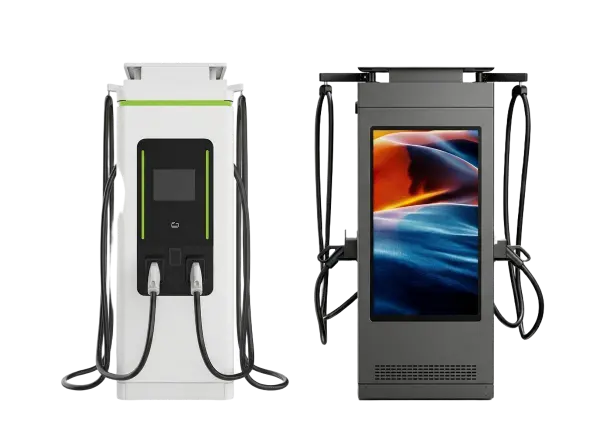
MIDA EV Power produces a full lineup of EV charging stations, such as 7kW–50kW mobile chargers, 3.6kW–7.2kW portable DC chargers, 360kW–1440kW split-type DC fast chargers, 20kW–50kW wall-mounted DC chargers, and 60kW–480kW floor-standing DC fast charging stations.
MIDA New Energy specializes in EV charger power modules, offering 20kW–60kW standard modules, 40kW–125kW liquid-cooled modules, 30kW–62.5kW bidirectional modules, and 20kW–45kW V2G charging modules.

A comprehensive breakdown of MIDA Group's primary engineering portfolios, highlighting core componentry and high-power configurations.
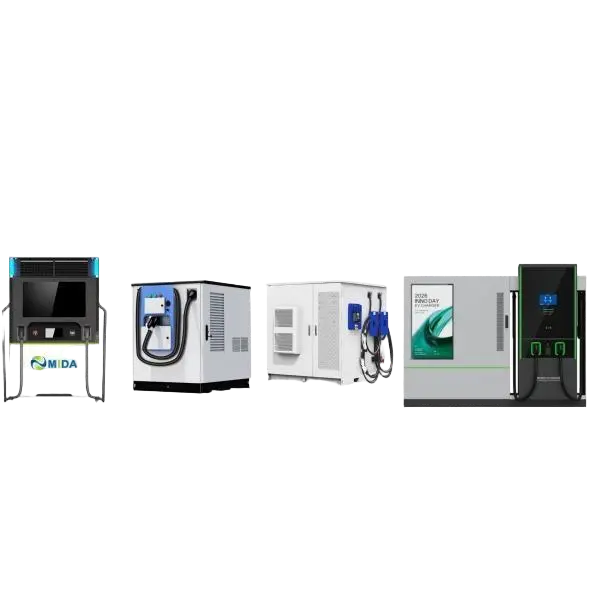
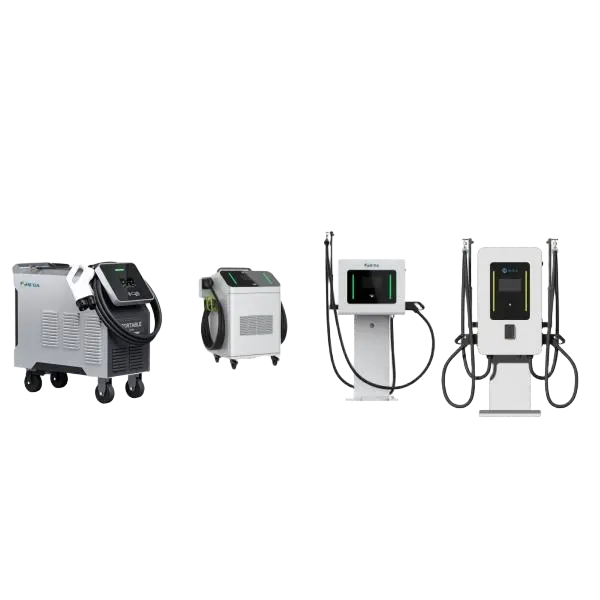
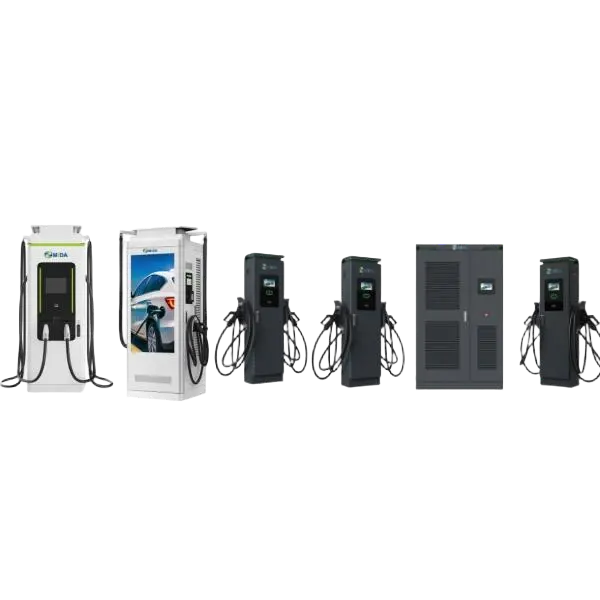
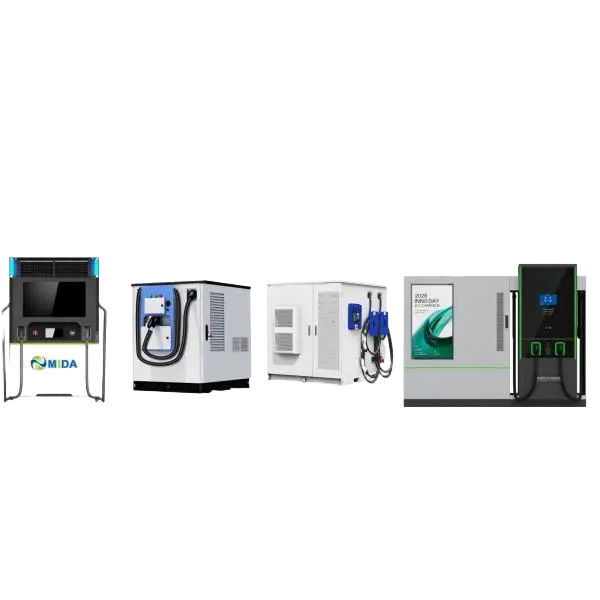
As the epicenter of the global energy transition, China has built an unmatched industrial supply chain ecosystem for electric vehicle charging infrastructure. By working with a Tier-1 integrated supplier like the Shanghai Mida Cable Group, global buyers leverage substantial systemic efficiencies that simply cannot be replicated by localized operations in other regions.
Our raw material procurement network runs directly from copper processing facilities to advanced semiconductor fabrication labs. Our internal control over critical components includes manufacturing high-flexibility rubber/TPU sheathed cables (ranging from 16A AC up to 1000A liquid-cooled DC outputs) alongside proprietary logic controller boards and modular power stacks. This eliminates intermediary markups and guarantees rigorous, end-to-end quality control.
For cross-border fleet operations and energy operators, compliance with regional grids and local safety standardizations is paramount. Operating an electrical system at voltages up to 1000VDC demands strict adherence to rigorous engineering protocols:
Our portable systems comply with CE (LVD & EMC), UL 2202 (for DC charging systems), and RoHS/FCC standards. Robust integrated safety systems include ground-fault leakage monitoring, over-current/over-voltage mitigation, and real-time short-circuit auto-shutoffs.
Fully compliant with open standard communication systems (OCPP 1.6J and OCPP 2.0.1). Our equipment easily pairs with global CSMS platforms like ChargePoint, Greenflux, and AMPECO to handle billing, user authentication, and dynamic energy pricing.
Featuring intelligent Dynamic Load Balancing (DLB) to monitor localized transformer demand. This manages output power dynamically, allowing multiple high-power portable chargers to operate side-by-side without exceeding building distribution capacities.
Essential technical insights and common inquiries concerning portable DC fast charging and mobile battery systems integration.
Stay up to date with the latest innovations, pantograph developments, and fleet deployment strategies from MIDA Group.
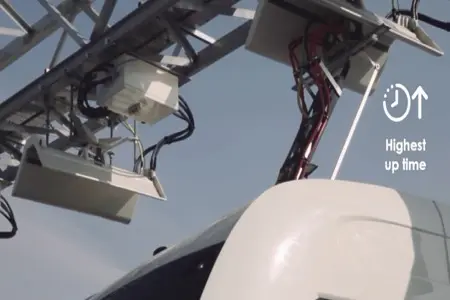
In contrast to classic plug-in charging systems, e-bus pantographs allow automated overhead fast charging, reducing manual labor and streamlining high-power depot top-offs.
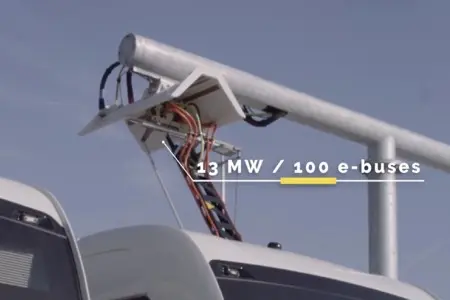
The charging time depends directly on the battery capacity and the station output power. Utilizing our 600kW systems, typical transit buses can recharge in under 15 minutes.
Installing a "Pantograph Up" system dome requires precise mechanical calibration and coordination with structural supports, local electric grids, and automated vehicle alignment sensors.
Heavy-duty charging piles, solar integrated energy storage units, and liquid-cooled hardware options designed for long-term operational reliability.