Explore our top-performing, field-tested mobile power solutions engineered for heavy fleets, electric buses, destination charging hubs, and emergency dispatch teams.
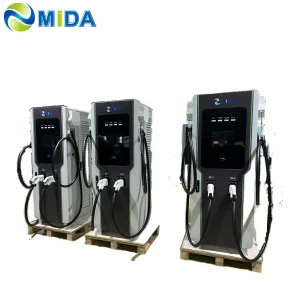
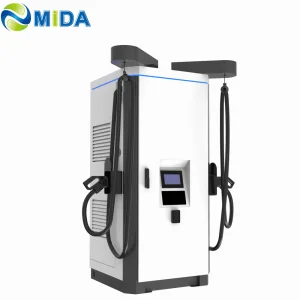
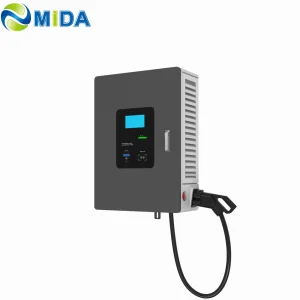
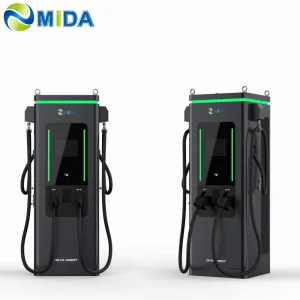
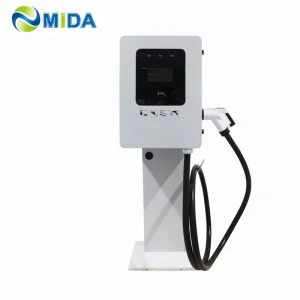
As the electrification of logistics fleets, heavy machinery, public transit networks, and premium consumer vehicle services accelerates globally, grid limitations have emerged as a primary bottleneck. Commercial organizations face severe operational hurdles: grid connection delays of up to 18 months, massive local infrastructure upgrades, and capital expenditure overheads. Here, portable DC fast chargers represent a pivotal technological bypass. They deliver localized high-power direct current directly to vehicle power buses without requiring permanently installed substations.
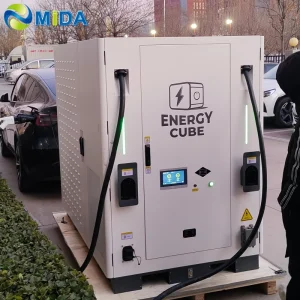
A portable DC charger acts as a flexible bridge, integrating advanced digital power converter modules into mobile chassis designs. By converting AC grid power (from common industrial sockets like CEE 32A/63A) or leveraging integrated battery storage (BESS), mobile DC units deliver charging power ranging from 7kW to over 80kW. This capability allows logistics operators to circumvent expensive civil engineering work, providing localized fast charging exactly where it is needed.
The primary concern of B2B procurement directors is compatibility and electrical safety. A high-quality portable DC charger must incorporate intelligent handshake protocols to ensure safe connection with various vehicle battery management systems (BMS). Using advanced microcontroller units (MCUs), our systems dynamically regulate output voltage (ranging from 150V DC up to 1000V DC) to feed modern high-voltage battery designs without thermal overload. Additionally, galvanic isolation between the input grid and DC output ensures operator safety even under wet conditions, meeting the stringent standards laid out in IEC 61851-23.
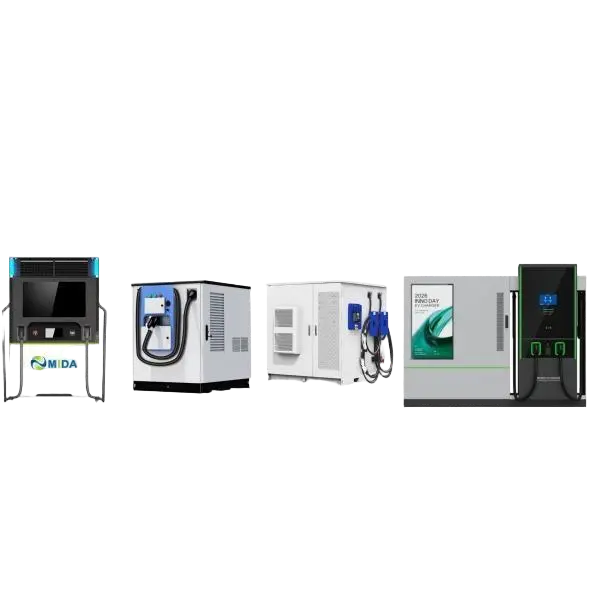
Directly addressing diverse fleet environments with high-performance wall-mounted, mobile, floor-standing, and battery-buffered systems.
High-Efficiency Alternating Current Charging
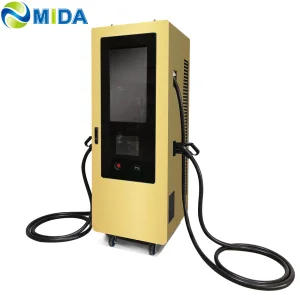
Perfect for overnight fleet depots and employee destination charging infrastructure.
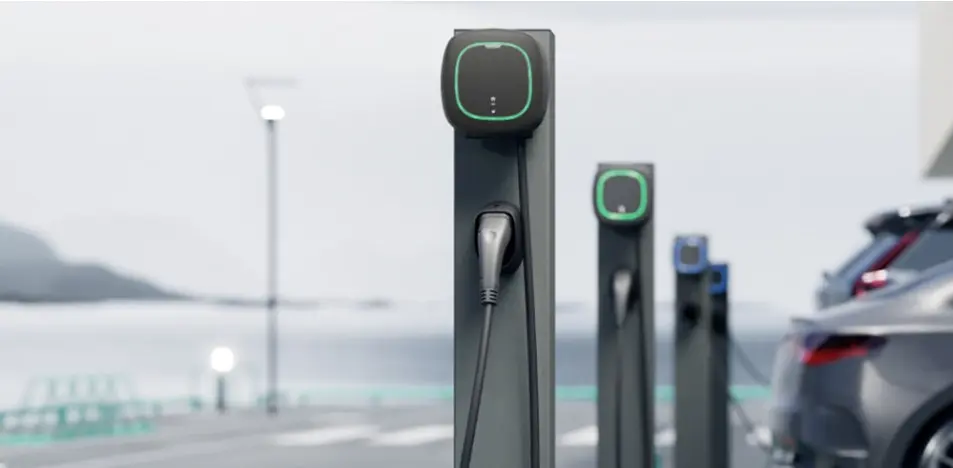
7kW 20kW 30kW 40kW 60kW 80kW
Compact form factors engineered for workshop operations and emergency service vehicles.
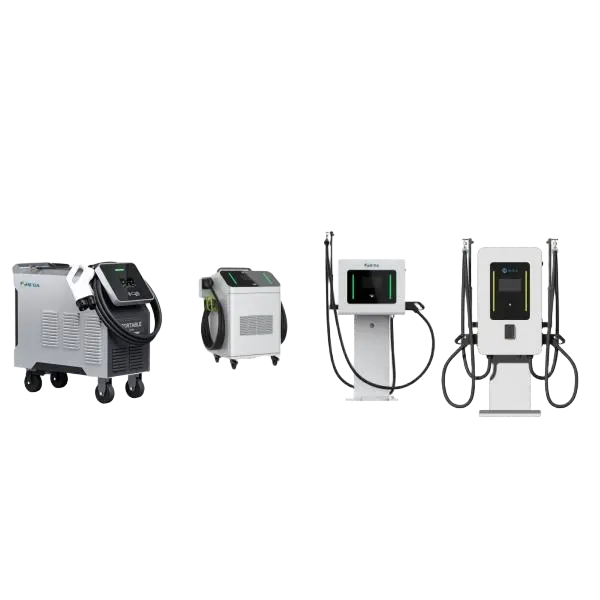
60kW-480kW 360kW-1440kW
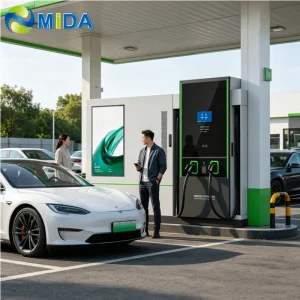
High-power corridor hubs with dynamic power allocation capabilities.
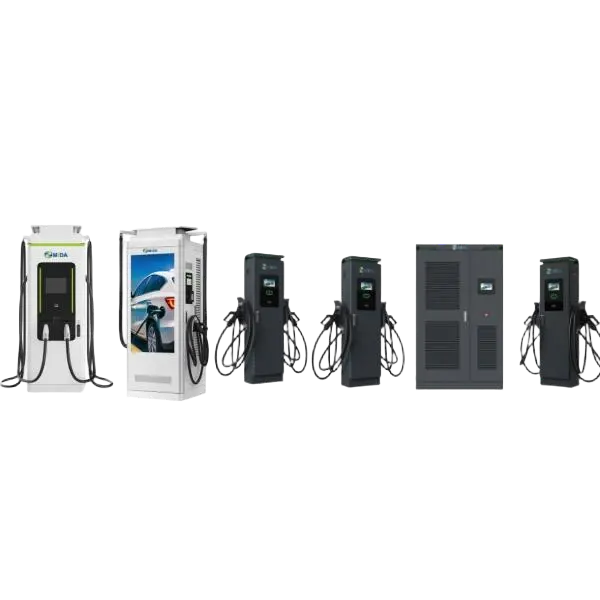
60kWh 261kWh 418kWh 625kWh 2MkWh
Battery-integrated fast chargers for off-grid operations and grid peak-shaving.
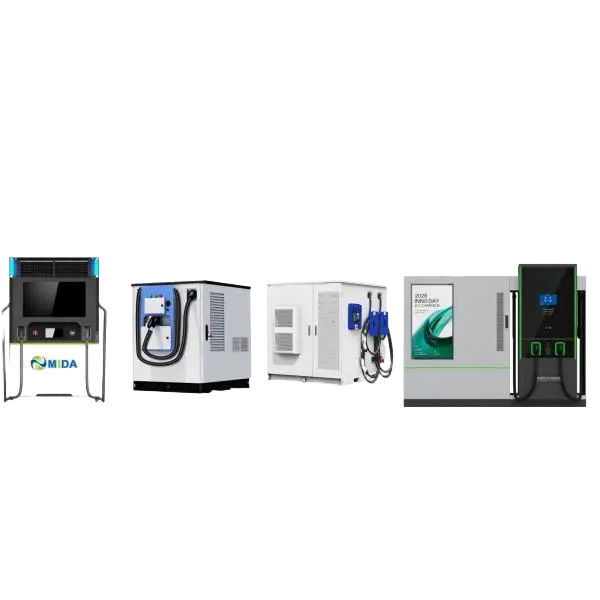
Shanghai Mida Cable Group Ltd. operates globally through its wholly owned subsidiaries: Shanghai Mida EV Power Co., Ltd., Shenzhen Mida EV Power Co., Ltd., and Shanghai Mida New Energy Co., Ltd. This structure enables full vertical integration—from copper cable extrusions and premium liquid-cooled connector molds to advanced power converter module firmware and complete mobile chassis system assemblies.
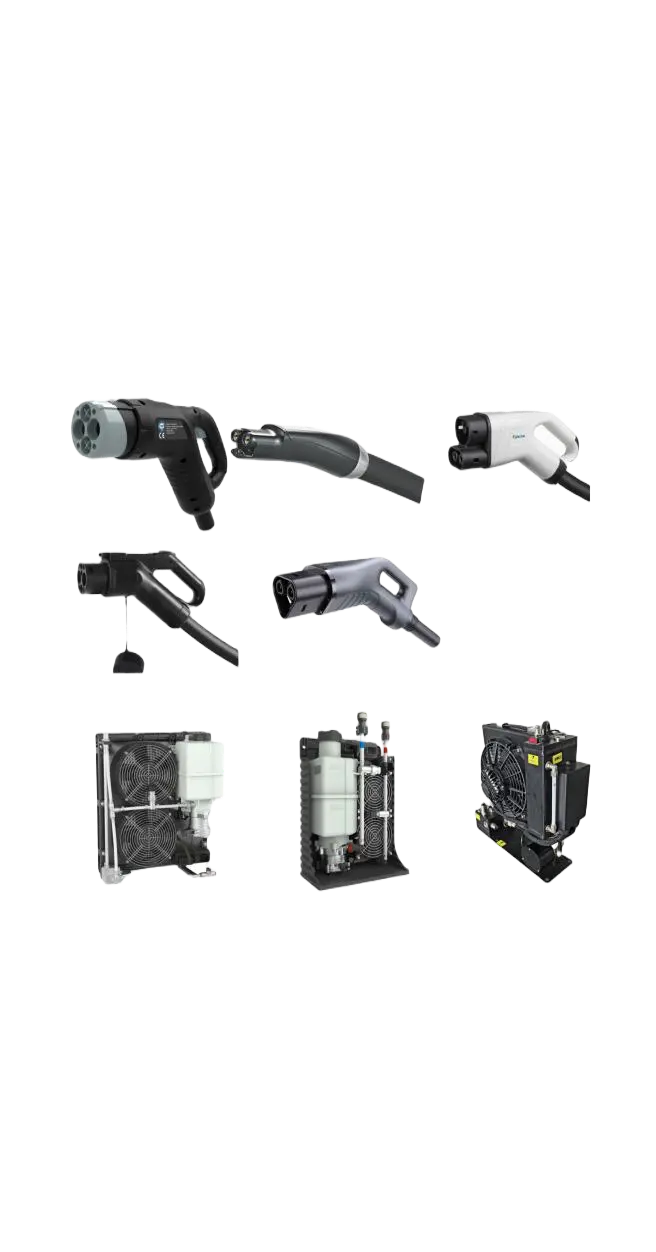
Mida Cable manufactures an exhaustive array of EV charging cables, including 16A–80A J1772, 16A–63A IEC 62196-2 Type 2 cables, and high-performance DC fast charging cables: CCS1 (80A–500A), CCS2 (125A–1000A), CHAdeMO (125A–300A), GBT (200A–1000A), and NACS connectors (250A–600A) designed to survive rigorous commercial cycling.
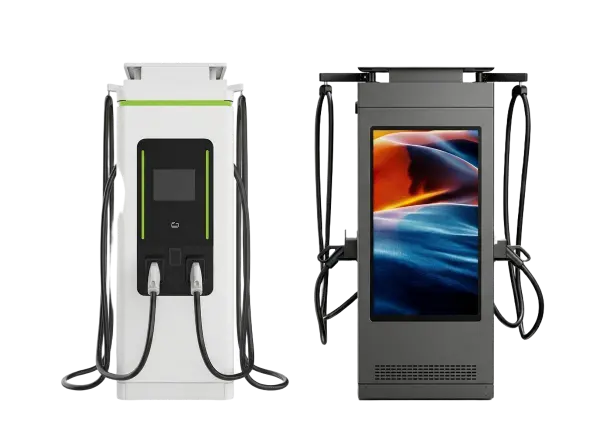
MIDA EV Power produces an expansive lineup of EV charging stations, such as 7kW–50kW mobile chargers, 3.6kW–7.2kW portable DC chargers, 360kW–1440kW split-type DC fast chargers, 20kW–50kW wall-mounted DC chargers, and 60kW–480kW floor-standing DC fast charging stations.
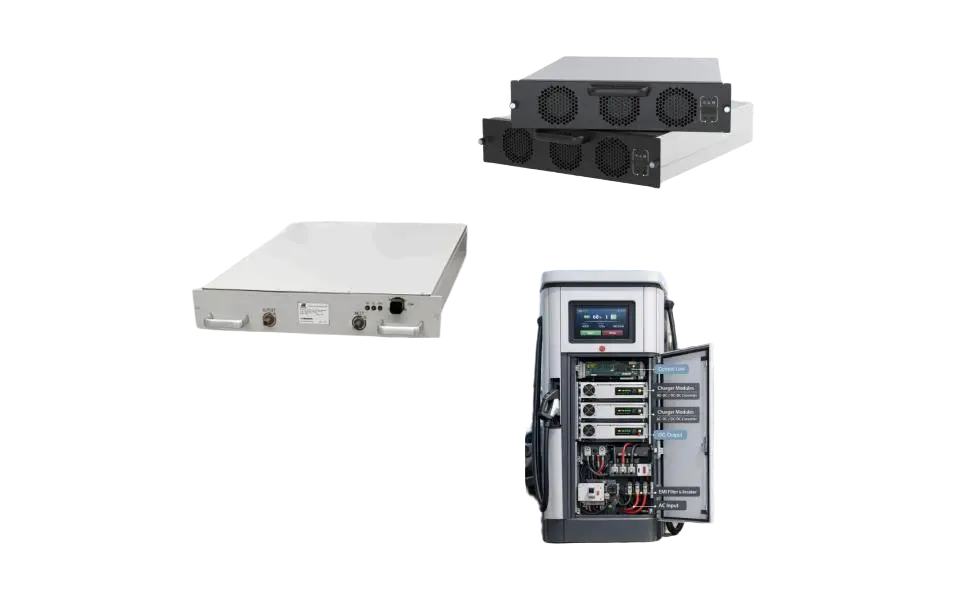
MIDA New Energy focuses on high-frequency power switching topologies, offering 20kW–60kW standard modules, 40kW–125kW liquid-cooled modules, 30kW–62.5kW bidirectional modules, and 20kW–45kW V2G charging modules for vehicle-to-grid integration.

Deploying portable DC charging stations internationally requires strict adherence to diverse regional grid codes, electromagnetic compatibility (EMC) regulations, and mechanical safety standards. Operating in European, North American, or Asia-Pacific markets demands specialized design characteristics to comply with local regulatory environments.
To safely deploy portable DC charging equipment in the United States and Canada, units must meet UL 2202 (Standard for Electric Vehicle Charging System Equipment) certification. This standard regulates safety during over-current events, grounding continuity, and short circuits. Furthermore, integrated ground fault circuit interrupters (GFCI) are required to monitor current leakage, automatically disconnecting output power within milliseconds of detecting an anomaly to prevent electrical shocks.
In the EU, compliance revolves around the CE mark and the IEC 61851 series. Since portable chargers are often used outdoors in varied weather conditions, thermal and mechanical integrity are essential. Systems must undergo strict testing for protection against impact (IK10) and water ingress (IP55 or higher). Additionally, European operators require compliant DIN 70121 and ISO 15118 communication stacks to support smart charging protocols, enabling secure encrypted communication between the vehicle's onboard computer and the charging station.
High-power switching modules, such as those utilizing Silicon Carbide (SiC) MOSFETs, generate high-frequency electromagnetic noise. If left unshielded, this noise can interfere with neighboring equipment and communications networks. MIDA Group integrates advanced line filters, localized ferrite chokes, and heavy metallic shielding into every portable chassis. This ensures compliance with Class A and Class B EMC requirements according to FCC Part 15 and EN 55011, preventing grid distortion and localized electrical noise.
How MIDA Group leverages complete in-house control over cable manufacturing, module design, and component production to deliver quality and value.
The global transition to electric mobility has highlighted the importance of raw material access and manufacturing agility. MIDA Group's factory in China is strategically positioned to leverage these advantages. By manufacturing cables, power electronic modules, and complete charging enclosures within a unified facility network, we minimize supply chain complexity and accelerate delivery cycles.
Key aspects of our supply chain advantage include:
For fleet managers, the primary metrics for equipment selection are acquisition cost and long-term reliability. By manufacturing our own power converter modules, MIDA Group reduces dependence on external component vendors. This integration lowers initial procurement costs and simplifies maintenance, as all replacement components are designed to work together seamlessly. Consequently, commercial operators can achieve rapid amortization, reduced downtime, and lower total cost of ownership (TCO).
How diverse global enterprises leverage portable and mobile DC power systems to bypass local grid bottlenecks.
Fleet operators transitioning from combustion engines to electric powertrains often face grid constraint issues. Installing high-voltage substations can require significant time and capital. Portable DC chargers allow logistics managers to deploy temporary power points along active lanes. These mobile units can plug directly into existing 400V AC industrial outlets, allowing operators to run test fleets while waiting for permanent utility upgrades.
Electric vehicles that run out of charge on highways require specialized roadside assistance. Standard flatbed towing is costly and slow. Emergency response vehicles equipped with integrated battery-powered mobile chargers (like the MIDA 65kWh–200kWh rescue units) can quickly deliver a high-power charge to stranded EVs, providing enough range to reach the nearest permanent station.
Dealership service centers require quick turnarounds when prepping vehicles for customer delivery or running diagnostic tests. Permanently installed charging stations can block garage space. Compact, mobile DC chargers can be easily moved between service bays, enabling technicians to charge and diagnose vehicles without moving them to dedicated charging lanes.
Temporary construction sites, mining camps, and outdoor events often operate without connection to the central electrical grid. In these environments, mobile charging stations integrated with battery storage systems (BESS) and paired with solar arrays or local generators provide reliable fast charging, supporting clean operations in remote areas.
Providing clear, technical answers to critical engineering, procurement, and deployment questions.
Stay updated on our latest technical insights, installation guides, and developments in pantograph charging and fleet technologies.
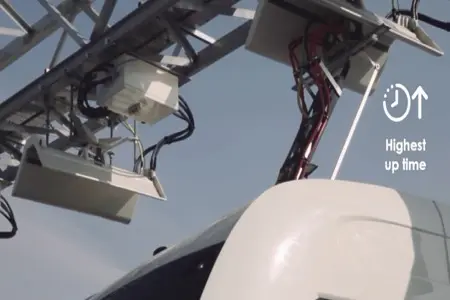
What are the advantages of an e-bus pantograph dome? In contrast to classic plug-in charging systems, e-bus pantograph solutions enable high-power automated energy transfers...
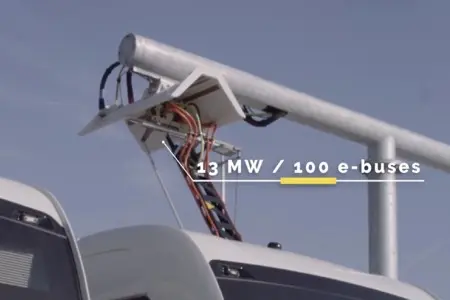
How long does it take to charge with an e-bus pantograph? The charging time depends on the battery capacity, state of charge, and the peak power of the electrical bus dome system...
How to Install the Pantograph Up Charger System Dome for Electric Bus. Installing a “Pantograph Up” system requires careful site planning, mechanical alignment, and structural support integration...
Explore our broader selection of high-power public charging piles, bidirectional V2G units, and custom split-cabinet systems.
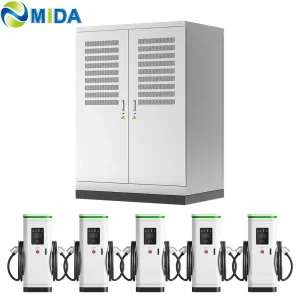
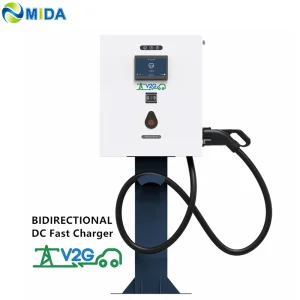
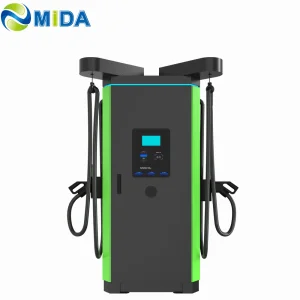
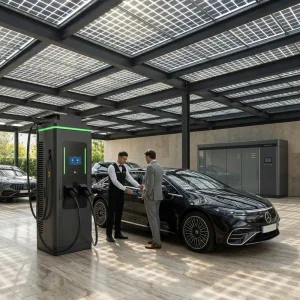
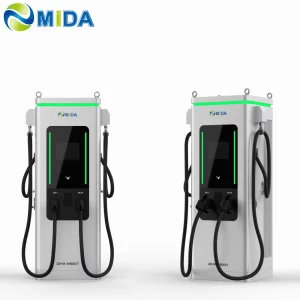
Get in touch with MIDA Group's technical sales team to configure a mobile DC power plan tailored to your fleet's requirements.
Contact Our Engineers Today